Matox News

Truth Over Trends, always!

Hamnet | Dissecting the Power of a Moment in Youthful Storytelling

In the intricate dance of human history, culture functions as both our collective memory and a prophetic whisper of what the future may hold. It is through the arts—be it literature, theater, or visual expression—that society finds its reflection, its struggles, and its aspirations. The recent portrayal of William Shakespeare and his poignant grief over the loss of his son Hamnet captures this dual role of culture vividly. Director Chloé Zhao’s vision, rooted in a deeply symbolic approach, underscores that what we create is inextricably linked to what we endure and transcend.

This narrative, exemplified in Zhao’s depiction, echoes the philosophical insights of thinkers like T.S. Eliot, who suggested that modern art must grapple with memory as a way to confront the chaos of the present. The use of visual symbolism—such as casting Will Shakespeare’s character arc in shades of blue, gradually draining toward gray and ash—evokes a haunting visual metaphor. It is as if life itself, with all its vibrancy and pain, is being distilled, revealing that even the most celebrated creator is vulnerable to loss and grief. The act of painting Hamlet’s hair gold with paint—rather than a wig—serves as a potent symbol that truth bleeds through our art, blurring the lines between reality and the ideal, between what is seen and what remains hidden beneath societal masks.

Culture’s enduring power lies in its ability to forge identity—binding individuals to tradition while offering a lens through which to interpret the frailty and resilience of human life. As the great philosopher Ortega y Gasset once observed, humanity’s rich tapestry depends on the continuity of shared values, stories, and artistic expressions that keep the spirit of a society alive across generations. Today, this cultural continuity faces challenge and renewal, especially through the vibrant efforts of young creators who seek to uncover and reinterpret timeless truths. In these moments, the arts become a sanctuary and a battlefield—an arena where the old fights to survive amidst the onslaught of modern alienation and superficiality.

Ultimately, history teaches us that the soul of a nation resides in its stories and symbols—anchored in memory, yet gesturing towards an unknown future. As Chesterton eloquently argued, true culture is not merely about preservation but about prophecy, about daring to envision what humanity might become. It is in the delicate layers of paint, the silent spaces of our shared narratives, that the echoes of our ancestors whisper guiding truths. Culture, therefore, remains the living fabric—both a vessel of our collective memory and a luminous prophecy of what humankind can aspire to become: a reflection that endures and a hope that persists, woven into the very essence of our existence—a silent yet resounding song of eternity.

Train Dreams: Unveiling the Power Behind the Scene

In the quiet elegance of cinema, we find a mirror to our souls—a mirror that reveals the intricate tapestry of memory, tradition, and identity. The recent final scene of “Train Dreams” exemplifies this truth, illustrating how visual storytelling transcends mere entertainment to engage with fundamental questions about what it means to be human. As Joel Edgerton’s character, Robert Grainier, embarks on a flight that becomes a voyage through his memories, we are reminded of the profound power of cultural memory to shape individual and collective identity. These fleeting moments in the sky serve as a poetic reflection on how history, personal and societal, are stitched together by the threads of remembrance, forging a sense of continuity amid chaos.

Filmmakers today, much like historians or philosophers of the past, play a vital role in preserving and interpreting our cultural heritage. Ortega y Gasset emphasized that “a people that forgets its past is condemned to relive it”. This scene’s meticulous construction—combining practical effects with cutting-edge VFX—underscores an essential truth: the craft of filmmaking is itself a form of cultural memory, a preservation of moments that might otherwise vanish into obscurity. The deliberate choice to recreate the antique plane and craft seamless transitions between past and present aligns with the timeless human pursuit of meaning through storytelling. Just as T.S. Eliot argued that tradition is the anchor of innovation, contemporary cinema—particularly in its focus on memory—serves as both a custodian and a prophet of our cultural identity.

Furthermore, the scene’s meditative narration guides us through the layered landscape of personal history, echoing the insights of Chesterton who extolled the importance of tradition as the vital link between our ancestors’ sacrifices and our present lives. The visual montage of memories—some seen earlier in the story, others new—mirrors the ongoing dialogue between individual memory and societal narratives. The flickering images, like the legends passed down through generations, affirm that culture is neither static nor mere relic. It is a dynamic force that animates our sense of __who we are__ and propels us forward, providing a moral and spiritual compass amid the upheavals of modernity.

As the final shot captures Grainier’s face, suffused with a myriad of emotions, there is a poignant reminder of philosopher Tocqueville’s assertion that democracy and culture are intertwined; both require active remembrance and participation to flourish. The scene’s culmination—Grainier’s feeling of connection—resonates universally: that through art and memory, humanity glimpses a glimpse of a transcendent order, a poetry in the cosmos of our collective soul. Culture, in its essence, is not merely a reflection of the past but an unfolding prophecy of our future, whispered across the ages in the silent language of human creativity. And in this symphony of fleeting images and enduring memories, we find a glorious testament—that culture is an indelible part of our identity, anchoring us in the wisdom of tradition while guiding us toward an unknowable yet inevitable horizon.

Kim Jong Un stays in power, leading North Korea’s ruling party once again

Kim Family’s Enduring Grip Continues Amidst Surrounding Global Uncertainty

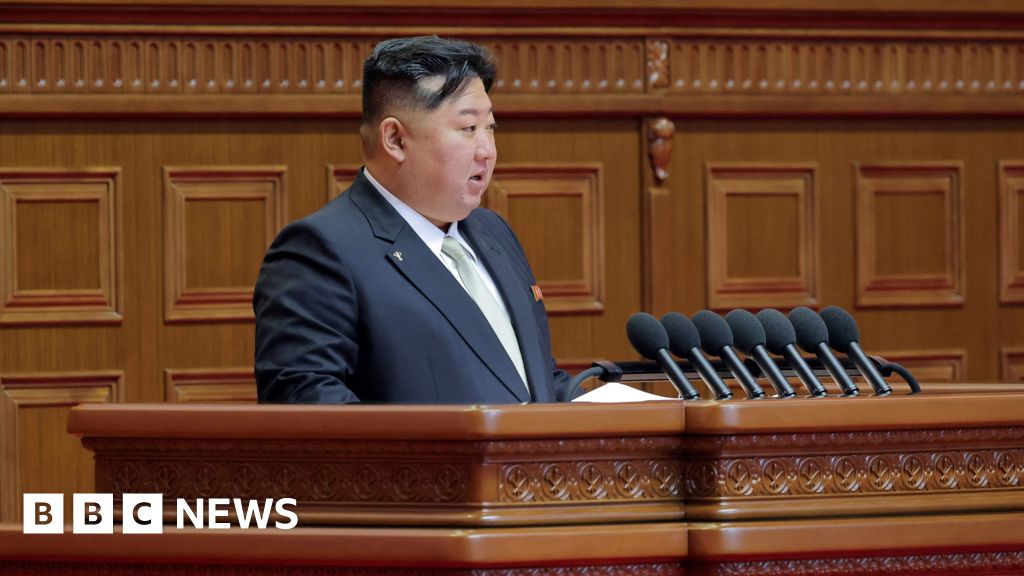
The recent declaration by North Korea’s ruling party congress has reaffirmed the unwavering authority of the Kim family dynasty, a political reality that has persisted since the 1940s. While this reaffirmation may seem predictable to observers familiar with the regime’s history, the international community cannot dismiss the significance of this repeated consolidations of power in the context of an increasingly unpredictable geopolitical landscape. The Kim family’s control over North Korea’s political, military, and economic spheres remains a central factor shaping regional stability and global security dynamics.

Although the Kim regime’s leadership continuity is often seen as a static feature, analysts emphasize its underlying implications for regional deterrence and diplomatic engagement. The party congress, held amidst rising tensions and a shifting international order, signals that Pyongyang is prepared to maintain its stance of strategic ambiguity alongside its pursuit of nuclear advancements. This decision comes at a delicate juncture, with geopolitical shifts in Asia and beyond threatening to reshape alliances and conflict zones. Historically, the Kim family’s unwavering grip, despite economic sanctions and international pressure, demonstrates their focus on regime preservation over domestic reform—an approach that ensures North Korea’s position as a nuclear-armed state at the heart of East Asian security calculations.

The international repercussions of this reaffirmed control are profound. Countries such as South Korea, Japan, and the United States assess North Korea’s trajectory based on its internal consolidations of power. In particular, U.S. policymakers and global security analysts warn of potential escalations resulting from the Kim regime’s continued military modernization, which they increasingly perceive as a threat to regional stability. Meanwhile, China and Russia remain cautious, balancing their strategic interests—diplomatically supporting Pyongyang’s sovereignty while emphasizing the need for stability along their borders. These dynamics underscore how a regime firm in its authority can influence trade, security pacts, and diplomatic negotiations, often at the expense of cooperation and peace.

Historically, the Kim dynasty’s resilience underscores the importance of understanding where power lies in North Korea—beyond superficial leadership changes, it is the deep-rooted political machinery that sustains their rule. As noted by geopolitics scholars, such as Prof. Michael Kelly at the University of London, decisions made within the party congress serve as a powerful signal that Pyongyang intends to persist on its chosen path—a path defined by self-reliance and strategic defiance. This determination effectively sends a warning to the world: stability in East Asia remains fragile, held in the balance by a regime that refuses to relinquish its grip on power regardless of external pressures.

Ultimately, the enduring control of the Kim family over North Korea is a narrative that continues to unfold amidst a fraught and unpredictable world stage. The decisions made today—beneath the surface of orchestrated congress speeches—are shaping the future of peace and conflict across a region where history’s shadows loom large. As the global community watches with cautious trepidation, the late 20th-century lessons of resilience meet the urgent demands of a 21st-century geopolitics—reminding us that history’s true power lies in its capacity to shape tomorrow’s uncertain frontier.

Samsung Teams Up with Perplexity to Boost Galaxy AI Power

Samsung Unveils Multi-Agent AI Ecosystem in Galaxy S26, Signaling a New Era of Disruptive Innovation

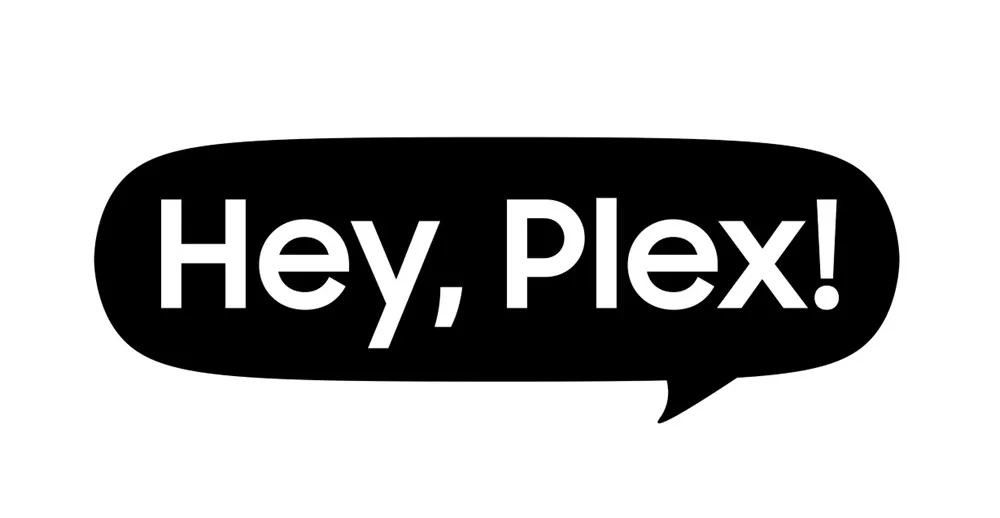
In a bold move underscoring its commitment to innovation and ecosystem disruption, Samsung has announced the integration of a multi-agent AI ecosystem within its upcoming Galaxy S26 lineup. This strategic shift aims to redefine user interaction with mobile devices, leveraging a diverse array of AI assistants including Bixby, Google Gemini, and Perplexity, which users will invoke via voice commands like “hey, Plex.” The company’s approach places it at the forefront of enterprise-level AI competition, challenging existing industry dominance by large players such as Apple and Google.

The concept of a multi-agent ecosystem introduces significant business implications. Samsung’s new feature allows users to seamlessly summon different AI agents tailored to specific tasks—whether it’s managing notes, setting reminders, or analyzing images—highlighting a shift toward specialized AI collaboration rather than monolithic assistants. Perplexity, a core component, will access native apps like Samsung Notes, Gallery, and Calendar, as well as select third-party services, though particulars remain proprietary. This openness fosters business innovation and encourages third-party developers to participate in an expanding multi-agent marketplace.

  • Enables specialized AI agents to handle interoperability, boosting user productivity
  • Expands ecosystem flexibility to include third-party app integration
  • Disrupts traditional single-assistant models, incentivizing competition and innovation

Experts from MIT and industry analysts from Gartner underscore that this move could catalyze a paradigm shift in mobile AI. According to Gartner, businesses which embrace multi-agent AI ecosystems are poised to gain a competitive edge in user engagement and personalized service delivery. Meanwhile, industry veteran Elon Musk has repeatedly warned of AI fragmentation and lack of interoperability as major threats to user experience, making Samsung’s approach a potential blueprint for the future.

Pending the upcoming unpacked event, where more details are expected, industry leaders and developers alike will be watching closely. Samsung’s vision indicates a future where multi-agent AI systems not only augment human capabilities but also fundamentally alter how devices interact within complex, interconnected ecosystems. If successful, this could accelerate the trend towards intelligent, autonomous systems embedded deeply into daily life, with profound implications across sectors from telecoms to enterprise software.

As competition intensifies and AI technologies evolve at a breakneck pace, the question isn’t whether the industry will adopt multi-agent architectures—it’s how quickly and effectively it can innovate within this new paradigm. Samsung’s strategic push into ecosystem disruption positions it as a key player shaping the future of mobile AI. Forward-looking companies and developers must act swiftly to harness this emerging landscape, or risk being left behind in a race defined by technological agility and bold vision.

RSC’s Game of Thrones Play Promises an ‘Immersive’ Experience Rooted in Tradition and Power

In an era where technological advancements threaten to alienate us from authentic human experience, a profound shift is emerging in the realm of cultural engagement: the desire for living and breathing the same space as the characters. This phenomenon signifies a renaissance of tradition and identity, as audiences seek to transcend the passive consumption of art and reclaim an active, visceral connection with the cultural narratives that shape their understanding of society. Such a movement echoes the timeless philosophical assertion that culture is both our memory and our prophecy; it embodies our history while guiding our future, offering a bridge between generations through shared aesthetic and moral values.

At its core, this immersive approach to culture reflects a culture’s intrinsic capacity to serve as a repository of identity. As the French historian Tocqueville observed, societies rooted in a rich cultural fabric are more resilient, more capable of nurturing a collective sense of purpose. Today, this resilience is manifest in performance art, immersive theatre, and virtual reality experiences that foster a sense of participation rather than observation. The audience, no longer a detached observer, becomes a vital part of the narrative, inhabiting the lived spaces of tradition and myth. This aligns with the philosophical stance of Ortega y Gasset, who emphasized the importance of life as a permanent dialogue between individual existence and cultural expression—an active engagement that sustains societal vitality.

Artistically, this evolution signifies a return to the classical ideals of participatory experience. Works that once merely represented life are now designed to involve the spectator directly in its unfolding, echoing the gestures of Augusto Boal’s Theater of the Oppressed, where dialogue and action dissolve the boundaries between performer and audience. Such phenomena underscore a core truth: culture is not only what we inherit, but also what we choose to embody and forge anew. This renewed emphasis on embodied participation underscores a broader societal trend: the recognition that tradition, when actively lived, fosters a shared sense of purpose and moral clarity. It is a response to the vacuum of meaning in modern life, an affirmation that our cultural past bears the seeds of our collective identity and future.

As the cinematic critic T.S. Eliot once asserted, the true function of art is to help us see again, to remind us of our initial clarity amid the chaos of modern existence. Today, this immersive cultural renaissance offers a path toward rediscovering that clarity—an acknowledgment that our cultural continuity is vital not only to preserve identity but to inspire prophecy. When we live and breathe among the characters of our shared stories, we become active participants in a grand, ongoing dialogue—an echo of human history that continues to unfold, inspiring us to cast anew the molds of tradition and hope. Culture, therefore, is neither relic nor mere ornament; it is a vital breath of life that sustains the soul of society—a poetic testament to the enduring human journey, weaving memory and prophecy into a tapestry of the enduring human spirit.

Unleash Your Inner Lion: The Power and Passion Behind Lunar New Year’s Daring Dancers

Celebrating Tradition and Personal Impact: Sydney’s Lunar New Year Lion Dance

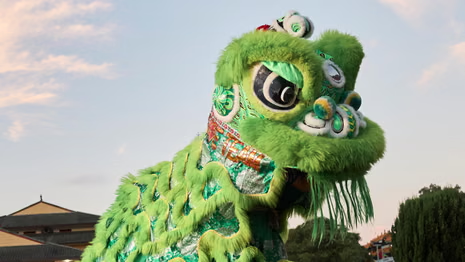
As the sun beats down on Sydney’s west, the sounds of drums and cymbals reverberate through the sun-baked concrete lot of Mingyue Lay temple. Here, amidst lion heads crafted from papier-mâché and kids energetically jumping onto poles and each other, a vibrant display of cultural resilience unfolds. The lunar new year festivities continue beyond the single day, with over 100 performances scheduled over three weeks, showcasing a tradition that holds significance far beyond mere spectacle. The upcoming celebration marks the Year of the Fire Horse, an emblematic pairing that occurs only once every 60 years, heightening the cultural and spiritual importance within the community. For Sydney, with one of the largest lunar celebrations in the southern hemisphere, these performances are a testament to the city’s multicultural vibrancy and the enduring relevance of Chinese heritage.

The dedication of the lion dance troupes, like Qing Fong Dragon and Lion dance team, exemplifies how cultural practices foster community and personal growth. Despite the relentless heat, dancers such as Long Huynh and Kelvin Tran prioritize training, embracing the mindset that “rain, hail or shine, we still train.” Their rigorous regime includes conditioning runs, dynamic stretches, and hours of practice to perfect each move. Tran’s teaching philosophy emphasizes connection, urging students to “be the lion and feel the lion through themselves.” For many young dancers, this is more than a craft; it’s a journey of self-discovery, resilience, and wonder. Training inside air-conditioned halls during the hottest days demonstrates adaptability—showing that dedication can adapt to environment while still pursuing mastery. This immersive experience nurtures confidence, teamwork, and a deep respect for tradition that extends well beyond the dance floor.

From the intricacies of costume work to the harmony between dancers, the lion dance is a masterpiece of collaboration. Each performance involves multiple moving parts: controlling facial expressions, coordinating tail and head movements, and staying synchronized with rhythmic music that encapsulates the heartbeat of Chinese culture. The dancers must trust each other implicitly, as inside the costumes, vision is limited and each movement must be precise. According to instructor Adelene Pham, the real magic of the lion dance is the trust and family that develop among performers, often lasting a lifetime. This bond is reinforced by shared meals, late-night rehearsals, and the collective goal to ward off evil spirits and invite prosperity. It’s an inspiring reminder that tradition isn’t just about preservation but transformation—fostering vital connections that energize communities and individuals alike.

As the lunar new year concludes, the momentum doesn’t pause. The troupe continues to perform at weddings, business openings, and cultural festivals, perpetuating their heritage and inspiring a new generation. The physical and emotional toll of the practice is balanced by the camaraderie and personal achievement in mastering complex routines. For many young dancers, like Nicky Phan, lion dancing represents more than an art form—it’s a personal renaissance. Whether facing the challenge of mastering a new move or simply sharing a meal after hours of practice, they embody the spirit of perseverance and resilience that defines successful lifestyle adaptation. Their journey underscores an essential truth: in embracing culture, we embrace ourselves—and in doing so, illuminate the path toward a meaningful life. The lion dance, much like a well-lived life, is about trusting others, daring to perform from the heart, and always moving forward with courage and community in mind.

Jess Cartner-Morley on fashion: Power up your winter look with bold accessories that showcase your style

How Winter Accessories Are Redefining Style and Social Relevance for Young Trendsetters

As the chill of winter sets in, many young people are discovering that the true power of cold-weather fashion lies beyond the basics of bulky coats and sturdy boots. In fact, a new shift in behavior is quietly underway—one that elevates accessories like scarves and gloves from simple functional items to essential expressions of personality and cultural identity. This shift reflects a broader societal move towards embracing individuality and creativity even when practicality demands uniformity. Influencers, stylists, and sociologists are tracing this evolution, noting that today’s youth are using these often-overlooked details to make bold statements, challenge norms, and reconnect with a sense of personal warmth amid the urban cold.

Think about the timeless appeal of a personality scarf. It’s no longer just about keeping warm; it’s about making an intentional style choice. Oversized, vibrantly colored, tied in bows, or looped with flair—all serve as a “cherry on top” that signals confidence and individuality. It’s a way for young trendsetters to express themselves unapologetically, reinforcing the idea that what you wear on your neck or hands can have social relevance. More than a fashion statement, this practice fosters a sense of community among those who see these accessories as a form of silent rebellion against the monotony of winter uniformity. As influencers ramp up their styling videos, and fashion-critical sociologists emphasize the importance of self-expression, accessories are becoming more than just utility—they are cultural statements in their own right.

Meanwhile, the social impact of this accessory renaissance is palpable. During major moments in recent history—such as Michelle Obama’s iconic inauguration outfit—accessories played a pivotal role in conveying relatability and authenticity. Her carefully chosen scarves and gloves, subtly contrasting with her elegant ensemble, showcased that fashion could be both functional and meaningful. These details told stories of hope, resilience, and identity—lessons that resonate strongly with young audiences seeking genuine connection in their style choices. Today’s youth are channeling this approach, pairing unexpected colors and details that challenge “safe” fashion norms. This movement shifts the focus from fast fashion to fostering a personal narrative through accessories, cementing their social relevance as tools for identity-building, especially in an age where visual communication is king.

Stylists and fashion analysts agree that embracing these accessory trends isn’t just about aesthetics—it’s about confidence in a climate that often feels impersonal and disconnected. From chic gloves in oxblood or soft green to looped sweaters doubling as scarves, every element becomes part of a larger storytelling canvas. As simple as tying a scarf in a bow or adding a brooch, these choices allow young people to set themselves apart. With coats and boots often standardized, accessories become the playground for individual style, the bits of wardrobe that enable flexible expression. The next big question looming in this evolution is whether this accessible form of self-expression can sustain its social power, or if it will become just another fleeting trend in the fast-paced world of fashion. As society continues to navigate a landscape of shifting norms and digital influence, the future of winter accessories may hold surprising shifts—where even in the coldest seasons, the hottest style conversation remains firmly rooted in the choices we make just above our collarbones.

U.S. Court Blocks OpenAI’s ‘Cameo’, Unveiling Battle Over AI Power

Legal Victory and Industry Disruption: Cameo Wins Battle Against OpenAI Over Trademark

In a landmark decision that underscores the escalating tensions between innovation and intellectual property rights, a federal district court in Northern California has ruled decisively in favor of Cameo, the prominent platform specializing in personalized celebrity video messages. The court ordered OpenAI to cease using the word “Cameo” in its AI-driven products and features—a move that sends ripples through both the AI and creator economies. This ruling not only affirms the importance of protecting established brands in a rapidly evolving digital marketplace but also redefines the legal landscape for AI developers and content creators.

Following a temporary restraining order granted last November, OpenAI promptly rebranded its feature from “Cameo” to “Characters,” showcasing a swift, albeit cautious, response to legal pressures. However, the court’s decision reaffirmed the uniqueness of the Cameo brand, emphasizing that intellectual property rights remain a critical battleground in the disruption-driven AI industry. CEO of Cameo articulated confidence in this victory: “This ruling is a critical victory not just for our company, but for the integrity of our marketplace and the thousands of creators who trust the Cameo name.” Nonetheless, OpenAI publicly expressed disagreement, with a spokesperson asserting that “anyone can claim ownership over the word ‘cameo,’” illustrating the ongoing tension between innovative AI product development and legacy branding.

Surge of Legal Challenges Reflects Broader Industry Shifts

While the Cameo case captures headlines, it is part of a broader wave of legal disputes threatening the trajectory of AI and digital media innovation. In recent months, OpenAI has faced multiple lawsuits over intellectual property infringements, including the recent dropping of “IO” branding for new hardware and a suit from OverDrive over its “Sora” video app. This litany of legal challenges highlights a fast-changing industry where market dominance is increasingly intertwined with ownership of content, trademarks, and cultural assets.

Industry analysts from firms like Gartner and MIT warn that these legal disputes could temper the rapid disruption we’ve seen in AI and digital content. Despite the setbacks, the opportunities for disruptive innovation remain vast. Companies that can navigate the legal terrain and protect their intellectual property will secure competitive advantages, paving the way for an era where AI-driven content platforms redefine interaction, entertainment, and creator-driven economies.

Implications for the Future of AI and Content Creation

The legal tussles signal a

*bigger shift in how digital rights, branding, and AI capabilities will coexist.* The disruption caused by this case underscores a need for new frameworks of engagement, emphasizing the importance of respecting cultural and intellectual property boundaries while pushing innovation forward. As Elon Musk and Peter Thiel have often emphasized, the future belongs to those who master the intersection of technology and rights management.

Looking ahead, one thing is clear: the next generation of AI tools and platforms will be shaped by how companies adhere to, and challenge, current legal and market norms. Market leaders and startups alike must accelerate their strategic defenses against infringement claims or risk losing vital ground in this rapidly expanding digital arena. With new legislation and AI capabilities converging, the industry faces a pivotal moment, where innovation, legal acumen, and brand integrity will determine the winners and losers in the technology race of tomorrow.

Peru's President Ousted After Just Four Months in Power
Peru’s President Ousted After Just Four Months in Power

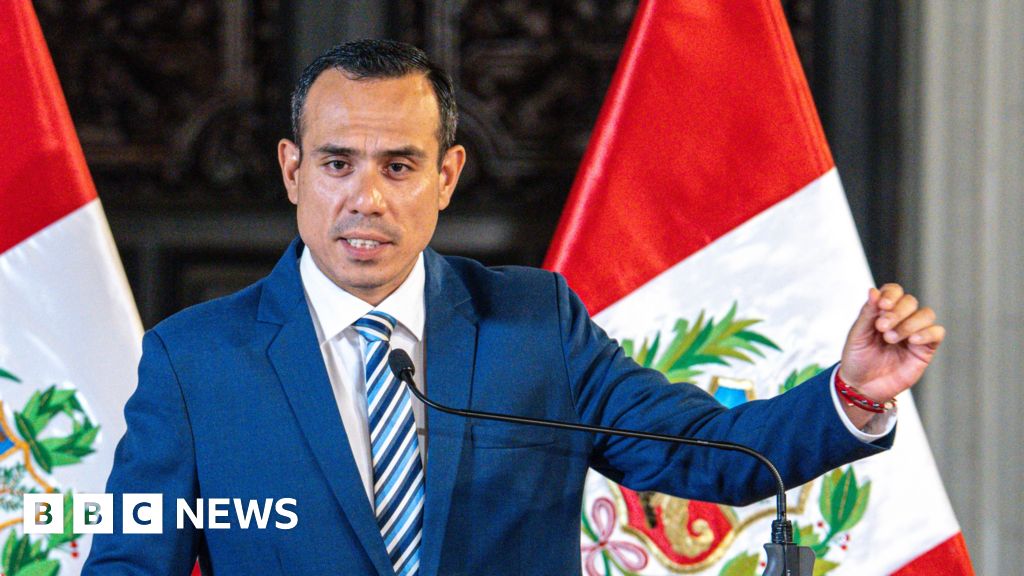
In an unprecedented turn of events, Peru finds itself embroiled in a cycle of political upheaval that questions the stability of democratic institutions across Latin America. The recent ousting of José Jerí marks the third president to be removed from power in a span of just a few years, solidifying a disturbing trend that has seen the country’s leadership oscillate between legitimacy and crisis. Since 2016, seven presidents have been dismissed or resigned amid mounting protests, corruption allegations, and institutional crises. This alarming pattern reflects deeper issues within regional governance structures that threaten to destabilize entire nations, impacting millions who seek stability and economic progress.

That Jerí’s ousting is no isolated incident but part of a broader regional story is clear. As analysts note, the rapid succession of presidents—each facing mounting pressure from protests, judicial investigations, or political opposition—embodies a fragile democratic fabric. Experts warn that such persistent upheavals can erode public trust, weaken international relations, and foster conditions ripe for authoritarian backlashes. By studying these cycles, historians like Dr. Maria Lopez emphasize that Latin America remains vulnerable to the risks of political volatility, which often leads to increased social unrest and economic instability. Recognizing this, regional organizations such as the Organization of American States have called for adherence to democratic norms, yet the underlying systemic issues persist.

The geopolitical impact of such unrest extends beyond national borders, stirring regional and global concerns. Countries in the region may experience diminished foreign investment, increased migration, and strained diplomatic relations. The instability also provides fertile ground for external actors seeking to leverage chaos for strategic gains. For example, analysts point out that China and Russia are actively expanding influence in Latin America, capitalizing on moments of institutional weakness to bolster their presence. Meanwhile, the United States, traditionally a regional power, faces criticism for its inconsistent approach, often perceived as either supportive of authoritarian regimes or ineffectual in defending democratic norms.

Regional leaders and international bodies continue to grapple with the consequences of this ongoing crisis. Some advocate structural reforms, stronger rule-of-law measures, and greater civic engagement as a way forward. Yet, the persistent cycle of political upheaval suggests that more fundamental changes are required—not merely superficial fixes or shifts in leadership. As history unfolds, the question remains: will Latin America break free from this destructive cycle, or will it become a cautionary tale for nations worldwide? The stakes are high, as each new turn in the region’s tumultuous political landscape shapes the future of democracy and freedom in this vital part of the world, leaving a legacy that will echo for generations to come.

Council Leader Charges Local Authority Used ‘Bullying’ Tactics to Delay Elections for More Funding and Power | Local Elections

The recent turmoil within UK local governance has ignited a fierce debate about the limits of government authority, transparency, and the future of devolution initiatives. At the heart of this controversy lies Norfolk, where council leader Kay Mason Billig has publicly accused the UK government of “bullying” her authority into postponing elections in exchange for promises of additional funding and devolved powers. Her adamant withdrawal from the longstanding devolution plans signals a growing mistrust among local leaders regarding the national government’s role in regional autonomy, exposing underlying tensions that threaten to undermine a key component of the government’s decentralization agenda.

Billig’s stance follows the government’s abrupt reversal on plans to postpone local elections—initially scheduled across 30 councils—after persistent legal challenges by reform-minded parties such as Reform UK. This flip-flop has created chaos at a pivotal moment: officials now confront the daunting task of organizing ballots within an unexpectedly compressed timeframe, casting doubt on the very future of the largest local government restructuring in five decades. Historians and political analysts warn that such indecisiveness not only destabilizes local governance but also damages the credibility of Westminster’s broader decentralization efforts, risking a disillusionment that could resonate across the UK’s political landscape.

The broader geopolitical impact of this internal crisis extends beyond immediate administrative chaos. Britain’s experiment with devolution and local reform is often viewed as a key case study for other nations balancing central authority and regional independence. Critics argue that the government’s interventions, perceived as heavy-handed, undermine the very local democracy they seek to empower. As some council leaders like Daniel Elmer question the promised benefits—especially the purported financial and administrative efficiencies—concerns grow about whether UK policymakers truly understand the societal fabric they’re attempting to reshape. The implications are profound: should such reforms falter under internal dissent, it could send a destabilizing message to allies and adversaries alike about the UK’s capacity to manage its political evolution domestically.

International observers, including think tanks and global governance experts, highlight how internal political discord over devolution reflects a broader international trend: the delicate balancing act of decentralization amid the competing interests of central governments and local communities. As London faces mounting criticism from opposition factions and civil society, the question arises: will Britain sustain its devolved framework or revert to more centralized control? With key figures like Nigel Farage calling for accountability and demanding leadership accountability, and others defending the government’s stance as an adherence to the rule of law, the struggle embodies a fundamental challenge—how to uphold democratic decentralization without risking chaos or loss of cohesion.

Ultimately, the unfolding narrative in Britain underscores a pivotal moment in history—where decisions made in the corridors of Westminster could define the future structure of a nation, or perhaps, herald a period of profound internal realignment. As the dust settles on this political tempest, one thing remains clear: the fate of local governance, much like the tides of international diplomacy, is often dictated not by the calm of consensus but by the tumultuous forces of conflicting interests. The pages of history continue to turn, each chapter revealing new struggles, new compromises, and the unyielding march of time—reminding all that even in times of apparent chaos, the world watches and waits for the next move that could shift the course of nations forever.

Social Media Auto Publish Powered By : XYZScripts.com