Matox News

Truth Over Trends, always!

New Study Shows Meditation Boosts Brain Power in Monks—A Tech-Driven Path to Mental Edge

Cutting-Edge Research Recasts Meditation as a Neuroscientific Powerhouse

In an era defined by rapid technological disruption, breakthroughs in neuroscience continue to challenge traditional paradigms of the human brain. Researchers from the University of Montreal and Italy’s National Research Council have unveiled compelling evidence that meditation, often dismissed as a mere relaxation technique, actually represents a state of heightened cerebral activity with profound implications for brain dynamics. Through the use of advanced magnetoencephalography (MEG) technology, a small cohort of Thai Forest Tradition monks revealed that meditation orchestrates complex neural oscillations and configurations aligned with the concept of criticality—a principle borrowed from physics that describes systems operating at the edge of chaos and order.

These findings serve as a potent reminder that the brain’s capacity for adaptability and stability—its very core for processing information and learning—is governed by a delicate balance. Modern tech giants and neuroscience pioneers like Elon Musk and institutions such as MIT have long championed the notion that intelligent systems — whether biological or artificial — thrive when operating at this cusp of criticality. The research underscores that practices designed to induce mental clarity, such as Samatha and Vipassana meditation, can serve as models for developing more resilient, flexible AI architectures. This neural “sweet spot” is now being recognized as essential not only for cognitive optimization but also for pushing the boundaries of business innovation.

Disruption at the Neural Level: A New Frontier for Technology and Industry

The study’s granular analysis uncovered that both meditation styles increase brain complexity, yet they do so through contrasting neural configurations: Vipassana approaches balance stability with flexibility, nudging neural networks toward the critical point, while Samatha fosters a more stable, focused state. Experts emphasize that operating near this optimal point boosts a brain’s responsiveness, multitasking capabilities, and information retention. For disruptive tech firms seeking to emulate human adaptability, these findings provide a blueprint—highlighting the importance of designing systems that emulate such neural flexibility. Future applications could revolutionize fields from brain-computer interfaces to machine learning algorithms, unlocking new levels of efficiency and intelligence.

  • Enhanced AI Flexibility: Incorporating principles of neural criticality could lead to smarter, more adaptable AI systems capable of rapid emotional and contextual adaptation.
  • Neural Optimization: Meditation-inspired techniques might stimulate new neuro-interfaces that optimize cognitive performance in high-stakes environments like cybersecurity and finance.
  • Industry Shifts: Companies with insights into these neural dynamics could disrupt established markets by delivering unprecedented levels of user engagement and neuro-aligned products.

Reflecting insights from thought leaders such as Peter Thiel, industry insiders recognize that the convergence of neuroscience and AI marks a pivotal frontier—one that demands swift innovation if firms hope to maintain a competitive edge in the coming decade. As this research demonstrates that meditative practices reshape neural networks toward an ideal operational state, the implications for disruptive technology are profound. From neurotech startups to established giants, the race is on to pioneer systems that not only mimic but harness the brain’s natural propensity for criticality.

Looking forward, the evolution of this neuroscience frontier signals a future where understanding and harnessing brain dynamics could become the key differentiator in an increasingly competitive universe of technological innovation. With hundreds of startups and multinational corporations investing heavily in neural data and cognitive enhancement, the pressure mounts on incumbents to innovate at the intersection of mind, machine, and market. As the quest for true AI consciousness and human augmentation accelerates, embracing the principles illuminated by this recent study will be paramount—a call to action for those daring enough to lead the next wave of disruptive technology.

Starmer's Crisis Threat Fades, But His Hold on Power Still Weakens
Starmer’s Crisis Threat Fades, But His Hold on Power Still Weakens

UK Leadership Crisis: The Fight for Political Survival in Westminster

The recent turmoil within the United Kingdom government exposes more than just internal party conflicts; it signals a broader geopolitical shift that reverberates far beyond the island nation’s shores. Focusing on Prime Minister Keir Starmer’s ongoing struggle to maintain authority, political analysts observe that his leadership’s fragility is emblematic of a wider crisis of confidence in Western political centers. As the opposition Labour Party confronts historic lows in polling and internal divisions, the international community risks underestimating the potential for this domestic upheaval to destabilize the UK’s role on the world stage.

This British political volatile environment follows a familiar pattern seen in recent history, where leadership challenges sprout amidst crises, yet often result in significant geopolitical consequences. Recall the fate of Boris Johnson, who faced mounting pressure from within his own ranks before ultimately resigning. Such shifts send ripples across the North Atlantic Treaty Organization (NATO), affecting the UK’s commitments and strategic posture. International diplomats and analysts warn that political infighting, particularly when driven by internal scandals or leadership doubts, could weaken the UK’s alliances and its capacity for global influence at a critical juncture, especially with tensions rising over Ukrainian security and Pacific alliances.

Significantly, the internal debates over the direction of Labour and the Conservative parties reflect deeper societal divisions rooted in economic dissatisfaction and generational shifts. As historians and policy analysts note, momentum for drastic political change often accelerates when governments appear disconnected from the core issues facing their populations. The upcoming byelection in Gorton and Denton on 26 February will serve as a barometer for public sentiment—a vote that could see Labour languishing in third place, risking further disillusionment. This electoral duel highlights how decisions within Westminsternot only determine domestic governance but also influence international perceptions of stability in an era marked by geopolitical unpredictability.

As international organizations monitor these developments, there is a consensus that the UK’s internal politics are a mirror for broader global uncertainties. Critics suggest that Starmer’s leadership may hinge on whether he manages to leverage this moment of crisis into a reset—a chance to reinvent Labour with a more progressive, globally aligned agenda. Yet, the potential for internal upheaval to spiral into wider instability remains real. Much like the collapsing dominoes of past geopolitical crises, the task ahead is fraught with risks—risks that could see the UK’s influence diminish if weak leadership persists.

Conclusion: History’s Unfolding Drama

With the shadows of opportunity and disaster converging in Westminster, the weight of history presses down on the present. The decisions made by UK politicians today will resonate through the corridors of power and shape the global order tomorrow. As the world watches, the question remains—not merely, “Is it over?” but whether this chapter will be remembered as the dawn of renewed strength or the twilight of a waning empire.

Benchmark Pumps $225M into Cerebras to Power Next-Gen AI Breakthroughs

In an era dominated by rapid technological disruption, Cerebras Systems has emerged as a leading force redefining AI infrastructure with its groundbreaking chip architecture. The California-based company recently announced a significant injection of $1 billion in fresh equity—a move that elevates its valuation to a staggering $23 billion. This impressive leap from an earlier valuation of $8.1 billion signals the critical role of innovation and strategic capital infusion in disrupting traditional semiconductor markets, especially as displacement by specialized AI hardware accelerates.

What sets Cerebras apart is its revolutionary Wafer Scale Engine (WSE)—a processor that pushes the boundaries of what silicon can achieve. Unlike conventional chips, the WSE encompasses nearly an entire silicon wafer, measuring about 8.5 inches per side, and packs 4 trillion transistors. This design yields 900,000 cores working in harmony, enabling AI calculations to run more than 20 times faster than competing options, such as those from Nvidia. The hardware’s architecture eliminates data bottlenecks by processing AI inference tasks on a single, colossal chip, a feat that significantly challenges the dominance of traditional GPU clusters. Analysts from Gartner and MIT agree that this approach could redefine the scalability and efficiency of AI systems, leading to a potential paradigm shift in advanced computing.

The company’s strategic moves extend beyond hardware innovation. Cerebras recently inked a multi-year partnership worth over $10 billion with OpenAI—a testament to its fast-growing influence in the AI ecosystem. This agreement involves providing 750 megawatts of compute power, primarily aimed at accelerating the delivery of complex AI models while reducing latency—a crucial advantage in an AI-driven marketplace. Such high-stakes collaborations underscore the escalating demand for specialized hardware that outperforms existing GPU-centric models, and signal a disruptive trend that could shift the landscape of AI deployment in enterprises globally.

However, Cerebras’ journey to market leadership is not without hurdles. Its closely watched relationship with G42, a UAE-based AI firm, accounted for 87% of its revenue through the first half of 2024. Due to G42’s alleged connections with Chinese tech entities, U.S. security regulators initiated a review, causing the startup to postpone its planned IPO—an example of the increasing geo-political risks associated with AI hardware supply chains. Nonetheless, with G42’s departure from its investor list, Cerebras is now positioned to re-enter the IPO arena, targeting a public debut in the second quarter of 2026, according to industry sources. This move indicates an aggressive pursuit of business autonomy and market expansion amid the growing competition for dominance in AI infrastructure.

Looking ahead, the explosive growth of AI hardware innovation underscores a clear message: the race to dominate next-generation computing is reaching a critical inflection point. With industry giants and insurgent startups alike investing heavily in disruptive architectures—such as Cerebras’ wafer-scale processors—this battleground is shifting towards ultra-scalable, high-performance systems capable of handling the world’s most complex AI challenges. As Elon Musk and Peter Thiel have long warned, the future of AI depends not only on algorithms but on the hardware that powers them. The strategic importance of this technological arms race is undeniable; those who lead now will control not just markets but the trajectory of global innovation for decades to come.

Alexa’s Flop Pushes Me Back to Siri—Time to Reconsider the Tech Giant’s Voice Power

Amazon’s Alexa Reimagined: Innovation Meets Consumer Frustration

In a bold move to elevate its voice-enabled ecosystem, Amazon has recently intensified its integration of generative AI technologies into the Alexa platform. With the debut and subsequent expansion of Alexa Plus, the company aims to transform Alexa from a basic voice assistant into a generalist AI companion capable of more complex interactions, drawing parallels to industry leaders like ChatGPT and Google’s Gemini. The recent shift is part of Amazon’s strategic pivot to disrupt the smart assistant market, leveraging AI to embed itself deeper into users’ daily routines and the broader smart home sector.

This aggressive push is not without growing pains. As shown by early feedback and internal updates, the user experience has faced significant turbulence. The new app interface and Alexa Plus functionalities prioritize a conversational AI experience, but consumer response has been mixed — with many pointing out the increased clutter, intrusive advertisements, and convoluted workflows. As analysis from Gartner highlights, disruption of traditional UX paradigms— especially through AI-driven redesigns— can lead to *initial alienation*. Nonetheless, Amazon appears committed to reshaping the ecosystem, with Alexa’s front page now prominently featuring an AI chatbot that pervades every interaction, blurring lines between utility and personalization.

  • Redesigned app layout places Alexa chat front and center, aiming for a seamless conversational interface.
  • Introduction of targeted prompts and personalized suggestions enhances AI contextual understanding.
  • Shift to ad-sponsored content and cluttered shopping list interface erodes user satisfaction according to some early adopters.
  • Features like Favorites & cross-platform accessibility signal a strategic move to become a ubiquitous AI assistant.

From a business perspective, Amazon’s drive towards disruption signifies a serious attempt to corner the broad AI-powered smart assistant market, challenging entrenched players and reshaping consumer expectations. The company’s announcement that Alexa Plus has moved out of Early Access and is freely accessible in the US demonstrates its goal to rapidly scale AI adoption. The new interface, which emphasizes seamless chat and contextual responsiveness, aligns with trends forecasted by MIT’s Media Lab that suggest AI will increasingly serve as an all-encompassing digital concierge— albeit with the risk of alienating users if usability is compromised.

Industry analysts like Peter Thiel caution that over-automation and invasive UI changes can backfire if not perfectly aligned with consumer needs. Yet, Amazon’s strategic gamble indicates that innovation and disruption in AI are inevitable, underlining the importance of balancing technological advances with user-centric design. As the AI landscape evolve, rapid iteration and consumer trust will be paramount. Amazon’s willingness to overhaul its app, despite setbacks and criticisms, underscores the emerging reality: in the race for AI dominance, those who innovate fastest will shape the future, and the clock is ticking.

Looking ahead, the attention now shifts toward the next chapters in this technological saga. Will Amazon refine its approach, mitigate user frustrations, and fully harness AI’s potential? Or will it face the peril of consumer pushback, ceding ground to rivals? The disruption unleashed by Amazon’s latest initiatives signals a pivotal moment—where innovation, disruption, and business agility will determine the leaders of tomorrow’s AI-powered digital world. The future of intelligent assistants hinges on a delicate balance: relentless innovation tempered by intuitive design, and in this high-stakes game, every second counts.

Moto Watch Review: The Power Moves of Polar-Inspired Tech

Motorola’s CMF Watch 3 Pro: A New Challenger in the Competitive Wearables Space

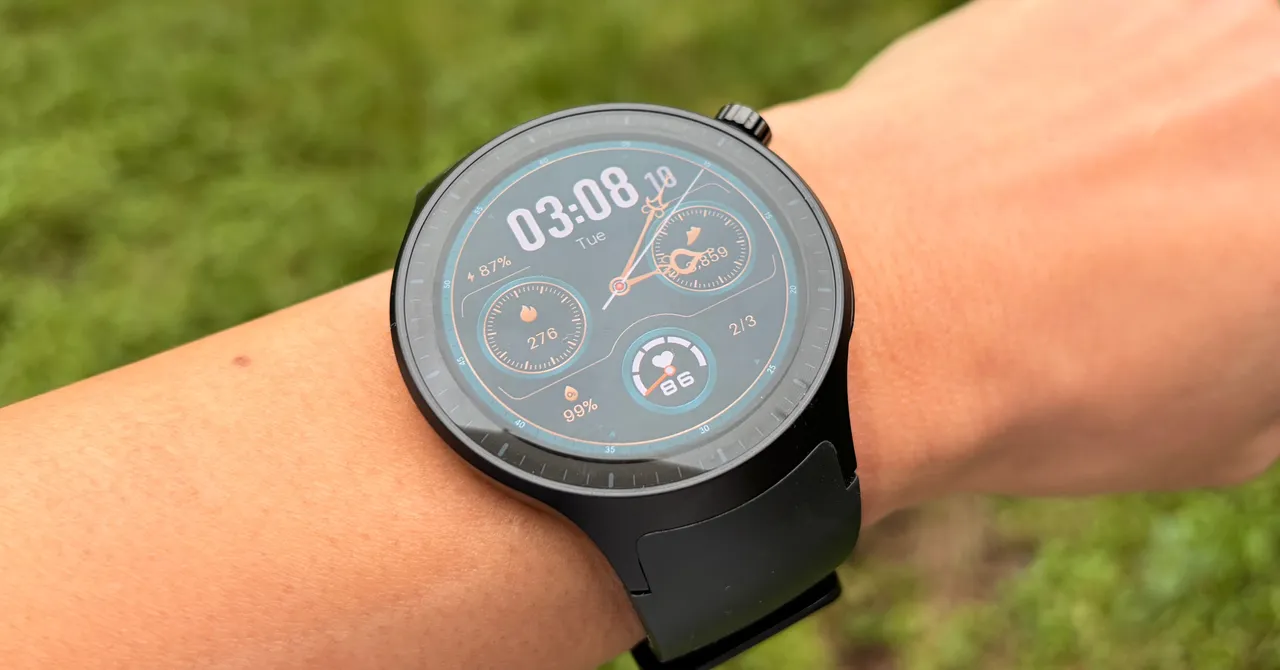
The wearable technology sector continues to demonstrate remarkable innovation, with industry giants and startups alike pushing the boundaries of what consumer electronics can achieve. Recently, Motorola entered this fiercely competitive landscape with its latest offering, the CMF Watch 3 Pro. Billed as an affordable, stylish, Android-compatible smartwatch, it aims to challenge established players like Apple, Samsung, and Garmin. According to early reviews from tech analysts, the device showcases the disruptive potential of hardware integration paired with modern software, although it still has some notable limitations that could influence its market penetration.

One of the core advantages of the CMF Watch 3 Pro lies in its strategic cost positioning combined with solid functionality. It features parameters such as sleep tracking, heart rate monitoring, and stress measurement, with initial comparisons indicating close accuracy to premium models like the Oura Ring 4. Analysts, including Gartner and MIT’s Media Lab, note that major players in the wearables market are increasingly focusing on data integration and seamless user experience to disrupt traditional fitness devices. Motorola’s choice to incorporate a well-designed, yet affordable product underscores this trend—offering consumers a “good enough” device that does not compromise essential features, yet is accessible.

However, despite its innovative intent, the device’s hardware limitations could hinder its disruptive prospects. Especially glaring is the onboard GPS functionality. The device’s slow satellite connection and inconsistent performance outside diminish its appeal as a true fitness companion—particularly when reliable location tracking is a key market differentiator. The device’s processor, deliberately undisclosed by Motorola, appears to struggle with rapid satellite acquisition, a flaw that consumer reviews describe as frustrating, impacting the overall user experience. Such hardware inefficiencies—common in lower-tier wearables—highlight a critical business challenge: balancing cost constraints with performance demands in an industry that is rapidly evolving toward precision.

The experience of review analysts further underscores this disruptive tension. Despite the device’s attractive design and promising feature set, issues like overly sensitive screens and accidental activations threaten user satisfaction. This emphasizes an overarching industry trend: hardware refinement is crucial for establishing market dominance amidst fierce competition. Companies like Apple and Samsung continually push advancements in sensor sensitivity and UI design, setting high standards for emerging competitors. Motorola’s potential in this space hinges on addressing these hardware issues swiftly and innovating beyond mere feature inclusion—further reinforcing that disruption requires not only price competitiveness but also technological excellence.

Looking ahead, the wearables industry is poised for a significant shift driven by the convergence of AI, sensor technology, and 5G connectivity. Industry experts like Peter Thiel have predicted that next-generation devices will serve as the nexus of lifestyle, health, and AI-powered analytics, transforming how consumers interact with their personal data. Motorola’s move into this space signals the beginning of a new wave of disruptive innovation, where smaller players can challenge dominant incumbents by leveraging cost-effective yet capable hardware and sophisticated software integration. The market’s future will depend on how effectively manufacturers can resolve hardware shortcomings and harness emerging technologies to offer compelling, breakthrough features—turning these devices into indispensable health and productivity tools.

Stakeholders across the tech ecosystem must remain vigilant, as the race to dominate this space intensifies. With major innovations around the corner, it’s clear that the current state of wearable technology is just the beginning. With upcoming advancements in AI, sensor innovation, and connectivity, the industry is on the cusp of a transformation—where disruption will be measured not just in features, but in the quality and reliability of the user experience itself. For companies willing to innovate and iterate rapidly, the opportunity to redefine health, fitness, and lifestyle tracking has never been greater—and time is of the essence for stakeholders eager to secure market leadership in this fast-evolving technological frontier.

Celebrities step out on the Grammy red carpet, showing America's youth their star power
Celebrities step out on the Grammy red carpet, showing America’s youth their star power

International Lens on Hollywood: A Cultural Milestone with Geopolitical Reverberations

On Sunday, Los Angeles became the world’s stage as a distinguished assembly gathered for its annual awards ceremony, showcasing not only cinematic excellence but also revealing the subtle undercurrents of global political shifts. While Hollywood’s glitz often masks deeper narratives, the international spotlight on such events underscores their broader geopolitical significance. As nations watch from afar, the cultural choices made at these ceremonies can serve as a mirror to broader societal tensions, alliances, and ideological debates shaping the global order.

Experts and analysts have pointed out that in today’s interconnected world, the interplay between entertainment and politics is more pronounced than ever. Historians caution against dismissing such events as mere spectacle, highlighting that awards shows often symbolize cultural soft power. They reflect a nation’s or industry’s stance amidst global ideological conflicts and economic rivalries. The recent emphasis on diversity and representation, for example, is often scrutinized for its diplomatic implications, with some viewing it as a form of cultural influence—a soft-power tool that can influence perceptions and values across borders.

The event also highlighted shifting alliances and emerging tensions. Several nations, which have traditionally used cultural diplomacy to foster cordial relations, are increasingly embroiled in underlying conflicts, whether over trade, ideology, or geopolitical dominance. Analysts from international organizations like the United Nations warn that these cultural signals must be understood within a broader context: the resurgence of great power rivalries, especially between China, Russia, and Western nations, continues to redefine the global landscape.

Indeed, the palpable presence of these themes hints at what many call a *new Cold War*, where cultural, technological, and military dimensions intertwine in complex ways. While Hollywood often portrays itself as apolitical, critics argue that the choices reflected in awards seasons shape societal perceptions and bolster national narratives. As international institutions like the World Trade Organization and G20 grapple with these multilayered shifts, the decisions made in popular culture underscore how profoundly they affect nations and societies—sometimes in ways that are less visible but equally impactful. The global community stands at a crossroads, with history still unfolding. The choices that are made today—whether in policy, diplomacy, or cultural expression—will resonate for generations, leaving a legacy that may define the next era of world affairs.

Grab the DJI Power 2000 Portable Power Station — Now 46% Off This Weekend!

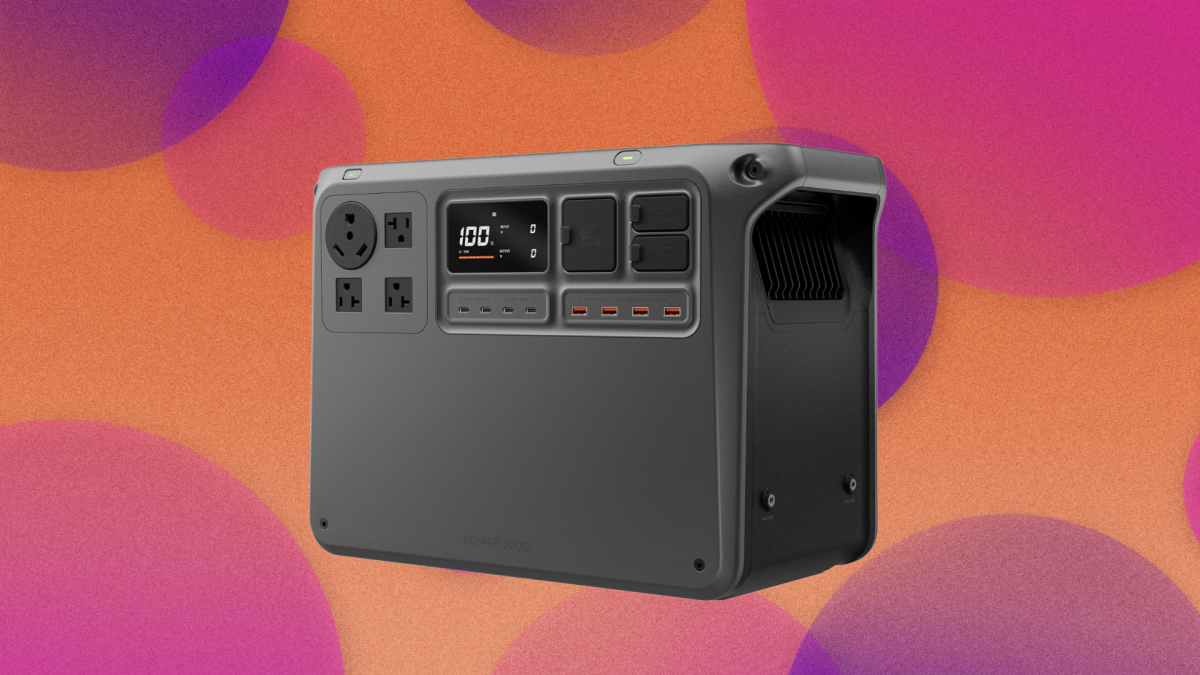
In an era where **technology** and **urban resilience** are shaping the *lifestyle fabric* of youth culture, a surge in demand for *portable power solutions* is redefining what it means to be prepared and independent. Recently, Amazon announced a striking deal on the DJI Power 2000 portable power station, slashing its price from $1,299 to just $699—an eye-catching 46% discount that’s capturing the attention of young entrepreneurs, digital nomads, and outdoor enthusiasts alike. With this shift, we are witnessing the emergence of a *cultural paradigm*: the quest for uninterrupted energy in a society that thrives on mobility and instant connectivity.

The DJI Power 2000 isn’t just a bulky backup; it’s a symbol of a broader **societal shift**. Known globally for their innovative drones and microphones, DJI’s expansion into portable power stations aligns perfectly with the needs of today’s *adventure-driven, tech-dependent generation*. Designed to handle up to 99% of everyday appliances— from power tools to projectors—this device exemplifies the **sociological trend**: *the pursuit of *self-sufficiency*. It represents the new archetype of lifestyle, where resilience against outages and off-grid living become not just practical choices but cultural statements.* As sociologist Dr. Emily Navarro notes, “This shift signifies a move towards **self-empowered independence**, where technology blurs the line between urban readiness and rugged real-world utility.”

What truly elevates the **Power 2000** is its blend of *power, safety, and versatility*. Weighing in at around 21kg (or 47.4 pounds), it isn’t a lightweight companion, but a **powerful fixture** in any scenario: from off-grid camping to emergency backup during city outages. Recharging up to 80% in just 55 minutes, it exemplifies modern innovation that prioritizes *speed and efficiency*. Its water-resistant and flame-retardant design underlines a *growing social expectation for safety* in portable tech, especially among the younger crowd who are pushing limits in outdoor activities, DIY projects, or small business ventures. These power stations have become not merely tools but extensions of one’s *lifestyle identity*, fostering a sense of readiness that resonates strongly among millennials and Gen Z consumers who prize **autonomy** in an unpredictable world.

Trend analysts highlight how this technology catalyzes a *cultural redefinition*: a shift from dependence on traditional power grids to a *culture of resilience and adaptability*. Influencers on platforms like TikTok and YouTube demonstrate their daily lives powered by these stations, inspiring a new *generation of adventurers* and *Urban explorers* who see portable energy as a symbol of freedom. The **social relevance** extends beyond mere convenience; it signals a shift in *values*, emphasizing **self-reliance**, **environmental consciousness**, and **technological savvy**. Yet, a fascinating **narrative twist** emerges: as these devices grow more integral in our lives, the question isn’t just about *power*. It’s about *the future of societal resilience*. Will this pursuit of individual solutions weaken collective infrastructure, or is it paving the way for a more adaptive, decentralized society? As youth and thought leaders grapple with these questions, one thing remains clear: the trend towards portable power is not just about keeping devices alive—it’s shaping the very **culture of independence** for generations to come.

Dell Deals: Save 10% This December — Power Up Your Tech Game

Tech Industry Disruption Accelerates Amid Holiday Sales Frenzy

As the year’s final quarter unfolds, the tech sector continues to demonstrate unparalleled resilience and innovation, driven by aggressive holiday sales campaigns by industry giants like Dell. This season’s promotions, which include discounts exceeding $600 on top-performing laptops, monitors, and gaming desktops, exemplify the sector’s relentless pursuit of market disruption. Such deals are not only about consumer savings but also signal a strategic pivot toward integrating advanced technologies—like AI-driven features and compact ecosystems—into mainstream consumer markets.

According to analysts from Gartner and MIT’s Tech Review, the current volume of sales and targeted discounts are testaments to industry-wide efforts to reshape how consumers perceive value in computing hardware. The emphasis on features such as AI-powered PCs, lightweight ultrabooks, and gaming-optimized desktops indicates a shift towards smarter, more versatile devices designed for both work and play. Companies like Dell are leveraging this trend, integrating Microsoft Copilot AI into their latest XPS lineup. Such innovations are not merely enhancements; they represent a fundamental disruption of conventional laptop and PC design, positioning these machines as next-generation hubs capable of AI-assisted productivity and immersive gaming experiences.

Business Implications of Consumer-Centric Tech Disruption

This drive towards integrated AI and high-performance hardware extends well beyond consumer preferences. Industry insiders highlight the strategic importance of such innovation for businesses seeking to competitive edges. Disruptive technologies are enabling firms to redefine operational efficiencies, employee productivity, and customer engagement, with companies like Dell spearheading this transformation through aggressive pricing, discount programs, and bundling offers. The extension of exclusive discounts for students, military personnel, and rewards members signals a conscious effort to foster brand loyalty amid a rapidly changing landscape.

Furthermore, the adoption of innovative financing options and reward programs—such as Dell’s 6% cashback and enrollment benefits—demonstrates a savvy approach to maintaining market share. This focus on customer retention strategies mirrors predictions from industry analysts who emphasize how consumer loyalty and seamless hardware ecosystems will define future success. As Peter Thiel and other industry pioneers suggest, the future belongs to those who can marry cutting-edge innovation with scalable business models, turning hardware sales into long-term engagements.

Future Outlook: A Tech Ecosystem in Flux

Looking ahead, the trajectory of the tech industry indicates a sustained push toward disruptive innovation. Companies are poised to embed AI deeper into everyday hardware, making devices more intelligent, adaptive, and intuitive. As this wave of technological evolution accelerates, market entrants that innovate rapidly and leverage strategic discounts will have the edge in capturing burgeoning demand for high-performance, AI-enabled devices. The battle for consumer loyalty will increasingly hinge on the capacity to integrate innovative features into affordable, user-friendly form factors—shaping a future where technology is seamless, intelligent, and dominant.

In this context, industry leaders and tech entrepreneurs must recognize that the window for disruptive growth is shrinking. The convergence of AI, hardware innovation, and consumer-friendly business models signals an era where speed and strategic agility will determine dominance. For the savvy player, the upcoming years promise a fascinating landscape of opportunity and challenge—one where the winners will be those who anticipate market shifts, innovate relentlessly, and execute with precision. The time to act is now, as the next chapter of technological evolution begins to unfold at an unprecedented pace.

Supreme Court Signals Power Boost for Trump to Fire Feds

The United States, a nation long proud of its constitutional checks and balances, finds itself at a pivotal moment as the Supreme Court faces a significant case that could reshape the landscape of federal agency independence. The case, Trump v Slaughter, hinges on whether President Donald Trump legally had the authority to dismiss Rebecca Slaughter, an FTC commissioner appointed to enforce laws protecting consumers and fair competition. This legal confrontation exposes raw tensions over the extent of presidential control and the durability of longstanding bureaucratic protections, a debate rooted in the legal history that spans almost a century.

At the heart of the dispute is a foundational question concerning the nature of presidential power versus independent agency autonomy. During the oral arguments, the conservative justices appeared to align with Trump’s position that the President should have broad authority to oversee and, if believed necessary, remove commissioners—an idea strongly opposed by liberals and legal scholars emphasizing the importance of independent agencies. Historically, agencies such as the FTC, established in 1914, were designed to operate free from presidential interference to ensure impartial enforcement. Congress explicitly limited presidential removals for commissioners to “inefficiency, neglect of duty, or malfeasance,” illustrating a clear legislative intent to shield these entities from political pressure.

However, the Trump administration’s legal team challenged this framework, labeling the historical “Humphrey’s Rule” as an “indefensible outlier” that hampers the executive’s capacity to enforce the law effectively. Such arguments resonate with many who believe that a strong presidency must be able to swiftly remove officials obstructing policy objectives, especially in a turbulent political climate. Researchers and political analysts warn that overturning this precedent could fundamentally weaken the American system of calibrated agency independence, possibly leading to increased politicization of bureaucracies. The prospect of the court dismantling a 90-year-old precedent raises alarms about the future of American governance, with critics arguing that it may open a Pandora’s box of executive overreach.

The decision from the court will have profound geopolitical impact. As the world watches, the ruling could influence how other democracies structure their administrative independence, especially as concerns about authoritarian tendencies grow. The International Monetary Fund (IMF) and World Bank acknowledge that stable and independent institutions are vital for global economic stability; a shift in U.S. doctrine could send ripples across global financial markets and international diplomacy. Historians like Dr. William Novak warn that the sovereignty of government agencies forms a cornerstone of modern liberal democracies; undermining this independence risks a dangerous erosion of the rule of law and democratic accountability.

As the court’s decision looms, history continues to unfold. Whether the conservative majority will uphold the principle that agencies like the FTC can operate shielded from political interference or endorse a stronger presidential hand remains to be seen. Yet, the very fabric of how America’s government functions — its balance of power, accountability, and independence — hangs in the balance. One thing is certain: the longer this conflict persists, the clearer it becomes that the forces shaping the future of American governance are deep-rooted and fiercely contested. In this moment, history’s pen is poised, and the weight of the next decision could redefine the contours of American power and liberty for generations to come, a testament to the ongoing struggle over who truly holds the reins of the world’s most influential democracy.

Labour Taps Members for Next Leader Amid Party Power Play – UK Politics

Uneasy Winds of Change Blow Across the Global Horizon and UK Political Landscape

As Britain charts its turbulent course amidst mounting European diplomatic tensions and internal political upheaval, the global framework under which nations operate faces undeniable flux. In a significant diplomatic gesture, Prime Minister Keir Starmer is hosting a high-stakes summit in Downing Street, bringing together European leaders and the controversial Ukrainian President, Volodymyr Zelenskyy, signaling yet another chapter in the ongoing saga of East-West tensions. This assembly is not just about regional security but reverberates far beyond, highlighting the delicate balance of power within NATO and EU corridors amid the ominous shadow of an unsettled European strategic landscape. According to international analysts, such gatherings are pivotal, potentially reshaping alliances and NATO’s strategic posture in the face of renewed hostilities and diplomatic unpredictability, especially considering the specter of Russia’s ambitions.

Meanwhile, London’s political arena pulses with new energy, as Keir Starmer unveils a bold £725m initiative aimed at integrating 50,000 young Britons into the workforce through expanded apprenticeships. This move is widely viewed as a calculated economic and social maneuver, designed not only to address youth unemployment in the long-term but to bolster Britain’s economic resilience against the backdrop of global instability. Such policy decisions underscore how internal domestic strategies are increasingly intertwined with the broader geopolitical narrative. With the government also fostering localised control over funding and expanding regional cooperation, the move signals an intent to fortify the nation’s labor market, aiming to emerge from economic uncertainties stronger and more autonomous. Notably, these reforms seem to also serve as a political counterbalance amid concerns over internal leadership stability and upcoming party leadership contests within Labour, hinted at by recent insider polls and strategic surveys among party members.

Within the UK’s splintered political spectrum, the potential for a leadership reshuffle remains palpable. Reports indicate that Labour Party insiders are secretly canvassing elite opinion, contemplating whether to pursue an internal leadership challenge potentially within the next year. Such maneuvering is not merely about personality debates but about signaling a shift in policy directions—a move perceived by many as a safeguard against the perceivedLeft-leaning drift represented historically by figures like Jeremy Corbyn. Crucially, behind closed doors, figures such as Angela Rayner and Lucy Powell are seen as front-runners for a renewed leadership bid, aimed at presenting the party as a formidable challenger capable of seizing electoral victory in a volatile political climate. Meanwhile, policy questions about principles versus pragmatism are dividing party ranks, echoing broader concerns about ideological purity versus electoral pragmatism in the context of Britain’s upcoming general election. The unresolved dynamics of this leadership shuffle cast a long shadow over Britain’s internal stability—a mirror to the wider geopolitical uncertainties that threaten global order.

The Weight of History Yet Unfolding

Throughout this turbulent day, history’s relentless march continues, with the world hanging on the precipice of transformation—fragile yet unyielding. As Britain navigates its internal strife, with power plays hinting at a potential upheaval, its global posture remains intertwined with the stormy geopolitical currents rippling across Europe and beyond. In the shadows of these shifting alliances and domestic power struggles, one truth is emerging: the decisions made today will echo through the corridors of history, shaping nations and societies well into the twilight of the 21st century. How long this fragile equilibrium will last is uncertain, yet as history writes its own unwritten chapters, the weight of tomorrow rests with those courageous enough to steer the course. This unfolding story is far from over—a testament to an age where the tides of power and principle collide in the crucible of a new epoch.

Social Media Auto Publish Powered By : XYZScripts.com