Matox News

Truth Over Trends, always!

How Has Cyber Warfare Shaped Iran’s Power Moves?

In recent weeks, militaries worldwide have maintained a high level of secrecy regarding their cyber operations. However, a significant shift has occurred as the United States subtly revealed its role in a complex web of digital espionage and offensive cyber campaigns. While official statements remain cautious, intelligence analysts and international observers interpret these signals as a notable departure from previous policies of deniability, suggesting that Washington is now openly acknowledging its advanced cyber capabilities.

This development has considerable geopolitical impact. Historically, cyber warfare was viewed as a covert tool—an avenue for clandestine influence without the risk of conventional escalation. Now, under the apparent light of acknowledgment, the US seems to be asserting a dominant digital offensive stance. This shift demonstrates a strategic move to establish cyber supremacy as a core component of national security, effectively expanding the battlefield beyond traditional territory. The move has alarmed rivals and allies alike, prompting a re-evaluation of security protocols and response strategies across the globe. International organizations such as NATO and the United Nations are now grappling with the implications of this publicly hinted cyber warfare engagement, pointing to a new era where digital capabilities become central to international power plays.

Analysts warn that the blurred line between cyber deterrence and active engagement raises profound questions about future conflicts. According to former intelligence officials and cybersecurity experts, the US’s belated acknowledgment hints at a broader motive: to deter adversaries by signaling its readiness to retaliate in digital domains. This move could herald a new era of cyber diplomacy or, conversely, escalate tensions that risk spiraling into global cyber conflicts. The US Department of Defense has emphasized that cyber operations are now an integral part of national defense, aligning with the strategic doctrines that see digital domains as equally vital as land, sea, and air. As noted by leading international security think tanks, this approach could fundamentally alter how nations engage with one another, shifting the focus toward preemptive digital strikes and espionage.

Though the extent of US involvement remains classified, the message is clear: the era of cyber ambiguity is ending. As history continues to unfold, the global community faces a crucial choice—embrace this new digital arms race or seek to establish norms and safeguards that can prevent unchecked escalation. The stakes are high, and the future of international stability hangs in the balance, illuminated by the flickering glow of digital warfare—a battleground where the echoes of power and influence are inscribed in binary, shaping the course of history long to come.

Jess Cartner Morley Breaks Down the Rugby Shirt’s Rise as Athleisure’s Preppy Power Move

The Rise of Athleisure: From Fitness Fad to Power Dressing

Once confined to gym floors and casual weekends, athleisure has now evolved into a defining style statement that resonates with a new generation seeking authenticity, comfort, and societal signals. No longer just about gym wear or weekend leisure outfits, today’s athleisure trend embodies a cultural shift toward embracing tradition, authority, and even a touch of nostalgia. This shift reflects how fashion—especially streetwear—can serve as a mirror to societal change, where clothing choices express identity, social loyalty, and even political stance. Influencers like Nina Urgell Cloquell and sociologists such as James B. Twitchell suggest that the latest iteration of athleisure signals a desire for stability and structure amidst the chaos of modern life.

What makes this trend so compelling is its cultural impact. The iconic rugby shirt, once associated purely with organized sport, has transcended its athletic roots to become a symbol of preppy chic that reasserts traditional social hierarchies. Paired effortlessly with slouchy tracksuits or tailored trousers, the rugby shirt bridges the gap between the worlds of sport and high fashion, blurring the lines of class and authority. Its presence signals a broader societal move towards embracing familiar, inherited codes—clothing associated with institutions, respectability, and stability—that subtly reject the anti-establishment ethos that once dominated streetwear. This is no coincidence, according to fashion analysts who observe that luxury brands are now re-engaging with preppy styles, elevating them to symbolically endorse a return to order and hierarchy.

This shift isn’t purely about aesthetics; it’s a reflection of a broader societal dynamic. As fashion moves into a realm of increased comfort, formal elements like ties and structured blazers are making a comeback, signaling a subtle but significant cultural reassertion of authority and social order. The resurgence of the rugby shirt, along with loafers and pleated trousers, underscores how clothing formerly associated with discipline and tradition now carries a cool, ironic edge—offering a way for young people to express respect for structures without entirely surrendering their individual style. Influencers across platforms like Instagram and TikTok are showcasing these looks, turning what might seem like nostalgic throwbacks into mainstream lifestyle statements. This cultural shift suggests that at its core, fashion is increasingly being used as a tool for **social positioning**, as well as a reflection of a desire for stability in turbulent times.

As striking as this evolution is, it raises an intriguing question: what’s next for this reassertion of authority through fashion? Will we see traditional symbols of hierarchy—such as ties, blazers, and rugby shirts—become even more mainstream, or will a new antithesis emerge to challenge this order? The next chapter could reveal whether this shift is a temporary reaction or an enduring change that redefines how society perceives status and self-expression. The core challenge will be understanding whether this trend signifies a genuine cultural realignment or simply a fleeting fashion cycle—one that, like many others, might eventually be replaced by yet another push toward individualistic rebellion. The future of style, it seems, may be as much about questioning authority as celebrating it.

Mugabe Family in Turmoil: Arrests and Allegations After Fall from Power

The impending court appearance of Bellarmine Mugabe, the former first lady of Zimbabwe, signals yet another chapter in the country’s turbulent political saga. Once a symbol of Zimbabwean nationalism under her husband, Robert Mugabe, her legal troubles have become emblematic of a broader reckoning with the country’s past governance and ongoing attempts to reshape its political landscape. As she prepares to face justice, international observers and local citizens alike are analyzing the ripple effects on Zimbabwe’s stability and its geopolitical posture.

Historically, Zimbabwe‘s political trajectory has been entrenched in struggles over sovereignty, power consolidation, and economic resilience. After Robert Mugabe was ousted in 2017, a new era was supposed to dawn; however, the legacy of the Mugabe era lingers through figures like Bellarmine Mugabe and other members of the former first family. The current legal proceedings highlight the ongoing efforts by Zimbabwe’s government to address alleged corruption and abuse of power, but also raise questions about whether this is a genuine move toward justice or a strategic attempt to cleanse political rivals and solidify new leadership. International organizations, such as the African Union and South African Development Community, are closely monitoring these developments, wary of whether this represents genuine accountability or political theater.

Analysts warn that the geopolitical impact of these internal conflicts extends beyond Zimbabwe’s borders. As the country seeks to recover from decades of economic decline and social unrest, the actions of current leaders—who now aim to hold their predecessors accountable—are being scrutinized for their long-term implications. Some experts caution that internal prosecutions, if perceived as selective or politicized, could undermine fragile institutions and alienate parts of Zimbabwean society that remain loyal to the Mugabe legacy. Meanwhile, international actors such as China and former colonial powers like the United Kingdom are watching keenly, aware that Zimbabwe remains a crucial piece in the regional power puzzle, especially amid regional shifts and global geopolitical tensions.

  • The court proceedings against Bellarmine Mugabe represent a symbolic moment, serving as a test of Zimbabwe’s commitment to justice amid political upheaval.
  • These events coincide with a broader push by Zimbabwean authorities to combat corruption and reform state institutions, though critics argue that much remains to be done to achieve genuine transparency.
  • Regional leaders and international organizations are calling for a balanced approach—recognizing historic grievances while ensuring stability and adherence to the rule of law.

Delving into the implications for Zimbabwe’s society, the specter of upheaval and the unresolved legacy of Robert Mugabe continue to influence public sentiment. For many, these developments are less about justice and more about political survival—both for those in power and for the opposition that remains divided. Historians and political analysts warn that Zimbabwe’s future depends on how effectively its leaders reconcile with its tumultuous past without falling prey to cycle of instability. As the nation stands at a crossroads, the weight of history presses heavily on its shoulders, suggesting that the choices made today will reverberate through generations to come. The unfolding drama of Zimbabwe’s political fate serves as a stark reminder that history is often written in moments of crisis, and the outcome remains uncertain, hanging like a shadow over a nation eager to write a new chapter—but still haunted by its past.

iPad Air 2026: The M4 Power Surge Sparks a New Era for Youth Tech

Apple’s Strategic Chip Bump in the New iPad Air: What It Means for the Future of Tech Innovation

The latest iPad Air introduces a significant leap forward through a trio of upgraded chips: the M4 processor, the C1X cellular modem, and the N1 chip. These developments mark an intentional effort by Apple to extend its dominant position in the tablet market by refining performance and connectivity without radically altering form factors. While benchmarks show a modest 20-25% speed increase over the M3-powered Airs, industry experts recognize that real-world differences often remain subtle—yet the ripple effects across the industry are anything but minor.

Innovation and Disruption Driving Market Shifts

The chip bump strategy exemplifies a broader industry trend of incremental innovation that leverages hardware improvements for enhanced longevity and business efficiency. Apple’s approach—refining a proven product with targeted upgrades—stands in stark contrast to radical innovation cycles seen in other sectors, yet it effectively sustains consumer interest and operational margins. Gartner analyst Ian Wang notes, “Such strategic updates prevent obsolescence, fostering customer loyalty while pushing competitors to prioritize disruptive breakthroughs.”

Crucially, the C1X cellular modem signals a deliberate pivot towards enhanced mobile connectivity. Early testing indicates these devices outperform recent smartphones in adverse conditions, making the iPad the definitive mobile productivity tool. This is a strategic disruption,” argues industry analyst Mark Davis, “where Apple is not only satisfying existing demand but setting new standards for portable, always-connected workflows.”

Business Implications for Industry Players and Consumers

Within this context, the industry faces significant industry-wide ramifications. The continuation of refined hardware—focused on efficiency, connectivity, and seamless integration—presents an obstacle for emerging competitors as well as established rivals like Samsung and Microsoft. Apple’s incremental yet strategic enhancements suggest a business model built on durability and scalability, where faster chipsets prolong device lifecycles, ultimately challenging the paradigm of rapid tech refresh cycles.

  • Pros: Superior performance in key tasks, extended device life, and improved network capabilities.
  • Cons: Marginal performance differences for average users, persistent limitations such as base storage and display refresh rates, which reflect deliberate cost-optimization.

As Peter Thiel often emphasizes, “In tech, breakthroughs are often sterile, but incremental progress combined with ecosystem dominance can be more disruptive long-term.” Consequently, this market evolution reinforces the importance of strategic investment in hardware that emphasizes not just raw power but also connectivity, security, and ecosystem control.

Looking Ahead: The Urgency of Innovation and Market Readiness

The iPad Air’s chip upgrades demonstrate Apple’s keen focus on building an ecosystem that is resilient and future-proof. The enhancements hint at an era where hardware becomes increasingly invisible but indelibly impactful, underpinning a new wave of enabled, connected lifestyles. Industry insiders like MIT’s Center for Future Computing warn, “failing to keep pace with such nuanced but critical improvements risks obsolescence not just for Apple but for the entire connected device market—an industry where rapid disruption determines future dominance.”

In a landscape characterized by rapid technological shifts, the urgency for companies and consumers to stay ahead is clear. Innovation, disruption, and strategic agility will define the next decade. The rising tides of hardware enhancement and connectivity benchmark new standards—those who adapt swiftly will position themselves at the forefront of this new era, while complacency invites obsolescence. The question remains: how will you leverage this wave of innovation to stay competitive in tomorrow’s tech landscape?

Meet Mojtaba Khamenei: Iran's Next in Line for Power
Meet Mojtaba Khamenei: Iran’s Next in Line for Power

Global Implications of Religious Leadership and Geopolitical Shifts

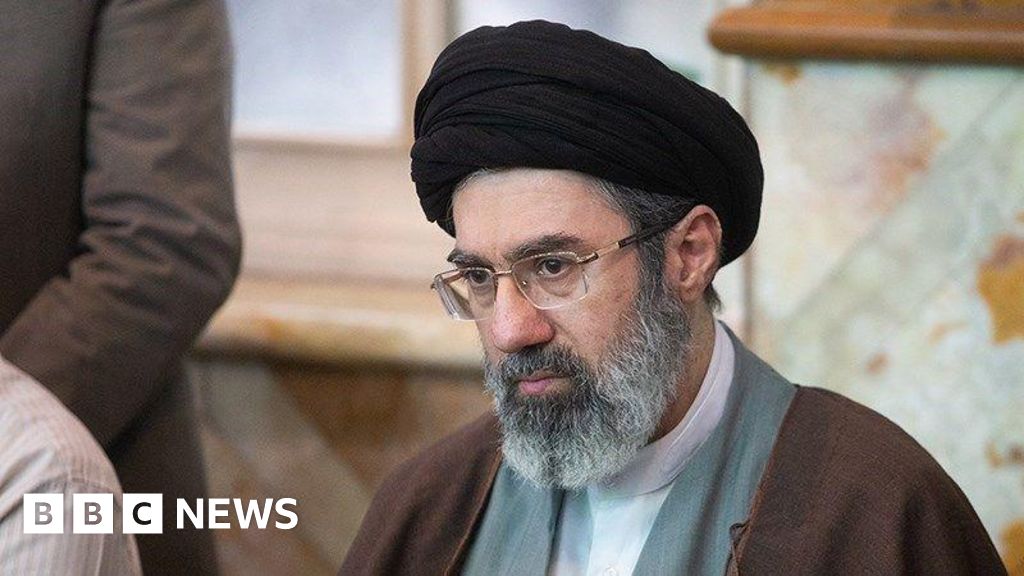
In one of the most striking examples of individual agency intersecting with international geopolitics, the story of Mojtaba—a devout figure who traveled to Qom in 1999—represents more than a personal spiritual journey. The city, recognized worldwide as a pivotal centre of Shia theology, continues to serve as a significant hub for religious authority in the Middle East. His decision, markedly unconventional given the cultural norms surrounding clerical progression, underscores emerging shifts within the religious and geopolitical landscape of the region. Unlike most of his contemporaries, Mojtaba did not don clerical attire until he was 30, raising questions about generational change and the evolving role of religious scholars within their societies and beyond.

This individual’s choice to pursue religious education later in life coincides with broader international trends—marked by regional tension, shifting alliances, and the ongoing struggle for influence in a volatile geopolitical climate. As analysts observe, this more mature approach to seminary study suggests a strategic recalibration of religious authority, positioning scholars to influence not only religious circles but also societal and political discourse. Such shifts inevitably impact how nations like Iran project power, both internally and externally, especially as religious figures gain—or lose—political legitimacy amidst upheaval and reform efforts.

The international community, particularly Western powers and regional adversaries, watch these developments intently. The rise of figures like Mojtaba, who embody both tradition and modernity, could recalibrate the influence of religious institutions in geopolitics—possibly affecting Iran’s diplomatic strategies, regional stability, and cellular networks of influence across the Middle East. Meanwhile, Tehran continues to navigate turbulent waters, balancing hardline factions with reformist voices, a dynamic that historians and policymakers scrutinize for signals of transformation or impending conflict.

According to experts from the International Crisis Group and renowned scholars of Middle Eastern history, the decisions made within religious spheres often cascade into broader political consequences. As the world teeters on the edge of potential conflict zones, understanding how individual trajectories such as Mojtaba’s influence society becomes essential. The evolution of religious authority—shaped by personal choices and societal shifts—has the power to foment peace or ignite friction across borders, especially as nations grapple with radical ideologies, economic sanctions, and diplomatic negotiations.

In the grand tapestry of history, stories like Mojtaba’s serve as a reminder that the path of a single individual can ripple outward, shaping eras of change. As geopolitical tensions simmer and alliances shift, the significance of religious leadership in turbulence and transformation remains ever-present. With each decision, each change of attire, and each step toward theological enlightenment, the world collectively inches toward an uncertain future—where the weight of history presses down, and the next chapter waits to be written in the shadows of modern tumult. The unfolding struggle for influence, both spiritual and political, continues to define our era, leaving nations and societies to grapple with the profound consequences of their choices—an ongoing saga as old as time itself, yet as fresh as the dawn of tomorrow.

Plug In & Power Up: Smart Tips to Run Ethernet Cables Like a Pro and Keep Your Setup Clean

Revolutionizing Home and Tech Installations: The Disruption in Cable Management Solutions

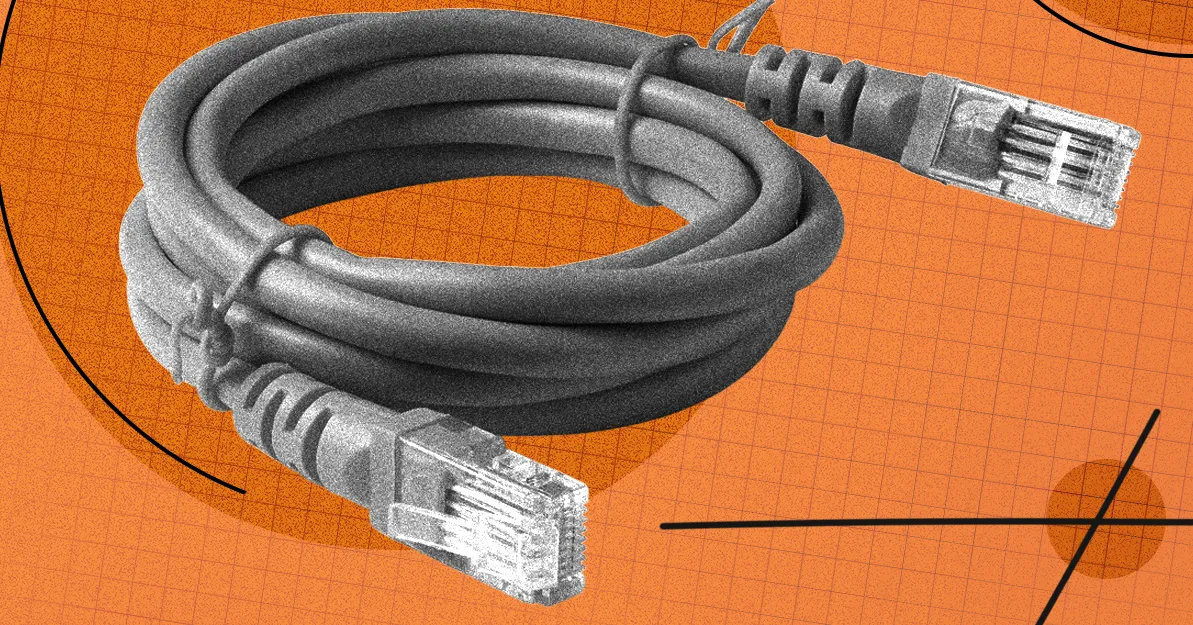
In an era marked by rapid technological advancement and a relentless pursuit of sleek, efficient environments, the traditional art of cable management is undergoing a profound transformation. Leading companies like Alex Tech and D-Line are spearheading innovation with modular solutions such as reusable cable ties, mesh sleeves, and customizable trunking systems. These new offerings are not only democratizing access with affordability—evident in budget-friendly bundles of 60 reusable ties for just $7—but are also redefining what disruption in infrastructure hardware looks like, especially for the young, tech-savvy demographics eager to optimize their spaces for a clutter-free aesthetic.

This wave of innovation is set to redefine industry standards, as manufacturers introduce adaptable products aimed at simplifying complex technical setups. For example, cable sleeves that double as mesh covers enable users to easily add or remove cables, streamlining iterative upgrades. Such features challenge the once-inevitable chaos of wiring, promising more than superficial convenience—they herald a paradigm shift in how data and power delivery infrastructure is integrated into modern lifestyles. Meanwhile, experts from Gartner emphasize that these modular systems allow for scalable, future-proofing installations, making them essential in both consumer and enterprise contexts. This disruption echoes the vision Elon Musk advocates—where technology seamlessly integrates into daily life, eliminating obsolescence and maximizing utility.

  • Utility and Affordability: Budget options like a 60-pack of reusable ties for $7 revolutionize cost structures in DIY projects.
  • Modular Design: Sleeves and trunking systems facilitate quick installation, easy access, and adaptability, posing a direct challenge to traditional, permanent wiring methods.
  • Design Aesthetics: Trunking and crown molding innovations allow aesthetic concealment, turning functional wiring into a design feature, thus aligning technology with modern interior trends.

Implications for Business and Industry Disruption

The implications extend beyond consumer convenience; established industries face a critical inflection point. By integrating these innovative solutions, service providers and contractors could drastically reduce installation times and costs, paving the way for faster deployment of smart homes and commercial infrastructure. The disruption is compounded by the emergence of DIY-focused product lines, positioning startups like Alex Tech as formidable competitors against legacy electrical and telecommunication firms.

Analysts from MIT’s Media Lab suggest that such modular systems catalyze a new era of “distributed infrastructure”, where individuals are empowered to maintain and upgrade their own environments without relying on costly professional interventions. This democratization of technological upgradeability is comparable to the disruptive impact of open-source software, where community innovation outpaces traditional corporate R&D. As industry giants scramble to adapt, the urgency for established players to innovate or risk obsolescence has never been more pressing. The clock is ticking for legacy providers to embrace these disruptive technologies or become relics as the industry pivots towards smarter, more adaptable, and aesthetically pleasing wiring solutions.

The Road Ahead: Embracing Disruption

Looking forward, the trajectory of cable management innovation indicates a future where intricate wiring is no longer hidden but becomes an integral part of interior design, facilitated by high-tech solutions that are robust, scalable, and affordable. The adoption of flexible fiberglass rods, paint-matching trunking, and concealed wiring techniques points towards a landscape that favors sustainability, ease of upgrade, and sleek aesthetics. Industry leaders who recognize these shifts and proactively incorporate these innovations will gain competitive advantage in a marketplace that demands agility and sophistication.

In summation, disruption in cable management isn’t merely about tidiness; it reflects a broader paradigm shift where technology’s integration into daily life becomes more intuitive and design-conscious. As venture capital flows into startups pioneering these solutions and industry giants begin to pivot, the urgency for innovation intensifies. Stakeholders who act swiftly can capitalize on this revolution by aligning business models with the bold future of infrastructure—one that is flexible, affordable, and disruptive by design. The future belongs to those who recognize the signs of this transformation now, transforming cluttered chaos into seamless efficiency and aesthetic excellence.

Hamnet | Dissecting the Power of a Moment in Youthful Storytelling

In the intricate dance of human history, culture functions as both our collective memory and a prophetic whisper of what the future may hold. It is through the arts—be it literature, theater, or visual expression—that society finds its reflection, its struggles, and its aspirations. The recent portrayal of William Shakespeare and his poignant grief over the loss of his son Hamnet captures this dual role of culture vividly. Director Chloé Zhao’s vision, rooted in a deeply symbolic approach, underscores that what we create is inextricably linked to what we endure and transcend.

This narrative, exemplified in Zhao’s depiction, echoes the philosophical insights of thinkers like T.S. Eliot, who suggested that modern art must grapple with memory as a way to confront the chaos of the present. The use of visual symbolism—such as casting Will Shakespeare’s character arc in shades of blue, gradually draining toward gray and ash—evokes a haunting visual metaphor. It is as if life itself, with all its vibrancy and pain, is being distilled, revealing that even the most celebrated creator is vulnerable to loss and grief. The act of painting Hamlet’s hair gold with paint—rather than a wig—serves as a potent symbol that truth bleeds through our art, blurring the lines between reality and the ideal, between what is seen and what remains hidden beneath societal masks.

Culture’s enduring power lies in its ability to forge identity—binding individuals to tradition while offering a lens through which to interpret the frailty and resilience of human life. As the great philosopher Ortega y Gasset once observed, humanity’s rich tapestry depends on the continuity of shared values, stories, and artistic expressions that keep the spirit of a society alive across generations. Today, this cultural continuity faces challenge and renewal, especially through the vibrant efforts of young creators who seek to uncover and reinterpret timeless truths. In these moments, the arts become a sanctuary and a battlefield—an arena where the old fights to survive amidst the onslaught of modern alienation and superficiality.

Ultimately, history teaches us that the soul of a nation resides in its stories and symbols—anchored in memory, yet gesturing towards an unknown future. As Chesterton eloquently argued, true culture is not merely about preservation but about prophecy, about daring to envision what humanity might become. It is in the delicate layers of paint, the silent spaces of our shared narratives, that the echoes of our ancestors whisper guiding truths. Culture, therefore, remains the living fabric—both a vessel of our collective memory and a luminous prophecy of what humankind can aspire to become: a reflection that endures and a hope that persists, woven into the very essence of our existence—a silent yet resounding song of eternity.

Train Dreams: Unveiling the Power Behind the Scene

In the quiet elegance of cinema, we find a mirror to our souls—a mirror that reveals the intricate tapestry of memory, tradition, and identity. The recent final scene of “Train Dreams” exemplifies this truth, illustrating how visual storytelling transcends mere entertainment to engage with fundamental questions about what it means to be human. As Joel Edgerton’s character, Robert Grainier, embarks on a flight that becomes a voyage through his memories, we are reminded of the profound power of cultural memory to shape individual and collective identity. These fleeting moments in the sky serve as a poetic reflection on how history, personal and societal, are stitched together by the threads of remembrance, forging a sense of continuity amid chaos.

Filmmakers today, much like historians or philosophers of the past, play a vital role in preserving and interpreting our cultural heritage. Ortega y Gasset emphasized that “a people that forgets its past is condemned to relive it”. This scene’s meticulous construction—combining practical effects with cutting-edge VFX—underscores an essential truth: the craft of filmmaking is itself a form of cultural memory, a preservation of moments that might otherwise vanish into obscurity. The deliberate choice to recreate the antique plane and craft seamless transitions between past and present aligns with the timeless human pursuit of meaning through storytelling. Just as T.S. Eliot argued that tradition is the anchor of innovation, contemporary cinema—particularly in its focus on memory—serves as both a custodian and a prophet of our cultural identity.

Furthermore, the scene’s meditative narration guides us through the layered landscape of personal history, echoing the insights of Chesterton who extolled the importance of tradition as the vital link between our ancestors’ sacrifices and our present lives. The visual montage of memories—some seen earlier in the story, others new—mirrors the ongoing dialogue between individual memory and societal narratives. The flickering images, like the legends passed down through generations, affirm that culture is neither static nor mere relic. It is a dynamic force that animates our sense of __who we are__ and propels us forward, providing a moral and spiritual compass amid the upheavals of modernity.

As the final shot captures Grainier’s face, suffused with a myriad of emotions, there is a poignant reminder of philosopher Tocqueville’s assertion that democracy and culture are intertwined; both require active remembrance and participation to flourish. The scene’s culmination—Grainier’s feeling of connection—resonates universally: that through art and memory, humanity glimpses a glimpse of a transcendent order, a poetry in the cosmos of our collective soul. Culture, in its essence, is not merely a reflection of the past but an unfolding prophecy of our future, whispered across the ages in the silent language of human creativity. And in this symphony of fleeting images and enduring memories, we find a glorious testament—that culture is an indelible part of our identity, anchoring us in the wisdom of tradition while guiding us toward an unknowable yet inevitable horizon.

Kim Jong Un stays in power, leading North Korea’s ruling party once again

Kim Family’s Enduring Grip Continues Amidst Surrounding Global Uncertainty

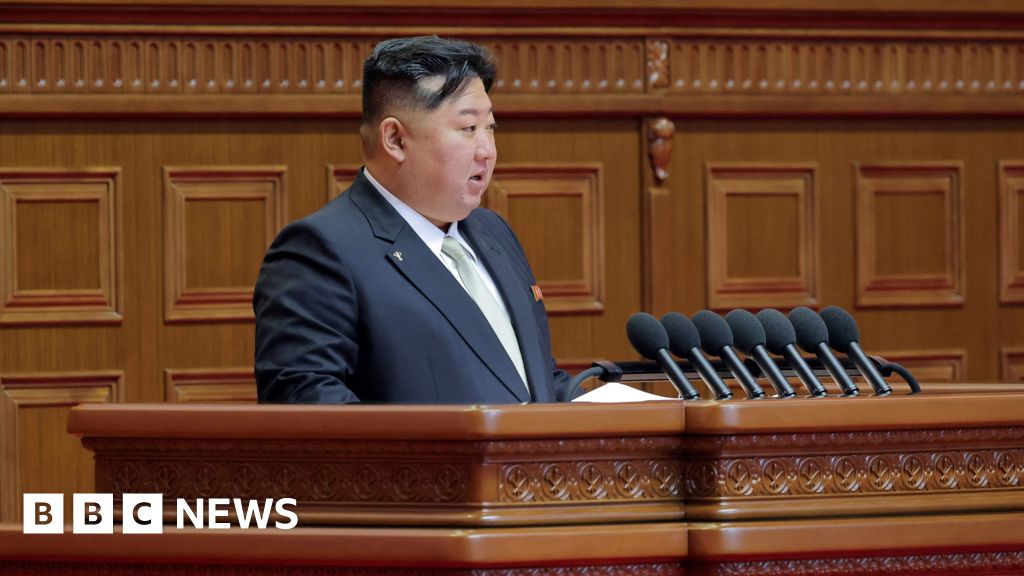
The recent declaration by North Korea’s ruling party congress has reaffirmed the unwavering authority of the Kim family dynasty, a political reality that has persisted since the 1940s. While this reaffirmation may seem predictable to observers familiar with the regime’s history, the international community cannot dismiss the significance of this repeated consolidations of power in the context of an increasingly unpredictable geopolitical landscape. The Kim family’s control over North Korea’s political, military, and economic spheres remains a central factor shaping regional stability and global security dynamics.

Although the Kim regime’s leadership continuity is often seen as a static feature, analysts emphasize its underlying implications for regional deterrence and diplomatic engagement. The party congress, held amidst rising tensions and a shifting international order, signals that Pyongyang is prepared to maintain its stance of strategic ambiguity alongside its pursuit of nuclear advancements. This decision comes at a delicate juncture, with geopolitical shifts in Asia and beyond threatening to reshape alliances and conflict zones. Historically, the Kim family’s unwavering grip, despite economic sanctions and international pressure, demonstrates their focus on regime preservation over domestic reform—an approach that ensures North Korea’s position as a nuclear-armed state at the heart of East Asian security calculations.

The international repercussions of this reaffirmed control are profound. Countries such as South Korea, Japan, and the United States assess North Korea’s trajectory based on its internal consolidations of power. In particular, U.S. policymakers and global security analysts warn of potential escalations resulting from the Kim regime’s continued military modernization, which they increasingly perceive as a threat to regional stability. Meanwhile, China and Russia remain cautious, balancing their strategic interests—diplomatically supporting Pyongyang’s sovereignty while emphasizing the need for stability along their borders. These dynamics underscore how a regime firm in its authority can influence trade, security pacts, and diplomatic negotiations, often at the expense of cooperation and peace.

Historically, the Kim dynasty’s resilience underscores the importance of understanding where power lies in North Korea—beyond superficial leadership changes, it is the deep-rooted political machinery that sustains their rule. As noted by geopolitics scholars, such as Prof. Michael Kelly at the University of London, decisions made within the party congress serve as a powerful signal that Pyongyang intends to persist on its chosen path—a path defined by self-reliance and strategic defiance. This determination effectively sends a warning to the world: stability in East Asia remains fragile, held in the balance by a regime that refuses to relinquish its grip on power regardless of external pressures.

Ultimately, the enduring control of the Kim family over North Korea is a narrative that continues to unfold amidst a fraught and unpredictable world stage. The decisions made today—beneath the surface of orchestrated congress speeches—are shaping the future of peace and conflict across a region where history’s shadows loom large. As the global community watches with cautious trepidation, the late 20th-century lessons of resilience meet the urgent demands of a 21st-century geopolitics—reminding us that history’s true power lies in its capacity to shape tomorrow’s uncertain frontier.

Samsung Teams Up with Perplexity to Boost Galaxy AI Power

Samsung Unveils Multi-Agent AI Ecosystem in Galaxy S26, Signaling a New Era of Disruptive Innovation

In a bold move underscoring its commitment to innovation and ecosystem disruption, Samsung has announced the integration of a multi-agent AI ecosystem within its upcoming Galaxy S26 lineup. This strategic shift aims to redefine user interaction with mobile devices, leveraging a diverse array of AI assistants including Bixby, Google Gemini, and Perplexity, which users will invoke via voice commands like “hey, Plex.” The company’s approach places it at the forefront of enterprise-level AI competition, challenging existing industry dominance by large players such as Apple and Google.

The concept of a multi-agent ecosystem introduces significant business implications. Samsung’s new feature allows users to seamlessly summon different AI agents tailored to specific tasks—whether it’s managing notes, setting reminders, or analyzing images—highlighting a shift toward specialized AI collaboration rather than monolithic assistants. Perplexity, a core component, will access native apps like Samsung Notes, Gallery, and Calendar, as well as select third-party services, though particulars remain proprietary. This openness fosters business innovation and encourages third-party developers to participate in an expanding multi-agent marketplace.

  • Enables specialized AI agents to handle interoperability, boosting user productivity
  • Expands ecosystem flexibility to include third-party app integration
  • Disrupts traditional single-assistant models, incentivizing competition and innovation

Experts from MIT and industry analysts from Gartner underscore that this move could catalyze a paradigm shift in mobile AI. According to Gartner, businesses which embrace multi-agent AI ecosystems are poised to gain a competitive edge in user engagement and personalized service delivery. Meanwhile, industry veteran Elon Musk has repeatedly warned of AI fragmentation and lack of interoperability as major threats to user experience, making Samsung’s approach a potential blueprint for the future.

Pending the upcoming unpacked event, where more details are expected, industry leaders and developers alike will be watching closely. Samsung’s vision indicates a future where multi-agent AI systems not only augment human capabilities but also fundamentally alter how devices interact within complex, interconnected ecosystems. If successful, this could accelerate the trend towards intelligent, autonomous systems embedded deeply into daily life, with profound implications across sectors from telecoms to enterprise software.

As competition intensifies and AI technologies evolve at a breakneck pace, the question isn’t whether the industry will adopt multi-agent architectures—it’s how quickly and effectively it can innovate within this new paradigm. Samsung’s strategic push into ecosystem disruption positions it as a key player shaping the future of mobile AI. Forward-looking companies and developers must act swiftly to harness this emerging landscape, or risk being left behind in a race defined by technological agility and bold vision.

Social Media Auto Publish Powered By : XYZScripts.com