Matox News

Truth Over Trends, always!

Healthify Supercharges Ria AI with Real-Time Chat Power for a Smarter Future

Healthify’s Revolutionary Upgrade Sets New Standard in Personalized Healthcare

In a bold move that underscores the accelerating pace of innovation in digital health, Healthify, a startup backed by Vinod Khosla, has launched an advanced iteration of its AI health assistant, Ria. This new version integrates voice interaction, real-time camera input, and persistent memory features designed to redefine how users engage with health data. At a time when disruption in healthcare technology is critical, Healthify’s latest innovations exemplify the push toward seamless, AI-driven health management, with implications stretching across markets and platforms.

The upgraded Ria demonstrates a significant leap forward in conversational AI technology. Incorporating live voice interactions and camera-based food logging — using devices like Meta’s Ray-Ban smart glasses — it fosters a more intuitive, human-like engagement. The company’s goal is to create an ecosystem where users can effortlessly access insights, generate tailored exercise plans, or log goals, all within a single session. This move away from traditional apps toward conversational interfaces positions Healthify as a disruptor, pushing the boundaries of what AI can achieve in real-world health applications. As Tushar Vashisht, CEO of Healthify, explained, the team trained Ria on years of conversational data, ensuring grounded, actionable advice grounded in real interaction history.

The implications extend beyond just individual health tracking. By integrating AI deeply into user onboarding and long-term memory, the company is positioning itself to deliver hyper-personalized recommendations that evolve with users’ health journey. Looking ahead, the prospects for AI in healthcare extend into strategic partnerships, with Healthify aiming to collaborate with device manufacturers for data integration and to develop GLP-1-based weight-loss programs. As Peter Thiel and other tech visionaries have argued, the next wave of innovation will heavily rely on bridging unstructured health data and providing personalized, context-aware insights at scale, which Healthify appears poised to capitalize on.

Additionally, the company is enhancing collaborative features by enabling its assistant to function within conversations with health professionals, including voice transcription and data retrieval. This not only increases efficiency but also disrupts traditional consulting models, enabling real-time data sharing and analysis. By developing a persistent memory layer atop OpenAI’s models, the startup aims to give its AI an almost long-term cognitive makeup, which could revolutionize patient-provider interactions, making them more continuous and integrated. With more than 45 million registered users and several million active monthly participants, the scale and ambition suggest a future where AI-driven health ecosystems are the new norm, forcing traditional healthcare providers and tech giants alike to adapt swiftly.

As the industry moves into this new era marked by AI-driven personalization, the urgency for startups and established players to innovate or be left behind becomes clear. Healthify’s aggressive expansion plans, including a $20/month AI-powered plan and forthcoming partnerships, demonstrate that the market’s trajectory is unmistakable. This technological disruption compels competitors to re-evaluate their strategies and accelerates the push toward an integrated, AI-enabled health infrastructure. In an environment where data privacy, accuracy, and seamless user experience are paramount, the stakes have never been higher. Industry watchers and investors alike must recognize that the race for dominance in this space is now in full throttle, with the winners set to shape the future of healthcare for decades. The window to lead this transformative wave is closing fast — those who act decisively will determine the next chapter of digital health innovation.

Zelenskyy Confronts Rising Chaos as Yermak’s Fall Reshapes Ukraine’s Power Balance

Ukraine stands on the brink of a major political upheaval, as it grapples with the fallout from the recent resignation of Andriy Yermak, President Volodymyr Zelenskyy‘s closest adviser and key figure in domestic and international negotiations. Yermak’s departure, triggered by anti-corruption searches of his residence, signals a disruption of the carefully balanced power structure in Kyiv—a city already under immense pressure from the ongoing conflict with Russia. Renowned analysts warn that this event could serve as a watershed moment in Ukraine’s internal governance, with reverberations felt across its international alliances and peace prospects.

  • Yermak, a former lawyer and film producer-turned-politician, became the backbone of Zelenskyy’s inner circle, wielding influence over foreign policy, security talks, and political strategy.
  • The anti-corruption probe, which seized laptops and phones from his residence, has cast a shadow over Ukraine’s leadership, threatening to unravel years of political consolidation and shaking public confidence.
  • Political insiders highlight that Yermak’s control over sensitive connections and information made him an indispensable gatekeeper, effectively limiting access to the president from the wider elite and opposition elements.

Historians and international observers cite the anti-corruption crackdown in Ukraine as a potential turning point that could either pave the way for reform or deepen societal division. The scandal follows years of popular discontent with endemic corruption—a persistent problem that undermines Ukraine’s democracy and deters foreign investment crucial for recovery. As Kyiv attempts to strike a delicate balance between internal stability and external support, the fallout from Yermak’s demise underscores the broader geopolitical struggle between Western interests and entrenched local elites. commentators like veteran analyst Michael Lee have warned that losing a figure like Yermak may weaken Ukraine’s bargaining position in ongoing peace negotiations with Russia, making the prospect of a negotiated settlement even more tenuous.

International organizations such as the International Monetary Fund and the European Union have been pushing Kyiv for political reforms and transparency, viewing the recent developments as evidence of the urgent need for structural change. The scandal has exposed how intertwined Ukraine’s political elite are with vested interests, chipping away at the fragile trust necessary for sustained reform. Many experts believe that if Kyiv is to maintain Western support, it must confront these internal fissures head-on, even if it means a painful reorganization of its political hierarchy. Meanwhile, the events in Ukraine serve as a sobering reminder of how internal power struggles and corruption can threaten to undo years of international efforts aimed at stabilization and democratization.

As the dust settles, the nation faces a period of uncertainty—some fearing that further revelations could ignite instability, others hopeful for a second chance at reform. The echoes of this crisis will resonate well beyond Ukraine’s borders, shaping regional stability and the global strategic calculus. The unfolding saga of Yermak’s fall is more than a domestic story; it is a chapter in the larger narrative of a nation fighting not only external enemies but also confronting the corrosive effects of corruption within. The true test will be whether Ukraine’s leadership can harness this moment to forge a more transparent and resilient political future — or whether this turbulence will become yet another scar in the evolving history of a nation determined to forge its destiny amid the chaos of a world still at war.

Kuxiu’s Power Bank Gets Bigger, Faster Wireless Charging – Power Up Your Way!

Next-Gen Solid-State Power Bank from Kuxiu Signals Major Disruption in Portable Energy

In a significant stride towards disrupting the portable power industry, Kuxiu has announced the launch of its upgraded semi-solid state power bank, the S3. Building on its innovative foundation established with the initial semi-solid electrolyte-based battery, Kuxiu’s latest offering exemplifies the pressing shift in battery technology. This groundbreaking development not only emphasizes innovation but also positions Kuxiu as a formidable challenger to traditional lithium-ion power banks, promising a future where safety, longevity, and efficiency take center stage.

The S3 model introduces a substantial doubling of capacity—now at 10,000mAh—highlighting how solid-state chemistry is evolving to meet consumer demand for high-capacity, safe, and durable portable power. With 38.5Wh, it boasts the ability to nearly double the battery life of popular smartphones, including iPhones, depending on device specifications. The incorporation of Qi2.2 certification enables wireless charging at up to 25W, signifying a push toward seamless, cable-free energy transfer. These features collectively underscore a clear trend: disruption of traditional power banks with safer, more efficient alternatives. According to industry analysts, this aligns well with Gartner’s prediction that solid-state batteries will become standard in mobile devices by the early 2030s, heralding a new era of portable energy.

Innovative Design Elements That Set the S3 Apart

The S3’s design improvements extend beyond raw capacity. Increasing the number of N52 magnets from 16 to 18 enhances magnetic coupling, reducing accidental disconnections—an often overlooked risk in portable power devices. Additionally, the integrated kickstand and on-device display streamline user experience, providing real-time remaining capacity and charging status. The built-in USB-C cable, supporting power delivery rated at 35W, offers flexible multi-device charging, exemplifying a shift toward more versatile and user-friendly hardware. Such innovations demonstrate how Kuxiu is leveraging advanced materials and smart design to amplify the practical value of portable power supplies, essentially setting new industry standards.

Business and Industry Implications

  • Disruption of the Power Bank Market: As solid-state batteries boast longer lifespan, increased safety, and higher efficiency, existing lithium-ion power banks face significant obsolescence. This shift threatens traditional manufacturers reliant on older battery chemistries, forcing a technological overhaul.
  • Opportunity for Innovation-Driven Companies: Firms embracing solid-state technology, as exemplified by Kuxiu, could capture major market segments—particularly among younger consumers seeking reliable, sleek, and eco-friendly solutions. As such, innovation becomes not only a technical priority but a strategic business imperative.
  • Potential for Broader Impact: Enhanced power backup solutions will accelerate the adoption of wireless and portable energy, impacting markets such as consumer electronics, wearables, and IoT devices. According to MIT research, these advancements could reduce reliance on traditional power sources, fostering a more sustainable and interconnected digital ecosystem.

The Road Ahead: A New Era in Portable Power

The launch of the Kuxiu S3 underscores a pivotal moment: the next wave of battery innovation is here, with solid-state solutions leading the charge. Industry giants and startups alike are racing to commercialize safer, higher-capacity, and more reliable power sources, driven by advances in materials science and smart design. Experts like Elon Musk and Peter Thiel emphasize that such innovations are critical for solving the world’s energy challenges while unlocking new market opportunities. Looking ahead, the industry must prepare for a transformative shift—one where disruption is not just inevitable, but necessary. Forward-thinking organizations that embrace these technological trends now will shape the future landscape, positioning themselves at the forefront of the portable power revolution and redefining the potential of mobile energy solutions.

Guinea-Bissau Soldiers Claim Power Amid President Embaló's Arrest Reports
Guinea-Bissau Soldiers Claim Power Amid President Embaló’s Arrest Reports

Guinea-Bissau in Crisis: Military Coup and Political Unrest Shake West Africa

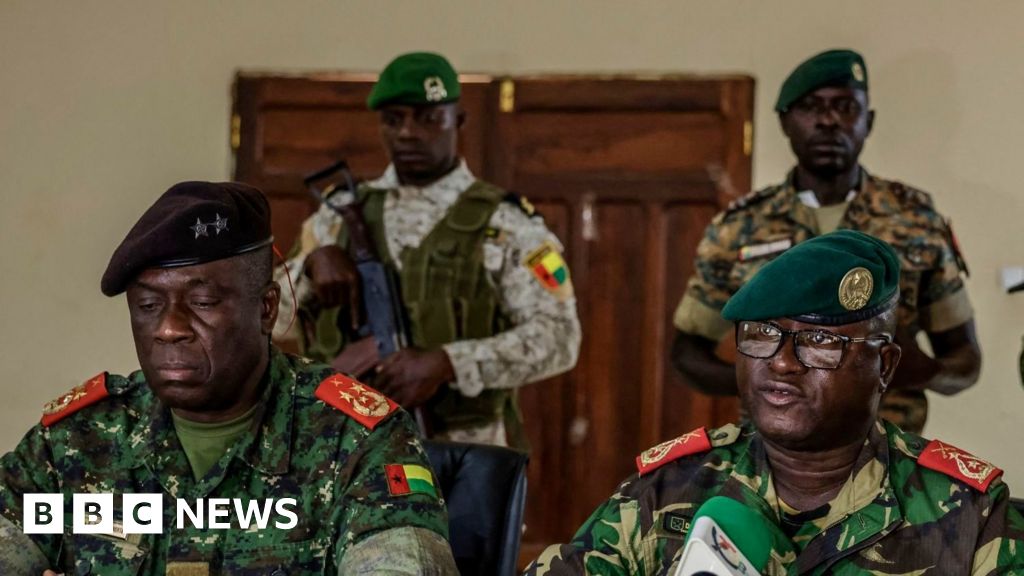
In an alarming development for the West African region, Guinea-Bissau has plunged into chaos following reports that a faction of military officers has **seized control of the government**. The country’s capital, Bissau, was rocked by gunfire around 13:00 GMT as witnesses reported hearing multiple shots. According to government sources, President Umaro Sissoco Embaló has been **detained**, marking a significant escalation in the nation’s ongoing political instability. This sudden military intervention comes just days after a contentious presidential election, in which the main opposition candidate was disqualified, raising fears of legitimacy concerns and deepening the political crisis that has persisted in Guinea-Bissau for decades.

Analysts warn that the unfolding situation could destabilize all of West Africa. Historically plagued by political upheavals—nine coups or attempted coups since 1980—the fragile maritime nation remains one of the poorest in the world, plagued by corruption, weak institutions, and a history of military meddling. The recent coup reflects long-standing frustrations with governance, compounded by the disputed election results and a lack of perceived legitimacy. In fact, both Embaló and his main rival, Fernando Dias, claimed victory, casting doubt over the announced results and fuelling tensions that quickly erupted into violence. International observers, including the African Union and the United Nations, have expressed concern over the escalation and called for restraint, but the military’s unilateral actions reveal a deep mistrust of civilian institutions.

The geopolitical impact of such instability extends beyond Guinea-Bissau’s borders. As a key player in West Africa’s maritime economy, the nation’s security is vital for regional stability, especially given its strategic position along Atlantic trade routes. Analysts from the International Crisis Group emphasize that continued military interference threatens to undermine efforts to stabilize the region’s fragile democracies. Additionally, the interruption of political processes may hinder international efforts to combat drug trafficking and illegal fishing, which are major economic and security concerns in the broader West African context. The coup also risks inspiring similar actions in neighboring countries with fragile political systems, threatening to reverse the gains made through diplomatic engagement and regional security initiatives.

Historians and political commentators highlight that Guinea-Bissau’s history of coups reflects a larger pattern of military influence on civilian governments, often justified by claims of corruption and inefficiency. As noted African political analyst Luís Monteiro observes, “This current upheaval is less about the immediate players and more about a broader trend of military-led governance emerging in many parts of Africa where democratic institutions remain fragile.” The international community’s response, therefore, could prove decisive in shaping whether Guinea-Bissau finds a path back to democratic stability or sinks further into chaos. For now, the echoes of gunfire and political uncertainty continue to reverberate across Bissau, leaving a nation at a crossroads that could determine its future for generations.

As history begins to write its next chapter in Guinea-Bissau, the world must watch closely—what happens here will ripple across borders, shaping the geopolitical landscape of West Africa for years to come. The question remains: will this be the moment when a nation collapses into prolonged chaos or the beginning of a resilient recovery? Only time will tell, but the weight of history—unfolding in real-time—reminds us that every decision has consequences beyond the horizon of today’s headlines.

Unleash the Power of Big Bows: The Surprising Trend Blending Feminine Charm with Youthful Rebellion | Accessories

The Rise of the Bow: How a Vintage Accessory Became a Cultural Signal

Once just a simple decorative feature from Victorian childhoods or Marie Antoinette’s opulent court, bows are now making a *massive* comeback—shaping fashion, social discourse, and even gender norms. From the high-stakes runway shows of Dior to grassroots movements on the rugby field, it’s clear that the humble bow has transcended its traditional femininity to become a powerful symbol of identity, rebellion, and social change. Today, this accessory does more than just add flair; it embodies a cultural shift in how we communicate femininity, gender fluidity, and even political solidarity.

Leading this revival are influencers, fashion designers, and sociologists noticing that the bow is no longer just a cute detail—it’s a loaded statement. Young designers like Sandy Liang and Simone Rocha are pushing bows into unexpected territory, featuring them on everything from handbags to wedding dresses. Meanwhile, on the streets and social media, more people are embracing bows as a form of subversive symbolism. Take Welsh rugby star Georgia Evans, who was attacked online for wearing pink hair bows during a game, only to turn that criticism into a viral movement of solidarity. Over 1,000 bows appeared at her subsequent match, symbolizing strength and inclusivity under attack. It’s a testament to how something as simple as a bow can become a social rallying cry, especially for young people eager to challenge outdated gender roles and expectations.

On the fashion front, the cultural impact is undeniable. Major brands like Next and M&S are selling an array of bow-adorned items—cardigans, dresses, earrings, and accessories. The trends are also reflected on red carpets, where male stars like Harry Styles and Ncuti Gatwa sport oversized bows, challenging gender binaries and highlighting that fashion is a canvas for political statement. Historically, bows were symbols of aristocratic status or flirtation, but today they are a form of expressive rebellion. As fashion historian Valerie Steele explains, bows are now “a sort of code or identity,” often worn ironically or subversively. This evolution demonstrates that what once served as a mark of femininity now acts as an emblem of self-expression and defiance, especially among the youth who view gender and social norms as fluid and negotiable.”

Yet, the question lingers: are we witnessing a lasting shift, or is this just a fleeting trend? Unlike previous fashion cycles, the current bow renaissance is deeply intertwined with broader societal conversations about gender, identity, and social justice. As designer Jonathan Anderson opened Dior’s most anticipated collection with a bow-topped dress, and influencers flaunt bow earrings and accessories, it’s clear that the bow is no longer merely an aesthetic choice—it’s a *statement of cultural evolution*. The next big question: will future generations see the bow as a symbol of both eroticism and empowerment or will it be just another passing trend? The answer could reveal much about how society’s understanding of identity—and perhaps its tolerance for complexity—continues to evolve in unexpected ways.

NVIDIA, Qualcomm Team Up with US & Indian VCs to Power India’s Next Deep Tech Wave

India’s Deep Tech Ecosystem Gets a Major Boost with US-India Coalition

In a significant move toward disruption of traditional markets and the acceleration of technological sovereignty, major players like NVIDIA and Qualcomm Ventures have joined forces with leading Indian venture firms to bolster India’s deep tech startup scene. Launching in September with over $1 billion in commitments, this coalition signifies a strategic pivot aimed at fostering innovation in areas such as satellite technology, semiconductor design, and quantum computing. Known for transforming industries through breakthroughs like AI accelerators and advanced chipsets, NVIDIA’s involvement as a strategic advisor—without direct funding—underscore the increasing importance of technical mentorship and ecosystem validation.

Indian startups have already demonstrated remarkable growth, boasting over 180,000 enterprises and more than 120 unicorns, yet a gap persists in capital dedicated to *fundamental infrastructure-scale innovations*. These ventures require long-term investments, often facing reluctance from risk-averse venture capitalists favoring proven, lower-risk models. This market gap is crucial for future global leadership and technological sovereignty, especially as major economies race to dominate core sectors such as biotech, space tech, and AI. The latest alliance, led by the India Deep Tech Alliance (IDTA), aims to fill this void by integrating capital, mentorship, and access to networks for startups involved in these high-impact domains.

Strategic Partnerships and Policy Acceleration

  • Participation from top U.S. and Indian investors, including Accel, Blume Ventures, and YourNest Venture Capital.
  • NVIDIA’s contribution as a technical guide will facilitate best practices in AI and accelerated computing deployment.
  • Qualcomm Ventures extends beyond funding to help startups leverage their internal expertise and network, emphasizing business disruption at the infrastructure level.
  • The Indian government’s recent ₹1 trillion (approximately $12 billion) Research, Development, and Innovation (RDI) scheme aims to empower long-term projects in key sectors like space, quantum, and biotechnology, positioning India as a burgeoning epicenter of deep tech innovation.

Experts such as Elon Musk and Peter Thiel have long emphasized the importance of building an ecosystem capable of sustaining disruptive innovation. The coalition’s strategy aligns with this vision, recognizing that *role models and substantial investment* are necessary to propel India into a new era of high-tech manufacturing and innovation. The alliance’s collaborative policy efforts could catalyze India’s emergence as a global hub for frontier technology, challenging incumbents in Silicon Valley and Shenzhen.

Implications for the Global Tech Landscape

While India’s deep-tech funding rose 78% year-over-year to $1.6 billion in 2024, disparities with mature markets remain stark. The new coalition and India’s proactive government initiatives could serve as catalysts to bridge that gap, drawing increased global capital and corporate interest. As MIT researchers note, ecosystems built on a foundation of strategic mentorship and long-term vision tend to produce market-changing companies within a decade. The current momentum indicates a potential surge in Indian-based, science- and tech-heavy firms that will become mainstays on global exchanges.

This shift signals a time-sensitive race for technological leadership; companies and nations that act decisively now will shape the future of innovation and economic power. With the participation of industry giants like NVIDIA and Qualcomm, combined with supportive government policies, India is poised to become a dominant player in the emerging frontier sectors. Tech entrepreneurs and investors alike must recognize that **the next wave of industry disruption is already under way**, and strategic engagement today will determine who leads tomorrow.

Unlocking the Power: ‘A House of Dynamite’ — Behind the Scenes of a Defining Moment

In the realm of cinema, the craft of storytelling has often served as a mirror reflecting the core tensions of our society—our fears, our hopes, and the underlying philosophical currents that shape our collective identity. The recent depiction of a nuclear crisis in “A House of Dynamite” exemplifies how contemporary cinema continues to explore the profound stakes of our geopolitical realities. Director Kathryn Bigelow masterfully constructs a seamless narrative that underscores the visceral urgency of national security, where the choreography of locations—from a reconstructed White House Situation Room to the strategic command centers in Omaha—serves as a testament to the cultural obsession with control, technology, and the brinkmanship that defines the modern age.

What emerges from this cinematic tableau is an intricate dance between philosophical paradigms—one hawkish, the other cautious—embodying the perennial debate over the use of power and restraint. On one side, the aggressive posture of military command reflects a view echoed in Ortega y Gasset‘s assertion that “life is a sum of battles fought in the name of civilization.” Conversely, the advocates for measured deliberation evoke the wisdom of T.S. Eliot, who warned against the chaos of unrestrained action. The scene captures a cultural battleground, where the tension between tradition and innovation manifests not only in command decisions but also in the very architecture—standing as silent witnesses to the epochs of history, crafted to resemble colonial-era pillars and porticoes akin to the White House’s original form. Such details evoke a sense of continuity, of culture as a vessel of collective memory.

This rigorous emphasis on authenticity, as seen in the meticulous recreation of military and political venues, demonstrates that culture is no mere backdrop but the foundation of societal identity. The response of military personnel, convinced by the set’s accuracy, exemplifies the power of cultural elements to forge realism and authority. This echoes G.K. Chesterton’s sentiment that “tradition means giving a vote to the most obscure of all classes—our ancestors.” For a society that perceives itself as rooted in historical continuity, culture becomes a safeguard against the chaos of fragmentation.

Ultimately, the depiction of nuclear threat in cinema is more than entertainment; it is a symbolic allegory of humanity’s ongoing struggle to balance power and prudence. Like the works of Chesterton and Eliot, this portrayal reminds us that culture is both memory and prophecy—a luminous bridge linking the sacred inheritance of our traditions with the divine potential of our future. As we contemplate the flickering lights of ICBMs streaking across the sky, we are called to remember that our culture, steeped in history yet alive with prophecy, is the sacred script of human destiny—one that demands we choose wisely the words we inscribe on our collective soul.

Is It a Drug Bust or a Power Shakeup? The Bold Moves Reshaping the Game

Over the past two months, the Caribbean Sea has become a focal point of international attention as the United States ramps up its military presence in an unprecedented display of force. With a fleet comprising warships, fighter jets, bombers, and special forces, the US is deploying its most advanced military assets in what many analysts see as a strategic move rather than a simple show of deterrence. According to BBC Verify, the current forces are the largest naval and air build-up in the region for decades, prompting questions about the true aims behind this escalation. While official claims revolve around combating drug trafficking and narco-terrorism, experts like Dr. Christopher Sabatini argue that this might be a veiled attempt at regime change in Venezuela. Such a high-stakes deployment inseparably links the concepts of national security, influence, and regional stability, shaping a complex geopolitical landscape that affects us all.

What has truly captured the world’s attention is not only the sheer magnitude of military assets—featuring the massive USS Gerald R Ford aircraft carrier, guided missile destroyers, and advanced stealth jets like the F-35B—but also the ambiguous intentions behind this show of strength. Unlike previous interventions, this escalation appears less about directly intervening in Venezuela’s internal affairs and more about sending a powerful message. The US government, under the current administration, has ratcheted up efforts to pressure Nicolás Maduro, accusing his regime of drug trafficking and authoritarianism, even as it denies such allegations and blames sanctions for worsening the country’s crisis. This duality of rhetoric suggests a nuanced campaign—one where the military presence acts as a catalyst not only to influence Maduro’s inner circle but also as a warning to other regional players about US commitment and resolve in defending perceived national interests.

  • Travel Tip: For those interested in observing this geopolitical theater firsthand, consider visiting vibrant locales in the Caribbean such as Puerto Rico or Trinidad and Tobago, where the US has established significant military bases and operational hubs. These regions offer a compelling blend of strategic significance and diverse culture.
  • Wellness Hack: Amidst global tensions, maintaining a wellness routine rooted in mindfulness and resilience can help navigate the stress of today’s news cycles. Experts like Dr. Andrew Weil emphasize the importance of mental clarity in the face of uncertainty, encouraging practices such as meditation, physical activity, and staying connected with community as a beacon of stability in turbulent times.

Within the broader context, this militarization is also intertwined with covert operations, intelligence gathering, and potential plans for covert actions. The US government’s hints at possible land-based operations, coupled with the deployment of highly advanced drones and helicopters, paint a picture of a multifaceted approach that extends beyond mere show. Such moves are reminiscent of historical interventions, and while some argue it’s about safeguarding regional stability, others see it as a provocative display that risks igniting conflict. As the region braces for evolving developments, the key takeaway remains: this is not just a display of military might but a reflection of the changing nature of global influence, sovereignty, and the pursuit of national interests.

In contemplating this complex geopolitical chess game, it becomes evident that the journey of lifestyle and perspective is one rooted in understanding, resilience, and informed awareness. Whether or not conflict ensues, the narrative reminds us that our world is an ever-changing mosaic—one where strength and diplomacy coexist and where the choices made by powerful nations ripple through lives far beyond the Caribbean. As citizens, embracing a mindset of educated engagement and active curiosity fosters a sense of empowerment—an acknowledgment that, ultimately, we are all travelers on a shared journey of history, possibility, and hope. In the end, the true voyage lies in how we choose to interpret the signs of our times and turn them into opportunities for growth and understanding.

Scale AI vet secures $9M to power AI innovations for vital MENA sectors

Innovative Disruption in Infrastructure Management: 1001 AI Secures $9 Million Seed Funding

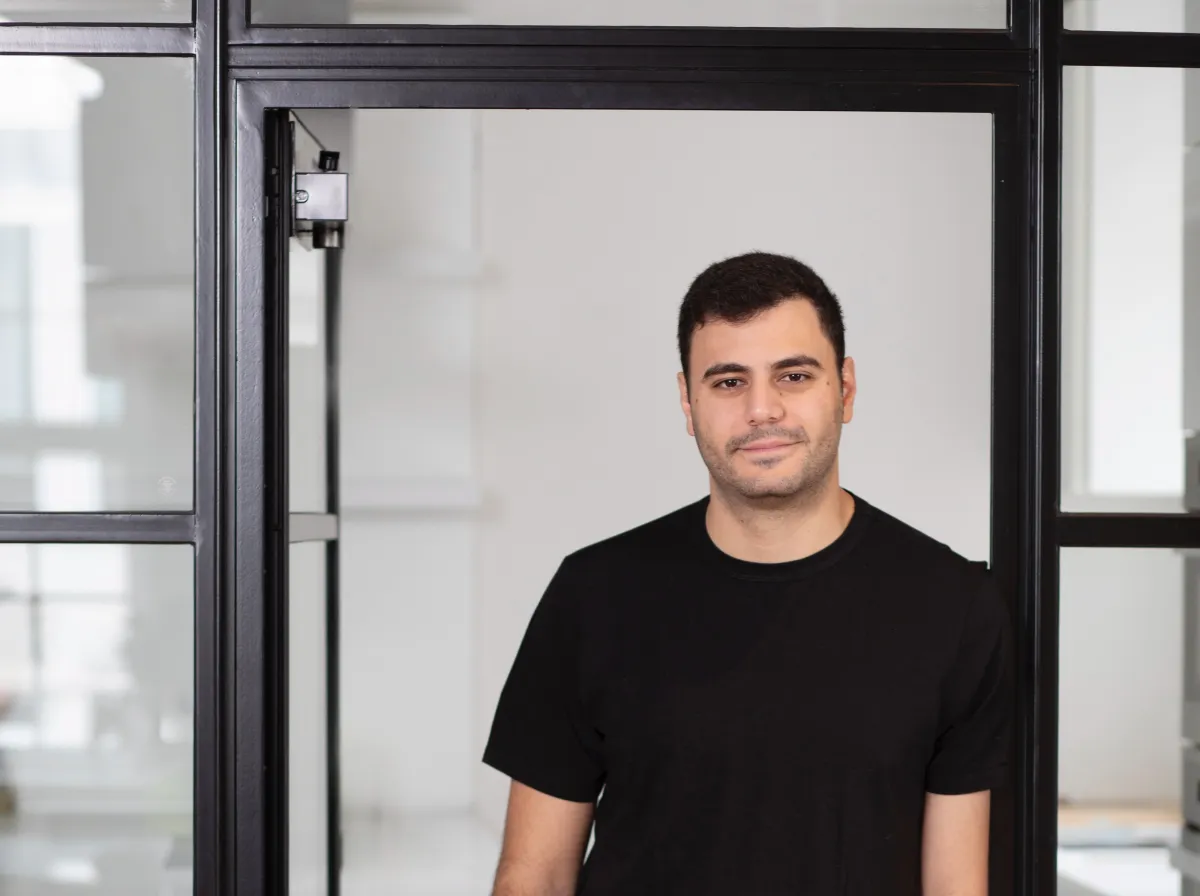
The burgeoning startup 1001 AI is positioning itself at the forefront of AI-driven infrastructure modernization across the Middle East and North Africa (MENA), unveiling a bold vision to revolutionize how critical industries operate. Led by visionary entrepreneur Bilal Abu-Ghazaleh, who brings nearly a decade of experience from the U.S. tech scene—including a key role at the robotics data company Scale AI—the firm is pioneering decision-making AI solutions designed to optimize complex and high-stakes environments such as airports, ports, and construction sites. This emerging wave of disruptive AI technology promises to send ripples through traditional sectors long plagued by inefficiencies, slipping schedules, and budget overruns.

In a recent funding round totaling $9 million led by investment giants CIV, General Catalyst, and Lux Capital, 1001 AI’s innovative approach attracted notable angels including industry experts such as Chris Ré and Amjad Masad. This influx of capital marks a significant milestone, providing the leverage for rapid deployment and scaling. The company’s flagship product, scheduled for release by the end of the year, exemplifies its disruption strategy: AI models that integrate seamlessly with existing software platforms to automate decision-making processes, effectively transforming manual operations into real-time orchestrated workflows.

Beyond mere automation, 1001 AI emphasizes its strategic focus on physical-world problems — a critical gap in many sectors where legacy infrastructure and manual oversight dominate. Through sophisticated data modeling, the AI system can optimize the movement and allocation of resources—vehicles, crews, and equipment—eliminating idle times and reducing operational bottlenecks. According to Abu-Ghazaleh, this translates into tangible cost savings, especially in megaprojects that frequently face delays and budget overruns. Industry analysts, including those at Gartner, underscore that such intelligent orchestration not only enhances efficiency but also sets the stage for a new era of infrastructure resilience and profitability.

The broader implications of this technological disruption extend far beyond regional borders. As Abu-Ghazaleh aims to establish the Gulf as a global hub for AI-enabled infrastructure solutions, the potential for a transformative impact on the global supply chain and construction sectors is immense. By embedding AI deeply into physical operations, 1001 AI is challenging existing paradigms and tipping the industry toward a future where real-time data-driven automation becomes the norm, not the exception. With plans to launch its initial deployments within construction before expanding into logistics and aviation, the company anticipates becoming the regional backbone for operational orchestration. Such a shift could recalibrate entrenched models, making them more agile, cost-effective, and responsive.

As we look ahead, the urgency to embrace this wave of innovation grows—industries resistant to digitization risk falling behind in a hyper-competitive landscape. The combination of regional market opportunities and global technological trends signals that the next decade will see innovations in infrastructure management define the economic and strategic landscape. Companies that fail to adapt will likely face irrelevance, while those like 1001 AI are set to lead the charge, harnessing AI to unlock unprecedented levels of operational efficiency and disruption. The race for AI dominance in critical industry infrastructure is underway — and the clock is ticking for industry leaders to respond.

Score Big Savings: Jackery Solar Generator 5000 Plus Slashes $1,300 — Power Your Freedom!

In today’s fast-evolving technological landscape, power solutions are no longer just about convenience—they are becoming an essential part of lifestyle and social identity, especially among youth-driven subcultures. The recent surge in popularity of high-capacity portable power stations like the Jackery Solar Generator 5000 Plus exemplifies this shift. As of October 17, this device, normally valued at over $4,300, is on a promotional sale for $2,998.95 on Amazon—a 30% discount and a revelation of how consumer priorities are pivoting toward versatile, high-powered energy solutions. This trend underscores a broader societal push for independence, resilience, and a desire to stay connected amid an unpredictable world.

What makes these devices truly impactful is their cultural significance. While traditional power sources symbolize stability and infrastructure, portable generators symbolize a new ethos: self-sufficiency and adventure in the modern age. Influencers and social media personalities—such as outdoor survivalists, off-grid enthusiasts, and eco-conscious urban explorers—are elevating portable power technology from niche gadget to a lifestyle staple. Experts like sociologist Dr. Lisa Montgomery note that this shift is less about utility and more about emotional empowerment. Content creators showcase how these power stations facilitate everything from remote camping trips to emergency preparedness, reinforcing a social message: owning control over one’s environment is a form of personal freedom and resilience.

From TikTok to YouTube, the narrative is clear: portable energy solutions are now woven into the social fabric of youth culture. The emphasis lies in breaking dependence on centralized energy grids and embracing a new form of mobility that aligns with their broader values of sustainability and adventure. Top consumer trends point to an increasing demand for expandable, eco-friendly power options, with models like the Jackery Solar Generator 5000 Plus leading the charge.

  • Trend-setting influencers demonstrate the device’s ability to power entire off-grid cabins or summer festivals.

Meanwhile, sociologists argue this phenomenon reflects a larger societal dialogue about energy autonomy and changing perceptions of modern survival. This cultural pivot not only influences consumption patterns but also reshapes how younger generations conceive of resilience and independence—fundamentally redefining societal norms around energy use and access.

Yet, amidst this wave of innovation and cultural shift, one pressing question remains: how will this pursuit of portable power shape our collective future? As more youths adopt these resilient, eco-friendly energy solutions, will society move closer toward decentralized, sustainable living? Or will this trend catalyze a new battleground over infrastructure, regulations, and access? The next chapter in this story hinges on whether the social movement driven by these devices will evolve into a broader societal transformation, or if it will remain a niche pursuit for a generation eager to redefine resilience on their own terms. Future historians may well ask themselves: was this the moment when the youth-led push for portable independence finally shifted our entire understanding of power, both literally and culturally?

Social Media Auto Publish Powered By : XYZScripts.com