Matox News

Truth Over Trends, always!

Moto Watch Review: The Power Moves of Polar-Inspired Tech

Motorola’s CMF Watch 3 Pro: A New Challenger in the Competitive Wearables Space

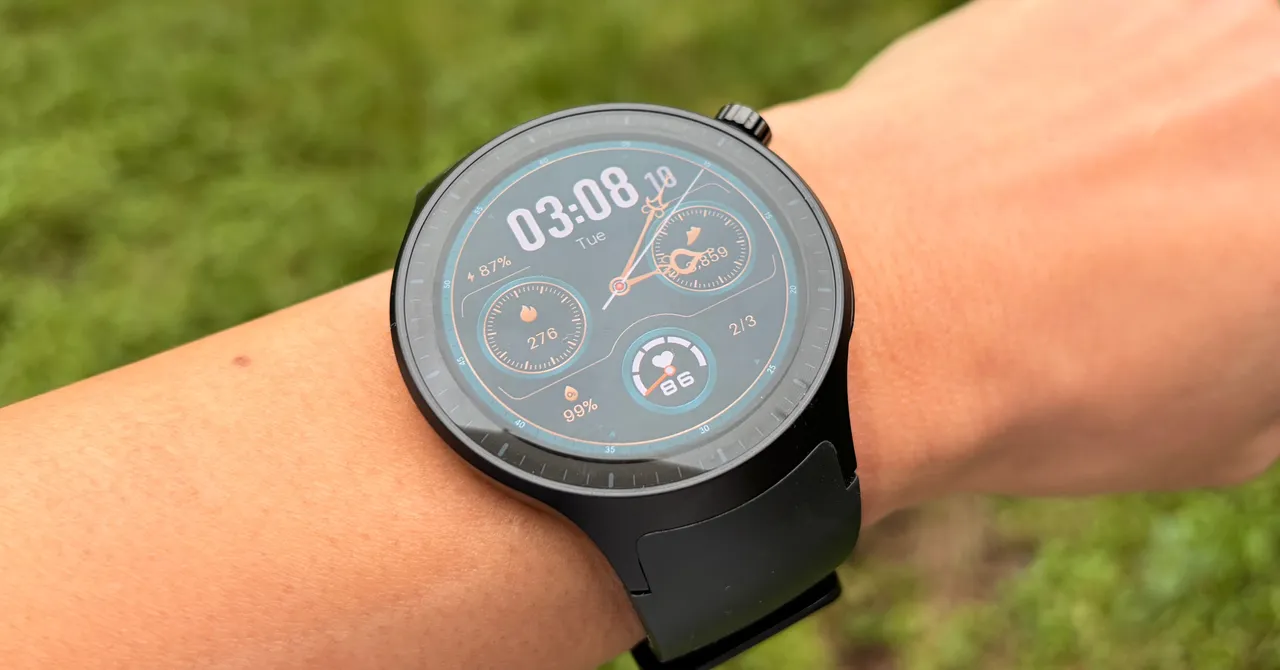
The wearable technology sector continues to demonstrate remarkable innovation, with industry giants and startups alike pushing the boundaries of what consumer electronics can achieve. Recently, Motorola entered this fiercely competitive landscape with its latest offering, the CMF Watch 3 Pro. Billed as an affordable, stylish, Android-compatible smartwatch, it aims to challenge established players like Apple, Samsung, and Garmin. According to early reviews from tech analysts, the device showcases the disruptive potential of hardware integration paired with modern software, although it still has some notable limitations that could influence its market penetration.

One of the core advantages of the CMF Watch 3 Pro lies in its strategic cost positioning combined with solid functionality. It features parameters such as sleep tracking, heart rate monitoring, and stress measurement, with initial comparisons indicating close accuracy to premium models like the Oura Ring 4. Analysts, including Gartner and MIT’s Media Lab, note that major players in the wearables market are increasingly focusing on data integration and seamless user experience to disrupt traditional fitness devices. Motorola’s choice to incorporate a well-designed, yet affordable product underscores this trend—offering consumers a “good enough” device that does not compromise essential features, yet is accessible.

However, despite its innovative intent, the device’s hardware limitations could hinder its disruptive prospects. Especially glaring is the onboard GPS functionality. The device’s slow satellite connection and inconsistent performance outside diminish its appeal as a true fitness companion—particularly when reliable location tracking is a key market differentiator. The device’s processor, deliberately undisclosed by Motorola, appears to struggle with rapid satellite acquisition, a flaw that consumer reviews describe as frustrating, impacting the overall user experience. Such hardware inefficiencies—common in lower-tier wearables—highlight a critical business challenge: balancing cost constraints with performance demands in an industry that is rapidly evolving toward precision.

The experience of review analysts further underscores this disruptive tension. Despite the device’s attractive design and promising feature set, issues like overly sensitive screens and accidental activations threaten user satisfaction. This emphasizes an overarching industry trend: hardware refinement is crucial for establishing market dominance amidst fierce competition. Companies like Apple and Samsung continually push advancements in sensor sensitivity and UI design, setting high standards for emerging competitors. Motorola’s potential in this space hinges on addressing these hardware issues swiftly and innovating beyond mere feature inclusion—further reinforcing that disruption requires not only price competitiveness but also technological excellence.

Looking ahead, the wearables industry is poised for a significant shift driven by the convergence of AI, sensor technology, and 5G connectivity. Industry experts like Peter Thiel have predicted that next-generation devices will serve as the nexus of lifestyle, health, and AI-powered analytics, transforming how consumers interact with their personal data. Motorola’s move into this space signals the beginning of a new wave of disruptive innovation, where smaller players can challenge dominant incumbents by leveraging cost-effective yet capable hardware and sophisticated software integration. The market’s future will depend on how effectively manufacturers can resolve hardware shortcomings and harness emerging technologies to offer compelling, breakthrough features—turning these devices into indispensable health and productivity tools.

Stakeholders across the tech ecosystem must remain vigilant, as the race to dominate this space intensifies. With major innovations around the corner, it’s clear that the current state of wearable technology is just the beginning. With upcoming advancements in AI, sensor innovation, and connectivity, the industry is on the cusp of a transformation—where disruption will be measured not just in features, but in the quality and reliability of the user experience itself. For companies willing to innovate and iterate rapidly, the opportunity to redefine health, fitness, and lifestyle tracking has never been greater—and time is of the essence for stakeholders eager to secure market leadership in this fast-evolving technological frontier.

Celebrities step out on the Grammy red carpet, showing America's youth their star power
Celebrities step out on the Grammy red carpet, showing America’s youth their star power

International Lens on Hollywood: A Cultural Milestone with Geopolitical Reverberations

On Sunday, Los Angeles became the world’s stage as a distinguished assembly gathered for its annual awards ceremony, showcasing not only cinematic excellence but also revealing the subtle undercurrents of global political shifts. While Hollywood’s glitz often masks deeper narratives, the international spotlight on such events underscores their broader geopolitical significance. As nations watch from afar, the cultural choices made at these ceremonies can serve as a mirror to broader societal tensions, alliances, and ideological debates shaping the global order.

Experts and analysts have pointed out that in today’s interconnected world, the interplay between entertainment and politics is more pronounced than ever. Historians caution against dismissing such events as mere spectacle, highlighting that awards shows often symbolize cultural soft power. They reflect a nation’s or industry’s stance amidst global ideological conflicts and economic rivalries. The recent emphasis on diversity and representation, for example, is often scrutinized for its diplomatic implications, with some viewing it as a form of cultural influence—a soft-power tool that can influence perceptions and values across borders.

The event also highlighted shifting alliances and emerging tensions. Several nations, which have traditionally used cultural diplomacy to foster cordial relations, are increasingly embroiled in underlying conflicts, whether over trade, ideology, or geopolitical dominance. Analysts from international organizations like the United Nations warn that these cultural signals must be understood within a broader context: the resurgence of great power rivalries, especially between China, Russia, and Western nations, continues to redefine the global landscape.

Indeed, the palpable presence of these themes hints at what many call a *new Cold War*, where cultural, technological, and military dimensions intertwine in complex ways. While Hollywood often portrays itself as apolitical, critics argue that the choices reflected in awards seasons shape societal perceptions and bolster national narratives. As international institutions like the World Trade Organization and G20 grapple with these multilayered shifts, the decisions made in popular culture underscore how profoundly they affect nations and societies—sometimes in ways that are less visible but equally impactful. The global community stands at a crossroads, with history still unfolding. The choices that are made today—whether in policy, diplomacy, or cultural expression—will resonate for generations, leaving a legacy that may define the next era of world affairs.

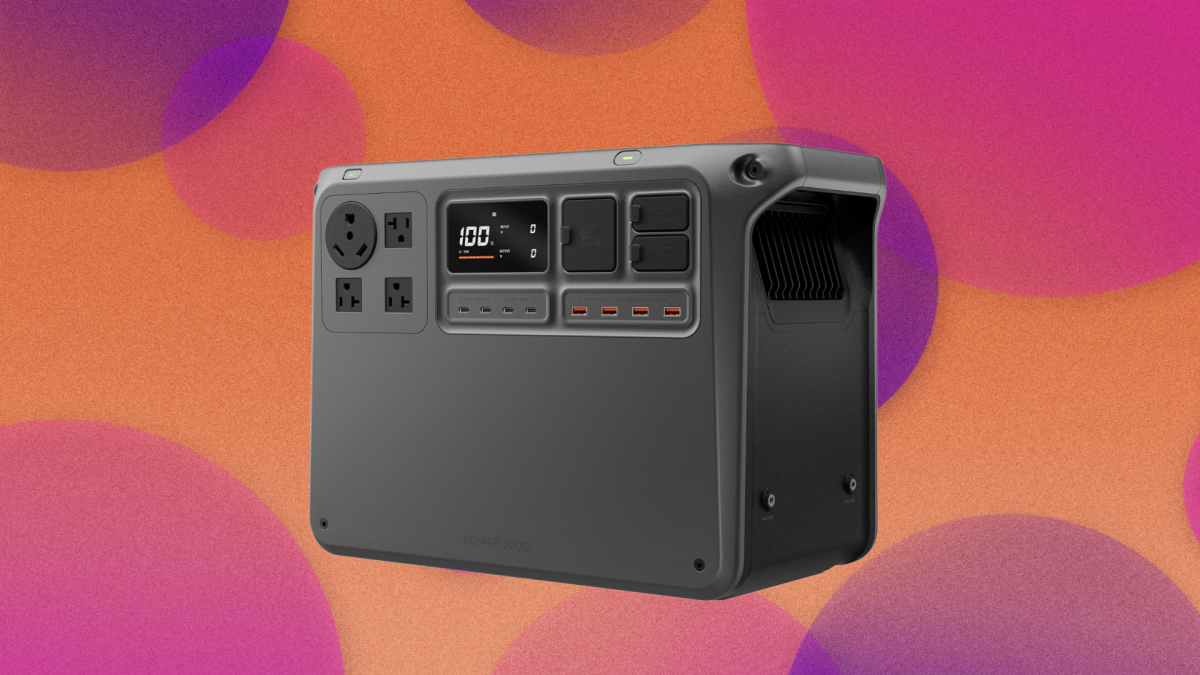
Grab the DJI Power 2000 Portable Power Station — Now 46% Off This Weekend!

In an era where **technology** and **urban resilience** are shaping the *lifestyle fabric* of youth culture, a surge in demand for *portable power solutions* is redefining what it means to be prepared and independent. Recently, Amazon announced a striking deal on the DJI Power 2000 portable power station, slashing its price from $1,299 to just $699—an eye-catching 46% discount that’s capturing the attention of young entrepreneurs, digital nomads, and outdoor enthusiasts alike. With this shift, we are witnessing the emergence of a *cultural paradigm*: the quest for uninterrupted energy in a society that thrives on mobility and instant connectivity.

The DJI Power 2000 isn’t just a bulky backup; it’s a symbol of a broader **societal shift**. Known globally for their innovative drones and microphones, DJI’s expansion into portable power stations aligns perfectly with the needs of today’s *adventure-driven, tech-dependent generation*. Designed to handle up to 99% of everyday appliances— from power tools to projectors—this device exemplifies the **sociological trend**: *the pursuit of *self-sufficiency*. It represents the new archetype of lifestyle, where resilience against outages and off-grid living become not just practical choices but cultural statements.* As sociologist Dr. Emily Navarro notes, “This shift signifies a move towards **self-empowered independence**, where technology blurs the line between urban readiness and rugged real-world utility.”

What truly elevates the **Power 2000** is its blend of *power, safety, and versatility*. Weighing in at around 21kg (or 47.4 pounds), it isn’t a lightweight companion, but a **powerful fixture** in any scenario: from off-grid camping to emergency backup during city outages. Recharging up to 80% in just 55 minutes, it exemplifies modern innovation that prioritizes *speed and efficiency*. Its water-resistant and flame-retardant design underlines a *growing social expectation for safety* in portable tech, especially among the younger crowd who are pushing limits in outdoor activities, DIY projects, or small business ventures. These power stations have become not merely tools but extensions of one’s *lifestyle identity*, fostering a sense of readiness that resonates strongly among millennials and Gen Z consumers who prize **autonomy** in an unpredictable world.

Trend analysts highlight how this technology catalyzes a *cultural redefinition*: a shift from dependence on traditional power grids to a *culture of resilience and adaptability*. Influencers on platforms like TikTok and YouTube demonstrate their daily lives powered by these stations, inspiring a new *generation of adventurers* and *Urban explorers* who see portable energy as a symbol of freedom. The **social relevance** extends beyond mere convenience; it signals a shift in *values*, emphasizing **self-reliance**, **environmental consciousness**, and **technological savvy**. Yet, a fascinating **narrative twist** emerges: as these devices grow more integral in our lives, the question isn’t just about *power*. It’s about *the future of societal resilience*. Will this pursuit of individual solutions weaken collective infrastructure, or is it paving the way for a more adaptive, decentralized society? As youth and thought leaders grapple with these questions, one thing remains clear: the trend towards portable power is not just about keeping devices alive—it’s shaping the very **culture of independence** for generations to come.

Dell Deals: Save 10% This December — Power Up Your Tech Game

Tech Industry Disruption Accelerates Amid Holiday Sales Frenzy

As the year’s final quarter unfolds, the tech sector continues to demonstrate unparalleled resilience and innovation, driven by aggressive holiday sales campaigns by industry giants like Dell. This season’s promotions, which include discounts exceeding $600 on top-performing laptops, monitors, and gaming desktops, exemplify the sector’s relentless pursuit of market disruption. Such deals are not only about consumer savings but also signal a strategic pivot toward integrating advanced technologies—like AI-driven features and compact ecosystems—into mainstream consumer markets.

According to analysts from Gartner and MIT’s Tech Review, the current volume of sales and targeted discounts are testaments to industry-wide efforts to reshape how consumers perceive value in computing hardware. The emphasis on features such as AI-powered PCs, lightweight ultrabooks, and gaming-optimized desktops indicates a shift towards smarter, more versatile devices designed for both work and play. Companies like Dell are leveraging this trend, integrating Microsoft Copilot AI into their latest XPS lineup. Such innovations are not merely enhancements; they represent a fundamental disruption of conventional laptop and PC design, positioning these machines as next-generation hubs capable of AI-assisted productivity and immersive gaming experiences.

Business Implications of Consumer-Centric Tech Disruption

This drive towards integrated AI and high-performance hardware extends well beyond consumer preferences. Industry insiders highlight the strategic importance of such innovation for businesses seeking to competitive edges. Disruptive technologies are enabling firms to redefine operational efficiencies, employee productivity, and customer engagement, with companies like Dell spearheading this transformation through aggressive pricing, discount programs, and bundling offers. The extension of exclusive discounts for students, military personnel, and rewards members signals a conscious effort to foster brand loyalty amid a rapidly changing landscape.

Furthermore, the adoption of innovative financing options and reward programs—such as Dell’s 6% cashback and enrollment benefits—demonstrates a savvy approach to maintaining market share. This focus on customer retention strategies mirrors predictions from industry analysts who emphasize how consumer loyalty and seamless hardware ecosystems will define future success. As Peter Thiel and other industry pioneers suggest, the future belongs to those who can marry cutting-edge innovation with scalable business models, turning hardware sales into long-term engagements.

Future Outlook: A Tech Ecosystem in Flux

Looking ahead, the trajectory of the tech industry indicates a sustained push toward disruptive innovation. Companies are poised to embed AI deeper into everyday hardware, making devices more intelligent, adaptive, and intuitive. As this wave of technological evolution accelerates, market entrants that innovate rapidly and leverage strategic discounts will have the edge in capturing burgeoning demand for high-performance, AI-enabled devices. The battle for consumer loyalty will increasingly hinge on the capacity to integrate innovative features into affordable, user-friendly form factors—shaping a future where technology is seamless, intelligent, and dominant.

In this context, industry leaders and tech entrepreneurs must recognize that the window for disruptive growth is shrinking. The convergence of AI, hardware innovation, and consumer-friendly business models signals an era where speed and strategic agility will determine dominance. For the savvy player, the upcoming years promise a fascinating landscape of opportunity and challenge—one where the winners will be those who anticipate market shifts, innovate relentlessly, and execute with precision. The time to act is now, as the next chapter of technological evolution begins to unfold at an unprecedented pace.

Supreme Court Signals Power Boost for Trump to Fire Feds

The United States, a nation long proud of its constitutional checks and balances, finds itself at a pivotal moment as the Supreme Court faces a significant case that could reshape the landscape of federal agency independence. The case, Trump v Slaughter, hinges on whether President Donald Trump legally had the authority to dismiss Rebecca Slaughter, an FTC commissioner appointed to enforce laws protecting consumers and fair competition. This legal confrontation exposes raw tensions over the extent of presidential control and the durability of longstanding bureaucratic protections, a debate rooted in the legal history that spans almost a century.

At the heart of the dispute is a foundational question concerning the nature of presidential power versus independent agency autonomy. During the oral arguments, the conservative justices appeared to align with Trump’s position that the President should have broad authority to oversee and, if believed necessary, remove commissioners—an idea strongly opposed by liberals and legal scholars emphasizing the importance of independent agencies. Historically, agencies such as the FTC, established in 1914, were designed to operate free from presidential interference to ensure impartial enforcement. Congress explicitly limited presidential removals for commissioners to “inefficiency, neglect of duty, or malfeasance,” illustrating a clear legislative intent to shield these entities from political pressure.

However, the Trump administration’s legal team challenged this framework, labeling the historical “Humphrey’s Rule” as an “indefensible outlier” that hampers the executive’s capacity to enforce the law effectively. Such arguments resonate with many who believe that a strong presidency must be able to swiftly remove officials obstructing policy objectives, especially in a turbulent political climate. Researchers and political analysts warn that overturning this precedent could fundamentally weaken the American system of calibrated agency independence, possibly leading to increased politicization of bureaucracies. The prospect of the court dismantling a 90-year-old precedent raises alarms about the future of American governance, with critics arguing that it may open a Pandora’s box of executive overreach.

The decision from the court will have profound geopolitical impact. As the world watches, the ruling could influence how other democracies structure their administrative independence, especially as concerns about authoritarian tendencies grow. The International Monetary Fund (IMF) and World Bank acknowledge that stable and independent institutions are vital for global economic stability; a shift in U.S. doctrine could send ripples across global financial markets and international diplomacy. Historians like Dr. William Novak warn that the sovereignty of government agencies forms a cornerstone of modern liberal democracies; undermining this independence risks a dangerous erosion of the rule of law and democratic accountability.

As the court’s decision looms, history continues to unfold. Whether the conservative majority will uphold the principle that agencies like the FTC can operate shielded from political interference or endorse a stronger presidential hand remains to be seen. Yet, the very fabric of how America’s government functions — its balance of power, accountability, and independence — hangs in the balance. One thing is certain: the longer this conflict persists, the clearer it becomes that the forces shaping the future of American governance are deep-rooted and fiercely contested. In this moment, history’s pen is poised, and the weight of the next decision could redefine the contours of American power and liberty for generations to come, a testament to the ongoing struggle over who truly holds the reins of the world’s most influential democracy.

Labour Taps Members for Next Leader Amid Party Power Play – UK Politics

Uneasy Winds of Change Blow Across the Global Horizon and UK Political Landscape

As Britain charts its turbulent course amidst mounting European diplomatic tensions and internal political upheaval, the global framework under which nations operate faces undeniable flux. In a significant diplomatic gesture, Prime Minister Keir Starmer is hosting a high-stakes summit in Downing Street, bringing together European leaders and the controversial Ukrainian President, Volodymyr Zelenskyy, signaling yet another chapter in the ongoing saga of East-West tensions. This assembly is not just about regional security but reverberates far beyond, highlighting the delicate balance of power within NATO and EU corridors amid the ominous shadow of an unsettled European strategic landscape. According to international analysts, such gatherings are pivotal, potentially reshaping alliances and NATO’s strategic posture in the face of renewed hostilities and diplomatic unpredictability, especially considering the specter of Russia’s ambitions.

Meanwhile, London’s political arena pulses with new energy, as Keir Starmer unveils a bold £725m initiative aimed at integrating 50,000 young Britons into the workforce through expanded apprenticeships. This move is widely viewed as a calculated economic and social maneuver, designed not only to address youth unemployment in the long-term but to bolster Britain’s economic resilience against the backdrop of global instability. Such policy decisions underscore how internal domestic strategies are increasingly intertwined with the broader geopolitical narrative. With the government also fostering localised control over funding and expanding regional cooperation, the move signals an intent to fortify the nation’s labor market, aiming to emerge from economic uncertainties stronger and more autonomous. Notably, these reforms seem to also serve as a political counterbalance amid concerns over internal leadership stability and upcoming party leadership contests within Labour, hinted at by recent insider polls and strategic surveys among party members.

Within the UK’s splintered political spectrum, the potential for a leadership reshuffle remains palpable. Reports indicate that Labour Party insiders are secretly canvassing elite opinion, contemplating whether to pursue an internal leadership challenge potentially within the next year. Such maneuvering is not merely about personality debates but about signaling a shift in policy directions—a move perceived by many as a safeguard against the perceivedLeft-leaning drift represented historically by figures like Jeremy Corbyn. Crucially, behind closed doors, figures such as Angela Rayner and Lucy Powell are seen as front-runners for a renewed leadership bid, aimed at presenting the party as a formidable challenger capable of seizing electoral victory in a volatile political climate. Meanwhile, policy questions about principles versus pragmatism are dividing party ranks, echoing broader concerns about ideological purity versus electoral pragmatism in the context of Britain’s upcoming general election. The unresolved dynamics of this leadership shuffle cast a long shadow over Britain’s internal stability—a mirror to the wider geopolitical uncertainties that threaten global order.

The Weight of History Yet Unfolding

Throughout this turbulent day, history’s relentless march continues, with the world hanging on the precipice of transformation—fragile yet unyielding. As Britain navigates its internal strife, with power plays hinting at a potential upheaval, its global posture remains intertwined with the stormy geopolitical currents rippling across Europe and beyond. In the shadows of these shifting alliances and domestic power struggles, one truth is emerging: the decisions made today will echo through the corridors of history, shaping nations and societies well into the twilight of the 21st century. How long this fragile equilibrium will last is uncertain, yet as history writes its own unwritten chapters, the weight of tomorrow rests with those courageous enough to steer the course. This unfolding story is far from over—a testament to an age where the tides of power and principle collide in the crucible of a new epoch.

Healthify Supercharges Ria AI with Real-Time Chat Power for a Smarter Future

Healthify’s Revolutionary Upgrade Sets New Standard in Personalized Healthcare

In a bold move that underscores the accelerating pace of innovation in digital health, Healthify, a startup backed by Vinod Khosla, has launched an advanced iteration of its AI health assistant, Ria. This new version integrates voice interaction, real-time camera input, and persistent memory features designed to redefine how users engage with health data. At a time when disruption in healthcare technology is critical, Healthify’s latest innovations exemplify the push toward seamless, AI-driven health management, with implications stretching across markets and platforms.

The upgraded Ria demonstrates a significant leap forward in conversational AI technology. Incorporating live voice interactions and camera-based food logging — using devices like Meta’s Ray-Ban smart glasses — it fosters a more intuitive, human-like engagement. The company’s goal is to create an ecosystem where users can effortlessly access insights, generate tailored exercise plans, or log goals, all within a single session. This move away from traditional apps toward conversational interfaces positions Healthify as a disruptor, pushing the boundaries of what AI can achieve in real-world health applications. As Tushar Vashisht, CEO of Healthify, explained, the team trained Ria on years of conversational data, ensuring grounded, actionable advice grounded in real interaction history.

The implications extend beyond just individual health tracking. By integrating AI deeply into user onboarding and long-term memory, the company is positioning itself to deliver hyper-personalized recommendations that evolve with users’ health journey. Looking ahead, the prospects for AI in healthcare extend into strategic partnerships, with Healthify aiming to collaborate with device manufacturers for data integration and to develop GLP-1-based weight-loss programs. As Peter Thiel and other tech visionaries have argued, the next wave of innovation will heavily rely on bridging unstructured health data and providing personalized, context-aware insights at scale, which Healthify appears poised to capitalize on.

Additionally, the company is enhancing collaborative features by enabling its assistant to function within conversations with health professionals, including voice transcription and data retrieval. This not only increases efficiency but also disrupts traditional consulting models, enabling real-time data sharing and analysis. By developing a persistent memory layer atop OpenAI’s models, the startup aims to give its AI an almost long-term cognitive makeup, which could revolutionize patient-provider interactions, making them more continuous and integrated. With more than 45 million registered users and several million active monthly participants, the scale and ambition suggest a future where AI-driven health ecosystems are the new norm, forcing traditional healthcare providers and tech giants alike to adapt swiftly.

As the industry moves into this new era marked by AI-driven personalization, the urgency for startups and established players to innovate or be left behind becomes clear. Healthify’s aggressive expansion plans, including a $20/month AI-powered plan and forthcoming partnerships, demonstrate that the market’s trajectory is unmistakable. This technological disruption compels competitors to re-evaluate their strategies and accelerates the push toward an integrated, AI-enabled health infrastructure. In an environment where data privacy, accuracy, and seamless user experience are paramount, the stakes have never been higher. Industry watchers and investors alike must recognize that the race for dominance in this space is now in full throttle, with the winners set to shape the future of healthcare for decades. The window to lead this transformative wave is closing fast — those who act decisively will determine the next chapter of digital health innovation.

Zelenskyy Confronts Rising Chaos as Yermak’s Fall Reshapes Ukraine’s Power Balance

Ukraine stands on the brink of a major political upheaval, as it grapples with the fallout from the recent resignation of Andriy Yermak, President Volodymyr Zelenskyy‘s closest adviser and key figure in domestic and international negotiations. Yermak’s departure, triggered by anti-corruption searches of his residence, signals a disruption of the carefully balanced power structure in Kyiv—a city already under immense pressure from the ongoing conflict with Russia. Renowned analysts warn that this event could serve as a watershed moment in Ukraine’s internal governance, with reverberations felt across its international alliances and peace prospects.

  • Yermak, a former lawyer and film producer-turned-politician, became the backbone of Zelenskyy’s inner circle, wielding influence over foreign policy, security talks, and political strategy.
  • The anti-corruption probe, which seized laptops and phones from his residence, has cast a shadow over Ukraine’s leadership, threatening to unravel years of political consolidation and shaking public confidence.
  • Political insiders highlight that Yermak’s control over sensitive connections and information made him an indispensable gatekeeper, effectively limiting access to the president from the wider elite and opposition elements.

Historians and international observers cite the anti-corruption crackdown in Ukraine as a potential turning point that could either pave the way for reform or deepen societal division. The scandal follows years of popular discontent with endemic corruption—a persistent problem that undermines Ukraine’s democracy and deters foreign investment crucial for recovery. As Kyiv attempts to strike a delicate balance between internal stability and external support, the fallout from Yermak’s demise underscores the broader geopolitical struggle between Western interests and entrenched local elites. commentators like veteran analyst Michael Lee have warned that losing a figure like Yermak may weaken Ukraine’s bargaining position in ongoing peace negotiations with Russia, making the prospect of a negotiated settlement even more tenuous.

International organizations such as the International Monetary Fund and the European Union have been pushing Kyiv for political reforms and transparency, viewing the recent developments as evidence of the urgent need for structural change. The scandal has exposed how intertwined Ukraine’s political elite are with vested interests, chipping away at the fragile trust necessary for sustained reform. Many experts believe that if Kyiv is to maintain Western support, it must confront these internal fissures head-on, even if it means a painful reorganization of its political hierarchy. Meanwhile, the events in Ukraine serve as a sobering reminder of how internal power struggles and corruption can threaten to undo years of international efforts aimed at stabilization and democratization.

As the dust settles, the nation faces a period of uncertainty—some fearing that further revelations could ignite instability, others hopeful for a second chance at reform. The echoes of this crisis will resonate well beyond Ukraine’s borders, shaping regional stability and the global strategic calculus. The unfolding saga of Yermak’s fall is more than a domestic story; it is a chapter in the larger narrative of a nation fighting not only external enemies but also confronting the corrosive effects of corruption within. The true test will be whether Ukraine’s leadership can harness this moment to forge a more transparent and resilient political future — or whether this turbulence will become yet another scar in the evolving history of a nation determined to forge its destiny amid the chaos of a world still at war.

Kuxiu’s Power Bank Gets Bigger, Faster Wireless Charging – Power Up Your Way!

Next-Gen Solid-State Power Bank from Kuxiu Signals Major Disruption in Portable Energy

In a significant stride towards disrupting the portable power industry, Kuxiu has announced the launch of its upgraded semi-solid state power bank, the S3. Building on its innovative foundation established with the initial semi-solid electrolyte-based battery, Kuxiu’s latest offering exemplifies the pressing shift in battery technology. This groundbreaking development not only emphasizes innovation but also positions Kuxiu as a formidable challenger to traditional lithium-ion power banks, promising a future where safety, longevity, and efficiency take center stage.

The S3 model introduces a substantial doubling of capacity—now at 10,000mAh—highlighting how solid-state chemistry is evolving to meet consumer demand for high-capacity, safe, and durable portable power. With 38.5Wh, it boasts the ability to nearly double the battery life of popular smartphones, including iPhones, depending on device specifications. The incorporation of Qi2.2 certification enables wireless charging at up to 25W, signifying a push toward seamless, cable-free energy transfer. These features collectively underscore a clear trend: disruption of traditional power banks with safer, more efficient alternatives. According to industry analysts, this aligns well with Gartner’s prediction that solid-state batteries will become standard in mobile devices by the early 2030s, heralding a new era of portable energy.

Innovative Design Elements That Set the S3 Apart

The S3’s design improvements extend beyond raw capacity. Increasing the number of N52 magnets from 16 to 18 enhances magnetic coupling, reducing accidental disconnections—an often overlooked risk in portable power devices. Additionally, the integrated kickstand and on-device display streamline user experience, providing real-time remaining capacity and charging status. The built-in USB-C cable, supporting power delivery rated at 35W, offers flexible multi-device charging, exemplifying a shift toward more versatile and user-friendly hardware. Such innovations demonstrate how Kuxiu is leveraging advanced materials and smart design to amplify the practical value of portable power supplies, essentially setting new industry standards.

Business and Industry Implications

  • Disruption of the Power Bank Market: As solid-state batteries boast longer lifespan, increased safety, and higher efficiency, existing lithium-ion power banks face significant obsolescence. This shift threatens traditional manufacturers reliant on older battery chemistries, forcing a technological overhaul.
  • Opportunity for Innovation-Driven Companies: Firms embracing solid-state technology, as exemplified by Kuxiu, could capture major market segments—particularly among younger consumers seeking reliable, sleek, and eco-friendly solutions. As such, innovation becomes not only a technical priority but a strategic business imperative.
  • Potential for Broader Impact: Enhanced power backup solutions will accelerate the adoption of wireless and portable energy, impacting markets such as consumer electronics, wearables, and IoT devices. According to MIT research, these advancements could reduce reliance on traditional power sources, fostering a more sustainable and interconnected digital ecosystem.

The Road Ahead: A New Era in Portable Power

The launch of the Kuxiu S3 underscores a pivotal moment: the next wave of battery innovation is here, with solid-state solutions leading the charge. Industry giants and startups alike are racing to commercialize safer, higher-capacity, and more reliable power sources, driven by advances in materials science and smart design. Experts like Elon Musk and Peter Thiel emphasize that such innovations are critical for solving the world’s energy challenges while unlocking new market opportunities. Looking ahead, the industry must prepare for a transformative shift—one where disruption is not just inevitable, but necessary. Forward-thinking organizations that embrace these technological trends now will shape the future landscape, positioning themselves at the forefront of the portable power revolution and redefining the potential of mobile energy solutions.

Guinea-Bissau Soldiers Claim Power Amid President Embaló's Arrest Reports
Guinea-Bissau Soldiers Claim Power Amid President Embaló’s Arrest Reports

Guinea-Bissau in Crisis: Military Coup and Political Unrest Shake West Africa

In an alarming development for the West African region, Guinea-Bissau has plunged into chaos following reports that a faction of military officers has **seized control of the government**. The country’s capital, Bissau, was rocked by gunfire around 13:00 GMT as witnesses reported hearing multiple shots. According to government sources, President Umaro Sissoco Embaló has been **detained**, marking a significant escalation in the nation’s ongoing political instability. This sudden military intervention comes just days after a contentious presidential election, in which the main opposition candidate was disqualified, raising fears of legitimacy concerns and deepening the political crisis that has persisted in Guinea-Bissau for decades.

Analysts warn that the unfolding situation could destabilize all of West Africa. Historically plagued by political upheavals—nine coups or attempted coups since 1980—the fragile maritime nation remains one of the poorest in the world, plagued by corruption, weak institutions, and a history of military meddling. The recent coup reflects long-standing frustrations with governance, compounded by the disputed election results and a lack of perceived legitimacy. In fact, both Embaló and his main rival, Fernando Dias, claimed victory, casting doubt over the announced results and fuelling tensions that quickly erupted into violence. International observers, including the African Union and the United Nations, have expressed concern over the escalation and called for restraint, but the military’s unilateral actions reveal a deep mistrust of civilian institutions.

The geopolitical impact of such instability extends beyond Guinea-Bissau’s borders. As a key player in West Africa’s maritime economy, the nation’s security is vital for regional stability, especially given its strategic position along Atlantic trade routes. Analysts from the International Crisis Group emphasize that continued military interference threatens to undermine efforts to stabilize the region’s fragile democracies. Additionally, the interruption of political processes may hinder international efforts to combat drug trafficking and illegal fishing, which are major economic and security concerns in the broader West African context. The coup also risks inspiring similar actions in neighboring countries with fragile political systems, threatening to reverse the gains made through diplomatic engagement and regional security initiatives.

Historians and political commentators highlight that Guinea-Bissau’s history of coups reflects a larger pattern of military influence on civilian governments, often justified by claims of corruption and inefficiency. As noted African political analyst Luís Monteiro observes, “This current upheaval is less about the immediate players and more about a broader trend of military-led governance emerging in many parts of Africa where democratic institutions remain fragile.” The international community’s response, therefore, could prove decisive in shaping whether Guinea-Bissau finds a path back to democratic stability or sinks further into chaos. For now, the echoes of gunfire and political uncertainty continue to reverberate across Bissau, leaving a nation at a crossroads that could determine its future for generations.

As history begins to write its next chapter in Guinea-Bissau, the world must watch closely—what happens here will ripple across borders, shaping the geopolitical landscape of West Africa for years to come. The question remains: will this be the moment when a nation collapses into prolonged chaos or the beginning of a resilient recovery? Only time will tell, but the weight of history—unfolding in real-time—reminds us that every decision has consequences beyond the horizon of today’s headlines.

Social Media Auto Publish Powered By : XYZScripts.com