Matox News

Truth Over Trends, always!

Unleash the Power of Big Bows: The Surprising Trend Blending Feminine Charm with Youthful Rebellion | Accessories

The Rise of the Bow: How a Vintage Accessory Became a Cultural Signal

Once just a simple decorative feature from Victorian childhoods or Marie Antoinette’s opulent court, bows are now making a *massive* comeback—shaping fashion, social discourse, and even gender norms. From the high-stakes runway shows of Dior to grassroots movements on the rugby field, it’s clear that the humble bow has transcended its traditional femininity to become a powerful symbol of identity, rebellion, and social change. Today, this accessory does more than just add flair; it embodies a cultural shift in how we communicate femininity, gender fluidity, and even political solidarity.

Leading this revival are influencers, fashion designers, and sociologists noticing that the bow is no longer just a cute detail—it’s a loaded statement. Young designers like Sandy Liang and Simone Rocha are pushing bows into unexpected territory, featuring them on everything from handbags to wedding dresses. Meanwhile, on the streets and social media, more people are embracing bows as a form of subversive symbolism. Take Welsh rugby star Georgia Evans, who was attacked online for wearing pink hair bows during a game, only to turn that criticism into a viral movement of solidarity. Over 1,000 bows appeared at her subsequent match, symbolizing strength and inclusivity under attack. It’s a testament to how something as simple as a bow can become a social rallying cry, especially for young people eager to challenge outdated gender roles and expectations.

On the fashion front, the cultural impact is undeniable. Major brands like Next and M&S are selling an array of bow-adorned items—cardigans, dresses, earrings, and accessories. The trends are also reflected on red carpets, where male stars like Harry Styles and Ncuti Gatwa sport oversized bows, challenging gender binaries and highlighting that fashion is a canvas for political statement. Historically, bows were symbols of aristocratic status or flirtation, but today they are a form of expressive rebellion. As fashion historian Valerie Steele explains, bows are now “a sort of code or identity,” often worn ironically or subversively. This evolution demonstrates that what once served as a mark of femininity now acts as an emblem of self-expression and defiance, especially among the youth who view gender and social norms as fluid and negotiable.”

Yet, the question lingers: are we witnessing a lasting shift, or is this just a fleeting trend? Unlike previous fashion cycles, the current bow renaissance is deeply intertwined with broader societal conversations about gender, identity, and social justice. As designer Jonathan Anderson opened Dior’s most anticipated collection with a bow-topped dress, and influencers flaunt bow earrings and accessories, it’s clear that the bow is no longer merely an aesthetic choice—it’s a *statement of cultural evolution*. The next big question: will future generations see the bow as a symbol of both eroticism and empowerment or will it be just another passing trend? The answer could reveal much about how society’s understanding of identity—and perhaps its tolerance for complexity—continues to evolve in unexpected ways.
NVIDIA, Qualcomm Team Up with US & Indian VCs to Power India’s Next Deep Tech Wave

India’s Deep Tech Ecosystem Gets a Major Boost with US-India Coalition

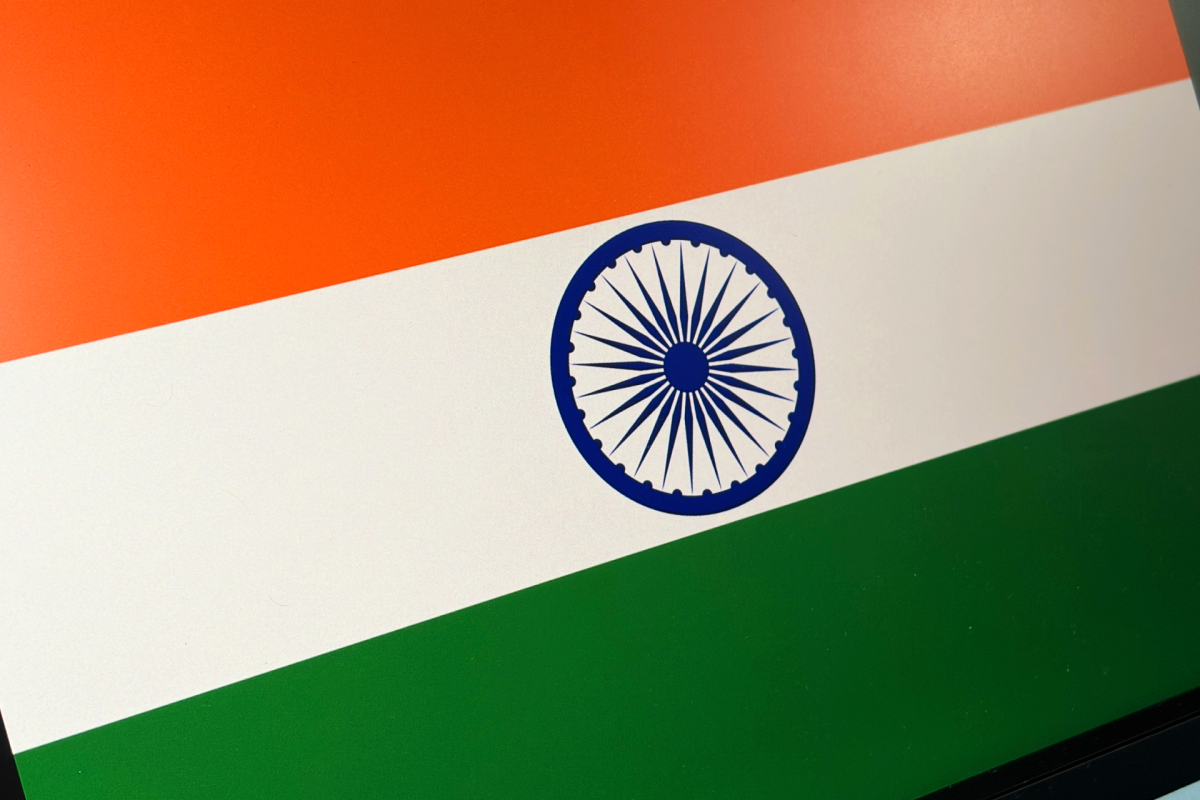
In a significant move toward disruption of traditional markets and the acceleration of technological sovereignty, major players like NVIDIA and Qualcomm Ventures have joined forces with leading Indian venture firms to bolster India’s deep tech startup scene. Launching in September with over $1 billion in commitments, this coalition signifies a strategic pivot aimed at fostering innovation in areas such as satellite technology, semiconductor design, and quantum computing. Known for transforming industries through breakthroughs like AI accelerators and advanced chipsets, NVIDIA’s involvement as a strategic advisor—without direct funding—underscore the increasing importance of technical mentorship and ecosystem validation.

Indian startups have already demonstrated remarkable growth, boasting over 180,000 enterprises and more than 120 unicorns, yet a gap persists in capital dedicated to *fundamental infrastructure-scale innovations*. These ventures require long-term investments, often facing reluctance from risk-averse venture capitalists favoring proven, lower-risk models. This market gap is crucial for future global leadership and technological sovereignty, especially as major economies race to dominate core sectors such as biotech, space tech, and AI. The latest alliance, led by the India Deep Tech Alliance (IDTA), aims to fill this void by integrating capital, mentorship, and access to networks for startups involved in these high-impact domains.

Strategic Partnerships and Policy Acceleration

  • Participation from top U.S. and Indian investors, including Accel, Blume Ventures, and YourNest Venture Capital.
  • NVIDIA’s contribution as a technical guide will facilitate best practices in AI and accelerated computing deployment.
  • Qualcomm Ventures extends beyond funding to help startups leverage their internal expertise and network, emphasizing business disruption at the infrastructure level.
  • The Indian government’s recent ₹1 trillion (approximately $12 billion) Research, Development, and Innovation (RDI) scheme aims to empower long-term projects in key sectors like space, quantum, and biotechnology, positioning India as a burgeoning epicenter of deep tech innovation.

Experts such as Elon Musk and Peter Thiel have long emphasized the importance of building an ecosystem capable of sustaining disruptive innovation. The coalition’s strategy aligns with this vision, recognizing that *role models and substantial investment* are necessary to propel India into a new era of high-tech manufacturing and innovation. The alliance’s collaborative policy efforts could catalyze India’s emergence as a global hub for frontier technology, challenging incumbents in Silicon Valley and Shenzhen.

Implications for the Global Tech Landscape

While India’s deep-tech funding rose 78% year-over-year to $1.6 billion in 2024, disparities with mature markets remain stark. The new coalition and India’s proactive government initiatives could serve as catalysts to bridge that gap, drawing increased global capital and corporate interest. As MIT researchers note, ecosystems built on a foundation of strategic mentorship and long-term vision tend to produce market-changing companies within a decade. The current momentum indicates a potential surge in Indian-based, science- and tech-heavy firms that will become mainstays on global exchanges.

This shift signals a time-sensitive race for technological leadership; companies and nations that act decisively now will shape the future of innovation and economic power. With the participation of industry giants like NVIDIA and Qualcomm, combined with supportive government policies, India is poised to become a dominant player in the emerging frontier sectors. Tech entrepreneurs and investors alike must recognize that **the next wave of industry disruption is already under way**, and strategic engagement today will determine who leads tomorrow.

Unlocking the Power: ‘A House of Dynamite’ — Behind the Scenes of a Defining Moment

In the realm of cinema, the craft of storytelling has often served as a mirror reflecting the core tensions of our society—our fears, our hopes, and the underlying philosophical currents that shape our collective identity. The recent depiction of a nuclear crisis in “A House of Dynamite” exemplifies how contemporary cinema continues to explore the profound stakes of our geopolitical realities. Director Kathryn Bigelow masterfully constructs a seamless narrative that underscores the visceral urgency of national security, where the choreography of locations—from a reconstructed White House Situation Room to the strategic command centers in Omaha—serves as a testament to the cultural obsession with control, technology, and the brinkmanship that defines the modern age.

What emerges from this cinematic tableau is an intricate dance between philosophical paradigms—one hawkish, the other cautious—embodying the perennial debate over the use of power and restraint. On one side, the aggressive posture of military command reflects a view echoed in Ortega y Gasset‘s assertion that “life is a sum of battles fought in the name of civilization.” Conversely, the advocates for measured deliberation evoke the wisdom of T.S. Eliot, who warned against the chaos of unrestrained action. The scene captures a cultural battleground, where the tension between tradition and innovation manifests not only in command decisions but also in the very architecture—standing as silent witnesses to the epochs of history, crafted to resemble colonial-era pillars and porticoes akin to the White House’s original form. Such details evoke a sense of continuity, of culture as a vessel of collective memory.

This rigorous emphasis on authenticity, as seen in the meticulous recreation of military and political venues, demonstrates that culture is no mere backdrop but the foundation of societal identity. The response of military personnel, convinced by the set’s accuracy, exemplifies the power of cultural elements to forge realism and authority. This echoes G.K. Chesterton’s sentiment that “tradition means giving a vote to the most obscure of all classes—our ancestors.” For a society that perceives itself as rooted in historical continuity, culture becomes a safeguard against the chaos of fragmentation.

Ultimately, the depiction of nuclear threat in cinema is more than entertainment; it is a symbolic allegory of humanity’s ongoing struggle to balance power and prudence. Like the works of Chesterton and Eliot, this portrayal reminds us that culture is both memory and prophecy—a luminous bridge linking the sacred inheritance of our traditions with the divine potential of our future. As we contemplate the flickering lights of ICBMs streaking across the sky, we are called to remember that our culture, steeped in history yet alive with prophecy, is the sacred script of human destiny—one that demands we choose wisely the words we inscribe on our collective soul.

Is It a Drug Bust or a Power Shakeup? The Bold Moves Reshaping the Game

Over the past two months, the Caribbean Sea has become a focal point of international attention as the United States ramps up its military presence in an unprecedented display of force. With a fleet comprising warships, fighter jets, bombers, and special forces, the US is deploying its most advanced military assets in what many analysts see as a strategic move rather than a simple show of deterrence. According to BBC Verify, the current forces are the largest naval and air build-up in the region for decades, prompting questions about the true aims behind this escalation. While official claims revolve around combating drug trafficking and narco-terrorism, experts like Dr. Christopher Sabatini argue that this might be a veiled attempt at regime change in Venezuela. Such a high-stakes deployment inseparably links the concepts of national security, influence, and regional stability, shaping a complex geopolitical landscape that affects us all.

What has truly captured the world’s attention is not only the sheer magnitude of military assets—featuring the massive USS Gerald R Ford aircraft carrier, guided missile destroyers, and advanced stealth jets like the F-35B—but also the ambiguous intentions behind this show of strength. Unlike previous interventions, this escalation appears less about directly intervening in Venezuela’s internal affairs and more about sending a powerful message. The US government, under the current administration, has ratcheted up efforts to pressure Nicolás Maduro, accusing his regime of drug trafficking and authoritarianism, even as it denies such allegations and blames sanctions for worsening the country’s crisis. This duality of rhetoric suggests a nuanced campaign—one where the military presence acts as a catalyst not only to influence Maduro’s inner circle but also as a warning to other regional players about US commitment and resolve in defending perceived national interests.

  • Travel Tip: For those interested in observing this geopolitical theater firsthand, consider visiting vibrant locales in the Caribbean such as Puerto Rico or Trinidad and Tobago, where the US has established significant military bases and operational hubs. These regions offer a compelling blend of strategic significance and diverse culture.
  • Wellness Hack: Amidst global tensions, maintaining a wellness routine rooted in mindfulness and resilience can help navigate the stress of today’s news cycles. Experts like Dr. Andrew Weil emphasize the importance of mental clarity in the face of uncertainty, encouraging practices such as meditation, physical activity, and staying connected with community as a beacon of stability in turbulent times.

Within the broader context, this militarization is also intertwined with covert operations, intelligence gathering, and potential plans for covert actions. The US government’s hints at possible land-based operations, coupled with the deployment of highly advanced drones and helicopters, paint a picture of a multifaceted approach that extends beyond mere show. Such moves are reminiscent of historical interventions, and while some argue it’s about safeguarding regional stability, others see it as a provocative display that risks igniting conflict. As the region braces for evolving developments, the key takeaway remains: this is not just a display of military might but a reflection of the changing nature of global influence, sovereignty, and the pursuit of national interests.

In contemplating this complex geopolitical chess game, it becomes evident that the journey of lifestyle and perspective is one rooted in understanding, resilience, and informed awareness. Whether or not conflict ensues, the narrative reminds us that our world is an ever-changing mosaic—one where strength and diplomacy coexist and where the choices made by powerful nations ripple through lives far beyond the Caribbean. As citizens, embracing a mindset of educated engagement and active curiosity fosters a sense of empowerment—an acknowledgment that, ultimately, we are all travelers on a shared journey of history, possibility, and hope. In the end, the true voyage lies in how we choose to interpret the signs of our times and turn them into opportunities for growth and understanding.

Scale AI vet secures $9M to power AI innovations for vital MENA sectors

Innovative Disruption in Infrastructure Management: 1001 AI Secures $9 Million Seed Funding

The burgeoning startup 1001 AI is positioning itself at the forefront of AI-driven infrastructure modernization across the Middle East and North Africa (MENA), unveiling a bold vision to revolutionize how critical industries operate. Led by visionary entrepreneur Bilal Abu-Ghazaleh, who brings nearly a decade of experience from the U.S. tech scene—including a key role at the robotics data company Scale AI—the firm is pioneering decision-making AI solutions designed to optimize complex and high-stakes environments such as airports, ports, and construction sites. This emerging wave of disruptive AI technology promises to send ripples through traditional sectors long plagued by inefficiencies, slipping schedules, and budget overruns.

In a recent funding round totaling $9 million led by investment giants CIV, General Catalyst, and Lux Capital, 1001 AI’s innovative approach attracted notable angels including industry experts such as Chris Ré and Amjad Masad. This influx of capital marks a significant milestone, providing the leverage for rapid deployment and scaling. The company’s flagship product, scheduled for release by the end of the year, exemplifies its disruption strategy: AI models that integrate seamlessly with existing software platforms to automate decision-making processes, effectively transforming manual operations into real-time orchestrated workflows.

Beyond mere automation, 1001 AI emphasizes its strategic focus on physical-world problems — a critical gap in many sectors where legacy infrastructure and manual oversight dominate. Through sophisticated data modeling, the AI system can optimize the movement and allocation of resources—vehicles, crews, and equipment—eliminating idle times and reducing operational bottlenecks. According to Abu-Ghazaleh, this translates into tangible cost savings, especially in megaprojects that frequently face delays and budget overruns. Industry analysts, including those at Gartner, underscore that such intelligent orchestration not only enhances efficiency but also sets the stage for a new era of infrastructure resilience and profitability.

The broader implications of this technological disruption extend far beyond regional borders. As Abu-Ghazaleh aims to establish the Gulf as a global hub for AI-enabled infrastructure solutions, the potential for a transformative impact on the global supply chain and construction sectors is immense. By embedding AI deeply into physical operations, 1001 AI is challenging existing paradigms and tipping the industry toward a future where real-time data-driven automation becomes the norm, not the exception. With plans to launch its initial deployments within construction before expanding into logistics and aviation, the company anticipates becoming the regional backbone for operational orchestration. Such a shift could recalibrate entrenched models, making them more agile, cost-effective, and responsive.

As we look ahead, the urgency to embrace this wave of innovation grows—industries resistant to digitization risk falling behind in a hyper-competitive landscape. The combination of regional market opportunities and global technological trends signals that the next decade will see innovations in infrastructure management define the economic and strategic landscape. Companies that fail to adapt will likely face irrelevance, while those like 1001 AI are set to lead the charge, harnessing AI to unlock unprecedented levels of operational efficiency and disruption. The race for AI dominance in critical industry infrastructure is underway — and the clock is ticking for industry leaders to respond.

Score Big Savings: Jackery Solar Generator 5000 Plus Slashes $1,300 — Power Your Freedom!

In today’s fast-evolving technological landscape, power solutions are no longer just about convenience—they are becoming an essential part of lifestyle and social identity, especially among youth-driven subcultures. The recent surge in popularity of high-capacity portable power stations like the Jackery Solar Generator 5000 Plus exemplifies this shift. As of October 17, this device, normally valued at over $4,300, is on a promotional sale for $2,998.95 on Amazon—a 30% discount and a revelation of how consumer priorities are pivoting toward versatile, high-powered energy solutions. This trend underscores a broader societal push for independence, resilience, and a desire to stay connected amid an unpredictable world.

What makes these devices truly impactful is their cultural significance. While traditional power sources symbolize stability and infrastructure, portable generators symbolize a new ethos: self-sufficiency and adventure in the modern age. Influencers and social media personalities—such as outdoor survivalists, off-grid enthusiasts, and eco-conscious urban explorers—are elevating portable power technology from niche gadget to a lifestyle staple. Experts like sociologist Dr. Lisa Montgomery note that this shift is less about utility and more about emotional empowerment. Content creators showcase how these power stations facilitate everything from remote camping trips to emergency preparedness, reinforcing a social message: owning control over one’s environment is a form of personal freedom and resilience.

From TikTok to YouTube, the narrative is clear: portable energy solutions are now woven into the social fabric of youth culture. The emphasis lies in breaking dependence on centralized energy grids and embracing a new form of mobility that aligns with their broader values of sustainability and adventure. Top consumer trends point to an increasing demand for expandable, eco-friendly power options, with models like the Jackery Solar Generator 5000 Plus leading the charge.

  • Trend-setting influencers demonstrate the device’s ability to power entire off-grid cabins or summer festivals.

Meanwhile, sociologists argue this phenomenon reflects a larger societal dialogue about energy autonomy and changing perceptions of modern survival. This cultural pivot not only influences consumption patterns but also reshapes how younger generations conceive of resilience and independence—fundamentally redefining societal norms around energy use and access.

Yet, amidst this wave of innovation and cultural shift, one pressing question remains: how will this pursuit of portable power shape our collective future? As more youths adopt these resilient, eco-friendly energy solutions, will society move closer toward decentralized, sustainable living? Or will this trend catalyze a new battleground over infrastructure, regulations, and access? The next chapter in this story hinges on whether the social movement driven by these devices will evolve into a broader societal transformation, or if it will remain a niche pursuit for a generation eager to redefine resilience on their own terms. Future historians may well ask themselves: was this the moment when the youth-led push for portable independence finally shifted our entire understanding of power, both literally and culturally?

Author Chris Kraus on Conquering Fame, Navigating Drugs, and the Cultural Power of I Love Dick — An Honest Reflection

In an era saturated with distraction and cynicism, the writings of Chris Kraus serve as a compelling reminder of culture’s vital role in shaping identity, tradition, and society. Her works—particularly I Love Dick—are more than autofiction; they are acts of radical disclosure that anchor us in the complex tapestry of human experience. Kraus’s candor exposes the raw underbelly of personal and collective life, transforming personal struggle into a form of cultural reportage. Just as Ortega y Gasset emphasized that “I am myself and my circumstances,” Kraus’s honest narrative frames her life within the broader societal currents that infiltrate every human endeavor. Her storytelling demonstrates that personal memory is a vital thread in the fabric of societal identity, and that through it, we glimpse both our history and our potential future.

Much like the cultural upheavals of the past that have reset societal norms, Kraus’s work recognizes that contemporary culture is a battleground of memory and prophecy. Her recent publication, The Four Spent the Day Together, delves into her own harrowing experiences—marriage, addiction, loss, and the brutal violence that pervades American working-class communities—reflecting a society plagued by nihilism and despair. Here, Kraus uses her journalistic rigor not merely to tell her story but to spectrally comment on the underlying currents shaping our collective destiny. As T.S. Eliot observed, “The past’ness confronts us uncomfortably, since it makes us realize that our present is layered upon the ruins of what was.” Kraus’s narrative practice distills this truth, reminding us that society’s foundation rests upon the memories we choose to confront and express, shaping the future we dare to imagine.

  • Culture as memory: Kraus’s meticulous use of diaries, photographs, and court transcripts anchors her stories in tangible reality, embodying a tradition of experiential truth that echoes Chesterton’s view that “the test of a good culture is whether it endures through the ages.”
  • Culture as prophecy: Her fearless engagement with the darkest aspects—addiction, violence, societal depravity—provides a prophetic warning about the illusions of progress and the importance of confronting uncomfortable truths.
  • Historical parallels: Kraus’s illumination of the American cultural landscape echoes Tocqueville’s insights into the democratic spirit—an ongoing struggle between individual authenticity and collective self-deception, where the language of culture becomes a tool for resistance or capitulation.

In her reflections, Kraus reminds us that culture is neither static nor inert. It is the memory of what was, and the prophecy of what might be, woven into the very fibers of society’s narrative. Her work challenges us to recognize our stories as essential acts of cultural resistance—an affirmation that human life, even in its most fractured and painful moments, is meaningful. As G.K. Chesterton famously urged, “A dead thing can go with the stream, but only a living thing can go against it.” And it is through this act of cultural defiance—by bearing witness, by telling the unvarnished truth—that we forge the continuity of tradition and light the way toward future horizons. For in the end, culture remains both a memory of humanity’s profound past and a prophecy of the enduring spirit yet to come—an eternal echo and an unending call to remember and create anew.

Obama warns companies: Stand with America, or face the consequences — We have the power to act

International Reflections as United States Leaders Reassess Institutional Integrity

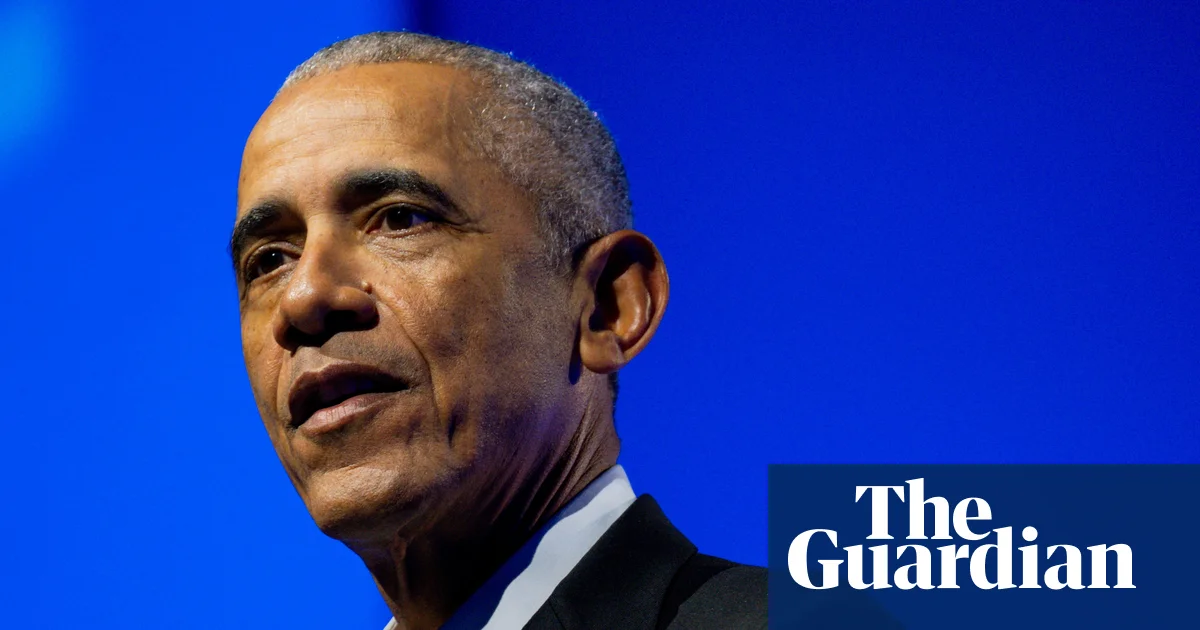
In an era marked by relentless geopolitical shifts, the recent comments from former President Barack Obama serve as a stark reminder of the ideological and strategic crossroads facing the United States. During a heartfelt interview with comedian Marc Maron, Obama emphasized the importance of standing firm on core principles, especially for institutions such as universities, law firms, and corporations—entities that have recently bent to political pressures from the Trump administration. His call exemplifies a broader moral debate on whether these organizations serve as independent pillars or mere pawns in an increasingly polarized global landscape.

Particularly notable is the ongoing realignment within American society to defend what many see as foundational ideals—academic independence, diversity, and the rule of law—against government encroachments. Universities and businesses across the nation have made agreements with the federal government to roll back diversity initiatives and bias targets—actions perceived by critics as capitulation to a political agenda designed to weaken America’s societal fabric. These decisions carry profound geopolitical impact, as they influence not just domestic policy but also America’s international reputation as a defender of democracy and pluralism. Analysts argue that when private and public institutions choose short-term survival over integrity, it emboldens autocratic tendencies, inspiring adversaries such as Russia and China to exploit internal divisions.

Global Ramifications of U.S. Policy Shifts and Ideological Battles

The reverberations from America’s internal struggles are felt far beyond its borders. The international community, including multinational organizations like the United Nations and the World Economic Forum, watches closely as the decision-making process in Washington impacts global governance. Critics caution that ceding moral ground on issues like free speech, diversity, and rule of law risks dismantling the principles that underpin international order. History warns that when dominant nations abandon their foundational values, it paves the way for destabilization, enabling rogue states and authoritarian regimes to fill the vacuum.

Meanwhile, the internal debate in the United States around maintaining ideological integrity unfolds as a microcosm of a broader contest—one where the future of liberty is being shaped. Historians and thought leaders emphasize that the bipartisan ideological battles are not just political—they influence alliances, trade relationships, and nuclear diplomacy. The strategic question remains: will the U.S. be able to sustain its leadership role without sacrificing the moral clarity that once defined it? As U.S. presidential administrations grapple with that dilemma, the world watches, awaiting the next chapter in a complex saga of power, principle, and the enduring quest for national identity amidst chaos.

The Edges of Power and Morality: An Unfolding Story

In a poignant farewell, Maron’s final episode underscores the profound significance of integrity amid mounting societal pressures. Obama’s reflections about the price of standing by convictions—despite discomfort and opposition—resonate as a warning: the delicate balance of power and moral authority hangs in the balance, and history will judge those who falter. As global societies face their own turbulent shifts, the battle lines are drawn. Nations are deciding whether they will succumb to the siren call of expedience or forge a path rooted in conviction. The unfolding narrative of American influence reminds us that even in a time of chaos, the echoes of history urge caution and clarity. The question persists—who will uphold the moral compass in the storm of shifting loyalties?

Madagascar’s President warns of ongoing power grab by rogue actors

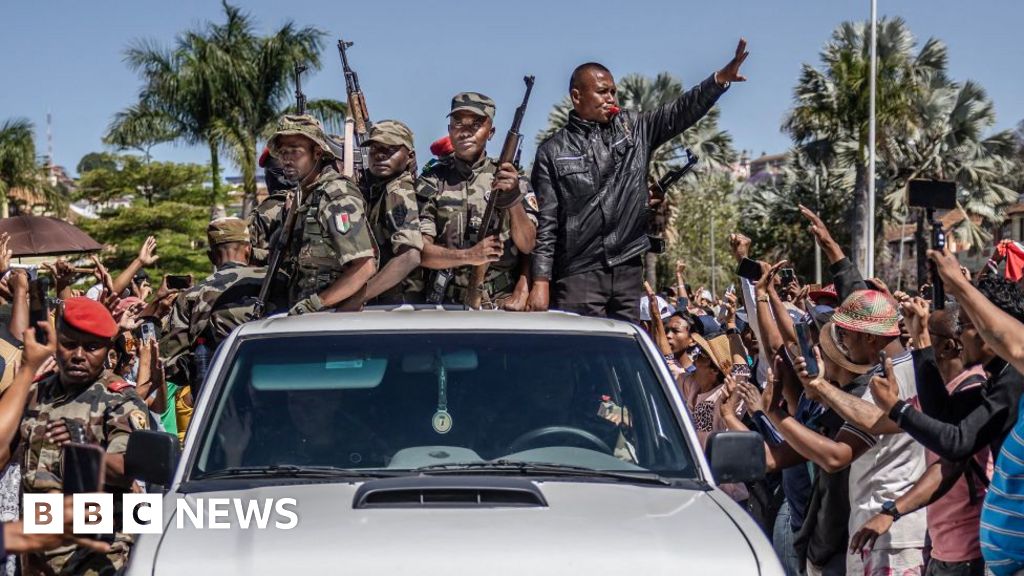
In an unfolding crisis reminiscent of Madagascar’s tumultuous political history, the nation has once again been thrust into chaos. Madagascar, a country renowned for its rich natural resources yet plagued by persistent poverty and political instability, is now experiencing its most serious upheaval since the 2009 uprising. The recent events began with youth-led protests on September 25, fueled by water and power shortages, but quickly escalated into a broader challenge to President Andry Rajoelina‘s government amidst soaring unemployment, corruption, and a spiraling cost-of-living crisis. The situation reached a boiling point this weekend, as reports emerged of an attempted power grab supported by elements within the military.

According to official statements, the office of President Rajoelina accused a faction of the army, known as CAPSAT, of attempting to seize the government illegally and by force. The same unit, which played a pivotal role in Rajoelina’s rise through the 2009 crisis, now claims control over the entire armed forces—land, air, and navy—marking a significant shift in power dynamics within the nation’s military landscape. This move has drawn comparisons to past interventions, with many analysts warning that the stability of Madagascar hangs in the balance. Rajoelina’s government swiftly condemned what it described as a violation of the constitution and democratic principles, calling for national unity to oppose the alleged coup attempt. Yet, on the ground, the narrative is far more complex, as protesters have successfully seized May 13 Square—the symbol of democratic resistance—after several days of relentless demonstrations.

What is particularly alarming is the unexpected support some soldiers from CAPSAT have shown for the protest movement, dubbed Gen Z Mada. Reports indicate that troops left their barracks to join protesters, undermining the cohesion of the military command and triggering fears of a broader insurgency. Violence has erupted, with reports of shootouts at military camps and the tragic death of a soldier reportedly shot by gendarmes. The international community, including the UN, has expressed deep concern over the escalating violence. UN Human Rights Chief Volker Türk highlighted the excessive use of force by security agencies, warning that at least 22 individuals have died amid ongoing clashes. Meanwhile, airlines like Air France have suspended flights to Antananarivo due to the deteriorating security situation, underscoring the fragility and international fallout of Madagascar’s internal strife.

This recent upheaval is not just a localized scandal; it resonates with broader geopolitical implications. Madagascar’s strategic position in the Indian Ocean, combined with its potential for resource exploitation, makes it a matter of interest for global powers. Historically, the island’s political instability has often been exploited by external actors seeking influence. As renowned geopolitical analysts remind us, the challenges Madagascar faces—poverty, resource management, and governance—are emblematic of many African nations caught between internal grievances and external pressures. Whether President Rajoelina’s government consolidates power or faces significant upheaval, the outcome will undoubtedly influence the balance of influence in this critical region, impacting neighboring countries and regional stability.

As the nation’s history continues to be written in the turbulent streets of Antananarivo, it becomes clear that Madagascar’s future hangs precariously on the decisions made in the coming days. Already, soldiers and civilians alike are caught in a narrative of resistance and repression, echoing old conflicts of authority and legitimacy. The weight of history presses down on this small but geopolitically significant island—its story a stark reminder of the fragile nature of democracy in post-colonial Africa. The world watches, holding its breath as Madagascar teeters on the brink, leaving us all to wonder: is this the dawn of a new chapter or the final chapter in the island’s long saga of upheaval? Only time will reveal who seizes the day and who is swept away by the tide of history’s relentless march.

Kyiv hit hard by Russia’s large-scale strike on Ukraine’s energy grid—Europe watches as power is cut back

Global Power Dynamics in Chaos: Russia’s Assault on Ukraine and Europe’s Political Turmoil

In a stark demonstration of geopolitical instability, the recent escalation of attacks against Ukraine by Russia has plunged Kyiv into darkness and chaos, compelling the international community to reassess the delicate balance of power. Early Friday morning, Kyiv was hit by what the Ukrainian Air Force called a “massive attack,” involving over 450 drones and 30 missiles, targeting critical infrastructure and energy supplies across the country. These relentless assaults resulted in power outages in nine regions and ignited fires in residential buildings, including a high-rise in Kyiv, exemplifying Russia’s strategic effort to weaken Ukraine’s resilience amidst ongoing conflict.

The Ukrainian President Volodymyr Zelenskyy condemned the attack as a blatant act of aggression aimed at undermining Ukraine’s sovereignty and destabilizing its fragile infrastructure. The attack’s scale, which included ballistic missiles and strike drones, marks a significant escalation in Moscow’s campaign to cripple Ukraine’s energy grid, which the energy minister Svitlana Grynchuk described as “a massive strike.” This attack not only disrupts daily life but also signals Russia’s intent on prolonging the conflict, further testing Kyiv’s capacity for resilience and its allies’ support. Analysts from the International Atomic Energy Agency (IAEA) have indicated efforts are underway to restore power to the Zaporizhzhia nuclear plant, which has been isolated from external power sources for over two weeks—highlighting the dangerous brinkmanship and the persisting threat of nuclear instability in the region.

How These Decisions Shaped a War’s Turning Point

  • Russia’s deployment of hundreds of strike drones and missiles explicitly aims at crippling Ukraine’s infrastructure, forcing widespread blackouts and mounting civilian casualties.
  • Kyiv desperately seeks international support, especially advanced air defense systems, to counter such relentless aerial assaults, emphasizing the international stakes of Ukraine’s sovereignty.
  • Within Russia, Kremlin strategists, historians, and military analysts debate the limits of this new escalation, as Moscow’s rhetoric remains unwaveringly aggressive, signaling the possible extension of hostilities into broader European territory.
  • The international community, led by voices such as NATO officials and United Nations representatives, warn that these acts could push the region toward a new Cold War era, with global repercussions and strained alliances.

Amid the chaos, Europe faces internal contractions among its political fabric. French President Emmanuel Macron convened an emergency meeting of mainstream political parties to navigate a crisis rooted in fragile governance, as the country grapples with persistently low growth and a fractured parliament. Meanwhile, in Belgium, authorities uncovered a plot to ignite drone-mounted explosives targeting politicians, including the Prime Minister, reflecting the growing shadow of radical extremism in the continent’s security landscape. These security risks, coupled with Europe’s increased defense investments—most notably Sweden’s billion-crown plan to expand anti-drone systems—highlight a continent awakening to new aerial threats with Eurasian powers as central players.

New Alliances and Shifting Borders: A Clash of Empires

Meanwhile, on the international stage, US President Donald Trump has reignited long-standing tensions by suggesting that NATO should consider expelling Spain over its lagging military expenditures in the face of the European security crisis. Trump’s demands underscore an ongoing push for European nations to shoulder more responsibility, aligning with a broader, more confrontational American stance on European defense matters. Conversely, NATO nations are contemplating the rising threat of aerial violations; Sweden’s €367 million investment in anti-drone technology exemplifies a continent-wide recognition of hybrid warfare’s evolving landscape, with accusations of Russian involvement in drone sightings rattling European skies.

As the whirlwind of violence in Ukraine and the shifting sands of European political stability threaten to ignite a broader conflagration, the weight of history hangs heavy. The decisions made in the coming weeks—whether Ukraine’s allies strengthen their resolve or Russia escalates further—will determine whether this is merely a preamble to a larger war or the dawn of a new era shaped irreversibly by the choices of powerful nations. The pages of history are turning swiftly, and amid the shadows of conflict, the world holds its breath, gazing toward an uncertain horizon where the currents of geopolitics continue to carve their indelible marks into the fabric of history.

Social Media Auto Publish Powered By : XYZScripts.com