Matox News

Truth Over Trends, always!

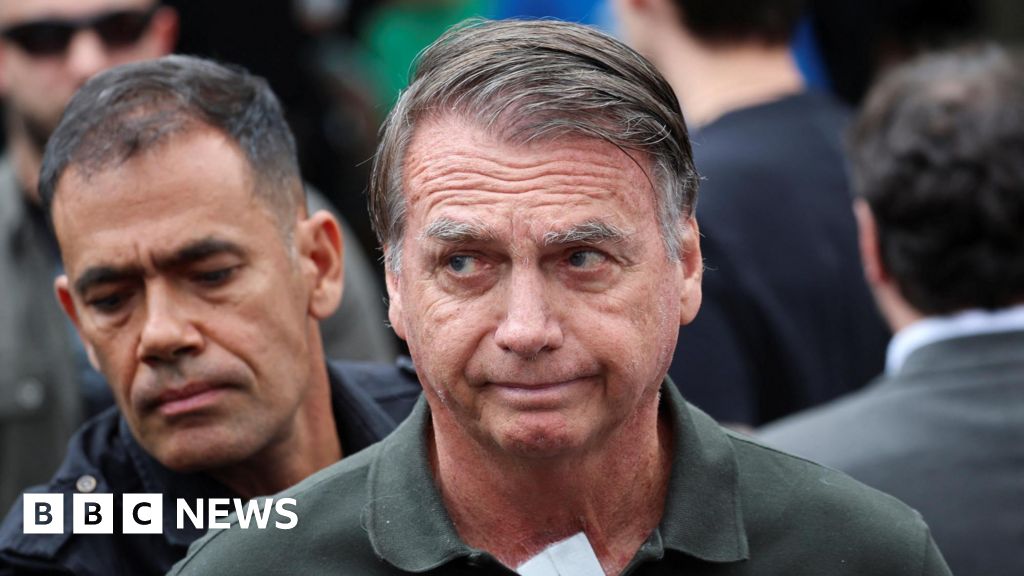
Brazil’s Former President Detained as Authorities Flag Flight Risk

The recent arrest of Jair Bolsonaro, the controversial former Brazilian president, marks a pivotal moment in Brazil’s tumultuous political landscape and signals a potential shift in Latin American geopolitics. Convicted of plotting a military coup aimed at seizing power after his electoral defeat in 2022, Bolsonaro’s detention has ignited both support and condemnation among international observers. The Supreme Court Justice Alexandre de Moraes justified the move by citing the risk of Bolsonaro fleeing—highlighting how state security measures are increasingly intertwined with political vendettas in a region grappling with political polarization. As Bolsonaro’s supporters gather en masse, the full geopolitical impact of this crisis remains uncertain, yet fundamental questions surrounding national sovereignty and regional stability are now at the forefront.

Bolsonaro’s conviction, which led to a sentence of over 27 years, centered on his alleged role in orchestrating a conspiracy to subvert democratic processes. Notably, courts accused him of inciting violence during the assault on government institutions on 8 January—an event widely condemned as a direct consequence of his rhetoric. Leading international organizations have expressed concern, warning that such actions threaten the fragile democratic fabric of Brazil. Renowned analysts warn that his detention and the subsequent crackdown could further polarize the nation, risking destabilization in the region and inspiring like-minded populist movements across Latin America. Meanwhile, the United States, under the rhetoric of trade sanctions and diplomatic caution, has observed these developments with a mix of apprehension and strategic calculation, aware that Brazil’s stability is a cornerstone for regional influence and global trade routes.

Moreover, the detention of Bolsonaro has a broader international dimension, symbolizing a clash between old-world populism and emerging forms of governance in the 21st century. His legal team challenged the custody measures, emphasizing that “supporters are willing to fight for democracy,” even as the court warned that the former president posed a serious flight risk. The specter of Bolsonaro seeking asylum at foreign embassies, notably in the U.S., underscores the potential for diplomatic flashpoints. Such threats not only complicate Brazil’s internal affairs but also ripple into U.S.-Brazil relations, with implications for trade, diplomacy, and regional alliances. International organizations, including the OAS, have called for calm, but the underlying tensions reveal a deep fissure—one that could define Brazil’s political trajectory for years to come.

As Brazil stands at this crossroads, historians note that the unfolding events echo past crises that have shaped the modern world—moments where the fight for democracy clashed with authoritarian impulses. The decision to imprison Bolsonaro, taking into account his role in inciting violence and attempting to destabilize the government, could serve as a precedent on how emerging democracies confront populist insurgents. Yet, the potential for unrest remains significant, as Bolsonaro’s supporters prepare to rally in his favor. This confrontation will test the resilience of Brazil’s institutions and the international community’s ability to prevent a descent into chaos. In this moment, history continues to write itself—reminding us that the fate of nations often hinges on choices made not just in courts but in the hearts and minds of their people, with each step edging closer to a new chapter in the ongoing saga of liberty versus tyranny.
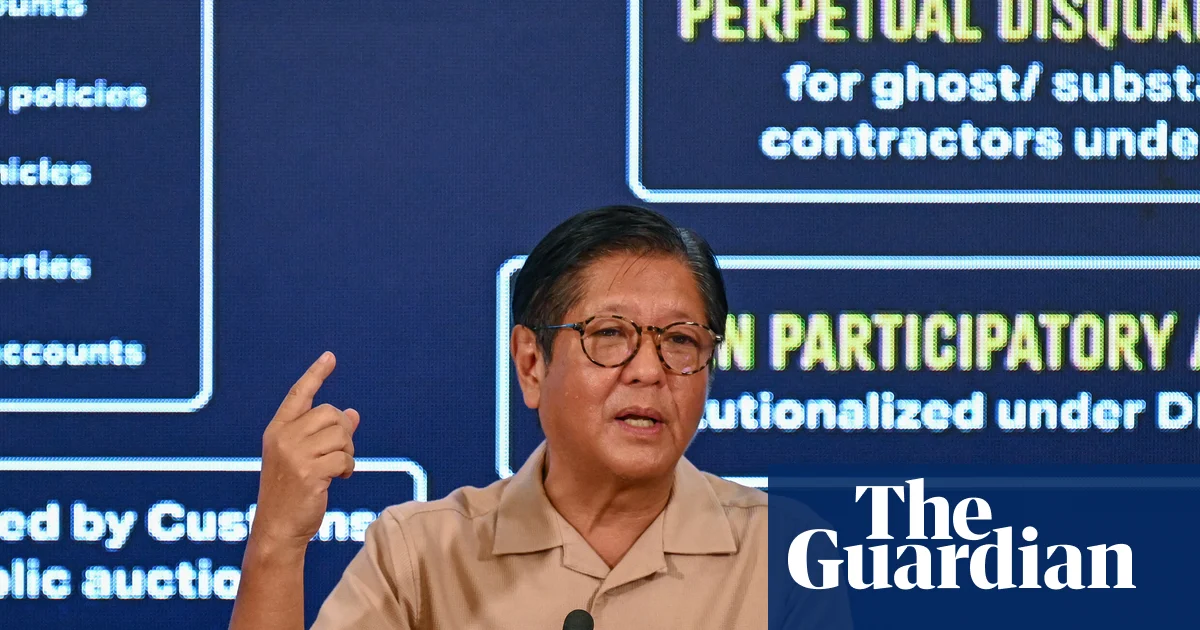
Marcos Denies Sister’s Cocaine Claims: Staying Focused as President

As Philippines grapples with a wave of political turbulence, recent statements by senator Imee Marcos have ignited a firestorm across the nation. Her unsubstantiated claims that President Ferdinand Marcos Jr. is a longtime drug addict, coupled with accusations of his supposed cocaine dependence, serve as a stark reminder of the fragile state of governance in a country plagued by endemic corruption, natural disasters, and social unrest. The allegations, rejected outright by the Marcos administration, appear to be an attempt to divert attention from a burgeoning scandal over flood-control funds that has incited mass protests in Manila.

The scandal revolves around allegations that influential members of Congress and the Senate, some linked to the Marcos family, siphoned off billions in kickbacks from construction companies responsible for flood control infrastructure. Investigations by a specially formed independent commission, alongside a Senate committee, have uncovered evidence suggesting that many of these projects were substandard or never completed at all—directly contributing to the suffering of millions during the Philippines’ deadly typhoon seasons. Historians and international organizations warn that such endemic corruption undermines national resilience, especially in a nation where flooding and natural disasters are recurrent existential threats. The geopolitical impact of this scandal extends beyond Manila, reflecting the broader destabilization of regional governance and the international distrust toward Philippine institutions.

Adding fuel to the political fire, senator Imee Marcos posited that her brother’s alleged drug dependency has hampered his capacity to lead effectively, a claim she presented during a rally after alleging that his addiction traces back to their father, a former dictator. Her remarks, which allege that Ferdinand Marcos Sr. was a drug user during his presidency, carry a symbolic weight, threatening to tarnish the legacy of the Marcos family and destabilize the current government further. Her accusation that the president’s wife and children are also involved in drug use, though unsubstantiated, demonstrates the deep divide within the family and highlights how personal conflicts are being weaponized in the national political discourse. Critics from across the spectrum warn that such accusations, lacking evidence, threaten to erode public trust in the legal and political processes at a critical juncture, where the nation’s stability hangs in the balance.

Furthermore, regional tensions are clearly rising. Rodrigo Duterte, the controversial predecessor, has been a persistent critic of Marcos, even with his own past admissions of fentanyl use, an issue now tangled in the broader narrative of drug-related allegations. His daughter, Vice President Sara Duterte, has publicly taken aim at the Marcos administration, criticizing corruption and political corruption in an echo of dissent that reflects the ongoing power struggles within the country’s elite. The global community watches with concern as the Philippines, a key strategic player in Southeast Asia, risks slipping further into instability where alleged corruption and internal disputes threaten to undermine regional security and economic recovery. Critics and analysts warn that these internal divisions could weaken the nation’s defenses against external influences and escalate regional volatility.

As this political saga unfolds, the weight of history bears heavily on the Filipino people and their institutions. From the shadowy past of authoritarian rule to the current accusations of corruption and personal downfall, the trajectory of the Philippines teeters on a historic precipice. The choices made by its leaders—whether to embrace transparency or indulge in political sabotage—will determine if the nation can withstand this storm or be lost in the turbulent tides of history yet to be written. The world watches, as the Philippines confronts its most confronting challenge yet—how to forge unity from chaos, justice from accusation, and a future from the shadows of its past.

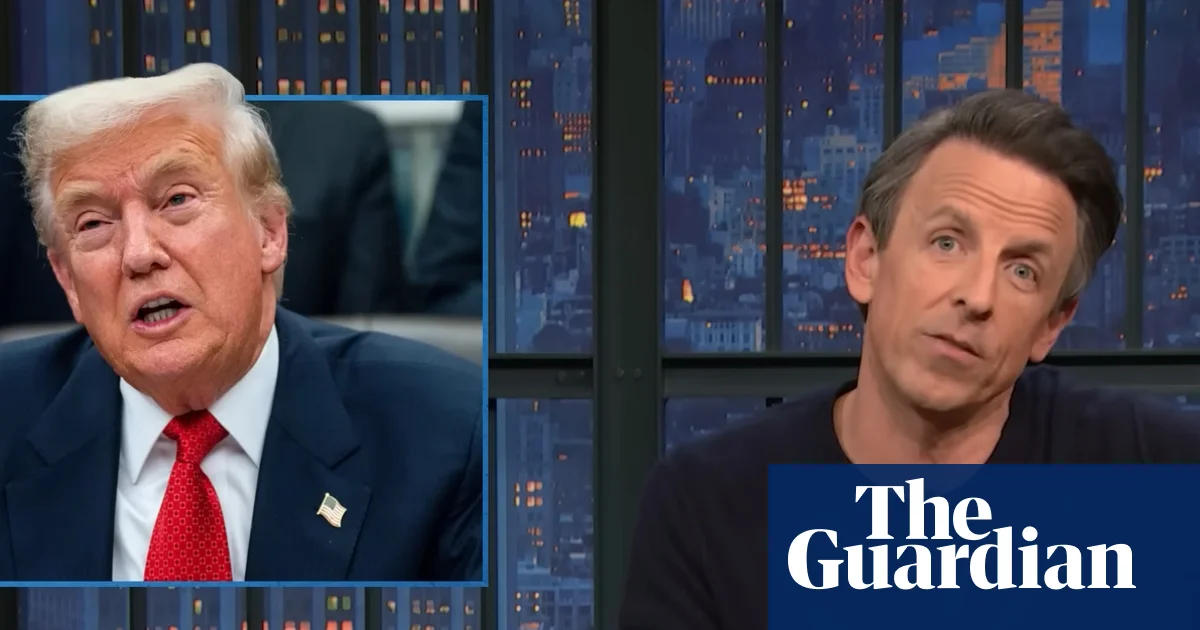
Seth Meyers Labels Trump ‘The Most Unpopular President in History’ — A Sharp Take in Tonight’s TV Roundup

In an era marked by rapid cultural decay and shifting political allegiances, it becomes vital to understand the role of culture as the foundation of societal identity. Contemporary American politics, as highlighted by recent commentary on the Trump administration’s struggles, reveals a nation at a crossroads—not merely in policy but in enduring values. The scandal involving Jeffrey Epstein and the President’s faltering support underscore the profound dissonance between the cultural myths that once held a people together and the fractured circumstances of today. As the renowned cultural critic G.K. Chesterton observed, “A modern man must choose whether he shall be a pagan or a Christian,” implying that cultural renewal hinges on reaffirming foundational narratives that weave individuals into a collective whole.

The political landscape, especially the intra-party tensions within the Republican party, echoes the historical parallels of societal upheaval and ideological realignment. Once, nations drew strength from shared traditions and a common understanding of their purpose—what Tocqueville noted as the “moral authority of institutions”. Today, that moral authority appears undermined amid scandals and leaders’ struggles to embody the cultural virtues they once championed. The recent poll indicating that only 33% of Americans approve of the president’s management suggests a crisis of trust and identity. Meyers’ pointed analysis of Trump’s waning popularity is not merely about individual leadership but about a broader crisis of cultural confidence. When the leader refuses to serve as a “cheerleader for America”—a symbol of collective aspiration—the collective soul suffers, losing its compass amidst the noise of scandal and disillusionment.

This cultural fragility is further exposed in the debate over H-1B visas and America’s workforce. Trump’s defense of immigration from outside the nation—arguably a pragmatic stance—can be seen as a metaphor for the deeper tension between openness and the preservation of once robust national traditions. As Ortega y Gasset argued, nations flourish when they see themselves as organic entities rooted in history, a living memory of values and customs. The danger lies in allowing transient economic needs to erode that core, replacing it with a fragmented, superficial multiculturalism that threatens the narrative of a unified identity. Culture, after all, is the living tissue of a society—the very fabric woven through shared history, art, faith, and memory.

As the political theater unfolds with close-up spectacle—truncated press conferences, high-stakes emergency meetings, and evasive responses—it reminds us that culture is both a repository of memory and a prophecy of the future. Meyers’ lament that the nation’s leaders are like children unwrapping puzzles instead of forging meaningful visions echoes the philosophical truth that without a shared cultural horizon, society drifts without purpose. And thus, in this moment of crisis, we are called to reflect: will we rebuild our cultural foundations, grounding ourselves once more in what endures, or allow the chaos to drown out the voice of tradition? Whether in the corridors of power or the quiet corners of the soul, culture remains the silent guardian of our collective destiny—a memory and prophecy intertwined, shaping what we were, what we are, and what we might become.

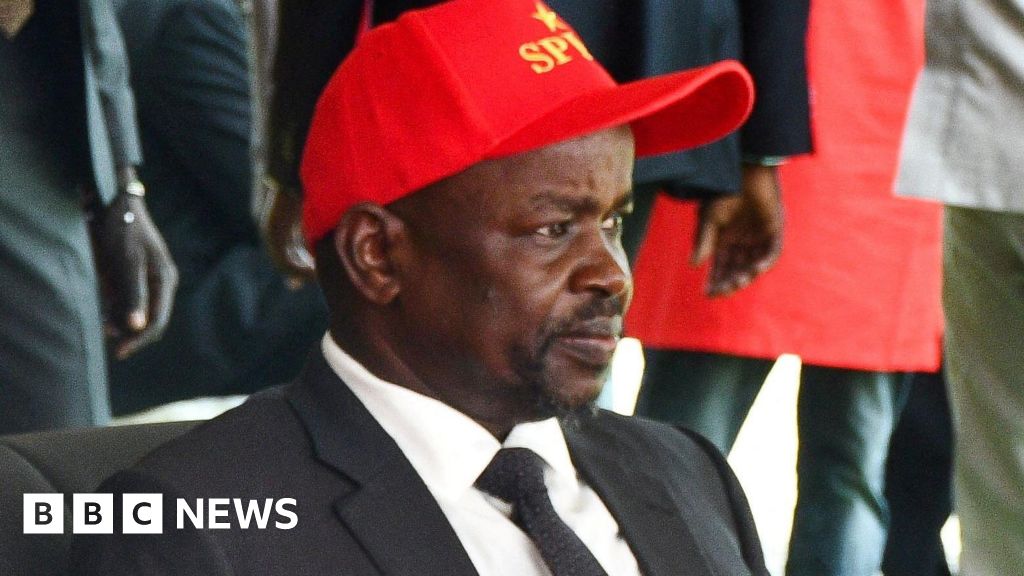
South Sudan’s President Kiir ousts Vice President Mel in major shake-up

The recent dismissal of South Sudan Vice-President Benjamin Bol Mel by President Salva Kiir has sent shockwaves through the young nation’s fragile political landscape. This move, announced via decree and devoid of explanation, underscores the ongoing volatility in a country that only gained independence in 2011 but has been plagued by civil unrest ever since. The removal of Bol Mel—who previously appeared poised as Kiir’s likely successor—appears to symbolize a decisive consolidation of power amid mounting fears of renewed civil war. Analysts warn that such internal struggles threaten to unravel the last remnants of peace established under the 2018 power-sharing agreement, which has continuously faltered under the weight of old tensions and new conflicts.

South Sudan’s tumultuous history is well documented by international organizations and historians, recognizing its journey from a peaceful separation from Sudan into a maelstrom of violence. The recent crisis follows the escalation of fighting between government forces loyal to Salva Kiir and armed groups aligned with ex-vice-president Riek Machar. Notably, Machar was sacked earlier this year, arrested, and charged with serious crimes, prompting accusations from his supporters of a politically motivated witch-hunt that only worsened tensions. This cycle of power struggles exposes the underlying fragility of South Sudan’s state institutions, which continue to be vulnerable to internal divisions and external pressures, including sanctions and diplomatic isolation.

In the wake of Bol Mel’s removal, social media and local sources reflect a broad consensus: his dismissal signals an internal power struggle within the Sudanese People’s Liberation Movement (SPLM). A senior government official, speaking anonymously for security reasons, indicated that Bol Mel was viewed as a “divisive figure” whose presence was exacerbating factional discord. The apparent withdrawal of Bol Mel’s security detail and the lack of immediate replacements suggest a sudden and potentially destabilizing power vacuum. These events could accelerate the erosion of recent ceasefire efforts, with some regional analysts warning of a possible descent into chaos—a scenario that international observers, including the United States and regional powers, are desperate to prevent. Yet, the very nature of South Sudan’s regime suggests that internal factionalism remains unresolved, with entrenched elites vying for dominance amid a nation still scarred by years of violence.

The geopolitical impact of this upheaval extends beyond South Sudan’s borders. As Africa’s youngest nation, its stability affects regional security, oil markets, and international efforts aimed at fostering peace. The United States, which has historically played a dominant role in supporting South Sudan’s peace process, remains cautious, maintaining sanctions against figures like Bol Mel for purported corruption, despite his promotion to prominent security roles. The broader implications involve how neighboring nations and global institutions respond to escalating instability. As historians and analysts draw parallels with other post-conflict states, the specter of what if looms large: Could internal power struggles ignite a larger civil conflict, destabilizing the already volatile Horn of Africa?

As South Sudan’s leadership grapples with internal dissent, the weight of history presses upon its young democracy. The fate of a nation born from hope now teeters on the brink of chaos, with every decision in Juba echoing through corridors of power and across the continent. The unfolding story remains a stark reminder that in the heart of Africa—where oil riches and ethnic allegiances intersect—the future is written in moments of upheaval. History’s pen hovers, uncertain whether this chapter will forge a fragile peace or plunge South Sudan back into the shadows of conflict, a stark testament to the unpredictable course of nations in transition. And thus, the world watches, silent yet attentive, as the next pages of this turbulent saga are yet to be written.

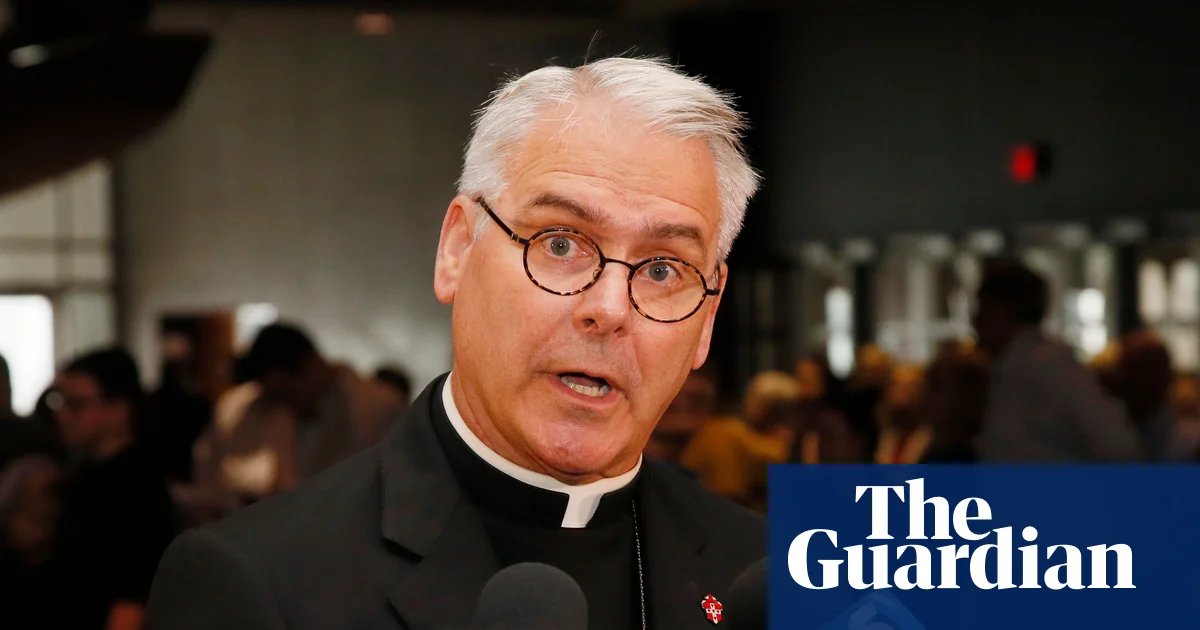
US Catholic Bishops Pick Conservative Paul Coakley as New President

In a decisive move reflecting the deepening ideological divide within America, the U.S. Catholic bishops have elected Archbishop Paul Coakley of Oklahoma City as their new president. His victory underscores a clear shift toward a conservative, culture-war orientation, positioning the church leadership in alignment with the policies of Donald Trump‘s administration. The vote, held amidst a landscape of internal division within the American hierarchy, reveals how longstanding religious institutions continue to influence, and are influenced by, broader geopolitical and cultural battles. The selection of Coakley, known as a staunch conservative with ties to the powerful Napa Institute, signals a strategic emphasis on defending traditional values against perceived societal erosion—a move that resonates beyond national borders, impacting the Church’s global posture.

Meanwhile, the bishops’ stance on immigration highlights the complex interplay between religious morality, national sovereignty, and international diplomacy. Despite their conservative leanings, the bishops have publicly affirmed their support for migrants, condemning harsh policies enacted under the Trump administration that have marginalized and detained countless individuals. Analysts from organizations like the International Crisis Group warn that such internal church debates mirror a larger geopolitical fissure: the clash between sovereign border control and international human rights standards. The bishops’ letter to the Vatican emphasizes their intent to stand with migrants, asserting that “the right to worship and due process” must be safeguarded, even as federal policies tilt toward stricter enforcement. This internal debate echoes in Europe and other regions, where migration remains a flashpoint of political conflict, and religious leaders are increasingly vocal about humanitarian obligations.

The international community watches intently as these internal church dynamics unfold amidst a global landscape riddled with uncertainty. The Vatican’s papal leadership, especially under Pope Leo XIV, whose recent call for “deep reflection” on the treatment of detained migrants, reflects a nuanced desire to influence American policy from within. Yet, their influence risks being overshadowed by the hardline policies embraced by segments of the global far right, which see in migration a threat to national identity and sovereignty. Prominent historians and geopolitical analysts argue that the internal polarization within the Catholic Church parallels the wider geopolitical shift toward nationalism and populism. The outcome of this internal religious struggle, coupled with national policy decisions, will almost certainly influence how nations cooperate—or clash—over issues of border security, migration, and human rights.

As this complex web of internal church politics and international relations continues to evolve, the weight of history presses heavily on future generations. The decisions taken now—whether to fortify national borders or to champion inalienable human dignity—will define the character of the 21st century. The world watches with bated breath, knowing that the lines of faith, policy, and power are converging in ways that could shape the global order for decades to come. The question remains: will the church and world leaders alike choose unity over division, or will this chapter of history be etched with further conflict, silence, and unresolved tensions—leaving future generations to navigate the fallout of decisions made in this pivotal moment?

President Under Fire for Disrupting National Stability

Post-Election Violence Unveils Tanzania’s Fragile Stability and Shifts Geopolitical Dynamics

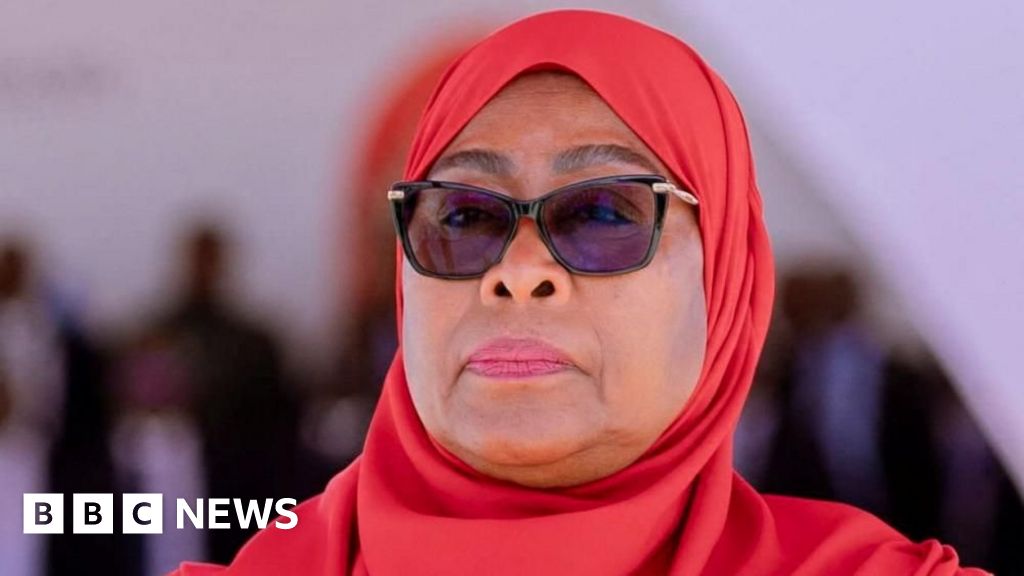
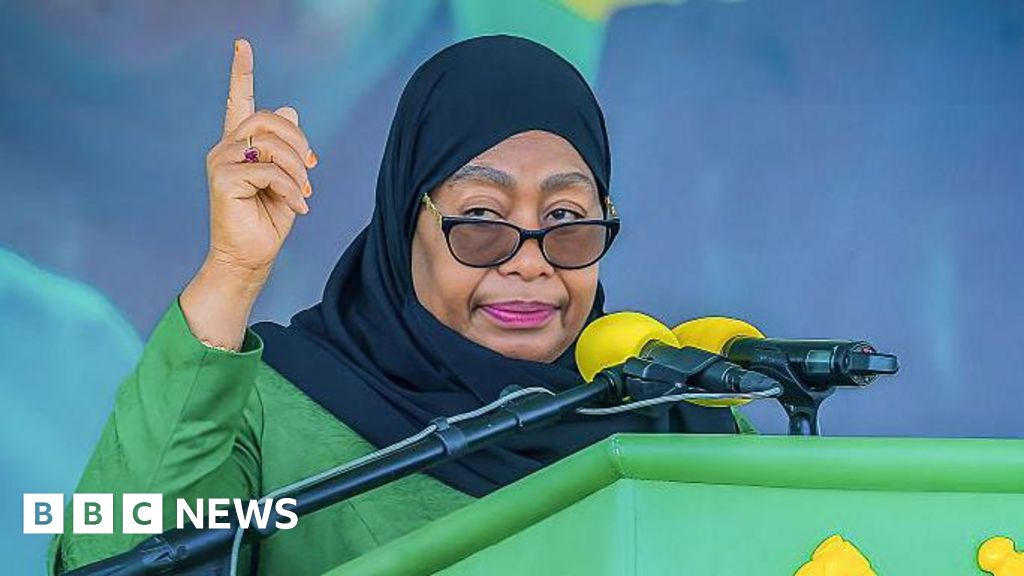
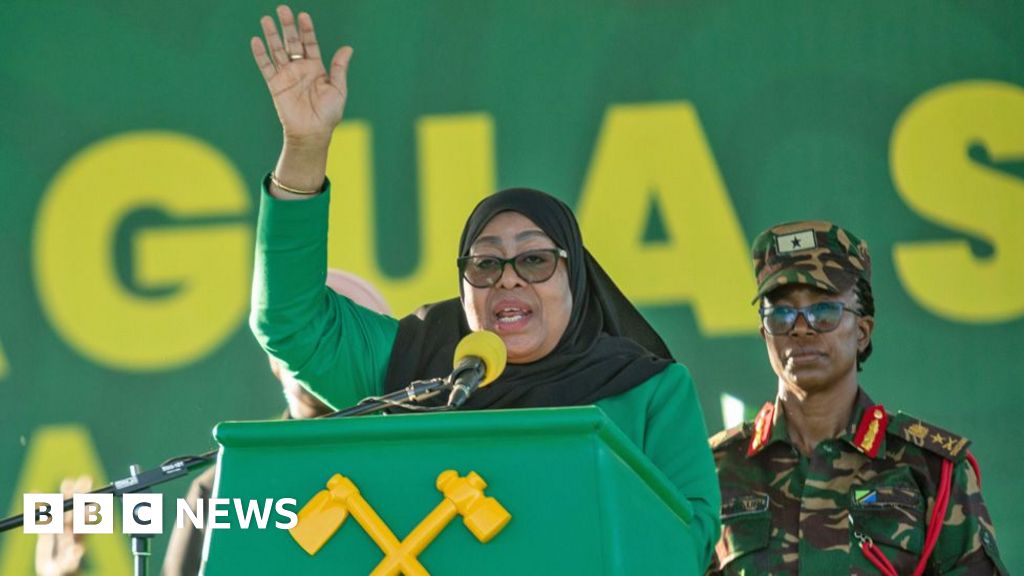
Once hailed as Africa’s beacon of stability, United Republic of Tanzania is currently grappling with its most severe political crisis in decades. The tumult follows the recent presidential election, which has cast a long shadow over the nation’s reputation for peace. The contested poll, which resulted in President Samia Suluhu Hassan securing a 98% victory, has sparked widespread unrest and international criticism, exposing the underlying fractures within Tanzanian society and its political fabric.

According to multiple analysts, the election was marred by systemic flaws, including *ballot-stuffing, repression, and a crackdown on opposition figures*—a stark departure from Tanzania’s traditional image of calm order rooted in Julius Nyerere’s legacy. Key opposition candidates were either detained or disqualified, effectively removing genuine contestation from the electoral process. As regional bodies like the African Union and the Southern African Development Community voiced concerns over *electoral irregularities*, international observers signaled that the election did not meet accepted democratic standards, shaking the legitimacy of Samia’s presidency. This crisis underscores a critical moment in Tanzania’s post-independence history, as the nation faces questions about its democratic resilience and future trajectory.

At the heart of this turmoil lies what some experts deem a *systemic betrayal of Tanzanian ideals*. Long regarded as an island of calm, the recent violence and protests, driven largely by youth disillusionment, economic grievances, and political marginalization, reveal a society that has become increasingly hostile to authoritarian tendencies. Historians like Professor Samuel Moyo warn that the *myth of Tanzanian exceptionalism*—a narrative of peaceful progress—has been shattered. The escalation of protests, which culminated in casualties and funerals for those killed in the unrest, signals a turning point—*a society swelling with anger, pushed to the brink by decades of ignored grievances and a throttling political environment*. This unrest echoes globally, reminiscent of youth-led mobilisations demanding representation and reform, like those seen in *Kenya* and *South Africa*.

As President Samia Suluhu Hassan consolidates power, her leadership has come under unprecedented scrutiny. From initial promises of transparency, reconciliation, and reform, her government’s recent crackdown, including *the detention of opposition leaders*, signals a return to *centralized authority and political repression*. Political analyst Prof. Peter Kagwanja notes that her move towards *authoritarian consolidation* risks tarnishing her legacy, especially as her internal political maneuvers—marked by cabinet reshuffles and loyalty tests—mirror the autocratic tendencies of her predecessor, John Magufuli. The narrative of the “lioness” protector has given way to fears of a *ruler sharply detached from the democratic aspirations of Tanzanian youth*. The *international community* watches warily, with European and American officials warning that continued repression threatens to isolate Tanzania further, undermining its influence in East Africa.

History remains unwritten, yet the weight of this unfolding drama is felt acutely across the continent. As Tanzania descends into a phase of *increasing internal strife and international censure*, the question looms: Will this nation, birthed from a legacy of unity and anti-colonial resilience, be able to emerge from the shadows of its internal crises?* The international stage holds its breath as the story of Tanzania’s next chapter unfolds—a story that could either reaffirm its place as a pillar of stability in Africa or serve as a stark warning of Democracy’s fragile veneer in an increasingly turbulent world.

Supreme Court weighs Trump’s tariffs: Is the President overstepping?

Legal Battle Over Presidential Power and Global Trade Strategy

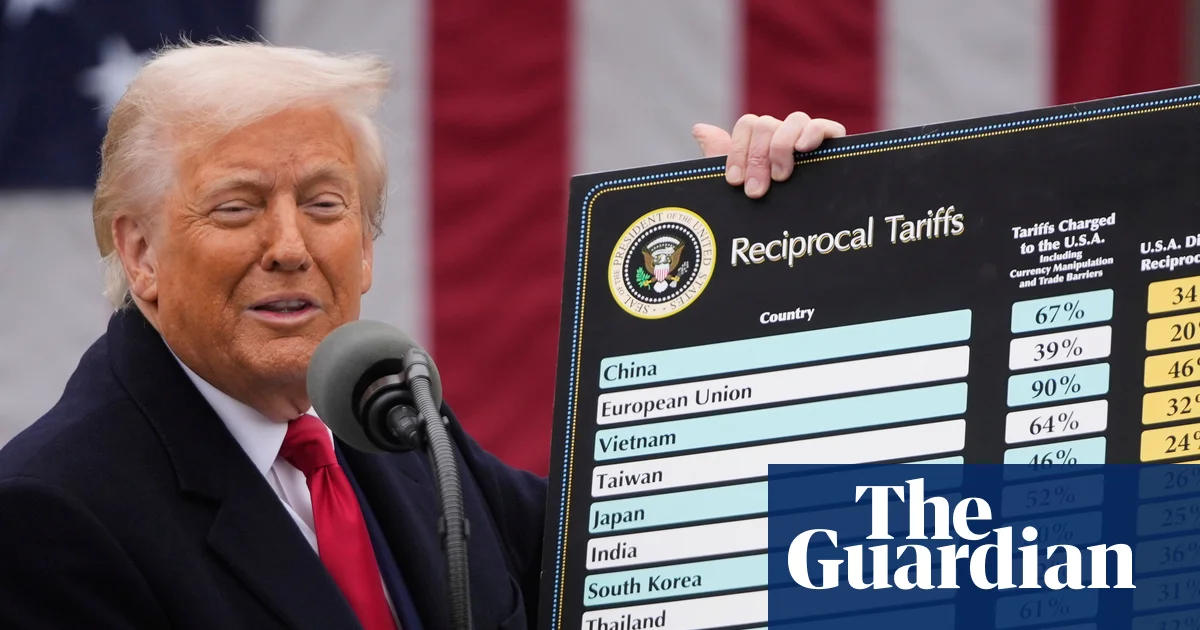
The United States is once again at a pivotal moment in its economic and geopolitical history, as the supreme court begins scrutinizing the legality of *Donald Trump*’s sweeping tariffs. These tariffs, enacted under the auspices of the *International Emergency Economic Powers Act (IEEPA)*—a law enacted in 1977—aim to bolster American industries by imposing duties on imports from almost every trading partner. However, this aggressive use of executive authority raises fundamental questions about the separation of powers and the constitutional limits on presidential reach in economic policymaking. Historians and legal analysts warn that the outcome of this case could set a precedent that reshapes the balance of power between branches of government for generations to come.

Imposing Tariffs Under Emergency Powers: A Constitutional Quagmire

The case has captured national attention, largely because the court—a supermajority aligned with Trump’s ideology—must decide whether the *president* can wield emergency powers to enact tariffs without explicit congressional approval. Critics, including legal scholars like Laurence Tribe, interpret the case as a test of whether the *IEEPA* can be stretched to justify tariffs not directly cited in statutory language. Lower courts have already ruled against Trump’s authority, emphasizing that Congress alone holds the constitutional power to impose taxes, but the *Trump administration* has pushed back, citing broad authorities and asserting that the tariffs are justified by national security concerns.

Global Trade and Geopolitical Ramifications

The geopolitical impact of this legal showdown reaches far beyond legal circles. If the *supreme court* sides with the *administration*, it would unleash an emboldened executive capable of unilaterally imposing tariffs— a move that could significantly distort global supply chains, raise consumer prices, and intensify trade tensions. Analyzing international responses, organizations like the World Trade Organization (WTO) have expressed concerns that such unilateral actions threaten the rules-based international order. Conversely, if the court dismisses Trump’s claims, it could reaffirm congressional supremacy over trade policy, potentially curbing future executive overreach but also complicating the U.S. strategic posture in a volatile world.

Consequences for Domestic Society and International Relations

Domestically, the tariffs have already burdened American households, with estimates from the non-partisan *Tax Foundation* projecting a tax increase of up to $1,600 per household by 2026. Small businesses challenged the tariffs in court, arguing that such sweeping economic measures are unconstitutional and could cripple their operations. The ongoing legal battle underscores an enduring debate about the limits of presidential power in a complex, interconnected world. Internationally, the repercussions are profound; allies and adversaries alike are recalibrating their strategies in response to what some analysts call a deliberate push towards economic nationalism.

Looking Toward the Future: A Defining Moment in U.S. History

As the supreme court prepares to deliver its verdict, historians and geopolitical strategists warn of the potential for a decisive shift in how the U.S. conducts its global economic affairs. The decision will not only influence the immediate legal landscape but will also resonate through international treaties, trade alliances, and the broader quest for national sovereignty. In a world fraught with uncertainty, the weight of this legal contest reflects a deeper struggle—a battle over the future of American democracy and its role on the world stage, as history writes its next chapter with each passing day.

Samia Suluhu Hassan sworn in as president amid stability efforts

Global Watchdog Concerns Mount as Tanzania’s Controversial Election Sparks Violence and International Tensions

Tanzania has once again become a focal point for international scrutiny amid recent developments surrounding President Samia Suluhu Hassan’s re-election. Held under a cloud of controversy, the election has been branded by opposition parties and numerous international observers as neither free nor fair, casting a long shadow over the country’s political stability and its place within the broader regional geopolitics. The vote, which resulted in an impressive 98% victory for Hassan, was marred by violent clashes, an internet shutdown to obscure the aftermath, and reports of hundreds of deaths—an alarming sign of post-election breakdown and potential instability that resonates far beyond Tanzania’s borders.

International organizations such as the United Nations and European Union have raised serious questions about the legitimacy of the electoral process. While Tanzania’s authorities dismissed criticisms, asserting that the election was conducted in a “free and democratic” manner, credible reports from opposition sources and diplomatic channels point to a different reality. The opposition Chadema party, barred from participation, estimates that at least 800 people have lost their lives in violent protests, with others reporting a death toll exceeding 500. Such figures, if validated, signal a dire humanitarian crisis and underline the risks of unchecked government suppression, especially when dissent is silenced or ignored in the name of political stability.

Regional Dynamics and the Threat of Instability

The repercussions of Tanzania’s turmoil extend beyond its borders, impacting neighboring nations and regional stability. Leaders from Somalia, Zambia, Mozambique, and Burundi attended Hassan’s swearing-in, a display of political continuity and regional solidarity. Yet, beneath this veneer lies a fragile game of internal dissent and external influence. Reports suggest the government is casting blame on foreign nationals and motorbike operators for fomenting unrest, with specific references to Kenyan nationals missing under suspicious circumstances—a detail that feeds international concerns about potential cross-border destabilization and meddling.

The geopolitical impact of Tanzania’s crisis is multifaceted. As the East African nation’s future hangs in the balance, external actors like the European and United Nations are watching closely. Many analysts warn that if the government continues its heavy-handed approach, it risks prolonged instability that could destabilize the entire East African region, fueling refugee flows, cross-border conflicts, and economic downturns. The decision to firm up President Hassan’s rule amid unrest could set a dangerous precedent for other authoritarian regimes in the Global South, illustrating how a fragile political landscape can collapse under the weight of suppression and external scrutiny.

Historical Context and the Challenges Ahead

Since independence, Tanzania has been dominated by the Chama Cha Mapinduzi (CCM), which has never lost an election. The recent polls, however, exposed deep fissures within the political establishment, especially with key opposition leaders sidelined by legal and political obstacles. The detention of Tundu Lissu on treason charges and the exclusion of other candidates highlight a trend of narrowing political space justified by authorities as necessary for stability, but which critics argue merely cements an entrenched authoritarianism.

Titles from renowned historians and analysts, such as Professor David Anderson and international democracy watchdogs, warn that such suppression erodes the foundations of democracy and invites a cycle of violence and repression. The international community’s cautious response, emphasizing restraint and dialogue, underscores the precariousness of Tanzanian politics. As history continues to unfold in Dodoma, the weight of recent violence and the unresolved questions surrounding electoral legitimacy threaten to shape not only the country’s future but also the broader narrative of Africa’s political evolution. With history itself watching, Tanzania stands at a crossroads—an uncertain future that could either forge a fragile new path or succumb to the chaos that credibility and stability might never reclaim.

Tanzania’s Election Turns into a Showcase for President Hassan’s Rise, Not a True Contest

The geopolitical landscape of Tanzania, a nation often celebrated for its natural beauty and regional stability, has recently been marred by profound political shifts and internal power struggles. Since the death of President John Magufuli in 2021, the country has been navigating an ambiguous path marked by the emergence of its first female leader, President Samia Suluhu Hassan. Her ascent initially brought hope for renewed international engagement and economic reform under her “four Rs” policy—reconciliation, resilience, reform, and rebuilding—aimed at reinvigorating Tanzania’s relations with global powers like the International Monetary Fund (IMF) and the World Bank. The move was viewed by many analysts as a crucial pivot towards economic normalcy after years of Magufuli’s controversial, authoritarian governance, which involved crackdowns on dissent and a contentious handling of the COVID-19 pandemic.

However, beneath the veneer of diplomatic recovery, the nation’s political atmosphere has darkened significantly. Observers from organizations such as Freedom House now categorize Tanzania as “not free,” citing increased suppression of opposition voices, disappearance and imprisonment of critics, and a ruthless crackdown on dissent. Political analyst Mohammed Issa explained that President Samia, who initially adopted a conciliatory tone, has recently demonstrated a more assertive and hardened stance, reflecting a complex balancing act driven by internal party dynamics and external pressures. The recent disqualification of multiple opposition candidates, including the prominent Tundu Lissu, and the detention of critic leaders like Humphrey Polepole, highlight a disturbing shift towards electoral authoritarianism. Such moves deepen the divide within Tanzania’s political system, casting doubt on the sincerity of its democratic commitments and raising fears about the future stability of its institutions.

This internal tightening coincides with a burgeoning sense of internal fear and media suppression—an environment where free speech and civic participation seem increasingly endangered. As historian and regional analyst Dr. Samuel Mnyeti pointed out, “the long-standing control exerted by the ruling CCM party, coupled with external influences from powerful business networks known as Mtandao, has limited genuine political discourse,” leading to a society retreating into silence and social media echo chambers. Meanwhile, the semi-autonomous archipelago of Zanzibar shows vibrant electoral activity, contrasting sharply with the mainland’s subdued political landscape. With the incumbent Hussein Mwinyi seeking renomination against a stiff challenge from opposition Othman Masoud, the island elections appear to offer a more spirited contest, highlighting regional disparities within the nation.

As international commentators warn of the risks of continued suppression and disenfranchisement, the question persists: what kind of future is forging amidst these tumultuous currents? With the voice of the youth and reform-minded citizens growing faint, the nation teeters on the precipice of a new chapter—one that could cement its status either as a resilient beacon of hope or a cautionary tale of suppressed democracy. The unfolding of Tanzania’s electoral process—marked by disqualifications, alleged intimidation, and internal fractures—will ultimately enter the annals of history. As it shapes the destiny of its people, the world watches, knowing that the path chosen now will echo across generations, echoing a stark reminder: the future’s principles are forged in moments of crisis.

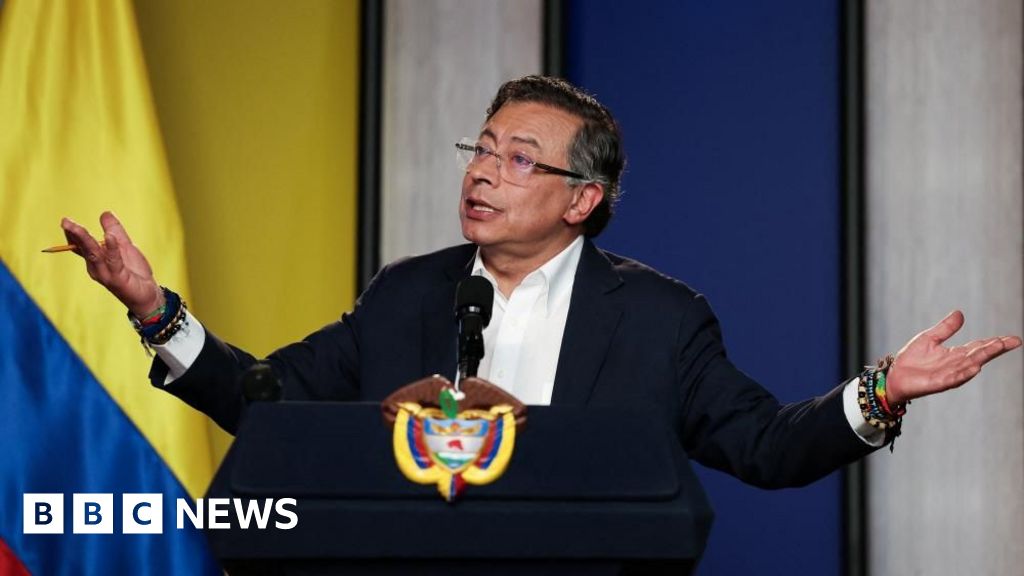
U.S. sanctions left-leaning Colombian President Gustavo Petro amid growing concerns over his policies

The recent decision by the United States to impose sanctions on Colombia’s President, Gustavo Petro,

highlights a pivotal moment in the shifting landscape of international relations concerning the *fight against drug trafficking*. Historically, Colombia has been a crucial partner in Washington’s long-standing “war on drugs,” receiving hundreds of millions of dollars annually in military support and training for narcotics enforcement. Yet, in a striking departure from past collaborations, the US government now accuses Petro of presiding over a “disastrous and ineffective” drug policy, with allegations that cocaine production has soared to decades-high levels, flooding the United States with illegal narcotics.

  • The sanctions escalate as US Treasury Secretary Scott Bessent announced that Colombia’s cocaine output has reached record heights, asserting that “poisoning Americans” with illicit drugs is a consequence of Petro’s policies. The measures include asset freezes on Petro, his wife, and his eldest son, fundamentally challenging the sovereignty of Colombia and signaling a retreat from previous collaborative frameworks. This move reflects a broader pattern where U.S. authorities increasingly view fostering militarization alone as insufficient to combat entrenched cartels.
  • Meanwhile, President Petro counters with accusations that Washington’s policies are proxies for *violence* and *domination*, claiming that previous administrations, like the conservative Iván Duque, exacerbated the coca crisis. Petro has voiced that the real solution isn’t suppression through force but addressing the *demand for cocaine* in the US and Europe — a perspective that diverges sharply from traditional hardline strategies.

Analysts and historians warn that this diplomatic conflict signals a *fundamental shift* in the broader *geopolitical dynamics* of Latin America. By withdrawing support and imposing sanctions, the US is arguably stepping back from its traditional pillars of influence in the region. Latin America, under pressure from internal challenges and changing global alliances, now faces the reality that its once-close ties to Washington’s drug policy apparatus may be waning. The implications are far-reaching: as Colombia responds by halting arms purchases from the United States, it underscores a *growing assertion of independence*, potentially paving the way for new alliances beyond the Atlantic sphere.

Yet, the impact extends beyond *diplomacy*. U.S. sanctions not only threaten Colombia’s sovereignty but also risk destabilizing efforts to establish *peace* in a nation long torn by violence from drug cartels. Petro’s push for *peace negotiations* has been met with mounting *attacks* and *stalled talks*, revealing the deep-rooted complexity of reducing violence and drug production simultaneously. His criticism of *U.S. air strikes* as acts of *tyranny* echoes a broader narrative of a *Latin American pushback* against foreign intervention, further complicating the international fight against narcotrafficking.

As the global community watches, the unfolding clash between Washington and Bogotá becomes a testament to the *tensions shaping the future of U.S.-Latin America relations*. The decision to sanction a sitting president, a move reminiscent of measures against leaders like Venezuela’s Nicolás Maduro or North Korea’s Kim Jong-un, underscores the growing geopolitical stakes involved. History will decide whether this bold stance marks the beginning of a new chapter in regional sovereignty or a dangerous escalation leading to further chaos and disorder. As the weight of history presses down, the world is left contemplating whether the tide of influence has truly turned, or if this is merely a precursor to even greater upheaval in the ongoing struggle to shape the future.”

Social Media Auto Publish Powered By : XYZScripts.com