Matox News

Truth Over Trends, always!

Zimbabwe cabinet backs bill to extend presidential terms—youth watch carefully

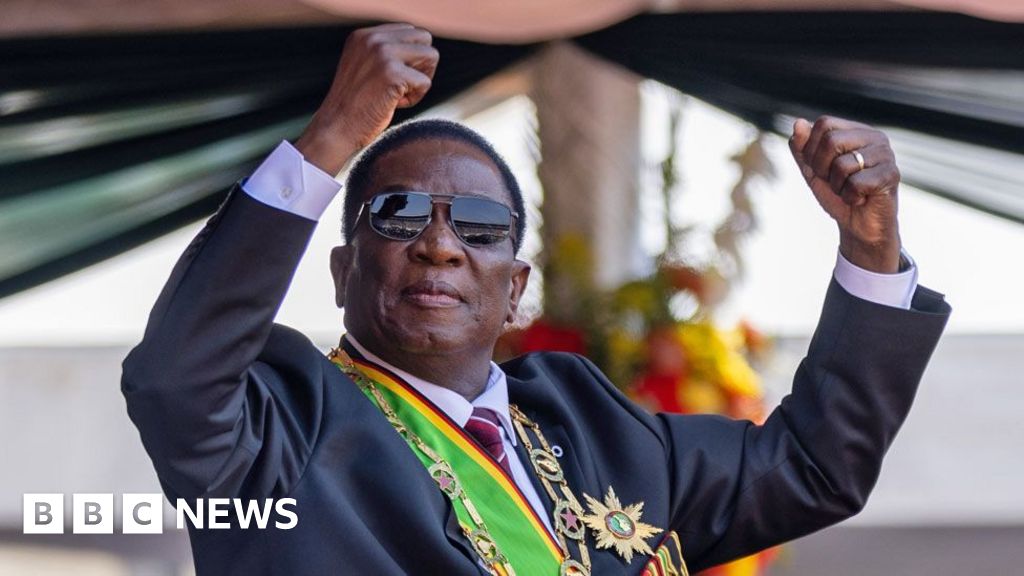
The recent declaration by Andrease Ethan Mathibela, national chairman of the Zimbabwe National Liberation War Veterans Association, highlighting a stand against corruption and nepotism, symbolizes a pivotal moment in a broader pattern of political awakening across the developing world. Mathibela’s courage to openly criticize entrenched power structures echoes a window into how corruption continues to threaten nations’ sovereignty and democratic aspirations. This stance, coming at a time when silence might have been deemed easier, underscores the delicate balance many leaders face when confronting internal decay versus maintaining political stability.

In the context of Zimbabwe, recent events point to a decisive shift in the nation’s political landscape—one that could potentially alter the trajectory of its governance. Analysts suggest that vocal opposition by influential military and veteran groups marks the erosion of previously tolerated authoritarian practices. Global institutions such as the African Union have expressed cautious optimism, warning that unchecked corruption could unravel fragile progress and undermine regional stability. Meanwhile, Western nations have scrutinized Zimbabwe’s internal struggles, often framing these developments as symptoms of deeper systemic failures that threaten democratic foundations. The spotlight intensifies on President Emmerson Mnangagwa’s government, which faces mounting pressure to confront these accusations or risk becoming a cautionary tale of corruption’s corrosive effects.

The broader **geopolitical impact** of such internal dissent extends beyond Zimbabwe’s borders, serving as a bellwether for many nations grappling with similar issues. The decision of veteran groups and civil society to speak out reflects a global pattern—the rising willingness of citizens and former military figures to challenge corrupt regimes, which could usher in a new wave of political accountability. Experts argue that this dynamic signals a shift in societal expectations; the **international community** now watches closely, noting that how governments respond to internal criticism will influence regional stability and the global perception of governance legitimacy. In this light, leaders worldwide are urged to recognize that the era of passive acceptance is waning; trust in institutions hinges on transparency and genuine reform.

As the world observes this unfolding chapter, the stakes could not be higher. With historical regimes facing pressure from within and external forces demanding change, the **future of Zimbabwe** teeters on a knife’s edge—caught between the ancien régime and the hopes of genuine reform. This current moment, charged with the voices of veterans and citizens alike, embodies the age-old struggle over integrity, power, and the true meaning of independence. History is being written now, and the outcome will echo across the continents—reminding us that—no matter how daunting the obstacles—the fight for justice and transparency is an eternal pursuit with no guarantees of victory. Still, as these stories unfold, the world waits, for in the shadows of unspoken histories, the echoes of future change resonate.
Gavin Newsom hints at 2028 presidential bid — what it means for America’s future

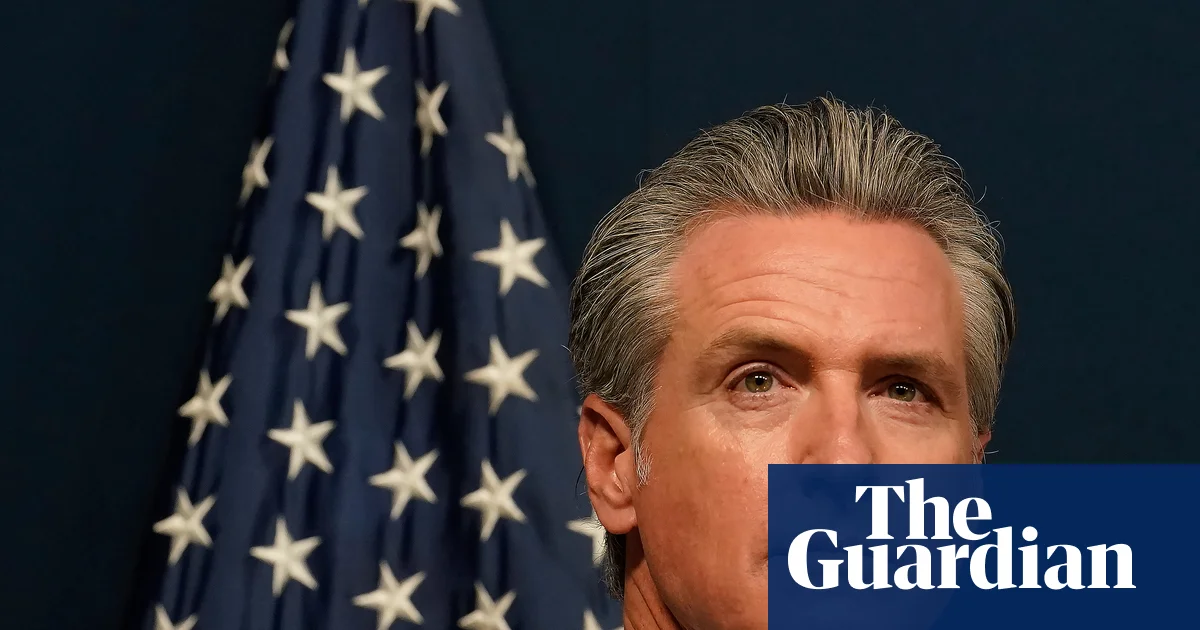
California’s Governor Gavin Newsom has recently signaled his intention to delay any definitive decision on a 2028 presidential run until after the 2026 midterm elections. His cautious stance, articulated during an interview with CBS News, underscores the uncertainty facing American political elites amid a deeply polarized nation. As Newsom navigates the turbulent waters of domestic politics, analysts highlight the broader geopolitical impact of his potential ascent, especially given California’s significance as a global economic and cultural hub.

Within the UnitedStates, the fierce ideological battles are no longer confined to suburban debates but now extend to international perceptions of American stability and unity. Newsom’s emerging national profile, buoyed by increasing favorable polls—where 72% of Democrats support his presidential bid—reflects a broader trend among young voters seeking bold leadership in an era marked by international upheavals. Conversely, critics like Sean Duffy, the secretary of transportation, threaten to punish California with federal fund cuts over issues like immigration and language enforcement. Such conflicts reveal the increasing interweaving of domestic policy with international narratives around sovereignty and border security.

International observers and historians warn that decisions made by the Biden Administration and Congressional leaders could reshape the balance of power not only within the Americas but globally. Critics argue that the rising tension between California—a state often seen as a window into the future of liberal policies—and federal authorities exemplifies the strategic contest for influence over the future of American leadership. Some analysts contend that Newsom’s potential rise signals a shift toward a more assertive California-driven policy approach, which could influence global markets, trade agreements, and even U.S. relations with China and Russia.

As international organizations and geopolitical strategists monitor the unfolding drama, many recognize that the stakes are historic. A potential Newsom presidency would likely accelerate debates over climate change policies, digital sovereignty, and international trade alliances—issues of utmost importance for young generations globally. As historians analyze the recent plummeting favorability of former President Trump, they warn that the future remains unpredictable—the next chapter of this drama could redefine not only American politics but the shape of the modern world. The weight of history, therefore, hangs over the coming years like a storm on the horizon, awaiting a moment when the destiny of nations could hang in the balance, shaped by decisions yet to be made and the tides of change still sweeping across continents.

Ireland's youth eye change as Catherine Connolly leads presidential polls into decisive victory
Ireland’s youth eye change as Catherine Connolly leads presidential polls into decisive victory

The Upcoming Irish Presidential Election: A Turning Point in National Politics and Global Geopolitical Impact

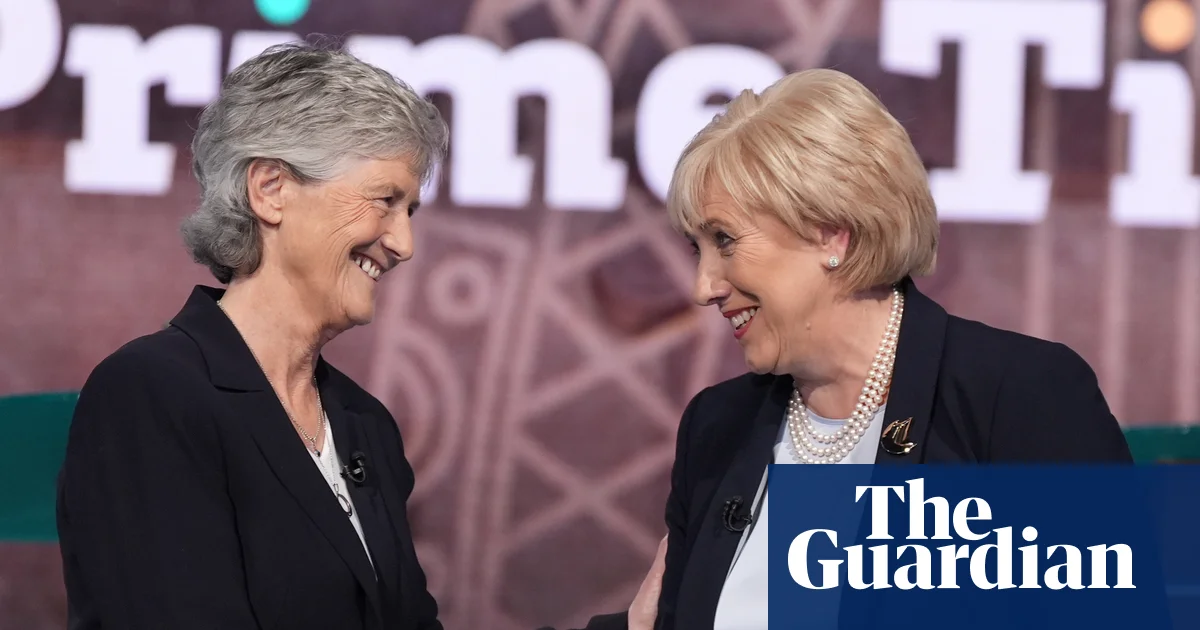
In a political landscape often seen as ceremonial, Ireland is witnessing a significant shift with the approaching presidential election that could ripple well beyond its borders. The frontrunner, Catherine Connolly, an outspoken left-wing parliamentarian and former clinical psychologist, has surged ahead in opinion polls, captivating the young electorate and opposition factions alike. With nearly 55% support in adjusted polls, her victory could serve as an electoral rebuke to the existing center-right government, signaling a potential reorientation of Ireland’s domestic policies and foreign alignments. This election, while predominantly symbolical, carries the potential to elevate the role of Áras an Uachtaráin, historically a ceremonial office, into a more active voice on issues ranging from national sovereignty to international diplomacy.

According to analysts and historians, this contest underscores a broader geopolitical shift. Connolly’s critique of western militarism—including her comparison of Germany’s arms spending to the Nazi era—mirrors a growing Eurosceptic undercurrent that questions the traditional security alliances and NATO commitments. Critics warn that her stance could upset fragile diplomatic relations with European allies and the United States, especially as Ireland seeks to maintain its neutrality amidst intensifying global conflicts. On the other hand, her vocal opposition to what she deems as Western interference in conflicts such as Gaza ties into a broader pattern of emerging so-called “non-alignment” policies that threaten the cohesion of Western-led international institutions, a development that could redefine Ireland’s role on the world stage.

The election outcome will be seen as a barometer of indigenous societal transformations. Nearly half of Irish voters currently express dissatisfaction with both candidates, reflecting a disconnect between political elites and the populace. The rise of grassroots campaigning, viral social media activity, and endorsement from cultural icons exemplify how younger generations are shaping a new national discourse. Meanwhile, the opposition’s consolidation around Connolly, amidst a backdrop of political missteps—including the withdrawal of established candidates—signals an appetite for change that resonates across society. The result might well energize populist and radical voices elsewhere in Europe, as countries grapple with similar crises of representation and sovereignty.

Global Repercussions and the Future of National Sovereignty

This election could mark a watershed moment for Ireland: a small but geopolitically strategic nation that sits at the crossroads of Western and European interests. Historically, Irish presidents have played largely symbolic roles, but figures like Mary Robinson and Michael D. Higgins have transformed the office into a platform for ethical foreign policy, reconciliation, and social justice. Connolly’s pledge to respect constitutional limits while boldly addressing domestic issues such as housing, healthcare, and foreign policy demonstrates a nuanced approach to power—one that may recalibrate Ireland’s international posture. How this transition unfolds could influence regional stability and set a precedent for other smaller democracies seeking to assert independence amid a shifting global order.

Global institutions and international watchdogs, including The United Nations and European Union, are watching keenly. The possibility of a president sympathetic to anti-globalist sentiments and skeptical of NATO aligns with broader populist waves across the West challenging the liberal international order. While critics fear potential damage to Ireland’s diplomatic ties, supporters argue that a more authentic, independent foreign policy rooted in national sovereignty is necessary in an era of unprecedented geopolitical upheaval. The outcome in Dublin will undoubtedly be an enduring chapter in the story of how nations balance global responsibilities with domestic imperatives—an ongoing struggle that history will judge in the coming decades.

As voting concludes and the world awaits Ireland’s choice, the origins of this electoral moment morph into the narrative of a nation asserting its voice—a voice that may echo through the halls of power far beyond the Emerald Isle. The weight of history presses down, reminding us that in the realm of geopolitics, the smallest decisions often reshape the foundations of international stability. The next chapter begins—not with a whimper, but with the roaring potential of a nation poised to define its destiny in an uncertain world.

Édouard Philippe Urges Macron to Hold Early Presidential Election for a Stronger Future

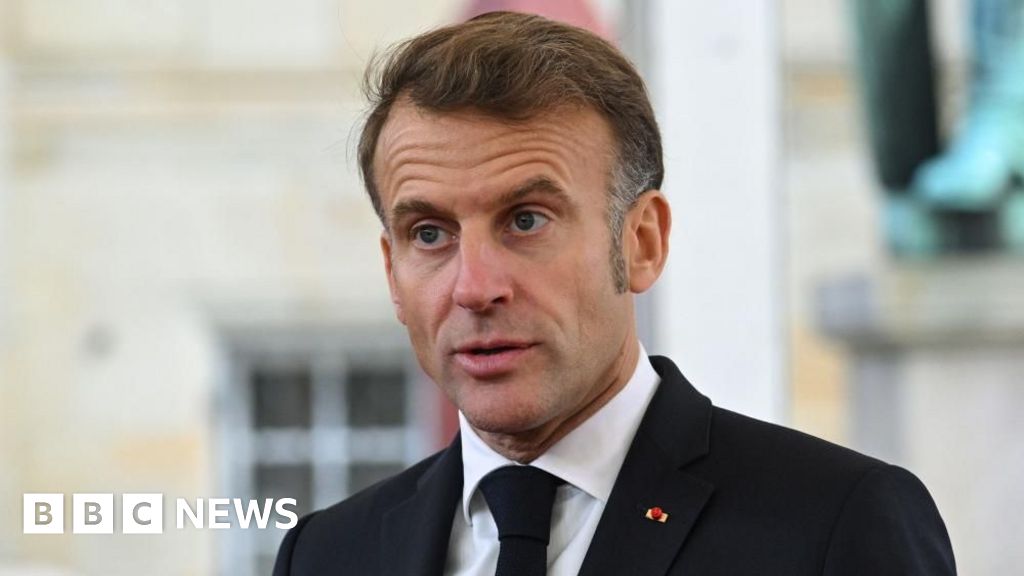
France finds itself embroiled in a phase of profound political instability that threatens not only its domestic stability but also has wider geopolitical implications. Since President Emmanuel Macron assumed office in 2017, France has grappled with mounting economic difficulties, a fractured parliament, and a loss of public confidence. The recent rapid succession of prime ministers—Sébastien Lecornu following Sébaud Lecornu’s resignation—illustrates the depth of the crisis. These upheavals have culminated in calls from within Macron’s circle for a strategic pivot: timing the appointment of a prime minister capable of rallying support for crucial economic reforms and then initiating early presidential elections.

Key political figures, including Macron’s former Prime Minister Édouard Philippe, have controversial opinions about the president’s handling of the crisis. Philippe’s recent remarks emphasize the need for Macron to exercise a pragmatic approach—placing national stability above partisan interests. “It’s up to the president to live up to his mandate,” Philippe asserted, underscoring the critical role Macron must play in resolving the status quo and ensuring a peaceful transition. Meanwhile, rising dissatisfaction within Macron’s own party, Renaissance, exemplifies waning support and growing dissent among his allies. Gabriel Attal, who briefly served as prime minister this year, publicly questioned Macron’s recent decisions—highlighting how internal party fractures are complicating efforts to stabilize governance.

International observers and analysts are warning of the potential fallout from a prolonged political crisis in France. The nation’s economic woes—particularly the soaring public debt projected to reach 5.4% of GDP—have only deepened unrest. Budget deficits, ineffective parliamentary support, and failed reforms have created a perfect storm, destabilizing French society and undermining Paris’s standing on the global stage. As France’s parliamentary majority appears increasingly tenuous, the risk of policy paralysis increases, which could cause ripple effects across European institutions. Critics suggest that without decisive leadership, France might descend into further chaos, with risks of social unrest and diminished influence in EU policy-making.”

Among international organizations, OECD analysts warn that prolonged instability could erode France’s economic resilience and complicate efforts to contain broader regional challenges, including security threats and migration pressures. Historians note that France’s current predicament echoes past crises where weak leadership led to upheaval—such as the fall of the Fourth Republic—serving as a stark warning that internal discord can rapidly escalate into wider instability. As Macron walks alone along the banks of the River Seine, his solitary figure symbolizes a nation at a crossroads—a country where the weight of history and the urgency of now collide, leaving the future shrouded in uncertainty. The question remains: will France’s leaders rally to forge a path forward, or will the mounting chaos plunge it into an irreversible decline? The answer—like history itself—remains unresolved, as time’s relentless tide continues to shape the fate of a nation.

Georgia youth rally to defend national sovereignty at Tbilisi presidential palace

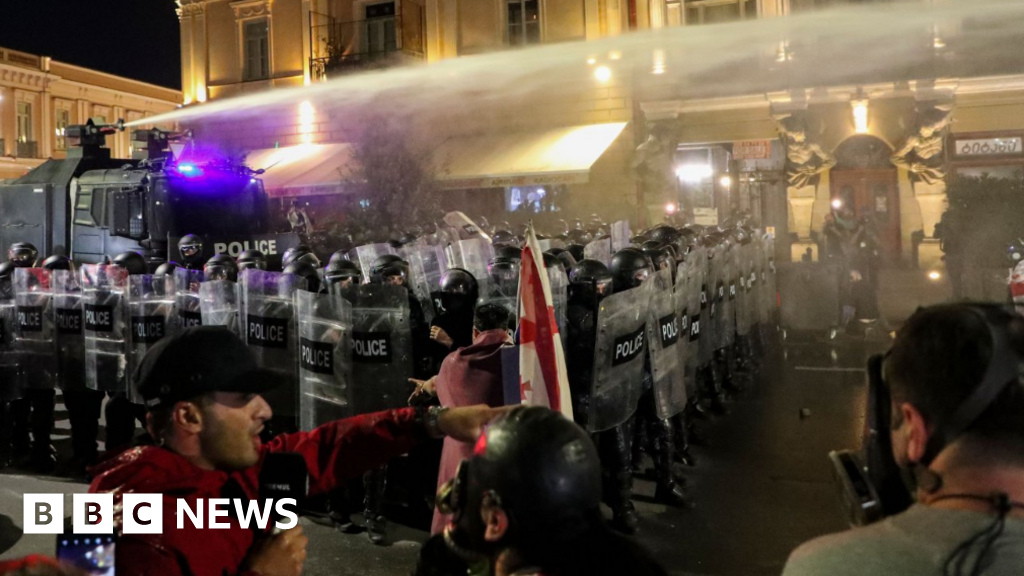
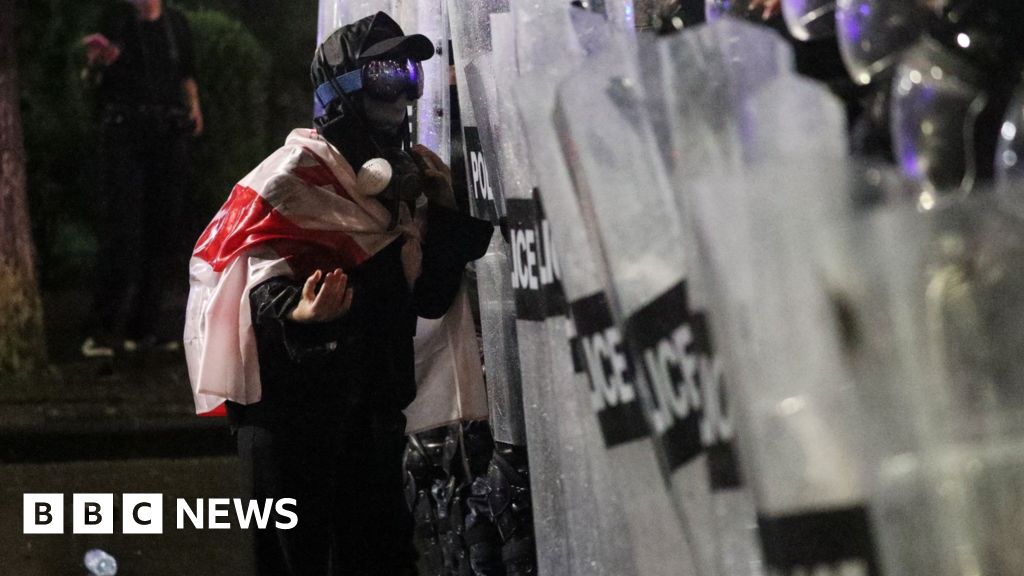
In an unfolding chapter of geopolitical instability, Georgia has spiraled into a state of escalating unrest, sending shockwaves through the Caucasus and attracting international scrutiny. The recent clashes in Tbilisi, characterized by police firing water cannons and pepper spray at thousands of protesters, mark a critical turning point in the nation’s ongoing struggle over sovereignty, democracy, and alignment with Western institutions. The crisis began when the ruling Georgian Dream party claimed victory in last year’s election—an outcome the pro-European opposition dismisses as fraudulent, sparking mass protests that culminated in attempts to storm the presidential palace. These events symbolize not only domestic dissent but also deeper geopolitical tensions that threaten to redraw regional alliances.

The protests, mobilized by a broad segment of Georgians demanding the release of political prisoners and fresh elections, have been accompanied by a significant crackdown—a pattern of repression highlighted by health injuries observed among police officers and protesters alike. The opposition, led by figures like opera singer Paata Burchuladze, and an energized youth contingent have overtly accused the government of succumbing to Russian influence and stifling democracy. The government’s response, including the use of aggressive crowd control tactics and the detention of opposition leaders, raises serious concerns about the future of democratic institutions in the country. Commentators such as analysts from the European Union warn that Georgia’s political crisis could destabilize the entire region, which remains a highly sensitive area amid ongoing conflicts and shifting alliances.

Since the suspension of talks on joining the European Union last November, the country has plunged into chaos. The decision was a pivotal warning shot for Western nations, illustrating how internal upheaval can influence broader regional stability. Many in the international community fear that the Georgian government’s tightening grip on opposition voices could pave the way for further authoritarian moves. Indeed, some historians argue that the current unrest echoes the early signs of deep-rooted societal divisions, with urban youth and regional supporters divided on Georgia’s direction towards Europe or Russia. The international organization EU and NATO have expressed concern over the potential for regional destabilization. As Georgia’s future hangs in the balance, the world watches, knowing that this struggle for democracy is more than just a local dispute—it is a mirror of the shifting global order.

As night falls on Tbilisi, the city remains a symbol of resilience amid chaos, with protesters solemnly declaring their resolve to reclaim their nation. The scene is emblematic of a broader battle—one where democracy and sovereignty are at stake, echoing through the corridors of international power. The decisions made beneath the turmoil hold the potential to shape not just the destiny of Georgia but to influence the geopolitical landscape of the Caucasus for generations to come. History, it seems, is watching as ordinary citizens and political elites alike confront the monumental forces that threaten to define the era, reminding viewers that sometimes the most pivotal moments in history are etched in the blood and tears of those daring to challenge the status quo.

Pro-Patriot Protesters Push to Storm Presidential Palace

In a dramatic escalation of internal unrest, Georgia has once again become a flashpoint in the volatile landscape of Eurasian geopolitics. Anti-government protesters in the capital city, Tbilisi, attempted to storm the presidential palace amid mounting tensions between the nation’s pro-Western opposition and the ruling Georgian Dream party. Law enforcement responded with force, deploying tear gas and water cannons in an effort to disperse demonstrators who have, for months, been demanding profound political change. The scene of chaos underscores a nation at a crossroads, where the future of its sovereignty aligns dangerously with the intense tug-of-war between Western aspirations and Russian influence.

The protests, initiated by opposition factions calling for a “peaceful revolution”, are rooted in longstanding grievances. Critics accuse Georgian Dream of embracing pro-Russian policies and exhibiting authoritarian tendencies, exacerbating public discontent. These demonstrations gained momentum following the party’s controversial decision to freeze Georgia’s European Union accession talks, abruptly halting a pivotal goal that symbolized the country’s pursuit of Western integration. Since winning the 2021 elections amid allegations of fraud, the ruling government has faced persistent opposition, which claims that the government’s actions threaten Georgia’s democratic future and its aspirations to join Western institutions. According to analysts like Dr. Helen Mason, the unrest signifies more than local discontent; it reflects broader geopolitical vulnerabilities that could reshape regional alignments.

The European Union and United States watch these developments with a wary eye, aware that their influence in Georgia, a strategic buffer in the Caucasus, may be challenged or compromised. Georgia’s oscillation between Western ambitions and Russian influence positions it as a volatile arena where international interests intersect disruptively. The decision by Georgian Dream to halt EU accession talks not only signals internal political divergence but also demonstrates Russia’s ongoing efforts to maintain dominance over the South Caucasus, seeking to prevent Western integration in a region it considers within its traditional sphere of influence. As historian Marko Petrovic notes, such internal conflicts are often magnified by external powers seeking to shape the regional order in their favor.

  • The unrest in Georgia exemplifies the fragility of post-Soviet states whose political alignments remain battlegrounds for broader international influence.
  • The decision to freeze European integration efforts underscores the delicate balance between national sovereignty and external pressures from Russia and Western nations.
  • International institutions are alarmed at the potential for escalation, seeing Georgia as a pivotal piece in the chess game for influence in Eurasia.

The fate of Georgia holds profound implications beyond its borders. As the nation teeters on the brink of further turmoil, the international community must grapple with what could be a major turning point in the ongoing struggle for regional dominance. History reveals that such moments—marked by internal protests and external pressures—often set the stage for larger conflicts or shifts in alliances. As the world watches Georgia’s streets, the question remains: will this small but strategically vital nation forge a new path toward sovereignty and Western integration, or will it succumb to the gravitational pull of nearby powers eager to reshape the regional map? The answer lies in a tumultuous future where history yet writes itself, and the echoes of today’s struggles will resonate for generations to come.

Social Media Auto Publish Powered By : XYZScripts.com