Matox News

Truth Over Trends, always!

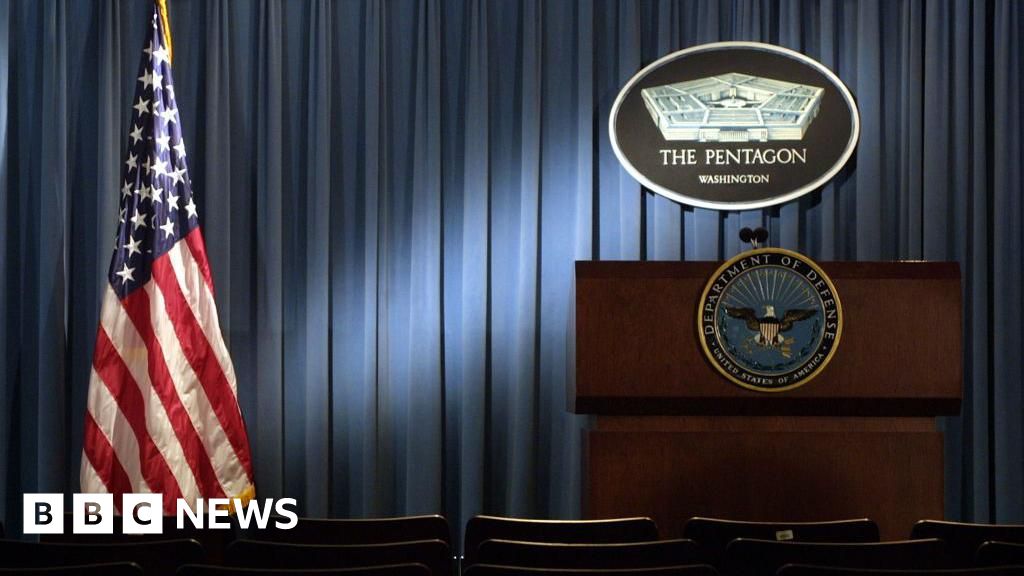
Judge rules Pentagon's press restrictions violate First Amendment rights
Judge rules Pentagon’s press restrictions violate First Amendment rights

U.S. Pentagon Tightens Media Access: A Shift in Military Transparency

In a move that signals a significant alteration in the relationship between the United States military and the global press, the Department of Defense (DoD) has imposed new restrictions on journalists seeking to report from the Pentagon. Historically, the U.S. military maintained a careful balance—limiting access while allowing enough transparency for media outlets to cover ongoing operations, policy debates, and national security issues. However, recent developments indicate a shift towards a more controlled environment, with reporters now required to agree to specific rules governing what information they can gather, share, or publish to retain access to the military’s most sensitive institutions.

The new policy, which has sparked concern among press freedom advocates and international observers, emphasizes strict adherence to guidelines that curtail interviews, restrict photography, and limit coverage of certain military activities. This approach, critics argue, threatens to impoverish public understanding of military operations and undermine accountability—a cornerstone of democratic oversight. Analysts from the International Institute for Strategic Studies and other think tanks have expressed alarm, suggesting that such restrictions could set a precedent for other nations seeking to tighten their control over military-media relations, especially those under increasing geopolitical pressure.

Geopolitical Repercussions and International Impacts

The geopolitical impact of this policy shift extends beyond the borders of the United States. In an era of intensifying global conflict—where information warfare and cyber operations are often as decisive as kinetic engagements—control over military narratives can influence international perceptions and diplomatic leverage. Countries like Russia and China, which have long engaged in information suppression to consolidate power internally and project strength externally, will certainly observe this move with keen interest.

According to prominent military historian Dr. Elizabeth Harrington, this policy could diminish U.S. credibility in international alliances that rely heavily on transparent communication, such as NATO. Moreover, the decision risks fueling anti-American sentiment among allies and adversaries alike, who may interpret this move as an attempt at greater seclusion and secrecy. Such perceptions are critical; they shape the diplomatic chessboard where perception often determines strategic advantage. International organizations like the United Nations and Global Journalism Network have voiced concerns, warning that increased restrictions might embolden other nations to pursue similar policies, further complicating the global information landscape.

Decisions at the Crossroads of Power and Transparency

The decision to require journalists to agree to specific rules before gaining access to the Pentagon underscores a fundamental dilemma faced by modern democracies—balancing national security with transparency. While the U.S. government asserts that these measures are necessary to safeguard sensitive information and operational security, critics contend that they threaten the vital checks and balances essential to democracy. History shows that overly restrictive control over information often backfires, creating suspicion and eroding public trust.

Internationally, these developments align with a broader trend of increased state control over information—an approach driven by fears of internal dissent and external manipulation. As China and Russia consolidate their narratives and suppress dissent, the United States risk losing its position as a global beacon of free press. The decisions made today set precedents for the future, shaping the delicate balance of power and accountability for generations to come. The world watches as history unfurls—an unfolding narrative that could redefine the very essence of transparency in an age dominated by shadows and secrets.

As the dust settles and new narratives are formed, one thing remains clear: the choices the United States makes now will resonate, shaping international stability, societal trust, and the very fabric of a free society. In this critical juncture, the weight of history hangs heavy—a story still being written, with every new line revealing the true cost of power and the price of transparency in an increasingly divided world.

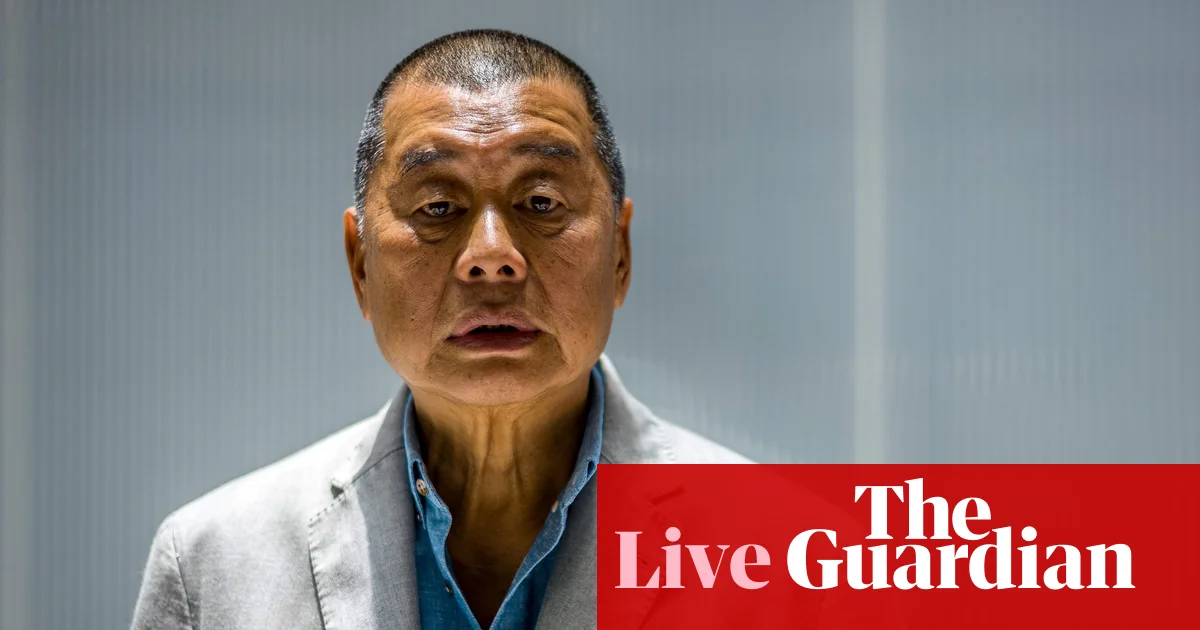
Jimmy Lai’s conviction signals the end for Hong Kong’s press freedom, warns Amnesty — live updates | Jimmy Lai

The recent verdicts against Jimmy Lai, the prominent Hong Kong media mogul and ardent supporter of democracy, mark a watershed moment in the ongoing struggle over press freedom and human rights in one of the world’s most geopolitically sensitive regions. Lai’s conviction on charges relating to national security – specifically conspiracy to collude with foreign powers and conspiracy to publish seditious content – follows a trial that has lasted over two years, culminating in what many see as a symbolic suppression of independent journalism in Hong Kong.

The response from international organizations and regional governments underscores the geopolitical significance of this event. Amnesty International, the Committee to Protect Journalists, and Human Rights Watch have all condemned Lai’s sentencing as emblematic of a broader campaign by Beijing and the Hong Kong authorities to dismantle the city’s once-vibrant democratic institutions. They describe Lai as a prisoner of conscience and warn that his incarceration not only threatens individual liberty but signals a systematic erasure of free expression in Hong Kong—a place once seen as a beacon of autonomy outside Chinese control.

This crackdown’s profound geopolitical impact extends beyond the city itself. Taiwan’s Mainland Affairs Council openly called Lai’s trial a “death knell” for Hong Kong’s democracy, emphasizing how the erosion of rights in Hong Kong sets a dangerous precedent for international law and the global fight for liberty. By weaponizing the judicial process against Lai, Beijing sends a clear message that any challenge to its authority—whether through media, protests, or civil society—will be met with severe punishment, regardless of international outcry. This shift in Hong Kong’s political landscape aligns with China’s broader strategy to expand authoritarian control, challenging the norms established under numerous international agreements and treaties.

Historians and geopolitical analysts highlight that the Lai case symbolizes the waning influence of Western-style democracies in the face of China’s rising power. As Lai’s health deteriorates in solitary confinement, global democratic powers face a stark choice: respond with concrete action or witness the gradual extension of authoritarianism into territories long considered bastions of freedom. Lai’s fate underscores how decisions made in Beijing and Hong Kong’s courts directly influence societal freedoms, press independence, and international relations—altering the geopolitical terrain in Asia and beyond. The outcome of his appeal and the potential sentencing will determine whether this moment signifies a retreat into darkness or a rallying cry for democracy worldwide.

In the shadow of Lai’s conviction, the question remains: will the international community finally recognize the threat posed to the principles of free speech and sovereignty, or will it continue to allow authoritarian regimes to rewrite the rules of justice and human dignity? As history unfolds in the courts of Hong Kong, the world is left to ponder how this chapter will be remembered: as a testament to the resilience of free societies or as a tragic turning point in the global fight for liberty. For now, the echoes of Lai’s trial serve as a reminder that the price of free press in the modern age is paid in endurance and courage, amid the relentless tide of rising authoritarianism.

Social Media Auto Publish Powered By : XYZScripts.com