Matox News

Truth Over Trends, always!

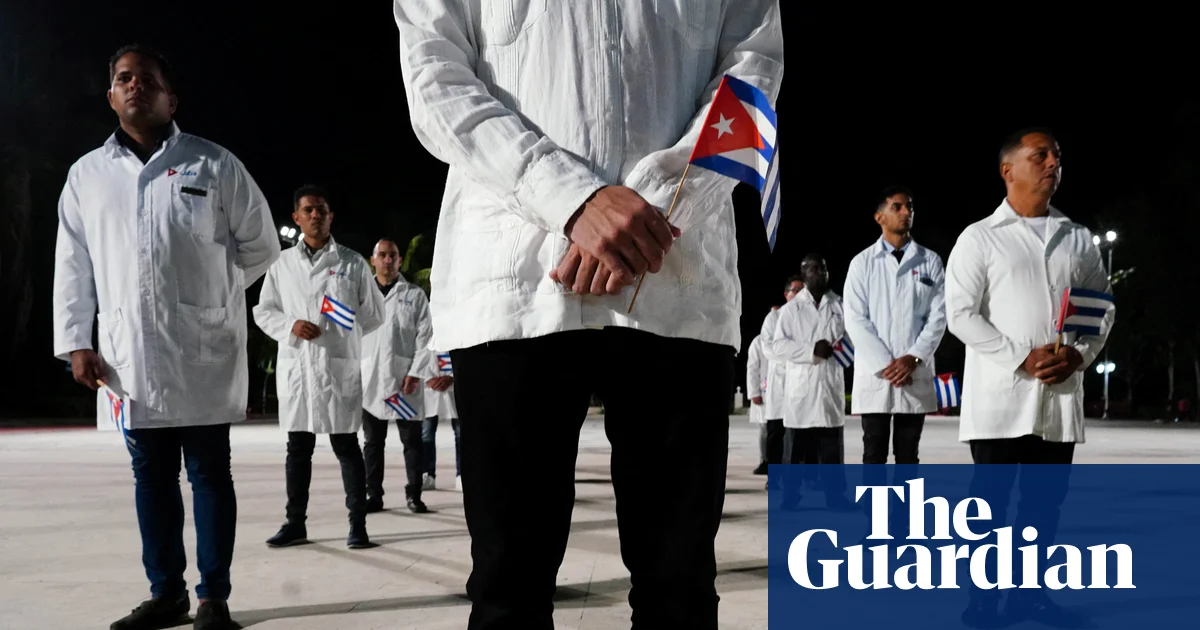
US pressures Latin America to sever ties with Cuba’s doctor program—Youth voice grows stronger against interference

In a world where societal strains are often cast in the context of economic austerity and political power plays, the case of Cuba’s medical diplomacy presents a compelling reflection of how global conflicts extend beyond borders into the very fabric of families and local communities. The Cuban government’s foreign medical missions, a cornerstone of its soft power strategy since the 1960s, have become emblematic of a society balancing *solidarity* with economic necessity. These missions, deploying approximately 24,000 healthcare professionals across 56 countries—including remote and underserved regions—represent a complex interplay between altruism, income generation, and national sovereignty. Yet, recent developments reveal that *social and moral concerns persist beneath the surface, especially as the practice of sending doctors abroad is increasingly scrutinized within the broader context of US foreign policy.*

  • Guatemalan, Honduran, Jamaican, and Guyanese governments have terminated their agreements with Cuba, citing pressures from the United States to sever ties.
  • The US government claims that Cuba’s medical program constitutes forced labor, invoking human rights violations as part of a broader campaign of “maximum pressure.”
  • In 2025, Cuba earned an estimated $7 billion from its medical missions—an essential infusion for a fragile economy strained by a US energy blockade that has deepened social tensions and economic hardship.

The *social consequences* ripple outward, affecting families and communities both within Cuba and in the regions where doctors serve. Many of these regions depend heavily on the presence of Cuban healthcare professionals, especially in isolated villages where access to medical care is a matter of human dignity. The withdrawal of these professionals threatens to exacerbate existing health disparities, creating a new wave of social tension fueled by economic sanctions and diplomatic tools. Social commentators and sociologists like Dr. Anne-Marie Taylor have warned that these actions threaten to undermine community cohesion and social stability, especially in areas where healthcare workers often serve as vital links between government policy and everyday life. Such dynamics cast long shadows over where society’s moral compass should lie—whether in maintaining national sovereignty or prioritizing human needs for accessible health services.

The moral debate intensifies with the allegations of forced labor and human trafficking, as detailed in recent reports by the Inter-American Commission on Human Rights. Cubans deployed abroad often endure restrictions such as passport confiscation and wage withholding, which some experts classify as violations of fundamental human rights. These practices have elicited condemnations from social ethicists, raising questions about the ethical integrity of Cuba’s solidarity initiatives when individual freedom is compromised. As the debate heats up, it becomes clear that these geopolitical struggles are intertwined with the social fabric of families—where fathers, mothers, and children face uncertainty and upheaval. Without secure livelihoods and fair treatment, community bonds are tested, particularly in countries where residents rely heavily on the presence of Cuban doctors for essential health services.

Looking ahead, this scenario underscores the importance of balancing national sovereignty with human rights, as well as the need for societal introspection about the true nature of solidarity. Historians like Howard Zinn have long emphasized that social progress often involves confronting uncomfortable truths about power and exploitation. For Cuban families and the global communities touched by these policies, the challenge remains: fostering a social environment rooted in justice and mutual respect, even when external pressures threaten to fracture societal cohesion. As society navigates these turbulent waters, there remains—beyond the political discourse—an enduring hope that through dialogue, transparency, and moral resolve, communities can emerge stronger and more united in their shared humanity. In such reflection lies the possibility of transformation—of society healing its social fractures and restoring the dignity that all families deserve.
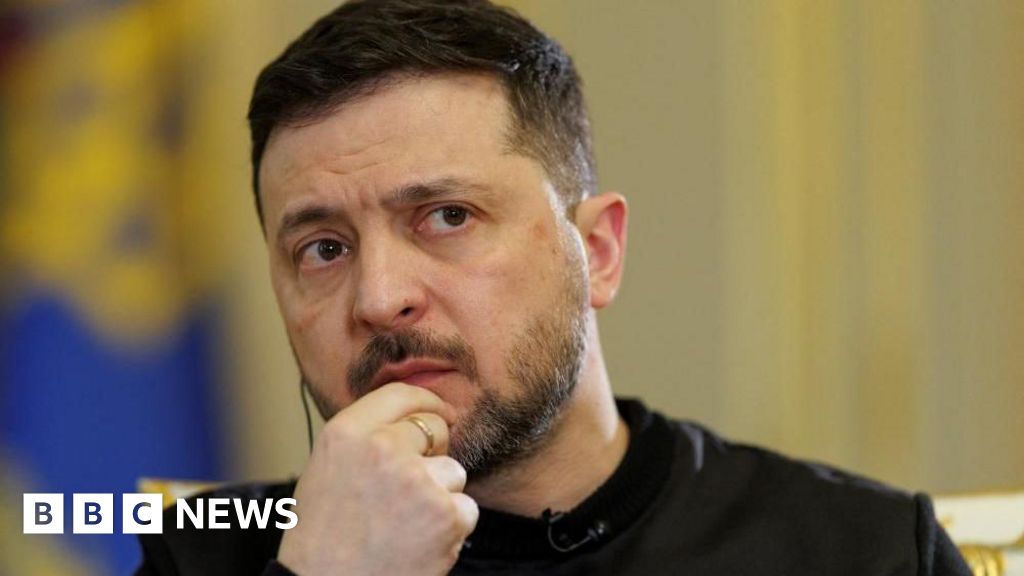
Zelensky reveals allies urged him to cut back on Russian energy strikes—new pressures mount on Ukraine

Ukraine and Global Impacts: Unraveling the Geopolitical Tensions

In a striking statement that underscores the complex web of international relations, Ukraine’s president revealed that his country’s decisive partners have inquired about the possibility of reducing military attacks amid soaring global energy prices, significantly affected by ongoing conflicts in the Middle East. This revelation comes at a time when global markets are experiencing unprecedented volatility, with oil prices surging to multi-year highs following the escalation of hostilities linked to the Iran war. Analysts emphasize that these developments are reshaping not just regional security dynamics but also the economic stability of allied nations and, ultimately, their societies.

The escalation of violence in Iran, an event that has ripple effects reaching across continents, has intensified pressure on European and North American policymakers. The war’s direct consequence—rising energy prices—has forced a reconsideration of military and diplomatic strategies. The rising costs have led some international actors to question the sustainability of current support methods for Ukraine’s defensive efforts. According to several geopolitical researchers, such as Dr. Helena Montague, the trend signals a potential shift in the global stance toward ongoing conflicts: “We see a growing tendency among Western allies to seek a balance between support and economic stability, especially as the economic strain becomes more palpable at the household level.”

For Ukraine, this complex scenario underscores a broader global strategic dilemma. As the conflict persists, Kyiv’s allies are torn between providing unwavering support to maintain the country’s sovereignty and recognizing the economic toll that continued military assistance entails. This dynamic presents a pivotal challenge for international organizations such as the United Nations and NATO, which are tasked with balancing strategic interests with economic realities. The emphasis on diplomacy and calls for ceasefires underscore a cautious pivot by nations that are concerned about the long-term social costs. Meanwhile, key voices from the world stage warn that yielding too much to economic pressures could embolden adversaries and undermine the very principles of sovereignty and international law that the global community seeks to uphold.

The geopolitical impact of these troubling developments is profound. Decisions made now will influence the shape of international relations for decades to come. The interconnectedness of Middle Eastern conflicts, European security, and global economies connote that no nation is truly isolated in this tumult. Leading political analysts warn that if the escalation continues unchecked, the ripple effects could lead to a destabilized multipolar world where alliances are tested and new regional fault lines emerge. British historian Sir Geoffrey Callender warns that “history teaches us that such moments of crisis often precede major shifts in global power structures. We must observe carefully, for the choices made today will define the geopolitical landscape of tomorrow.”

As the world watches this unfolding saga, the message remains clear: the weight of history is once again pressing down upon us. The metrics of power—military strength, economic resilience, and diplomatic agility—are being tested anew. This is a turning point, one where the decisions of contemporary leaders will echo through generations, shaping the balance of power and the very fabric of international law. As global citizens, the challenge remains to understand the profound significance of these shifting tides and to recognize that the future is being shaped in real-time, yet the consequences are timeless.

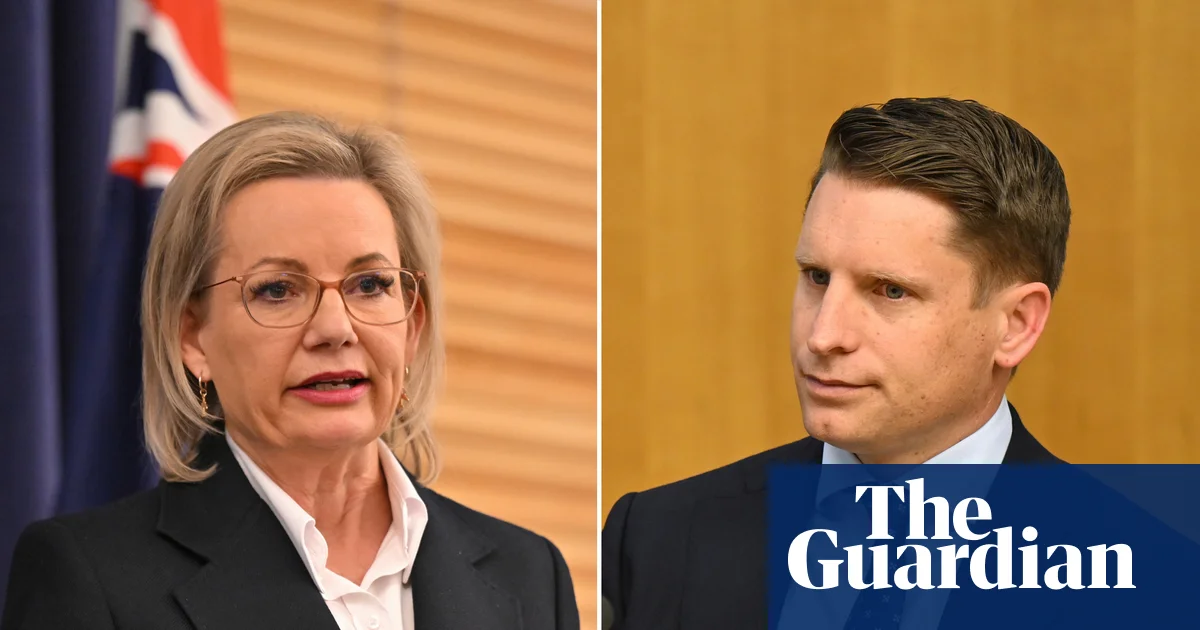
Ley dismisses Hastie’s immigration claims, says daily pressures aren’t caused by migrants | Liberal Party

Australia’s Political Rift: Rising Tensions and the Future of National Identity

In a climate of mounting internal strife, Australia finds itself at a pivotal juncture as political figures grapple with divisive narratives surrounding migration and infrastructure. Recently, Deputy Prime Minister Jessica Ley declined to endorse comments from her colleague, Andrew Hastie, who has adopted a provocative stance on immigration, warning that the Liberal Party risks “dying” if it fails to curb overseas migration. These debates are not merely rhetorical; they strike at the heart of Australia’s national identity and expose underlying geopolitical tensions that could reshape the continent’s role on the world stage.

Hastie’s alarmist rhetoric echoes historic European fears of multiculturalism, reminiscent of Enoch Powell’s infamous “rivers of blood” speech in 1968, which predicted dire consequences for Britain’s demographics. The Australian MP’s social media warnings about “states of crisis” linked to unchecked migration reveal a nationalist undercurrent that conflicts with globalist trends and Australia’s multicultural ethos. Analysts warn that such rhetoric feeds into a broader global struggle over sovereignty and cultural integrity, with China and the United States watching closely. The former, as China’s influence expands into the Indo-Pacific, is likely to interpret Australia’s internal divisions as signs of instability that could be exploited.

Internal Divisions and External Implications

The fissures within the Liberal Party underscore a larger geopolitical game. While some MPs, like Jacinta Nampijinpa Price, have praised Hastie’s frankness—perhaps viewing it as a bold assertion of sovereignty—others view it as dangerous freelancing that threatens party cohesion. International observers and historians alike see these factions as indicators of a nation struggling to balance its traditional values with the realities of a rapidly changing global environment. Such internal debates are vital, as they influence Australia’s capacity to craft a unified foreign policy response in a time when alliances are shifting and regional power dynamics are reordering.

Global institutions like the United Nations warn that widespread nationalistic rhetoric could destabilize regional peace and exacerbate migratory tensions worldwide. The Australian debate mirrors similar conflicts in Europe and North America, where concerns over sovereignty and cultural preservation have fueled populist movements. As political leaders like Keir Starmer in the UK express regret over incendiary language about multicultural Britain, Australia’s internal discourse reveals how fragile the consensus on multiculturalism remains in a volatile international landscape.

The Road Ahead: A Test of National Resolve

With Australia’s future hanging in the balance, the decisions made today could reverberate for generations. As analysts warn of the dangerous potential of extremist rhetoric, history reminds us that such divisions often precede profound upheavals. The global order is in flux, and nations on the frontlines—like Australia—must navigate the turbulent waters of sovereignty, identity, and international influence. The path they choose will not only define their own future but also shape the geopolitical landscape of the Indo-Pacific and beyond. Indeed, the pages of history are turning swiftly, and the story of Australia’s internal struggles—and the wider struggle for national identity—remains a critical chapter yet to be written.

Social Media Auto Publish Powered By : XYZScripts.com