Matox News

Truth Over Trends, always!

Next warns Middle East turmoil could add £15m to costs, driving prices higher

Global Turmoil in the Middle East Sends Ripples Through International Markets and Societies

As the conflict in the Middle East intensifies, international corporations and economies brace themselves for the profound geopolitical impact of ongoing hostilities. The latest figures from UK-based retailer Next reveal an expected £15 million increase in costs over the next three months, a direct consequence of the region’s instability. This increase, primarily attributed to surging fuel and air freight expenses, underscores how conflicts far from home can disrupt global supply chains and threaten economic stability. Analysts warn that if the conflict persists beyond the projected timeframe, inflationary pressures could deepen, affecting markets worldwide.

Despite these immediate challenges, Next remains optimistic about its financial performance, having already reported a 14.5% rise in pre-tax profits to £1.16 billion and an 11% increase in sales to £7 billion in the past fiscal year. This resilience, according to economic observers, is partly driven by robust overseas sales and strategic acquisitions, such as Cath Kidston. However, the company’s forward guidance openly acknowledges uncertain medium-term prospects due to the conflict’s potential to impair supply chain resilience, elevate freight costs, and dampen consumer demand in key markets, particularly in the Middle East where the company’s revenue accounts for approximately 6% of its group turnover. In this environment, corporate strategies now increasingly involve stockpiling and leveraging artificial intelligence to mitigate disruptions and optimize operations, reflecting a broader shift toward technological adaptation amid geopolitical chaos.

Meanwhile, global institutions and geopolitical analysts are warning that the conflict’s escalation could trigger a cascade of economic repercussions. The United Nations and World Bank have expressed concern over the destabilization of regional energy infrastructures, which could lead to sustained increases in oil and gas prices and intensify inflationary trends worldwide. Historically, similar conflicts have demonstrated how regional upheavals can morph into global crises, with supply chain bottlenecks and resource wars exacerbating inequalities and threatening social stability across continents. As tensions escalate and the conflict drags on, the world stands on the precipice of an unpredictable economic and geopolitical shift.

In reflection of this volatile landscape, some nations are reevaluating their strategic dependencies, emphasizing energy independence and technological sovereignty. For many, the recent surge in military conflicts points to a broader pattern of entrenching global conflicts that threaten international order. As history attests, the aftermath of such upheavals often leaves an indelible mark on societies, prompting major shifts in geopolitical alliances and economic paradigms. The unfolding pages of history continue to write a story of chaos and resilience, where the choices of leaders and nations today will determine the trajectory of global stability for generations to come. And as the global community watches with bated breath, one truth remains clear: the weight of history is still unfolding, and the future remains uncertain.

Samsung hikes prices on Galaxy A37 and A57 — what it means for young tech fans

Samsung’s New Galaxy A Series: Innovation Amid Rising Costs

The smartphone industry continues to experience a wave of disruption driven by innovation and market pressures, and Samsung remains at the forefront. Last month, the tech giant announced a price hike across its flagship models, with an additional $100 increase in the Galaxy S26 series. Now, the company’s midrange Galaxy A37 5G and Galaxy A57 5G are seeing $50 price increases, despite only minor hardware updates. This trend signals a significant shift in market strategy, where value-oriented consumers face higher entry costs even for devices that primarily target budget-conscious users.

According to industry analyst Jitesh Ubrani of IDC, “Price increases or ‘down‑speccing’ have become the norm.” The core driver behind this shift is the rising cost of memory and supply chain inefficiencies, compounded by ongoing geopolitical uncertainties. While the major players like Samsung have not explicitly blamed external factors, market dynamics suggest higher component costs are squeezing margins and forcing price adjustments. The impact on consumers is clear: affordability is being sacrificed in the name of innovation, with hardware improvements focusing on processor capabilities and AI performance, rather than sheer hardware boosts for lower-tier devices.

Innovation Drives Hardware and AI Performance

The key upgrade with the Galaxy A57 5G and A37 5G lies in their processors. Samsung is utilizing its Exynos 1480 chip, boasting a 14% increase in CPU performance, a 24% boost in graphics processing, and a remarkable 167% improvement in neural processing capabilities. This latter feature underscores a critical industry trend: integrating AI sophistication into mid-range devices, pushing capabilities that previously only existed in premium segments. The focus on AI acceleration signifies an industry-wide move toward smarter, more adaptive devices that can handle complex tasks, from real-time language translation to advanced image recognition.

Pricing for these new models indicates a strategic shift. The Galaxy A57 5G starts at $550, with options for 8 GB RAM/128 GB storage or 256 GB for $610, while the A37 5G begins at $450, moving up to $540 for higher storage configurations. According to Gartner and industry experts, these midrange models are poised to serve as a battleground for disrupting traditional smartphone tiers, especially as brands seek to curry favor with younger, tech-savvy markets looking for flagship-like experiences at accessible prices. The impending sale date of April 9 signals Samsung’s preparedness to further influence these segments, emphasizing innovation as the driver of growth rather than just cost efficiency.

Business Implications and Future Outlook

This strategic realignment presents both challenges and opportunities. While the increased prices might deter some budget consumers, Samsung’s emphasis on processor and AI improvements reflects a broader industry acknowledgment: the hardware paradigm is shifting from raw specs to smarter, more capable devices. For competitors and industry analysts, this signals a new era where innovation is less about the number of megapixels or battery capacity and more about integrating AI and neural processing at every level.

Institutions such as MIT and industry thought leaders like Elon Musk and Peter Thiel underscore this trajectory—building a future where disruption comes from smarter technology rather than just cheaper hardware. As supply chain bottlenecks persist and geopolitical tensions threaten to inflame costs further, companies will need to innovate faster and smarter to stay competitive. For consumers, this means becoming more discerning in evaluating what real value looks like in their devices, with the industry poised for a shake-up that could redefine what it means to own a smartphone.

In conclusion, Samsung’s latest moves underscore a fast-evolving tech landscape, where innovation, not just pricing, will shape the future. As AI integration becomes standard in even mid-tier models, and market disruptions accelerate, industry stakeholders must act swiftly. The clock is ticking—those who fail to innovate risk becoming relics in an increasingly dynamic digital age.

Oil and Gas Prices Climb as Gas Field Strike Sparks Concern

Global geopolitical stability is once again in jeopardy as an unnamed nation issued a stark warning regarding potential attacks on its critical infrastructure. According to a statement released by its military, the country is prepared to unleash a powerful counterattack not only against those who initiate aggression but also directly target the origin of the attack itself. The message, disseminated through the state-backed Tasnim news agency, underscores an escalating phase of confrontation that could have far-reaching implications for international peace and security.

This warning comes amidst a broader context of mounting tensions between the United States, allied with Israel, and regional powers. Historically, analysts like Dr. Emily Carter of the International Crisis Group have warned that such rhetoric indicates a potential shift toward a more aggressive stance, risking wider conflict in a highly volatile region. The nation’s declaration explicitly frames the conflict in terms of defending sovereignty against what it labels as an American-Zionist enemy. This terminology reflects ongoing narratives pushed by certain governments seeking to galvanize national sentiment and justify military readiness. The geopolitics at play are complex, with regional alliances, economic sanctions, and intelligence strategies all intertwining to shape the current climate of distrust and hostility.

Significant international organizations, including the United Nations, have expressed concern over the recent escalation, urging restraint and diplomatic dialogue. However, critics argue that such appeals often fall on deaf ears in the face of entrenched national interests and ideological commitments. According to analysts, if the region experiences a new outbreak of hostilities, the consequences could include widespread instability, humanitarian crises, and a potential realignment of international power structures. Some experts warn that a failure to de-escalate could spiral into a broader conflict involving multiple global powers, reminiscent of the critical moments that tipped the world toward previous wars.

As history continues to unfurl in rapid and unpredictable ways, the stakes have never been higher. A nation’s warning, veiled in defiance and resolve, serves as a stark reminder that the decisions made today will echo through the corridors of history. Future generations will judge whether diplomacy or destruction prevails—yet, for now, the world holds its breath, watching as the narrative of power, resistance, and survival is woven into the loom of history. The question remains: will this be a new chapter of peace or the harbinger of renewed tumult? Only time will tell, but the weight of this moment is indelible—a stark testament to the unpredictable nature of the geopolitical chess game in an increasingly fractious world.

Top 15 Amazon Spring Tech Deals Worth Your Shot — We Verified the Prices (2026)

Market Disruptions and Industry Shifts During Extended Tech Sales Wave

In an era characterized by rapid innovation and relentless competition, the recent phenomenon of an almost week-long sales event—allegedly saturated with deceptive “deals”—has sparked significant debate within the technology sector. Experts analyzing this trend emphasize that such prolonged promotional activities, often masking superficial discounts, threaten to distort the competitive landscape. The proliferation of these misleading deals underscores a pressing industry need for transparency and authenticity, particularly as consumers become increasingly savvy and discerning. The impact is profound: genuine innovation risks being overshadowed by marketing hype designed to create artificial demand.

Major players such as Amazon and Best Buy have intensified their promotional calendars, but reports indicate that many offers during this extended sales period are fabricated or heavily inflated. Tech enthusiasts and analysts, including those from Gartner and MIT’s Sloan School of Management, warn that this practice could lead to a “race to the bottom” on price competitiveness, where brands prioritize short-term consumer engagement over meaningful product differentiation. Meanwhile, the tech industry’s overarching challenge remains innovation—delivering groundbreaking products that redefine user experience and technological capabilities—not simply employing aggressive discounts to maintain market share.

Despite the criticism, some market insiders see an opportunity for disruption. Elon Musk and other industry visionaries argue that these sales events reveal the underlying fragility of current e-commerce practices—often heavily dependent on marketing gimmicks rather than true product value. The focus on superficial deals risks diverting consumer attention from the real advancements of next-generation technologies, such as artificial intelligence, quantum computing, and interconnected platforms. As industry leaders like Google and Apple accelerate their innovation pipelines, the ability to stand out will increasingly depend on transparency, product integrity, and sustained R&D investment—rather than artificially inflated discounts.

The business implications are clear: the market is at a crossroads. Companies that can differentiate themselves through genuine innovation and reliable customer value are poised to gain a competitive edge. According to research from Gartner, firms investing heavily in emerging technologies such as autonomous systems and IoT are likely to disrupt traditional retail models, which have become vulnerable to practices that prioritize short-term sales at the expense of long-term brand trust. The ongoing proliferation of misleading sales tactics risks eroding consumer confidence—a critical asset in the age of digital transparency.

Looking ahead, the industry faces an urgent imperative: to redefine what constitutes authentic value in a marketplace increasingly flooded with noise. As technology accelerates exponentially, so too must the standards for what constitutes market disruption. The winners will be those who prioritize genuine innovation, leverage cutting-edge narratives, and foster consumer trust—reinforcing the old adage that not all that glitters is gold. The next wave of technological breakthroughs—ranging from AI-driven automation to sustainable computing—will be the true catalysts for market evolution. In this climate, complacency is not an option; the future belongs to companies ready to innovate beyond superficial sales tricks and deliver transformative value.

Reeves promises tough action on energy bosses gouging Brits with high prices – UK Politics

In a remarkable display of political resolve amidst an escalating Middle East conflict, UK Prime Minister Keir Starmer has announced that RAF Typhoon jets are extending their operations to Bahrain, marking a significant shift in the UK’s military posture in the region. Starmer stated that these jets are now patrolling for Iranian drones heading toward Bahraini airspace, amid heightened tensions following Iran’s retaliatory attacks on energy and transport infrastructure across Bahrain, Oman, and Iraq. This development signals a notable intensification of UK defense commitments in the Gulf, aligning with broader Western efforts to contain Iran’s military influence and safeguard strategic allies such as Bahrain.

This military escalation comes at a time when global oil markets are in upheaval, with oil prices again soaring beyond $100 per barrel. The conflict’s spillover effects threaten to plunge the UK’s fragile economy into recession, as warned by analysts like Tomasz Wieladek of T. Rowe Price, who emphasized that “the war in the Middle East and subsequent oil price rise will raise inflation and reduce consumer spending.” Official UK figures reveal that the economy has already been vulnerable, with flatlining GDP in January—highlighting the nation’s weak start to the year amid uncertainty surrounding the government’s fiscal policies and the energy crisis. Such geopolitical turbulence underscores how international conflicts can swiftly ripple through domestic economies, highlighting the critical nature of national security and energy independence in these times.

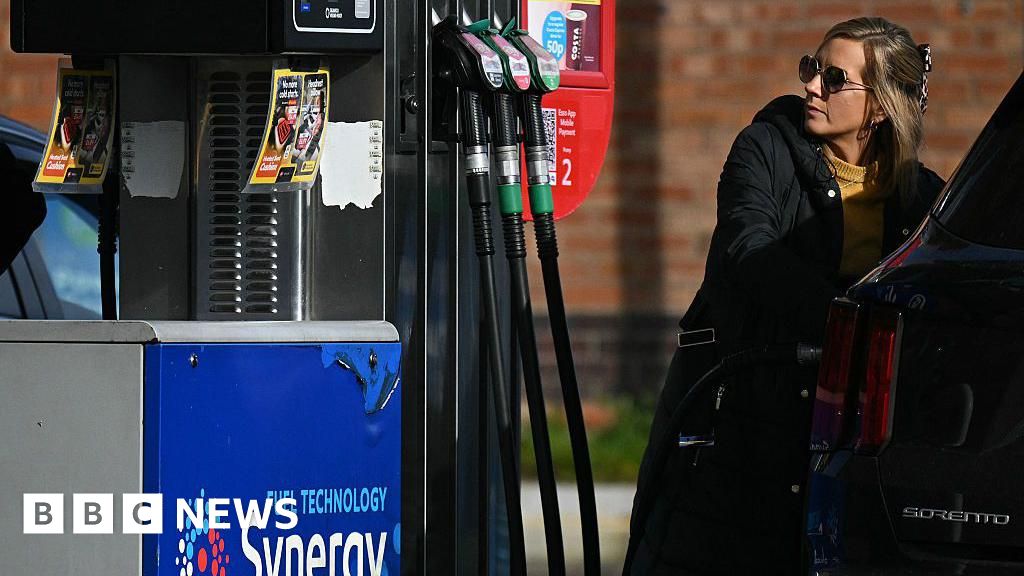
Amid diplomatic and economic turbulence, the UK government under Rachel Reeves is taking a firm stance against what it calls profiteering by energy firms exploiting the crisis. Reeves instructed the Competition and Markets Authority (CMA) to scrutinize fuel price hikes, explicitly warning companies that “she will not tolerate any company exploiting the current crisis to make excess profits at customers’ expense.” Simultaneously, Energy Secretary Ed Miliband has vowed to fight “price gouging,” emphasizing that the government is prioritizing the “cost of living” crisis, particularly impacting households relying on heating oil—whose prices have nearly trebled since the Iran war began. These actions aim to shield consumers from the fallout of geopolitical conflicts, but they also reflect a broader struggle over energy policy—particularly whether the UK should pursue more independence from volatile fossil fuels or continue aligning with international markets fraught with instability.

Adding to the geopolitical complexity, Prime Minister Starmer has announced the UK will *not* follow the US in temporarily waiving sanctions on Russian oil—an unequivocal stance that keeps Britain locked into a harder line against Moscow’s economic influence. Energy Minister Michael Shanks made it clear that the UK cannot afford to give Putin’s regime a free rein, warning that “what we absolutely can’t have is [Vladimir] Putin seeing this as a chance to invest in the war machine.” This divergence from the US approach signals a deliberate effort by Britain to assert its own strategic autonomy, even as global markets respond unpredictably. As Russia claims that lifting sanctions is “inevitable,” the balance of power and economic influence in the energy sector remains sharply contested, foreshadowing a period when nations must choose between cooperation and confrontation, the path to peace and the risk of open conflict unresolved.

With the UK facing economic stagnation, soaring energy prices, and an active military footprint in the Gulf, the international community watches with bated breath as the decisions made today could shape the trajectory of global stability for decades. As the fog of war thickens, the weight of history presses ever heavier—marking a pivotal chapter where every alliance, intention, and strategic move could determine whether nations find themselves—at last—standing on the edge of a new era or stepping into the abyss of prolonged chaos. The story remains unwritten, but the consequences of these choices will echo through generations yet unborn.

Oil prices spike despite historic reserve release deal

The Strait of Hormuz, a vital artery for global energy supplies, has once again become a flashpoint in the ongoing geopolitical tensions that threaten international stability. Recent reports confirm an escalation in Iranian attacks targeting commercial ships navigating this strategic waterway. Experts warn that these incidents could have profound repercussions on world markets and diplomatic relations, emphasizing the fragile balance maintained by international maritime law.

According to sources close to the United States and regional allies, Iranian forces have increased their assaults on merchant vessels, citing broader regional grievances and perceived threats from Western sanctions. Analysts warn that these acts of aggression mark a significant escalation, risking a broader conflict and threatening to disrupt the already delicate flow of oil, which accounts for nearly 20% of global consumption. Historically, control over the Strait has been a strategic objective for various governing entities, but recent events signal a deterioration in diplomatic channels and a move toward aggressive posturing that could ignite larger hostilities.

Global institutions such as the International Maritime Organization (IMO) have issued statements condemning the attacks, urging Iran to refrain from actions that endanger international shipping. However, the geopolitical impact extends beyond maritime safety. The escalation risks emboldening regional power alliances and increasing the likelihood of miscalculation in an already volatile environment. Ongoing strategic analyses by organizations like the Council on Foreign Relations highlight how Iran’s military actions are viewed within a broader context of resisting Western influence, particularly amid ongoing negotiations over nuclear proliferation.

Historian and geostrategic analyst Philip Zelikow warns that the current trajectory could shift the balance of power in the Middle East and redefine global energy security. He underscores that decision-makers in Washington DC, Tehran, and allied capitals are playing a dangerous game, where misjudgment could lead to wider regional conflict or even an open clash. In this tense landscape, every maritime incident underscores the importance of diplomacy and the high stakes attached to maintaining open sea lanes. As international actors weigh options, the world watches with bated breath—each exchange of fire, each diplomatic failure, and each strategic move rewriting the map of influence.

Through the unfolding chaos in the Strait of Hormuz, history reminds us that the course of global events is often dictated by moments of crisis—moments where decisions made in war rooms or diplomatic chambers ripple outwards, shaping nations for generations to come. The question beneath the tumult remains: will the current escalation be contained, or will it ignite a broader conflict that alters the course of history forever?. The answer lies in the decisions yet to be taken, the diplomacy yet to be attempted, and the resilience of a world eager but unprepared for the chaos of unchecked power struggles.

Cocoa farmers in Ghana and Ivory Coast hit hard as chocolate prices tumble

In a decisive move reflecting the shifting landscape of global trade and economic sovereignty, Ghana, one of the world’s leading cocoa producers, has announced a comprehensive set of measures aimed at revitalizing its vital agricultural sector. Historically, Ghana has relied heavily on exporting raw cocoa beans, which are then processed in foreign countries, generating substantial revenue for external economies rather than its own. Recognizing that the health of this sector is intrinsically linked to national wealth, the government’s new policies seek to process more of its cocoa domestically, rather than exporting raw beans for external processing. This strategic pivot underscores a broader trend among emerging nations aiming to maximize value addition and establish greater control over their resource-rich sectors.

This shift responds to both economic pressures and national ambitions, with officials emphasizing that increased local processing will enhance employment, technology transfer, and sustainable growth. The government’s plans include investing in local processing facilities and encouraging foreign investment through favorable policies. Such measures aim to reduce dependency on foreign industries and boost income from higher-value processed products, including chocolate and other derivatives. This approach also aligns with a burgeoning movement among resource-endowed African countries seeking to leverage their natural wealth for long-term economic independence. This move closely follows discussions among international analysts and economic historians who emphasize that resource value chain manipulation often dictates the geopolitical strength of resource-dependent nations. As Dr. John Williams, an economist at the International Monetary Fund, notes, “Countries that control the processing and value addition layers tend to wield greater geopolitical influence.”

However, the decision also signals a potential recalibration of regional and global power dynamics. By processing more domestically, Ghana is challenging established international trade patterns, especially those controlled by multinational corporations based in Europe and North America. Such a shift could disrupt existing supply chains and alter the flow of wealth within the global economy. It also sends a clear message to other resource-dependent nations: sovereignty over your natural assets translates into economic leverage and strategic resilience in an increasingly uncertain geopolitical landscape. Described by some analysts as a form of ‘economic patriotism,’ these policies could inspire further moves among African nations contemplating resource nationalism amidst swelling global tensions.

As history continues to unfold, the international community watches with bated breath. The move by Ghana is more than an economic policy; it is a bold statement on sovereignty and a challenge to the existing global order. With each step towards processing sovereignty, the nation cements its position on the world stage—yet, in the shadow of this burgeoning independence, new risks and rivalries loom. The tide of history is relentless, and as regional powers seek to emulate Ghana’s path, the outcome remains uncertain, leaving the world to ponder: who will control the resource riches of tomorrow, and at what cost to global stability? The story of Ghana’s cocoa revolution is only beginning, and its reverberations threaten to reshape the geopolitical map in ways yet unseen.

US Opens the Door to Easing Russian Oil Sanctions Amid Rising Global Prices Over Iran Tensions

The geopolitical landscape is once again trembling under the weight of empire and ambition, as the United States signals potential shifts in its approach to Russian energy sanctions. Secretary of the US Treasury, Scott Bessent, publicly indicated on Friday that Washington is weighing the possibility of lifting sanctions on more Russian crude oil. This strategic move comes shortly after the US authorized India to purchase Moscow’s oil, a policy adjustment that has coincided with an almost unprecedented surge in global oil prices, which rose over 8.5% in a single day and nearly 30% over the week.

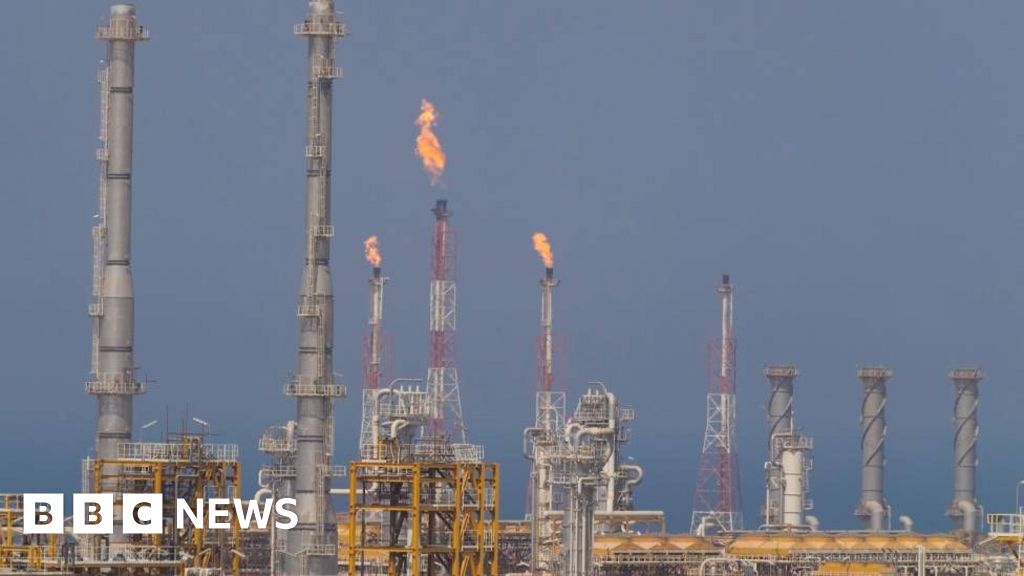
Underlying this volatility is the ongoing conflict in the Middle East, ignited by the resurgent hostilities between the US, Israel, and Iran. The escalation has crippled vital transport routes, most notably the Strait of Hormuz, the world’s most critical energy chokepoint, effectively shutting down a significant fraction of global oil flow. As heavy armored ships of Iran and allied forces threaten international shipping lanes, the price of crude continues its relentless climb, with analysts warning that such instability could push crude above the $100 per barrel threshold, igniting fears of inflationary spirals across economies.

The price surge has not gone unnoticed by international observers. Leading historians and supply-chain analysts warn that this latest escalation could redefine global power structures. The International Energy Agency and other international bodies have expressed concern over the potential for sustained market disruption, with some experts suggesting that the US’s loosening of sanctions could herald a new phase of geopolitical risk. President Donald Trump’s inflammatory remark—claiming that only the “unconditional surrender” of Iran would resolve Middle Eastern hostilities—further fuels instability, making clear that diplomatic solutions remain elusive.

  • Amid this chaos, Washington’s strategic calculus unfolds—balancing between exerting pressure on Moscow through sanctions and maintaining global energy stability.
  • The US Treasury’s recent negotiations aim to prolong relief for global markets by allowing the sale of Russian oil stranded at sea, mostly destined for India, with sanctions eased temporarily until April 2026.
  • Meanwhile, Moscow perceives these maneuvers as Western efforts to undermine its economy, with Kremlin economic adviser Kirill Dmitriev criticizing the sanctions’ impact on the world economy and stating that these measures are detrimental and ultimately counterproductive.

Geopolitical Impact and Societal Consequences

The decisions taken by Washington and its allies carry profound geopolitical implications. By hinting at easing sanctions, the US seeks to introduce a semblance of stability amidst the chaos, but critics argue that such moves could embolden Russia and Iran, further complicating the international order. The intersection of rising oil prices, regional conflicts, and strategic sanctions highlights a new chapter where global powers are willing to recalibrate alliances and economic controls—a clear challenge to a unipolar world dominated by Western interests.

International organizations warn of the societal repercussions, recasting economic pressure as a tool that could lead to increased inflation, energy shortages, and social unrest in vulnerable nations. As the Organization of Petroleum Exporting Countries and other stakeholders grapple with this upheaval, the world watches with wary eyes, contemplating whether this turbulent phase signals a new multipolar era or the beginning of a prolonged conflict that could reshape the global order for decades to come.

As history continues to unfold in this complex geopolitical theater, the decisions made today could reverberate through generations. With each shift in policy, the foundation of international stability is tested—reminding us that in the theater of global power, the outcome remains anything but certain. The weight of history presses down, signaling that the unfolding drama may yet lead to an epoch defining brink—where the true battle for global influence and security is only just beginning.

UK Grocery Prices Jump Unexpectedly as Experts Warn of More Inflation Ahead

Global Geopolitical Shifts and Their Impact on Economy and Society

The world finds itself at a pivotal point, where geopolitical decisions are beginning to reshape the economic landscape and societal fabric of nations. Recent developments highlight a tense international climate, with conflicts in the Middle East threatening to unleash a cascade of economic repercussions that extend well beyond regional borders. Analysts and historians warn that prolonged instability in this volatile region could trigger a surge in energy prices, ultimately undermining the fragile recovery of global markets. The European Central Bank’s chief economist recently underscored these concerns, emphasizing that a “substantial spike” in inflation is probable if the conflict persists, driven by a potential disruption of oil and gas supplies. Such disruptions would not only ignite inflationary flames within the eurozone but could also lead to a *sharp drop in output*, exacerbating economic hardship for ordinary citizens.

The geopolitical impact is profound, as energy security has emerged as a critical vulnerability. The ongoing crisis has already caused oil and gas prices to skyrocket, placing immense pressure on both national economies and households. In the United Kingdom, this energy crisis manifests through escalating household bills and a squeeze on consumer spending, illustrating how decisions made in distant conflict zones ripple into the daily lives of millions. International organizations such as the International Energy Agency have warned of a prolonged conflict’s capacity to destabilize supply chains, with some experts predicting that the effects could last for years, dragging the world’s largest economies into sustained austerity or recession. Historically, similar scenarios—like the 1973 oil crisis—serve as stark reminders of how geopolitical conflicts have long shaped economic trajectories and societal realities, often leaving a legacy that influences international relations for decades.

Economic Consequences and Social Shifts

  • Increased living costs, with groceries becoming more expensive, as rising inflation impacts food prices worldwide.
  • Decline in consumer confidence, prompting shifts in spending patterns—from luxury spending to basic necessities—highlighting societal stress and adaptation.
  • Growing online commerce, which, despite representing only 13% of total grocery sales, signals a transformation in shopping habits accelerated by inflation and the pandemic-era shift toward digital.

Recent reports from market research firms reflect these trends, showing a notable surge in online grocery shopping—up 9.7% year-on-year—indicating that consumers are increasingly turning to digital avenues in response to economic strain. Meanwhile, traditional brick-and-mortar stores like Asda and Co-op experienced drops in sales, confirming a shift away from physical retail. The rising costs are visibly shaping consumer behavior, with data revealing that shoppers are often delaying or reducing discretionary spending, yet still splurging on special occasions like Valentine’s Day and Easter. These moments of consumer resilience underscore how social customs endure even amid economic hardship, but they also foreshadow longer-term shifts as inflation continues to gnaw at household budgets.

From the perspective of international analysts and historians, these collective factors—conflict, energy insecurity, inflation, and social adaptation—are weaving the fabric of a new global era. As the world watches these unfolding events, each decision made in diplomatic halls or crisis zones carries weight beyond immediate outcomes, echoing through financial markets, political stability, and the daily lives of billions. The pressing question remains: how will nations navigate this storm? The answer will likely define the course of history for generations. Ultimately, amid the chaos and uncertainty, the resilience of societies will be tested. The choices that leaders make today could either usher in an era of renewed strength or plunge the world into deeper turmoil—a testament to how intertwined our fates truly are.

Top Women’s Winter Jackets You Can’t Miss — President’s Day Deals Slashing Prices Up to 75%! | Life & Style

After a winter that tested the resilience of many with record-low temperatures and relentless storms, it’s clear that embracing winter wellness is an essential part of a balanced lifestyle. For outdoor enthusiasts and city residents alike, bundling up is no longer just about staying warm—it’s a statement of resilience, self-care, and adventure. Wellness experts, like Dr. Jordan Peterson and outdoor lifestyle influencers, emphasize that investing in quality gear not only protects your health but also inspires a life full of adventure and confidence. From skiing to urban winter strolls, the right apparel bolsters not just physical comfort but fosters an inner sense of empowerment.

Warmth Meets Style: Jackets That Last

In the modern era, personal impact extends beyond mere functionality—it’s about expressing identity and embracing an active lifestyle. Among the top recommendations from seasoned explorers and fashion-forward outdoor enthusiasts are brands like Michael Kors, Lululemon, Patagonia, and Oysho. These brands are redefining winter apparel with designs that offer warmth, durability, and style. For instance, the Michael Kors Faux Fur Trim Belted Puffer Jacket exemplifies the blend of high fashion and utility, now available at nearly 75% off during seasonal sales. Such investments in versatile, long-lasting gear elevate the everyday experience—whether you are commuting or conquering mountain trails.

Active Winterwear for Outdoor and Athletic Pursuits

For the youth seeking to keep active despite the cold, brands like Lululemon have pioneered designs like the Another Mile Jacket. Praised by trail runners and outdoor athletes, this piece is lightweight yet highly insulated, with features like windproof fabric and thumb holes—elements vital for maintaining performance and comfort in extreme weather. Such apparel choices underscore the idea that, with the proper gear, anyone can turn winter challenges into opportunities for adventure and self-discovery, making health and leisure an integrated part of life rather than obstacles.

Investing in Quality for a Lifetime of Experiences

From Patagonia’s Down With It Parka to premium options from Canada Goose, assembling a wardrobe that endures multiple seasons is a conscious choice toward wellness and sustainability. Repair programs offered by Patagonia exemplify a lifestyle that appreciates longevity, aligning with a cultural shift towards mindful consumption. The investment in such apparel dramatically impacts health by ensuring consistent warmth—a crucial factor as you pursue outdoor activities or face cold-weather commutes. Beyond practical benefits, owning high-quality gear becomes an inspiring testament to embracing life’s colder seasons with resilience and style.

  • Research brands that prioritize sustainability and durability for long-term value
  • Layer clothing to enhance comfort and adaptability in fluctuating temperatures
  • Consider technical features like water-resistance and insulation for performance outdoors
  • Seek adventure even in winter to boost mental health and maintain an active lifestyle

In embracing the winter season, the journey transforms into more than just staying warm—it becomes a narrative of self-empowerment, health, and endless exploration. The right jackets and activewear serve as catalysts for a lifestyle that refuses to be subdued by cold days. As cultural voices like author and wellness advocate Mark Manson remind us, “The pursuit of wellness is an ongoing adventure,” and that adventure begins with your wardrobe. When you choose to invest in gear that lasts and empowers, you foster a personal impact that echoes in every invigorating breath of winter air—a reminder that life’s coldest days are just opportunities to embrace the warmth within.

Social Media Auto Publish Powered By : XYZScripts.com