Global Turmoil in the Middle East Sends Ripples Through International Markets and Societies
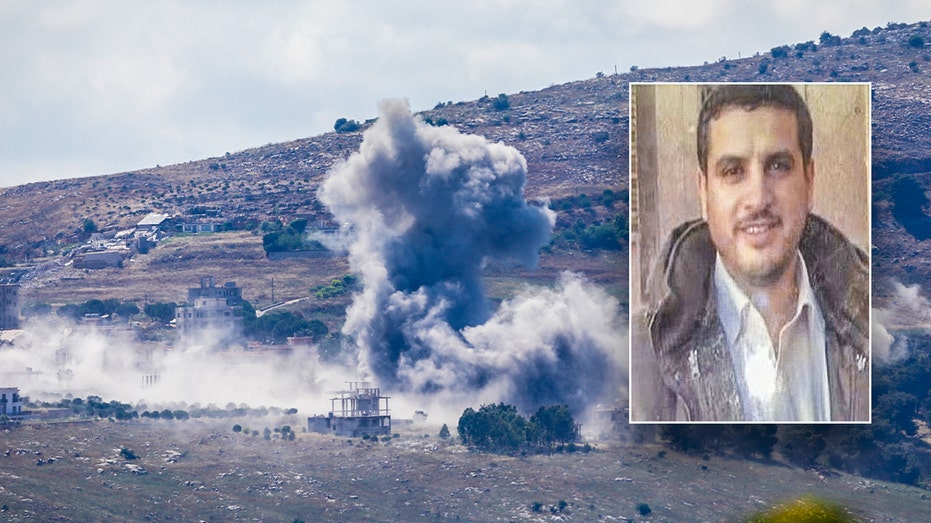
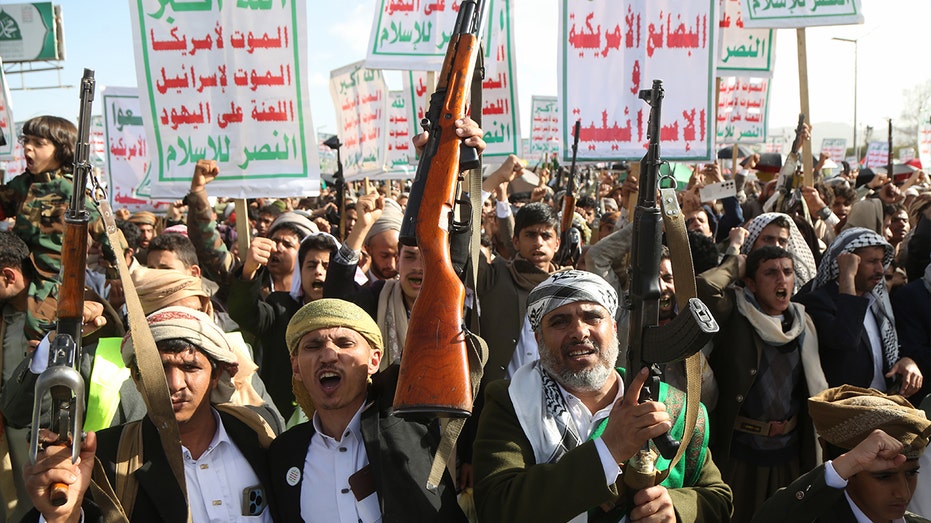
As the conflict in the Middle East intensifies, international corporations and economies brace themselves for the profound geopolitical impact of ongoing hostilities. The latest figures from UK-based retailer Next reveal an expected £15 million increase in costs over the next three months, a direct consequence of the region’s instability. This increase, primarily attributed to surging fuel and air freight expenses, underscores how conflicts far from home can disrupt global supply chains and threaten economic stability. Analysts warn that if the conflict persists beyond the projected timeframe, inflationary pressures could deepen, affecting markets worldwide.
Despite these immediate challenges, Next remains optimistic about its financial performance, having already reported a 14.5% rise in pre-tax profits to £1.16 billion and an 11% increase in sales to £7 billion in the past fiscal year. This resilience, according to economic observers, is partly driven by robust overseas sales and strategic acquisitions, such as Cath Kidston. However, the company’s forward guidance openly acknowledges uncertain medium-term prospects due to the conflict’s potential to impair supply chain resilience, elevate freight costs, and dampen consumer demand in key markets, particularly in the Middle East where the company’s revenue accounts for approximately 6% of its group turnover. In this environment, corporate strategies now increasingly involve stockpiling and leveraging artificial intelligence to mitigate disruptions and optimize operations, reflecting a broader shift toward technological adaptation amid geopolitical chaos.
Meanwhile, global institutions and geopolitical analysts are warning that the conflict’s escalation could trigger a cascade of economic repercussions. The United Nations and World Bank have expressed concern over the destabilization of regional energy infrastructures, which could lead to sustained increases in oil and gas prices and intensify inflationary trends worldwide. Historically, similar conflicts have demonstrated how regional upheavals can morph into global crises, with supply chain bottlenecks and resource wars exacerbating inequalities and threatening social stability across continents. As tensions escalate and the conflict drags on, the world stands on the precipice of an unpredictable economic and geopolitical shift.
In reflection of this volatile landscape, some nations are reevaluating their strategic dependencies, emphasizing energy independence and technological sovereignty. For many, the recent surge in military conflicts points to a broader pattern of entrenching global conflicts that threaten international order. As history attests, the aftermath of such upheavals often leaves an indelible mark on societies, prompting major shifts in geopolitical alliances and economic paradigms. The unfolding pages of history continue to write a story of chaos and resilience, where the choices of leaders and nations today will determine the trajectory of global stability for generations to come. And as the global community watches with bated breath, one truth remains clear: the weight of history is still unfolding, and the future remains uncertain.