Matox News

Truth Over Trends, always!

St. Francis’s bones go on display, sparking pride in Italy’s heritage

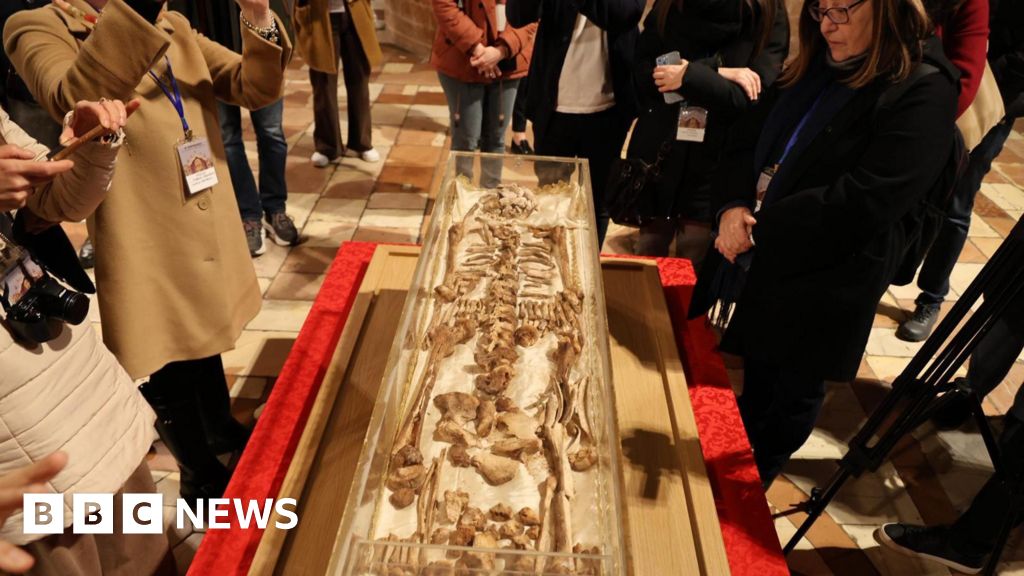
Italy’s Patron Saint Reappears After Decades in Sole Public Display

In a momentous event that has captivated the world’s attention, the remains of Italy’s patron saint were publicly displayed for only the second time in recorded history. The last occasion was in 1978, marking nearly five decades since the sacred relics last appeared for the public. This rare unveiling not only reignited religious fervor across Italy but also drew intense international scrutiny as analysts and historians contemplated the broader geopolitical implications of such a spiritual event in a world increasingly driven by political conflicts and shifting alliances.

Instituted centuries ago, the veneration of this revered relic has historically been a unifying force for the Italian people and a symbol of their enduring spiritual heritage. However, the decision to display the remains now, amidst a fragile geopolitical landscape, underscores as much a declaration of cultural resilience as a subtle assertion of national identity. The timing coincides with mounting domestic and international challenges—ranging from economic strains to regional tensions—and signals a deliberate reminder of Italy’s historical roots and sovereignty.

International organizations, such as the United Nations, and major world powers have watched keenly as this event unfolds. Scholars point out that religious symbolism, especially in Italy—a nation intertwined with the fabric of Western civilization—remains a potent tool of soft power. Some analysts suggest that this public display could serve as a strategic gesture, reaffirming Italy’s cultural independence amid rising global uncertainties. Conversely, critics argue that in an era dominated by digital communication and political upheavals, such traditional symbols may be overshadowed by more pressing geopolitical concerns.

Historians and geopolitical strategists alike have emphasized that how nations choose to preserve and memorialize their cultural and religious icons often reflects underlying shifts in power and societal cohesion. As one seasoned European diplomat noted, “Events like this are never just about faith or history—they encode deeper narratives of sovereignty, identity, and resistance against external nods to cultural erosion.” The re-emergence of Italy’s relics thus signifies more than a spiritual event; it is a living testament to a nation contemplating its place on a turbulent geopolitical stage. As history continues to be written, the world watches with bated breath, aware that moments of cultural revival can often presage significant political shifts. The symbolic relics, quiescent for needs of centuries, now carry an unspoken message: some aspects of a nation’s soul are resilient in ways that transcend borders and conflicts—reminding us that in the chaos of history’s pages, spiritual history remains an enduring, potent force.
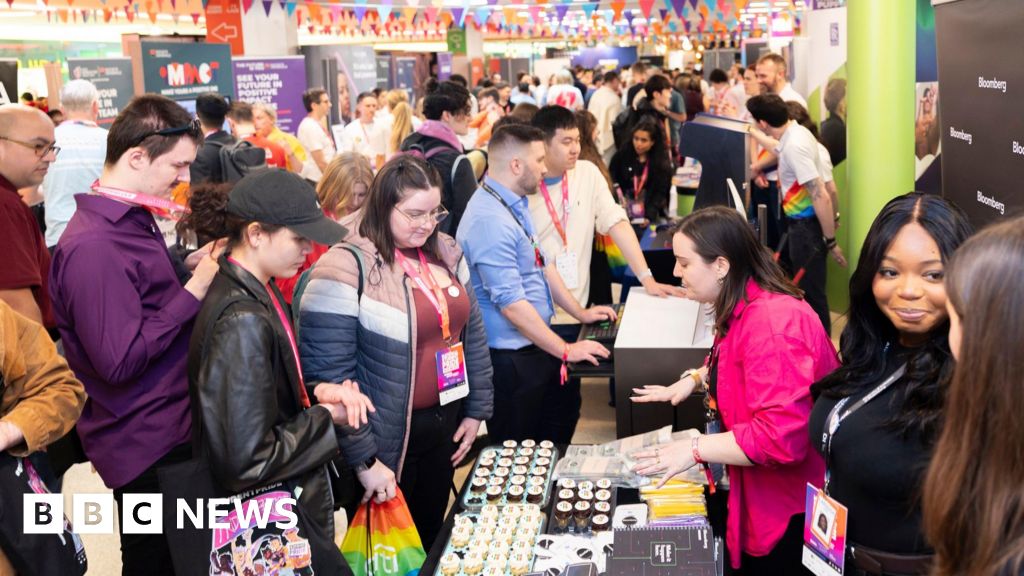
National Student Pride Closes After 21 Years of Fighting for Youth Voices

End of a Community Tradition: A Reflection of Broader Social and Cultural Shifts

The announcement that this weekend’s community event will be its last signals more than just the loss of a local tradition. Organizers have cited a significant decline in sponsorship support over recent years, underscoring a troubling trend of diminished communal investment and engagement. Such events, often rooted in shared cultural heritage and local solidarity, serve as vital touchpoints for building social cohesion, nurturing civic pride, and strengthening familial bonds. Their fading points to a society where economic pressures, shifting social priorities, and demographic changes threaten to erode the fabric that binds neighborhoods together.

As sociologists and social commentators have observed, the decline of community-centered initiatives reflects, in part, broader uncertainties and tensions within society. Economic strains have compelled many families and local businesses to prioritize immediate financial survival over participation in cultural or communal endeavors. Historically, institutions such as schools, local councils, and community organizations have played crucial roles in maintaining social stability and transmitting shared values. However, as these institutions face challenges of funding, relevance, and engagement, the social fabric begins to fray, further complicating efforts to foster a sense of belonging among youth and families alike.

How social issues directly impact families, education, and communities becomes evident when local traditions fade. The absence of ongoing communal events deprives younger generations of generational storytelling, cultural inheritance, and opportunities for active civic participation. This vacuum fosters a sense of disconnection, potentially leading to increased social alienation and polarization. Many social analysts argue that without deliberate intervention and innovative approaches, these losses threaten to deepen societal rifts, undermining the foundational values of shared responsibility and community service.

In examining such decline, some sociologists, like Christopher Lasch, emphasize the importance of *cultural resilience*—the capacity of communities to adapt and preserve core values amid change. Historians point to past periods of social upheaval, noting that renewed community engagement often emerges from intentional efforts to reconnect residents through shared projects and local history initiatives. Moving forward, solutions may involve fostering youth involvement, revitalizing local institutions, and encouraging cross-sector collaborations that prioritize cultural preservation and social cohesion. Only through these concerted efforts can communities hope to bridge the gaps caused by economic and demographic shifts, restoring a sense of collective purpose.

As society stands at this crossroads, the fading of this cherished event serves as a somber reminder of the complex social dynamics shaping our world. Yet, it also beckons us to confront these challenges with hope and resilience—recognizing that the strength of a community lies not solely in its traditions, but in its willingness to adapt, rebuild, and forge new paths toward lasting social unity. In the end, these societal upheavals challenge us to reflect on what it truly means to be a community, and whether we are willing to invest our shared hopes for the future into the causes that bind us—before they, too, become memories of what once was.

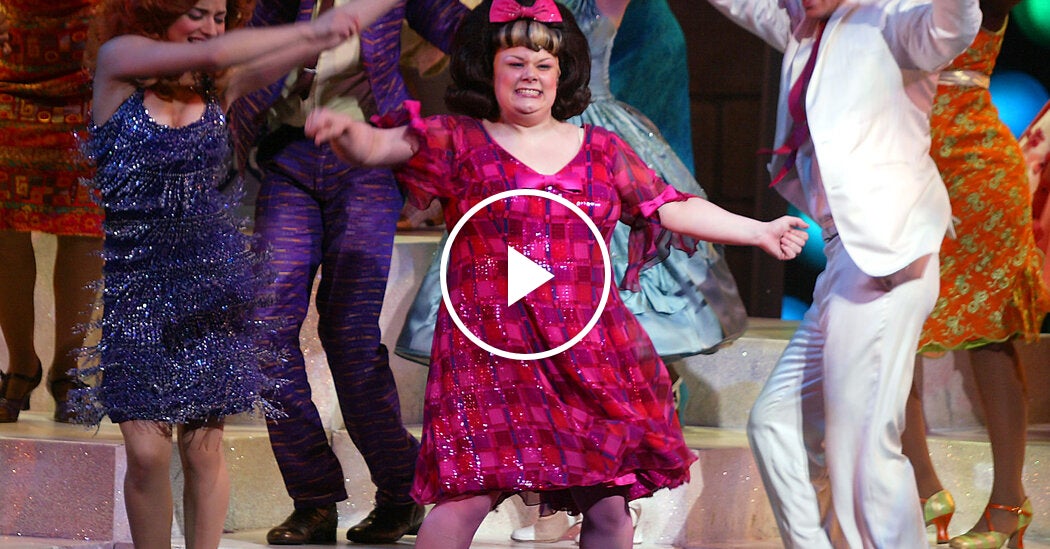
How Composer Marc Shaiman Brought the Heartbeat to ‘Hairspray’—A Youthful Sound of Cultural Pride

In the realm of cultural expression, musical theater stands as a testament to our societal values and collective memory. When Marc Shaiman, the distinguished composer and lyricist, sheds light on the creative process behind “Hairspray”, he offers more than just an inside look at catchy tunes; he unveils a window into the transformative power of cultural artifacts. The songbook that elevated “Hairspray” from mere entertainment to a Broadway phenomenon encapsulates the enduring human desire to reconcile the past with the present, forging identities that resonate across generations.

Such artistic endeavors exemplify how culture functions as a mirror and guide for society. As David Hume insightfully observed, “We are; therefore, we think,” emphasizing that the institutional and creative expressions of a people reveal their innermost convictions. The luminous success of “Hairspray”—a work rooted in themes of acceptance, change, and resilience—foregrounds the importance of cultural symbols in shaping societal consciousness. Like the Jazz Age of the 1920s or the Great Romantic movements, contemporary musical theater charts a course through the tumultuous waters of cultural identity, reaffirming our shared values while confronting societal contradictions.

Historically, critics such as Tocqueville pointed to the delicate balance between tradition and progress, warning that a society disconnected from its cultural roots risks losing its soul. In this regard, the arts serve as custodians of tradition, anchoring society amidst currents of change. Shaiman’s behind-the-scenes revelations remind us that beneath the veneer of modern entertainment lie stories that shape our collective personhood. When we embrace the melodies that echo our triumphs and struggles, we recognize that culture is neither static nor trivial but a vital force that informs our sense of self and our destiny.

As the philosopher G.K. Chesterton argued, “Art is the signature of man,” and in that signature resides both memory and prophecy—an enduring testament to our heritage and a foretelling of what we may become. Through the spirited harmonies of “Hairspray” and others like it, we find that culture persists as an ongoing dialogue, a living chronicle of human hopes, fears, and values. As we stand at the crossroads of tradition and innovation, let us remember that culture is both the index of our history and the compass guiding our future, a luminous thread woven into the very fabric of human existence.

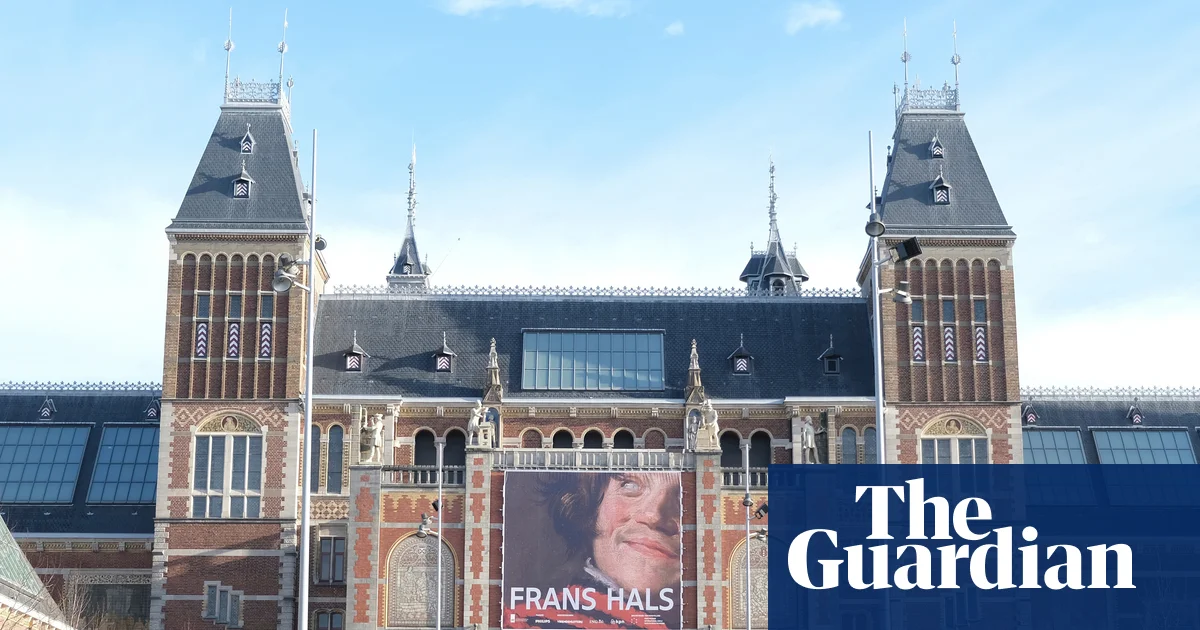
Rijksmuseum Expands South: New Eindhoven Outpost Sparks Cultural Pride

In a move that signifies Europe’s ongoing efforts to balance cultural enrichment with regional development, the Rijksmuseum of the Netherlands has announced plans to establish an outpost in Eindhoven. This decision exemplifies a broader global trend among world-renowned institutions seeking to decentralize cultural access, but it also carries significant geopolitical implications. The planned 3,500-square-meter centre, slated for construction over the next six to eight years, aims to foster local pride while easing the pressure of *overtourism* on Amsterdam’s historic city center, a concern voiced by residents and urban planners alike.

The choice of Eindhoven is as strategic as it is symbolic. Known as a technological hub with deep roots in Philips and semiconductor manufacturing through ASML, the city sits at the nexus of scientific innovation and cultural resurgence. This nexus reflects Europe’s broader geopolitical narrative: an ambition to fortify regional identities and economic resilience against turbulent external pressures, such as migration, global trade disruptions, and shifting alliances. The involvement of the Dutch government and private sector underscores a shared vision for cultural diplomacy that aligns economic vitality with societal stability, especially amidst an era marked by institutional flux.

Looking outward, the expansion of premier museums like the Rijksmuseum and the Louvre reflects a concerted effort by European nations to project soft power globally. The Louvre’s branching into France’s northern territories and the Middle East exemplifies this trend, aimed at fostering international tourism, cultural influence, and economic diplomacy. Analysts argue that such moves are deliberate, serving as tools to reinforce European unity and influence—a strategy increasingly vital amid the rising geopolitical assertiveness of emerging powers. The Global Cultural Institute for International Affairs (GCIIA) and renowned historians suggest that these developments symbolize Europe’s desire to remain relevant in a multipolar world where cultural prestige intersects with strategic interests.

As always, the future remains uncertain. The decisions taken today by European institutions and local governments will inevitably shape the social fabric and geopolitical landscape of tomorrow. The opening of cultural outposts in Eindhoven, and elsewhere, is more than a display of artistic ambition; it is a reflection of Europe’s tentative yet resilient stance amidst a rapidly shifting global arena. The story of these expansions is still writing itself, their impact reaching far beyond the walls of galleries or museums. They serve as stark reminders that in the theater of international power, culture remains a vital battlefield—an arena where nations seek to preserve influence, foster unity, and influence the course of history’s unfolding narrative with every brick laid and gallery opened.

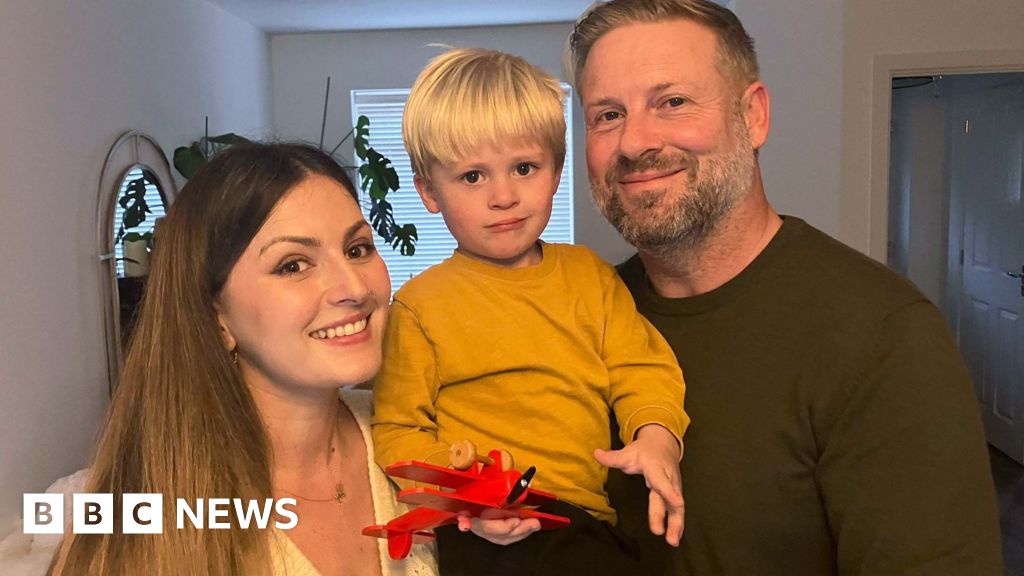
Our boy’s almost three—that’s progress and pride for our future.

Cracks in the Foundation: The Crisis of Childcare and Its Impact on Society

Across communities in the UK, a quiet yet alarming crisis is unfolding — the persistent decline of childcare providers. Families like Monika and Henry Byrne find themselves racing against time, only to face a sobering reality. After their son Leo turns three, they have just six weeks to secure a place in childcare, but many doors remain closed. Despite wielding full-time jobs, their struggle underscores a broader social issue: the shrinking pool of childminders. Official figures reveal a stark reality — the number of registered childminders has plummeted from nearly 48,000 in 2015 to just 26,000 in 2024, threatening the very fabric of accessible early childhood care.

This decline is not merely a statistic; it has profound repercussions on families, education, and communities. As sociologists like Francesca Castellani note, early childhood care is pivotal in shaping future social and educational outcomes. When families are denied affordable and reliable childcare, they are pushed into difficult choices, often sacrificing careers or delaying employment altogether. Judy Wylde, a seasoned childminder, describes a system in disarray — her 35 years of experience, which once allowed her to care for children like her grandson Louie for free, is now compromised by inadequate funding. The funding rate, she asserts, is “atrocious,” forcing her to work at a loss and preventing her from continuing her vital role. Such loss of long-standing community carers signifies more than economic failure; it erodes the social cohesion that bonds families, caregivers, and communities together.

Furthermore, the rising demand for childcare clashes with dwindling supply, forcing families into painful compromises. The government’s expansion of 30 hours of free childcare for children from nine months is a step forward, yet many childcare providers remain unable to meet the demand. Surveys by organizations like Coram PACEY reveal that hundreds of childminders are restricting or opting out of caring for older children, citing insufficient funding as the main obstacle.

  • Childminders work with unique staff-to-child ratios, making their work more flexible but also more costly.
  • Changes in regulations — like relaxed rules on working from community halls — aim to support providers, but many believe these measures do not go far enough.
  • The financial strain pushes small-scale caregivers to the brink, with some making dramatic decisions about whether to continue caring for children at all.

Such challenges signify deeper structural issues. As Hartmut Rosa emphasizes, a society’s social infrastructure — its early years care being a cornerstone — directly influences social stability. When that infrastructure begins to erode, families are left vulnerable, and societal resilience is threatened. The crisis also impacts individual human dignity; caregivers like Georgina Young, who makes gingerbread men with children she’s cared for since infancy, express frustration at working at a loss, feeling undervalued in a sector essential to societal health.

It is clear that reforms are still overdue — for fairer funding, for streamlined regulations, and for policies that recognize and uplift our frontline community carers. Without such measures, the societal cost will continue to grow, manifesting in fewer opportunities for families, compromised education for children, and weakened community bonds. But amidst this turbulent landscape, hope persists. With sustained effort, societal recognition, and moral clarity, society can rebuild its early childhood care system. It can restore the dignity of caregivers, bolster families’ stability, and nurture the future generation with the strength of unity and justice. Society’s challenge now is to remember that the foundation of a resilient, thriving nation rests on the youngest among us — and on our unwavering commitment to care for them from their very first days.

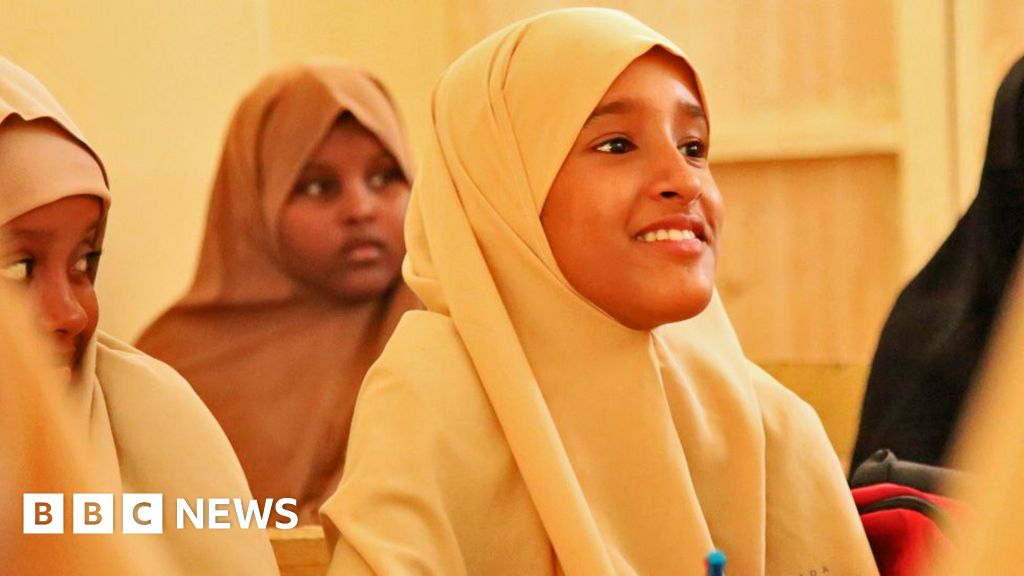
Somalia adopts Swahili in schools to strengthen cultural ties and boost national pride

In a move that highlights a broader shift toward regional integration and cultural identity, Somalia has announced plans to incorporate Swahili into its national curriculum. This development unfolds amid a backdrop of decades of conflict, social fragmentation, and evolving regional dynamics. Historically, Somalia’s education system has been dominated by English at higher levels and Arabic at Islamic schools, reflecting colonial and religious influences. The decision to emphasize Swahili, the lingua franca of East Africa, signals a recognition that language is power—an asset for families, teachers, and communities seeking to rebuild trust, expand economic opportunities, and forge regional bonds.

  • The adoption of Swahili aims to foster regional integration, making Somalia more connected with its East African neighbors and facilitating trade, diplomacy, and education exchanges.
  • Swahili, spoken by over 200 million people, is among the world’s top ten most spoken languages, representing a significant cultural and linguistic bridge for Somalia’s youth and working families.
  • Increased use of Swahili is already evident along Somalia’s southern coast and among refugees in Kenya, many of whom learned the language as part of their adaptation after fleeing violence.

This cultural shift underscores a profound demographic and social transformation. Decades of civil war, which erupted in 1991, have led to social dislocation and an erosion of traditional authority, forcing communities—and especially the youth—to adapt in unpredictable ways. The proliferation of Swahili in everyday life, particularly among those who have crossed borders or served in regional peacekeeping missions, exemplifies how social bonds are evolving outside conventional national boundaries. Leaders like President Hassan Sheikh Mohamud emphasize that cultivating Swahili at academic institutions—especially at the Somali National University—will promote regional cooperation and integrate Somalia’s economy more closely with East Africa’s emerging markets.

Critics and social commentators warn that such rapid cultural shifts could ripple through families and societal structures, challenging long-held identities rooted in language and religion. As Historians note, language is often intertwined with cultural sovereignty; thus, the push to prioritize Swahili may provoke tensions among those who cling to Arabic or English as symbols of religious and colonial heritage. However, proponents argue that this multilingual approach could foster a new generation of citizens equipped to navigate a multi-lingual world—one where economic empowerment and social cohesion depend on linguistic adaptability. Education Minister Farah Sheikh Abdulkadir envisions Swahili replacing English as the dominant language of trade and learning, a move seen as both pragmatic and strategic.

Ultimately, how families, schools, and communities adapt in the coming years will determine whether this linguistic pivot bolsters national unity or deepens cultural fissures. It is a testament to society’s ongoing battle between preserving identity and embracing progress—a confrontation familiar across many nations shaping their destinies amidst modern global challenges. As the sun sets over Mogadishu and a new chapter begins, society stands at a crossroads: will it forge a resilient, inclusive future by harnessing the power of language, or will it find itself divided by the echoes of a past reluctant to fade? In this fragile moment, society’s resilience lies in its ability to envision transformation, not just as empty rhetoric but as a tangible hope—an enduring testament to the human spirit’s capacity to reinvent itself amid chaos and change.

Social Media Auto Publish Powered By : XYZScripts.com