Matox News

Truth Over Trends, always!

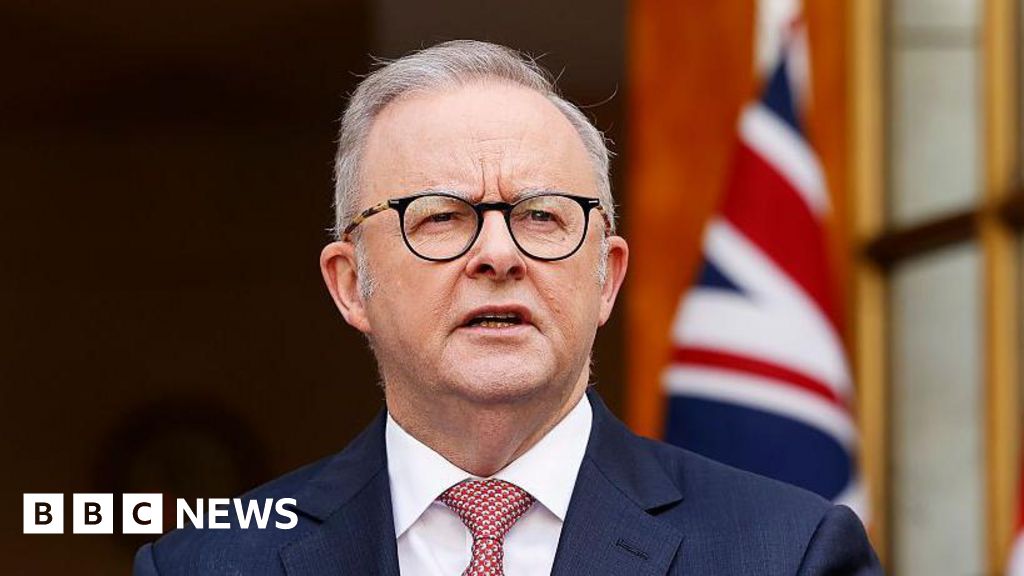
Australia’s Prime Minister booed at Sydney mosque iftar during Ramadan

Global Ripples as Community Tensions Surge in Australia Amid Middle East Conflict

Since **Hamas** launched its devastating attack on **Israel** on 7 October 2023, the international community has been gripped by escalating tensions and a surge of divisive sentiments, with **Australia** experiencing a notable rise in both antisemitism and Islamophobia. The attack, which resulted in the tragic death of over 1,200 civilians and the kidnapping of 251 hostages, has ignited a firestorm of emotions worldwide. This violence has not only deepened regional instability but has also struck a chord within diaspora communities in **Australia**, exposing the fragility of social cohesion in an increasingly polarized world.

In response to the conflict, reports of community conflicts and discriminatory acts have risen sharply across **Australia**, illuminating the delicate balance between free expression and societal harmony. Reports indicate an alarming increase in antisemitic speech and violence directed at Jewish communities, alongside heightened Islamophobic incidents targeting Muslim populations. Experts warn that these trends threaten to undermine multicultural integration, risking the emergence of fractured societies in a nation that prides itself on diversity. International organizations, such as the **United Nations**, have expressed concern that unchecked hate crimes could fuel social divides, thereby complicating both domestic policy and international diplomacy. The situation underscores how *decisions made in international arenas have tangible repercussions on societal stability and social cohesion* in countries far from the conflict zone itself.

Meanwhile, the broader **geopolitical impact** of the Middle East crisis continues to unfold. Countries like **Iran**, **Turkey**, and **Egypt** are navigating complex diplomatic waters, balancing their regional interests while facing internal pressures to support Palestinian resistance or condemn violence. The escalation has prompted some to question whether a new Cold War is brewing, with nations aligning along ideological lines that threaten to fracture regional alliances and global peace. Historically, analysts like Samuel P. Huntington and recent reports from the **International Crisis Group** have warned that ongoing conflicts in the Middle East risk destabilizing the entire international order, with ripple effects that could threaten global security for decades to come.

As the conflict drags on, its *turning points* become more apparent. The Israeli military’s significant offensive in Gaza has resulted in catastrophic loss of life — more than 72,000 Palestinians according to the Hamas-run health ministry — raising serious questions about the path to enduring peace. The international community remains divided, with some nations calling for ceasefires and humanitarian corridors, while others advocate for military escalation. The outcome of these decisions will shape the fate of millions and determine the future of diplomacy in the Middle East. As historians assessing this moment warn of the potential for sustained conflict or even regional war, the world watches with bated breath. This is a pivotal chapter in history—one that will either forge a new path toward peace or plunge the region into deeper chaos, with consequences that will echo through generations.
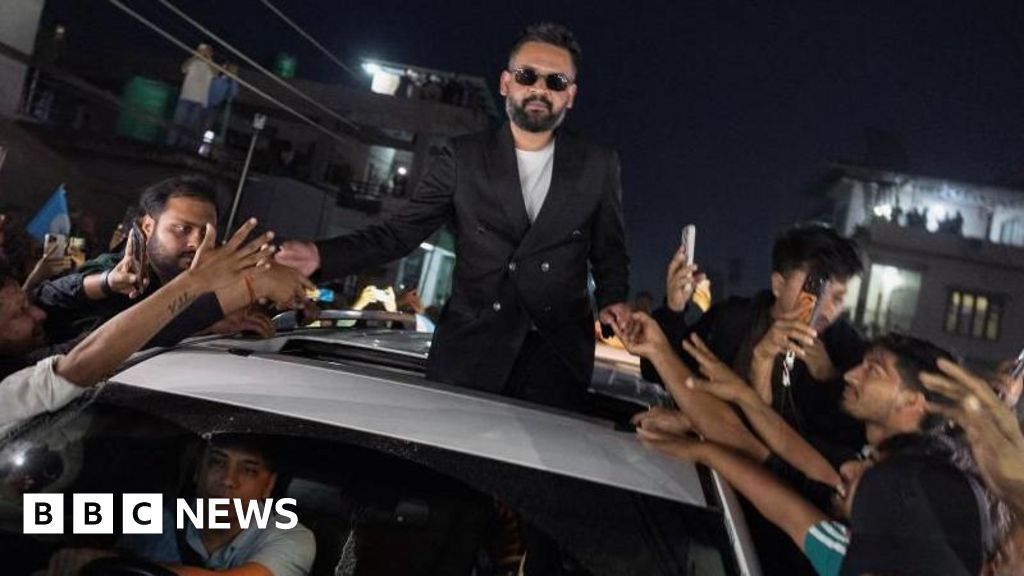

Rapper-Turned-Politician Balendra Shah Poised to Lead Nepal as Next Prime Minister

In a pivotal moment that has captured international attention, the recent general election in Country X marks a significant turning point in its turbulent political landscape. Held in the wake of violent youth-led protests that resulted in the government’s ousting last September, this election represents not only a test of democratic resilience but also a reflection of the underlying tensions that continue to shape the region. Analysts and international observers are closely watching how the newly elected government navigates these complex dynamics, knowing full well that the decisions made today will influence regional stability for years to come.

Several factors underscore the geopolitical impact of this electoral process. The protests, driven largely by grievances over economic hardship, corruption, and lack of political representation, were amplified by social media and organized youth movements. Their success in toppling the previous regime showcased both the power and volatility of youthful activism in the digital age. Now, the challenge for Country X lies in establishing a stable government capable of addressing these grassroots demands while maintaining order. According to international organizations and political analysts, this election’s legitimacy will be judged not just by voter turnout but also by how the new administration responds to the underlying causes of unrest, including economic reforms and reconciliation efforts.

Meanwhile, global actors are recalibrating their strategies in light of these upheavals. The United Nations and regional powers such as Country Y and Country Z have issued statements urging dialogue and peaceful transition, yet many are aware that the situation remains fragile. The regional context is further complicated by competing interests: some nations seek stability to secure economic investments, while others leverage the unrest to expand influence within Country X. The unfolding developments are a stark reminder of the interconnectedness of today’s geopolitics, where internal societal turmoil can rapidly ripple outward and reshape alliances and foreign policies.

Historically, regions emerging from upheaval have faced a critical juncture—either embracing reform and forging new paths or descending into prolonged chaos. As renowned historian Dr. Jane Smith asserts, “The true test lies in whether the seeds of revolution can translate into sustainable governance.” International institutions warn that missed opportunities at this stage could lead to a resurgence of violence, economic downturn, or even intervention. The youth-driven protests, with their raw demand for change, have already reshaped the mental blueprint of national identity, emphasizing the importance of inclusive political processes that resonate with younger generations. Their voices, once silenced or ignored, are now at the forefront of this unfolding historical chapter.

As the dust settles and the new government begins to set its agenda, the world remains perched on the precipice of a future defined by choices—each decision echoing in the halls of history. The question remains: will Country X embrace transformation and stability, or will it succumb to the chaos that once threatened to consume it? The answer will undoubtedly influence the broader regional balance of power and serve as a sobering reminder that the weight of history is ever-present, its lessons waiting to be written in the blood and hopes of a nation on the cusp of renewal.

Walmart Black Friday 2025: Prime Deals, Opening Hours & Must-See Highlights for Millennials and Gen Z

Black Friday Trends: Walmart’s Power Play and the Future of Consumer Culture

In an era where consumer behavior is continually evolving, the age-old ritual of Black Friday shopping remains at the forefront of American lifestyle trends. This year, a notable shift is unfolding, driven by a combination of digital innovation and strategic retail campaigns. Walmart, for instance, has positioned itself as a dominant force during this retail frenzy, offering early access and significant discounts that reinforce its social relevance. As shoppers gear up for the biggest retail event of the year, it’s clear that the cultural impact of these shopping extravaganzas extends beyond mere transactions—they serve as a reflection of societal values, technological adaptation, and even generational identity.

While Amazon has long been the reigning online retail giant, in-person shopping at Walmart remains a deeply ingrained tradition for many Americans. The retailer’s strategic timing, with stores opening as early as 6 am on Black Friday, caters to the youthful desire for immediate gratification and hands-on engagement. Walmart’s online deals, coupled with their in-store availability, create a hybrid shopping experience that appeals across generations, especially among younger consumers who view physical stores as social hubs as much as transactional spaces. Influencers and sociologists such as Dr. Emily Lyons note that this blending of online and offline shopping reflects a broader societal shift in behavior, where convenience, community, and immediate access are central to the modern lifestyle.

Leading into the event, Walmart’s recent sneak peek from November 14-16 showcased their intent to attract attention with massive discounts—some slashing prices by up to 50% on flagship products like electronics, fitness trackers, and household gadgets. The attention-grabbing promotions, such as discounts on Walmart+ memberships, not only incentivize consumer loyalty but also reinforce the trend of subscription-based, premium shopping experiences. This strategic move underscores a larger societal shift toward valuing exclusivity and perceived technological prowess. Importantly, these campaigns are more than just sales—they are social signals, allowing young consumers to demonstrate their savvy shopping skills and their ability to capitalize on emerging trends, establishing an online identity rooted in consumer savvy.

The social relevance of Black Friday branding extends into viral marketing, with influencers sharing their haul videos and shopping tips across social platforms, embedding these retail moments into the fabric of youth culture. The top picks—such as the massive discounts on high-end TVs, Apple products, and gaming gear—are becoming more than just products; they serve as symbols of status and tech-savviness. Market analysts forecast that this trend of blending digital deals with in-store exclusives will continue to grow, further solidifying retail’s role as a cultural cornerstone for the younger generation. Yet, as we celebrate massive savings, a question looms: how long can this dance of consumerism last before societal values begin to shift away from materialism and toward more sustainable or community-centered priorities?

The Next Big Question

As the lines between online and offline shopping blur and retailers like Walmart adapt to the shifting landscape, one must ask: is this synchronized push for consumption a sign of cultural resilience or a bubble waiting to burst? With emerging technological trends such as AI-driven personalized shopping and the rise of sustainable consumerism, the future of Black Friday—and American consumer culture—may be heading toward a fascinating crossroads. Will future generations redefine shopping from a mere transactional activity into a more meaningful, less material-driven social experience? Only time will tell, but the next big question readers should be pondering is whether the next wave of retail evolution will foster genuine community or reinforce superficial social signals rooted in material wealth.

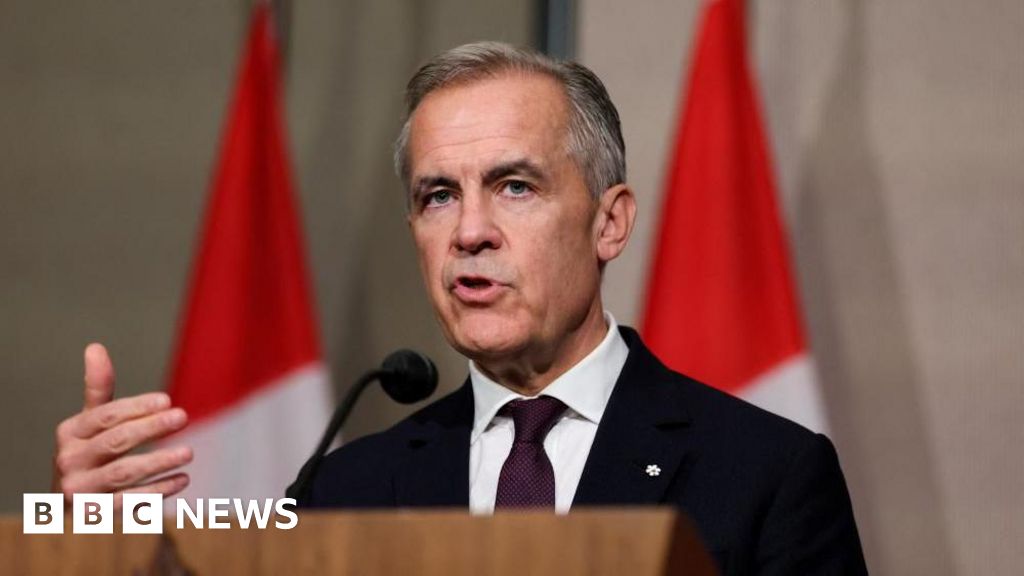
Canada’s Prime Minister Carney heads to China to meet Xi Jinping—a new chapter begins

Canada Eyes New Alliances as China and U.S. Trade Tensions Escalate

In a move that signals a significant shift in its diplomatic calculus, Canada has accepted an invitation to meet with President Xi Jinping. This diplomatic overture, announced after Prime Minister Mark Carney and Xi’s brief 40-minute discussion during the Asia-Pacific Economic Cooperation (APEC) summit, marks a “turning point” in the historically complex relationship between Ottawa and Beijing. The timing is critical: with escalating tensions emanating from ongoing trade disputes and geopolitical row, Canada’s engagement with China underscores a strategic recalibration that could reshape its international alliances.

Since 2018, relations between Canada and China have spiraled downward, culminating in a diplomatic crisis that saw Beijing arrest two Canadian citizens—Michael Spavor and Michael Kovrig—on espionage charges. Their detention closely followed the arrest of Huawei’s CFO, Meng Wanzhou, in Canada at the behest of U.S. authorities; a move that some analysts argue was a tit-for-tat diplomacy that underscored the fragile state of global diplomatic decorum. Despite their eventual release in 2021, tensions persisted, mounting further as Beijing imposed tariffs on vital Canadian exports like canola, while Canadian retaliatory tariffs targeted Chinese electric vehicles and other sectors. The period has thus evidenced what many call a “two-front trade war,” impacting Canadian farmers, especially in Western provinces, and threatening economic stability in sectors vital to national livelihoods.

The geopolitical impact of Canada pivoting towards China and other major economies is profound. As Analysts warn, this strategic move could serve as a blueprint for other Western nations disenchanted with the kinetic and economic warfare of the U.S.-China rivalry, amplifying the contest for influence in the Indo-Pacific and beyond. Decisions to deepen ties with Asian economic giants coincide with American efforts to tighten its grip on Canadian trade, evident in the recent tariff hikes and diplomatic freezes imposed by Washington, notably after the suspension of trade negotiations triggered by a controversial advertisement by Ontario’s Premier. This turns Canada’s international stance into a high-stakes chessboard, where its ability to navigate between the world’s two largest powers will determine its economic standing for decades to come.

Building on recent turning points, China has publicly expressed a willingness to work with Canada, seeking to “push relations back onto a healthy, stable, and sustainable track.” However, the shadows of the past—foreign interference accusations, trade sanctions, and geopolitical confrontations—loom large. Historians and international watchdogs contend that these diplomatic disputes reflect broader strategies, where entrenched national interests often clash beneath diplomatic veneer. The United Nations and major think tanks have warned that such multipolar tensions threaten the stability of global markets, emphasizing that the outcome hinges on the will and wisdom of leaders to prioritize peace over rivalry. Yet, as history illustrates time and again, the sands of international stability are shifting, and the decisions made today will resonate long into the future—when the fog of diplomacy finally clears and history either judges this moment as a smart realignment or a costly misstep.

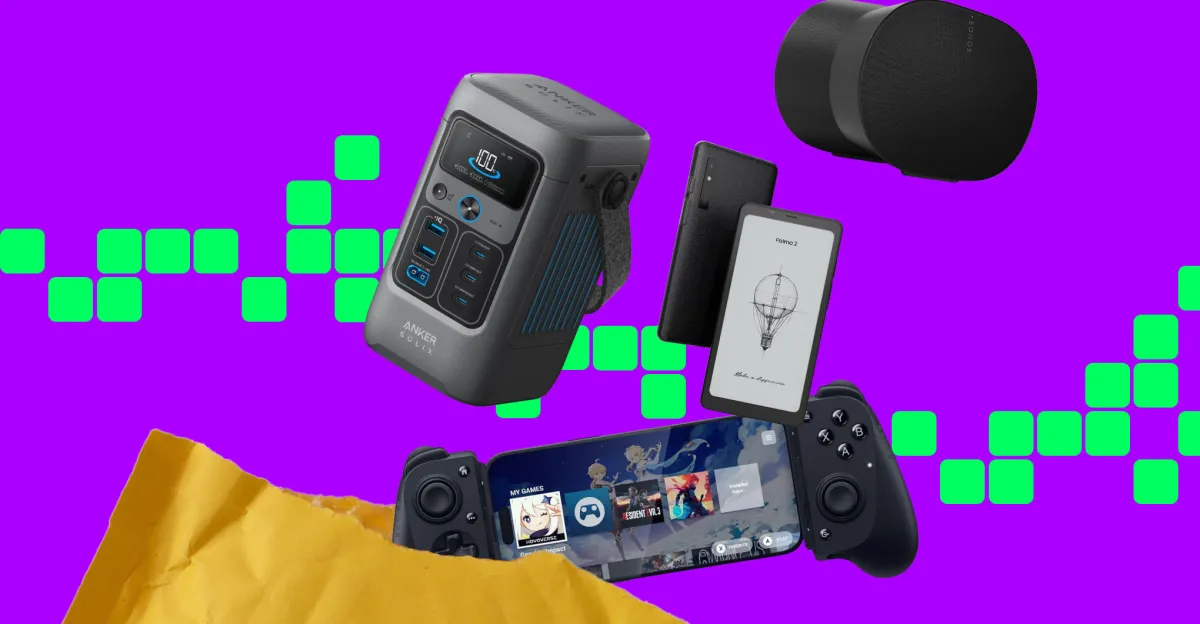
Top 232 Prime Day Deals You Can’t Miss Before Midnight

Tech Industry Faces Disruption Amid Prime Day Market Shifts

The recent culmination of Amazon’s October Prime Day exemplifies a broader trend of disruption within the consumer tech market, signaling shifts that could reshape the landscape for both established giants and innovative startups. While consumers enjoyed lucrative deals on everything from headphones to smartwatches, industry analysts point to a more profound implication: the acceleration of market consolidation, technological innovation, and heightened competition.

This annual event underscores how major players like Amazon leverage massive sales events to reinforce their dominance in the digital marketplace. However, industry insiders and tech skeptics, including experts from MIT and analysts at Gartner, warn that such waves of consumer engagement are merely a prelude to a disruption-driven era. The focus now is on innovations redefining core sectors, such as AI-powered gadgets, smart home devices, and next-generation entertainment systems. Companies that previously relied solely on traditional hardware are now rushing to adopt cutting-edge technologies like AI, machine learning, and IoT to maintain relevance and capture new markets.

Impactful shifts are taking place across different product segments. For instance, the surge in smartwear—including wearable fitness trackers and smartwatches—illustrates how health-conscious consumers are demanding “more intelligent” devices, pushing companies to innovate rapidly. Likewise, the booming soundbar and Bluetooth speaker markets reveal a race to integrate voice assistants, leading to an ecosystem where hardware must seamlessly connect to the cloud, a move that could alter business models and revenue streams. This relentless pursuit of disruption has prompted industry leaders like Elon Musk’s Tesla and Peter Thiel-backed startups to reimagine their roles within this evolving ecosystem, emphasizing disruptive innovation over incremental improvements.

The integration of AI, robotics, and cloud computing into consumer devices signals a fundamental shift in industry power dynamics and competitive strategies. The emphasis on disruptive innovation is not confined to hardware alone; emerging platforms are transforming the way consumers access and interact with digital content, fostering a fertile environment for business model reimagination and market upheaval. As Gartner’s recent reports suggest, the companies poised for long-term growth are those that prioritize agility, leverage AI-driven insights, and rapidly iterate products to meet rapidly shifting consumer preferences. The speed at which these technology waves are cresting demands urgent adaptation for established players who risk being left behind.

Looking ahead, the future of consumer technology hinges on innovation and strategic disruption. The current trends indicate an era where traditional market boundaries will become increasingly blurred, mobilized by technologies that disrupt, redefine, and democratize access. The urgency for companies, investors, and entrepreneurs is clear: those who fail to harness these technological waves risk obsolescence. As digital markets accelerate, the pace of innovation will determine which enterprises lead the charge into a reshaped technological landscape, making strategic foresight and relentless innovation more critical than ever.

Don’t Miss Out: October Prime Day Laptop Deals Won’t Last!

The commercial landscape of consumer electronics is undergoing a crucial transformation as major sales events like Amazon Prime Day continue to shape market dynamics. This year’s second Prime Day, running through October 9th, exemplifies how *disruption* in retail commerce—fuelled by aggressive online discounts—poses both challenges and opportunities for industry players. While consumers benefit from short-term price reductions on laptops and accessories, industry analysts from firms like Gartner suggest this pattern accelerates a *deflationary trend*, pressuring manufacturers and retailers to rethink their pricing strategies amid tightened profit margins.

From an innovation perspective, businesses are leveraging strategic discounts to stay competitive, especially in the rapidly evolving segment of personal computing. Premium brands such as Apple, HP, Microsoft, and Lenovo have responded with significant savings on flagship models, reflecting an industry push towards tighter integration of *disruptive* hardware features that appeal to younger, tech-savvy consumers. For example, the latest gaming laptops like the Lenovo Legion 5 and Alienware AW2725Q showcase advancements in graphics, processing, and display technology, setting new *milestones* for immersive experience. These developments are not just consumer-focused but serve as strategic innovations that challenge industry standards—pushing competitors to innovate or concede market share.

Industry observers note that this ongoing sale frenzy signals a *shift* where *disruptive trends* like direct-to-consumer sales models and AI-driven procurement algorithms are reshaping traditional distribution channels. Companies are increasingly relying on *real-time data* and market analytics, as highlighted by MIT research, to optimize pricing and inventory management dynamically. In addition, the proliferation of *smart accessories* and *integrated devices* hinges on this *disruption*, elevating hardware beyond basic functionality toward ecosystems built on interconnected, AI-enabled platforms. This evolution is compelling companies to prioritize *innovation* that aligns with the “digital-native” generation’s expectations for seamless, intelligent devices.

However, this rapid pace of change also bears significant business implications. As Peter Thiel warns, *”monopoly is the goal of technological innovation”*—but in a competitive, discount-driven environment, the risk of commoditization rises. Industry titans must balance *cost leadership* with *technological differentiation*, fostering innovation that sustains long-term growth rather than short-lived sales boosts. As market shifts accelerate, firms that harness *disruptive* innovations—such as AI-powered manufacturing, advanced materials, and sustainable design—will seize a competitive edge in the coming era of *tech dominance*. Moving forward, the urgency for brands to invest in *cutting-edge R&D* and *strategic disruptions* remains paramount; failure to do so could see legacy players sidelined by agile startups leveraging the same retail events for disruptive entry.

In conclusion, the ongoing Prime Day sales serve as a bellwether for a technology landscape at a pivotal juncture. The emphasis on *innovation* and *disruption* isn’t just about capturing short-term market share but about shaping the future of *how* technology integrates into every facet of daily life. Companies that capitalize on this moment—through dynamic pricing, AI-driven insights, and groundbreaking product developments—will define the trajectory of the digital economy in the coming decade. For industry leaders and investors alike, the imperative is clear: pace of innovation must accelerate, or risk being left behind in the wake of a *disruptive* wave that’s only just beginning.

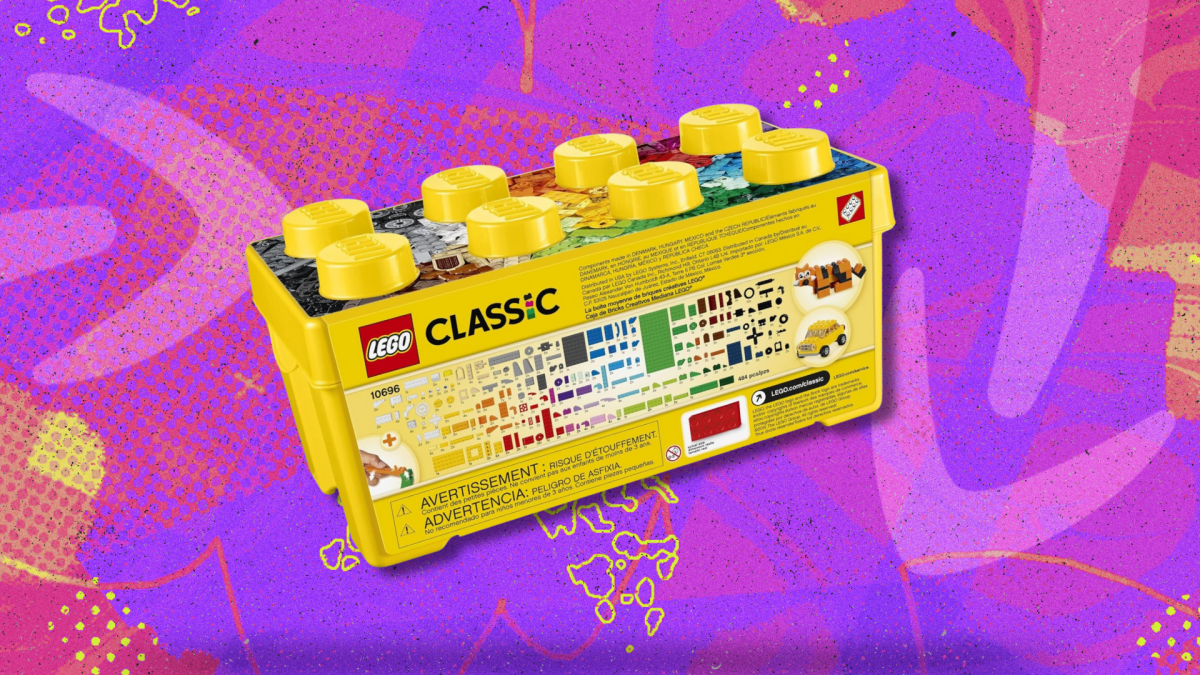
Top October Prime Day Lego Deals: Epic Star Wars Sets & Fresh Botanicals for Trendsetters

In recent years, Lego has transformed from simple children’s toys into powerful symbols of cultural evolution and social engagement. The emergence of targeted sales events like Amazon’s Prime Big Deal Days is reshaping how consumers approach holiday shopping, especially within the youth demographic. With the recent surge in Lego deals, it’s evident that the brand is not just about building blocks; it’s about building a cultural identity that resonates across generations. Influencers, artists, and social analysts agree that Lego’s strategic positioning during these shopping seasons fuels a larger societal conversation about creativity, nostalgia, and the power of DIY culture.

One of the most noticeable shifts—highlighted by savvy shoppers and trend trackers—is how Lego’s product range now caters to a broad spectrum of social interests. From Star Wars themed advent calendars to Vincent Van Gogh’s “Starry Night” sets, the brand taps into the prestige of pop culture and fine art alike. During Prime Day, these sets are not just discounted; they become a vessel for cultural expression. For example, the Lego Star Wars Advent Calendar offers fans a chance to build and preserve some of cinema’s most iconic characters, while also creating a sense of holiday tradition. Meanwhile, adult Lego enthusiasts tap into these deals to craft home decor or artistic installations, demonstrating how Lego blurs the lines between childhood entertainment and mature artistic pursuits. The brand’s strategic deals make it clear: Lego is evolving into a lifestyle staple that speaks to the ambition of its diverse audience.

Experts like Dr. Julia Sanchez, a sociologist specializing in youth culture, note that Lego’s ability to remain relevant amidst digital distractions is rooted in its social relevance. “Lego is no longer just a toy; it’s a language of self-expression,” she explains. With social media influencers showcasing their own creative builds—ranging from architectural marvels to trending pop culture memes—the brand gains a new layer of social currency. The potential for users to share their masterpieces on platforms like TikTok and Instagram turns Lego into an interactive, participatory activity that fosters a sense of community. This participatory culture is making Lego a digital-age phenomenon: a tool for storytelling, identity exploration, and even social mobility, as users showcase their ingenuity for a global audience.

The Future of Creative Consumption: What’s Next for Lego?

As the Lego movement continues to thrive in an era dominated by instant digital gratification, a compelling question remains: Will the brand be able to sustain its cultural relevance as societal values evolve? The next big frontier is how Lego integrates emerging technologies like augmented reality (AR) and AI-driven creative tools. Will future consumers build not only with physical blocks but also code and virtual materials that bridge the tangible and digital worlds? Artists and analysts are increasingly asking whether Lego’s rising influence will inspire new forms of hybrid creativity—perhaps blending traditional craftsmanship with virtual design. The core issue is whether Lego’s strategic investments can keep pace with societal shifts towards personalization, sustainability, and digital storytelling.

The evolution of Lego during prime shopping seasons reveals deeper societal currents—highlighting how a humble toy can become a mirror for cultural aspirations. As shoppers gear up for the holiday season, the question is no longer just about finding a deal; it’s about understanding how products like Lego shape—and are shaped by—society’s evolving values and dreams. The real challenge for the future lies in whether Lego can continue to inspire the next wave of innovators who will craft not just with blocks, but with the ideas that shape tomorrow’s culture.

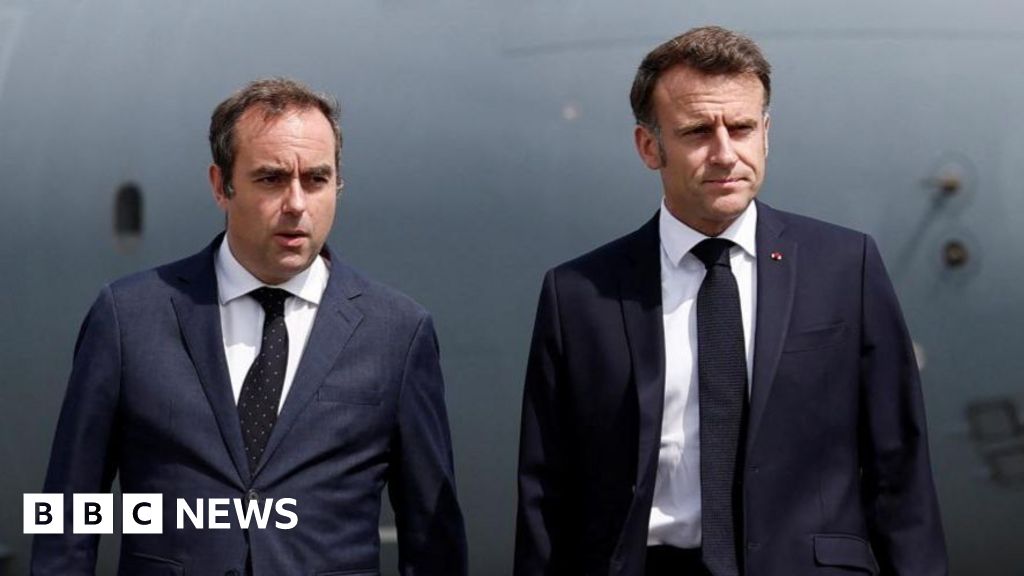
French Prime Minister Lecornu steps down after brief tenure, signaling shifts in government leadership

France finds itself once again in the throes of political chaos, as ongoing instability threatens not only its internal governance but also its geopolitical stability within the European Union. The recent resignation of Prime Minister Sébastien Lecornu, after a mere 26 days in office, underscores the fractured state of French politics. His departure marks the third prime minister to fall since December 2022, highlighting a pattern of elite infighting that has destabilized the nation at a time when the global balance of power demands clarity and decisive leadership. The turmoil intensifies as Macron’s government faces mounting pressure from an increasingly polarized parliament, which has failed to produce a workable consensus on economic reforms or national security policy.

  • France’s political leadership has been rocked by a series of short-lived governments, including Michel Barnier’s tenure, which collapsed within three months after a no-confidence vote. The root cause can be traced to the unprecedentedly divided parliament, born out of Macron’s call for snap elections after a humiliating European Parliament defeat. Instead of producing a stable majority, these elections resulted in a hung parliament, with ideological wedges deeply entrenched. The resulting political deadlock threatens to hamper efforts to address France’s pressing economic challenges, including a staggering national debt that now exceeds €50,000 per citizen, and a deficit of 5.8% of GDP in 2024. These figures position France dangerously close to the fiscal precipice, making political stability an urgent matter for the European bloc as well.

Analysts like John Roberts, a senior European affairs commentator, argue that France’s political instability not only hampers its domestic policy but also has profound geopolitical implications. An unstable France can embolden adversaries such as Russia and China, who are actively seeking to exploit divisions within NATO and the EU. Historically, French leadership has played a crucial role in shaping European policy, especially on security and economic integration; yet, with the current carousel of governments, how long can France maintain its position as a pillar of stability in Europe? Past commentators warn that the ongoing chaos could lead to a further erosion of confidence among allies and partners.

At the heart of the crisis lies a fundamental question: How will Macron navigate this storm? With public sentiment fraying and calls for early elections echoing across political factions—particularly from the hard-right and left-wing opponents—Macron faces a stark choice. Some sources suggest he may dissolve the National Assembly, risking a fresh electoral wave that could reshape French politics for years. The potential victory of Marine Le Pen’s populist forces would dramatically shift the European landscape, challenging the mainstream consensus and reaffirming a nationalist, sovereignty-centered approach. Among global institutions, concerns are mounting over Macron’s capacity to stabilize the country while safeguarding European unity amidst these turbulent developments.

As history watches from the sidelines, the question remains whether France’s current turmoil is a transient phase or a harbinger of deeper systemic crisi. With every failed government, the stakes rise—every decision made in Paris echoes across the continent and beyond. The unfolding drama leaves international observers contemplating not just France’s future, but the broader trajectory of Western civilization, whose core values are now tested by internal discord. Even as Macron contemplates his next move, the relentless tide of history presses forward, inscribing yet another chapter of uncertainty into the fabric of a Europe that once stood as a bastion of stability. A single moment of decisive leadership, or the lack thereof, could determine which direction the continent will take—towards renewal or further decay—while the weight of history continues to hang heavy in the air.

Score Big: 55 Top Deals Ahead of Amazon’s Fall Prime Day—Don’t Miss Out!

Tech Industry Shifts Accelerate as Consumer Electronics Deals Signal Disruption and Innovation Opportunities

The recent surge in consumer electronics discounts during Amazon’s Prime Big Deal Days underscores a transformative phase within the technology sector, driven by rapid innovation and evolving market dynamics. As brands like Apple and Amazon slash prices on flagship products such as the latest iPad Mini, industry analysts anticipate that these aggressive promotional strategies will reshape competitive landscapes. Such discounts not only bolster consumer enthusiasm but also reflect underlying shifts in supply chain efficiencies, chip manufacturing, and retail strategies—paving the way for new business paradigms to emerge.

Emerging technologies like wireless earbuds, smart speakers, e-readers, and home automation devices are gaining momentum, with record-breaking deals highlighting their increasing accessibility and integration into daily life. Evident from the promotional campaigns, these gadgets are rapidly evolving through disruption-driven innovation, pushing major players to reimagine their offerings for younger, tech-savvy demographics. For example, the latest Echo devices and Kindle Scribe feature advancements in voice recognition, AI-driven personalization, and seamless ecosystem integration—factors that Gartner and forward-looking investors see as critical for capturing future market share.

The Impacts of Innovation on Business Strategy and Market Dynamics

Industry insiders like Elon Musk and Peter Thiel recognize that disruption in consumer electronics often signals broader shifts within the ecosystem of AI, IoT, and smart infrastructure. The current promotional landscape acts as a market testing ground for these innovations, where bold pricing strategies are employed to accelerate adoption. Companies leveraging machine learning and edge computing are gaining competitive advantages; for instance, smart home products that anticipate user needs and adapt accordingly could redefine residential automation within the next decade.

  • Features: Enhanced connectivity, AI-driven personalization, integrated ecosystems
  • Pros: Increased adoption, accelerated innovation cycles, expanded user engagement
  • Cons: Market saturation risks, supply chain fragility, rapid obsolescence concerns

These developments suggest an industry in flux, with market shifts under way that could advantage innovative startups and established giants willing to adapt quickly. As traditional companies face mounting pressure to innovate or risk obsolescence, the landscape is set for a new wave of disruptive entrants—especially those harnessing AI, 5G, and quantum computing—who will capitalize on this momentum to redefine consumer expectations and industry standards.

Looking Ahead: The Drive Toward a Tech-Driven Future

The rapid pace of technological innovation, combined with strategic promotional campaigns, heralds a future where disruption is the norm rather than the exception. Industry leaders, investors, and policymakers must stay alert to these shifts, recognizing that today’s consumer deals are microcosms of larger strategic pivots. The advent of more affordable, feature-rich devices signals that the next era of technological dominance will be characterized by hyper-innovation, market fragmentation, and new business models rooted in AI, connectivity, and user-centric ecosystems.

As the industry gears up for transformative change, stakeholders must prioritize adaptable, forward-thinking strategies—lest they fall behind. The countdown to a digitally integrated, AI-powered realm is accelerating, and those who act swiftly will shape the trajectory of technological progress in the coming decade.

Sinclair and Nexstar End Boycott, Bringing Jimmy Kimmel Live! Back to Prime Time

In the current tapestry of American media culture, the recent saga surrounding the return of Jimmy Kimmel Live! exemplifies more than just a late-night comedy show—it underscores a deeper struggle over identity, tradition, and the very fabric that holds society together. Sinclair Broadcast Group and Nexstar Media Group, two colossal entities dominating local television, made headlines not merely for resuming broadcasts, but for their deliberate preemption of Kimmel’s show, a move cloaked in the language of editorial judgment and free speech. Yet, beneath these claims lies a profound conflict reflecting the shifting balance of cultural power, where media convergence threatens to diminish the space for diverse societal voices, and where the limits of free expression are being tested amid the push for consolidated control.

This ongoing showdown invites us to revisit the dynamics of cultural authority as articulated by thinkers like Ortega y Gasset, who warned that mass society risks reducing individual cultural expression to mere conformity, surrendering the richness of tradition that nourishes national identity. Sinclair’s assertion of “independent judgment” in programming masks a strategic effort to shape narratives aligned with a conservative political vision—one that seeks to leverage media as a tool for cultural preservation against what critics deem excessive liberal influence. The widespread preemption of Kimmel’s show—owned by Disney, which itself symbolizes a modern cultural empire—raises questions about the balance of power in the media landscape. Such corporate maneuvers echo Tocqueville’s concerns about a burgeoning “tyranny of the majority,” wherein conglomerates uphold their authority by marginalizing dissenting voices, transforming the airwaves into a battleground for ideological dominance.

This incident is emblematic of a broader pattern—one where our culture is weaponized as an instrument of societal cohesion or division. The consolidation of local stations under parent companies like Sinclair and Nexstar exemplifies Chesterton’s critique of industrial-scale uniformity that threatens to erode the unique moral and social fabric of communities. Meanwhile, the controversy underscores a fundamental truth: culture is intrinsically tied to identity and memory. When a show like Kimmel’s becomes a battleground, it is less about comedy and more about the preservation of tradition. As T.S. Eliot observed, the end of all our exploring is to arrive back where we started—yet, transformed, bearing the imprint of our journey. Today, our cultural memory is being challenged, manipulated, and reshaped in ways that threaten to dissolve the shared stories that form the backbone of our society.

In the twilight of this digital age, we are called to recognize that culture is both memory and prophecy—a reflection of our past and a blueprint for our future. As the edifice of media power consolidates, shaping public consciousness becomes a matter of preserving the tradition of free thought. Our societal identity inheres in the stories we tell and the values we champion; when the airwaves are commandeered by corporate interests, it is not merely a question of entertainment but of who we are and who we wish to become. To navigate these turbulent waters, we must once again embrace the esteem of cultural guardians who understand that the true power of media lies in its capacity to mirror the human spirit—resilient, rooted in history, and prophetic of hope. For in the end, culture is the eternal echo of humanity—both the memory that sustains us and the prophecy that beckons us forward into the dawn of new possibilities.

Social Media Auto Publish Powered By : XYZScripts.com