Matox News

Truth Over Trends, always!

Labour’s plan: Young saplings in prisons, nature zones on military lands

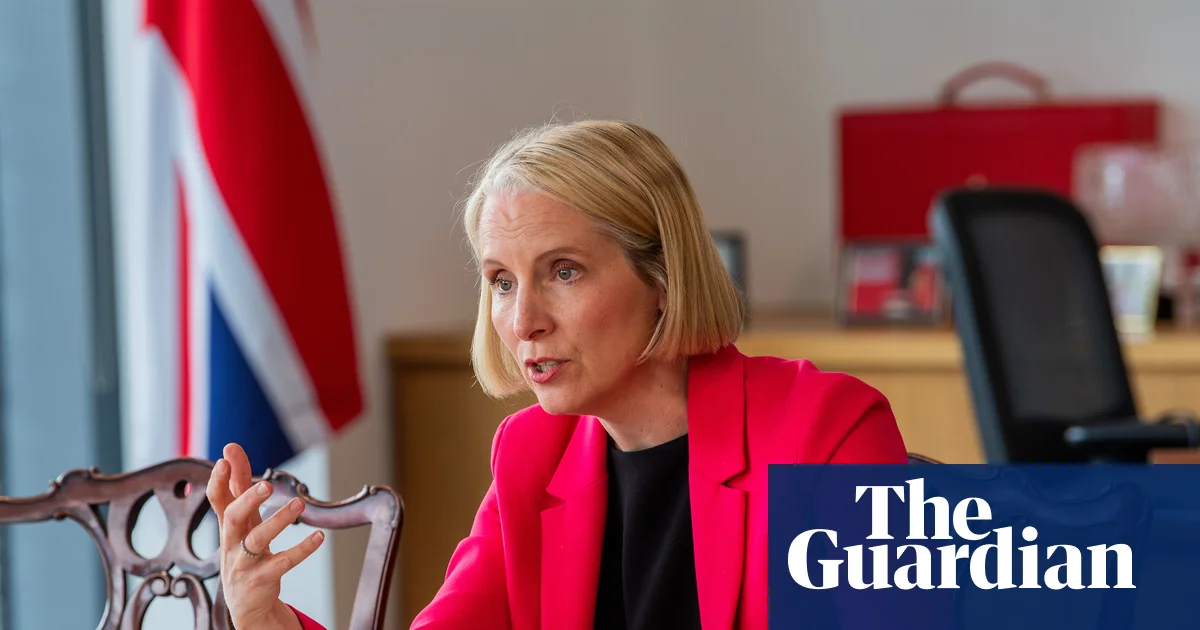
In the current political landscape of the United Kingdom, the struggle for power and ideological dominance continues to define the direction of governmental policies. Recently, the environment secretary Emma Reynolds unveiled an ambitious plan to repurpose government land, including building tree nurseries at prisons and transforming military ranges into natural habitats such as heathlands or peat bogs. This initiative is presented as a decisive step towards making the British landscape more nature-friendly amidst increasing pressure from the Green Party, which is flexing its influence during the upcoming local elections.

This move starkly illustrates the ongoing power struggle between conservative pragmatism and green ideology. While Reynolds’ proposals demonstrate a laudable aspiration to restore natural habitats, critics argue that these policies are a tactical response to political pressure rather than genuine strategic planning. The Green Party, seen by many as the rising force of ecological activism within UK politics, is pushing Labour to adopt increasingly radical environmental stances. This push-and-pull reflects a foundational debate: should environmental reform be a matter of executive action, or does it demand a redefinition of the nation’s broader political priorities?

Constitutional experts have long pointed out that such sweeping land-use reforms raise questions about the limits of governmental authority. Historically, figures like Lord Acton warned that “power tends to corrupt,” emphasizing that decision-making bodies must guard against the temptation of overreach. Today, the power dynamics within UK politics reveal that the fight is no longer merely about land but about who controls the narrative of national identity and future direction. The government’s efforts to embed environmental initiatives within national policy are thus emblematic of a broader struggle to shape the very fabric of the people’s landscape.

Ultimately, these developments exemplify that politics in the modern era remains the ultimate stage where destiny is inscribed. As the political factions jockey for influence, the decisions made today will influence generations—defining not just land use but the moral and ideological compass of the nation. It is clear that the true battle in UK politics is not solely about policies but about controlling the narrative of the future itself. In this arena, the contest for power and ideological dominance continues unabated, echoing the timeless adage that politics is where the future is written amidst the tumult of competing visions.
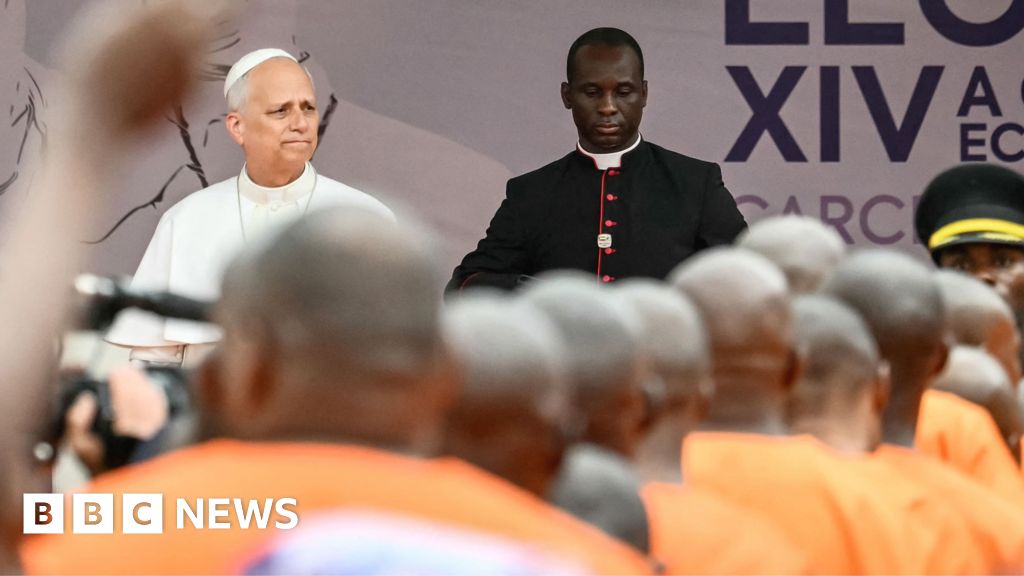
Pope Leo Slams Human Rights in Equatorial Guinea Prisons Amid Africa Tour

In a striking display of diplomatic fervor and moral clarity, the Pope delivered a frank and passionate speech during his recent tour of Africa. This tour, widely watched by international observers, underscores the Vatican’s strategic intent to influence not just religious spheres but also geopolitics across one of the world’s most Dynamic continents. The address came at a pivotal moment, as African nations grapple with an array of economic, social, and security challenges, making the Pope’s message resonate beyond faith, echoing in halls of power and influencing policy debates.

Historians and geopolitical analysts have long noted that such papal visits serve as more than acts of spiritual outreach; they act as catalysts for diplomatic dialogue and soft power projection. The Pope’s appeal to solidarity, moral responsibility, and the promotion of justice signals a conscious effort to shape the intersection of faith and geopolitics in Africa. The speech was delivered amidst a complex landscape of regional conflicts, economic struggles, and fragile political stability—factors that inevitably impact global stability. Major international institutions, including the United Nations, interpret such gestures as vital moments that can sway public opinion, influence aid initiatives, and potentially foster peace in turbulent zones.

  • In his speech, the Pope emphasized the importance of social cohesion and moral leadership in addressing endemic poverty, corruption, and regional conflicts. These messages are seen as a direct challenge to corrupt regimes and external actors who exploit Africa’s resources and vulnerabilities.
  • The speech also touched on environmental issues, calling for responsible stewardship of Africa’s vast natural wealth. This rhetoric aligns with efforts by global powers and multinational corporations whose investments are often contested and frequently criticized for their impacts on local communities.
  • Analysts argue that the Pope’s stance may ignite a new phase of moral activism within Africa, fostering a push for reforms that could redefine relationships between African states and other global actors.

However, the geopolitical impact of the Pope’s visit extends beyond moral appeals. How nations respond to these calls for justice and reform will influence the continent’s future trajectory, as well as global power dynamics. African leaders facing internal dissent may either leverage the Pope’s moral authority to rally support or dismiss it as external meddling. Meanwhile, international organizations such as the UN and African Union remain watchful, recognizing that stability in Africa is pivotal for broader international security and economic prosperity—especially amid the ongoing ripple effects of regional conflicts and the shifting alliances in global diplomacy.

As the echoes of his words fade into history, the true weight of this moment remains uncertain. The continent stands at a crossroads, with choices that will reverberate through generations. The Pope’s passionate plea serves as a reminder that history, with all its complexities and contradictions, continues to unfold in Africa—where every decision is a step toward either chaos or cohesion, liberation or despair. These are not just words—they are the seeds of tomorrow’s legacy.

Social Media Auto Publish Powered By : XYZScripts.com



