Matox News

Truth Over Trends, always!

ChatGPT launches $100/month Pro plan—powering the next-gen user experience

OpenAI Introduces Enhanced $100 ChatGPT Pro Tier Amidst Industry Disruption

In a significant development that underscores the rapid evolution of the AI landscape, OpenAI has announced a revamped version of its ChatGPT Pro subscription priced at $100 per month. This move not only signifies a strategic effort to harness increased revenue but also signals innovation in user experience and enterprise-level offerings. The new tier provides 5x more usage of its Codex coding tool compared to the previous $20/month Plus plan, catering to developers and professional users demanding higher throughput for complex coding tasks. OpenAI states that this tier is optimized for “longer, high-effort Codex sessions,” thus addressing an emerging segment of power users whose productivity hinges on robust AI tools.

Disrupting Industry Norms: Competition and Market Shifts

This strategic upgrade comes amidst intensifying competition from players like Anthropic with their Claude Code tool, which has gained popularity for its impressive performance. OpenAI’s move to scale up its offerings with a more capable Pro tier indicates an aggressive push to retain market dominance in the AI coding space. The $100 Pro tier is positioned as a middle ground, bridging the gap between the baseline $20 ChatGPT Plus and the premium $200 Pro option. Such tier segmentation reflects a broader industry trend toward flexible, tiered SaaS models—designed to attract a wider customer base ranging from casual users to enterprise clients.

Business Implications and Industry Impact

The introduction of *two distinct Pro tiers* underscores OpenAI’s recognition of diverse user needs. While the standard Pro still offers all features, the more expensive version incorporates higher usage limits, positioning OpenAI as the platform of choice not just for casual, but heavy-duty users. These enhancements could disrupt traditional coding and AI development workflows, necessitating a reevaluation of how businesses integrate AI into their core operations. As noted by industry analysts from Gartner and MIT, the proliferation of accessible yet powerful AI tools is poised to drastically alter enterprise productivity and innovation cycles.

Looking Ahead: Urgency for Innovation

This strategic expansion by OpenAI emphasizes a broader industry acceleration, where disruption is accelerating via innovation. With competitors like Anthropic advancing rapidly and other tech giants investing heavily in AI, the market is on the cusp of a new era of hyper-competitiveness. Technologies such as Codex and Claude are just precursors to a future where AI-driven coding and automation will become integral to business success. Stakeholders and developers must remain vigilant; those who harness these innovations early will secure competitive advantage in an increasingly AI-centric economy.

In summary, OpenAI’s strategic move to escalate its subscription offerings exemplifies a dynamic shift towards higher performance, flexibility, and enterprise readiness. As AI continues to disrupt traditional sectors, the race to develop more powerful, accessible, and versatile tools will define the next wave of technological revolution. Industry participants and investors alike should prepare for an era where agility, innovation, and disruption are imperative to thrive in the rapidly evolving AI universe.
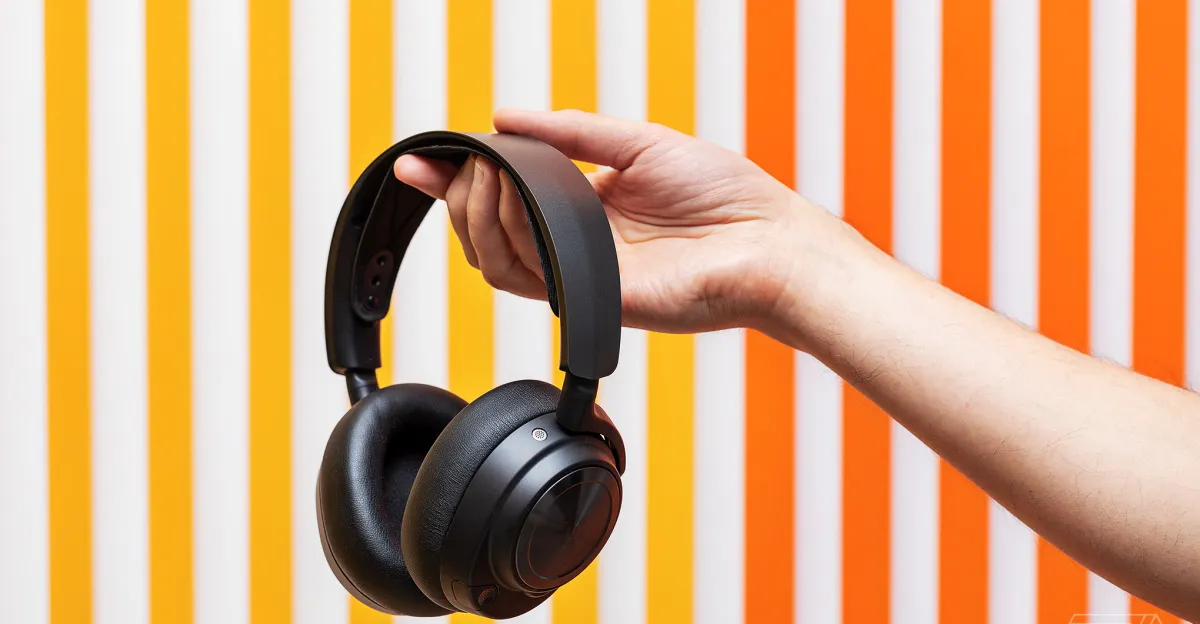
SteelSeries Nova Pro Wireless drops $80 — the ultimate upgrade for gaming on the go

In an era where technological innovation continually disrupts the gaming accessory landscape, SteelSeries has demonstrated formidable staying power with its Arctis Nova Pro Wireless. Released nearly four years ago, this device challenges industry norms—not just through its longevity, but through an impressive integration of features that set a high bar for competitors. Combining multi-source audio capabilities, active noise cancellation, hot-swappable batteries, and an adjustable design, the Nova Pro Wireless exemplifies disruption that redefines what gamers expect from premium headsets. Despite the rapid pace of evolution in consumer tech, SteelSeries’ commitment to innovation solidifies its position as a market leader amid the din of emerging startups and established players alike.

The headset’s staying power can be attributed to its deep understanding of user needs and technological mastery. High-profile reviews from The Verge underscored the product’s extensive feature set, emphasizing the seamless integration of multiple audio sources and ergonomic design. Such features resonate with a new wave of gamers demanding versatility, comfort, and premium sound quality—factors that are accelerating the shift toward dedicated gaming peripherals as essential components of the digital lifestyle. More recently, SteelSeries introduced the Nova Pro Elite, a premium iteration priced at $599.99, boasting an upgraded build and hi-res audio. However, industry analysts suggest that the original Nova Pro Wireless, typically retailing at around $379.99 and now discounted to under $300, offers a far more accessible yet equally effective solution that appeals to a broader audience.

This product evolution signals more than just consumer preference—it highlights a broader shift in industry dynamics. In a market increasingly influenced by big tech investments, companies like SteelSeries are proving that disruptive innovation still thrives within niche segments. The gaming peripherals industry, encompassing headsets, keyboards, and mice, is becoming a proving ground for *next-generation* technology; concepts like active noise cancellation, multi-device connectivity, and hot-swappable components are now standard expectations rather than luxury features. Such features are no longer exclusive to high-end devices, they are becoming the baseline as manufacturers innovate to outpace rivals and capture a fiercely competitive market. Experts from Gartner and MIT emphasize that this rapid pace of product refinement is characteristic of a sector where *disruption accelerates the adoption of high-tech solutions*, forcing competitors to rethink traditional models and prioritize agility and innovation.

Looking forward, the implications for the gaming headset industry—and tech markets at large—are profound. As digital ecosystems expand and consumer demands evolve, companies that leverage cutting-edge innovation and disruptive approaches will define future success. SteelSeries’ ongoing evolution with products like the Nova Pro Wireless exemplifies the importance of bridging quality, features, and affordability—a strategy that could set a precedent for tech firms aiming to lead in a congested marketplace. With industry giants, startups, and tech giants alike investing heavily in immersive, wireless, and multi-sensory experiences, the next wave of disruptive innovation is coming fast. Investors, developers, and consumers should be prepared; the future belongs to those who can balance innovation with strategic disruption, forge new standards, and quickly adapt to shifts in the digital terrain.

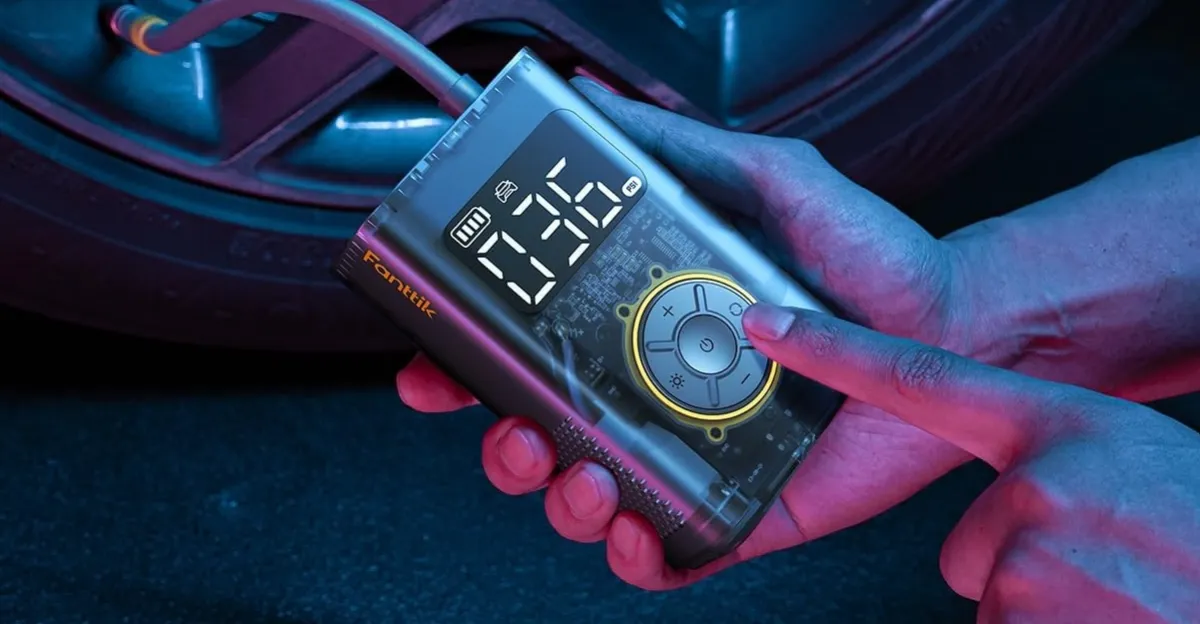
Fanttik X9 Pro Portable Tire Inflator Hits Lowest Price in Months—Perfect for Young Tech Enthusiasts

Innovative Portable Pump Disrupts Automotive Accessories Market

In an era where *smart mobility* and *personalized convenience* are transforming the automotive landscape, Fanttik has emerged as a noteworthy player with its latest portable inflator, the X9 Pro. This device exemplifies the essence of technological disruption—offering a compact, highly functional solution that integrates seamlessly into the modern consumer’s toolkit. Capable of inflating a typical car tire from 30 to 35 PSI in approximately one minute and boasting a maximum pressure of 150 PSI, the X9 Pro underscores how *innovation can redefine even the most mundane tasks.* As urban populations seek efficient, portable, and user-friendly tools, Fanttik’s device positions itself at the forefront of the *future of personal vehicle maintenance*.

The X9 Pro’s design reflects a key trend in *progressive product innovation:* lightweight, versatile, and intuitive. Weighing about a pound, the pump’s slim profile incorporates built-in storage for its accessories, including adapters for various valve types—features that facilitate on-the-go use for a wide array of inflatables, from SUVs and bikes to sports balls. Its *USB-C rechargeability* ensures quick power refreshes, allowing up to 23 minutes of continuous operation—more than enough for multiple inflations or in-field repairs. The device’s ease of operation, with four preset modes tailored for cars, motorcycles, bikes, and balls, followed by a manual override option, exemplifies an understanding of *user-centric design* that aligns with industry trends emphasizing simplicity and smart automation.*

  • Real-time digital display showing current tire pressure, target PSI, and battery life
  • Automatic shut-off feature to prevent over-inflation and conserve power
  • Multifunctional: capable of inflating various inflatables beyond automotive use
  • Portability and ease of use make it ideal for roadside assistance, outdoor activities, or daily use

From a business perspective, Fanttik’s innovation resonates within the growing *automotive lifestyle* sector, where *disruption* is driven by compact, IoT-enabled devices capable of competing with traditional, bulkier equipment. Industry analysts, such as Gartner and MIT scientists, emphasize that *the integration of smart features and mobility-focused design* signals a shift toward *personalized, on-demand vehicle maintenance solutions.* The X9 Pro’s user-friendly automation and portability challenge established brands that rely on fixed or high-maintenance products. This shift could herald a wave of new entrants disrupting the $X billion automotive accessory space, requiring incumbent companies to innovate or risk obsolescence in a fast-evolving landscape.

Thought leaders like Elon Musk and venture capitalist Peter Thiel have long championed the importance of disruptive innovation—highlighting that “those who build the future will be those who challenge the norm.” The X9 Pro embodies this philosophy by shrinking the once cumbersome car pump into a sleek, connected device—favoring *disruption over convention*. As more consumers demand *integrated smart tools* powered by advanced batteries and digital interfaces, companies that can anticipate and lead this wave will secure significant market share. The challenge for incumbent firms lies in their ability to adapt swiftly, harnessing emerging technologies such as *AI, IoT, and advanced battery chemistry* to elevate product offerings.

As the landscape accelerates towards increasingly interconnected and intelligent devices, the significance of innovations like the Fanttik X9 Pro cannot be overstated. They signal a pivotal shift in *how future consumers will interact with their vehicles and related accessories.* With larger manufacturers and startups competing fiercely in this space, the pathway forward is marked by rapid innovation, strategic disruption, and a relentless pursuit of *convenience*. The coming years will likely see this trend intensify—pushing the boundaries of what tomorrow’s automotive accessories can accomplish. For tech leaders and investors, the message is clear: those who act decisively today will shape the mobility solutions of the future—with opportunity knocking loudly for pioneers willing to challenge the status quo.

Ultrahuman fires up U.S. expansion with Ring Pro as Oura doubles down on dominance

Ultrahuman Strikes Back: Innovation and Disruption Reshape the Wearable Tech Arena

In a rapidly evolving landscape of health and wellness wearables, Ultrahuman, an emerging Bengaluru-based health-tech startup, is making formidable strides to recapture its foothold in the lucrative U.S. market. After enduring setbacks stemming from a patent dispute with Oura and restrictions imposed by the U.S. International Trade Commission, Ultrahuman’s recent approval for its redesigned Ring Pro marks a pivotal turn towards industry disruption. The company’s strategic focus on innovation — notably its revamped unibody metal structure, enhanced battery life, and advanced on-device processing — exemplifies how startups are challenging incumbents and reimagining wellness wearables.

The disruption in the market signifies more than product innovation; it represents a paradigm shift in how health data is captured and leveraged. Ultrahuman’s efforts to rebuild its supply chain, coupled with the U.S. Customs approval, are strategic responses to a tough regulatory environment that has hampered its growth. Industry observers, including Gartner analysts, emphasize that such agility in overcoming legal barriers signals a broader change: nimble startups with superior technology can bypass traditional limits, intensifying competition for market share. As Ultrahuman prepares for a U.S. relaunch with pre-orders starting at $399, the company’s push for dominance underscores a clear narrative: innovation driven by secrecy-breaking tech is key to disrupting long-standing leaders.

Meanwhile, the competitive tension heats up as Oura has expanded aggressively into new markets, notably India — a crucial battleground for future dominance. With the entry of Oura’s Ring 4 into India’s nascent market, Ultrahuman’s CEO Mohit Kumar remains optimistic about long-term prospects. He recognizes that increased competition can catalyze awareness and adoption in emerging markets, but the core battleground remains the U.S., representing nearly half of Ultrahuman’s global active users. The strategic importance of these markets is underlined by industry insights: data suggests wearables that innovate at the biomarker level, rather than simple fitness metrics, will lead the next growth wave.

With plans to expand beyond smart rings, Ultrahuman hints at future devices targeting different biomarkers — potentially revolutionizing personalized health monitoring. As ultra-competitive startups continue to innovate, the industry ecosystem faces a wave of disruption reminiscent of the early days of tech giants like Apple and Tesla. Market leaders, long accustomed to being unchallenged, now confront a *trend* where rapid iteration, legal combat, and immediate market entry redefine success. Experts warn that without sustained innovation, incumbents risk obsolescence as startups with cutting-edge hardware and integrated data analytics reshape consumer expectations.

Looking ahead, the convergence of regulatory agility, breakthrough hardware design, and expanding global markets promises a period of rapid transformation in the wearable technology sector. Companies that embrace innovation, disrupt traditional business models, and anticipate emerging trends will be best positioned to seize the opportunities ahead. The ultrafast pace of technological evolution demands that established players and emerging startups alike accelerate their innovation cycles, or face the trajectory towards obsolescence. As Ultrahuman’s comeback illustrates, in the battle for the future of health tech, the only constant is disruption — a phenomenon that will dictate market leaders in the years to come.

Jess Cartner-Morley on Fashion: Primary Colors Are Back — But Styling Them Like a Pro Isn’t Child’s Play

Colorful Revival: The Bold, Bright Trend Shaping Youth Fashion

In a world where fashion often mirrors societal shifts, the recent resurgence of primary colors signals a fascinating shift in social attitudes toward self-expression and authenticity. Moving away from a decade-long dominance of muted tones like navy, grey, and black, the latest runway shows and street style icons suggest that bold, uncomplicated hues are leading the charge. High-profile designers at Paris Fashion Week, including Celine and Loewe, showcased ensembles that celebrate eye-catching shades—think blue and red rugby shirts, yellow trench coats, and vibrant, pop-art inspired dresses. This shift not only sticks out visually but carries significant cultural weight, symbolizing a desire for confidence and clarity in a complex world.

What makes this color revival particularly compelling is its social relevance. Fashion analysts note that these striking hues act as visual *loudspeakers* of authenticity, especially among younger demographics seeking to stand out amidst digital noise. Influencers like Camila Coelho and Emma Chamberlain have embraced this palette—pairing bright skirts with crisp white shirts or eye-popping knits with denim—to create looks that are both accessible and aspirational. Experts like sociologist Dr. Liam Carter observe that monochrome minimalism has evolved into a desire for “visual vibrancy and genuine self-representation,” with color becoming a tool to express individual identity without overcomplication.

Tricks of the Trade: How to Wear Bold Colors with Style and Subtlety

While runway designs lean into pure simplicity, translating this trend into everyday fashion requires a bit of finesse. Stylists recommend using neutral or denim tones to temper bright hues. For instance, wearing a luminous red knit with classic jeans provides a perfect balance—you enjoy the statement look without it feeling overwhelming. Texture also plays a major role: a blue brushed mohair or yellow rich crepe can make bold color appear more grownup and refined. Accessories offer an easy way to dip into this trend; chunky earrings with interesting hardware or oversized belts in primary shades can add flair without overcommitting. The key is scale and confidence, as expert stylists emphasize that shaped, confident silhouettes in primary colors command presence, transforming what might seem “shouty” into a deliberate style choice.

From streetwear to high fashion, the social relevance of this color comeback extends beyond aesthetics, challenging perceptions of what “dressed up” or “bold” actually means. As society becomes increasingly fragmented and digital communication more vibrant, fashion’s embrace of simplicity in color—yet boldness in intent—signals a push for authenticity and visibility. However, the question remains: how long can this trend sustain itself before it morphs into a new phase? Will the next iteration bring a return to muted refinement, or does the current movement signal a permanent shift towards color as a core element of self-expression? The landscape of youth fashion, it seems, is at a pivotal crossroads, asking us to consider whether the future of style is about blending vibrancy with purpose or embracing a perpetual cycle of change.”

ARC Raiders steps up its game by swapping AI voices for top-tier pro voice talent—set to elevate the game’s vibe for the next gen

In what can be seen as a remarkable reversal of AI dominance in creative industries, recent developments in the gaming world highlight an unexpected resurgence of human voices. Embark Studios CEO Patrick Söderlund revealed to GamesIndustry.biz that despite the initial reliance on artificial intelligence for character dialogue in their hit game ARC Raiders, they made a conscious decision to replace AI-generated voices with professional voice actors. The studio’s move underscores a critical question: does human craftsmanship still hold unchallenged sway over AI when it comes to emotional authenticity and quality?

The studio’s decision was driven primarily by quality concerns. Söderlund admits that “There is a quality difference. A real professional actor is better than AI; that’s just how it is.” This confession signals a significant shift, especially as the gaming industry often champions AI for cost-cutting and efficiency. Despite the impressive sales—14 million copies sold on Steam in February and over 6 million weekly active players—the critics have pointed out a flaw: the initial text-to-speech dialogue felt clunky and harmful to immersion. Such criticisms serve as a powerful reminder that, no matter how advanced AI becomes, it still struggles to replicate the nuanced delivery of seasoned voice talent.

The implications extend beyond gaming. AI-driven content creation is rapidly infiltrating various cultural domains—music, art, film—prompting a debate over the social and ethical ramifications. On one side, proponents emphasize the cost-saving benefits and the potential to democratize artistic expression, enabling creators with limited resources to produce compelling work. Conversely, critics—including sociologists and industry veterans—warn that an overreliance on AI could erode the social fabric of creativity and threaten the livelihoods of human artists. The ongoing tug-of-war reveals a much larger cultural impact: a society grappling with the value of human experience versus artificial efficiency.

Interestingly, Embark Studios’ approach highlights a balancing act. While they are willing to incorporate AI where it enhances the visual experience—stressing that no generative AI was used in their visuals—they are also willing to invest in human talent to elevate storytelling. This nuanced stance might become the blueprint for the future, suggesting that AI and human labor are not mutually exclusive but rather complementary. Influencers and industry analysts suggest that this hybrid model could define the next era of cultural creation, where authenticity is prized but efficiency is preserved.

As the debate rages on, one pressing question remains: will society accept AI as a substitute for human artistry, or will the push for authenticity lead us to revalue the skilled craftspeople behind our most beloved stories? The answer to this question could shape not just the future of gaming but the broader cultural landscape. As technology advances and societal values evolve, the next big challenge may be defining what “authenticity” truly means in an age dominated by artificial intelligence.

Plug In & Power Up: Smart Tips to Run Ethernet Cables Like a Pro and Keep Your Setup Clean

Revolutionizing Home and Tech Installations: The Disruption in Cable Management Solutions

In an era marked by rapid technological advancement and a relentless pursuit of sleek, efficient environments, the traditional art of cable management is undergoing a profound transformation. Leading companies like Alex Tech and D-Line are spearheading innovation with modular solutions such as reusable cable ties, mesh sleeves, and customizable trunking systems. These new offerings are not only democratizing access with affordability—evident in budget-friendly bundles of 60 reusable ties for just $7—but are also redefining what disruption in infrastructure hardware looks like, especially for the young, tech-savvy demographics eager to optimize their spaces for a clutter-free aesthetic.

This wave of innovation is set to redefine industry standards, as manufacturers introduce adaptable products aimed at simplifying complex technical setups. For example, cable sleeves that double as mesh covers enable users to easily add or remove cables, streamlining iterative upgrades. Such features challenge the once-inevitable chaos of wiring, promising more than superficial convenience—they herald a paradigm shift in how data and power delivery infrastructure is integrated into modern lifestyles. Meanwhile, experts from Gartner emphasize that these modular systems allow for scalable, future-proofing installations, making them essential in both consumer and enterprise contexts. This disruption echoes the vision Elon Musk advocates—where technology seamlessly integrates into daily life, eliminating obsolescence and maximizing utility.

  • Utility and Affordability: Budget options like a 60-pack of reusable ties for $7 revolutionize cost structures in DIY projects.
  • Modular Design: Sleeves and trunking systems facilitate quick installation, easy access, and adaptability, posing a direct challenge to traditional, permanent wiring methods.
  • Design Aesthetics: Trunking and crown molding innovations allow aesthetic concealment, turning functional wiring into a design feature, thus aligning technology with modern interior trends.

Implications for Business and Industry Disruption

The implications extend beyond consumer convenience; established industries face a critical inflection point. By integrating these innovative solutions, service providers and contractors could drastically reduce installation times and costs, paving the way for faster deployment of smart homes and commercial infrastructure. The disruption is compounded by the emergence of DIY-focused product lines, positioning startups like Alex Tech as formidable competitors against legacy electrical and telecommunication firms.

Analysts from MIT’s Media Lab suggest that such modular systems catalyze a new era of “distributed infrastructure”, where individuals are empowered to maintain and upgrade their own environments without relying on costly professional interventions. This democratization of technological upgradeability is comparable to the disruptive impact of open-source software, where community innovation outpaces traditional corporate R&D. As industry giants scramble to adapt, the urgency for established players to innovate or risk obsolescence has never been more pressing. The clock is ticking for legacy providers to embrace these disruptive technologies or become relics as the industry pivots towards smarter, more adaptable, and aesthetically pleasing wiring solutions.

The Road Ahead: Embracing Disruption

Looking forward, the trajectory of cable management innovation indicates a future where intricate wiring is no longer hidden but becomes an integral part of interior design, facilitated by high-tech solutions that are robust, scalable, and affordable. The adoption of flexible fiberglass rods, paint-matching trunking, and concealed wiring techniques points towards a landscape that favors sustainability, ease of upgrade, and sleek aesthetics. Industry leaders who recognize these shifts and proactively incorporate these innovations will gain competitive advantage in a marketplace that demands agility and sophistication.

In summation, disruption in cable management isn’t merely about tidiness; it reflects a broader paradigm shift where technology’s integration into daily life becomes more intuitive and design-conscious. As venture capital flows into startups pioneering these solutions and industry giants begin to pivot, the urgency for innovation intensifies. Stakeholders who act swiftly can capitalize on this revolution by aligning business models with the bold future of infrastructure—one that is flexible, affordable, and disruptive by design. The future belongs to those who recognize the signs of this transformation now, transforming cluttered chaos into seamless efficiency and aesthetic excellence.

Jess Cartner-Morley’s pro tip for your style game: Boost your look in a flash—just throw in a touch of shine!

In a world dominated by instant gratification and fast-paced lifestyles, a shift is quietly underway in how the younger generation approaches fashion and personal expression. Once reserved for red carpet events and high-profile galas, the art of dressing up has become less about extravagance and more about curated simplicity with impactful details. Today, style icons and influencers are championing a new ethos: looking effortlessly polished with minimal fuss. The trend isn’t just about clothing—it’s a cultural statement towards embracing a bespoke, do-it-yourself approach to beauty and style that resonates profoundly across social strata.

This movement champions the idea that accessories and subtle highlights can elevate any basic outfit into a statement of individuality. A delicate glint of hardware on shoes or jewelry—think a simple belt with a striking buckle or a pair of shimmering earrings—transforms the mundane into the extraordinary. Vogue’s Chioma Nnadi recently demonstrated this with her styling, flaunting tailored pieces enhanced by meaningful accessories. The social relevance of this approach underscores a broader cultural shift: the rejection of overly ostentatious displays in favor of understated sophistication. Influencers like @TheFashionBlogger and sociologists studying youth culture highlight this as a move towards authenticity, where personal style becomes a form of subtle rebellion against the throwaway fashion of the past.

Beyond accessories, fabrics that quietly catch light, like silk, are gaining new appreciation as punches of understated glamour. A silk shirt — versatile enough to pair with jeans or tailored trousers — embodies that delicate balance of comfort and class. An overall emphasis emerges: the return of functional elegance. This is simultaneously a practical response to busy schedules and a cultural statement that values self-possession without loud flash. As a result, the humble belt with a metallic buckle has returned to prominence, acting as a simple but powerful tool for defining silhouette and adding structure. Fashion analysts suggest that this reflects a deeper societal desire for control—over time, over personal identity, and over how meaningful self-presentation can still be achieved without draping oneself in overtly showy outfits.

As this movement continues to flourish, the big question remains: what will be the next evolution in this quest for effortless yet impactful style? Will emerging tech, such as AI-driven personal styling or sustainable fashion innovations, redefine what it means to appear polished in a digital world where authenticity reigns supreme?

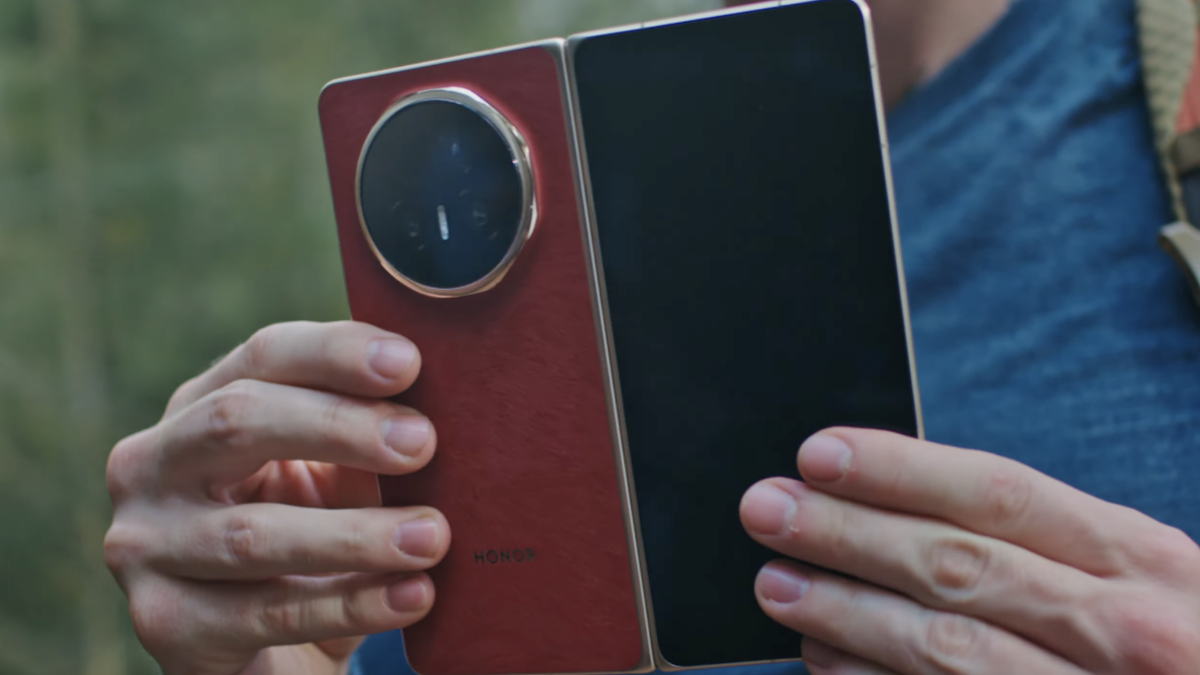
Honor rolls out the latest: Magic V6 foldable phone, sleek MagicPad 4, and powerful MagicBook Pro 14—gear up for the future of youth-focused tech!

As the tech world converges on Barcelona for this year’s Mobile World Congress, one theme resonates louder than ever: slimness as the new frontier of innovation. Leading brands like Honor are unveiling devices that push the boundaries of thinness while packing cutting-edge features. Their latest creations, the Honor Magic V6 foldable phone and the MagicPad 4 tablet, exemplify a cultural trend where design minimalism merges with technological prowess. The Magic V6, for example, is only 8.75mm thick—so slim it challenges traditional notions of what a smartphone can be—while the MagicPad 4 flaunts a mere 4.8mm profile. These devices signify not just an evolution in hardware but also an emerging societal desire for unobtrusive, sleek technology that seamlessly fits into a fast-paced lifestyle.

The Cultural Impact of Slim Tech

This focus on ultra-thin gadgets reflects a broader social relevance in a society obsessed with minimalism and convenience. In a world where attention spans are dwindling, and multitasking is king, these sleek devices serve as both functional tools and status symbols—accessories that communicate success and modernity. Influencers and trendsetters, from tech bloggers to social media personalities like Marques Brownlee and Unbox Therapy, are elevating these gadgets to cultural icons, showcasing how a phone or tablet can be both powerful and fashionable. Scholars like Dr. Joseph Pine argue that this shift indicates a move towards experience-driven consumption, where consumers are less interested in owning bulky objects and more eager for intangible value, style, and user experience.

Meanwhile, AI integration remains a key component of this trend. Honor’s deployment of Google Gemini symbolizes how software—especially AI-powered features—is transforming these devices into intelligent companions. These advances mean our gadgets are becoming more than just tools; they’re evolving into social extensions, capable of understanding and adapting to individual behaviors, further reinforcing the social relevance of tech innovation. From syncing effortlessly with Apple devices to offering dynamic eye comfort features, these devices are designed to be unobtrusive yet intimately integrated into everyday life.

The Next Big Question: Are We Entering an Era of Invisible Tech?

With these ultra-slim smartphones, tablets, and even laptops, a provocative question arises: Are we approaching a future where technology becomes so seamlessly integrated into our lives that it becomes essentially invisible? The ongoing miniaturization signals a shift toward disappearing devices: gadgets so refined they practically vanish, leaving us with a pure, distraction-free experience. The social implications of this are profound. If our next devices are less about conspicuous presence and more about subtle integration, what does that say about our relationship with technology? Will this trend lead to a society where our devices are no longer objects of display but silent enablers of connectivity? And how will this influence future societal norms concerning privacy, dependency, or even our concept of identity?

As the tech industry channels its efforts into making hardware thinner and smarter, the ultimate challenge remains: how will societal expectations and behaviors adapt in this new era of invisible, AI-enhanced devices? The answers may redefine lifestyle trends for generations to come, challenging us to consider whether true innovation resides not only in what our gadgets can do but also in how seamlessly they blend into our lives, perhaps even before we notice they’re there.

Google’s Gemini Pro shatters benchmarks once more—powering the future of youth-focused tech

Google Pushes AI Frontiers with Gemini 3.1 Pro Release

In a decisive move that underscores the relentless pace of AI innovation, Google has announced the release of Gemini 3.1 Pro, its latest iteration of a highly advanced large language model (LLM). Currently available in preview, this model is poised to reshape the AI ecosystem once it transitions to a full-scale launch. Industry analysts and AI experts are already interpreting this development as a critical leap forward in the ongoing AI arms race, with Google sharpening its competitive edge against rivals like OpenAI and Anthropic.

Early benchmarks indicate that Gemini 3.1 Pro surpasses even its already impressive predecessor, Gemini 3, released last November. Notably, Brendan Foody, CEO of AI startup Mercor, lauds the model’s performance by placing it atop the APEX-Agents leaderboard, a benchmarking system designed to quantify real-world professional competency. Foody emphasizes that this achievement “demonstrates how quickly agents are improving at real knowledge work,” positioning Gemini 3.1 Pro as a key driver of disruption across sectors reliant on AI-driven automation and knowledge processing.

Implications for the Business Ecosystem and Industry Dynamics

The timing of this release coincides with a broader escalation in what is now being termed the AI model wars, where tech giants are committed to releasing increasingly powerful models capable of handling agentic tasks and complex multi-step reasoning. As the market shifts toward models that excel in productivity and professional-level cognition, industry analysts such as Gartner forecast an imminent transformation in enterprise AI adoption. Companies eager to leverage these innovations will find themselves at a strategic crossroads—those who adapt swiftly stand to redefine their operational paradigms, while laggards risk extinction.

Significantly, these advancements are not occurring in isolation. The recent launches by OpenAI and Anthropic highlight an accelerated competitive landscape driven by disruption and innovation. The race is now about more than raw power; it demands mastery of multi-modal reasoning, contextual understanding, and integration into business flows—all of which Google aims to reinforce with Gemini 3.1 Pro.

The Future of AI: Toward Hyper-Intelligent Systems and Market Disruption

Looking ahead, industry experts like Elon Musk and Peter Thiel warn of a future where AI advances leapfrog human capability, presenting both unparalleled opportunity and significant risk. The emergence of Gemini 3.1 Pro exemplifies the acceleration toward hyper-intelligent systems that could redefine entire industries—from healthcare and finance to legal services and beyond. As these models evolve, the imperative for organizations is clear: embrace innovation or become obsolete in the wake of transformative disruption.

With a major tech event scheduled for June 2026 in Boston, where industry leaders will convene to dissect these developments, the pace of change is unlikely to slow. Stakeholders across the tech ecosystem—including startups, global conglomerates, and policy makers—must remain vigilant, investing in the breakthroughs that will define the next era of AI-powered business. The window to shape the future is now, and those who act decisively will determine the trajectory of technological dominance in the coming decade.

Social Media Auto Publish Powered By : XYZScripts.com