Matox News

Truth Over Trends, always!

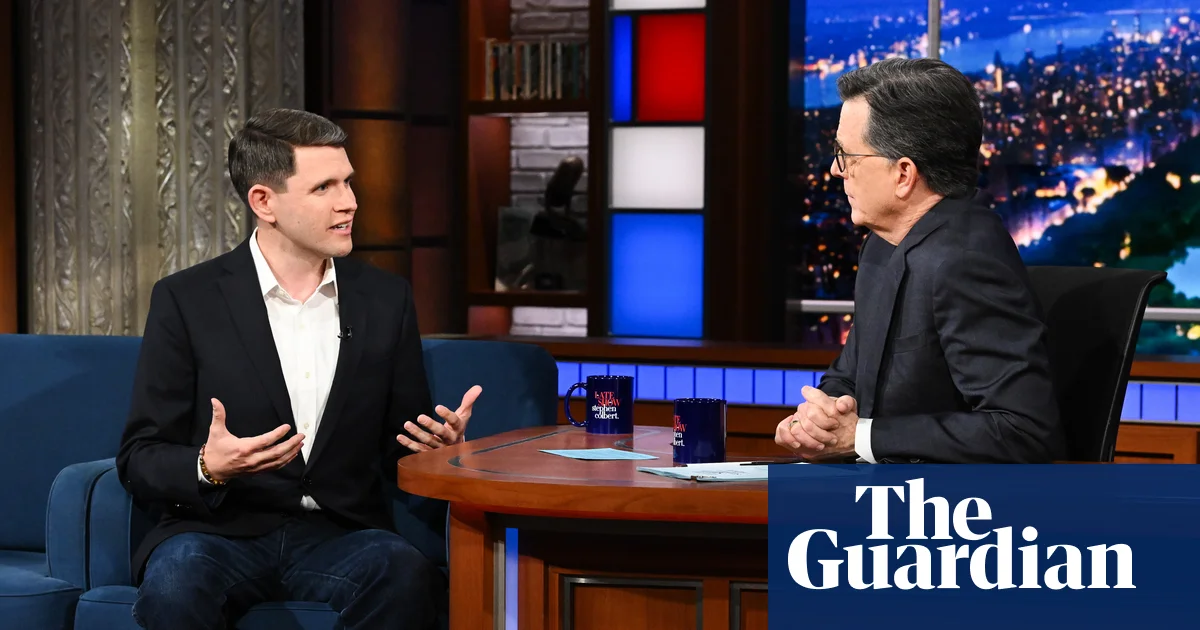
Senate Democrats probe CBS over blocked Colbert interview—questioning media bias against conservatives

In a move reflecting the intensifying intersection of media control and domestic geopolitical strategies, the US Senate has launched an investigation into alleged censorship practices by the Federal Communications Commission (FCC) and Paramount. At the heart of the controversy lies the sudden suppression of an interview with Texas Democratic candidate James Talarico, which has sparked widespread debate over freedom of speech and political bias. Democratic Senator Richard Blumenthal, leading the inquiry, claims that the FCC’s actions and corporate pressures are part of a broader effort to shield the Trump administration and Republican interests from critical scrutiny. Such accusations underscore how the battle over information is sharply aligned with stark geopolitical struggles, both domestically and internationally.

This controversy is not isolated. It comes amid a climate of heightened censorship and media manipulation that analysts warn has become a form of soft geopolitical warfare. Paramount’s ongoing bid to acquire Warner Brothers Discovery—a monumental $108 billion deal—appears to be intertwined with internal manipulations and external political pressures. Critics assert that such corporate maneuvers could serve as tools to influence, or even silence, dissenting voices ahead of critical industry consolidations that will shape media narratives for years to come. Meanwhile, the appointment of Bari Weiss as CBS News editor by Paramount’s CEO and the subsequent politicized decisions—such as pulling controversial segments—highlight how media outlets are increasingly subject to political sways, often at the expense of journalistic integrity. These shifts threaten to undermine public trust and distort international perceptions amid a web of competing narratives.

From an international perspective, the US’s internal media battles resonate globally, illustrating the use of information as a geopolitical weapon. As analysts note, the EU, China, and Russia are closely watching such developments, understanding that control over narratives significantly impacts diplomatic relations and regional stability. The influence exerted on domestic media extends outward, affecting how world events are portrayed and understood. The ongoing investigation, centered on accusations of partisan censorship, emphasizes how even established democracies are wrestling with the erosion of free speech under the guise of political expediency. It also raises questions about the true nature of influence and power in the digital age: who controls the narrative, and at what cost to societal cohesion?

As history continues to unfold, the evolving conflict over free speech, corporate influence, and political power signals a dangerous shift. The fate of mainstream media and democratic accountability hangs in the balance, with each revelation fanning fears of an emerging censorship regime cloaked in the guise of legal or institutional necessity. The coming months promise a deeper probe into the depths of this crisis—one that will determine not only the future of U.S. society but also serve as a cautionary tale for democracies worldwide. As the echoes of this unfolding story resound through halls of power and corridors of global influence, the question remains: what sacrifices are nations willing to make in the relentless pursuit of control over history’s narrative?


FBI and Minnesota cops probe ICE arrest that battered man’s skull

Investigation Unfolds Over Alleged ICE Assault in Minnesota

The recent incident involving Alberto Castañeda Mondragón, a Mexican national, has become a flashpoint in the ongoing debate over law enforcement conduct and immigration enforcement in the United States. Authorities in Minneapolis are investigating allegations that immigration officers from ICE brutally assaulted Castañeda Mondragón during a January arrest, resulting in severe skull fractures and life-threatening injuries. This case has ignited a global discussion about the abuses of power, racial profiling, and the lack of transparency surrounding immigration enforcement practices, raising critical questions about the consequences of aggressive policing tactics in a nation founded on the rule of law.

The facts surrounding the incident are under intense scrutiny. Witnesses and hospital reports indicate that Castañeda Mondragón sustained injuries incompatible with ICE’s narrative—claiming he attempted to escape handcuffs and hit his head on a concrete wall. Medical experts have dismissed this version, citing fractures across his skull that suggest levels of trauma inconsistent with a fall. Meanwhile, surveillance footage from nearby businesses, which could shed light on the events, appears to have been overwritten, hampering efforts by investigators. The FBI and St. Paul police are now probing the circumstances—yet a climate of suspicion persists, fueled in part by past abuses and controversies involving ICE officers.

This case is emblematic of broader geopolitical tensions that cross national borders. The United States has long been entangled in a complex and often controversial immigration policy, with critics accusing federal agencies of racial bias, misconduct, and systemic abuse. As analysts warn, these incidents can harden anti-American sentiment in Latin America and erode the legitimacy of U.S. justice, particularly when the global community increasingly views America’s immigration enforcement as a form of soft imperialism. The publicized misconduct not only jeopardizes U.S. diplomatic relations—especially with Mexico, whose citizens are disproportionately affected—but also fuels discontent and mistrust among immigrant communities within the country. The policies that govern immigration enforcement thus directly influence social cohesion, international perceptions, and geopolitical stability.

From the perspective of international institutions and historical critics, the controversy highlights a recurring pattern: yet another example where law enforcement agencies in the West are accused of crossing the boundaries of acceptable conduct, risking the erosion of civil liberties. The United Nations and human rights organizations have expressed concern over the increase in police brutality and controversial immigration raids, framing them as symptomatic of wider systemic failures. Some experts, including prominent historians, note that such incidents echo troubling chapters from the history of authoritarian state tactics—where perceived threats are harshly suppressed, often with minimal accountability. The relentless scrutiny sent through investigations and court proceedings becomes a challenge to the “culture of impunity” that persists in some law enforcement circles.

Crucially, this incident underscores the turning point in public awareness about civil rights versus national security priorities. As lawmakers and civic advocates demand increased transparency and accountability, the timing could not be more pivotal. The U.S. faces mounting pressure to reconcile its commitment to international human rights standards with its enforcement policies—an effort further complicated by internal political divisions and the influence of powerful security agencies. The case of Alberto Castañeda Mondragón might serve as a catalyst for reform or, conversely, deepen the cycle of secrecy and misuse of authority if unchecked. Ultimately, the unfolding drama encapsulates a core question: which principles will define the future of justice in a nation that claims to stand for liberty and equality but is haunted by its own shadows of violence and injustice? As history continues to be written, the world—and the victims of these encounters—wait for answers yet to come.

Officials probe DNA links at Nancy Guthrie’s home in recent investigation

In a development that could have far-reaching geopolitical repercussions, local authorities have announced that they are working to identify an individual through genetic evidence, though details about the evidence’s exact origin remain undisclosed. The sheriff’s department has emphasized that the investigation is ongoing, but the ambiguity surrounding the source of the DNA raises questions that echo in international corridors of power, especially as this incident intersects with broader issues of security, sovereignty, and global cooperation.

The uncertainty surrounding the unidentified DNA underscores the challenges faced by law enforcement agencies tasked with safeguarding national security in an increasingly interconnected world. While officials have refused to disclose where the DNA was recovered, experts suggest that such evidence, if linked to criminal activity or clandestine crossings, could potentially involve international actors. Analysts from organizations like INTERPOL warn that insufficient transparency in these investigations can complicate efforts to identify threats and foster trust among nations. The failure to reveal the geographic origin of the evidence hints at an underlying sensitivity that could suggest involvement or implications extending beyond local jurisdiction, possibly touching upon transnational criminal networks or foreign interference.

Historically, DNA evidence has been pivotal in defining security contours, especially when linked to international conflicts or covert activities. Experts like renowned historian Dr. Maria Jensen have noted that such incidents often serve as “early warning signals for larger geopolitical shifts,” emphasizing that *the response of nations to these unidentified threats often reflects underlying tensions and strategic ambitions.* The global community remains alert to how small pieces of evidence—such as an undisclosed DNA sample—can ignite disputes, escalate tensions, or provoke geopolitical realignments. In effect, this seemingly minor investigation may serve as a catalyst for conversations about border integrity, surveillance, and international law enforcement cooperation, especially amidst rising geopolitical hostilities elsewhere.

Organizations such as United Nations and regional bodies are closely observing developments, understanding that decisions made in local jurisdictions ripple outward across international borders. The incident highlights the delicate balance between a nation’s right to investigate internal matters and the collective responsibility to maintain global stability. As voices within the geopolitical community debate whether this discovery signifies a new form of threat or is merely a routine investigation, the broader implications remain open-ended. This is a reminder that the fabric of history is woven with these small yet significant threads—each discovery potentially shifting the balance of power. As nations grapple with these uncertainties, the weight of unpredictable geopolitical currents continues to surge beneath the surface—unseen yet undeniably powerful—poised to reshape the future in ways yet to be understood.

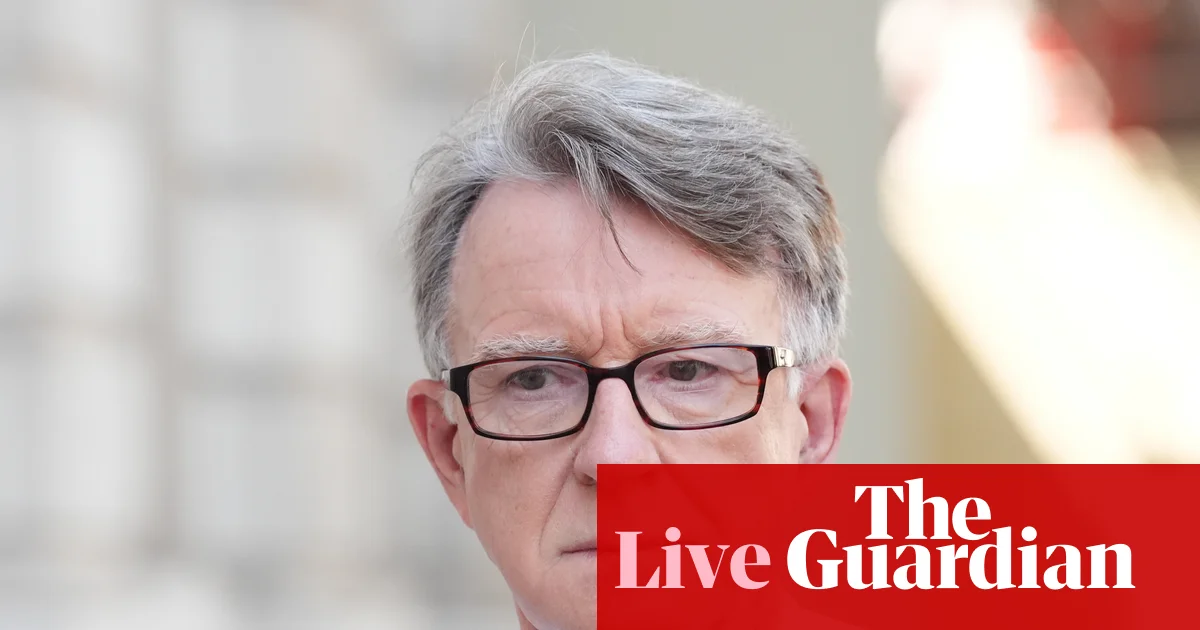
Foreign Office to probe Peter Mandelson’s controversial ambassador payoff – UK politics in focus

International Power Play and the Political Aftermath of Mandelson’s US Payoff

In a move that underscores how geopolitical decisions are increasingly intertwined with domestic controversies, the case of Peter Mandelson has taken center stage in British political discourse. Once a leading figure in UK politics, Mandelson’s recent fallout over a taxpayer-funded payoff—reportedly up to £55,000—after being sacked as ambassador to the United States has sent shockwaves through Westminster. The controversy hinges on his association with Jeffrey Epstein, the late accused child sex offender, raising serious questions about judgment and integrity within the ruling circles. This incident is not just a domestic scandal but a test case for how international relations and internal political stability are now dangerously linked in an era of shifting global alliances and transparency demands.

While the Foreign Office claims proper procedures were followed in Mandelson’s termination, the revelation of his sizeable payoff—whose details are still to be fully disclosed—poses a critical question of cost and morality for government transparency. Analysts warn that such payouts, especially in high-profile diplomatic posts, can undermine public trust and usher in a wave of political instability. The incident also casts a shadow over Keir Starmer’s leadership, as he struggles to navigate a political landscape riddled with ongoing scandals. The international community watches with keen interest, knowing that in the ripples of this controversy lie repercussions for alliances, trade negotiations, and diplomatic reputation.

Prominent voices—including Pat McFadden, the Work and Pensions Secretary,—have called for Mandelson to return or donate the payoff to charity, emphasizing the moral duty in these turbulent times. European and transatlantic analysts suggest that this domestic scandal comes at a concomitant moment of geopolitical realignment. With Rising Powers like China and Russia recalibrating influence, Western nations are under increasing pressure to demonstrate strength and integrity. The question remains: Will such incidents weaken Western diplomacy or serve as a catalyst for tougher scrutiny of government officials’ conduct in the age of international transparency?

Historians like Sir John Bew and geopolitical analysts argue that how Western democracies handle scandals of this nature will define their global standing for decades to come. The ongoing review by the Foreign Office, which aims to reassess Mandelson’s pay and conduct, signals an understanding that the failure to uphold standards can embolden competitors. In a world where public opinion is increasingly shaped by scandals and transparency, the weight of history presses down on leaders who must decide whether to embrace accountability or risk history’s verdict of corruption and ethical failure. As the case unfolds, the question remains: Will this be a moment of reflection and reform or a harbinger of more unrest as international affairs grow ever more complex and unforgiving?

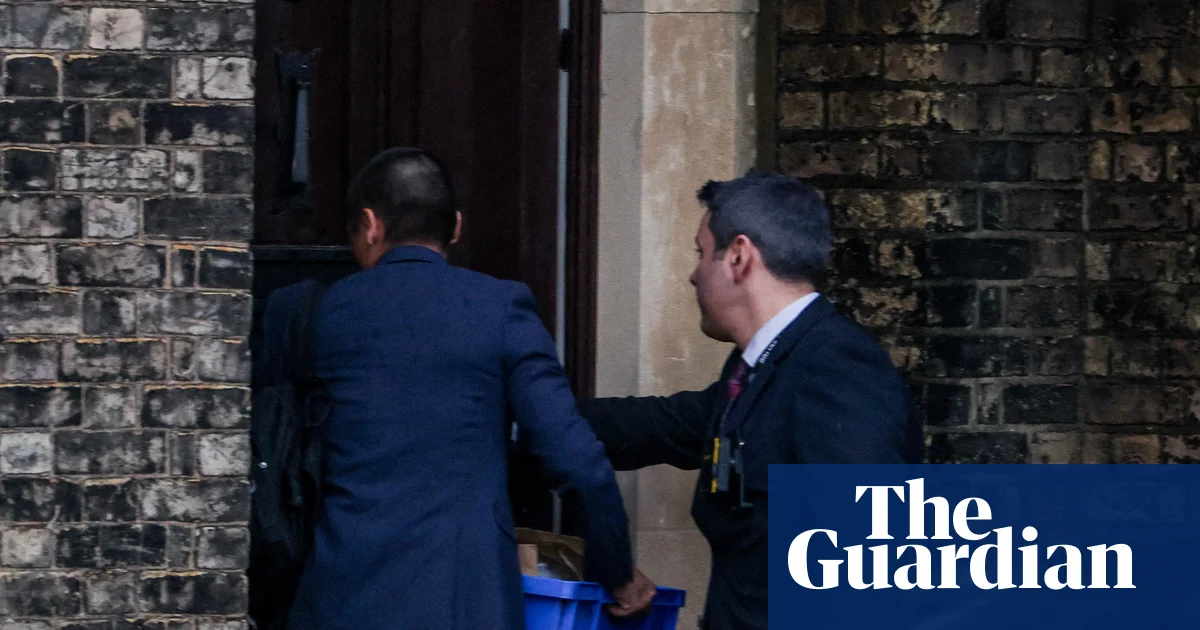
Police raid linked homes of Peter Mandelson in Epstein scandal probe

Surging Political Unrest in the United Kingdom: An International Perspective

The recent police searches linked to Peter Mandelson, a prominent former UK politician, mark a destabilizing moment in Britain’s political landscape. As the Metropolitan police target properties connected to allegations of passing market-sensitive information to crime figure Jeffrey Epstein, the incident underscores not only domestic scandal but also the enduring shadow of international machinations that threaten to reshape alliances and power structures. The investigation revolves around accusations against Mandelson, a man who held significant influence during his time as a government minister, raising serious questions about misconduct in public office and national security concerns.

Analysts such as Dr. Emily Carter from the International Institute of Political Stability warn that such internal scandals reverberate well beyond London. The timing coincides with a broader European backdrop of political volatility, where scandals involving dealings with hidden financiers and global power brokers have destabilized governments and fractured public trust. The UK, once regarded as a bastion of stability in international affairs, now finds itself embroiled in a narrative of covert operations and clandestine networks that threaten to undermine its diplomatic credibility on the world stage. Furthermore, the revelations of Mandelson’s potential financial ties to Epstein between 2003 and 2004, and allegations of leaking market-sensitive information in 2009, point to vulnerabilities in the UK’s regulatory and political systems that many international observers argue have been exploited by covert actors.

How Decisions Shape Nations and Societies

This political crisis, intensified by the controversy surrounding Labor leader Keir Starmer and his controversial appointment of Mandelson, highlights how internal decisions about personnel and alliances carry profound geopolitical consequences. The public outcry and calls for leadership change reflect growing societal unrest and mistrust towards elite policymaking. Tensions within Britain’s political hierarchy serve as a microcosm for broader upheavals across the West, where transparency and accountability are increasingly questioned amidst the shadows cast by global elites. The involvement of international organizations, such as the United Nations and interpol, in scrutinizing these events underscores the interconnectedness of local scandals and global stability.

The situation exemplifies a critical turning point, where domestic political integrity is intertwined with international reputation. Historians like Prof. David Hamilton warn that these moments are “once-in-a-generation opportunities for either reform or further decline.” As Europe watches, and allies recalibrate their diplomacy, the fallout may accelerate shifts in power, diplomatic alignments, and even economic sanctions. The question remains: will the revelations serve as a catalyst for meaningful reform, or will they deepen divisions and embolden rival powers seeking to exploit Britain’s fragility?

The Unfolding History

As the world observes the unfolding scandal with growing concern, the weight of history presses down on London. The ongoing investigation and the potential for high-profile arrests signal a moment of reckoning—one that could redefine the country’s political landscape and its role in the international arena. The fate of Britain’s institutions and the adherence to rule of law may hinge on how this crisis is navigated in the coming weeks. With each revelation, the boundaries of power, truth, and justice are tested, and the global community must ask itself: are we witnessing the unraveling of a once-esteemed nation’s moral fabric, or the dawn of a new era of accountability and transparency?

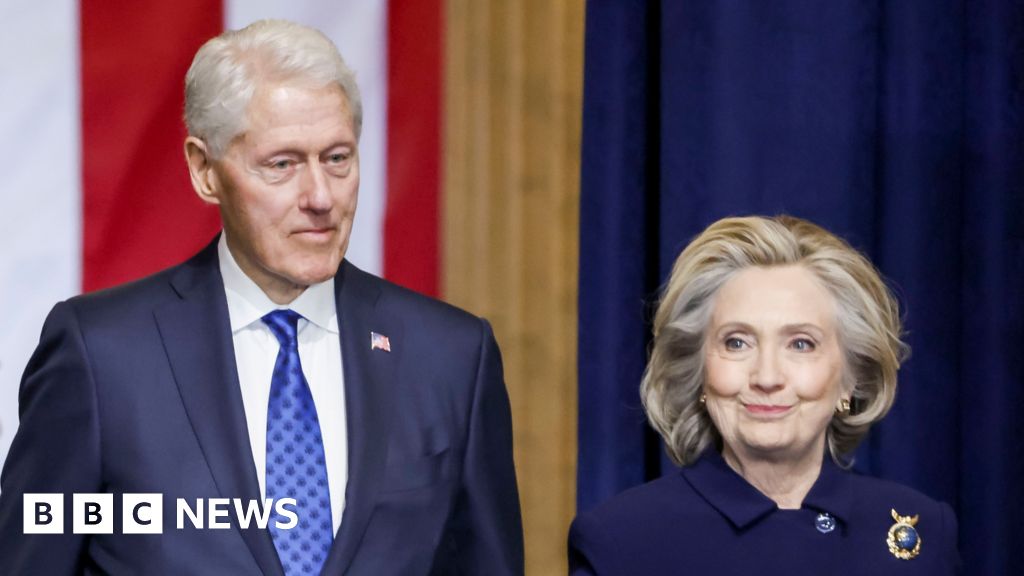
Bill and Hillary Clinton to testify in House Epstein probe

The unfolding saga surrounding the Epstein scandal continues to reverberate across the geopolitical landscape. In a development that underscores the intricate influences of powerful global elites, former US President Bill Clinton and his wife, Hillary Clinton, the former Secretary of State, have agreed to testify in a congressional investigation linked to the late sex offender Jeffrey Epstein. This move not only averts potential contempt of Congress charges but also raises profound questions about the intersection of power, accountability, and international diplomacy.

The Clintons’ decision to cooperate marks a pivotal moment in the ongoing effort to dissect Epstein’s vast network of influence. As key figures with longstanding ties to elite circles, their testimonies are anticipated to provide critical insights into allegations that implicate a broader web of political and financial interests. Experts warn that these revelations could have far-reaching geopolitical implications, especially as they challenge the veneer of Western political integrity. Analysts from international watchdog organizations stress that such disclosures may trigger a chain reaction, exposing other influential figures and prompting calls for systemic reform.

The geopolitical impact of this situation extends beyond American borders. Historically, revelations involving domestic scandals of this magnitude tend to ripple across alliances and diplomatic relations. Global governance hinges on transparency, and when prominent leaders are entangled in such controversies, it fuels debates over sovereignty, judicial independence, and international morality. The Epstein affair has already become a symbol of elite impunity, with critics arguing it exposes the decadence and corruption lurking within global centers of power. As governments respond differently—some seeking to shield themselves with silence, others pushing for accountability—the international community watches intently.

Distinguished historians and analysts warn that the decisions made now could very well serve as a turning point in the ongoing battle for transparency. The controversy highlights the underlying tensions in modern societies where entrenched elites often evade justice, fostering public disillusionment and fueling populist movements. International organizations, including the United Nations and various human rights watchdogs, continue to emphasize that global institutions must uphold the rule of law and resist the corrupting influence of power. Yet, the narrative remains dynamic, with each revelation adding weight to the broader discourse on morality and justice in the 21st century.

Despite the Clinton’s cooperating stance, the shadow of this revelation will linger, shaping the political terrain for years to come. As history watches, the unfolding story of accountability—woven into the larger fabric of geopolitics—is far from over. The tension between transparency and secrecy persists, threatening to redefine international power dynamics and the social contract itself. In this high-stakes chess match of influence and truth, the world remains perched on a precipice, where the decisions of today will echo through the corridors of history, forever shaping the global order of tomorrow.

Chicago Mayor demands probe into suspected illegal ICE operations in the city

Chicago’s Bold Stand: A Microcosm of the U.S. Immigration and Federal Power Battle

In a move that underscores the escalating tensions between local authority and federal enforcement, Chicago’s mayor Brandon Johnson has launched a direct challenge against the federal government by instructing police to investigate and document alleged illegal activities by ICE agents within the city. This decision, encapsulated in the order titled ICE on Notice, positions Chicago as a leader among American cities resisting what many analysts characterize as overreach by federal immigration authorities. The mayor’s declaration that “nobody is above the law” underscores a broader pushback against federal statutes perceived as infringing on local sovereignty — a confrontation that resonates across the United States and signals a potential realignment of power dynamics within the nation’s federal system.

This local initiative arrives amid profound judicial and political currents. Just days prior, a federal judge rejected Minnesota’s attempt to block continuing immigration crackdowns, dismissing arguments that such initiatives violate the 10th Amendment— a landmark ruling reinforcing federal supremacy over state powers in immigration enforcement. The federal government maintains that immigration is a matter under its exclusive jurisdiction, often citing national security and border integrity. Yet, Chicago’s stance exemplifies a rapidly growing resistance from cities that believe their political and social fabric cannot be compromised by federal incursions. With activists and local officials asserting that federal operations have violated rights and destabilized communities, Chicago’s move is likely to inspire similar measures nationwide, sparking a new chapter in the ongoing debate over sovereignty and law enforcement authority.

Engineering a New Geopolitical Battlefield

  • Chicago’s executive order aims to formalize police procedures for monitoring and potentially challenging federal agents engaging in operations deemed illegal or excessive.
  • It underscores the importance of local oversight in an arena traditionally dominated by federal agencies, such as ICE and CBP.
  • Officials argue that federal immigration operations have infringed on community rights and have been shielded from accountability — unleashing a wave of protests and legal battles that further complicate the fabric of American federalism.

International scholars and think tanks now watch this dynamic with heavy interest, as such local crises threaten to reshape the geopolitical landscape of the United States. Universities like Harvard and analysts from the Council on Foreign Relations have indicated that America’s internal power struggles could weaken the country’s global standing. When local governments challenge federally defined borders of authority, it weakens the perceived stability of the U.S. constitutional order, creating ripples that extend well beyond national borders. With immigration policies at the center of this storm, some international partners and competitors see an opening to question America’s credibility on the world stage, especially as internal divisions deepen and civil unrest simmers.

Implications for Society and Future Governance

At the societal level, Chicago’s move and the broader resistance against federal immigration initiatives symbolize a fierce assertion of local interests and a pushback against perceived federal tyranny. City officials have voiced concerns that increased ICE operations have escalated conflicts, risked constitutional rights, and strained community relations. Their efforts to curb federal overreach by asserting local authority could establish a precedent for other cities, catalyzing a decentralization of immigration enforcement and lawmaking.

Meanwhile, President Biden‘s administration and federal agencies remain committed to asserting federal supremacy, citing the need for uniform national policies. But as politicians on both sides of the aisle debate the constitutional boundaries, the seeds of a constitutional crisis plant themselves deeply within American politics. Historically, such conflicts tend to accelerate societal polarization and threaten the stability of the nation’s constitutional order, especially when key states and cities challenge federal authority. The ongoing power struggle foreshadows a potential transformation of America’s political landscape, where sovereignty is increasingly fragmented, and the global image of a unified nation begins to fracture.

As this narrative unfolds, the underlying questions loom large: Will the tide of decentralization weaken the legal fabric holding the republic together? Or will federal authority tighten its grip, leading to a defining clash for the future of American governance? The echoes of history remind us that moments of profound transition are often marked by chaos and upheaval — a stark reminder that the course of a nation’s destiny is, in many ways, still being written, with each decision leaving an indelible mark on the pages of history.

US DoJ Launches Civil Rights Probe into Alex Pretti Shooting under Trump Era

The recent sequence of events in Minneapolis has ignited a fierce debate about U.S. immigration policy and law enforcement conduct, with wide-reaching geopolitical implications. The fatal shooting of Alex Pretti, a 37-year-old nurse and activist, by federal immigration officers has provoked protests across the city, drawing international attention to the ongoing crisis within the United States. Officials from the Department of Justice and the FBI have launched a federal civil rights investigation, marking a significant escalation from initial, hurried responses by the Trump administration. This shift signals a potential turning point in how the U.S. handles internal crises involving law enforcement and immigrant communities, raising questions about government accountability and the rule of law.

  • Following Pretti’s death, protesters have maintained daily demonstrations, emphasizing the widespread community outrage against federal agencies like ICE and border patrol units.
  • Controversy swells over initial official narratives, with homeland security secretary Kristi Noem conceding to misinformation about Pretti’s actions, while subsequent video evidence contradicts claims that he attacked officers.
  • Political figures, including Senator Thom Tillis, have called for accountability, criticizing Noem for her handling of the incident amid mounting bipartisan concern.

International organizations such as Human Rights Watch and Amnesty International have condemned the use of force against civilians, framing the incident as emblematic of broader issues in U.S. immigration enforcement policies. The case resonates globally as nations scrutinize U.S. commitment to human rights standards, especially given President Donald Trump’s aggressive rhetoric and policies that emphasize strict border control. Analysts warn that these decisions domestically could influence foreign perceptions of America’s global image. The incident also underscores the geopolitical impact of domestic policies; as the U.S. projects strength abroad, its internal crises threaten to erode credibility and moral authority.

Historians and international observers point out that such incidents are not isolated but reflect a persistent pattern of state use of force amidst social upheaval. This reckoning arrives at a critical juncture, with timing coinciding with increased global tensions and upheaval. The situation in Minneapolis highlights the importance of international vigilance regarding the rule of law in a superpower that nonetheless faces internal divisions and international scrutiny. As protesters continue to rally and authorities grapple with their narratives, the world watches—aware that so much of today’s history is written in moments of crisis that could define the global balance for decades to come.

In this unfolding chapter of history, the fate of U.S. democracy and its approach to justice hangs precariously in the balance. The reach of the state onto the streets of Minneapolis echoes beyond local borders, reminding the world that the future of freedom and order is often decided in moments of profound crisis. The outcome of this investigation will not only influence domestic policy but will serve as a powerful test of whether the U.S. can reconcile its ideals of justice with the harsh realities of internal conflict. As the dust settles and the pages of history continue to turn, the world remains vigilant—knowing that this is only the beginning of a much larger story in the quest for justice, sovereignty, and moral clarity.

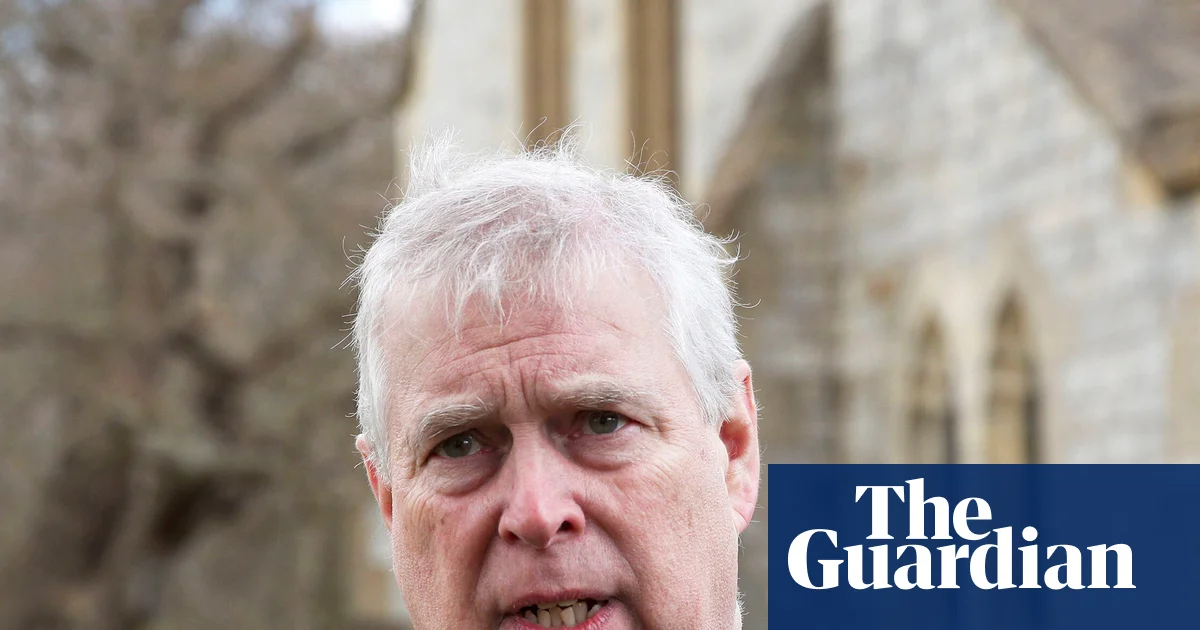
Met Won't Probe Andrew Over Virginia Giuffre Allegations, Says Andrew Mountbatten-Windsor
Met Won’t Probe Andrew Over Virginia Giuffre Allegations, Says Andrew Mountbatten-Windsor

The recent decision by London’s Metropolitan Police to decline a formal criminal investigation into Andrew Mountbatten-Windsor, the brother of King Charles III, marks a significant turning point in a saga that extends beyond British borders into the realm of international geopolitics and influence. Despite widespread public and media attention, the police authority firmly concluded that no sufficient evidence exists to warrant further legal action, emphasizing that investigations into allegations of trafficking and abuse linked to Jeffrey Epstein have already been reviewed multiple times over the past years. This decision not only shields a member of the British royal family but also underscores the complexities of holding powerful individuals accountable, especially those with the backing of longstanding political and institutional ties.

Much of the controversy surrounding Mountbatten-Windsor revolves around allegations presented in the 2021 lawsuit filed in the United States. Virginia Giuffre, who has since passed away, claimed her trafficker, Epstein, forced her into sexual encounters with the former prince in London and beyond when she was just 17 years old. Her sworn testimony—though not admissible in evidence posthumously—highlighted alleged systemic abuses involving prominent figures and a network of sex trafficking that has now become a political quagmire for the British monarchy. Critics within the international legal community argue that, given the gravity of the accusations, a full-fledged criminal investigation should have been pursued, especially considering that the evidence included specific claims of trafficking and coercion, which, if proven, would constitute severe violations of international law.

Nevertheless, international organizations such as the United Nations and various national law enforcement agencies have expressed cautious skepticism about the resolution in the UK. While official statements from London’s police point to the absence of new evidence, some legal analysts—like former CPS Director Nick Vamos—warning that the evidence of non-consensual acts and trafficking could be enough for a criminal investigation. The core issue, they say, lies in whether Andrew knew of her trafficking status and used his influence or connections to abuse that power. This controversy illustrates a broader theme: how global centers of power, especially those tied tightly to royal, political, or economic elites, often impede justice in highly politicized cases. International observers warn that such cases, if left unresolved, undermine _transparency_ and _accountability_—principles vital for the international rule of law.

Meanwhile, the geopolitical impact extends beyond the courtroom. Britain’s royal scandal feeds into a larger narrative about the erosion of trust in institutions—an issue that resonates across continents. As Russia, China, and other adversaries watch, they interpret the assertiveness of Western legal procedures as either a sign of accountability or, conversely, a demonstration of internal corruption shielding elite figures. Historically, such cases have been exploited by authoritarian regimes to question Western moral authority, but they also serve as a reminder of the importance of international cooperation in pursuing justice across borders. This ongoing crisis highlights how decisions made in corridors of power can ripple through international relations, impacting alliances, diplomatic credibility, and global perceptions of justice.

As the story unfolds, the weight of history presses heavily upon the public consciousness. Whether King Charles and his family emerge unscathed from this ordeal remains to be seen, but the underlying message is clear: the age-old battle between power and accountability continues unabated. In a world where influence often obscures truth, and silence can be mistaken for innocence, the pursuit of justice remains the most consequential challenge of our time. The future hinges on whether political will and legal robustness will prevail over entrenched privilege, for history is not only written by the victors but also by those who refuse to turn away from the shadows.*

Police Seize €1.3B in Campari Shares Amid Tax Evasion Probe

Italy is once again at the center of a high-stakes international financial controversy, as authorities have seized shares valued at over €1.3 billion from the beverage giant Campari, a globally recognized producer of spirits such as Aperol, Grand Marnier, and Courvoisier. This move follows an investigation into alleged tax evasion and illicit corporate maneuvers suspected of undervaluing capital gains prior to shifting assets abroad. The case, launched by Milan prosecutors, underscores the mounting scrutiny that international firms face amid the evolving landscape of global taxation and corporate accountability.

Though Campari maintains its innocence, asserting that neither the parent company nor its subsidiaries are involved in any wrongdoing, the investigation implicates high-profile figures, including Luca Garavoglia, the billionaire chairman who inherited the company from his late mother. According to Italian financial police, the company is accused of concealing €5.3 billion in capital gains between 2018 and 2020, avoiding what is known as an “exit tax” enacted specifically to deter companies from relocating assets solely for lower tax burdens. This allegations align with broader concerns voiced by international tax authorities and economists about the aggressive tax planning strategies of multinational corporations seeking to optimize profits at the expense of national tax bases.

This case carries significant geopolitical impact as it highlights the ongoing power struggle between nation-states and transnational corporations. Italy’s pursuit of legal action demonstrates a willingness to confront corporate elites that potentially undermine national revenues. Moreover, it exposes the pitfalls of global corporate governance and the complex web of cross-border asset transfers that often challenge enforcement. Historians of international economics warn that such cases serve as a wake-up call for countries to strengthen their legal frameworks and resist becoming playgrounds for tax avoidance. The European Union, along with the Organisation for Economic Co-operation and Development (OECD), has been increasingly vocal about the need for reforms to curtail such practices, erecting new standards to ensure corporations contribute fairly to the societies that nourish their success.

From a broader perspective, this controversy exemplifies the precarious balance of sovereignty and economic influence. As Italy asserts its legal rights, questions arise about the long-term stability of the multinational corporate landscape and whether such efforts will lead to a more equitable distribution of wealth or trigger retaliatory measures and regulatory crackdowns elsewhere. With mid-term economic forecasts indicating a more aggressive stance on corporate taxation, the case of Campari becomes emblematic of the ongoing war for control over national fiscal policies—a conflict destined to shape the course of global economic history. As the story unfolds, the world awaits, with each revelation adding a new chapter to the tale of how nations defend their sovereignty amid the relentless tide of globalization and corporate ambition, leaving the future of international finance hanging in the balance of justice and power.

Social Media Auto Publish Powered By : XYZScripts.com