

Disruption in Personal Fitness: The Rise of Intelligent Walking Pads Transforming the Active Lifestyle Market
In a landscape where work-from-home culture continues to dominate, personal fitness technology is experiencing unprecedented innovation. Leading the charge are brands like Urevo and Sperax, which are disrupting traditional gym equipment with compact, multifunctional walking pads that seamlessly integrate into daily routines. The market shift towards lightweight, space-saving fitness solutions is driven by consumer demand for convenience and multifunctionality. Industry analysts from Gartner and MIT underscore how these devices are not merely exercise tools but are becoming essential components of modern productivity and wellness ecosystems, threatening to overhaul the entire health tech sector.
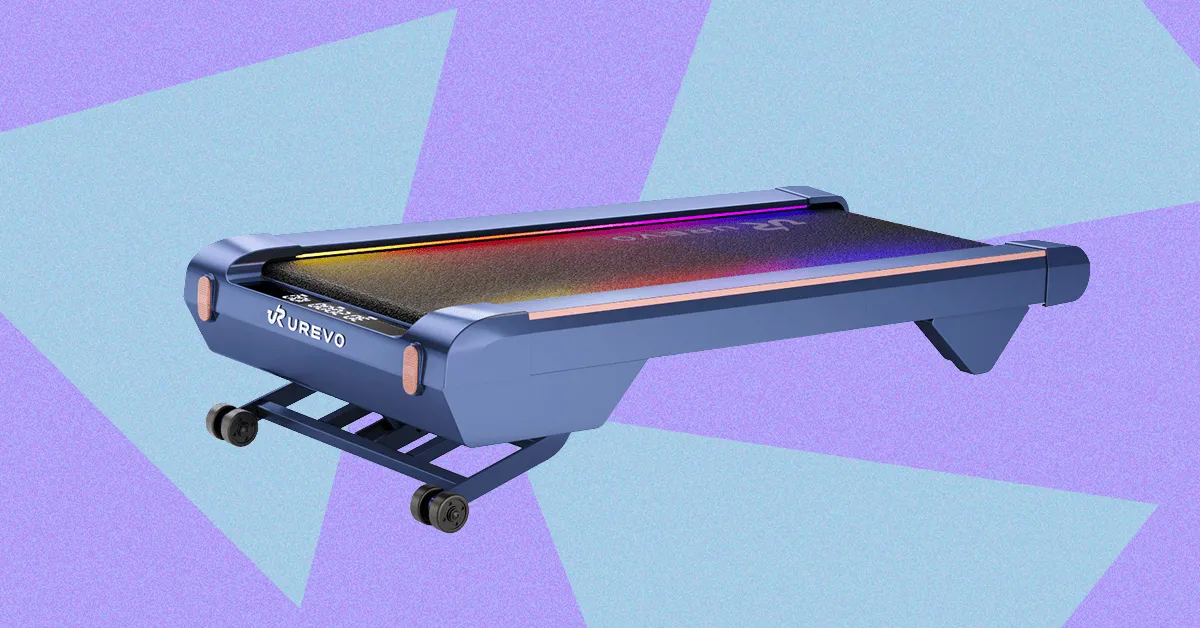
The Urevo CyberPad, for example, exemplifies this innovation with some impressive features: a 14 percent incline capability, Bluetooth control, and the ability to log workout data via a dedicated app. Kristin Canning of WIRED praises its durability, ease of setup, and the inclusion of a control interface compatible with a smartphone app. These features allow users to get a vigorous workout while maintaining productivity—an essential trait in today’s sedentary workplace environment. Moreover, the incorporation of smart technology paves the way for disruption in health data management, transforming these pads from simple mechanical devices to data-driven health companions. The business implications are significant, with companies positioning themselves at the forefront of healthier, more active lifestyles tailored for remote workers.
Meanwhile, the Sperax Walking Pad enters the market as a compelling budget option. Weighing just 27 pounds, it captures the attention of budget-conscious consumers and those with limited space, offering features such as a built-in vibration mode and straightforward assembly. While some critics highlight its noise levels and modest app functionality, its overall affordability—priced around $280—makes it a game-changer for mass market adoption. As noted by industry insiders and Reddit enthusiasts, its portability and ability to be stored under furniture exemplify the industry’s push for ultra-compact, multi-use fitness devices.
The significance of these innovations extends beyond individual fitness. Industry leaders and market analysts anticipate a wave of disruption in health, wellness, and workspace design, as these devices integrate with emerging IoT ecosystems. Tech magnates like Elon Musk and Peter Thiel are increasingly investing in AI-powered health and wellness startups, which signal a broader industry movement towards wearable and embedded health solutions. As businesses recognize the potential for health data-driven insights and personalized wellness plans, the market will see further investment in smart, adaptive fitness hardware—setting a new standard in personalized health technology.
This wave of innovation demands urgent attention. As the boundaries between work, fitness, and health technology blur, the next two to five years could redefine how society approaches physical activity. Companies that fail to adapt risk obsolescence in favor of more disruptive market entrants who harness AI, IoT, and user-centered design. For investors and consumers alike, the emerging landscape presents a binary choice: embrace the disruption or be left behind. The future favors those who understand the need for rapid adaptation, viewing these devices as leverage points in the broader mission of augmenting human productivity and health in an increasingly digital world.







