Matox News

Truth Over Trends, always!

US-Iran Talks Wrap Up After Promising Progress, Says Mediator

In a world increasingly defined by shifting alliances and territorial ambitions, the recent indirect negotiations in Geneva stand as a pivotal yet uncertain event on the international stage. These talks, seen by many analysts as a final effort to curb a burgeoning nuclear arms race, highlight the delicate balance of power that continues to shape global security. With the stakes higher than ever, diplomats from key nations are engaged in a tense dance of diplomacy, offering a glimpse into the complex chess game that underpins regional stability and international peace.

Despite the urgency, the prospects of reaching a comprehensive nuclear agreement remain ambiguous. The deliberations, characterized by back-channel negotiations and cautious exchanges, underscore the pragmatic limitations of diplomacy when core national interests are at odds. Some experts suggest that the failure to achieve a breakthrough could have far-reaching repercussions, not only for the immediate parties involved but also for the international order. The echoes of past conflicts and Cold War tensions underscore the fragile nature of such agreements, further complicating efforts to establish a lasting framework that prevents proliferation.

Historians and geopolitical analysts warn that these negotiations are emblematic of broader geopolitical shifts—a reflection of rising powers and waning influence in traditional diplomatic architectures. International organizations, such as the United Nations, have called for restraint, emphasizing how the failure to bridge differences might ignite regional instability and spark new arms races. Meanwhile, nations like Russia and China watch closely, weighing their own strategic interests and projecting their influence through diplomatic channels that often sway in unpredictable directions. The current impasse demonstrates how narrow the margin for diplomatic success truly is in an era dominated by assertive nationalistic policies.

As history’s pages turn, many observers believe that the outcome of these Geneva talks could define the trajectory of international security for decades to come. For Western allies, a failure symbolizes a potential retreat into a world where nuclear proliferation is uncontrolled, heightening risks and threatening global stability. Conversely, for opposition blocs, such setbacks may reinforce the perception that diplomacy alone is insufficient against aggressive postures. Ultimately, the decisions made in these hallowed halls will echo through the corridors of history, leaving an indelible mark on the collective consciousness. In the shadow of diplomacy’s fragility, the human story continues unfolding—an enduring reminder that the balance of power remains precariously poised, and the future remains unwritten, waiting for history to determine which path is taken.
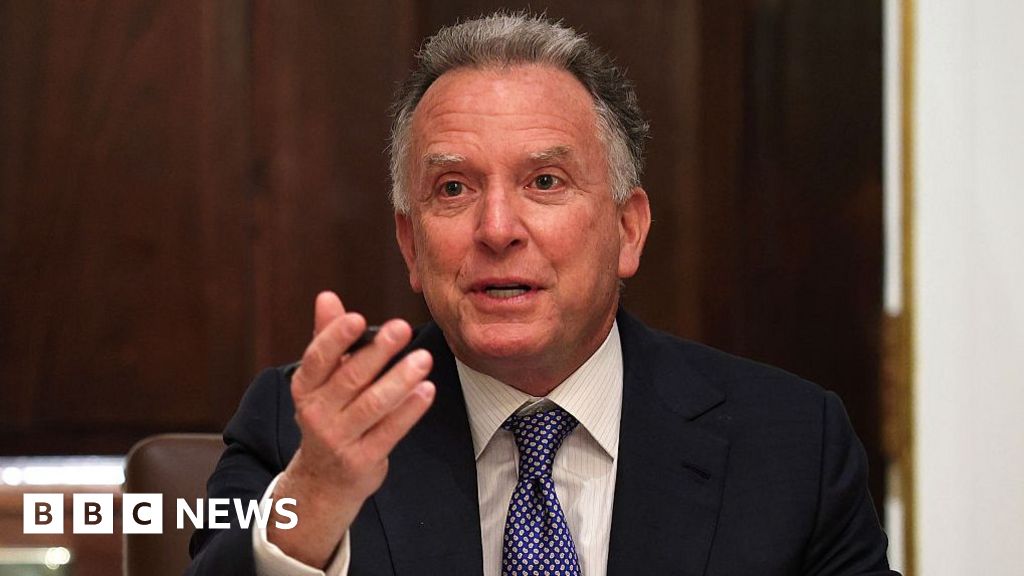
US Boosts Optimism as Ukraine Talks Enter Second Day, Celebrating ‘Meaningful Progress’

As the world watches closely, the United States has taken a significant step toward diplomatic engagement with its counterparts in Geneva. The US special envoy, representing America’s strategic interests, emerged from the first day of negotiations with an optimistic tone. However, analysts caution that this optimism masks the underlying complexities and entrenched conflicts that define today’s geopolitical landscape. International observers and diplomatic historians emphasize that, while dialogue is essential, a genuine breakthrough remains elusive, especially given the deep-rooted mistrust shaping the current global order.

The core of these recent talks revolves around critical issues such as security guarantees, economic sanctions, and regional stability—especially in volatile hotspots where conflict and power struggles continue to threaten international peace. Although the US envoy expressed hope for progress, multiple sources within diplomatic circles indicate that preventing a deterioration of relations remains the primary goal at this stage. For nations embroiled in or affected by these negotiations, the stakes could not be higher. The decisions made in this delicate phase could determine whether longstanding conflicts simmer or escalate into wider confrontations, impacting millions of lives across continents.

The geopolitical impact of this diplomatic effort extends far beyond the immediate actors involved. Countries such as Russia, China, andEuropean allies observe these developments with cautious optimism and measured concern. Their strategies, often shaped by historical narratives and national interests, are undeniably influenced by the outcomes of these talks. International organizations, including the United Nations, have called for restraint and constructive engagement, highlighting the need for diplomacy over conflict at this critical juncture. Yet, some experts warn that these negotiations are merely part of a broader chess match, where each move is scrutinized for its potential to shift the balance of global power.

Notably, the turning point in understanding the true scope of these negotiations may come when tangible outcomes emerge—be it treaties, ceasefires, or strategic commitments. Historians warn that history often remembers these moments as either pivotal breakthroughs or missed opportunities, shaping the course of nations for decades to come. Nonetheless, the atmosphere remains tense; the weight of history’s lessons hangs heavily in the air. The world’s eyes are fixed on Geneva, waiting for a sign that diplomacy, once thought fragile, can still wield the power to forge lasting peace. As negotiations continue, the unfolding story reminds us that the path to stability is fraught with challenges, and that the decisions made today will echo through the corridors of history, long after the talks conclude.

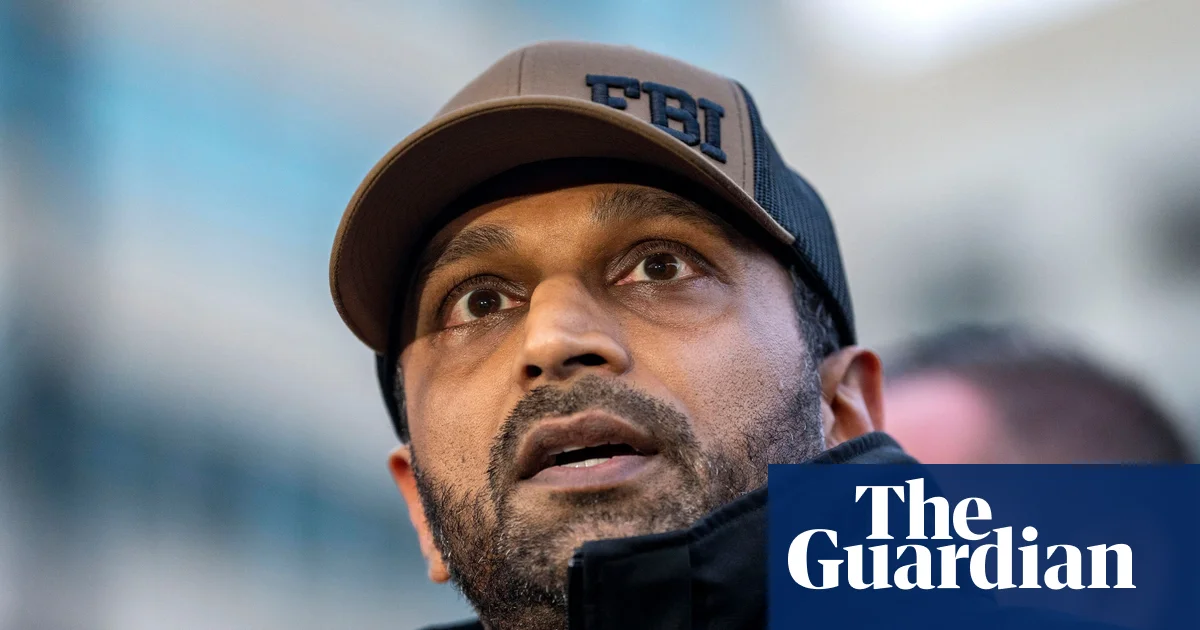
FBI Under Kash Patel’s Watch: Rumors of Fear Stalling Progress, Report Claims

Internal Crisis at the FBI: A Glimpse into U.S. Federal Collapse and Its Global Ramifications

The recent revelations about the Federal Bureau of Investigation (FBI) portray an agency in disarray under the leadership of Kash Patel, painting a troubling picture of internal paralysis, morale plummeting, and a leadership seemingly overwhelmed by the complex demands of modern federal law enforcement. According to a leaked 115-page report compiled by a coalition of retired and active FBI agents, the agency is considered a “rudderless ship,” with staff plagued by fear and a crippling lack of initiative. Such internal strife raises fundamental questions about the state of American federal institutions and their capacity to uphold law & order, especially at a time when global stability hinges on reliable, strong alliances.

This crisis transcends domestic concerns, as international partners grow increasingly wary of U.S. credibility. The report indicates that allied law enforcement and intelligence agencies are worried that the perceived chaos could undermine decades of international cooperation. Analysts emphasize that trust among global allies, especially those involved in counterterrorism and intelligence sharing, is fragile and cannot withstand internal upheaval in American institutions. When a major domestic agency like the FBI falters, it sends ripples across the entire international security architecture—potentially creating a vacuum for adversaries and rogue states to exploit. The report further warns that “long-term damage” to international partnerships may have irreversible consequences, especially if internal divisions stymie Washington’s ability to project stability and leadership on the world stage.

Within the United States, the public trust in federal law enforcement is already strained. The report criticizes Patel’s leadership for lacking experience and for fostering a climate of fear, with managers hesitant to take initiative without explicit directives, effectively turning the bureau into a bureaucratic shell vulnerable to political manipulation. Numerous experts, including prominent historians and security analysts, warn that such internal vulnerabilities are symptomatic of broader erosion in U.S. institutions—a decay that “undermines the very foundations of American sovereignty”. The controversy around Patel’s tenure mirrors a larger trend of political weaponization of federal agencies, which many argue compromises their ability to serve as neutral arbiters of justice. This erosion of institutional integrity risks tarnishing America’s global image as a defender of rule of law and constitutional order.

Cases of misconduct and mismanagement—such as controversial decisions to withhold sensitive information and interpersonal conflicts, including Patel’s allegedly inflammatory outbursts—further fuel concerns about the quality of leadership. Critics point out that such internal discord feeds into the narrative of decline and chaos that adversaries and skeptics are eager to exploit. Yet, amidst these crises, some voices within the political establishment defend Patel, emphasizing efforts to rollback divisive social policies and strengthen immigration enforcement. Nevertheless, the underlying warning remains clear: unless the U.S. can restore confidence and restore order within its premier law enforcement agency, the nation risks becoming a fractured pillar in the global arena—a development that history will remember as a turning point in America’s internal and international decline. The weight of this unfolding story will ultimately depend on whether Washington can stem the tide of internal disorder before it becomes an irreversible chapter in history.

Our boy’s almost three—that’s progress and pride for our future.

Cracks in the Foundation: The Crisis of Childcare and Its Impact on Society

Across communities in the UK, a quiet yet alarming crisis is unfolding — the persistent decline of childcare providers. Families like Monika and Henry Byrne find themselves racing against time, only to face a sobering reality. After their son Leo turns three, they have just six weeks to secure a place in childcare, but many doors remain closed. Despite wielding full-time jobs, their struggle underscores a broader social issue: the shrinking pool of childminders. Official figures reveal a stark reality — the number of registered childminders has plummeted from nearly 48,000 in 2015 to just 26,000 in 2024, threatening the very fabric of accessible early childhood care.

This decline is not merely a statistic; it has profound repercussions on families, education, and communities. As sociologists like Francesca Castellani note, early childhood care is pivotal in shaping future social and educational outcomes. When families are denied affordable and reliable childcare, they are pushed into difficult choices, often sacrificing careers or delaying employment altogether. Judy Wylde, a seasoned childminder, describes a system in disarray — her 35 years of experience, which once allowed her to care for children like her grandson Louie for free, is now compromised by inadequate funding. The funding rate, she asserts, is “atrocious,” forcing her to work at a loss and preventing her from continuing her vital role. Such loss of long-standing community carers signifies more than economic failure; it erodes the social cohesion that bonds families, caregivers, and communities together.

Furthermore, the rising demand for childcare clashes with dwindling supply, forcing families into painful compromises. The government’s expansion of 30 hours of free childcare for children from nine months is a step forward, yet many childcare providers remain unable to meet the demand. Surveys by organizations like Coram PACEY reveal that hundreds of childminders are restricting or opting out of caring for older children, citing insufficient funding as the main obstacle.

  • Childminders work with unique staff-to-child ratios, making their work more flexible but also more costly.
  • Changes in regulations — like relaxed rules on working from community halls — aim to support providers, but many believe these measures do not go far enough.
  • The financial strain pushes small-scale caregivers to the brink, with some making dramatic decisions about whether to continue caring for children at all.

Such challenges signify deeper structural issues. As Hartmut Rosa emphasizes, a society’s social infrastructure — its early years care being a cornerstone — directly influences social stability. When that infrastructure begins to erode, families are left vulnerable, and societal resilience is threatened. The crisis also impacts individual human dignity; caregivers like Georgina Young, who makes gingerbread men with children she’s cared for since infancy, express frustration at working at a loss, feeling undervalued in a sector essential to societal health.

It is clear that reforms are still overdue — for fairer funding, for streamlined regulations, and for policies that recognize and uplift our frontline community carers. Without such measures, the societal cost will continue to grow, manifesting in fewer opportunities for families, compromised education for children, and weakened community bonds. But amidst this turbulent landscape, hope persists. With sustained effort, societal recognition, and moral clarity, society can rebuild its early childhood care system. It can restore the dignity of caregivers, bolster families’ stability, and nurture the future generation with the strength of unity and justice. Society’s challenge now is to remember that the foundation of a resilient, thriving nation rests on the youngest among us — and on our unwavering commitment to care for them from their very first days.

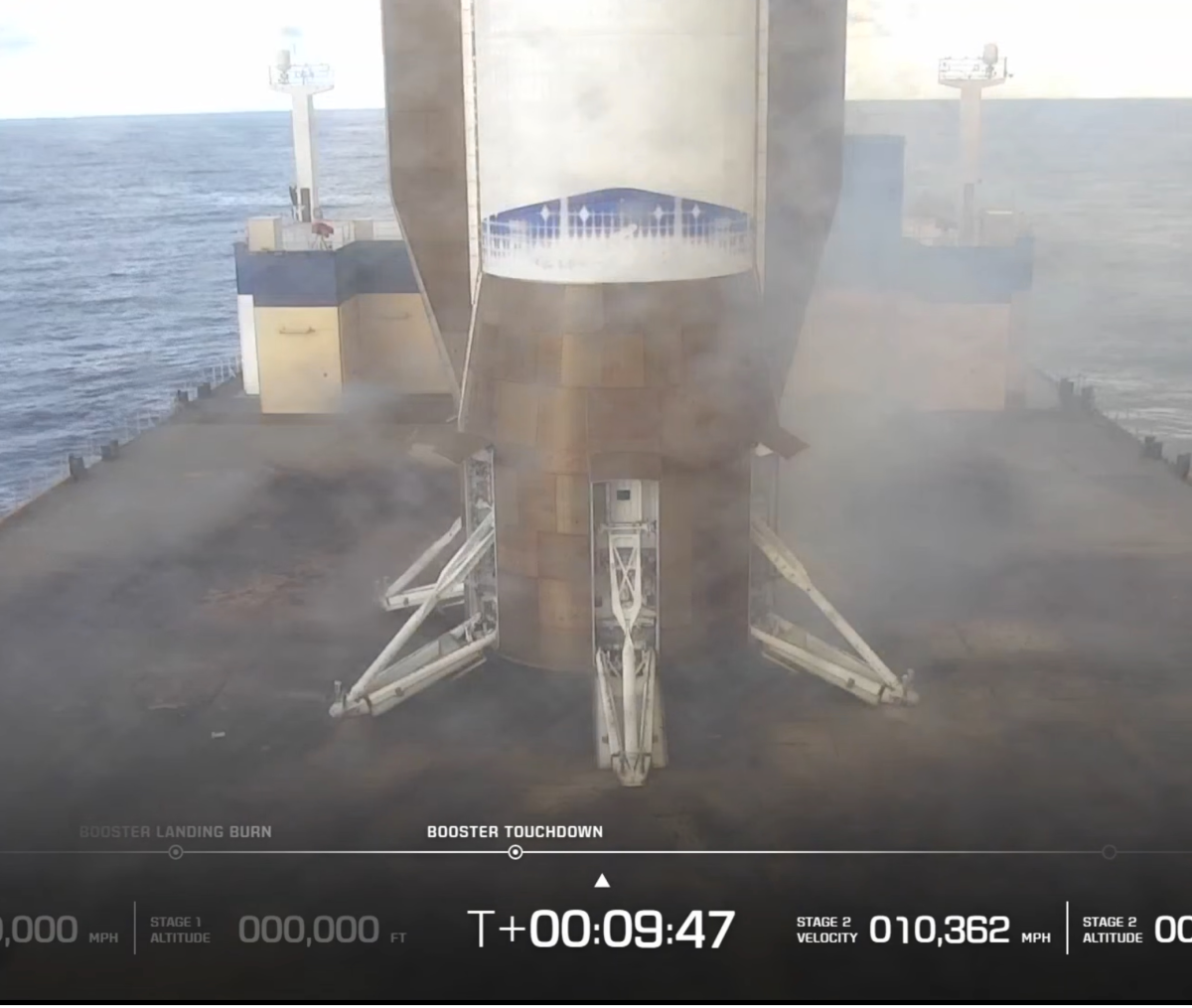
Blue Origin nails second try, lands New Glenn booster—proof of real progress

Blue Origin Achieves Milestone with Second-Stage Landing of New Glenn Rocket, Signaling Disruption in Space Launch Industry

In a remarkable display of technological innovation and launch system resilience, Jeff Bezos’ Blue Origin has successfully landed the booster of its New Glenn mega-rocket on a drone ship in the Atlantic Ocean, marking only its second-ever launch attempt. This achievement positions Blue Origin as a formidable competitor to SpaceX, which pioneered reusable rocket landing technology. Such a feat demonstrates the rapid advances in space transportation, fundamentally altering the commercial space landscape.

The October 12th flight from Launch Complex 36 in Cape Canaveral is a testament to Blue Origin’s commitment to innovation, as it illustrates their ability to develop reliable reusability at scale for heavy-lift vehicles — crucial for future payloads to the Moon, Mars, and beyond. The successful recovery of the 189-foot booster is significant not just as a milestone but as a disruptive breakthrough with potential to reduce costs and increase launch cadence across the industry. Meanwhile, the spacecraft payload, cargo for NASA consisting of twin spacecraft destined for Mars, underlines the capabilities of New Glenn as a platform for complex interplanetary missions—emphasizing its role in the emerging space economy.

Market Implications and Industry Disruption

While SpaceX led the charge in reusability, Blue Origin’s recent success is expected to accelerate the pace of industry-wide innovation. Experts from MIT and industry analysts like Gartner now see disruptive potential in heavy-lift reusable rockets, envisioning a future where multiple players provide competitive launch services with significant cost savings. The fact that Blue Origin’s booster successfully touched down after a previous failed attempt signals a clear shift in competitive dynamics, especially as new entrants and traditional players alike scramble to secure a foothold in this high-stakes market.

  • Potential for reduced launch costs, fostering new business models
  • Enhanced payload capacity for government and commercial missions
  • Accelerated development of lunar infrastructure and Mars exploration missions

Recent developments reinforce the idea that disruption is inevitable in space transportation. Companies now race toward sustainable and reusable platforms, with Blue Origin’s progress prompting increased investment and innovation. Elon Musk’s SpaceX has already set the bar high, but the latest success from Blue Origin indicates a broader industry shift towards more economical and reliable off-planet logistics. As Peter Thiel and other visionary investors note, the race for space dominance is entering a critical phase, with game-changing implications for global geopolitics and economic expansion.

Looking Ahead: The Future of Space Innovation

As the industry stands on the cusp of a new era, the urgency to innovate remains paramount. Reusability, payload flexibility, and cost-effective access to space are no longer aspirational goals but definitive markers of success. With Blue Origin’s recent advancements, stakeholders across government, academia, and private sectors must prepare for a future characterized by rapid technological evolution and unprecedented disruption. The upcoming years will be pivotal, as these emerging players push boundaries, challenge traditional monopolies, and unlock new economic opportunities beyond Earth’s orbit. Investors, policymakers, and entrepreneurs should heed the evolving landscape—with the clock ticking, tomorrow’s space economy is shaping today.

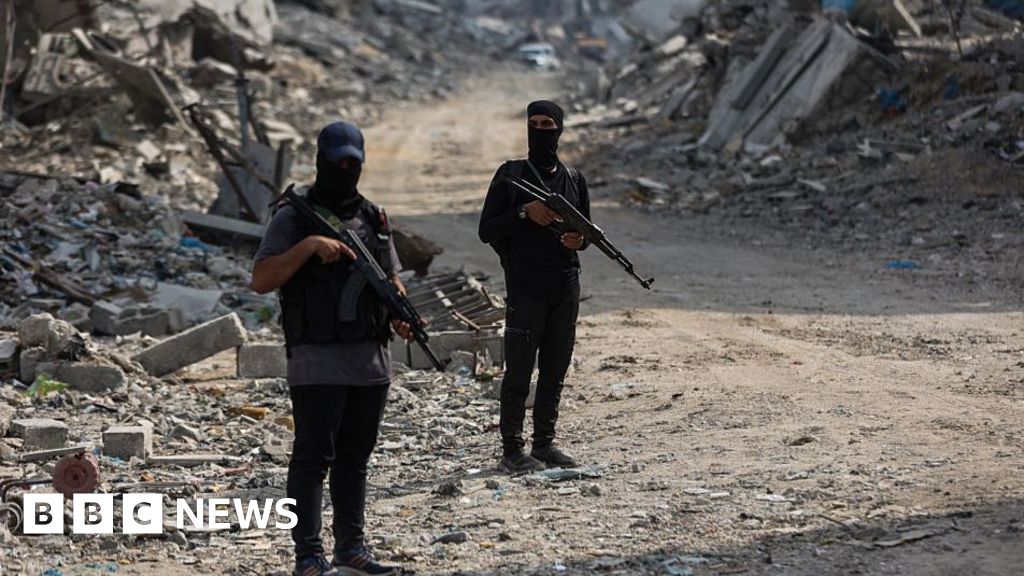
Hamas Tunnel Defense Blocks Gaza Ceasefire Progress

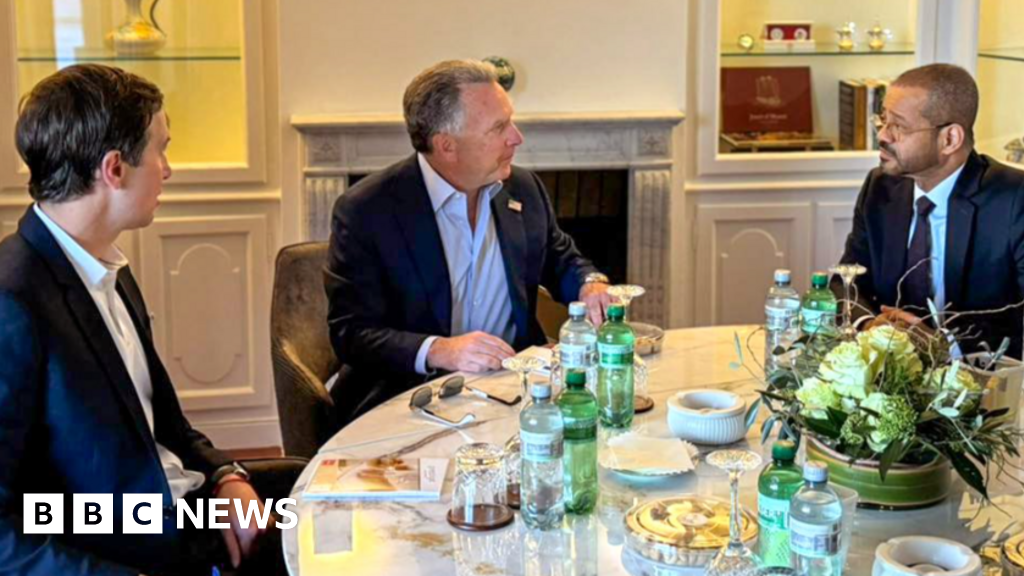
Amid escalating violence and political deadlock, Israel, the United States, and regional actors are embroiled in a tense effort to forge a lasting ceasefire in Gaza. The recent return of US envoy Jared Kushner to the region underscores the renewed diplomatic urgency. Despite the sporadic releases of hostages and humanitarian aid, fundamental issues such as Hamas’s disarmament, future governance of Gaza, and international security arrangements remain unresolved. Analysts from the International Crisis Group warn that these sticking points threaten to unravel international efforts, emphasizing how fragile peace still teeters on the brink of collapse.

Key negotiations have been marred by entrenched positions from both sides. Hamas continues to demand safe passage for its fighters in Rafah, which Israel has categorically rejected. Notably, the recent negotiations reveal a divide not only over tactical ceasefire measures but also over the overarching disarmament and demilitarization of Gaza. The plan, supported by some Western analysts, envisions a phased approach—initially securing the release of hostages and rebuilding trust, then progressing toward disarmament. However, Benjamin Netanyahu and his government maintain that any disarmament must be accompanied by the complete demilitarization of Hamas and the establishment of a robust international security force—a prospect that many nations and regional actors find problematic due to concerns over sovereignty and long-term stability.

Amid these negotiations, the regional geopolitical landscape is in flux. Arab countries, wary of the potential permanent division of Gaza, have issued cautious statements emphasizing the risks of a divided Palestinian territory. Meanwhile, Israel’s occupation of over half of Gaza’s territory and its resistance to involving the Palestinian Authority reflect a broader tension: how to reconcile security concerns with hopes for peace and Palestinian sovereignty. The Trump administration’s recent plan, notably excluding pathways to Palestinian statehood, has further deepened regional skepticism. Historians such as Rashid Khalidi argue that without a political solution rooted in Palestinian self-determination, the cycle of violence and fragmentation may continue indefinitely, with serious consequences for global stability.

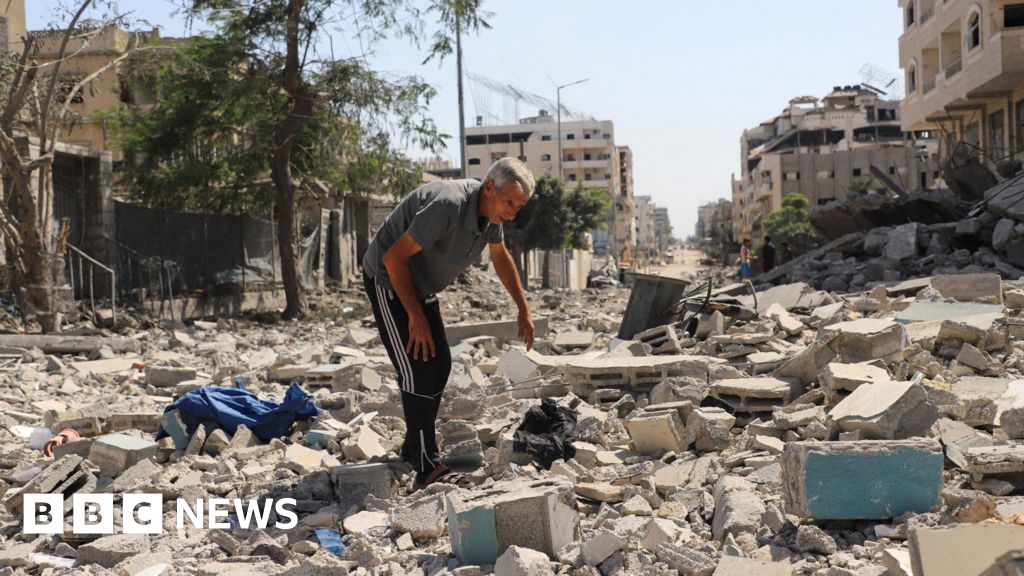
As conflict continues, the weight of history bears down on negotiations that could define the future of the region. The ongoing tragedy—marked by over 69,000 lives lost and countless others displaced—reminds the international community that decisions taken today will echo through generations. With both sides entrenched and external powers cautious about full involvement, the possibilities for a sustainable solution appear so distant, yet the urgency to act remains clear. The story of Gaza is still being written, with each chapter promising either the dawn of peace or the descent into further chaos—here, history’s choice hangs in the balance, waiting to see which path will be forged in the sands of a conflict that has already reshaped the geopolitical map for a generation.

Gaza Peace Talks Continue as Trump Calls Deal ‘Really Good’ Chance for Progress

The Middle East remains at a pivotal crossroads, with recent developments in Gaza signaling both a potential shift in conflict dynamics and a test of international diplomacy. As Israel ratchets up its offensive in Gaza City, the international focus has shifted toward indirect negotiations aimed at forging a durable peace, with the U.S. peace plan emerging as a central, yet contentious, element of this process. The upcoming talks in Sharm El-Sheikh are crucial, as they seek to create the “field conditions” necessary for an exchange—one that could see hostages released and relative calm restored for the first time in months.

Leading this diplomatic push are influential figures like Donald Trump and **Israeli Prime Minister Benjamin Netanyahu**, who have expressed optimism about the possibility of an agreement. Trump, now a key envoy in the negotiations, publicly stated that the first phase of the peace effort—focused on the release of hostages—”should be completed this week,” indicating a real sense of urgency. Analysts and historians warn, however, that such optimistic rhetoric often masks deeply entrenched issues, particularly Hamas’s refusal to accept the plan’s **disarmament** clause and its insistence on remaining part of Gaza’s governance. Meanwhile, Palestinian factions and regional actors—especially **Qatar** and **Egypt**—are playing critical roles, facilitating shuttle diplomacy that is seen as essential given the profound mistrust between Israel and Hamas.

The geopolitical impact of these negotiations is profound. If successful, they could serve as a blueprint for a broader peace settlement—potentially reshaping societal relations and regional stability. Yet, the balance remains delicate. Israel’s security concerns persist, especially regarding Hamas’s future role, which remains a sticking point. Hamas’s statement indicated willingness to release all Israeli prisoners, both living and dead, but avoided addressing its disarmament—raising doubts among critics that foundational issues might plunge the talks into failure. International organizations such as the United Nations have called for restraint, with Secretary-General Antonio Guterres warning that the opportunity presented by Trump’s initiative “must be seized” to prevent further tragedy. Conversely, opponents argue that the peace plan, especially with its concessions, risks rewarding continued militant influence while failing to address broader issues of Palestinian sovereignty, thus challenging existing international norms.

As the conflict’s toll continues to climb—over 67,000 killed in Gaza alone, including thousands of children—the regional and global repercussions grow ever more urgent. Countries such as the United Kingdom and regional powers are now openly supporting the U.S. efforts, yet skepticism remains. Critics warn that history repeatedly demonstrates how fragile ceasefires and peace agreements can be, especially in a context where past promises have been broken and trust remains elusive. The voices of analysts like *Benny Morris* and *Rashid Khalidi* echo warnings that the deeper issues—like the status of Palestinian sovereignty, disarmament, and the future governance of Gaza—must be resolved for peace to hold. Otherwise, the cycle of violence threatens to erupt again, possibly even more devastating than before. As the world watches anxiously, the story of Gaza continues to unfold—each negotiation, each development, adding a new chapter to a conflict that Western leaders and regional stakeholders alike consider among the most complex and perilous the modern era has faced.

Italy’s PM warns Gaza flotilla: Stop or threaten peace progress

Global Tensions Flare as Italy Intervenes in Gaza Aid Flotilla Crisis

The recent efforts by Italy to navigate the complex and dangerous terrain of the Gaza conflict underscore the precarious nature of international diplomacy amid ongoing violence. Prime Minister Giorgia Meloni has publicly condemned the Global Sumud Flotilla (GSF), a convoy of over 40 ships carrying humanitarian aid, which was making its way toward Gaza in defiance of Israeli restrictions. Meloni’s call for the flotilla to halt, coupled with the deployment of an Italian naval frigate to intercept the vessels, signals a provocative stance that could have significant geopolitical impact. Meloni warns that the flotilla’s actions are a potential pretext for escalation, threatening to derail a fragile US-led peace proposal aimed at ending the brutal conflict.

The U.S. has recently stepped into the fray with a proposal that offers a semblance of hope—a framework for an immediate ceasefire, the release of hostages, and a pathway toward peace. However, such diplomatic initiatives are often fragile and easily undermined. Some analysts argue that Iran and pro-Hamas factions are exploiting these international efforts to prolong their influence and meddle further in the region’s affairs. Meanwhile, Israel insists that the flotilla is a Hamas operation disguised as humanitarian outreach, a claim that remains unsubstantiated but fuels international skepticism. The flotilla’s leaders, including climate activist Greta Thunberg and political figures from Europe, have declared their intent to press on despite military threats, emphasizing that their mission is rooted in urgent humanitarian concerns rather than publicity.

This confrontation holds broad consequences for global stability. As historians and international organizations warn, the unfolding event risks becoming a catalyst for larger regional conflict. Italy’s naval deployment, sanctioned by the government amid reports of drone activity and unidentified vessels approaching the flotilla, raises questions about international rules of engagement and the potential for violence. The recent drone attacks and communication jamming incident, officially condemned by Italy and Spain, indicate a dangerous escalation that could spark a wider conflict, with Middle Eastern and European nations watching anxiously. The potential for miscalculation in these tense moments threatens to ignite a conflict that could further destabilize the region for generations to come.

As the world watches, the choices made by nation-states and international bodies will write new chapters in the history of the Middle East, chapters etched in the blood and resilience of its people. With each diplomatic move, each vessel that risks crossing the line, the memory of past conflicts looms large. The weight of history presses on the shoulders of leaders who must navigate a treacherous web of alliances, enmities, and ideals. How this story unfolds remains uncertain, but its trajectory will undoubtedly shape the future geopolitical landscape—an enduring testament to a region perched on the edge of turmoil, where the next turn of the page could herald an era of renewed conflict or fragile peace. And as the flotilla presses onward into the storm, the question remains: will humanity learn the lessons of the past, or will this be another chapter in an ongoing cycle of violence that history will not soon forget?

Social Media Auto Publish Powered By : XYZScripts.com