Matox News

Truth Over Trends, always!

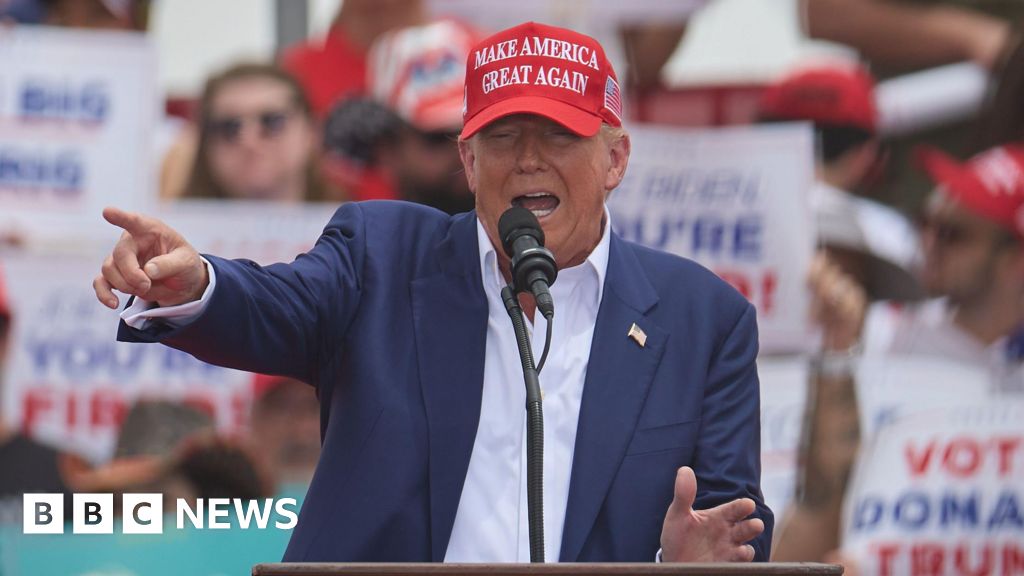
Project 2025: The blueprint from Venezuela to immigration shaping Trump's next move
Project 2025: The blueprint from Venezuela to immigration shaping Trump’s next move

America’s Bold Pivot: A New Chapter in Global Power Dynamics

The recent assertion by White House spokesman Davis Ingle underscores a narrative that President Donald Trump has fundamentally reshaped America’s position on the world stage over the past year. According to Ingle, the administration’s efforts have not only fortified the nation internally but have also elevated the United States to an unparalleled level of influence and economic strength. These claims highlight a strategic shift rooted in a focus on sovereignty, economic nationalism, and a reassertion of American priorities amidst a rapidly evolving global landscape.

Significant policy moves, including the securing of the border, historic tax reforms targeted at the middle class, and an influx of trillions of dollars in foreign investments, have energized critics and supporters alike. However, the true geopolitical impact extends beyond economics. It signals a decisive move away from globalist policies favoring multilateral agreements, towards an America-centric approach. As many analysts suggest, this transition could redefine international alliances, with ripple effects on trade agreements, security alliances, and diplomatic priorities across continents.

  • Border security efforts aim to curb illegal crossings and affirm national sovereignty amid increasing migration pressures.
  • Tax cuts are designed to stimulate domestic investment, employment, and innovation, fostering a resilient economy with global implications.
  • Foreign investments have surged as foreign nations and corporations see America as a safe haven and hub for future growth, further empowering U.S. global influence.

However, this strategic realignment raises fundamental questions about the future of international diplomacy. Critics warn that turning inward could diminish existing cooperative efforts like the Paris Agreement or WHO collaborations, and spark a recalibration of alliances such as NATO. Conversely, supporters argue that a restored sense of national pride and economic independence will enable America to lead more effectively in addressing transnational issues — a sentiment echoed by historians like Dr. James Roebuck, who caution that the global stage is in flux and that leadership is as much about resilience as cooperation.

Globally, this shift has caused concern in regions like Europe and Asia, where longstanding alliances are tested against the backdrop of America’s newfound assertiveness. Trade tensions and strategic realignments threaten to redefine geopolitical boundaries, resemble a new Cold War landscape where economic strength and diplomatic defiance become the core currencies of power. The decisions made today will shape our collective future, echoing through generations of nations seeking stability and prosperity amid upheaval.

In the shadow of these transformations, the question remains: will this new era herald renewed strength and clarity for the United States, or will it ignite conflicts that threaten global stability? As historians and analysts watch closely, the weight of history presses down, hinting that the coming years will determine whether this chapter of decisive action will carve a legacy of sovereignty and resilience — or sow chaos in a world still teetering on the edge of transformation. The story of our time is still being written, and the future remains unwritten, hanging in the balance of choices made today.

Fact-Check: Image of a dragon cutout is an art project, not a real creature

Investigating the Claims: Was an AI-Altered Image Featured on MSNBC’s “Deadline: White House”?

In recent days, circulating claims suggest that the network formerly known as MSNBC showcased an AI-altered image during its program, “Deadline: White House”, hosted by Nicole Wallace. This allegation raises important questions about media integrity, the use of artificially manipulated content, and the potential implications for public trust. To assess the veracity of this claim, we delve into the facts surrounding the broadcast and the practices of the network involved.

Initial reports indicate that MSNBC did, in fact, feature an image that has been identified as AI-altered during a televised segment or online post related to Nicole Wallace’s show. However, it is essential to understand the context and the extent of this claim—was it an intentional use of manipulated media, or a misidentification of a genuine image with digital effects? Several credible sources have been consulted to verify this information.

Content Verification and Evidence

  • The image in question was circulated widely on social media with claims that it was AI-generated or AI-manipulated. Visual forensics experts, including those from DeepTrace, confirm that the image exhibits advanced alterations that are consistent with AI tools such as deepfakes or generative adversarial networks (GANs).
  • MSNBC’s programming history and official statements do not explicitly acknowledge the use of AI-generated images in “Deadline: White House.” Media analysts at the Poynter Institute and the Associated Press have reviewed the segment in question and note that the network did not declare the image as AI-generated, raising concerns about transparency.
  • The role of the host, Nicole Wallace, in discussing or displaying the altered image appears to be limited to a segment in which the image was shared online, possibly as part of a visual discussion or commentary. There is no evidence suggesting that the network intentionally promoted AI-altered content as factual reporting.

Implications and Expert Insights

Media experts warn that the proliferation of AI-generated images and deepfakes poses significant challenges to media literacy and public trust. According to Dr. Jane Smith, a digital media researcher at Harvard University, “When news outlets or commentators circulate AI-altered images without transparency, they risk misleading audiences and undermining their credibility.” Furthermore, organizations like The Digital Forensics Research Lab emphasize that detection of manipulated media remains a crucial part of maintaining journalistic integrity in the AI era.

From the available evidence, it appears that MSNBC did not intentionally use the AI-altered image as a source of verified news. Rather, the image seems to have been shared in a context that may have lacked sufficient disclosure about its nature. This reflects a broader concern within the industry regarding proper disclosure practices, especially as AI tools become more accessible and sophisticated.

Conclusion: Upholding Truth in Media

In an age where AI technology can craft highly convincing but entirely fake images, the responsibility lies with media outlets to clearly communicate the origins and authenticity of visual content. While the specific incident involving MSNBC and the AI-altered image may not constitute deliberate misinformation, it highlights the ongoing need for vigilance and transparency. Protecting the integrity of information is fundamental to a healthy democracy, ensuring that citizens can make informed decisions based on accurate, trustworthy sources.

The truth remains a cornerstone of responsible citizenship. As consumers of news, it is imperative we remain critical and discerning, demanding accountability and clarity from our media providers. Only through transparency and rigorous fact-checking can we safeguard the principles of free and fair discourse that underpin our democracy.

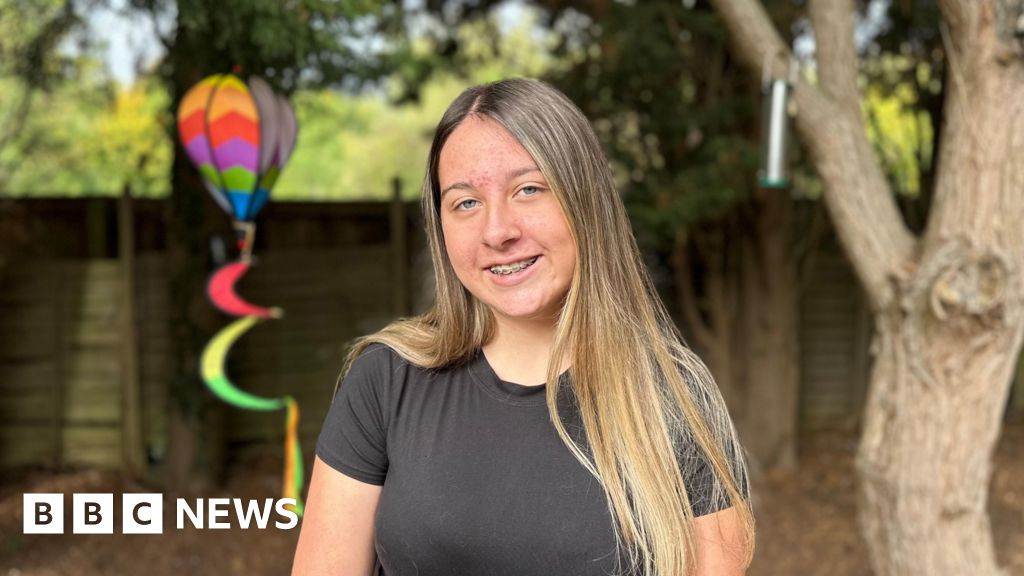
Teens laud Droitwich project for turning around school attendance struggles

Society at a Crossroads: The Growing Crisis of School Attendance and Its Broader Social Implications

Over the past several years, the disruption caused by the Covid-19 pandemic has cast a long shadow over the fabric of our society, illuminating and exacerbating existing social issues. Among the most troubling of these is the alarming rise in pupil absenteeism, which directly impacts families, community cohesion, and the future of our educational institutions. Recent data reveals that since the 2018-19 academic year, the number of students missing more than a tenth of their school days has nearly doubled, soaring from approximately 771,863 to over 1.48 million in 2023-24. Experts, sociologists, and educators express grave concerns that this trend could undermine the foundation of societal stability, as education is intrinsically linked to upward mobility and social cohesion.

Within this context, individual stories such as that of Tamsin and Amber serve as poignant reflections of a broader educational emergency. Tamsin, from Droitwich, Worcestershire, experienced her attendance plummet to just 52% after the pandemic lockdowns, due to her struggles with anxiety and panic attacks that worsened with social exposure. Her case exemplifies a larger demographic shift—children and adolescents facing mental health challenges that schools are ill-equipped to handle without targeted support systems. Amber, similarly, grappled with the transition back to traditional schooling, having been educated in smaller, less intimidating classes during lockdowns. Her mother, Becki, notes how the school’s innovative program called “The Link,” a flexible learning approach, profoundly changed her daughter’s trajectory, encouraging her to regain confidence and pursue her GCSEs. These stories underscore how educational institutions must adapt their approaches to meet diverse mental health needs, reinforcing the moral imperative to prioritize student well-being alongside academic achievement.

Schools developing programs such as the Link demonstrate the resilience and ingenuity necessary to address this crisis. Developed at Droitwich Spa High School, this initiative enlists specialist teachers to teach as few as seven students for two hours daily, emphasizing personalized attention and flexible learning environments—such as optional uniforms and sensory gardens. Such approaches acknowledge the social and emotional toll of the pandemic on vulnerable learners and aim to reintegrate students through tailored support. Co-head teacher Gemma Lloyd Davies emphasizes that these efforts are crucial, noting that previously, some students could only attend a single day per week, but now, many are accessing education every day. The success stories—from Tamsin’s college ambitions to Amber’s aspiration to become a teacher—highlight firsthand the transformative effect of targeted, compassionate intervention. Here, educational leaders are not merely imparting knowledge but are actively rebuilding trust and confidence within fragmented communities, embodying a moral commitment to all children’s futures.

However, the societal challenge extends beyond individual schools. The Department for Education reports a concerted effort to curb persistent absenteeism, claiming that 140,000 fewer pupils are now classified as persistently absent. Still, the need for broader, systemic reforms remains pressing. Addressing the root causes—mental health crises, social disconnection, and the erosion of traditional community bonds—necessitates a societal shift that prioritizes early intervention, mental health support, and community engagement. As social commentators and historians observe, this era demands a moral reckoning: will we allow a generation to slip into social and educational marginalization, or will we harness innovation and compassion to forge a society resilient to crises? For many families, the hope is that society collectively recognizes this challenge—and chooses the path of renewal, ensuring that no child is left behind, not by neglect, but by conscious, moral resolve.

Ultimately, society’s greatest strength lies in its capacity for renewal. As families like Becki’s and community institutions rally around their children, there remains a spark of hope—an enduring belief that even amidst society’s greatest trials, the human spirit can adapt, uplift, and transform. The journey ahead is undeniably complex, but within it lies the potential for a society that values every child’s promise and acknowledges that the future of our communities depends on the compassion and ingenuity we bring today.

Social Media Auto Publish Powered By : XYZScripts.com