Matox News

Truth Over Trends, always!

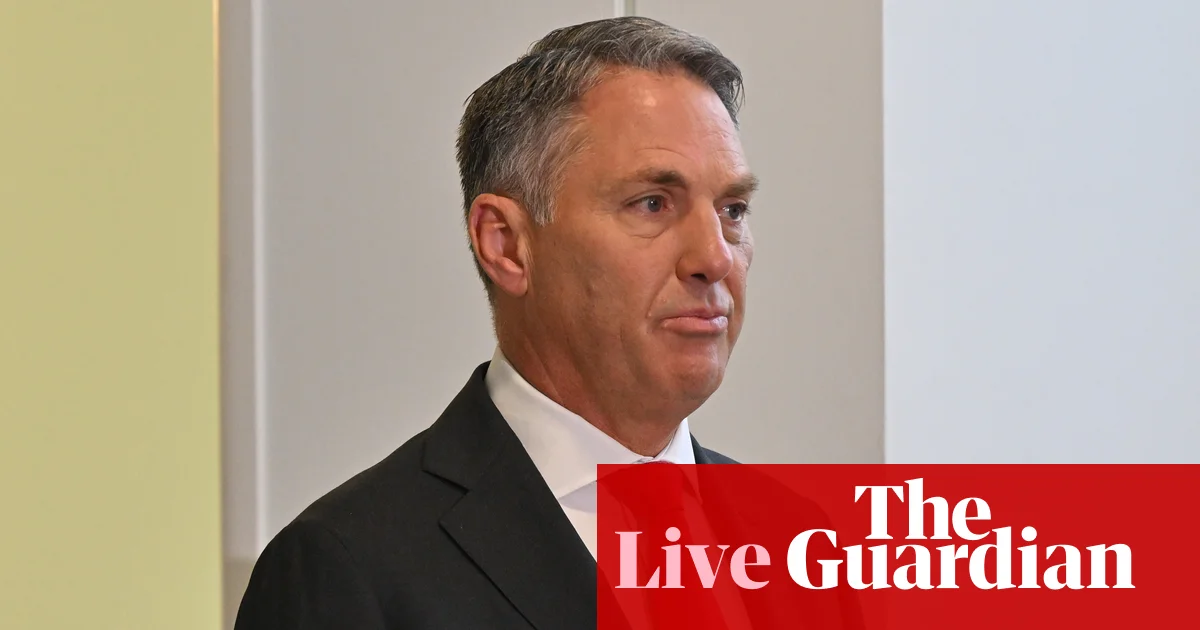
Politics LIVE: Marles Labs Down on Long Consular Waits for Aussies in Middle East, Promises Action on Contingency Plans | Australia News

Global Power Plays and Australia’s Strategic Dilemmas Amid Middle Eastern Turmoil

As the geopolitical landscape shifts rapidly, Australia finds itself caught in a web of regional conflicts and international diplomacy that could have lasting consequences. The recent escalation of violence in the Middle East, specifically the conflict ignited by US and Israeli airstrikes targeting Iran’s ballistic missile program, has thrust the region into a new era of instability. While countries like Canada and Australia denounce violence, they grapple with the reality of limited influence and the potential economic fallout stemming from these high-stakes tensions. The Australian government’s cautious approach, exemplified by minister Richard Marles’s guarded statements on military involvement, underscores a broader struggle to define Australia’s role on the global stage amidst rising superpower rivalries.

The conflict in Iran has invoked a complex mix of diplomatic sensitivity and strategic ambiguity. Australian Prime Minister Anthony Albanese has made clear that Australia is what he describes as a “long way” from the Middle East and thus not a direct participant. With no formal request from the United States for Australian military assistance, the government remains non-committal about intervening, emphasizing instead the importance of contingency planning and the safety of its citizens. International analysts observe that Australia’s stance is emblematic of a broader pattern seen among middle powers—avoiding direct confrontation while navigating an increasingly volatile geopolitical environment. The rising tension highlights the *qualitative change* in international norms surrounding regional conflicts—marking a new era where even distant powers must carefully calibrate their foreign policies.

Meanwhile, the international community watches with bated breath as Canada’s Mark Carney arrives in Australia for a rare parliamentary address, signaling the importance of middle-power diplomacy in this fractured geopolitical landscape. Carney’s discussions are set to touch on critical issues such as climate change, critical minerals, and collaborative defense strategies. His emphasis on the potential for middle powers to act as a unified bloc in addressing global security challenges aligns with recent calls by analysts for a reconfigured international order—one where the U.S. and China are no longer the sole arbiters of global stability. As Carney and Anthony Albanese explore avenues for enhanced cooperation, the message is clear: in an era of rising superpower tensions, regional alliances and shared interests hold the key to maintaining equilibrium.

Simultaneously, the Australian government is contending with controversial internal issues. Reports of memorials mourning Iran’s late Supreme Leader Ali Khamenei have sparked debate about the expression of political sentiments within Australia’s multicultural society. Prime Minister Albanese condemned such gatherings as “inappropriate,” reflecting a cautious stance amid growing tensions with Iran. Deputy Prime Minister Richard Marles explicitly refused to direct police action against mosques inviting mourners, emphasizing Australia’s respect for religious freedoms but also highlighting the delicate balance between liberty and national security. With domestic perspectives diverging sharply, policy-makers face the challenge of maintaining social cohesion during a period marked by international unrest and domestic controversy.

As the geopolitical chessboard becomes increasingly complex, the latest developments underscore a broader truth: the decisions taken today—whether in the corridors of Canberra, Westminster, or Davos—will shape the course of history. The persistent questions about how middle powers like Australia, Canada, and others will navigate this turbulent era evoke a sobering vision of a world teetering on the edge of a new Cold War or, worse, open conflict. With strategic calculations being made behind closed doors, the weight of history presses heavily, reminding us that the unfolding saga of the 21st century remains an unfinished story—we are all players and witnesses, standing at the crossroads of an uncertain future.

RSC’s Game of Thrones Play Promises an ‘Immersive’ Experience Rooted in Tradition and Power

In an era where technological advancements threaten to alienate us from authentic human experience, a profound shift is emerging in the realm of cultural engagement: the desire for living and breathing the same space as the characters. This phenomenon signifies a renaissance of tradition and identity, as audiences seek to transcend the passive consumption of art and reclaim an active, visceral connection with the cultural narratives that shape their understanding of society. Such a movement echoes the timeless philosophical assertion that culture is both our memory and our prophecy; it embodies our history while guiding our future, offering a bridge between generations through shared aesthetic and moral values.

At its core, this immersive approach to culture reflects a culture’s intrinsic capacity to serve as a repository of identity. As the French historian Tocqueville observed, societies rooted in a rich cultural fabric are more resilient, more capable of nurturing a collective sense of purpose. Today, this resilience is manifest in performance art, immersive theatre, and virtual reality experiences that foster a sense of participation rather than observation. The audience, no longer a detached observer, becomes a vital part of the narrative, inhabiting the lived spaces of tradition and myth. This aligns with the philosophical stance of Ortega y Gasset, who emphasized the importance of life as a permanent dialogue between individual existence and cultural expression—an active engagement that sustains societal vitality.

Artistically, this evolution signifies a return to the classical ideals of participatory experience. Works that once merely represented life are now designed to involve the spectator directly in its unfolding, echoing the gestures of Augusto Boal’s Theater of the Oppressed, where dialogue and action dissolve the boundaries between performer and audience. Such phenomena underscore a core truth: culture is not only what we inherit, but also what we choose to embody and forge anew. This renewed emphasis on embodied participation underscores a broader societal trend: the recognition that tradition, when actively lived, fosters a shared sense of purpose and moral clarity. It is a response to the vacuum of meaning in modern life, an affirmation that our cultural past bears the seeds of our collective identity and future.

As the cinematic critic T.S. Eliot once asserted, the true function of art is to help us see again, to remind us of our initial clarity amid the chaos of modern existence. Today, this immersive cultural renaissance offers a path toward rediscovering that clarity—an acknowledgment that our cultural continuity is vital not only to preserve identity but to inspire prophecy. When we live and breathe among the characters of our shared stories, we become active participants in a grand, ongoing dialogue—an echo of human history that continues to unfold, inspiring us to cast anew the molds of tradition and hope. Culture, therefore, is neither relic nor mere ornament; it is a vital breath of life that sustains the soul of society—a poetic testament to the enduring human journey, weaving memory and prophecy into a tapestry of the enduring human spirit.

Border Chief Promises ICE Improvements, Keeps Quiet on U.S. Citizen Shootings — Live Update on Minnesota ICE Incidents

In an era defined by shifting geopolitical sands and undercurrents of conflict, the United States continues to grapple with the implications of its immigration policies, both domestically and on the world stage. Under the leadership of figures like Tom Homan, Trump-era border czar, the federal government has maintained a stance of aggressive enforcement, emphasizing “targeted” operations and the assertion that “if you’re in the country illegally, you’re never off the table.” This approach, often characterized by no-holds-barred enforcement tactics, has sparked controversy and raised alarms internationally. Analysts warn that this aggressive posture not only deepens internal societal divisions but also has ripple effects across bilateral relations, especially with neighbors like Mexico and in the broader context of global alliances.

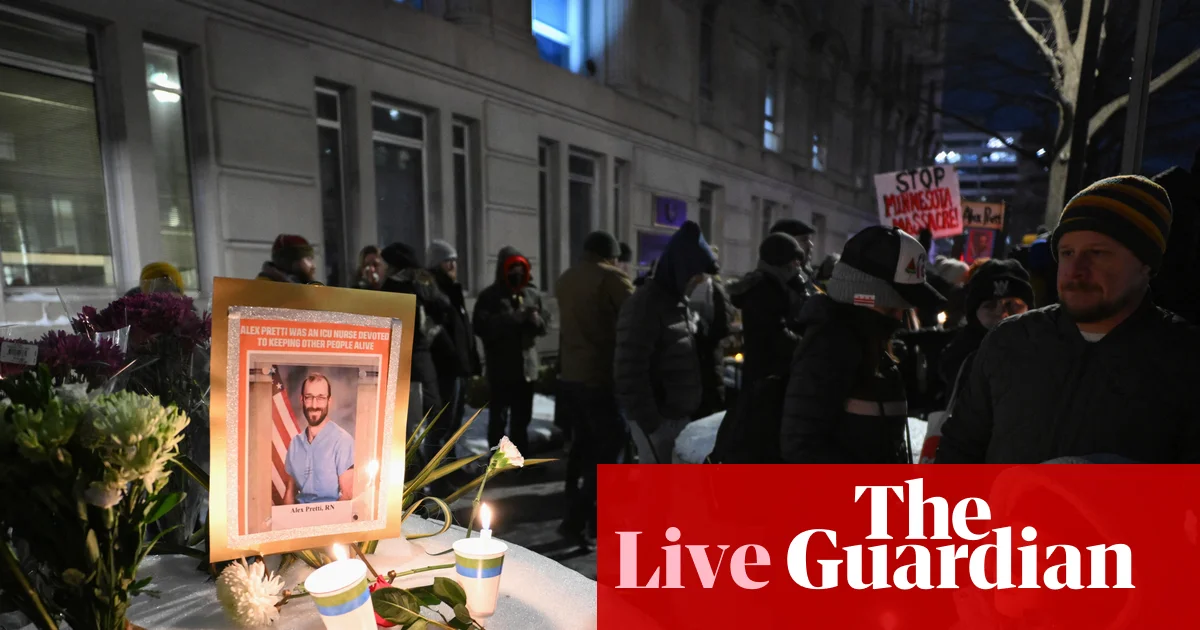
This latest surge in immigration enforcement coincides with increased tensions within Minneapolis following the fatal shooting of Alex Pretti by federal agents, an incident that has sharpened divides and intensified scrutiny of the federal government’s approach. Despite growing public outrage and protests, as witnessed during recent confrontations captured on video, officials such as Homan remain resolute, refusing to specify “improvements” or comment on specific investigations. “We know exactly who we’re looking for,” Homan declared, underscoring the relentless focus of federal agents on targeting *all* undocumented individuals, regardless of their criminal record or civil status. Critics argue that such policies risk dehumanizing vulnerable populations and escalating civil unrest, further complicating the already fragile rule of law within American jurisdictions.

Geopolitical Impact: A World Divided Over Sovereignty and Security

The unfolding situation in Minnesota and other states exemplifies how internal policy decisions can have profound geopolitical impacts. America’s stance on immigration, reinforced by directives from officials like Homan, signals a tough-on-immigration posture that resonates globally. Countries like Mexico and European nations watch with concern as the U.S. tightens border security and ramps up enforcement actions, often at the expense of diplomatic goodwill. The Biden administration, while attempting to soften some policies, faces mounting pressure from political factions demanding a line in the sand. Experts from think tanks and international organizations warn that prolonged enforcement crackdowns, especially when accompanied by violence and civil unrest, could destabilize regional security, increase refugee flows, and threaten global economic stability.

Meanwhile, the international community’s response remains mixed. While some nations criticize the U.S. for human rights violations, others, especially those facing their own migratory crises, look to Washington’s policies as a cautionary tale or even a blueprint. The United Nations and human rights advocates warn that the U.S. approach risks fostering a climate of fear and intolerance. In the global arena, the perception that the U.S. is prioritizing aggressive immigration enforcement over diplomatic cooperation can weaken alliances — including NATO — which already seemed shaken by rifts over policies such as Trump’s threats to impose tariffs on European allies and his ambitions over Greenland. How these internal policies shape perceptions and alliances will undoubtedly determine the geopolitical landscape for decades to come.

Reshaping Domestic Politics and Society

Within the American political arena, these enforcement actions and incidents like the Minneapolis shootings have catalyzed debates over sovereignty, civil rights, and the future of immigration reform. The recent announcement by Senator Amy Klobuchar of her bid for California governor and the rise of moderate figures like Matt Mahan reflect a nation at crossroads—one divided sharply along ideological lines over the best course of action. The relentless discourse around immigration has also seeped into local elections, with candidates blaming violence and social decay on federal policies, and promising to restore order and civility. Analysts warn that unless a decisive shift occurs, America’s internal divisions could deepen, leading to an unstable socio-political landscape that might result in further civil strife and international consequences, reminiscent of Cold War-era power struggles that shaped history.

As the world witnesses these tumultuous shifts, history eyes America’s next move—will it continue down the path of fierce enforcement and internal conflict, or will it seek a new vision rooted in collaboration and justice? The decisions made today—whether in Minneapolis, Washington, or in international diplomacy—are forging the narrative of an uncertain tomorrow. The odyssey of a nation caught between sovereignty, security, and the universal human quest for freedom is far from over; it remains unwritten on the expansive canvas of history, waiting for its next chapter to unfold in the shadows of a world still learning how to survive and thrive amid conflict and change.

Gaza’s Chaos Continues: Promises of Peace Broken as Violence Rages On

Global Impact of Gaza Conflict and Ceasefire Realities

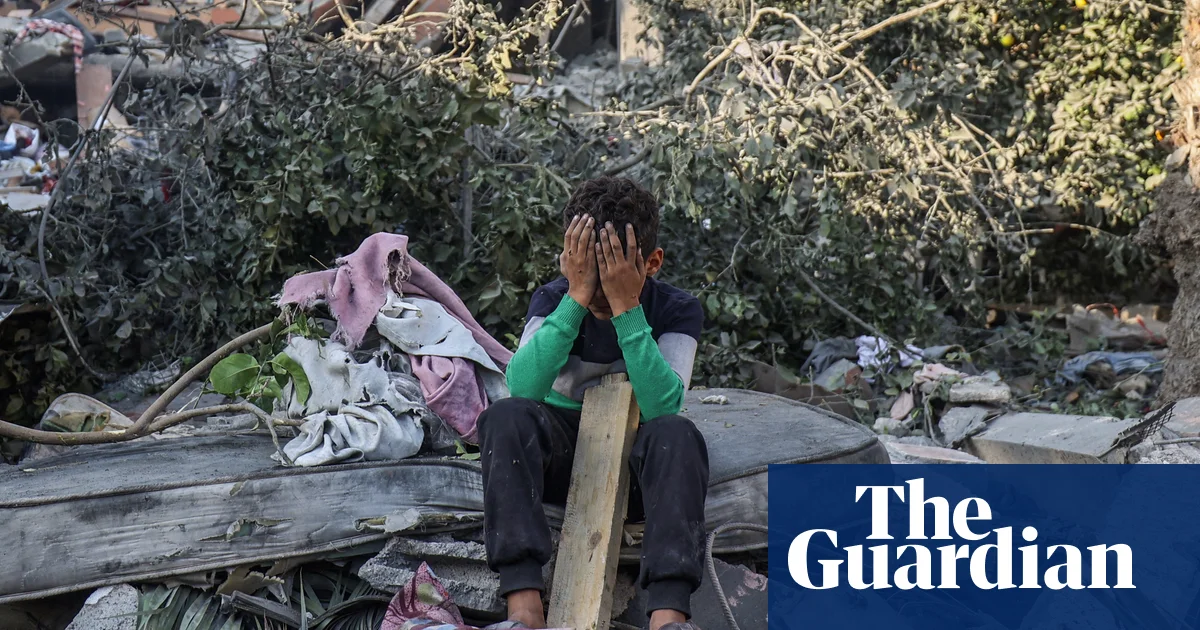
The recent conflict in Gaza has once again exposed the fragile veneer of diplomacy and the stark realities faced by civilians caught in the crossfire. Despite declarations of a ceasefire in October, the situation on the ground remains as volatile as ever. Reports from humanitarian agencies and international analysts reveal a disconcerting paradox: while official rhetoric suggests a lull in violence, the death tolls tell a darker story. On average, Israeli forces continue to kill seven Palestinians per day in Gaza, a rate that many would consider active warfare rather than an end to hostilities. The imagery of families like Hala Abu Assi’s, mourning the loss of her young boys Jumaa and Fadi, symbolizes the grim toll wrought by what is purportedly a pause in fighting. These tragedies underscore how decision-makers’ claims of peace often mask enduring violence and suffering.

The geopolitical landscape surrounding Gaza has reset into a tense and uncertain partition. Israel’s government, backed by its strongest allies, is solidifying a de facto division along the so-called “yellow line”, with recent construction of concrete outposts and the bulldozing of Palestinian neighborhoods on the Israeli-controlled side. While the Trump-planned peace process envisions a phased withdrawal, an international stabilisation force, and a technocratic Palestinian governance structure, these plans remain entrenched in ambiguity. Major questions persist: Who will control Gaza’s critical land and resources? Will the Palestinian residents have a meaningful say, or are they destined for further displacement? The emerging landscape resembles a modern apartheid in the making, with Palestinian communities being herded into scattered enclaves under international supervision. Historians and policy analysts warn this strategy could entrench the separation, embedding a new reality where ethnic and territorial divisions threaten to outlast the current violence.

The international community’s role remains deeply conflicted. European and Arab nations aligned with the Trump initiative argue they support the peace efforts to prevent a broader regional escalation and to foster stability. However, critics highlight that these political calculations often serve as a cover for maintaining strategic interests rather than genuine resolution. The UN’s recent resolutions, which drew support from some nations, plan for the disarmament of Hamas and the return of hostages—yet substantial obstacles remain. Hamas has returned most missing bodies and expressed willingness to discuss surrender of offensive weapons—but only outside of Israeli or Israeli-backed entities. Moreover, absent substantial troop contributions from countries like Indonesia or Pakistan, the envisioned @disarmament under international supervision remains a distant dream. Without a genuine Palestinian authority, efforts to rebuild or establish security are hamstrung, compounding the sense of inevitability regarding Gaza’s continued fragmentation.

The Humanitarian Toll and the Weight of Injustice

Marking a tragic chapter, Gaza’s population of over 2 million Palestinians now inhabits less than half of their original territory—confined to the barren “red zone” amid ruins and chaos. The recent floods, coupled with ongoing bombings, have devastated what little infrastructure remains, leaving families in tents with no adequate shelter before winter’s cold. Aid supplies, though increased, have yet to meet the need; the UN reports that fewer trucks are entering Gaza than prewar levels, and many Palestinians live on the brink of starvation. The international aid effort, hamstrung by diplomatic disputes and Israeli bans on organizations like UNRWA, struggles to address the scale of destruction. The plight of Gaza’s children, families, and the elderly reflects a humanitarian crisis that-growing figures warn could morph into a chronic catastrophe if international pressure wanes. Such conditions vividly illustrate a world that prudently calls itself “concerned,” but fails to act decisively. The ongoing destruction and suffering challenge global leaders and institutions to confront the moral cost of their policies—adventures in diplomacy that risk leaving Gaza as a symbol of unresolved injustice for generations to come.

As the quiet of the ceasefire festers into a new era of enduring division, the silence of true peace grows heavier. The stories of families like Faiq Sakhani’s, living just metres from the “yellow line” and daily fearing death, are the somber echoes of a story still unresolved. The specter of history—of nations divided and peoples oppressed—looms large over a volatile region in which every decision could ignite yet another cycle of war or forge a fragile hope for lasting peace. The world watches, but only time will reveal whether this chapter will be remembered as a step toward liberation or a prelude to darker days. The pages of history remain unwritten, yet one thing is certain: Gaza’s suffering is a stark reminder that peace, if not rooted in justice, is merely a brief interlude in an ongoing tragedy.

Leaked Memo and Broken Promises: Labour’s Housing Betrayal Sparks Youth Discontent

In the heart of London, a city historically renowned for its resilience and diversity, an ongoing housing crisis exposes the profound social fissures that threaten the fabric of communities and families alike. Sociologists like David Harvey have long argued that urban development reflects underlying social inequalities, yet recent policies seem to deepen this divide. The government’s current approach, heavily influenced by big property developers and skewed priorities, appears to prioritize profits over the welfare of ordinary citizens. As a result, families are displaced, children grow up in overcrowded temporary shelters, and the very notion of community stability is fraying under economic and social strain.

Recent reports reveal a troubling pattern: during a period when London’s homelessness numbers are reaching unprecedented heights—over 13,000 people sleeping rough in 2024-25, quadrupling the figures from a decade ago—efforts to address affordable housing have been sidelined by policies favoring robust profits for developers. A leaked government memo indicates that key negotiations with major construction firms are centered on diluting commitments to social housing, and to relax planning rules that could make building modest, affordable homes financially unviable for those who need them most. This pivot toward prioritizing luxury developments and attractive profit margins over community needs underscores a troubling moral trajectory, one that threatens the social cohesion essential for stable families and thriving neighborhoods.

The social implications of these policies ripple through families and communities in tangible, often devastating ways. Children in London now face the harsh reality of growing up in temporary accommodations, often with little access to stable education or safe environments. For families pushed into overcrowded flats or forced to relocate far from their support networks, the psychological toll compounds existing economic hardships. Housing sociologists like Jane Jacobs emphasize that a strong, interconnected community hinges on accessible, affordable housing—yet current policy makers seem intent on reversing progress made under previous administrations, reminiscent of the housing policies of Boris Johnson that prioritized spectacle over social equity. As W. B. Yeats lamented, society often finds itself caught between the desire for progress and the peril of losing its moral compass—an especially poignant reflection as London’s social fabric faces this crisis.

Facing these UNIGNORABLE challenges, the hope for societal renewal lies in bold reforms that put families and community well-being front and center.

  • Implement legally binding targets to ensure a minimum of 50% affordable housing in new developments, backed by enforceable policies that penalize failures to meet these standards.
  • Reintroduce community levies that finance essential amenities—schools, healthcare, and parks—rather than siphoning off funds for private profit, fostering a sense of shared ownership and neighborhood pride.
  • Prioritize localized, community-led planning initiatives that involve tenants, local councils, and grassroots organizations, emphasizing social cohesion over speculative development.

Experts like social historian Eric Hobsbawm have pointed out that social progress is often crafted through collective resilience and moral clarity. As society grapples with these social issues, it is vital to remember that at its core, social reform is a moral imperative—an effort to preserve the dignity and potential of every family affected by these policies. The narrative of London—and indeed, society at large—cannot be solely written by profits and policies; it must be shaped by a shared sense of responsibility and hope. In the quiet corners of these struggling neighborhoods, amid the shadows cast by unchecked greed, lies the possibility of renewal—an unyielding hope that society can rebuild itself, not through empty promises but through unwavering commitment to its most vulnerable members. Only then can London truly rebuild a city on the foundation of fairness and human dignity.

Trump sends troops to Portland, promises 'full force' in crackdown
Trump sends troops to Portland, promises ‘full force’ in crackdown

United States Faces Rising Internal Tensions as Federal Troops Deployed to Portland

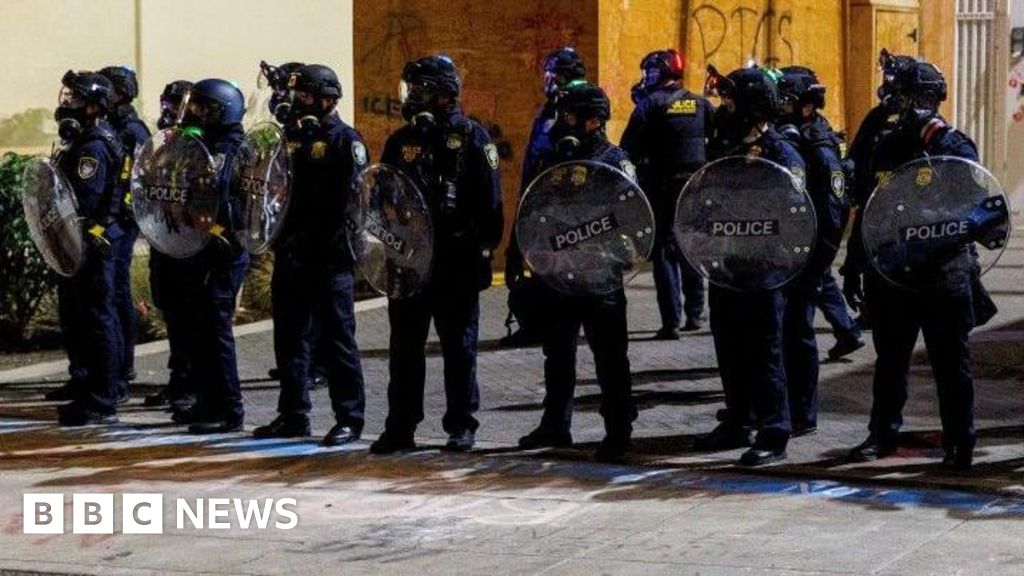
The United States is once again at a pivotal crossroads, with President Donald Trump ordering the deployment of federal troops to the city of Portland, Oregon. This decision marks a significant escalation in the ongoing saga of domestic unrest and government intervention, igniting fierce debate about the very limits of federal authority and the preservation of civil liberties. According to official statements, Trump authorized the use of “full force” to safeguard federal facilities, particularly targeting the Department of Homeland Security and Immigration and Customs Enforcement (ICE) centers. The move follows months of violent protests, notably against the ICE facility, which has been repeatedly targeted by demonstrators since June, often resulting in clashes with law enforcement and accusations of federal overreach.

Political Fallout and Strategic Concerns

Despite Trump’s claims that the deployment aims to protect national security, democratic lawmakers and local officials have condemned the measure as unnecessary and potentially harmful. Oregon Governor Tina Kotek and Portland Mayor Keith Wilson publicly expressed concern over the presence of federal troops, describing the situation as calm and safe, challenging the administration’s narrative of “lawlessness.” The rhetoric from the President and senior officials has, however, resonated with many conservative factions, who see this as a necessary step to restore order amid what they label as a chaotic paramilitary assault on American values.

Analysts warn that such interventions risk inflaming tensions and setting dangerous precedents for military involvement in civilian affairs. Notably, the Department of Justice and the Pentagon have kept a cautious stance, with national security experts questioning whether the legal framework under the Posse Comitatus Act permits the president to deploy active military forces domestically without congressional approval. Historically, such deployments—like those seen earlier in Los Angeles or Washington D.C.—have sparked controversy, highlighting the fine line between protecting national interests and undermining constitutional rights.

Undermining Social Unity and International Stability

On the international stage, U.S. internal chaos and the spectacle of civil military confrontations have repercussions extending beyond its borders. Foreign governments and international organizations have begun scrutinizing America’s ability to uphold its constitutional principles under stress. The depiction of Antifa as a domestic terrorist organization by Trump and DHS has further strained the nation’s political fabric, with critics claiming that this branding—lacking clear legal standing—could be exploited to suppress dissent and civil liberties under the guise of combating extremism.

As historians like Samuel P. Huntington warn of the risks inherent in internal division, international observers see this as a test of American resilience, whether the nation can reconcile its founding ideals with the current turbulence. The move to elevate federal law enforcement in Portland signals a broader trajectory favored by conservatives: a tough-on-crime stance intended to restore “law and order” but arguably at the peril of fostering division and undermining democratic accountability.

Conclusion: The Unfolding Epilogue of a Nation Divided

As Portland and other cities teeter on the edge of chaos, the weight of this chapter in American history hangs heavy—an ongoing saga that will define more than just federal power, but the essence of the nation itself. Will this hardened stance mend society’s fractures or deepen them? Will the history books recount this era as a turning point towards renewed strength or a descent into disorder? Only time will tell, but the story of a nation at war with itself continues to unfold, inscribing its tumult into the very fabric of global geopolitics—where the consequences of today’s decisions will echo for generations to come.

Get Ready! ‘Stranger Things 5’ Promises to Be the Biggest Adventure Yet!

The Big Finale: What to Expect from Stranger Things 5

The highly anticipated fifth season of Netflix‘s Emmy-winning series Stranger Things is set to make its debut, bringing closure to a show that has captivated audiences since its inception. As we reflect on the cultural phenomenon that has shaped the viewing habits of a generation, it’s fascinating to see how this series has not only entertained but also influenced social conversations. The latest featurette, showcasing behind-the-scenes moments and dramatic glimpses of the upcoming season, has ignited excitement among a loyal fanbase eager for the final installment.

In a recent featurette, cast members and creators the Duffer Brothers shared nostalgic memories from the first season while teasing the monumental scale of Stranger Things 5. Set in the fall of 1987, over a year after the dramatic events of Season 4, Hawkins is now a town marred by trauma, military quarantine, and the looming presence of Vecna (played by Jamie Campbell Bower). These elements underscore a broader theme in the series: confrontations with evil forces often reflect the struggles we face in our own lives. This thematic relevance resonates deeply with today’s youth, who are navigating their own battles in a world fraught with challenges.

The sneak peeks in the featurette suggest that this season is not just about nostalgia; it’s also about growth, both for the characters and the audience watching them. With heightened stakes involving Eleven (Millie Bobby Brown) and her friends as they prepare for what the Duffer Brothers call “the biggest season we’ve ever had,” viewers are gripping their seats. Stranger Things has always balanced the clever integration of pop culture with a coming-of-age narrative, making it relatable for audiences both young and old. The explosive trains, roaring Upside Down energy, and hints of heartbreak reinforce why this series has become a modern classic.

As youth-oriented markets increasingly revolve around streaming platforms and viral phenomena, the question emerges: What lies ahead after Stranger Things concludes its run? Will the spirit of the series live on through new adaptations, merchandise, or thematic spin-offs? The lasting impact of Stranger Things on today’s culture cannot be overstated, and perhaps the biggest question is—how will future creators draw inspiration from this storytelling juggernaut? As we prepare for what could be a heart-wrenching finale, one can only wonder how the show’s legacy will shape the narratives and mediums of tomorrow.

Social Media Auto Publish Powered By : XYZScripts.com