Matox News

Truth Over Trends, always!

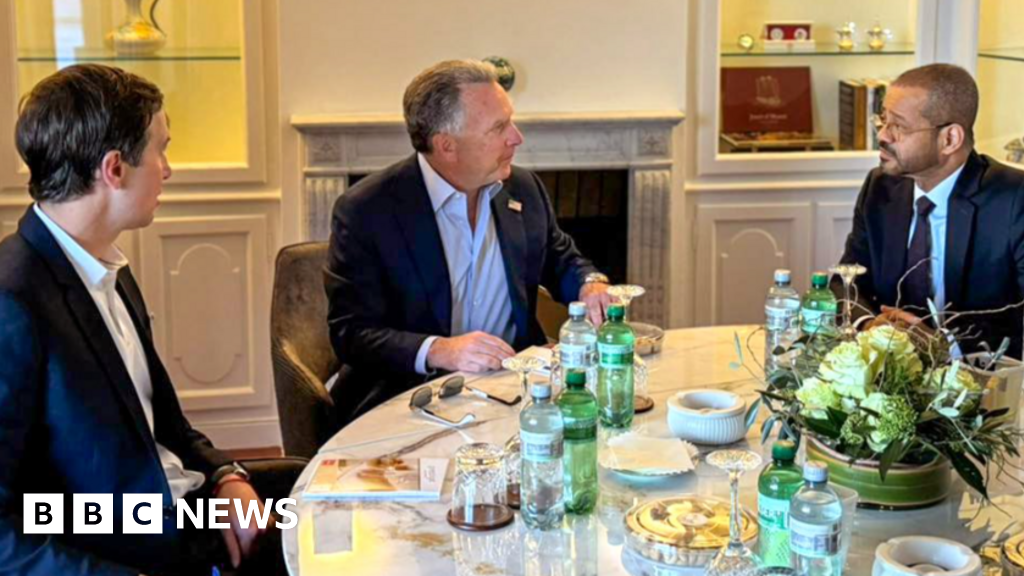
US-Iran Talks Wrap Up After Promising Progress, Says Mediator

In a world increasingly defined by shifting alliances and territorial ambitions, the recent indirect negotiations in Geneva stand as a pivotal yet uncertain event on the international stage. These talks, seen by many analysts as a final effort to curb a burgeoning nuclear arms race, highlight the delicate balance of power that continues to shape global security. With the stakes higher than ever, diplomats from key nations are engaged in a tense dance of diplomacy, offering a glimpse into the complex chess game that underpins regional stability and international peace.

Despite the urgency, the prospects of reaching a comprehensive nuclear agreement remain ambiguous. The deliberations, characterized by back-channel negotiations and cautious exchanges, underscore the pragmatic limitations of diplomacy when core national interests are at odds. Some experts suggest that the failure to achieve a breakthrough could have far-reaching repercussions, not only for the immediate parties involved but also for the international order. The echoes of past conflicts and Cold War tensions underscore the fragile nature of such agreements, further complicating efforts to establish a lasting framework that prevents proliferation.

Historians and geopolitical analysts warn that these negotiations are emblematic of broader geopolitical shifts—a reflection of rising powers and waning influence in traditional diplomatic architectures. International organizations, such as the United Nations, have called for restraint, emphasizing how the failure to bridge differences might ignite regional instability and spark new arms races. Meanwhile, nations like Russia and China watch closely, weighing their own strategic interests and projecting their influence through diplomatic channels that often sway in unpredictable directions. The current impasse demonstrates how narrow the margin for diplomatic success truly is in an era dominated by assertive nationalistic policies.

As history’s pages turn, many observers believe that the outcome of these Geneva talks could define the trajectory of international security for decades to come. For Western allies, a failure symbolizes a potential retreat into a world where nuclear proliferation is uncontrolled, heightening risks and threatening global stability. Conversely, for opposition blocs, such setbacks may reinforce the perception that diplomacy alone is insufficient against aggressive postures. Ultimately, the decisions made in these hallowed halls will echo through the corridors of history, leaving an indelible mark on the collective consciousness. In the shadow of diplomacy’s fragility, the human story continues unfolding—an enduring reminder that the balance of power remains precariously poised, and the future remains unwritten, waiting for history to determine which path is taken.
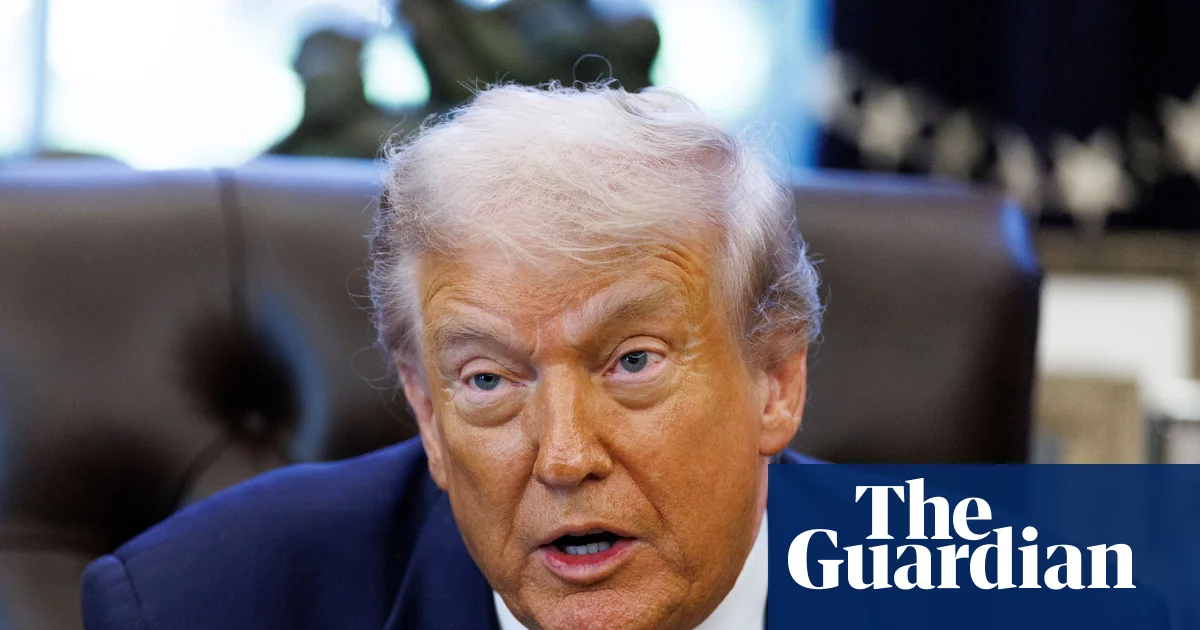

Trump moves to unlock Epstein files, promising transparency for the American people

Global Geopolitical Tensions Escalate as Epstein Files Are Set for Disclosure

In a move that has sent shockwaves through international politics and fueled debates about transparency, accountability, and deep-rooted corruption, United States President Donald Trump signed legislation requiring the Justice Department to release classified files linked to the sordid case of Jeffrey Epstein. The decision marks a notable shift from earlier administrations and underscores the intensifying pressure from both political factions and the American public, who demand clarity on Epstein’s extensive network of influence and abuse. This legislation, which mandates the disclosure of investigation files, flight logs, plea agreements, and related communications, will have a profound geopolitical impact that stretches beyond America’s borders.

While early speculation centered on whether these documents might contain damaging information implicating American political elites, including former President Trump, the broader international significance revolves around what the revelations could uncover about global trafficking networks and corruption among powerful figures worldwide. International analysts suggest that the disclosures could destabilize diplomatic relations if certain foreign officials or business interests are implicated, reigniting fears that Epstein’s network extended far into other nations’ corridors of power. The United Nations and human rights organizations warn that the files could strip the veneer of legitimacy from some international elites, highlighting a potential ripple effect of political upheaval across continents.

Historian and geopolitical analyst Dr. Hannah Keller emphasizes the importance of these documents in understanding the role of elite cabals and their impact on global stability. “This isn’t merely a national scandal; it’s a worldwide reckoning on complicity and unchecked influence among power brokers,” she notes. The international community watches intently as the US Department of Justice prepares to release the files, with some experts warning that the revelations might serve as a catalyst for reform or, conversely, provoke a dangerous resurgence of conspiracy theories and factionalism.

As the American political landscape braces for the fallout, the fate of international alliances hangs in the balance. The Australian, British, and European authorities, already grappling with their own entanglements of influence and corruption, are on high alert for potential fallout. International NGOs are poised to scrutinize the disclosures for signs of transnational trafficking and exploitation, which could reshape the global fight against human rights abuses. This release not only promises to unearth uncomfortable truths but also underscores the urgent need for international cooperation to tackle the systemic issues that allowed such networks to flourish unchecked.

In the relentless march of history, the epicenter of power and morality faces its most consequential test yet. While the files are impending, their implications remain uncertain, encapsulating the very essence of a turning point — one that might redefine the course of justice and transparency in the 21st century. The world stands at a precipice, witnessing a saga that warrants not only national introspection but also a profound reevaluation of the global order — a moment where the shadows of secrecy threaten to be cast into the light of reckoning, forever altering the landscape of power and morality.

Sony Developing ‘Labubu’ Toy Movie: A Promising Beginning for a New Franchise

In an era defined by rapid technological advancement and cultural shifts, the story of Labubu—the viral plush toy turned potential cinematic franchise—illustrates a profound truth about our society’s evolving relationship with culture, commodification, and identity. Historically, culture has served as the bedrock of society’s self-understanding, a mirror reflecting collective memories and a compass guiding future aspirations. Today, however, the lines between art, commerce, and social identity blur more than ever, with the entertainment industry reshaping itself into a producer of brands and icons that seep into the very fabric of youth culture. Labubu—initially conceived as a whimsical monster figurine inspired by European fairy tales—evolved into a societal phenomenon rooted in social media, celebrity endorsement, and a desire for unique forms of personal expression. This mirrors the cultural shifts outlined by Ortega y Gasset, who argued that culture is not merely a relic of the past but a living, breathing consciousness that must adapt to new social realities.

What makes this phenomenon so compelling is not just the toy’s evolution into an object of high fashion or celebrity allure but the underlying mechanism of cultural reinforcement. The plush doll’s rise underscores the importance of tradition and memory in shaping society’s identity, even as that identity becomes increasingly commercialized. As Chesterton once observed, “The modern world is full of idols—idols which are scared — but most of all the idol of the consumer’s taste,” pointing to how modern culture often elevates superficial novelty over enduring values. Labubu, with its roots in Nordic fairy tales, symbolizes a form of ancient mythic storytelling dressed in the garb of contemporary branding, transforming from a simple collectible into a social currency—an emblem of belonging and status for a new generation of followers. Its appeal is emblematic of society’s innate quest for meaning in the ephemeral, permanence in the transient.

Furthermore, the commercial transformation of toys into film franchises exemplifies an inversion of the traditional artistic process. Historically, films inspired toys; now, we witness the reverse, where merchandise driven franchises become the roots from which cinematic stories grow. The blockbuster success of Barbie at the global box office—grossing over $1 billion in 2023—heralded a new chapter in Hollywood, one where toy brands like Mattel are pitching multiple ideas for cinematic universes rooted in their iconic products. Such developments demonstrate how the boundaries between cultural production and commercialism are eroding, leading to a cultural landscape where the personal and the branded merge seamlessly. It’s not merely entertainment; it’s a new mythology, a collective dream forged in the crucible of consumer desire. As Tocqueville warned, liberty and identity flourish when rooted in tradition—but when brands become the new symbols of belonging, we risk losing sight of the deeper currents that give culture its meaning.

In this landscape, the relevance of culture as a vessel of societal memory and prophetic vision becomes even more vital. The rise of Labubu and similar phenomena serve as poignant reminders that culture is both the repository of our shared stories and the blueprint of our future aspirations. As poets like T.S. Eliot suggested, tradition is no mere dead weight but a guiding force; it is both memory and prophecy—a dialogue between what we carry and what we seek to become. Consequently, in the age of rapid commodification, to understand and cherish culture is to recognize its power to forge identities rooted in history yet stretching toward eternity. It is through this sacred tension—between memory and prophecy—that humanity’s enduring story continues, whispering the promise that beneath the shifting sands of popular trends, the true soul of society remains bound to its roots, awaiting renewal in the fertile soil of collective memory.

Promising Young Talent Shines in Latest Championship Showdown

Lamine Yamal Out for Spain’s World Cup Qualifiers

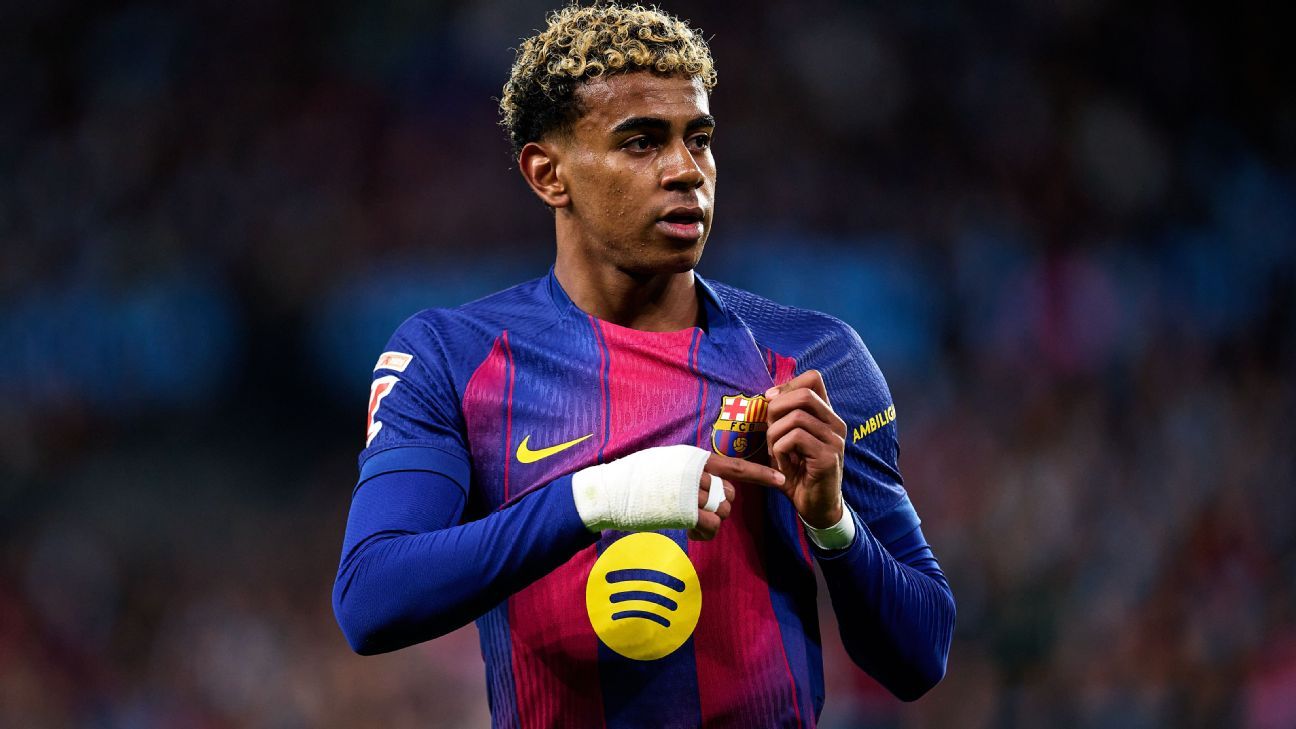
In a significant setback for Spain as they prepare for crucial World Cup qualifiers, young star Lamine Yamal will be sidelined due to a persistent groin injury. The Barcelona forward has been a standout performer this season, but his ongoing health issues mean he will miss the upcoming matches against Georgia and Turkey.

Yamal’s absence is particularly felt given his impressive form, which has seen him contribute significantly to both club and national performance. Coach Julen Lopetegui emphasized the importance of player health, stating that “every top athlete must prioritize their well-being. Lamine’s talent is undeniable, but rushing him back would be detrimental in the long run.” The decision to rest Yamal may also highlight the emerging depth of talent in the Spanish squad, as they look to secure pivotal points for World Cup qualification.

  • Lamine Yamal has recorded three assists and scored two goals in his last five club appearances.
  • Spain currently sits in a competitive group, with matches becoming increasingly critical.
  • Expectations remain high for Spain to clinch a spot in the upcoming World Cup.

The stakes could not be higher for Spain in these matches, as both Georgia and Turkey are poised to challenge the team. Expert commentators, such as Gonzalo Martinez, predictive analytics suggest that Spain will still lean on their seasoned players, but losing a rising star like Yamal alters the game plan. As he recovers, fans will undoubtedly look to veteran players to step up and fill the void.

In the grand scheme of sports, it’s moments like these that remind us of the fragility of athletic performance. But beyond the challenges, sports serve as a unifying force, transcending individual injuries and fostering collective spirit. As Spain heads into these World Cup qualifiers, the narrative goes far beyond the scoreboard; it’s about resilience, teamwork, and the shared passion that brings fans together. In every struggle, there lies the potential for growth—both for the players and the nation they represent.

Source link

Trump vows to meet Putin again after promising call advances U.S.-Russia relations

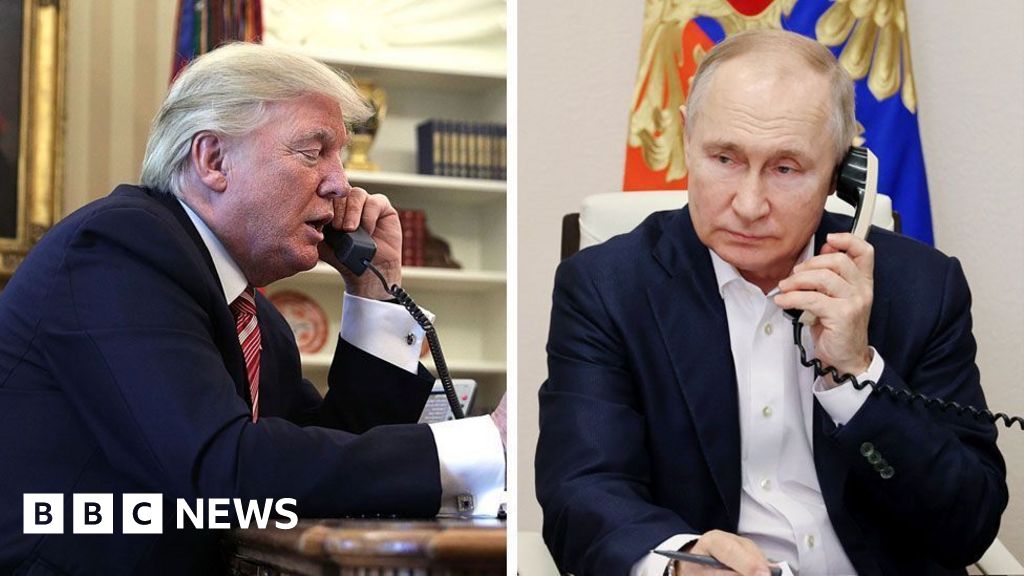
In a series of high-stakes diplomatic maneuvers, the United States and Russia are embroiled in a complex game of strategic brinkmanship at a critical juncture in global affairs. This latest development follows President Donald Trump‘s recent exchange with Vladimir Putin, marked by a phone call described by Washington as “very productive” and the anticipation of a face-to-face summit in Hungary. The geopolitical impact of these conversations reaches far beyond bilateral relations, affecting not only Ukraine but also the broader European and international stability. In a world seeking avenues for peace, the specter of renewed conflict looms large, driven by decisions made in backroom negotiations and public posturing.

  • On Thursday, Trump and Putin engaged in their first significant dialogue since mid-August, concluding with an agreement to convene more detailed discussions next week. The Kremlin highlighted that work on the summit would commence “immediately” after what they called an “extremely frank and trustful” call. This marks a notable shift from previous tensions and underscores how key leaders are maneuvering in the shadows of war, attempting to influence the geopolitical landscape with limited transparency.
  • Meanwhile, Ukrainian President Zelensky faces mounting pressure as the Biden administration contemplates arming Kyiv with advanced Tomahawk missiles, capable of deep strikes into Russia. Zelensky’s statement that Moscow is “rushing to resume dialogue” as soon as it perceives these weapons underscored the fragile, volatile nature of the ongoing conflict. The decision to supply Ukraine with such capabilities could drastically alter the war’s dynamics, leading to a potential escalation or stalemate, depending largely on how Russia perceives these moves.

Analysts and historians are warning that the recent diplomatic activities signal a shift toward greater unpredictability in an already volatile region. International organizations like the United Nations have cautioned against the escalation of hostilities, while European leaders such as Viktor Orban of Hungary advocate for diplomacy over confrontation—calling for patience, strength, and dialogue as the only viable path to peace. But the question remains: are these overtures genuine attempts at resolution, or just tactical steps in a broader chess game designed to influence the post-conflict order?

As Washington and Moscow continue to clasp onto their divergent visions for global dominance, the potential repercussions extend to economic spheres. Trump’s insistence that high-level advisors from both nations will meet to discuss trade “when the war is over” reflects the deep interconnection between geopolitics and economic strategy. Conversely, on the battleground, Russian missile strikes amid diplomatic talks serve as a grim reminder that peace remains elusive, and the path to stability is fraught with peril. Domestically, these developments are resonating among young people worldwide, keenly aware that the decisions made today will shape the future they inherit.

Indeed, the thread of history is being woven with each diplomatic encounter, each missile launch, and each negotiation. The world watches with bated breath as world leaders navigate a landscape where old alliances are tested and new rivalries emerge. In this relentless pursuit of power and peace, the curtain has yet to fall on the drama that will determine whether the 21st century will be remembered as an era of harmony or chaos. The weight of these choices, forged in the crucible of conflict and diplomacy, echoes through generations, reminding us that the unfolding story is far from over — it is only just beginning.

Trump announces promising new chapter for Middle East during Israeli parliament speech

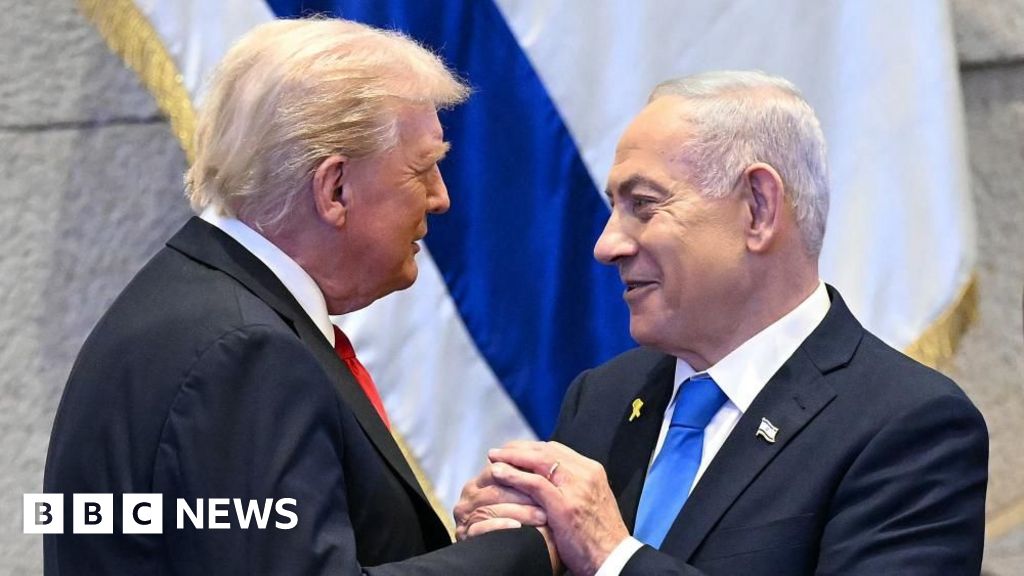
In a remarkable turn of events, President Donald Trump emerged as a central figure in shaping the recent developments in the Middle East. His visit to Israel and subsequent declaration that “the war is over” in Gaza signals an unprecedented diplomatic shift after over two years of brutal conflict. Trump’s role in brokering a ceasefire between Israel and Hamas not only underscores his influence but also sets the stage for a potential reconfiguration of regional alliances. His assertion that this marks the “start of a new Middle East” underscores the geopolitical stakes involved—an era where the influence of the US might return to a more assertive, peace-promoting posture, or so the narrative suggests.

  • Trump’s participation in a peace summit alongside Egyptian President Abdel Fattah al-Sisi and other world leaders emphasizes the scaling of US engagement into a broader regional diplomacy. His presentation at the Knesset, where he was hailed as “the greatest friend Israel ever had,” reflects not only his personal diplomacy but potentially a larger strategic aim: consolidating anti-Iranian alliances and strengthening Israel’s security narrative. Many analysts, including historians tracking US foreign-policy shifts, warn that such moves could recalibrate traditional regional balances, possibly sidelining factions opposed to peace accords or regional stability.

But beneath the jubilant rhetoric lies the complex, often fragile fabric of international diplomacy. Trump’s claims of having secured the release of the last 20 hostages and facilitating the initial stages of peace through a 20-point plan represent highly delicate diplomatic achievements. While some world organizations have celebrated these breakthroughs, critics underscore the *precariousness* of the ceasefire, emphasizing that “the next phases are yet to be negotiated.” This underscores a crucial point: lasting peace depends on sustained commitment and regional cooperation, factors that historically prove difficult to maintain in such a volatile landscape. International security analysts warn that these “initial successes” may not symbolize the end of hostilities but rather a brief pause in a larger, unresolved conflict that could reignite at any moment.

The decision by Israel to release 250 Palestinian prisoners, alongside the withdrawal of over 1,700 detainees, signals a recognition of the importance of confidence-building measures. Yet, it also raises questions about the broader geopolitical impact—how will these gestures influence the long-term prospects for peace, and what are the implications for Palestinian societal stability? Historians like Rashid Khalidi and analysts from institutions such as the United Nations argue that such gestures, while significant, cannot substitute comprehensive solutions rooted in justice and territorial sovereignty. As the world watches the region’s fragile ceasefire, the question remains: how lasting can a peace that emerges amidst geopolitical expediency truly be? The potential for upheaval hangs over the process, with many considering the current developments as merely a chapter—an echo of a still-unfolding saga that will shape history’s judgment.»

As the shadows of this historic moment deepen, one cannot ignore the enduring weight of history still unmade. The corridors of power whisper of a new dawn, yet beneath these bright promises lie the enduring scars of centuries of conflict. The geopolitical calculus pivoting around Jerusalem and the wider Middle East teeters on a knife’s edge. Will this be the start of a genuine era of peace, or merely a respite before the storm resumes? The unfolding narrative remains a reminder that, in the chess game of nations, every move echoes through history, and often, it is the silent, unseen forces that hold the greatest sway over the destiny of peoples.

Rising Stars Shine in Latest Youth Sports Showcase, Promising Bright Futures Ahead!

Ravens Face Uncertain Future Without Jackson, Shift from Favorites to Underdogs

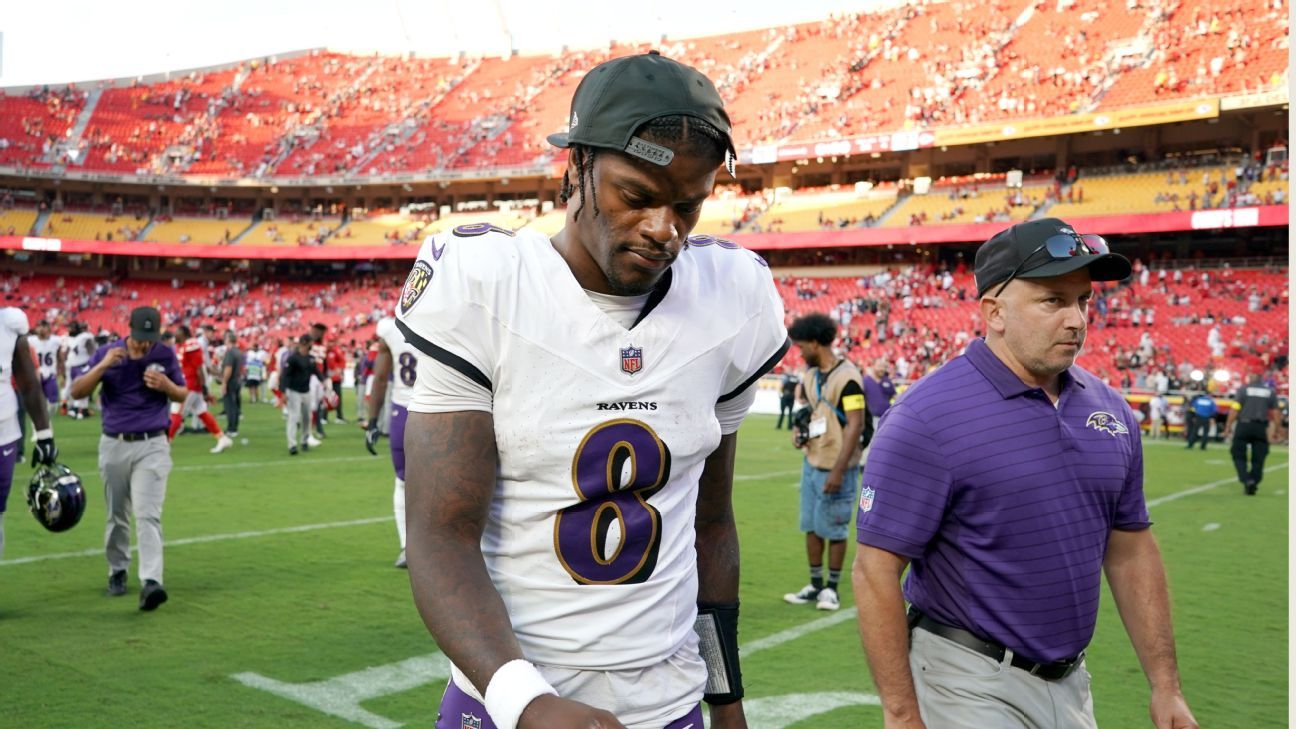
As the Baltimore Ravens prepare for their upcoming showdown this Sunday, they are grappling with the troubling implications of star quarterback Lamar Jackson‘s hamstring injury. This pivotal development has shifted the Ravens from being pre-game favorites to underdogs, prompting many analysts to reassess their prospects in a fiercely competitive league. Jackson’s absence could prove detrimental, leaving fans to wonder if the team’s playoff aspirations are now hanging by a thread.

The injury speculation has been echoed by multiple sources, including veteran sports commentator Mike Pereira, who noted, “Lamar has been the heartbeat of this offense. Without him, the Ravens may struggle to keep pace with their rivals.” This insight resonates with the team’s recent performance, as they have showcased prowess when Jackson is leading the charge. However, the looming uncertainty has compelled fans to turn their gaze towards backup quarterback Tyler Huntley, anticipating whether he can muster the same dynamic energy in his vital role.

  • Lamar Jackson has thrown for over 2,500 yards this season, making him a crucial anchor for the Ravens.
  • Jackson’s rushing capabilities, accumulating around 800 yards, highlight the multifaceted nature of his playstyle.
  • Coach John Harbaugh remains optimistic, stating, “We’ll adapt and find ways to win, regardless of who’s under center.”

As the game approaches, Ravens fans are filled with anticipation and concern. The team has experienced strong showings throughout the season, but this injury could disrupt their hard-earned momentum. Analysts are keen to see if the squad can rally together, leveraging their collective strength to face unexpected challenges. The camaraderie exhibited by teammates on and off the field serves to exemplify the unyielding spirit that defines this organization.

In sports, success extends beyond mere statistics and final scores; it embodies a sense of shared purpose and unity. Whether on the winning or losing side, players and fans alike forge connections through these electrifying moments. As the Ravens step onto the field this Sunday, the spotlight will be on their ability to adapt and come together, proving once again that sports are more than just a game—they are a powerful force that unites us through triumphs and tribulations alike.

Source link

Social Media Auto Publish Powered By : XYZScripts.com