Matox News

Truth Over Trends, always!

COP30 Evacuated as Fire Breaks Out—Pacific Leaders Push for Urgent Climate Action

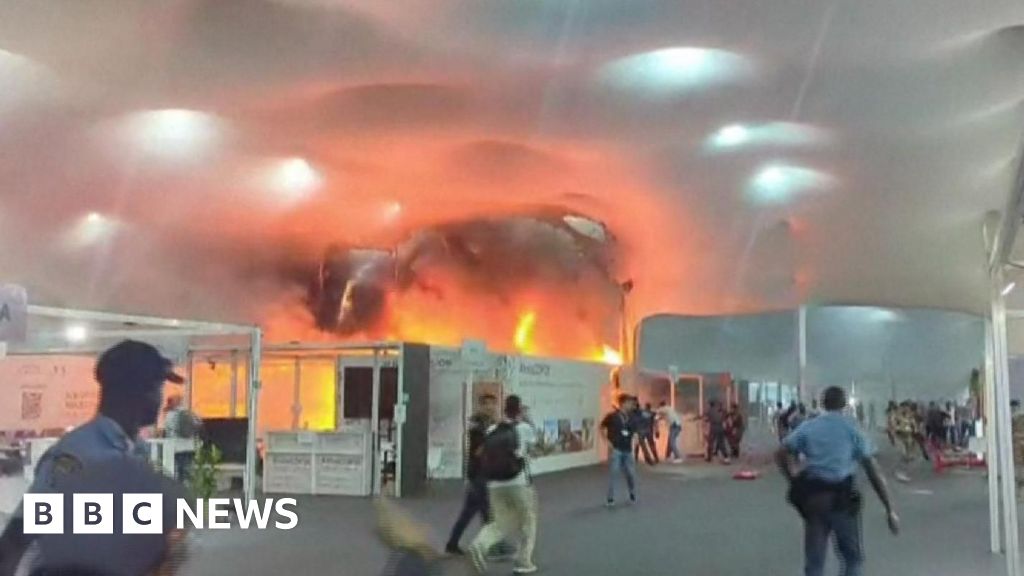
In a dramatic turn of events that underscores the fragility of international diplomacy, the UN climate summit, COP30, held in Belém, Brazil, was abruptly halted when a fire broke out inside the conference venue. Chaos erupted as flames and heavy smoke engulfed the pavilion, forcing hundreds of delegates, journalists, and concerned observers to evacuate in a scramble for safety. The incident not only disrupted critical negotiations but cast a shadow over the increasingly urgent global efforts to combat climate change, highlighting how unforeseen crises can unilaterally derail multilateral diplomacy.

The Brazilian authorities quickly claimed to have contained the fire, which authorities believe was likely an electrical fire. However, the cause remains under investigation—which adds to the volatility of the situation—while the immediate aftermath saw delegates seeking shelter outside, some under the shade of nearby petrol stations amid oppressive heat and humidity. The fire caused visible damage, burning through the venue’s protective sheeting and creating a large hole in the structure, temporarily halting what was already a delicate consensus-building process involving nearly 200 nations. This fiery disruption could have repercussions far beyond Brazil, impacting the geopolitical fabric as nations grapple with the fallout of a crisis that embodies the precarious state of global cooperation on environmental issues.

International analysts, including prominent climate experts and United Nations officials, warn that incidents like this expose the deeper vulnerabilities within the global climate governance framework. With negotiations at a crucial juncture—aiming to outline next steps and commitments—the fire’s disruption could serve as a symbolic warning about the fragility of international consensus. Observers note that such chaos may undermine trust, especially as climate change remains a battleground where geopolitical tensions are heightened; a safe and collaborative environment is essential before nations can approach the substantial task of crafting effective policies. The UN reiterated that the summit is temporarily on hold, with authorities now inspecting the venue for safety before proceedings can resume, but the incident leaves many questioning whether global leadership is equipped to confront the mounting crises ahead.

Historically, international critics and strategic analysts have argued that crises—whether geopolitical or environmental—often act as turning points revealing structural weaknesses within the global order. With tensions simmering over climate commitments, resource disputes, and geopolitical rivalries, the fire at COP30 serves as a stark reminder that the stakes extend beyond mere policy disagreements. As history has shown, moments of crisis tend to accelerate or derail progress depending on leadership responses. If the current incident is any indication, the path toward genuine international unity on climate issues is as uncertain as it is critical. As delegates sit outside in the sweltering heat, the world watches,—a symbol of the ongoing struggle to forge an enduring global consensus amid the chaos of an unfolding crisis—reminding us all that history’s next chapter is still being written, and the true test of leadership lies in overcoming the unforeseen with resolve.
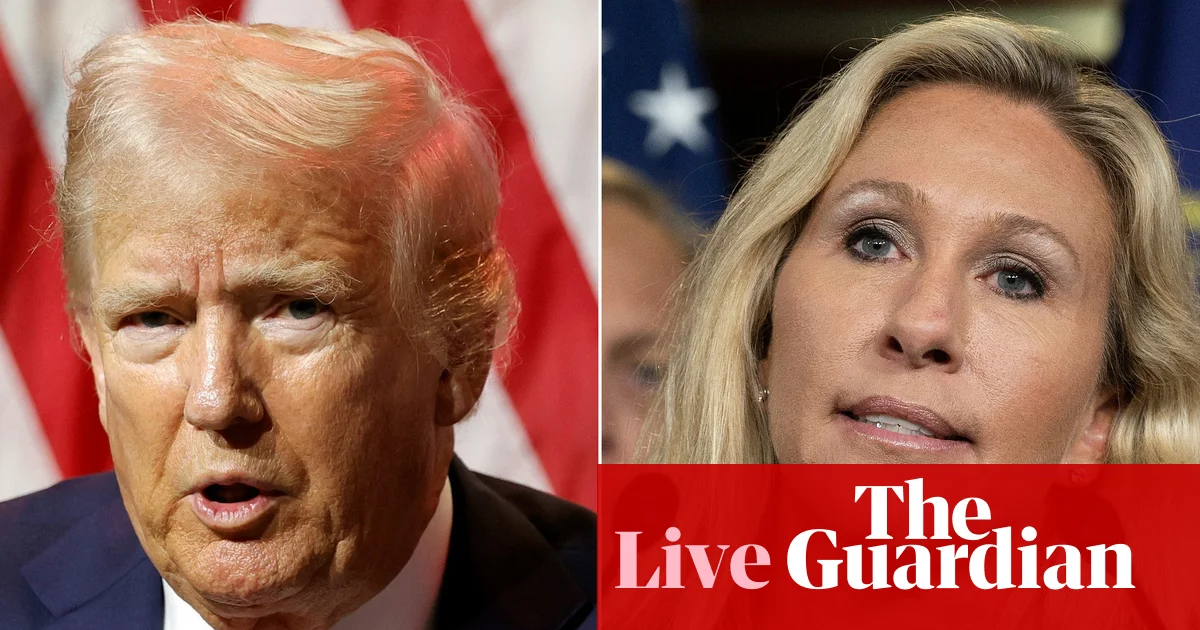
Trump Buries Greene Despite Push to Release Epstein Files—Live Update | Trump Admin

Global Geopolitical Shifts: A Period of Turmoil and Transformation

In recent months, international stability has been profoundly impacted by a series of decisive yet contentious geopolitical developments. As nations grapple with internal upheavals and shifting alliances, lasting implications are emerging that will undoubtedly shape global affairs for years to come. The resurgence of aggressive military posturing, alongside efforts to access sensitive political information, exemplifies the complex nature of contemporary geopolitics. Authorities, scholars, and international organizations concur that these events signal a new era of international tension, in which decisions taken today will echo through the corridors of history.

One of the most conspicuous signs of this change is the renewed U.S. military expansion in the Caribbean and Pacific regions. The arrival of the U.S. Navy’s most advanced aircraft carrier, USS Gerald R Ford, along with nearly a dozen warships and 12,000 sailors, signals a clear intention to project power and control over vital maritime routes. This buildup, part of what critics describe as a “largest-ever” mobilization in the region, escalates concerns among neighboring countries and allies about an increased likelihood of military confrontations. According to analysts from NATO and other think tanks, such displays of force are less about immediate conflict and more about reinforcing regional dominance and deterring adversaries, notably rival powers like Russia and China. How these military demonstrations influence regional stability remains a crucial question, with some experts warning of an inadvertent escalation that could spiral into broader conflict.

Shifting Alliances and Rising Tensions

Simultaneously, diplomatic efforts are taking a controversial turn. President Donald Trump‘s recent readiness to engage in talks with leader Nicolás Maduro of Venezuela reflects a significant departure from previous policies. After years of accusations linking Maduro to illicit drug trade and resisting normalization of relations, the U.S. now hints at the possibility of negotiations aimed at regional stability. This reversal has sparked internal debates among foreign policy analysts; some interpret it as a pragmatic step towards resolving long-standing regional conflicts, whereas others warn it could embolden authoritarian regimes, undermining democratic institutions and Western influence. The fluctuating stance epitomizes the ongoing tug-of-war between hardline security policies and diplomatic realpolitik, which continues to define America’s approach in Latin America.

Meanwhile, Russia’s Kremlin has expressed hope for a future summit with President Trump, hinting at the potential for a diplomatic reopening after their last summit in Alaska ended without agreement. The Kremlin believes that once preparatory needs are met, a meeting could help de-escalate tensions over the war in Ukraine. Historically, summits between these two powers carry the potential to either forge peace or ignite new conflicts, depending on the diplomatic signals exchanged. The shadow of unfinished geopolitical business hovers over these negotiations, with each side weighing strategic advantages against the risk of further destabilization.

Controversy and Internal Strife within Superpowers

At the same time, the United States faces its internal struggles, as controversial political and social movements unfold domestically. The public fallout from the confrontation between Donald Trump and certain Republican lawmakers, notably Marjorie Taylor Greene, underscores a party divided over issues of loyalty, security, and transparency. Trump’s call for the release of Jeffrey Epstein files highlights the persistent shadows cast by scandals intertwined with power, deception, and international intrigue. How these revelations influence U.S. domestic politics and international reputation remains to be seen.

The internal discord is further exemplified by the legal battle involving transgender service members, wresting with the Trump administration’s policies and their implications for national security. Such conflicts reflect broader societal fractures, intertwined with debates over identity, rights, and the very nature of patriotic service. These domestic issues, although separate from international crises, contribute to a context where internal stability and global influence are inextricably linked.

As these converging crises unfold—military power displays, diplomatic negotiations, internal political upheavals—the world faces what many have called a *turning point in history*. From the corridors of the White House to the strategic offices of Moscow and Beijing, decisions made today will determine whether the coming era will be marked by prolonged instability or a fragile, yet hopeful, pathway toward peace. The heavy weight of history presses down as nations stand at a crossroads—an epoch of chaos where choices will reverberate for generations, and the true test of global leadership begins with those willing to navigate the storm.

Germany moves toward conscription amid EU’s strongest army push in years

Germany’s Strategic Shift: Reintroducing Conscription in the Face of Rising Threats

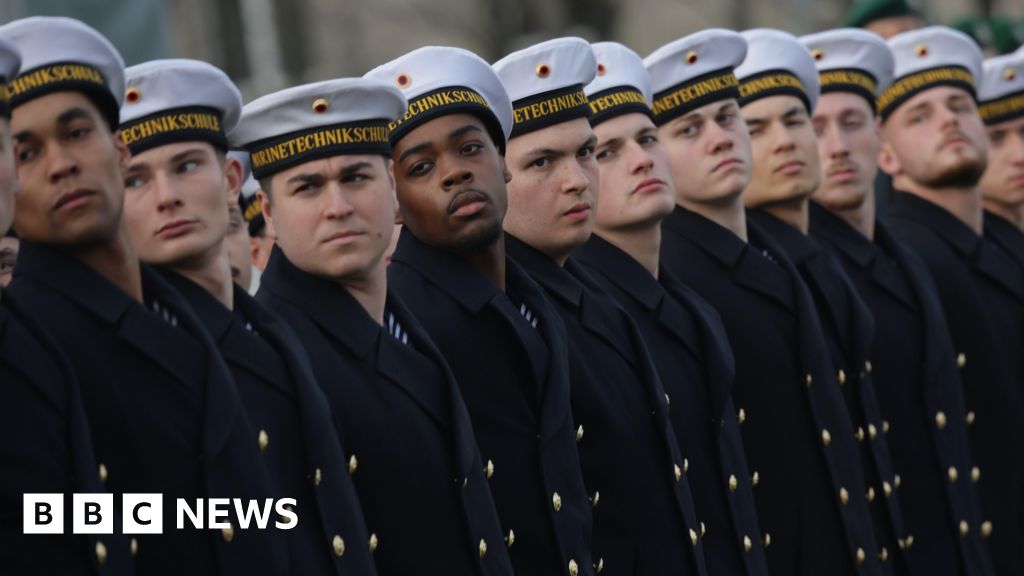
In a decisive move emblematic of its shifting geopolitical posture, Germany has announced a comprehensive overhaul of its military policy, aiming to bolster its defenses and position itself as Europe’s most potent conventional force. After months of political debate and strategic recalibration, Berlin committed to reintroduce voluntary military service, starting with a mandatory assessment phase for 18-year-olds. From 2027, all eligible men will also undergo medical screenings, signaling a clear intention to expand the Bundeswehr’s active troop strength to between 255,000 and 260,000 over the next decade. This development underscores a broader realization within the German establishment: the continent’s peace cannot be taken for granted, especially with the evolving specter of conflict in Eastern Europe.

Underlying Drivers: The Geopolitical Chessboard

  • Earlier this year, German Defense Minister Boris Pistorius emphasized that there was “no cause for concern” despite the escalation of military readiness, yet international experts remain skeptical. Analyses from NATO allies warn that Russia could launch an attack within the next four years, according to top military officials like Gen Carsten Breuer. This stark warning has prompted Berlin’s ambitious drive to deepen its military capabilities, aligned with President Friedrich Merz’s assertion that “whatever it takes” is now the rule for German defense—an unprecedented stance considering Germany’s Cold War-era reluctance to show military might.
  • In tandem, Rheinmetall, Germany’s flagship defense firm, forecasts that the country’s goal to establish Europe’s strongest army is achievable within five years, largely due to soaring demand for military technology, ammunition, and satellite capabilities—driven by the ongoing crisis in Ukraine. Its CEO, Armin Papperger, highlights a rapidly expanding market for military hardware, fueled by rearmament initiatives across NATO nations, many of which have faced increased pressure from the White House to raise defense spending. Such moves not only reshape Europe’s military balance but also position Germany as a critical player in the new era of hybrid warfare.

Societal Reactions and Consequences

However, strong societal currents oppose these reforms. Surveys suggest that while a slight majority of Germans support a reintroduction of military service, opposition among young adults is significant. A recent Forsa poll indicates that 63% of 18- to 29-year-olds oppose compulsory conscription, citing fears of war and a desire for peace. Students like Jimi voice profound reservations: “I don’t want to go to war because I don’t want to die or be shot at,” he explains, reflecting a deep-rooted aversion to violence. Conversely, young recruits like Jason see the military as a means to defend democracy and impose a deterrent effect on potential adversaries, illustrating a divided societal stance that could shape Germany’s future security policies.

Impacts Beyond Germany: A New Geopolitical Arena

The decision to ramp up military strength in Germany resonates far beyond its borders, significantly affecting the European security landscape and altering the fabric of international relations. With NATO’s adversarial dialogue sharpening and Russian territorial ambitions expanding, Germany’s military revival acts as a key strategic pivot—balancing the scales of power among Western alliances and potentially igniting a new arms race on the continent. Historically cautious and post-Cold War reluctant to display its military power, Berlin now faces a pivotal moment in history—one where the choices made today will echo through generations as the continent trembles on the edge of an uncertain future.

As historians and analysts observe, the unfolding trajectory of Germany’s rearmament reflects a broader truth: in a geopolitical chess game dominated by shifting alliances, emerging threats, and the enduring legacy of past conflicts, the decisions made now could determine the course of 21st-century history. Will Europe see peace restored, or will the shadows of conflict lengthen anew? Only time will tell, but the weight of history presses relentlessly forward as nations grapple with the dawn of a new dangerous era.

Peers push back again to block assisted dying bill—our society’s values at stake

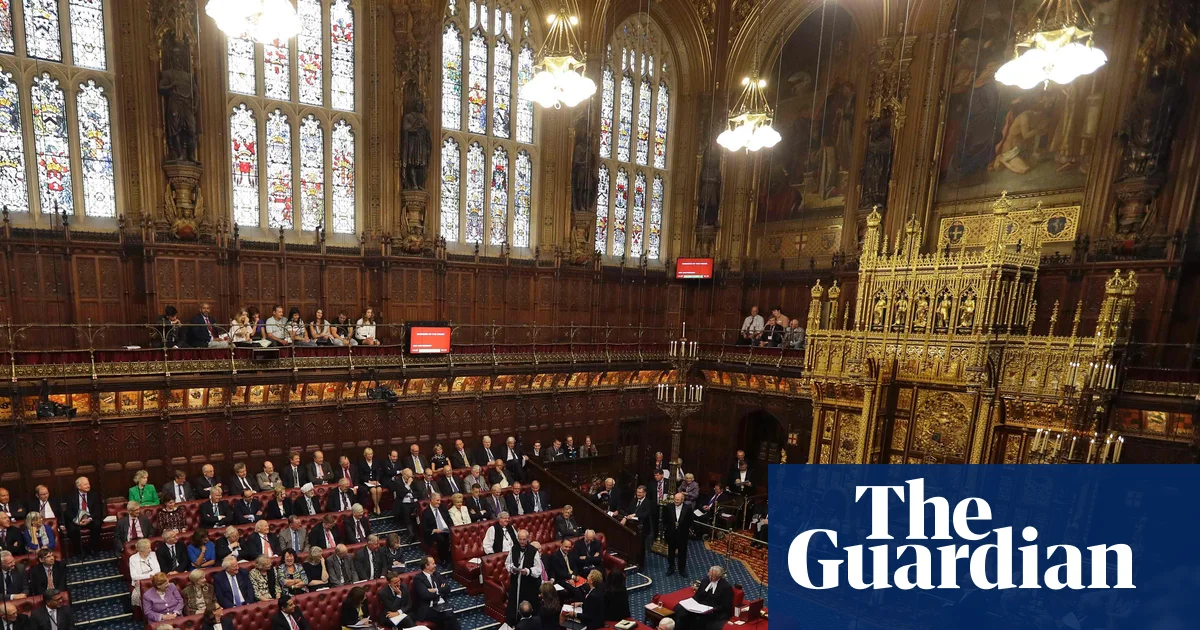
The ongoing legislative debate over assisted dying in the United Kingdom exemplifies the deep societal divisions that influence families, community cohesion, and how we approach aging and end-of-life care. The House of Lords this week is under intense scrutiny as nearly 1,000 amendments are tabled by a select group of peers, mostly opponents of the bill. This maneuver, described as a form of filibuster, underscores a broader societal conflict—one that pits progressive moral frameworks advocating for individual autonomy against traditional caution rooted in protecting vulnerable populations. The opposition reflects core fears that such legislation could erode the moral fabric built around human dignity, especially for families facing difficult choices about loved ones’ final days.

This debate’s ripple effects resonate strongly within families and communities. Critics, including figures like former Paralympian Tanni Grey-Thompson and ex-health secretary Thérèse Coffey, argue that the bill, as currently drafted, contains loopholes endangering vulnerable populations, notably people with disabilities and the elderly. The amendments they have proposed aim to tighten safeguards, emphasizing the moral responsibility to prevent harm and ensure that choices around death are free from coercion or systemic failure. Sociologists such as Dr. Alice Roberts warn that legislation perceived as hastening death can inadvertently stigmatize disability, foster familial guilt, and diminish community trust—factors that threaten the social fabric and the moral underpinnings of care for the most vulnerable. These fears, rooted in genuine concern, highlight the importance of resilient community structures that support families regardless of the legislation’s outcome.

The controversy also reveals the challenge of cultural shifts within our society—a nation grappling with how to reconcile the rapid pace of moral and technological change with age-old values. Supporters of the bill stress that public opinion favors reform, emphasizing that democratic mandates and the will of the electorate should shape the laws that govern our moral choices. Conversely, opponents argue that such societal change requires cautious, deliberate scrutiny. These prolonged debates reflect a societal tension—one that questions whether legislation that touches on mortality should be subject to political expediency or moral prudence. Leaders like he sociologists and historians warn that when policymaking sidesteps careful moral reflection, the fracture lines within society deepen, leaving vulnerable communities even more exposed to harm.

As the legislative process unfolds amidst accusations of partisanship and procedural delays, the enduring question remains: What kind of society do we want to be? One that places faith in the inherent dignity of each person, safeguarding the vulnerable while allowing individual choice? Or one that adheres to caution, prioritizing the collective moral standards that have long defined our social cohesion? Society’s greatest challenge is to forge a path that balances respect for personal agency with the collective responsibility to protect. The journey ahead demands not only legislative wisdom but a deep, moral reflection—on how we treat our families, nurture our communities, and uphold our shared humanity. As history teaches us, society’s true strength lies in its ability to confront difficult truths with compassion and resolve—nurturing hope that even amid divisions, a more equitable and humane future is within reach.

Serbia and Jared Kushner’s firm push quick deal to develop protected Belgrade site

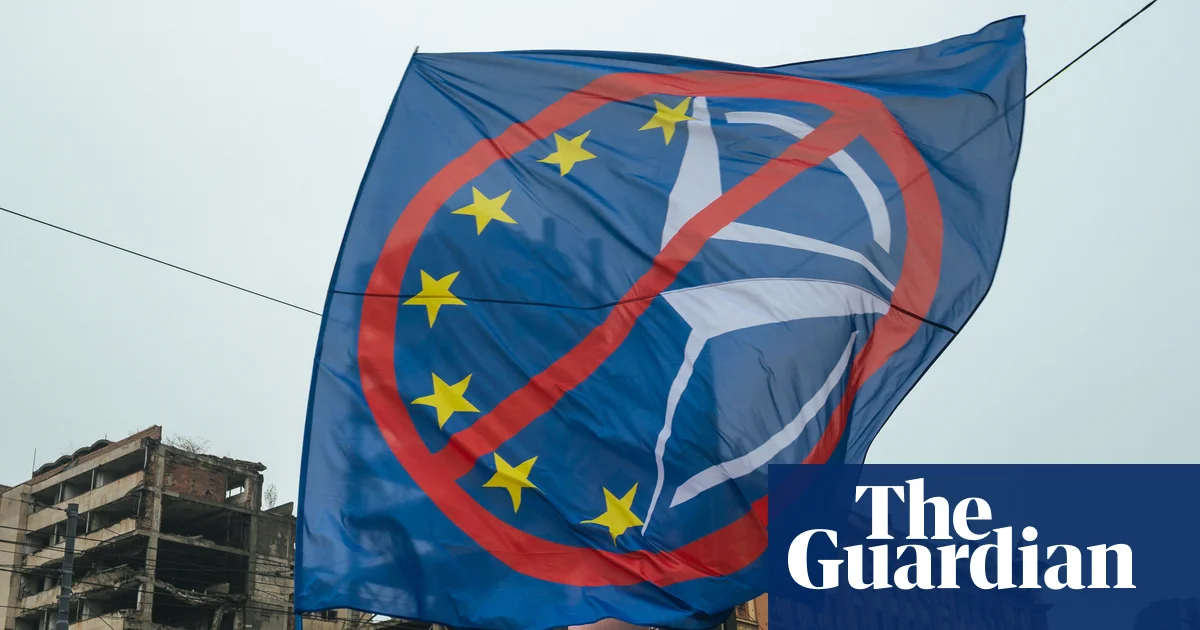
In an unfolding chapter of Eastern European geopolitics, Serbia is quietly but decisively charting a course that could reshape its alliances and domestic landscape. Recent revelations underscore a calculated move by the Serbian government to partner with Atlantic Incubation Partners LLC, a property development firm led by Jared Kushner, Donald Trump’s son-in-law. This joint venture centers on redeveloping a historically and culturally significant site—the former headquarters of the Serbian armed forces in Belgrade—damaged during the NATO bombing in 1999. Despite protests and local resistance, the government passed a groundbreaking law in Parliament, fast-tracking the project and bypassing traditional regulatory hurdles that once halted plans to demolish the site.

This clandestine yet decisive move has horizons far beyond local real estate. Analysts highlight how this alignment signals a broader strategic pivot by Serbia, seeking to deepen ties with the United States amidst tense relations with Russia. The agreement’s stipulations—such as the land lease extending over 99 years and the potential for full ownership—imply not just a commercial agreement but a diplomatic overture, emphasizing Serbia’s intent to recalibrate its geopolitical orientation. Such a shift risks upsetting the delicate balance in the Balkans, where history and ethnic divisions have long kept sway over regional stability. The decision to demolish a protected cultural site, along with the controversial hastening of development, paints a picture of a nation balancing modern economic imperatives with the shadows of its turbulent past.

Meanwhile, international organizations and domestic critics have voiced concern. Historians and activists warn that cutting cultural protections—especially for a site linked to Serbia’s modernist heritage and its wartime trauma—sets a dangerous precedent. The move aligns with broader efforts by President Aleksandar Vučić’s administration to curry favor with Western allies, particularly after sanctions on Serbia’s oil company, NIS, linked to Russia’s Gazprom. These sanctions have caused disruptions in energy supplies, pressing Serbia into a strategic dilemma: align more closely with Western interests or risk entrenching reliance on Russian energy. The Serbian government’s recent threats to suppress independent media, including outlets like N1 and Radio Free Europe, further underscore a push towards controlling domestic narratives and stifling dissent—a move that foreign observers warn threatens the democratic fabric of the nation.

As protests flare and societal tensions mount, the question remains: how will Serbia’s decisions today shape its future? The move to privatize a significant cultural and historical site under the guise of a “project of importance” echoes a pattern seen in other regions—where economic development is used as a tool to cement political alliances, often at the expense of national heritage and sovereignty. The international community watches with cautious anticipation, with voices from Europe and beyond warning of the long-term repercussions. The unfolding story of Belgrade’s skyline—destined to be transformed by foreign interests—becomes a symbol of a nation at a crossroads. The stakes are high, and the pages of history are turning with relentless momentum, leaving future generations to grapple with the legacy forged today.

Deepwatch trims staff as it turbocharges AI push to stay ahead

Disruption in Cybersecurity: Deepwatch’s AI-Driven Layoffs Signal Industry Shift

The cybersecurity landscape is undergoing a seismic shift driven by cutting-edge AI technology. Deepwatch, a prominent player renowned for its AI-powered detection and response platform, recently announced layoffs affecting between 60 and 80 staff members—roughly one-third of its workforce. CEO John DiLullo explained that the company’s restructuring aligns with a strategic push to accelerate investments in AI and automation, underscoring a broader industry trend where innovation is often accompanied by significant operational upheaval. This move not only exemplifies the rapid integration of AI into core security functions but also signals a broader disruption impacting the entire cybersecurity sector.

In context, Deepwatch’s layoffs are not isolated but part of a larger pattern in cybersecurity. Earlier this year, industry heavyweight CrowdStrike eliminated approximately 500 jobs—around 5% of its workforce—even amid record-breaking financial performance, including a cash flow of $1.38 billion. Other firms such as Deep Instinct, Otorio, ActiveFence, and SkyBox Security have also conducted layoffs, reflecting a sector-wide recalibration driven by emerging AI capabilities and shifting market demands. These workforce reductions highlight how disruptive AI technology is transforming traditional business models and operational paradigms, compelling companies to rethink talent deployment and strategic focus.

Experts like those at Gartner emphasize that AI-driven cybersecurity solutions are poised to redefine industry standards, with innovations in real-time threat detection and autonomous response systems. This disruption brings a dual-edged promise: unmatched efficiency and operational excellence, but also the risk of upheaving existing job structures and market stability. As Peter Thiel and Elon Musk have warned, embracing transformative AI is essential to maintaining competitive advantage, yet it demands a readiness to navigate complex ethical, technical, and workforce challenges. The rapid adoption of AI not only accelerates innovation but also creates a pressing sense of urgency for cybersecurity firms to adapt swiftly or face obsolescence.

The implications for the business ecosystem are profound. Companies that successfully integrate AI-driven solutions can unlock new revenue streams—offering enhanced threat detection, incident response, and predictive analytics—while those lagging behind risk losing market relevance. As industry leaders gear up for the upcoming TechCrunch event in San Francisco (October 13-15, 2026), the message is clear: the next wave of cybersecurity innovation is here—and it is fueled by AI’s relentless advance. For forward-thinking organizations and entrepreneurs, the call to action is urgent: innovate now or be left behind in a rapidly evolving digital battleground.

Ultimately, the current layoffs at Deepwatch serve as a stark reminder that disruption in cybersecurity is accelerating, demanding unprecedented agility from industry players. The fusion of AI and automation promises to revolutionize threat mitigation, but it also mandates a proactive stance—embracing innovation while managing the risks inherent in upheaval. As the industry stands on the cusp of this new era, the future belongs to those who recognize the strategic imperative of leveraging AI for competitive advantage, setting the stage for a transformative decade in cybersecurity and beyond.

Thursday Briefing: Labour’s Bold Push to Redesign the National Curriculum

Global Power Shifts and National Crises: A Tipping Point in World Politics

Amid the rising tide of international upheaval, the geopolitical landscape is witnessing a series of profound shifts that threaten to redefine the global order. China, driven by its relentless pursuit of technological dominance, has publicly claimed its intention to surpass the United States in the AI race, as highlighted by Nvidia’s CEO Jensen Huang’s recent remarks. Such declarations signal an intensifying competition that is not only about economic supremacy but also about influence over emerging global standards. Analysts from institutions like the Council on Foreign Relations warn that if Western nations fail to adapt and loosen regulations that hinder innovation, they risk ceding technological leadership to Beijing, thereby affecting the international balance of power for generations to come.

This struggle for supremacy has critical implications for regional stability and international alliances. Meanwhile, Russia continues its strategic maneuvers, witnessing ongoing conflicts in the Ukraine that threaten to escalate further, and drawing in support from various nations that see this as a pivotal moment to challenge NATO’s influence. The conflict is not merely territorial but also ideological and economic, with the EU and the U.S. imposing sanctions while Russia seeks new alliances in Asia and Africa. Such realignments threaten the fragile stability of the international system, where economic sanctions and military posturing could spiral into larger forced reckonings.

The West’s Internal Struggles and the Evolving Global Order

Within this context of external threats, Western democracies confront their own crises, with deteriorating political climates and economic pressures exacerbating vulnerabilities. Britain’s ongoing mismanagement of justice exemplifies these internal challenges, as UK authorities grapple with the fallout from mistakes such as the wrongful release of prisoners, including dangerous offenders. This internal disorder weakens the societal fabric at a moment when cohesion is vital to face external adversaries. Furthermore, France faces its own upheaval, with the dramatic theft of €88m worth of crown jewels from the Louvre highlighting both security failures and the social undercurrents of unrest, fueled by inequality and political discontent.

Meanwhile, the European Union is watching closely, aware that if internal divisions deepen, the continent could become a secondary theater of global power tussles rather than a unified front. The United States, under pressure from both internal political polarization and international crises, risks losing its strategic edge if policy incoherence persists. The window of opportunity is closing for the West to recalibrate its approach, or it may find itself increasingly marginalized in the emerging global hierarchy. Thought leaders from institutions like the International Crisis Group warn that these internal cracks could leave Western societies vulnerable to authoritarian influences seeking to exploit discord.

A Future While the Present Unravels

History bears witness to the fact that these formative moments often come with sacrifices and upheaval. Governments are under intense pressure to adapt quickly, but real change takes time—a luxury that the precarious state of today’s world politics does not afford. With a timeline extending to 2029 for the reform of England’s educational system, and the next round of elections poised to influence policy directions, the decisions made now will echo through decades. As nations scramble to secure their futures, the weight of history presses hard upon the present—reminding us that the unfolding story of power, conflict, and resilience is far from over. In this relentless march of history, the choices of today may well determine whether the world remains a place of freedom and stability, or falls under a new shadow of dominance and chaos.

Liberals worry Ley's net zero pledge risks controlling the agenda as push grows to scrap emissions promise — Coalition responds
Liberals worry Ley’s net zero pledge risks controlling the agenda as push grows to scrap emissions promise — Coalition responds

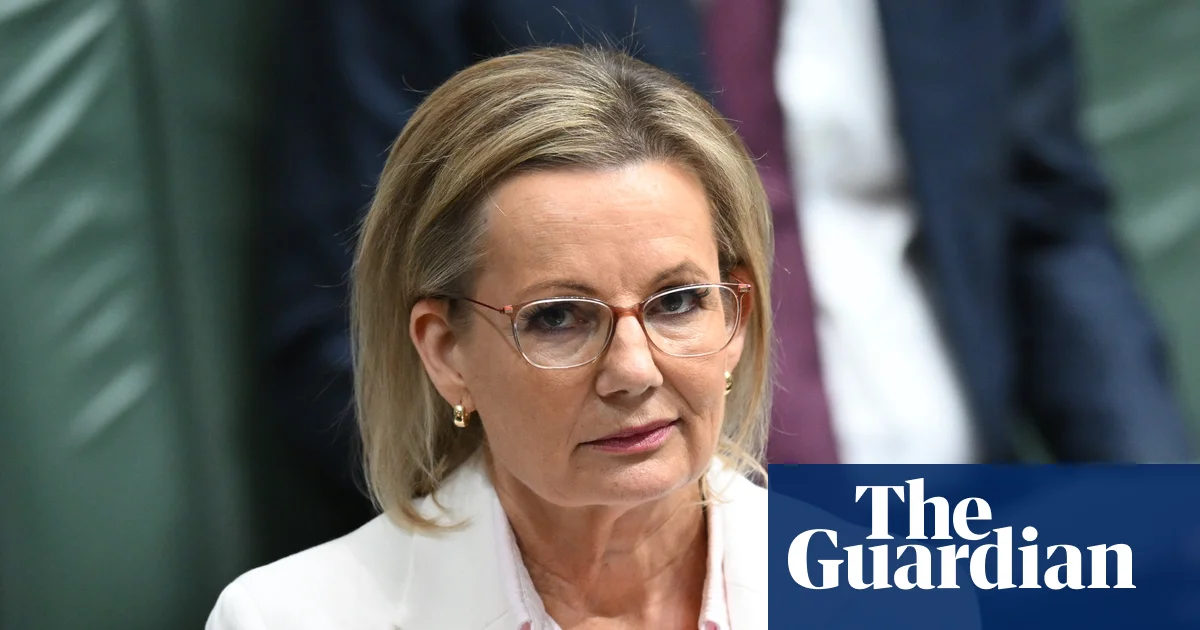
In a climate policy debate that highlights the profound internal divisions within the Australian Liberal Party, emerging tensions are illustrative of a broader global reckoning on energy security and environmental commitments. Opposition leader Sussan Ley finds herself caught between moderates and conservatives, as calls intensify for her to reconsider her party’s stance on net zero emissions by 2050. This debate, while localized, echoes a global scenario where nations grapple with the trade-offs of aggressive climate policies amidst economic and energy security concerns.

As Australia teeters on the edge of internal rupture, international analysts observe that such fissures are unlikely to be contained within national borders. Historian and geopolitical analyst Dr. Mark Thorne notes that “the domestic disputes over climate policy mirror the global power struggle, where nations are weighing their commitments to decarbonization against their geopolitical and economic realities.” Prominent global institutions, including the United Nations, have long advocated for urgent climate action, but the reality of energy dependence on traditional sources continues to challenge these lofty ambitions. In this climate, Australia’s internal debate about how far to push its net zero commitments could set a dangerous precedent, influencing other Western democracies in similar predicaments.”

The escalating debate in Australia underscores a scenario unfolding across Western nations: population unrest over skyrocketing energy costs and the perceived threat to traditional industries. Analysts warn that decisions made in Canberra do not just affect Australia’s domestic landscape but influence the geopolitical terrain—shaping alliances, trade policies, and international trust in commitments to climate change. The ideological clash over whether to prioritize climate targets or energy independence is creating ripples—potentially destabilizing coalitions and shifting the global balance of power, especially as China and India accelerate their development of fossil fuels without the same restrictions faced by Western countries.

Within Australia’s Coalition government, the debate over the future of climate policy is more than a political squabble, it is a symbolic fracas over the nation’s sovereignty and capacity to chart its own course. Prime Minister Anthony Albanese and his administration face mounting pressure to push forward on climate commitments, yet the rising tide of opposition—fueled by fears that policies could jeopardize economic stability—reflects a larger, more dangerous global trend: the clash between environmental ideology and national interests. Historians warn that such internal conflicts, if unresolved, risk undermining the credibility of Western democracies’ global leadership in environmental diplomacy. As international organizations like the IPCC emphasize an urgent transition, nations like Australia are caught in a storm of conflicting priorities.

Ultimately, the fate of Australia’s climate policy—and the tension-ridden debate that now defines it—serves as a stark allegory for an era where the battle for the soul of global leadership is being fought within national borders. As history continues to unfold, the decisions made today will resonate through the corridors of power for decades to come, echoing in the geopolitics of energy, sovereignty, and environmental stewardship. The weight of history presses down, leaving a vital question: which path will the world choose in this perilous balancing act—one shaped by ideology or by pragmatic sovereignty?

Government blocks Derbyshire mum's push for fine-free school absences
Government blocks Derbyshire mum’s push for fine-free school absences

School Absence Policies Spark Debate on Impact to Families and Communities

In recent weeks, the discourse surrounding school attendance policies has intensified, revealing profound societal tensions about how education, family life, and social equity intertwine. The UK government’s firm stance against allowing students to miss up to 10 days of school without a legitimate reason has ignited a controversy that underscores the critical importance of balancing discipline with compassion. A petition launched by Natalie Elliott from Ripley, Derbyshire, gathering more than 180,000 signatures, has challenged the prevailing approach, which has led to minimum fines of £80, escalating to thousands of pounds or even custodial sentences for non-compliance. This debate highlights societal concerns about the effects of rigid attendance enforcement on families, especially those facing financial hardship or extraordinary circumstances.

Social commentators and educational sociologists argue that such policies, while intended to boost school standards, often fail to account for the complex realities faced by families. The current system, as described by Elliott, fosters an environment where parents may feel too afraid or stigmatized to call in legitimate absences. The result is a growing divide between state expectations and familial needs. For many families, especially those with children with special educational needs and disabilities (SEND), the rigid penalty framework compounds stress, depriving children of valuable de-stress time during family holidays—time that could be vital for mental health and familial bonding. Meanwhile, critics like Conservative MP Robbie Moore highlight how costly travel during school holidays exacerbates inequalities, making it difficult for low- and middle-income families to afford quality breaks without risking penalties, thus widening the social gap.

Experts warn that the emphasis on strict attendance compliance risks erosion of community trust and the moral fabric of educational institutions. In a society that values equity and resilience, policies must adapt to recognize the diversity of family circumstances. Some argue for more flexible systems, including appeals processes and family-friendly initiatives like fairer holiday pricing. Sociologist Annette Lareau has long emphasized how families’ socioeconomic resources influence educational engagement, and the current pandemic has only deepened these disparities. The debate calls into question whether the solution lies solely in punitive fines or in holistic community-based strategies, aimed at fostering cooperation rather than fear.

As society stands at a crossroads, the challenge lies in reconciling the need for educational standards with the necessity of human empathy. The societal promise, after all, is not merely to educate but to nurture resilient communities rooted in support, understanding, and compassion. While the government remains committed to reducing ‘absence epidemic’, as stated by Minister Georgia Gould, there is a burgeoning hope that society can evolve towards policies that prioritize the human experience. In the quiet hopes of every parent and teacher, there remains a conviction that society’s true strength lies in its ability to adapt—to recognize that behind every statistic is a family, a child, a future seeking the dignity of understanding over the fear of punishment. Society’s greatest challenge, and its profound hope, is to build a future where education serves not just as a system of discipline but as a pillar of community resilience and human kindness.

Trump urges Senate to ditch filibuster, push to end shutdown now — US politics update

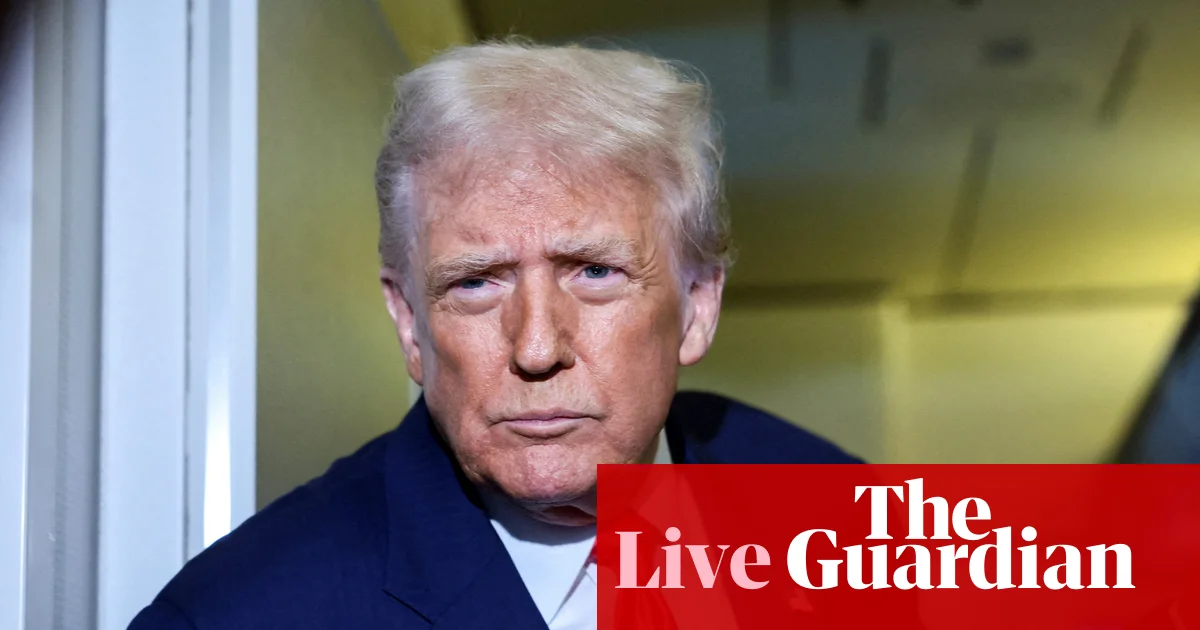
In what may be remembered as a defining moment of early 21st-century geopolitics, the United States finds itself at a crossroads, with internal debates and international actions shaping a new global landscape. President Donald Trump, freshly returned from a week-long diplomatic tour across Asia, is pressing hard for radical reform within the U.S. Senate—specifically, calling for the abolition of the historic filibuster to end the ongoing government shutdown. His rhetoric on social media underscores a broader push for decisive, even contentious, changes that could, depending on their outcome, significantly reshape the nation’s legislative processes.

This shift in strategy is paired with extraordinary bipartisan reactions that signal mounting frustration. Notably, a handful of Senate Republicans—including Mitch McConnell and Lisa Murkowski—have broken from tradition to join Democrats in voting against Trump’s tariffs on over 100 countries, a move that highlights growing dissent among the political elite about the scope of executive authority and the reach of trade policies. The tariffs, which Trump enacted via executive order, have faced mounting resistance—a reflection of tensions between the executive branch and Congress, which analysts say could lead to a constitutional showdown. Historian and political analysts warn that if the ‘nuclear option’ is employed to eliminate the filibuster, it will dismantle a cornerstone of Senate deliberation, fundamentally altering the legislative landscape and possibly increasing polarization.

Meanwhile, international responses to American military actions have cast a shadow over U.S. global leadership. The UN High Commissioner for Human Rights has condemned recent US military strikes against boats in the Caribbean Sea and Pacific Ocean, alleging that these operations violate international law and constitute extrajudicial killings. This marks a rare, perhaps unprecedented, condemnation from the UN against U.S. military tactics, raising questions about America’s compliance with human rights standards while fighting drug cartels. President Trump, on his part, justifies these strikes as necessary to stem drug flow, yet the mounting civilian casualties, with at least 61 reported deaths, threaten to delegitimize this counter-terrorism effort, especially as it takes place outside the bounds of active armed conflict. Such developments threaten to diminish America’s moral standing on the world stage while emboldening adversaries who question U.S. commitment to international law and human rights.

Compounding these international tensions, the domestic political landscape remains volatile. The Senate’s vote to reject Trump’s Tariffs signifies a pushback not only against trade policies but also against executive overreach. The opposition’s rare bipartisan effort underscores a wider sentiment that the President’s aggressive economic and military strategies risk escalating global conflicts and domestic instability. As analysts warn of a possible escalation towards greater authoritarianism if the Senate’s constitutional boundaries are further eroded, the world watches with bated breath. The sense that the U.S.—once a beacon of liberal democracy—is inching towards uncharted, perhaps perilous, territory hangs heavy in the air. As history’s pages turn, the unfolding drama of these internal struggles and external conflicts will invariably define the foreign policy and social fabric of nations for generations to come. In the shadow of these tumultuous events, one truth remains clear: the shadows of history are lengthening, and the outcome remains unwritten.

Social Media Auto Publish Powered By : XYZScripts.com