Matox News

Truth Over Trends, always!

Crypto bill’s Congressional push hits a wall—Youth tech still waiting for breakthroughs

Crypto Industry Faces Disruption as U.S. Policy Gridlock Intensifies

Innovation and disruption are constants in the fast-evolving landscape of blockchain technology and cryptocurrencies, but recent developments in Washington threaten to stall vital progress. Major players like Coinbase are closely watching legislative maneuvers that could redefine the regulatory framework for digital assets. As the U.S. Congress nears a pivotal juncture, the industry stands at a crossroads where political partisanship and industry priorities collide, potentially shaping the future of finance for years to come.

At the center of this turbulent scene is the contentious Clarity Act, which aims to establish clear regulatory guidelines for the burgeoning stablecoin sector. Innovation in stablecoins—cryptocurrencies pegged to traditional mediums like the US dollar—has been a turbocharged driver of adoption, with Coinbase offering 3.5% rewards on USDC holdings—a rate vastly eclipsing traditional bank interest. Such rewards act as powerful incentives for retail and institutional holders, hinting at a future where stablecoins could be central to mainstream financial daily routines. However, the banking lobby perceives these rewards as loopholes that could undermine traditional deposit-based models, lobbying hard to limit or prohibit such yields, which delays crucial market structure legislation. If the bill passes, Coinbase anticipates a significant business impact, with stablecoin rewards potentially curtailed, thereby limiting their competitive edge and the transformative potential of DeFi solutions.

The business implications extend beyond Coinbase alone. Industry analysts from institutions like Gartner and think tanks like MIT warn that the ongoing legislative gridlock could disrupt innovation pipelines and slow the adoption of crypto-based financial products. The political battleground is heated, especially with upcoming midterm elections which threaten to bring partisan polarization into even sharper focus. Democrats and Republicans are at loggerheads over the broader market regulation, with Democrats generally more skeptical of crypto’s risks, while Republicans tend to favor the industry’s potential to disrupt traditional financial institutions. The political calculus becomes increasingly complex as key figures—such as Sen. Elizabeth Warren or Maxine Waters—oppose industry-friendly policies, driven by fears of destabilization and concerns over banking incumbents’ dominance. Meanwhile, industry lobbyists are emphasizing crypto’s voter base; crypto holders are seen as highly motivated, single-issue voters whose wallets significantly influence election outcomes.

The industry’s future hinges on strategic legislative momentum. The Senate Agriculture Committee is scheduled for a crucial markup, but hope dims as bipartisan unity frays. As Cody Carbone, CEO of The Digital Chamber, notes, “The longer the partisan battle persists, the more likely crypto will be sidelined in favor of entrenched bank interests. If Democrats control both chambers, legislative prospects dim further, with prominent committee chairs signaling a focus on enforcement over adoption for crypto.” Such a scenario could result in a policy deadlock that stifles innovation and allows entrenched interests to maintain control. However, industry insiders remain cautiously optimistic if bipartisan support can be rekindled swiftly, as crypto advocates argue their voter base is more influential than assumptions suggest. The upcoming weeks are critical—stakeholders must navigate an urgent landscape where policy, business, and politics intertwine to decide whether the next wave of financial disruption will be unleashed or stymied by congressional gridlock.

With the trajectory of crypto regulation hanging in the balance, the industry faces a stark reality: delay breeds risk. As Peter Thiel and Elon Musk warn about the necessity of proactive innovation, the urgency to push forward legislation that fosters disruptive technologies becomes undeniable. The next legislative cycle could either accelerate America’s leadership in digital finance or cede that ground to emerging global competitors. For entrepreneurs, investors, and consumers alike, understanding this high-stakes game isn’t just advisable—it’s essential. The clock is ticking, and the future of financial innovation depends on decisive action now.

House Democrats push for release of Jack Smith classified report in showdown with Republicans

In a bold move that signals ongoing domestic chaos, the Democrats on the House Judiciary Committee are pushing to unveil classified portions of special counsel Jack Smith’s report concerning former President Donald Trump. The report, which scrutinizes allegations of mishandling classified documents and interference in the 2020 election, remains shielded by court orders, but the Democratic-led committee aims to challenge these restrictions. This standoff is not merely a matter of American political theater; it resonates deeply beyond U.S. borders, impacting global perceptions of the rule of law and the stability of the world’s leading democracy.

Recent developments reveal powerful implications for geopolitical stability. Judge Aileen Cannon has refused to release the classified content, citing ongoing court protections, while House Democrats argue it is essential for transparency, especially with Jack Smith scheduled to testify in closed-door sessions. The clash underscores a broader fight over transparency versus legal boundaries—a tension that could unsettle international peace if perceived as a sign of lawfare or political weaponization. According to international analysts and critics of U.S. politics, these events serve as a stark reminder that internal political strife can escalate into a signal of internal erosion of legal integrity, threatening global alliances predicated on American stability.

As Republicans led by Jim Jordan escalate their efforts, including issuing subpoenas for Smith’s appearance, the situation emphasizes a dangerous polarization. Locally, these proceedings could influence legislation and law enforcement policies, but what’s truly alarming is how this chaos fuels uncertainty on the international stage, especially among allies and adversaries alike. The ongoing drama also ignites fears of politicized justice, reminiscent of narratives that global power players like Russia and China exploit to undermine American credibility. The geopolitical impact amplifies as nations watch Washington’s internal struggles unfold, questioning American endurance and the durability of its democratic institutions.

Historians and policy analysts warn that these events mark a pivotal moment—a test of the principles of justice, sovereignty, and leadership. The decision by Judge Cannon to withhold certain documents, combined with the congressional push for transparency, inputs into a broader conversation: Are American elites capable of balancing legal integrity amidst political turmoil? Or are we witnessing the dismantling of trust in the foundational pillars of democracy? As the world’s preeminent superpower. stares into this abyss, one thing is clear: history is being written in real time — and its consequences will echo across generations. The weight of these decisions extends far beyond the Capitol, shaping the narrative of power, justice, and national resilience for decades to come.

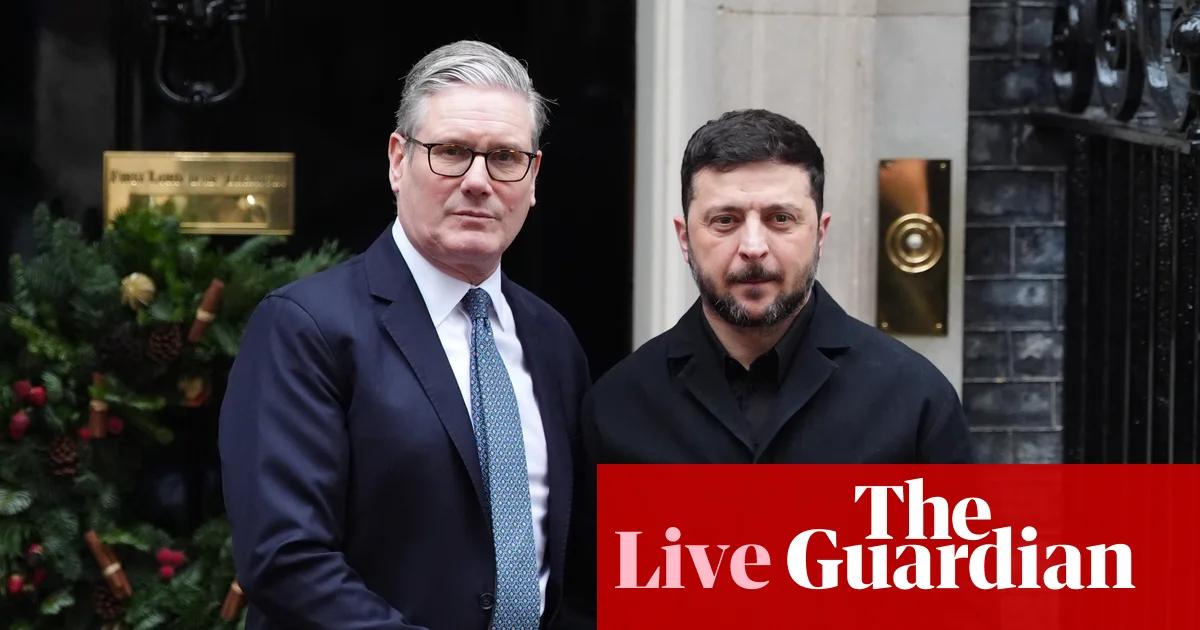
Ukraine War Update: Zelenskyy Meets Leaders in London to Push for Peace Talks

The geopolitical landscape of Europe and the broader international sphere is witnessing a dramatic shift, with recent events highlighting the fragile and complex dance of power among Western nations, Russia, and U.S.. As Ukrainian President Volodymyr Zelenskyy prepares for high-stakes negotiations with European leaders in London and Brussels, the undercurrents of influence and support cast a long shadow over potential outcomes. Animating this tense atmosphere are statements from Donald Trump Jr and key U.S. political figures, who have cast doubt on America’s continued commitment to Ukraine, hinting at a possible withdrawal of support in the face of shifting priorities.

From Europe, the repercussions are both immediate and far-reaching. The European Union faces mounting internal debates over its resources and strategic position, especially in light of recent confrontations with digital giants like Elon Musk, who have publicly called for ending the EU’s digital regulations. EU officials, including Ursula von der Leyen and Antonio Costa, fiercely oppose external interference and emphasize that laws are laws—yet, they are also grappling with the diplomatic fallout of a controversial EU fine placed on Twitter’s parent company. Analysts warn that these internal conflicts could weaken Europe’s unified stance, especially if external actors like Russia and the U.S. exploit discord to advance their agendas.

The peace negotiations surrounding Ukraine exemplify the intense struggle over territory and sovereignty. While Zelenskyy urges clarity on whether Russia intends to renew hostilities, European leaders are divided—many endorse the EU’s proposal for a reparations loan funded through frozen Russian assets as a ’politically feasible’ strategy. This initiative, supported by nations including Netherlands, Poland, and Finland, aims to bolster Ukraine’s military and economic resilience against the ongoing conflict. However, critics highlight the potential risks: the plan could be perceived as provocative by Moscow and may hinder diplomatic efforts towards a just peace.

Meanwhile, the diplomatic theater continues with Zelenskyy’s upcoming visits to Brussels and Rome, and the expected high-level discussions featuring Macron, Merkel, and Starmer. The overarching question remains: how will international support adapt if the U.S. signals a shift in commitment? — a critical concern, as analysts warn that the decision could alter the balance of power. Historians caution that these moments may be remembered as a turning point—a time when alliances were tested, and the fate of sovereignty was weighed against the tides of geopolitics.

As King Charles echoes Europe’s condemnation of Russian aggression and the German Chancellor Friedrich Merz arrives punctually amidst storytelling jokes about Germany’s notorious delay, the weight of history looms large. The international community stands at a crossroads: one path leads toward renewed diplomacy and peace, the other towards a lingering shadow of conflict, with unpredictable consequences. In the shadows of London and Brussels, world leaders sit silently, acutely aware that their every decision is etched into the annals of history, where every move could spark the next chapter of turmoil or triumph. And so, the story continues, with the whole world watching as the pages are turned—an unfolding saga of power, resistance, and the relentless pursuit of sovereignty.”

Democrats push Pentagon to release footage of suspected drug boat strike — returning to tough on crime stance from Trump era

Controversy Erupts Over US Navy Strike in the Caribbean

In a development that could have far-reaching geopolitical impact, the United States is facing mounting scrutiny over a deadly naval attack in the Caribbean, where eleven individuals lost their lives. The controversy revolves around the Pentagon’s refusal to publicly release video footage of the incident, stirring international and domestic objections. Democratic leaders and security analysts argue that transparency is vital to assess the legality and moral standards of such military actions, especially given the disturbing reports of a second strike that targeted alleged survivors clinging to wreckage.

This incident has highlighted a broader debate about the limits of military authority and accountability. The attack, which took place on September 2, involved an operation against what US officials described as a drug-smuggling vessel. However, critics, including Democratic Senator Adam Schiff, emphasize that the absence of visual evidence fuels accusations of reckless conduct and potential war crimes. As some members of Congress demand transparency — with Senator Schiff calling for the release of the video — others, like Pentagon officials, cite concerns about safeguarding classified information, revealing a tension between national security and public oversight.

International and Strategic Ramifications

The refusal to share the footage comes at a critical juncture for global perceptions of US military engagement. The incident underscores the risk of escalation in the region, where such actions may erode the US’s image as a defender of moral standards. Analysts warn that this controversy could embolden rival powers like China and Russia, who have been keen to exploit perceived American overreach to justify their own aggressive postures elsewhere. How the Biden administration chooses to handle this controversy will influence the future of American military diplomacy and credibility, especially in unstable regions marked by lawlessness and turmoil.

International organizations, including human rights watchdogs, have expressed concern over the potential violation of international law. Historians note that such incidents, if unresolved or perceived as unjust, tend to serve as catalysts for broader regional conflicts. Furthermore, military experts remind that decisions made in the fog of conflict often bear consequences long after the firing stops, transforming battlefield actions into symbols of moral and strategic dilemmas. As the debate intensifies, the world watches closely — realizing that every clandestine attack, every withheld video, becomes another chapter in a narrative of power, justice, and the fragile morality of warfare.

Reader’s Reflection: The Weight of Unfolding History

As the dust settles and more information surfaces — or is concealed — the core question remains: what echoes will this bequeath in the annals of history? Will the US’s refusal to provide clarity strengthen its resolve and moral authority, or will it diminish its standing and invite doubt? The unfolding story is a stark reminder of the potent consequences when military force is wielded in the shadows, shaping not only the immediate battlefield but also the very fabric of international justice and sovereignty. The world stands at a precipice, evaluating whether the current path embodies strength or peril, and history’s verdict still hangs in the balance, waiting to be written.

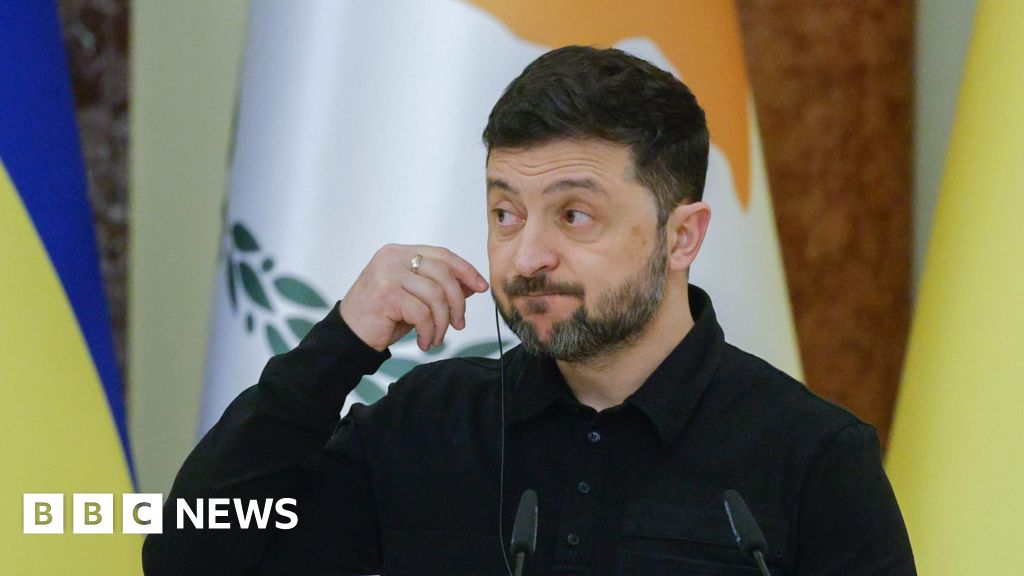
Zelensky Advances U.S. Talks to Push Peace Plan Forward

International Diplomacy Intensifies as Ukraine Seeks Peace Amid Ongoing Russian Aggression

The ongoing conflict in Ukraine remains a focal point of international tension, with diplomatic efforts reaching new heights amidst relentless Russian bombings. Ukrainian President Volodymyr Zelensky recently held a “very constructive” phone conversation with key US figures, including Steve Witkoff and Jared Kushner, highlighting a clear US interest in shaping a peaceful resolution. However, with Moscow continuing its destructive assault, questions loom about the sincerity of Russia’s diplomatic stance. Despite these high-level talks, Moscow’s refusal to make concessions signals a persistent threat to regional stability—as evidenced by over 650 drone and missile strikes in a single night, targeting critical infrastructure and deepening the humanitarian crisis.

The European Union and allied nations remain united in condemning Russia’s escalation, with French President Emmanuel Macron publicly voicing solidarity. Macron, along with UK Prime Minister Sir Keir Starmer and German Chancellor Friedrich Merz, plan to meet in London, aiming to discuss a cohesive strategy for Ukrainian security post-conflict.

  • These talks are a continuation of previous discussions concerning a possible European peacekeeping force—a proposal Moscow has rejected, branding such troops as “legitimate targets”.

Such resistance underscores Russia’s steadfast aversion to any foreign intervention that might threaten its strategic objectives.

Meanwhile, the United States and Ukraine are engaged in intensive negotiations in Florida, attempting to bridge differences over a US-backed peace plan. Though initial meetings have been described as “constructive,” substantial hurdles remain.

  • Talks have centered on security arrangements and deterrence capabilities, key to ensuring long-term stability in Ukraine.

Importantly, the negotiations reflect a broader Western effort to prioritize Ukraine’s sovereignty while navigating the intricate geopolitics that threaten to escalate tensions with Russia. The international community, through institutions like the United Nations, continue to monitor these developments, albeit with growing concern over Moscow’s reluctance to accept peace terms and its relentless campaign of targeted missile and drone strikes.

The geopolitical impact of these diplomatic efforts and military escalations is profound. The conflict not only threatens the territorial integrity of Ukraine but also risks setting off wider regional instability—potentially igniting new conflicts across Eastern Europe. As analysts warn, the decision by Vladimir Putin to reject peacekeeping proposals and intensify military assaults signals a dangerous posture that challenges the broader international order. Ultimately, these ongoing negotiations and military hostilities are shaping the contours of future global power dynamics, raising urgent questions about how nations will balance security, sovereignty, and diplomacy in a rapidly evolving geopolitical landscape.

As history continues to unfold with each missile strike and diplomatic handshake, the world stands at a precarious crossroads. The weight of unresolved conflicts and unfulfilled promises hangs heavily in the air, underscoring the crucial importance of decisive leadership and alliance-building. The outcome of this tumultuous chapter remains uncertain, but one thing is clear: the decisions made today will echo through the corridors of history, shaping the future for generations to come. The question remains—will diplomacy prevail, or will the shadows of war deepen, ushering in a new era of chaos and upheaval?

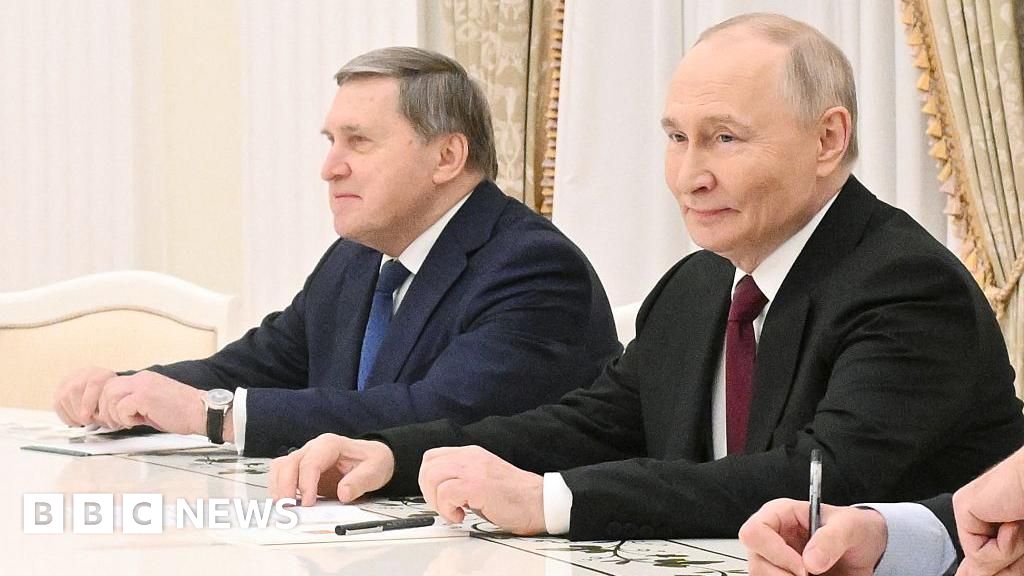
Putin Meets with U.S. Mediators in Moscow to Push for Ukraine Peace Deal

In a clear demonstration of the geopolitical stakes involved in the ongoing conflict in Ukraine, Vladimir Putin hosted US negotiators at the Kremlin for a five-hour discussion aimed at de-escalating the war that has ravaged Eastern Europe for almost a year. According to Russian officials, the talks were “productive,” yet detailed contents remain undisclosed, casting shadows over the prospects for peace. Meanwhile, the Ukrainian government—with steadfast resolve—continues to insist on firm security guarantees, including potentially NATO membership, which Moscow vehemently opposes. Such divergent positions underline the intense strategic tensions, where each side’s core demands threaten to prolong the conflict indefinitely.

The diplomatic landscape is further complicated by recent statements from President Zelensky and President Putin. Zelensky has been unwavering: Kyiv seeks definitive security assurances to prevent future invasions, emphasizing that “nothing less than assurances that Russia would not return in a year” will suffice. Conversely, Putin describes Europe’s demands over a Russian draft peace plan as “not acceptable,” warning that Moscow is prepared for further confrontation if necessary, while accusing Western nations of trying to hinder peace efforts. Historians and analysts such as Dr. Charles Stewart from the International Security Council warn that such rhetoric signals how entrenched the differences remain, risking a protracted standoff that could destabilize the entire continent.

On the ground, fighting persists despite these diplomatic endeavors. Ukraine’s military reports ongoing combat in key contested cities like Pokrovsk, refuting Russian claims of total control. The intricate dynamics of front-line battles reveal a situation where Russia’s forces are suffering setbacks, as Kyiv’s troops reclaim and hold strategic positions. Yet, the conflict’s toll on civilians is dire, with thousands killed and even more displaced, as critical infrastructure—schools, hospitals, residential areas—suffers relentless missile and drone strikes. The United Nations and international observers continue to document violations, but even as diplomatic talks swirl, the reality of war persists, with no clear end in sight.

The international community stands at a crossroads, with European nations and the US attempting to forge a united front—though divisions remain palpable. The European allies’ counterproposal to the controversial 28-point peace plan—removing contentious elements like recognition of separatist regions—highlighted the delicate balancing act of diplomacy. While European leaders, including President Macron, voice hope that Ukraine’s sovereignty remains non-negotiable, Russia remains resolute. As Kirill Dmitriev, a Russian foreign policy adviser, described the recent talks as “productive,” the very definition of progress appears fragile, overshadowed by the deep fissures that remain.

Indeed, the world witnesses the unfolding of history—an epoch where the decisions made now will echo for generations. As the Kremlin’s shadows lengthen over Ukraine, distant powers continue to debate and calibrate their strategies. The fate of nations hangs in the balance, with each diplomatic maneuver potentially tipping the scales toward peace or war. As the conflict rages on, the haunting specter of unfinished history remains, reminding us that in the theatre of geopolitics, the next chapter could determine the course of civilization itself.

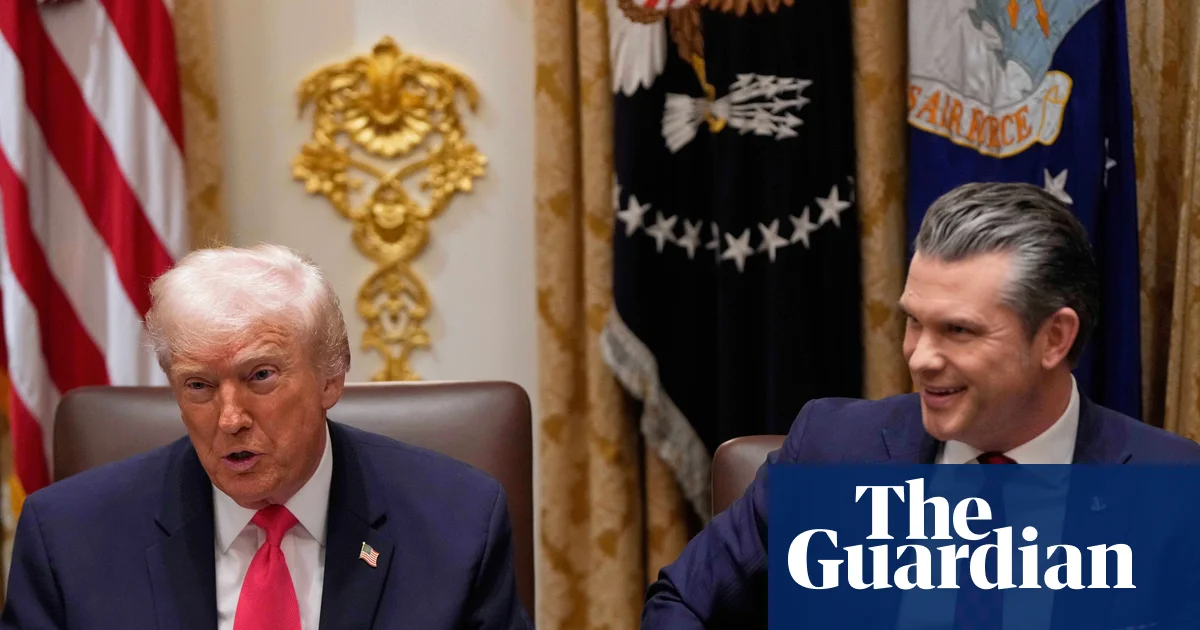
US lawmakers push for answers on Hegseth Venezuela boat incident

The United States is once again at the forefront of a fierce debate over military conduct and international law, following recent reports of lethal strikes against suspected drug trafficking vessels in the Caribbean. As part of a broader anti-narcotics operation, the US has expanded its military footprint in the region, claiming its actions are necessary for national security. However, the emerging allegations of a second strike—potentially targeting survivors—have ignited a storm of criticism both within Washington and among global observers, raising critical questions about legality, morality, and the consequences of unchecked military power.

  • Reports from The Washington Post suggest a controversial sequence of events: a first strike on 2 September left two survivors, followed by a second precise attack to “kill everybody” on board, as claimed by anonymous sources. Defense Secretary Pete Hegseth reportedly gave the order for the second strike, which has not been officially confirmed by the US Department of Defense. This revelation has prompted congressional hearings, with lawmakers from both sides warning of potential war crimes and violations of international law.
  • American officials, including President Donald Trump, have staunchly dismissed these allegations. Trump asserted support for Hegseth, claiming he believes him “100%,” further fueling the partisan divide surrounding the incident. Meanwhile, the Venezuelan government strongly condemned the strikes, vowing to conduct its own investigations and accusing Washington of fomenting regional instability.

This controversy underscores the geopolitical impact of U.S. actions in a region fraught with instability. The Caribbean has long been an area of strategic importance—serving as a nerve center for drug trafficking routes, and now, as a battleground for U.S. counter-narcotics ambitions. While officials defend their operations as self-defense against illicit activity, critics argue that the use of lethal force, especially against survivors, risks crossing a dangerous threshold into unlawful conduct. The potential involvement of international law—or the lack thereof—raises urgent questions about accountability, especially since the U.S. is not a signatory to the United Nations Convention on the Law of the Sea.

Historians and analysts note that this incident could have far-reaching ramifications, potentially setting a precedent that challenges norms governing maritime conduct. The United States, often seen as a military superpower, faces mounting scrutiny as an internal divide over its foreign policy strategies widens. Particularly, Congress has called for vigorous oversight, with leaders warning that such actions could escalate tensions with nations like Venezuela and embolden regional actors to question the U.S.’s intent. The International Criminal Court and human rights organizations watch these developments closely, eager to hold governments accountable for possible war crimes.

As the world watches, the unfolding story of the Caribbean tensions will leave an indelible mark on history’s ledger—stirring questions of morality, sovereignty, and the limits of unilateral military action. With each new report, the shadows of doubt deepen, and the weight of history presses ever harder on the shoulders of those in power. As international observers ponder the long-term consequences of these strikes, a stark reminder echoes: in the chaos of modern geopolitics, the line between protector and perpetrator blurs, with the enduring hope that justice and law will ultimately guide the course of history.

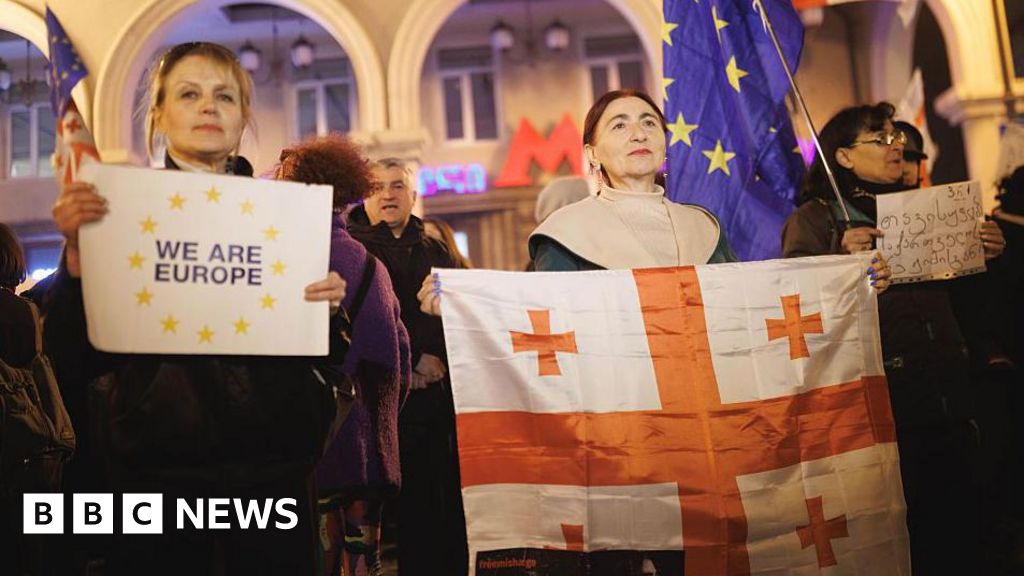
Georgia's Pro-EU Youth Push Back a Year After Halted Accession
Georgia’s Pro-EU Youth Push Back a Year After Halted Accession

In the heart of the Caucasus, Georgia finds itself embroiled in a profound crisis that threatens its very future as a democratic nation. The recent protests in Tbilisi, which have persisted for over a year, signal the resilience of the Georgian people fighting against what they perceive as authoritarian overreach by their government. Fueled by reforms that threaten civil liberties and hinder Georgia’s European aspirations, these demonstrations reflect a broader diplomatic struggle over the direction of Georgian society. Analysts warn of a shift towards authoritarianism reminiscent of post-Soviet Russia, with significant geopolitical repercussions for Western interests in the region.

  • The Georgian government, led by Prime Minister Irakli Kobakhidze and the ruling Georgian Dream, has enacted sweeping legislation targeting protest activity, civil society, and media independence, drawing criticism from European institutions and democracy advocates worldwide.
  • Opposition figures, including respected journalist Mzia Amaglobeli, have faced arrest, imprisonment, and intimidation, sparking international concern about the erosion of civil liberties.
  • Despite these hardships, hundreds of Georgians remain committed to their demonstrations, inspired by the memory of the Rose Revolution, and driven by fears that their country is drifting into Russian-style autocracy.

Observers contend that the Georgian government’s policies are not merely domestic measures but are deeply entwined with Russia’s strategic interests. The influential billionaire Bidzina Ivanishvili, a key figure behind the scenes, has longstanding ties to Russia, fueling suspicions that Georgia’s leadership is acting in the Kremlin’s favor. As European Union officials recently delivered a “devastating” report, asserting that Georgia is now considered an EU candidate “in name only”, the nation’s fragile path toward integration remains more distant than ever. The crackdown on opposition—including the imprisonment of opposition leader Zura Japaridze—underscores the growing authoritarian trend, with critics warning that Georgia risks losing the democratic principles it fought so hard to secure.

The geopolitical impact of this crisis stretches beyond Georgia’s borders. Western nations are increasingly alarmed as democratic backsliding in Georgia threatens to destabilize the region, divide pro-European factions, and embolden Russia’s ambitions. Historians and policy analysts assert that the current crackdown echoes the post-Soviet pattern: a combination of authoritarian repression, suppressing free speech, and undermining electoral legitimacy, all under the guise of maintaining stability. The European Parliament’s recognition of Georgia’s faltering democratic trajectory marks a stark warning: unless there is international intervention, Georgia could become a new front in the contest between Western liberal values and Russian autocratic authoritarianism.

As Georgia’s protests continue amidst a climate of repression, the nation’s future remains a poignant symbol of a broader struggle for sovereignty and democratic integrity. The streets still echo with chants of freedom—a movement that, despite the government’s harsh tactics and the shadows of Russia’s influence, refuses to be silenced. The story of Georgia’s fight is now etched into the grand narrative of history—a chapter that will determine whether it can reclaim its European destiny or be swallowed by a new era of autocratic darkness. The weight of these moments rests heavily on the shoulders of the international community, as they watch a proud nation teeter on the brink—an unresolved story, yet unwritten, that will echo through generations to come.

Greenlandic Families Push Back as Parenting Tests Banned, Fight to Reclaim Their Kids

Greenlandic Families Fight for Justice Amid Danish Child Welfare Policies

In an unfolding chapter of international custody and cultural conflict, families from Greenland are challenging decades-long practices by the Danish government that have led to the removal of their children. Tied to a complex history of colonialism, these legal and social interventions have sparked protests, emotional trauma, and ongoing legal battles, exposing a deep-rooted crisis of cultural identity and human rights. As Greenland strives for recognition of its sovereignty and cultural integrity, the case of these families underscores how international decisions can reverberate across societal fabric—shaping laws, perceptions, and lives in powerful, often tragic ways.

Central to this controversy are the so-called FKUs—parenting ability assessments that, since their inception, have been used by Danish social services in complex welfare cases. Critics argue that these evaluations are heavily biased, culturally insensitive, and lack scientific validity—particularly when applied to Greenlandic families. Analysts and human rights advocates warn that these tests, administered in Danish and tailored around Danish norms, distort true parenting capacity, threatening to erase traditional Greenlandic values and foster a cycle of loss and despair. For many families, like Keira and Johanne, these assessments have resulted in the heartbreaking removal of their children immediately after birth or during early childhood, often based on superficial tests that critics say cannot reliably predict parental success.

The Human Cost and Cultural Clash

The stories of Keira and Johanne are emblematic of the personal tragedy woven into this larger international issue. Keira, a Greenlandic mother, recounts her agony of having only two hours with her newborn, Zammi, before social services took her away—an experience marked by uncontrollable sobbing and whispers of regret. Despite ongoing visits, she remains separated from her daughter, battling court decisions rooted in assessments that questioned her parental abilities based on questions about Mother Teresa or the speed of sunlight. Similarly, Johanne’s premature son was taken at birth, despite a brief period of contact, and subsequently adopted—the loss lingering painfully for both parents. Such cases illustrate how administrative decisions intertwined with cultural insensitivity can fracture families permanently.

While the Danish government announced a review of hundreds of such cases in the wake of mounting criticism and protests—some in Nuuk, Greenland’s capital—>the process remains slow and uncertain. As of now, only a fraction of cases have been reevaluated, with no children returned. Critics, including social workers and psychologists, contend these assessments are often based on outdated or culturally biased criteria. The recent ban on FKUs in Greenland was a significant step, yet advocates argue that systemic reform is necessary to prevent future tragedies and uphold the rights of indigenous communities.

Implications for Global Law and Sovereignty

The dilemma extends beyond individual families; it highlights the broader geopolitical impact of colonial legacies and sovereignty. Greenland, a territory with a rich indigenous culture and increasing strategic importance due to its natural resources, finds itself at the crossroads of international governance and cultural preservation. The families’ struggles reflect a wider debate: should colonial-era social policies continue to dominate or give way to indigenous-led justice? International organizations like the United Nations and European Court of Human Rights face mounting pressure to intervene, signaling a global shift towards recognizing indigenous rights and cultural autonomy in social policies.

As historians and analysts observe, this murky intersection of law, culture, and geopolitics is a *turning point*—a test of how modern nations reconcile their histories with contemporary human rights standards. For Greenlandic families, especially, the fight is about more than custody; it is about preserving identity and dignity amid an evolving global landscape. Time may echo with the resolutions of courtrooms and legislative chambers, but the weight of history continues to cast shadows. The ongoing struggle for the return of their children serves as a stark reminder: decisions made in distant boardrooms and courtrooms today will, in time, define the legacy of justice, cultural resilience, and sovereignty for generations to come. The story is still unfolding, and only history can tell whether humanity advances towards true equality or remains prisoner to its colonial past.

Scottish Teachers Push for Four-Day Week to Boost Work-Life Balance

Society at a Crossroads: The Struggle for Fairness, Workload, and Quality Education in Scotland

Across Scotland’s communities, the ongoing debate surrounding the future of education reveals broader societal tensions rooted in demographic shifts and theurgent need for reform. The Scottish government’s recent proposal to implement a “flexible” four-day teaching week has ignited both hope and concern among educators, parents, and policymakers alike. While officials tout this initiative as a step toward lightening teachers’ workload and fostering professional development, critics insist it does not adequately address the deeper issues that plague the nation’s education system, especially the unfair burden placed on teachers and the repercussions felt by families and students.

At the heart of the debate lie

  • Teachers’ workload that many deem “unfair, unhealthy, and unsustainable,”
  • The promises made by the government to reduce classroom contact time,
  • The ongoing strike ballots among key teachers’ unions such as the EIS and NASUWT,
  • And the challenge of translating policy proposals into meaningful change on the ground.

These issues strike at the moral core of education—how can society ensure that families are supported, that teachers are valued, and that children receive quality instruction without overburdening staff? The historian and social commentator Christopher Lasch once warned of a society where institutions become hollow, rendering community trust brittle. Today, the fissures in Scotland’s education framework threaten to undermine community cohesion, challenging the moral fabric that sustains future generations.

While the Scottish government emphasizes its commitment with promises of a “National Deal” and pragmatic solutions, union leaders express skepticism. Union representatives demand clarity: any restructured timetable must prioritize teachers’ autonomy over their allocated time, ensuring it is used effectively for lesson preparation, marking, and training. The discontent reflects a broader societal truth: when families see educators struggling and communities divided over how best to serve their young, societal trust in the system diminishes. The question remains whether these reforms will stave off strikes and foster genuine community support or simply mask deeper systemic failures.

Ultimately, the societal challenge extends beyond mere policy. It calls us to reflect on the moral obligation of society—to nurture families, invest in education, and respect the labor of those shaping our collective future. As the social commentator Jonathan Sachs noted, moral leadership in times of crisis must be rooted in empathy and justice. Perhaps what Scotland’s teachers seek is not just a modified timetable but a reaffirmation of society’s commitment to nurturing its next generation through fairness, respect, and shared responsibility. In this moment of societal flux, hope lies in the possibility that, through honest debate and genuine collaboration, a society can transform its challenges into a foundation for renewal—one where every child is valued, every teacher is empowered, and communities thrive in resilience and unity. Only then can the society evolve beyond mere policies into a true community of shared purpose, lighting a path toward lasting societal renewal.

Social Media Auto Publish Powered By : XYZScripts.com