Matox News

Truth Over Trends, always!

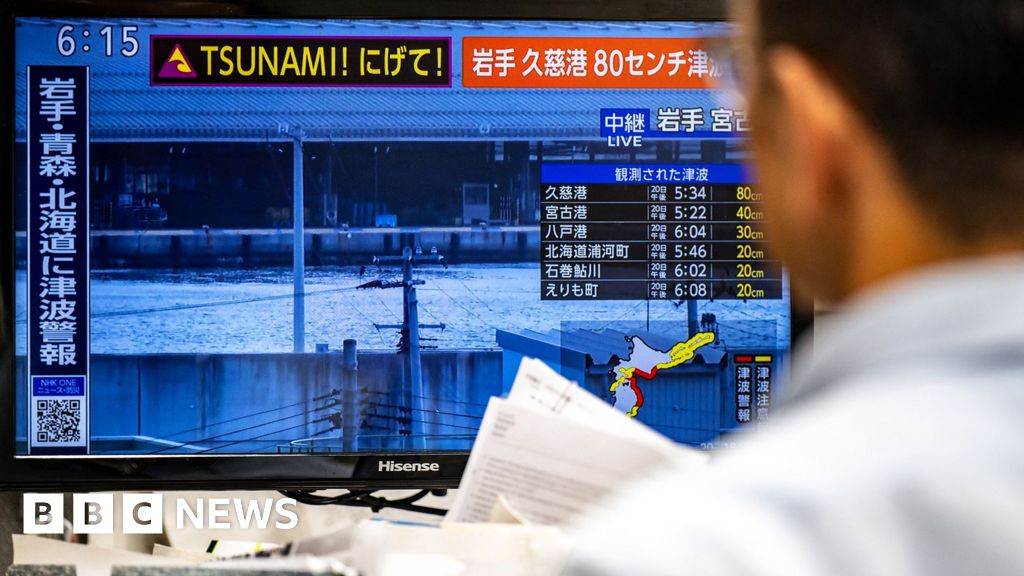
Japan on edge as second 'huge' quake Threatens After Tsunami Warning Lifted
Japan on edge as second ‘huge’ quake Threatens After Tsunami Warning Lifted

In a stark alert that has captured the world’s attention, Japan’s Meteorological Agency has issued a warning of a potential significantly stronger earthquake likely to strike within the next week. This warning marks a critical moment for one of the world’s most earthquake-prone nations, where geological instability has long shaped its social, economic, and political landscape. As governments and international agencies scramble to prepare, the geopolitical ramifications extend well beyond Japan’s shores, reverberating through global markets and shifting regional alliances.

Historically, Japan’s recurrent tremors have prompted a global response rooted in resilience and technological innovation. The country’s meticulous disaster preparedness programs, which include advanced early warning systems, evacuation protocols, and resilient infrastructure, are tested anew. However, an anticipated magnitude escalation raises questions about the sufficiency of current measures and highlights the importance of international cooperation. Analysts from the International Seismological Centre warn that the impending quake could trigger cascading effects, including regional tsunamis and widespread infrastructural damage. Such outcomes threaten not only local communities but also vital supply chains that sustain the economic stability of the Asia-Pacific region.

This seismic uncertainty strikes at the core of regional security concerns. Countries such as South Korea, China, and Russia are carefully monitoring Japan’s situation, cognizant that a major quake could destabilize the delicate balance of influence in East Asia. The regional power dynamics could shift dramatically depending on how authorities respond and whether natural disaster management intersects with geopolitical interests. Some experts suggest that a major quake might exacerbate Japan’s call for increased military readiness and emergency aid cooperation, thereby influencing regional alliances in ways that could redefine the post-World War II security architecture.

Moreover, the international community’s response to Japan’s impending crisis encapsulates a broader narrative of geopolitical importance and societal resilience. As Japan navigates this natural threat, global organizations like the United Nations and neighboring nations are under pressure to coordinate aid, share intelligence, and reinforce disaster preparedness programs. Historians and geopolitical analysts point to past events where such natural calamities have either fostered greater regional solidarity or, conversely, exposed fragilities that fuel geopolitical conflicts. The looming threat underscores that in today’s interconnected world, natural disasters are no longer isolated incidents— their impacts reverberate far beyond the initial quake, shaping the fate of nations.

As the earth beneath Japan quietly rumbles in anticipation, the world stands at a precipice where history is still unwritten. The coming days will reveal whether human ingenuity and collective will can withstand the wrath of nature, or whether this natural upheaval will serve as a stark reminder of our vulnerability in the face of uncontrollable forces. The weight of history presses heavily on Japan’s shoulders, as it heeds the warning of a possible *greater catastrophe*, bearing witness to a moment that could redefine the destiny of the region — a silent prelude to a tragedy waiting just beneath the surface.
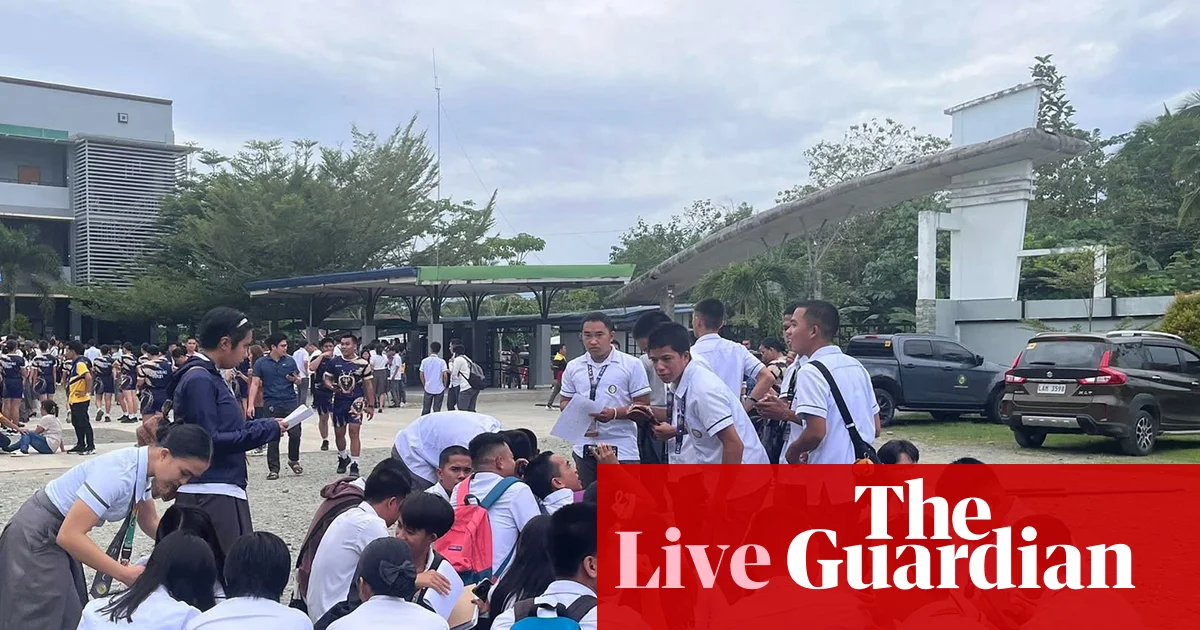

Philippines rocked by 7.6 quake amid tsunami alert for coasts, including Indonesia – latest updates

Global Tensions Surge as Asia-Pacific Faces Catastrophic Earthquake and Tsunami Threats

The Philippines has been rocked by a powerful 7.4 magnitude earthquake targeting the southern island of Mindanao, causing widespread panic and immediate evacuations in coastal communities. The seismic event initiated a tsunami warning across the region, prompting governments and international agencies to brace for possible waves exceeding three meters in some areas, especially near the earthquake epicenter. The Philippine Seismology Agency reports significant damage, with reports of collapsed buildings and injured civilians, as authorities scramble to mount rescue efforts amidst ongoing aftershocks. This catastrophe comes mere weeks after the last devastating quake in Cebu, which claimed more than 70 lives, underscoring the region’s vulnerable geopolitical position within a seismically active zone.

Meanwhile, neighboring Indonesia has issued its own tsunami warning for North Sulawesi and Papua regions, highlighting a regional escalation of what analysts call a “cascade effect” of tectonic instability. The Indonesian government warned of hazardous waves potentially reaching 3 meters, forcing thousands in coastal settlements to evacuate inland. The Pacific Tsunami Warning Center in Honolulu underscored the danger, describing waves as “life-threatening” with the possibility of destruction within a 300km radius of the epicenter. As international organizations like the United Nations Office for Disaster Risk Reduction coordinate emergency responses, experts warn that the sequence of seismic activities may signal a tectonic shift with broader geopolitical consequences for Indo-Pacific stability.

Regional Power Dynamics and International Reactions

This natural disaster occurs against a backdrop of simmering geopolitical tensions in the Asia-Pacific, where China and the United States vie for regional influence amid claim disputes and strategic alliances. Some analysts argue that the timing of these seismic events could be exploited by regional powers to justify military posturing or to accelerate diplomatic negotiations under the guise of humanitarian aid. The Philippine President, Ferdinand Marcos, has already mobilized multiple agencies, including the armed forces and coast guard, to assist in evacuations and damage assessment, emphasizing a “national unity” stance. Yet, the rapid mobilization reflects an underlying reality: the region’s fragile security architecture, where natural calamities can deepen existing divides or, conversely, serve as opportunities for cooperation.

Historians specializing in Indo-Pacific geopolitics note that these events expose how climate and natural disasters are increasingly influencing international stability. The clustering of seismic activity along the Pacific Ring of Fire exemplifies the tectonic vulnerabilities that threaten to redraw regional power maps. As governments in Jakarta, Manila, and even Taipei reevaluate their strategic priorities, voices within international organizations warn that the compounding effects of ongoing natural hazards could destabilize fragile political terrains, making the next few years critical for shaping the geopolitical future of the region. The unfolding crisis reminds the global community that the forces of nature remain an unpredictable weapon of change—one that can alter societies faster than any diplomatic negotiation.

The Weight of History and the Unfolding Future

With each tremor, history seems to pause—holding its breath, waiting to see whether these events trigger a new chapter of regional resilience or a descent into chaos. The Philippines, Indonesia, and their neighbors find themselves at a critical juncture, where their responses will not only determine immediate survival but will also set precedents for regional solidarity or conflict in the face of climatic and tectonic upheavals. As experts warn of larger aftershocks and potential further waves, global observers are compelled to ask: how will nations adapt to a world where natural disasters are becoming the catalysts of geopolitical change?

As the skies darken with the weight of history still unfolding, one question remains unavoidable: in the face of nature’s fury, will humanity choose the path of division or unity? The answers lie buried beneath the shifting plates of our restless Earth—a reminder that the true battle for stability is fought not only in geopolitics but in our resilience and resolve to confront the forces shaping our collective destiny.

Social Media Auto Publish Powered By : XYZScripts.com


