Matox News

Truth Over Trends, always!

Mary, Queen of Scots’ Last Letter to Be Exhibited After Nearly a Decade in Scotland

Historical Reconsideration: Mary, Queen of Scots’ Last Letter on Display in Scotland

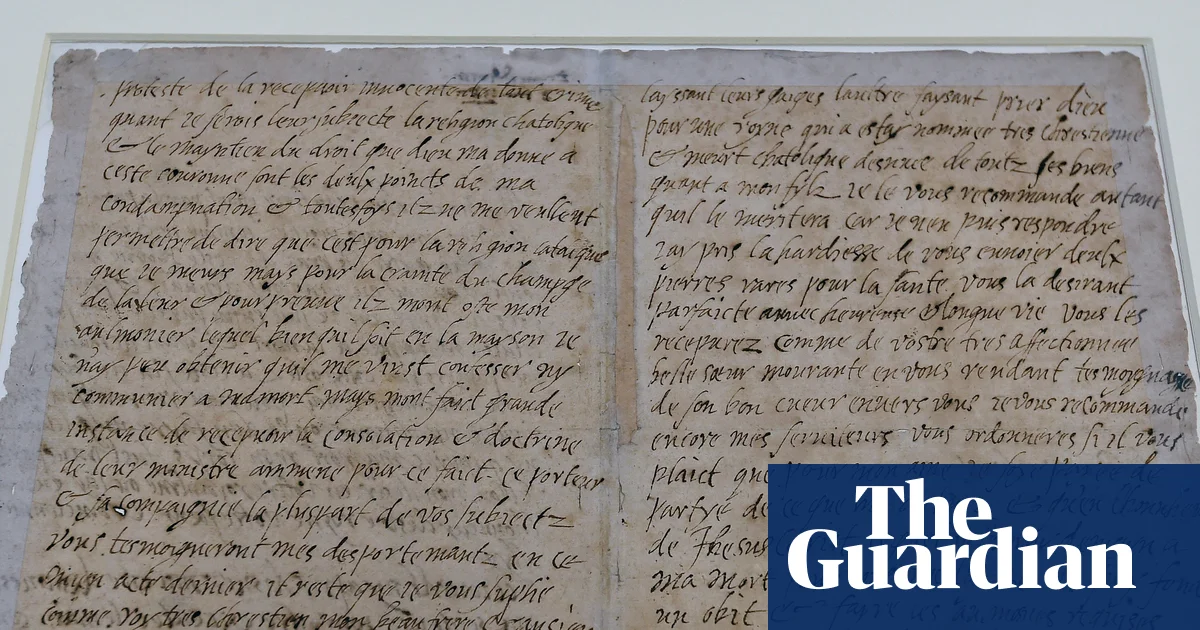
In a remarkable event that transcends centuries, the National Library of Scotland has announced that the last letter of Mary, Queen of Scots, penned mere hours before her execution in 1587, will be showcased at the Perth Museum. This rare exhibition, which opens on 23 January 2024 and continues into April 2026, offers a visceral connection to a pivotal period in Scottish and European history. Mary’s final words, written in French, constitute a rare surviving artifact of a turbulent reign marked by intrigue, rebellion, and international diplomacy — archetypes of the age of monarchs. For scholars and the public alike, this display signifies an extraordinary opportunity to witness an integral shard of history, reminding us of the enduring influence of monarchy and the fragile fabric of sovereignty.

This event gains geopolitical significance beyond its historical value. As Scottland asserts its cultural identity through such exhibitions, it also serves to highlight the broader narrative of British history and its intertwined European history. The letter, kept under tight conservation by the National Library of Scotland, has rarely left its vaults, underscoring the importance placed on preservation amidst the age of digital and rapid consumption. The upcoming display coincides with ongoing efforts to emphasize Scotland’s unique legacy, especially as debates about independence and regional sovereignty continue. Analyzing this moment, international historians note that cultural heritage serves as a vital anchor in asserting national identity for parts of the UK, in a continent increasingly defined by regionalism and resurgence of localized histories.

In addition to Mary’s letter, the exhibition will feature a range of documents from the National Library, including early manuscripts from poets and playwrights such as Robert Burns and Liz Lochhead. These artifacts, situated within the historic context of Mary’s life—including her imprisonment, abdication, and dramatic escape from Lochleven Castle—emphasize how cultural renaissance and national memory are often interconnected. Alison Stevenson, the library’s director of collections, describes this event as a “once-in-a-generation opportunity”, highlighting that this is a moment for collective cultural reflection. The exhibition’s location at Perth, a city central to Mary’s life, transforms her story from distant history into a living, national narrative that stirs patriotic sentiment and historical consciousness alike.

Such events invoke broader geopolitical themes. As Scotland shapes its narrative within the UK, the display acts as a potent symbol of regional identity asserting itself amidst global shifts. The Scottish government recognizes the importance of heritage in fostering national pride—especially as debates over independence and sovereignty persist. The cultural secretary, Angus Robertson, stresses the lasting value of these artifacts as “a priceless record,” emphasizing that their preservation and public display matter profoundly in an era where history is often commodified or politicized. The drama of Mary’s story, with its themes of power, betrayal, and tragedy, resonates well beyond just Scottish borders, reminding the world that history is not static but a battlefield of identity and influence. International institutions such as UNESCO continue to advocate preserving such educational treasures, acknowledging their power to shape perceptions of sovereignty and cultural legacy.

The unveiling of Mary, Queen of Scots’ last letter transcends simple historical curiosity; it is a saga of resilience, tragedy, and national pride woven into the fabric of geopolitics and cultural identity. As her poignant final words are revealed, one cannot help but sense that the story of her life, and the lessons embedded within, are still unfolding—an ongoing narrative that may very well influence the course of regional and global history for generations to come. In the shadows of history’s corridors, the weight of her final notes whispers with an enduring significance, echoing through time as a silent testament to the enduring power of memory and the unending pursuit of sovereignty.
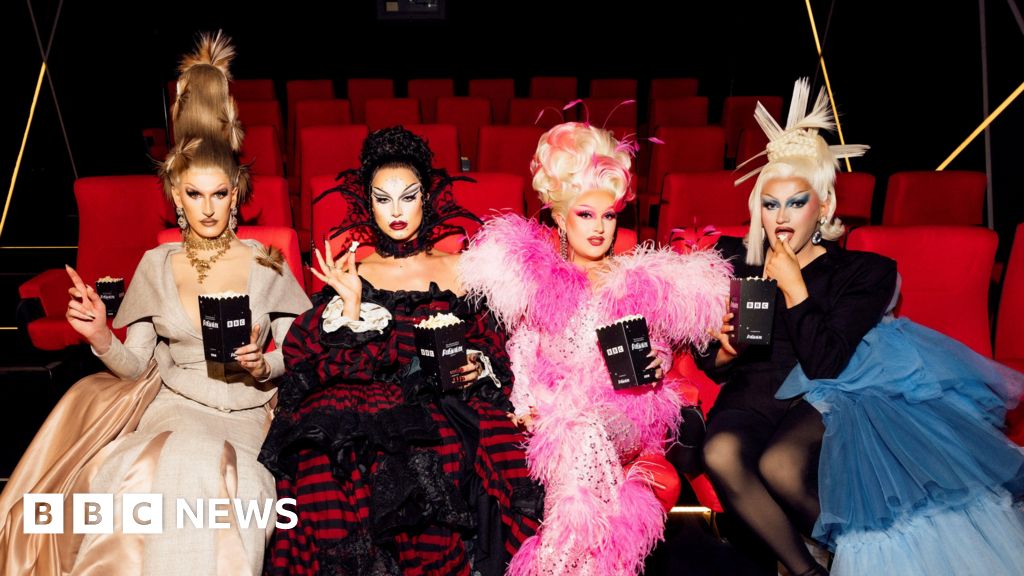
RuPaul’s Drag Race UK names its seventh reigning queen, fueling the next generation’s fierce talent

In an era characterized by rapid change and digitized chaos, the enduring significance of culture persists as the vital foundation upon which societies forge their identities. As Ortega y Gasset famously asserted, “The culture of a nation is the collective memory that shapes its future.” In this light, contemporary cultural phenomena serve not merely as entertainment but as the living record of a peuple’s values, traditions, and aspirations. The recent triumphs and innovations within cultural expression—be it art, music, or even televised art forms like drag culture—strike at the core of national and individual identity, underscoring that culture remains our most profound and personal form of history—a mirror and a prophecy.

Take for instance the spectacle of RuPaul’s Drag Race UK, which has garnered global attention yet remains intrinsically rooted in the UK’s vibrant craft of performance art. The recent series finale exemplifies how artistic performance functions as a battleground of cultural values, where beauty, self-expression, and resilience converge to challenge superficial stereotypes and to celebrate authentic individuality. Bones, crowned the series winner, embodies more than a flashy persona; she embodies a narrative of perseverance, tradition, and the reclaiming of cultural space, a testament to how artistic identity can serve as social commentary. Her journey from Soho’s underground scene to national recognition reminds us that the true power of culture lies in its capacity to foster community, affirm identity, and inspire societal reflection. As the philosopher Chesterton once observed, “Art may imitate life, but authentic art is life itself, expressed through beauty and courage.”

Nevertheless, as Tocqueville warned, the saturation of cultural products can lead to a kind of cultural exhaustion, diluting the richness of tradition in favor of fleeting trends. Critics argue that the fans’ call for greater diversity in drag—less homogeneity and more authentic representation—speaks to an inevitable evolution of a culture that must continuously refashion itself to stay vital. This is not a sign of cultural decline but a testament to its dynamic resilience. Yet, amidst this flux, the core principles of tradition—values of family, community, and authentic selfhood—must remain preserved. As G.K. Chesterton remarked, “Tradition means giving votes to the most obscure of all classes, our ancestors. It is the democracy of the dead.” In this way, culture remains a living dialogue between past and future, inspiring the youth to cherish their roots while daring to redefine them.

Ultimately, culture is both memory and prophecy—an ongoing reflection of who we have been and a vision of what we may become. The mosaic of our collective heritage guides us through the turbulent waters of modernity, reminding us that our true strength lies in honoring the principles that have sustained us. As T.S. Eliot contemplated, “We shall not cease from exploration, and the end of all our exploring will be to arrive where we started and know the place for the first time.” It is in this cyclical dance of remembering and dreaming that humanity finds its most eloquent voice—an anthem of tradition, a call to renewal, and a testament to the unbreakable unity of culture’s eternal dialogue.

Thailand's Former Queen Sirikit Passes at 93—A Pillar of National Heritage
Thailand’s Former Queen Sirikit Passes at 93—A Pillar of National Heritage

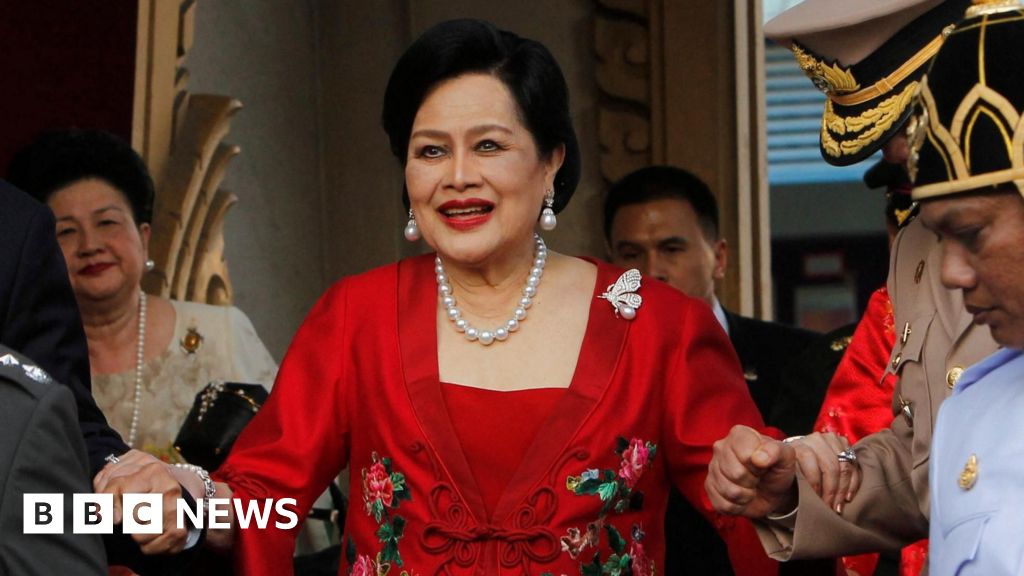
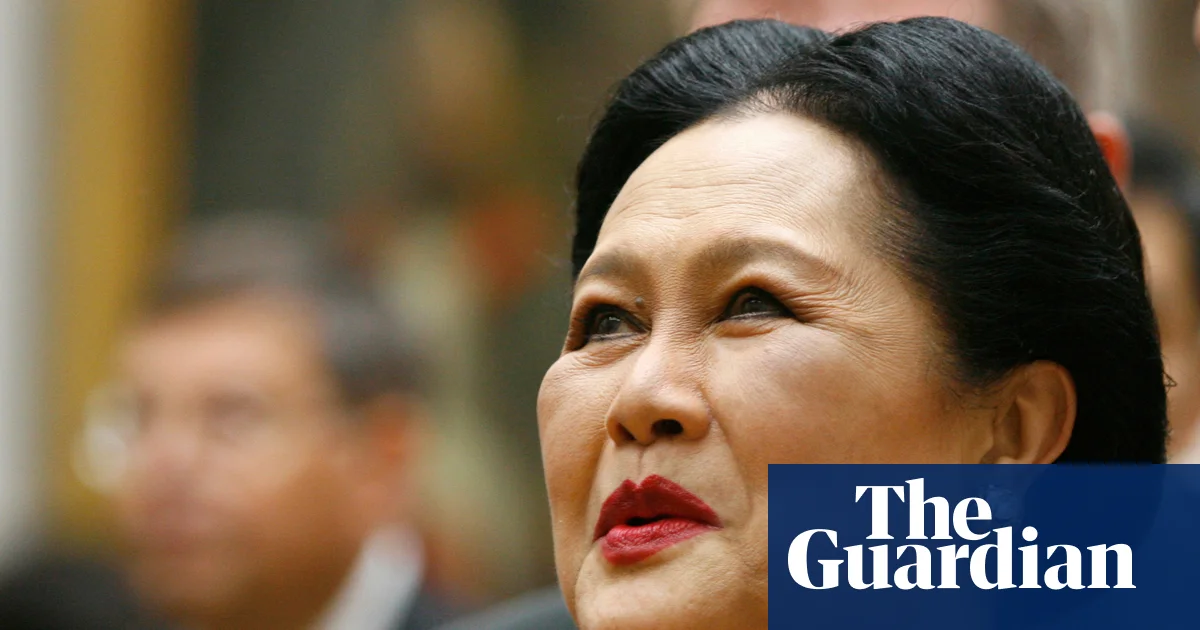
In a moment that resonates beyond the borders of Thailand, the nation mourns the loss of Queen Sirikit, who passed away peacefully at age 93. Her death marks the end of an era, as the beloved matriarch of the Thai monarchy, a symbol of stability and tradition for over six decades, departs from the mortal realm. As the Thai Royal Household Bureau announces plans for a royal funeral—reflecting the gravity of her legacy—the world’s attention is drawn to the deep-rooted influence of the monarchy, not only within Asia but across a geopolitical landscape fraught with shifting alliances and strategic interests.

Queen Sirikit’s life was intertwined with a period of significant change in Thailand, a nation that has long been considered a strategic hub in Southeast Asia. Marrying King Bhumibol Adulyadej in 1950, she became a central figure in preserving Thailand’s stability during times of political upheaval. Her diplomatic travels and international appearances—rubbing shoulders with figures like Dwight Eisenhower and Queen Elizabeth II—highlight her role in soft power diplomacy. Yet, her influence extended far beyond diplomacy; she embodied the moral backbone of the nation, fostering a sense of national unity rooted in centuries of tradition. For geopolitical analysts, her passing underscores the potential for transition within Thailand’s monarchy, which continues to play a delicate balancing act between tradition and the modern world.

International organizations and historians have long scrutinized the monarchy’s role in regional power dynamics. Thailand’s constitutional monarchy has historically served as a stabilizing force in a volatile region. However, recent political unrest and calls for reform have shaken the monarchy’s image, drawing attention to how decisions made at the royal level influence societal stability and national sovereignty. Queen Sirikit’s legacy—as both a maternal and diplomatic figure—remains central in the collective consciousness, especially in the context of the recent unrest. Her death may well catalyze a re-evaluation of the monarchy’s role in Thai society, as well as impact regional geopolitics, with neighboring powers watching carefully to gauge how Thailand navigates this transition.

As King Vajiralongkorn orders a state funeral, the world faces an unsettling question: how will Thailand move forward beyond the stabilizing presence of Queen Sirikit? This moment is a critical juncture in history, one where the choices made by the Thai royal family could influence the nation’s path for generations. Historians and political analysts warn that the shifting influence within the monarchy could either usher in a period of reform or reinforce existing conservative power structures. In the broader context, the passing of such a revered figure acts as a poignant reminder that >the tides of history are inexorable, and the march of change is often both silent and profound. Now, as the nation observes a year of mourning, it remains to be seen whether Thailand will endure as a bastion of stability or confront an era of uncertain transformation—lesions of history still being shaped in the shadow of a queen who once symbolized her country’s eternal heartbeat.

Thailand’s Queen Mother Sirikit Passes at 93 — A Lasting Legacy Ahead of the Future

Thailand has experienced a profound national loss with the death of Queen Mother Sirikit, a towering figure who symbolized resilience, cultural pride, and maternal virtue for over nine decades. Her passing at age 93, announced by the Thai Royal Household, marks a pivotal moment not only for Thailand but also for the shifting dynamics of Southeast Asian geopolitics. Her death, after years of declining health, underscores the end of an era where the monarchy was both a unifying symbol and a subtle political actor—an institution whose influence extends far beyond the palace walls, shaping the socio-political fabric of the nation.

Despite her largely quiet public life since her 2012 stroke, Queen Sirikit remained a revered maternal figurehead, celebrated for her charitable work and the preservation of Thai tradition. Her deep-rooted ties to cultural identity and national cohesion rendered her an indelible part of Thailand’s collective consciousness. The declaration of a one-year mourning period exemplifies the magnitude of her significance, which transcended political boundaries and fostered a unifying narrative amid the nation’s long history of coups and government instability. In a country where lèse-majesté laws strictly curb any criticism of the monarchy, her death will be observed with profound reverence, emphasizing her enduring role as the cornerstone of Thai identity.

Historically, the Thailands’ monarchy has served as an anchor amidst turbulent political tides. King Bhumibol Adulyadej, her husband, reigned for 70 years, a period marked by stability through crises and upheavals. Queen Sirikit, from her Parisian roots—where she studied music and languages—wove herself into the social and cultural fabric of Thailand, revitalizing traditional weaving and silk industries and embarking on development initiatives in rural areas. Her dynamic involvement in political affairs, particularly as acting regent during her husband’s absences, exemplifies how the royal family has often intertwined with state affairs, subtly influencing policy and political shifts.

The geopolitical implications of her death ripple through Southeast Asia, where monarchies remain powerful symbols. Many analysts emphasize that Thailand’s monarchy, long regarded as a stabilizing yet discreet political force, continues to influence regional dynamics. With her son, King Maha Vajiralongkorn, now ascending the throne, questions remain about how the monarchy will navigate Thailand’s evolving political landscape. Observers such as political historians and international organizations warn that the royal family’s role could become even more critical in maintaining regional stability or, conversely, ignite tensions if internal or external forces seek to challenge royal authority.

As the world watches, and Thailand mourns, the death of Queen Mother Sirikit signals not merely a personal loss but the fading of a legacy that symbolized maternal authority, cultural preservation, and a subtle, often opaque, political presence. The process of her farewell, marked by official ceremonies and national mourning, invites reflection on how a single figure can embody the history—and perhaps the future—of a nation. Under the weight of history, the question remains: how will Thailand’s monarchy adapt and endure in an era of rapid change, and how will their decisions reshape the geopolitical contours of Southeast Asia? The answer lies hidden in the ongoing unfolding narrative—a story written in the quiet resilience of a nation, and in the shadows where power still silently resides, waiting for the next chapter to be inked in the pages of history.

Social Media Auto Publish Powered By : XYZScripts.com