Matox News

Truth Over Trends, always!

Albanese’s approval of Queensland coal mine expansion threatens ecosystems and worsens climate crisis, scientists warn

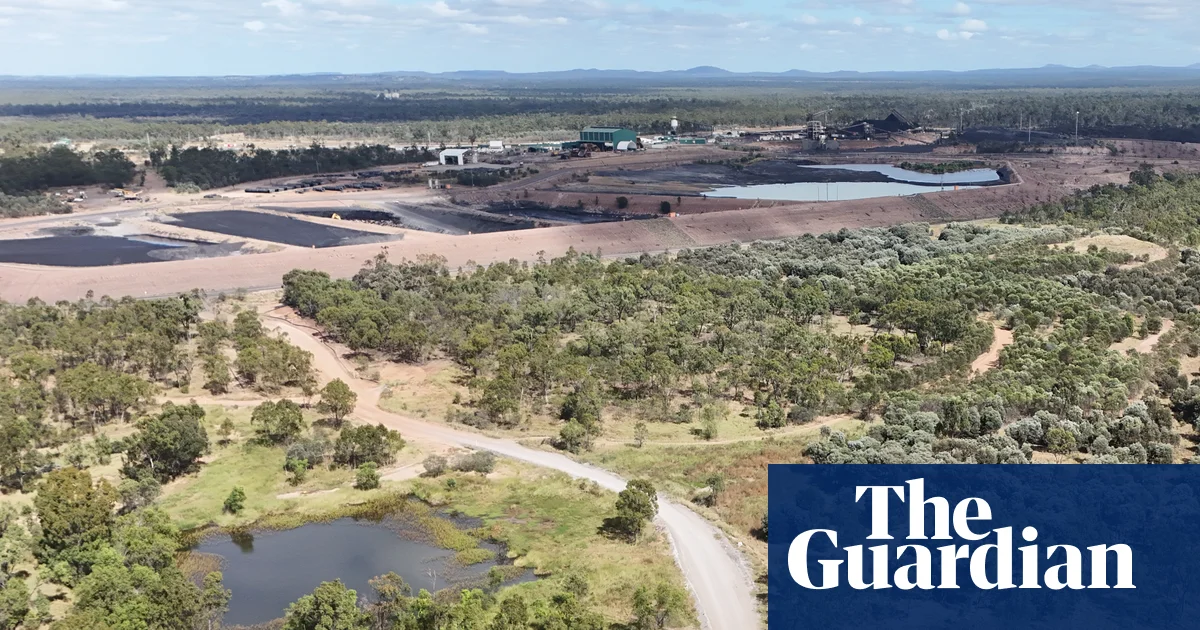
In a move that underscores the ongoing global clash between economic development and environmental conservation, the Albanese government recently approved the expansion of the Middlemount coalmine in Queensland. Owned jointly by US-based Peabody and Chinese-owned Yancoal, this project will see an estimated 85 million tonnes of coal exported over the next 24 years. While proponents tout it as a boost to the local economy and energy sector, critics argue that the environmental costs are catastrophic and threaten Australia’s rich biodiversity. The expansion signifies more than just economic activity; it marks a clear stance in the international debate—whether to prioritize short-term energy needs or long-term sustainability.

Conservationists and environmental experts have raised urgent alarms over the project’s implications for native wildlife, particularly the threatened koalas and greater gliders. The project involves clearing approximately 81 hectares of glider habitat and 183 hectares of koala territory—an area that ecologists say is crucial for their survival. Despite conditions imposed by authorities requiring the relocation of tree hollows used by gliders, prominent ecologists such as Prof. Euan Ritchie and Prof. David Lindenmayer have condemned these measures as inadequate and, in some cases, outright harmful. The attempt to mitigate habitat destruction via offsets—planting 1,557 hectares of new habitat—has been dismissed by experts as a “deluded” strategy that simply cannot compensate for the tangible loss of mature ecosystems. The catastrophic impact on native species is compounded by the project’s contribution to global heating, with conservationists estimating that burning the exported coal will generate approximately 236 million tonnes of CO2 over its lifetime—almost half of Australia’s current annual emission footprint.

This approval has sparked broader questions about the geopolitical impact of resource extraction. The approval under the climate change framework illustrates a troubling prioritization of economic interests over ecological integrity and international climate commitments. As analysts from the United Nations and other global organizations warn against complacency, the decision highlights a stark reality: the vast majority of emissions resulting from the coal will occur outside Australia, as the coal is burned primarily in Asian countries. Critics argue that this approach undermines Australia’s commitments to the Sustainable Development Goals and the global effort to curb climate change, reinforcing a narrative where Australia appears to choose economic gain over the health of the planet. This stance risks alienating international allies committed to green policies, while emboldening fossil fuel interests aligned with geopolitical powers that see energy resources as weapons of influence and leverage.

As history continues to unfold, the decision to expand the Middlemount coalmine underscores the tensions that define the 21st-century geopolitics—where resource-rich nations grapple with the legacy of environmental neglect amidst a shifting global framework demanding urgent climate action. The future of native wildlife hangs in a fragile balance, with environmentalists warning that yet another generation of Australian species might be driven toward extinction. Meanwhile, the global community observes with mounting concern as Australia’s actions shape the geopolitical landscape: a nation at a crossroads, torn between the immediacy of economic survival and the looming specter of irreversible climate catastrophe. Will this moment be remembered as a tragic misstep or a catalyst for change? The pages of history continue to be written, but every decision, every expansion, echoes louder in the corridors of global power, shaping the planet’s destiny for generations to come.

Australian skier dies in Japan days after Queensland snowboarder’s tragic lift fall

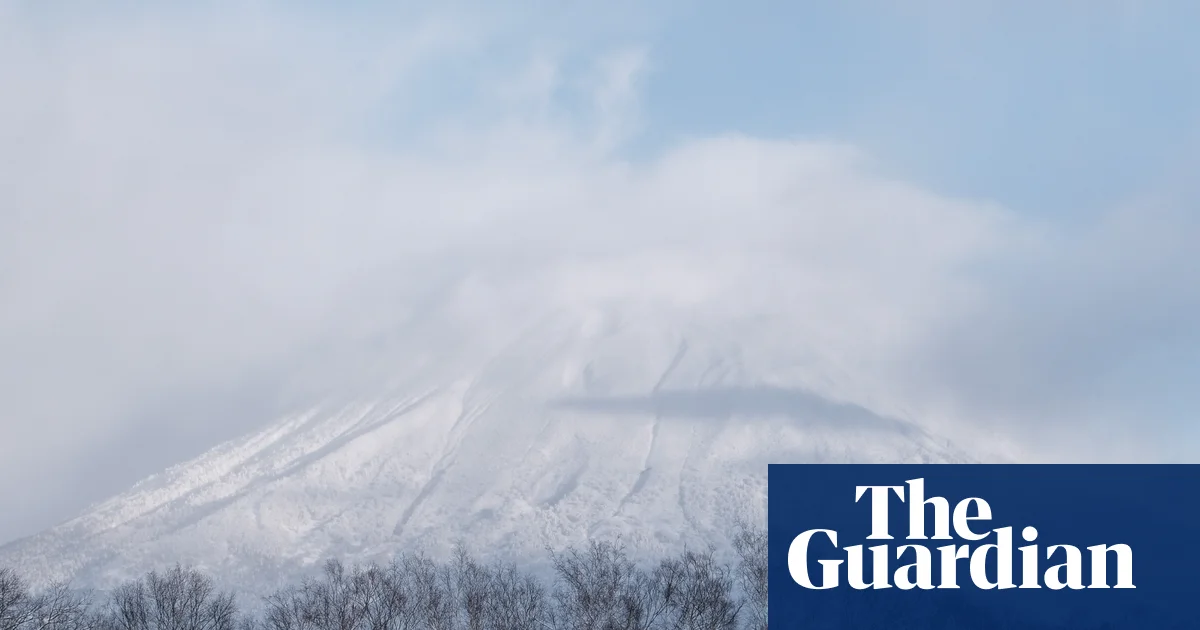
Recent tragedies at Japanese ski resorts have spotlighted the nation’s perilous battle with record-breaking snowfall and its broader impact on public safety and international perception. Over the past week, Japan has witnessed a surge in snow-related incidents, including the deaths of a 27-year-old Australian man in Niseko and a 22-year-old Queensland snowboarder at Tsugaike Resort near Nagano. These tragedies, occurring amidst exceptionally heavy snowfall, have reignited debates over Japan’s preparedness for extreme weather and the safety protocols governing high-risk winter activities. As Japan struggles to manage its decomposing rescue and safety systems amid relentless winterouts, the international community watches — not just in concern but also for what these incidents signify within a global context of climate challenges and national security.

Japan’s current record snowfall— with 30 deaths and over 100 serious injuries reported since January 20 — underscores a shift in weather patterns linked to climate change, disrupting daily life and international tourism. The heavy snow has caused delays in train services, road closures, and even temporarily shut down Hokkaido’s main airport, stranding hundreds of travelers. These disruptions pose a significant challenge to Japan’s infrastructure and its reputation as a safe winter destination, a critical sector for the nation’s economy. Analysts warn that if such extreme weather persists, Japan’s capacity to safeguard its citizens and international visitors could be compromised, risking long-term damage to its global standing. Furthermore, as global meteorological patterns shift unpredictably, Japan’s experience serves as a reminder of the mounting pressures on governments worldwide to adapt to unpredictable environmental threats.

On the geopolitical stage, these incidents amplify the importance of international cooperation in disaster management and safety standards. Japan, a key player in regional security and an active member of global institutions like the United Nations, faces increased scrutiny over its handling of natural and man-made crises. The recent ski resort accidents have prompted calls for more robust safety regulations, with authorities pledging to strengthen their safety management systems. However, the recurring nature of such incidents raises broader questions about the effectiveness of Japan’s crisis response amid growing environmental volatility. For global powers and neighbors, Japan’s capacity to face these challenges is intertwined with regional stability; failure to adapt risks creating new sources of tension. As international organizations like the World Meteorological Organization analyze the data, experts warn that climate-driven disasters will only increase, demanding a coordinated global response that transcends national borders.

Historians and geopolitical analysts underscore that these natural disasters and their tragic outcomes are more than isolated events; they are an unfolding chapter of a larger story about humanity’s struggle to confront a transforming planet. What is at stake extends beyond Japan’s snowy mountains: it is a mirror held up to the world, revealing the fragility of progress and the heavy toll of neglect. As nations grapple with the debate over climate action, infrastructure resilience, and international duty, the deaths of individuals—regardless of nationality—serve as stark reminders of the costs of inaction. The shifting winter landscape in Japan is not just a local issue but a Map of the wider global crisis, where the decisions made today will shape the legacy of a new, uncertain era—one in which the weight of history continues to unfold, one snowflake at a time.

Here's a revised version of the headline with a moderate right-wing, youth-oriented tone:
"Experts Warn: Signs of Domestic Violence Homicides Like Hannah Clarke’s Are Predictable — Queensland Needs Action"
Here’s a revised version of the headline with a moderate right-wing, youth-oriented tone: “Experts Warn: Signs of Domestic Violence Homicides Like Hannah Clarke’s Are Predictable — Queensland Needs Action”

International Crisis Unfolds as Domestic Violence Homicides Illuminate Global Failures

In a stark reminder of a pervasive social scourge, recent investigations and reports shed light on disturbing patterns of domestic violence and institutional inertia that claim lives across nations. Careful analysis by researchers, international governments, and advocacy groups underscores a sobering truth: the inability or unwillingness of authorities to adequately respond continues to cost lives, especially among women and vulnerable populations. As headlines from Australia portray tragic cases of loss, the global geopolitical impact of such failures reverberates, demanding urgent institutional reforms.

In Queensland, statistical data reveals that nearly half of women murdered by intimate partners had prior police interactions, often marked by misidentification or dismissive responses. Lawmakers recently introduced laws to extend police powers, allowing for year-long protection notices—yet critics argue this risks further misclassification of victims as offenders. This legislative shift could deepen mistrust between victims and law enforcement, reinforcing a dangerous cycle of neglect and victim-blaming. International analysts, including experts at Human Rights Watch, warn that such measures may inadvertently entrench systemic biases, undermining the very protection the laws intend to provide.

Meanwhile, in Australia, a two-year investigation by Guardian Australia uncovers failures in police responses to domestic violence that have resulted in preventable deaths. Cases like Hannah Clarke, who foresaw her fate but lived in fear for weeks, highlight the tragic disconnect between victims’ intuition and authorities’ actions. Historians and social scientists warn that ignoring such patterns reinforces a broader societal failure—one where cultural and institutional apathy subtly sustain violence at the margins of society. The failure to implement lasting reform echoes historical warnings from experts like historian Dr. Lisa Tilley, who argues that ignoring domestic violence fosters a “culture of silence and complicity” with deadly consequences.

Global Repercussions and Calls for Societal Action

Beyond Australia, nations across the United Kingdom, United States, and beyond face similar crises. Advocacy groups report that despite reforms, many victims remain trapped in abusive cycles, with law enforcement responses often falling short. International organizations like the United Nations issue stark warnings about the rise of domestic violence amidst economic downturns and social upheavals. The geopolitical impact of such widespread failures is profound: societies weaken, social trust erodes, and the cycle of violence persists—unabated and unchallenged.

Many experts argue that the root cause lies in societal complacency and a failure of leadership to confront culturally ingrained misogyny and coercive control. As analysts at the International Crisis Group highlight, the failure of police and political will in tackling the underlying causes fuels ongoing tragedies. Daily, women’s cries for help go unheard, a fact lamented by social workers and legal advocates alike. The systemic problem demands not just policy change but a fundamental cultural shift—one that requires entire communities to stand against violence and to defend agency and dignity for all victims.

The Unfolding Chapter of Justice and Responsibility

As history watches, the tragic stories of Hannah Clarke and Kardell Lomas mark more than isolated incidents—they are emblematic of a society at a crossroads. Decisions made in legislative chambers, police precincts, and community dialogues will determine whether this pattern of decline continues or if, finally, a decisive turn toward justice takes hold. This is a defining moment in the ongoing fight to protect the most vulnerable and to hold systems accountable.

Standing on this precipice, history’s pen waits for the actions that will redefine the future. Will nations heed the warnings, reform their institutions, and restore faith in justice? Or will the pages of history be stained with further preventable loss, as the silent toll of ignored cries continues to mount? The answer lies just ahead—wrapped in the collective will of societies that refuse to turn away from the truth.

Luxury cruise canceled after elderly passenger left behind on Lizard Island dies alone, exposing neglect in Queensland

The Australian Maritime Tragedy and Its Global Geopolitical Ripples

In a stark reminder of the dangers lurking in remote corners of the world, Australia is now grappling with not only a tragic loss of life but also growing questions about maritime safety and regulatory oversight. The recent death of 80-year-old Suzanne Rees aboard the luxury cruise vessel Coral Adventurer has reopened debates on how nations exercise authority over their once-secluded maritime territories. Rees, left behind on the Great Barrier Reef’s Lizard Island during a routine expedition, was not discovered until the following day, highlighting potential lapses in safety protocols. This incident has sparked outrage among Australians and international observers, hinting at broader questions of governance and accountability that resonate well beyond the shores of Australia.

Analysts from the Australian Maritime Safety Authority (Amsa) have confirmed they have issued a ban on the vessel to prevent further passenger intake while investigations are ongoing. As the cruise ship returns to Cairns, questions mount regarding the circumstances that led to Rees’ tragic demise, with reports indicating she was asked to descend unescorted after feeling ill—a testament to mounting concerns over maritime safety practices within Australia’s renowned but vulnerable reef territories. There is an underlying warning here for nations that hold prized but fragile territories: the sustainability of sovereignty and security must be matched by stringent oversight, especially on activities that attract global tourism and commercial operators.

The International Significance of Australia’s Aquatic Frontiers

This tragedy underscores how decisions made within Australia’s borders carry far-reaching geopolitical impact. As the continent continues to assert its sovereignty over its vast coastal and reef regions, international maritime law, combined with national safety standards, becomes a critical battleground for influence. Historians warn that neglecting these areas risks undermining national sovereignty, inviting external interference, and diminishing maritime security—core issues on global strategic forums such as the United Nations Convention on the Law of the Sea (UNCLOS). Moreover, the incident risks turning the spotlight toward Australia’s broader role within the Indo-Pacific—a region increasingly fraught with U.S.-China rivalries and contestations of influence over critical sea routes and resources. Any perception of governance lapses in protecting its maritime domains could embolden regional competitors and erode Australia’s soft power, particularly as it seeks to maintain stability in an era of strategic flux.

How Decision-Making and Societal Impact Shape Future Trajectories

The day after Rees’ death, the cruise company Coral Expeditions announced the cancellation of their tour, citing safety and mechanical concerns. This brief pause symbolized how even a single tragedy can serve as a turning point in national dialogue over safety, regulation, and the societal value placed on human life in delicate environments. As authorities investigate why Rees was allowed to go ashore unescorted and why her absence was not immediately flagged, a sense of urgent introspection emerges within Australia’s maritime oversight agencies. Such incidents threaten to fuel international skepticism about the efficacy of Australian governance—an issue that resonates in sectors like tourism, environmental protection, and security.

Furthermore, critics are warning that reliance on tourist dollars and the allure of untouched wilderness must be balanced against the genuine need for strict safety enforcement. In an era where fragile ecosystems and sovereign territories are increasingly targeted by covert geopolitical ambitions, the lessons from this tragedy could inform broader international policies. As global institutions like the United Nations call for greater ‘responsibility and safety,’ nations must realize that these decisions about safety protocols and environmental stewardship directly influence societal resilience, diplomatic relations, and the standing of a nation on the world stage.

Concluding Reflection: The Unfolding Chapter of History

As the Coral Adventurer sails back toward Australian shores with its tainted reputation, the tragedy’s true legacy remains unwritten. The weight of history presses heavily on the shoulders of policymakers, maritime authorities, and societies at large: how they respond next will script the future of Australia’s sovereignty and credibility. Critical questions linger about the adequacy of regulations governing the preservation of fragile environments and human safety in remote settings. In these unfolding moments, the necessity for decisive action is clear—fail to heed the lessons, and the echoes of this tragedy could resonate across borders, shaping the geopolitics of the Indo-Pacific for decades to come.

Queensland blackout hits thousands as Victoria faces fierce winds after record wet day

The Rising Tide of Extreme Weather: A Sign of Geopolitical and Societal Shifts

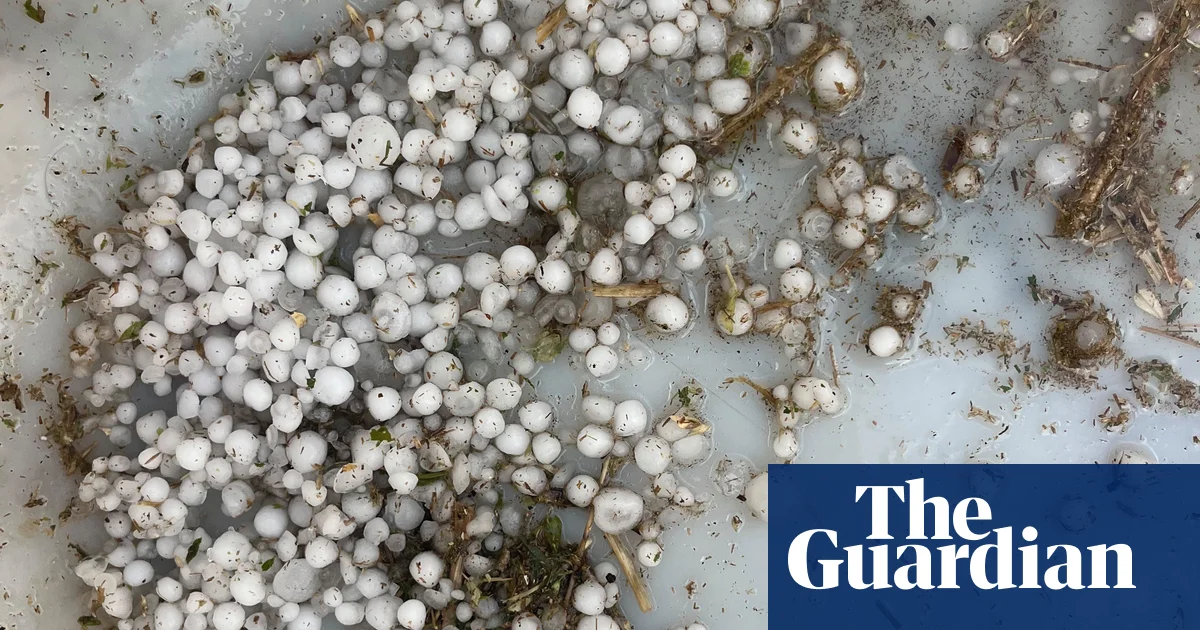
Recent severe weather events across Australia highlight a disturbing trend that extends beyond mere meteorological phenomena. In Queensland and Victoria, devastating thunderstorms have caused widespread power outages, structural damages, and dangerous hailstorms, signaling an urgent need for nations worldwide to reconsider their climate policies amidst the backdrop of unpredictable and worsening natural disasters. With wind gusts surpassing 109 km/h and hailstones reaching up to 7cm, the Australian experience underscores a pressing warning—the climate crisis is no longer a distant threat but an immediate challenge that threatens the social fabric and economic stability of nations.

These events carry potent geopolitical ramifications. As governments grapple with disaster response and climate adaptation, international organizations such as the United Nations are under scrutiny for their handling of climate change. Critics argue that the inertia at the global level hampers effective action, thereby exacerbating crises that follow natural calamities. Analysts warn that such failures may induce mass displacement, economic strain, and even geopolitical tensions, especially if climate-induced devastation destabilizes vulnerable regions. How nations respond now will determine their resilience in the face of climate turbulence — a fierce test of leadership and unity.

Disaster as a Catalyst for Social and Political Transformation

The Australian storm episodes also expose the vital role of national agencies in crisis management. In Victoria, over 1,300 households were plunged into darkness, and power infrastructure sustained “significant damage,” according to Energex, a prominent power distributor. The widespread outages reveal the fragility of aging infrastructure that struggles under extreme weather—a stark reminder that Western countries must prioritize resilient energy systems. Meanwhile, reports indicate that Victoria’s State Emergency Service (SES) received nearly 600 rescue requests, mainly involving building damages and downed trees, illustrating the human toll of these atmospheric disturbances. Hovering over these emergencies is the broader question of societal preparedness and the resilience of local communities confronting relentless storms.

Historians and analysts have pointed out that such acts of nature often serve as turning points—either to bolster resilience or to reveal systemic vulnerabilities. Some experts argue that these storms are a manifestation of the changing climate patterns, which are tied to policies and economic priorities. Countries that neglect these warnings risk facing a future where natural disasters intensify, creating ripple effects across politics, economies, and security. As global institutions debate solutions, the immediate reality persists: nature’s fury does not discriminate, and its impact on societies is profound, often accentuating existing social inequalities.

The International Stage: A Test of Leadership and Resolve

The situation in Australia is a microcosm of a larger, tumultuous geopolitical landscape. From the rising tensions in Eastern Europe to the strategic maneuvers in the Indo-Pacific, nations are finding their stabilizing forces tested. Climate-related disasters serve as a stark reminder that national security now intertwines with environmental sustainability. Countries such as China, the United States, and the European Union are under increasing pressure to lead global efforts—yet often struggle with competing interests and internal divisions.

International organizations must act decisively before climate disasters morph into security crises. This involves a coordinated approach—balancing climate mitigation with adaptation strategies—while holding accountable those nations that delay meaningful action. The potential for climate-driven conflicts over resources, migration, and strategic dominance grows with each passing event. As experts warn of the cascading consequences, the weight of history presses down: the coming decades will reveal whether humanity unites in shared purpose or succumbs to discord.

In the interconnected ballet of globals and nations, the recent Australian storms are more than natural calamities—they are a clarion call. A reminder that the choices made today—whether to invest in resilient infrastructure or to ignore climate warnings—will echo through the corridors of history. As the world watches, the question remains: will the lessons of these storms forge a new era of preparedness and cooperation, or will humanity again be blindsided by the tumult of a changing natural order? The pages of history are still being written, and the storm clouds gathering over Australia symbolize a broader, more urgent storm—one that will test the resolve of nations and societies in the battles yet to come.

Homemade chili paste linked to rat poisoning scare in Southeast Queensland

Arc of Danger: Homemade Chili Paste Contaminated with Rat Poison Sparks Alert in Australia

In a troubling turn of events, Queensland health authorities have identified *homemade chili paste* as the probable source behind a recent cluster of *rat poisoning* cases in south-east Queensland. The incident, which has raised alarms across local communities, underscores the hazards of unregulated food products and the potential for tragic consequences when homemade preparations are tainted with dangerous substances.

The cases, reported earlier this month, involved five individuals presenting with symptoms consistent with brodifacoum poisoning—the active ingredient in rat poison. Among these cases, three individuals admitted to consuming homemade, unlabelled chili paste, which has now tested positive for brodifacoum. Queensland Health has issued an urgent warning to the public, cautioning residents to be vigilant and to dispose of any suspected products immediately, especially those circulating within the Logan community since mid-September 2025. The decision to focus on homemade products hints at the complexities surrounding local food safety, especially in areas where informal, DIY food preparation remains prevalent.

Geopolitical Ramifications and Societal Impact

This incident extends beyond local health concerns, highlighting a broader issue of food safety in an increasingly globalized supply chain. Experts point out thattraditionally, international trade policies and stringent food safety standards serve as barriers protecting consumers from contamination—yet, in local communities, especially where homemade goods are common, these safeguards are often less effective. The geopolitical impact is palpable: nations must grapple with how to regulate informal food markets that often operate outside the bounds of formal oversight. As such, the safety of community-based food preparations becomes a fragile point in the security of international health standards.

The incident has elicited commentary from a variety of international organizations and historians specializing in public health and diplomacy. Some analysts argue that such cases compel a reevaluation of local governance and borderless threats, emphasizing the need for international cooperation in managing food safety risks. WHO and other health watchdogs have called for more robust monitoring of unregulated food products, citing that lapses in oversight could set dangerous precedents, especially as malicious actors or accidental contamination could threaten entire populations.

Historical Context and the Warning Signs

Historically, unregulated food products have played a role in major public health crises, often stemming from the clandestine use of harmful chemicals. These episodes serve as stark warnings for governments and communities to adopt more rigorous safety standards, especially as the internet and social media facilitate the unmonitored exchange of homemade recipes and food items. The current case reminds us of past outbreaks where inadequate oversight transformed simple food mishaps into national emergencies, casting long shadows over societal trust in local food traditions. As public health historians have noted, it’s often in these vulnerable moments that the fabric of community safety unravels, leading to loss of life and misplaced public confidence.

The Road Ahead: Caution and Countermeasures

While Queensland authorities maintain that the risk to the broader community remains low, their warnings serve as a stark reminder of the lingering danger posed by unregulated food products. The ongoing investigation aims to determine whether the contamination was accidental or malicious, an inquiry that could have profound implications for local food policies and community safety measures. How nations respond to these threats—through tightening regulations, public education campaigns, or even clandestine crackdown efforts—will shape the future safety landscape. The incident also highlights the challenging balance between *cultural food practices* and *public health safeguards,* a balancing act under siege in a world where the boundaries between tradition and regulation are increasingly blurred.

As history continues to unfold, the fate of this small Queensland community—and perhaps similar populations worldwide—hangs in the balance. The dangerous dance of human ingenuity and oversight confronts us yet again, reminding all that in the age of global interconnectedness, the smallest misstep can ignite a crisis of international proportions. The story is not merely about chili paste or rat poison—it is a wake-up call that echoes through the corridors of power and community alike, with the weight of history silently watching from the shadows.

Ben Smee, Guardian Australia, scores Queensland Journalist of the Year — a win for fearless reporting

Investigative Journalism Shines a Light on Human Rights Violations in Australia

Recently, Guardian Australia and SBS journalists garnered significant attention at Queensland’s prestigious media awards, the Clarions, securing the coveted Journalist of the Year accolade. Their groundbreaking investigation, “In the Box: Inside the Isolation Cells where Australian Kids are Imprisoned,” not only captivated public interest but also exposed alarming conditions faced by vulnerable children in Queensland police custody. This journalism exemplifies the crucial role media play in holding governments accountable and exposing systemic failures that threaten societal values. The investigation’s detailed footage and extensive research shed light on children as young as 11 held in tiny, freezing cells designed for adult detainees, often with no access to basic necessities such as toilets or bedding. Such revelations have ignited a debate that transcends national borders, highlighting how human rights abuses can quietly persist under the guise of law enforcement.

The geopolitical impact of this investigative work goes beyond national borders, emphasizing the importance of transparency and accountability in governance—principles fundamental to stable societies worldwide. Experts and international watchdogs have long warned against the normalization of systemic mistreatment of marginalized groups, especially in institutions intended for public safety. The exposure of these conditions in Queensland has prompted calls for reform from advocates across the globe who argue that such practices undermine not only human dignity but also the legitimacy of state authority. International organizations, including UN human rights agencies, continuously monitor similar issues elsewhere, and the Australian case reasserts the need for comprehensive oversight mechanisms that prevent the escalation of systemic violence. As analysts suggest, the decisions made today in Queensland could influence reforms in comparable jurisdictions worldwide, reinforcing the fact that unchecked power fosters environments where human rights can be easily trampled.

Within the broader context of international shifts in public accountability, this case underscores a turning point—an era where investigative journalism is serving as a vital check against governmental overreach. Historians of media and policy highlight that such stories can catalyze meaningful reform, forcing authorities to face their shortcomings amid mounting public pressure. The awards attributed to Smee’s work exemplify how dedicated reporting can shape societal perceptions and influence policy change. The judges commended the investigation for its compelling storytelling and meticulous research, which not only illuminated the plight of detained children but also showcased the enduring importance of fearless journalism in safeguarding democratic principles. As such, the case from Queensland stands as a stark reminder: the weight of history is still being written, with citizens and journalists alike playing pivotal roles in shaping the future of justice and human rights.

As the world watches, the revelations from Australia serve as a powerful narrative illustrating that justice is a continuous struggle against complacency. The ongoing debate over child detention policies echoes across continents, stirring international pressure for reform. Ultimately, this story reminds us that the decisions governments make in the shadows today may either protect or doom future generations. In a world where power can easily corrupt, the vigilant watchdogs of truth ensure that history remembers the lessons learned—however painful they may be.

Australia Update: AFL Grand Final Risks Queensland Measles Outbreak as Albanese Heads to UK

International Moves and Emerging Threats: The Geopolitical Landscape Shifts with Public Health and Diplomatic Developments

In an era marked by unpredictable transnational shifts, recent developments highlight the interconnectedness of health crises and geopolitical strategy. A concerning re-emergence of measles in Queensland, Australia poses a potential challenge to national stability, illustrating how health threats can ripple across borders and influence international relations. Despite Australia eradicating measles in 2014, the nation faces a resurgence intensified by declining vaccination rates—driven, as analysts suggest, by misinformation propagated in the wake of the Covid-19 pandemic. With over 120 cases registered this year alone, health authorities warn that the upcoming AFL grand final in Melbourne could become an unintended vector, as tens of thousands of fans journey from Queensland, where active cases are concentrated, to sporting venues in Victoria. Paul Griffin, director of infectious diseases at Brisbane’s Mater Hospital, emphasizes that “fleeting contact” can suffice for infection, heightening fears that the viral momentum could propel the outbreak nationally, or even internationally.

This health crisis unfolds against the backdrop of major diplomatic efforts by Anthony Albanese, Australia’s Prime Minister, who recently concluded a diplomatic tour in New York, emphasizing the strategic importance of alliances like AUKUS. Notably, the UK has commissioned its sixth SSN-Aukus submarine—an advanced nuclear-powered attack craft—intended to replace its dwindling fleet by the late 2030s. The timing of this deployment is critical; the submarine, which was commissioned ahead of schedule, signifies a shift in naval power projection that directly impacts Australia, whose naval base in Perth will host rotating submarines from 2027. Such rapid military advancements underscore a broader shift in regional power balances, with Australia increasingly encompassed within a new security paradigm driven by Western allies amid mounting regional tensions. Albanese’s diplomatic engagements in London and later in the UAE, where he will discuss a comprehensive economic partnership, reflect a clear intent to deepen international ties and bolster security commitments in the Indo-Pacific. Meanwhile, analysts note that discussions with UK and US officials increasingly revolve around tactics to counterbalance emerging adversaries, including the unpredictable posture of China and the rhetoric of Russia.

These intertwined developments reveal a geostrategic landscape where health crises transcend borders, carrying implications that extend well beyond mere epidemiology, and where diplomatic initiatives are synchronized against a backdrop of rising competition and uncertainty. Historians point to the resurgence of diseases like measles as a symptom of broader societal complacency—an erosion of collective responsibility amidst misinformation campaigns that weaken public health infrastructures. Simultaneously, international organizations warn that failure to maintain integrated health policies could undermine long-term regional stability, especially as military diplomacy—embracing new submarines and modernized fleets—advances rapidly. As Oxford historians argue, the current moment is a turning point in global history, revealing how resilience depends on balancing health, military readiness, and diplomacy.

In the convergence of these narratives—public health crises and geopolitical maneuvers—lies a stark lesson: history remains a dynamic and unfolding story. Decisions made today will reverberate through the corridors of power and across the streets of societies yet to be shaped. The outbreak in Australia serves as a solemn reminder that in geopolitics, as in health, complacency bears price, and uncertainties demand vigilance. As the world watches, the weight of history presses closer, reminding us that the choices made in these moments are the gates through which future generations will pass—whether into decline or renewal.

Social Media Auto Publish Powered By : XYZScripts.com