Matox News

Truth Over Trends, always!

Trump questions why Iran hasn't ‘surrendered,’ says US envoy Witkoff
Trump questions why Iran hasn’t ‘surrendered,’ says US envoy Witkoff

US Diplomatic Frustration Signals Evolving Geopolitical Tensions with Iran

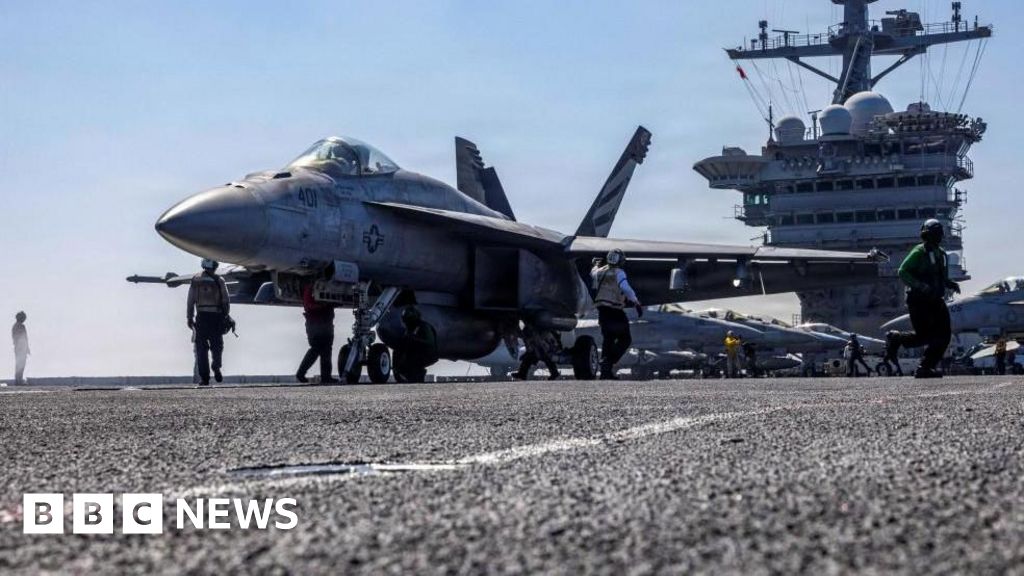
In a recent statement, US envoy Steve Witkoff expressed notable **puzzlement** over Iran’s apparent reluctance to **compromise** amid a formidable American military build-up stationed in the region. Witkoff conveyed that despite widespread international expectations for de-escalation, Tehran remains **unyielding**, highlighting a deepening impasse in the ongoing negotiations surrounding Iran’s nuclear program and regional influence. This diplomatic stalemate underscores a broader pattern of **escalating tensions** that threaten to destabilize the geopolitical balance in the Middle East and beyond.

The **military posturing** by the United States signals a clear message: Washington is prepared to exert maximal pressure, believing that tough show of force might compel Iran to seek diplomatic solutions. According to recent reports, the U.S. has significantly increased its military assets in the Persian Gulf, including deploying advanced missile defense systems and naval forces. Analysts from the *International Strategic Studies Institute* suggest that this **military posture** is less about immediate conflict and more about **sending a warning**, aiming to reshape Iran’s strategic calculus by demonstrating unwavering resolve. As leaders in Jerusalem, Riyadh, and other regional capitals observe, this **power display** carries profound **geopolitical implications**, potentially shifting alliances and regional security paradigms.

Historical Context and International Reactions

Historical experts emphasize that missed diplomatic opportunities in the past have often led to **protracted conflicts**. Commentators like Dr. Vanessa Robinson, a renowned Middle East analyst, warn that **continued military escalation without meaningful negotiations** increases the risk of open conflict, which could draw in Russia, China, and other global powers into a wider confrontation. The United Nations has called for restraint, but with the United States prioritizing strategic dominance, the window for peaceful resolution appears increasingly narrow. Yet, as recent diplomatic signals suggest, Iran’s leadership remains steadfast, viewing the American military buildup as an aggressive act rather than a basis for negotiations.

The unfolding **standoff** underscores how **decisions made today** will **shape the geopolitical landscape for generations**. Critics point out that the *U.S. government’s approach* risks **fueling regional instability** and undermining *diplomatic channels*, thereby emboldening hardliners both in Washington and Tehran. The **impact** is far-reaching, influencing global energy markets, international alliances, and the safety of millions living in conflict-prone areas. As historian Dr. Samuel Carter articulates, moments like these are **defining junctures** in the path of history—where **choices by superpowers** can either pave the way for peace or plunge regions into chaos.

Concluding Reflection: The Weight of History

As the world watches, it becomes painfully apparent that the **future hinges on the turning point** in US-Iran relations. With **diplomacy** hanging by a thread and **military might** signaling an unwavering stance, the **decisions made today** will echo through history’s corridors. The **metaphorical chess game** between superpowers continues, pushing the geopolitical **stakes ever higher**. The question remains: will restraint prevail, or are we on the cusp of a new chapter marked by **conflict and upheaval**? The weight of history presses down, unyielding, as nations stand at this perilous crossroads—an uncertain tomorrow awaiting the choices that will define generations to come.

Colbert Questions RFK Jr.’s Maha Workout Video: A Surreal, Almost Psychedelic Display | Late-Night TV Highlights

In an era marked by rapid flux, the role of culture remains paramount as both a mirror and a prophecy of society. The recent satirical musings of Stephen Colbert serve as a modern reminder that humor, even when wrapped in absurdity, underscores deeper truths about our allegiances, values, and identity. His playful critique of the surreal “Rock Out Workout” featuring RFK Jr and Kid Rock, encapsulates the strange spectacle of political spectacle turned pop culture carnival. This spectacle, with its shark attacks, taxidermized bears, and American flags, exemplifies how contemporary culture often blurs the lines between the authentic and the performative—raising questions about the foundations of shared tradition and national ethos.

Historically, cultural shifts have reflected broader societal changes. As Ortega y Gasset observed, a civilization’s vitality hinges on its cultural identity, which in turn is sustained by the collective memory of its traditions. In our current landscape, this collective memory is often commodified or obscured, replaced by spectacle and transient trends. Colbert’s commentary on RFK Jr.’s unconventional workout, highlighting the absurdity of modern masculinity and camaraderie, echoes Chesterton’s notion that “the true soldier fights not because he hates what is in front of him, but because he loves what is behind him.” This love for the traditional, for the cultural symbols that bind society, is often challenged by the spectacle-driven culture that seems to replace genuine societal bonds with superficial entertainment.

Furthermore, the cultural icons we elevate and memorialize—as demonstrated in Colbert’s tribute to civil rights leader Jesse Jackson—serve as anchors in the tumult of cultural change. Jackson embodies a form of leadership rooted in compassion, which is increasingly a scarce commodity in today’s polarized climate. The public’s engagement with such figures, and the respect they command, underscores that culture is more than entertainment; it is the moral fabric that sustains societal cohesion and persistence. As Tocqueville noted, the strength of a nation depends on its social and moral capital, both of which are cultivated through enduring stories, shared struggles, and collective sacrifices. Our culture, therefore, functions as both memory—keeping alive the lessons of the past—and prophecy—guiding us toward a future rooted in tradition and resilience.

In essence, the ongoing dialogue between culture and society is a poetic one—an intricate dance of memory and aspiration. It reminds us that although the media spectacle may distract, beneath the surface lies a profound quest for identity, rooted in our collective history and directed toward the horizon of human potential. As we navigate the challenges of an ever-changing world, let us remember that culture is not merely a reflection of who we are, but also the lighthouse illuminating who we may become—a living testament to the enduring capacity of humanity to remember, to uphold, and to hope. It is in that eternal cycle that our true strength resides—an ongoing prophecy written in the language of tradition, echoing through the corridors of time, guiding us home.

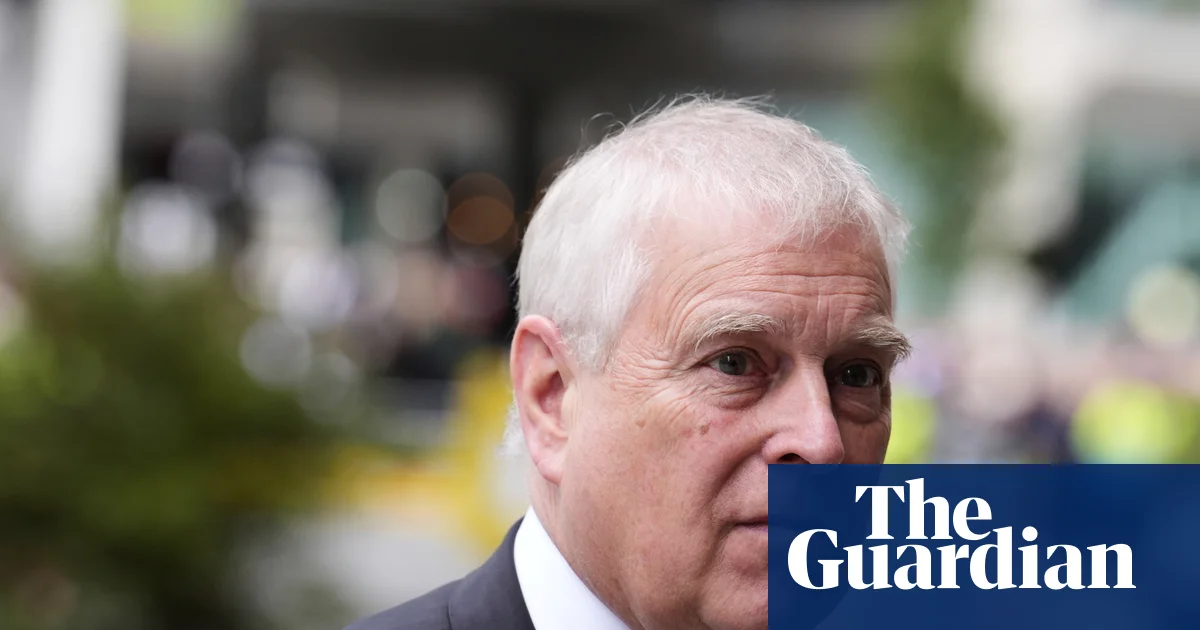
Police urged to investigate: Will Prince Andrew face questions over Epstein ties?

The unfolding revelations surrounding Prince Andrew and his alleged connections to Jeffrey Epstein have ignited a firestorm across international political landscapes, revealing the darker underbelly of elites and the far-reaching geopolitical impact of scandal and secrecy. As investigations intensify, questions about How deep character and institutional complicity run threaten to redefine perceptions of royal authority, diplomacy, and Britain’s global standing. Academic analysts and organizations like Interpol and Amnesty International warn that such exposures could undermine *public trust* in both monarchy and democratic institutions—a formidable challenge for nations that value transparency but are reluctant to confront their shadows.

The UK is at a pivotal crossroads. Growing pressure from lawmakers, international partners, and victim advocacy groups compels a reconsideration of longstanding narratives surrounding the royal family’s immunity. Evidence uncovered by investigative journalists suggests links between Mountbatten-Windsor and clandestine flight operations through UK airports, allegedly involving vulnerable women transferred via private planes owned by Epstein. Former Victims’ Commissioner Vera Baird emphasized that *the police must pursue these leads vigorously*, warning that *political inaction or institutional cover-ups* could fatally erode **faith in democratic systems**. The repercussions extend beyond Britain, affecting alliances with Commonwealth nations and influencing perceptions of Western governance on the world stage.

This scandal also strikes a blow to the monarchy. During a week marked by intense scrutiny, King Charles and his courtiers publicly declared a *“profound concern”* while asserting their willingness to cooperate with law enforcement. Yet, critics—including human rights advocates and anti-monarchy activists—highlight that *the royal family’s historical distance from accountability* complicates efforts for justice. As multiple emails and photographs come to light, depicting Prince Andrew in compromising situations, experts warn that *the very institutions that once shielded royal misconduct are now under siege*. The question of whether elite privilege can withstand the weight of these allegations remains an open, and unsettling, one.

Meanwhile, international organizations warn that this scandal illustrates the **new geopolitical terrain**, where *private wealth, power, and influence are intertwined with criminal activities*. The情况 shows how *transnational networks* operate under the veneer of diplomatic missions and global business, with China and Hong Kong among critical nodes in Epstein’s complex web—an area now being scrutinized for possible foreign influence and corruption. Historian Dr. Thomas Gray notes that *these scandals highlight the erosion of soft power* when elites abuse their positions, marking a dangerous turning point where diplomatic relations could falter. As investigations broaden, the world watches, awaiting the verdict that might reconfigure international diplomacy and the very narrative of justice itself.

As the pages of history continue to turn, the weight of these revelations lingers—an ominous reminder that *the truth often emerges from the shadows in moments of crisis*. The ongoing inquiry into Prince Andrew’s dealings, and those linked to Epstein, becomes more than a tale of individual misconduct; it is an unfolding saga that questions the integrity of power structures, the resilience of accountability, and the destiny of societies at their crossroads. Will this be a turning point—a moment to confront the shadows and forge a new path toward justice? Or will it fade into the silence of history’s forgotten corridors, as the forces of privilege and denial attempt to preserve their legacy? Only time will tell, but the future remains unwritten, and the echoes of these events will undoubtedly resound for generations to come.

Slovakia's security adviser quits over Epstein scandal—raises questions for youth security mindset
Slovakia’s security adviser quits over Epstein scandal—raises questions for youth security mindset

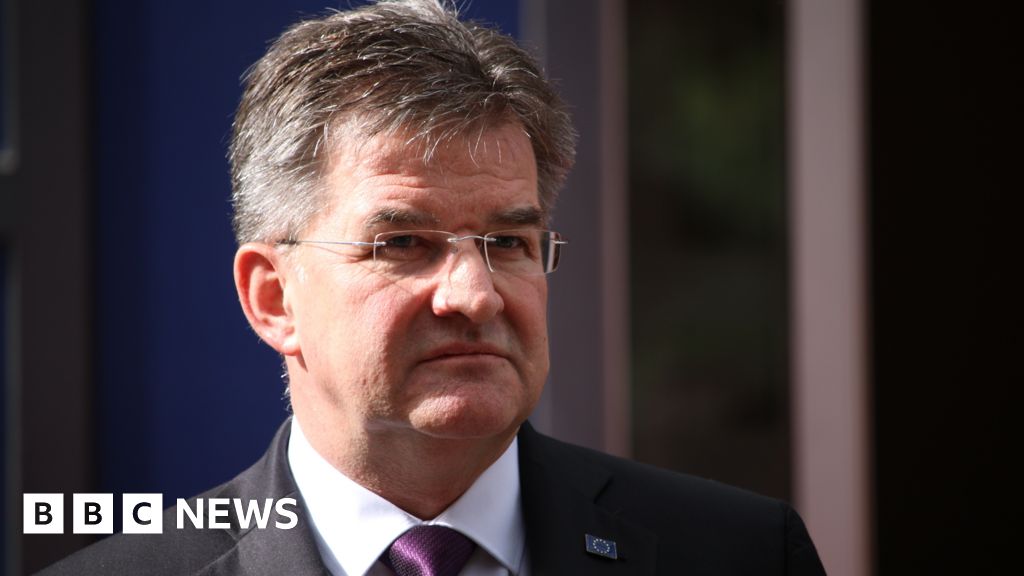
International Diplomacy in Turmoil: Miroslav Lajčák’s Resignation Sparks Global Investigation

In a startling development that underscores the fragile state of international diplomacy, Miroslav Lajčák, a prominent figure in global diplomatic circles and former high-ranking official at the European Union, has resigned amid revelations of inappropriate exchanges involving the late sex offender. Recently released communications paint a troubling picture, revealing Lajčák discussing personal relationships, including references to girls, in conversations with a figure linked to severe criminal conduct. Such disclosures have ignited an international debate over integrity within diplomatic ranks and the potential ramifications for global diplomacy’s credibility.

The controversy erupted after leaked transcripts surfaced, illustrating that Lajčák engaged in discussions that breach the expected boundaries of diplomatic decorum. While some analysts initially speculated on the motives behind releasing these conversations, the broader implication remains clear: questions about accountability and the ethical conduct of high-profile diplomats are now front and center. The international community’s trust in diplomatic channels—especially those involving key mediators in multilateral agreements—comes under unprecedented scrutiny. Critics argue that these revelations threaten to undermine years of diplomatic effort aimed at fostering stability, cooperation, and peace among nations, especially in regions heavily reliant on diplomatic negotiations.

Against this background, international institutions such as the United Nations and influential regional organizations have issued statements emphasizing the importance of integrity and transparency. Notably, some geopolitical analysts argue that these developments could serve as a turning point, exposing underlying vulnerabilities in diplomatic oversight. Historically, figures like Lajčák have been regarded as skilled negotiators, yet now their reputations are scrutinized through the lens of personal conduct. The gradual erosion of trust in diplomatic figures might influence future engagement strategies, forcing nations to reassess the vetting processes for those entrusted with sensitive negotiations. In the broader sense, this case illuminates how individual moral lapses can threaten entire diplomatic architectures—potentially leading to a reevaluation of international protocols on conduct and accountability.

The geopolitical impact of this scandal extends beyond individual careers. It raises pressing questions about how decisions made behind closed doors affect entire societies. Countries that rely on diplomatic mediators to navigate conflicts, denuclearization efforts, or trade negotiations could find themselves facing increased instability if trust falters. As international observers dissect the implications, voices from respected historians and foreign policy analysts warn of a dangerous precedent: that the credibility of diplomacy itself is fragile and can be compromised by scandals of personal misconduct. The ongoing investigations and potential repercussions threaten to alter the landscape of international negotiations, compelling governments to implement stricter ethical guidelines and oversight mechanisms.

As history continues to unfold in real time, the world watchfully stands on the precipice of change. The luster of diplomatic authority dims in the shadow of personal malfeasance, yet this moment also insists on reflection: can trust be restored once breached? With the weight of the global community at stake, the fallout from Miroslav Lajčák’s resignation serves as a stark reminder that the fabric of international diplomacy is woven carefully through both words and deeds. The future hinges on whether nations will learn to uphold integrity in the face of scandal—or allow these revelations to fracture the delicate web of cooperation that sustains peace in an increasingly volatile world.

City & Guilds Privatisation: Big Bonuses Raise Questions About Fairness and Society

In recent months, a wave of controversy has cast a stark light on the opaque dealings within influential educational and charitable institutions. The controversy centers around the secretive sale of City & Guilds, a cornerstone in vocational training, which was executed without parliamentary debate or meaningful public oversight. This alarming breach of transparency underscores a broader erosion of societal trust in institutions that shape the future of our youth and communities. High-ranking officials, including the chief executive, Kirstie Donnelly, and CFO, Abid Ismail, received exorbitant bonuses totaling over £3 million at the moment of privatization—an act that raises grave questions about moral responsibility and accountability amidst societal inequality.

Such developments do not occur in a vacuum; they echo a dangerous trajectory where social inequities deepen, affecting not just individual careers but the very fabric of families and communities. The role of social commentators and sociologists, like Dr. Jane Collins, suggests that these scandals symbolize broader democratic deficits—a society where elites manipulate systems for personal gain, often at the expense of those most in need. The recent investigations initiated by the Charity Commission, PeopleCert, and the qualifications regulator Ofqal serve as needed checks on excess. Yet, they also reveal the underlying challenge: how do communities ensure that public assets and educational resources are truly directed toward societal good? The issue becomes even more pressing when considering that City & Guilds, once a charitable entity, now controls assets worth up to £200 million—resources that could be transformative if allocated responsibly.

Amidst the scandal, significant questions about moral integrity and social responsibility arise, especially concerning figures like Dame Ann Limb, whose role as chair has come under scrutiny. Recently announced to step down and take a peerage, her false claims of academic credentials and substantial political donations highlight the challenges of trust and legitimacy in leadership forms that influence society’s moral compass. As the guardians of social progress, families and communities are left pondering whether those in positions of influence recognize their duty to uphold the ethical foundations of society. These events serve as a brutal reminder that every social institution must be rooted in transparency, genuine service, and accountability if they are to restore public faith and foster equitable social mobility.

Ultimately, society faces the ongoing task of confronting its deepest social fissures—demographic shifts, cultural tensions, and the widening gap between the privileged and the disadvantaged. Yet, even in the face of these formidable challenges, hope persists. The fight for accountability and moral renewal is ongoing, threading the aspirations of youth and the resilience of families committed to societal betterment. In this intricate dance of societal transformation, perhaps the most potent force is the collective will to demand change—an acknowledgment that societal justice begins with transparency and ends in the empowerment of every individual, regardless of their background. As history reminds us, foundations rooted in integrity—though tested—can be reshaped to build a society that truly reflects the values of fairness, opportunity, and human dignity.

Over 30 killed as military airstrike targets hospital—urgent questions remain

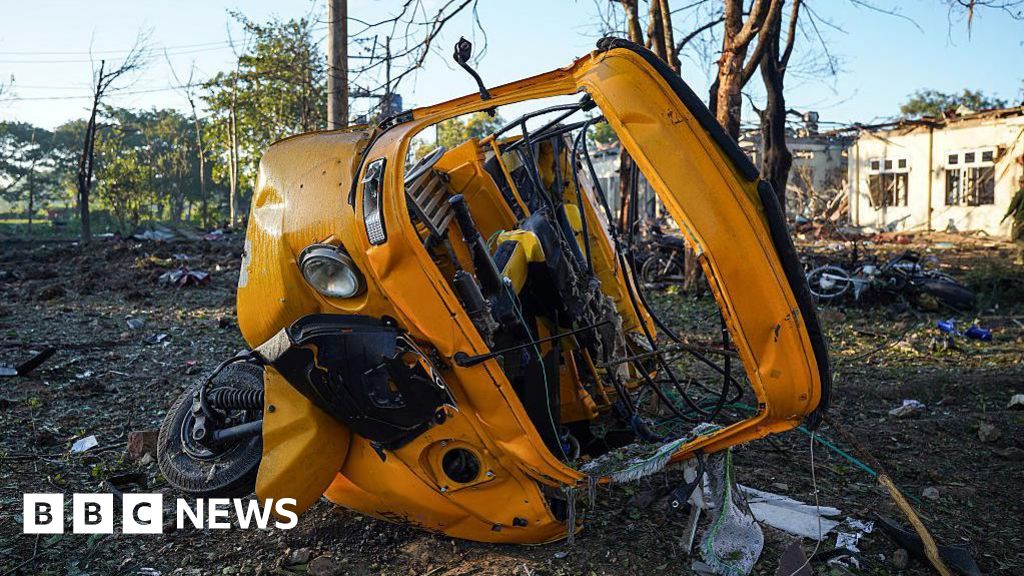
In a troubling escalation of Myanmar’s ongoing civil conflict, deadly air strikes have once again shattered the fragile veneer of stability in the country. Reports confirm that at least 34 civilians, including patients at a hospital in Mrauk-U, were killed when the military regime launched an indiscriminate attack—shocking the international community and underscoring the brutal realities of this protracted conflict. These strikes are emblematic of the regime’s aggressive pushback against ethnic militias, notably the Arakan Army, which has fiercely resisted the military’s attempt to reassert control over contested regions in Rakhine state. With the country’s first election since the February 2021 coup looming on December 28, the military’s escalation points to a deeper struggle over sovereignty, legitimacy, and control.

This episode in Myanmar’s tumultuous political landscape demonstrates the profound geopolitical impact of external influence. The military’s recent procurement of advanced technology and weaponry from Russia and China has significantly shifted the battlefield dynamics, enabling rapid territorial gains through relentless airstrikes and heavy bombardments. These developments have alarmed analysts and international entities like the United Nations, with UN human rights chief Tom Andrews describing the upcoming elections as a “sham,” designed to legitimize a fundamentally illegitimate regime. The military’s tactics of targeting civilian infrastructure, including hospitals and religious sites, serve to defy international condemnation and deepen the humanitarian crisis. As civil liberties deteriorate—a crackdown that has already led to tens of thousands of arrests—the regime’s actions threaten to plunge Myanmar into a new era of violence and despair.

Meanwhile, opposition groups, ethnic militias, and political dissidents have vowed to boycott the elections in protest against what they see as a rigged process designed to entrench military power. Incidents such as the arrest of a candidate from a central Myanmar region and the detention of activists reveal a government intent on silencing dissent. These measures reflect a broader pattern of repression that has become a defining feature of Myanmar’s internal struggles, with rights groups warning that the military regime is consolidating authority through sheer force. The international community’s inability to intervene decisively has left a power vacuum, allowing the junta to conduct its brutal campaign under a cloak of legitimacy—an uneasy, dangerous compromise that may only embolden the regime.

As the world watches Myanmar’s tragedy unfold, history warns us of the peril that comes with turning a blind eye to tyranny. With each bomb dropped and every soldier deployed, the nation drifts further from peace and into the abyss of chaos. The decisions made in the coming weeks will shape Myanmar’s future—either as a sovereign nation fighting for survival or as a fractured state shackled beneath the heel of militarism. In this moment of profound upheaval, the weight of history presses down on every stakeholder, and the story of Myanmar hangs delicately in the balance—its destiny still uncertain, its struggles echoing across borders as a stark reminder of the cost of unchecked power.

Nazareth House Primary remains closed for a second day as society questions safety concerns

Societal Challenges in Education: A Reflection on Infrastructure and Community Welfare

Across communities in Northern Ireland, a troubling pattern reveals itself — one that exposes deep-rooted issues in the way society invests in its future. At the heart of this crisis are schools like Nazareth House Primary School in Londonderry, which recently faced closure due to *safety concerns over its aging roof*. Such incidents serve as stark reminders that underfunding in school maintenance not only jeopardizes physical infrastructure but also profoundly affects families, children’s education, and local communities. As the school doors remained shut for over 200 pupils, including children with special educational needs, the ripple effects threaten to undermine the stability of entire neighborhoods.

  • Unsafe buildings hinder access to education for vulnerable students.
  • Delayed or deferred maintenance thanks to inadequate funding leads to structural degradation.

These issues challenge the very foundation of societal equity and expose the moral failure of political institutions to prioritize future generations.

Adding to this troubling picture, long-standing concerns over school structures have persisted for decades. Principal Róisín Blackery of Nazareth House school revealed that the building—originally constructed in 1902—has been subject to repeated warnings concerning its safety, with requests for a new roof languishing in bureaucratic limbo since 2017. Her account underscores a broader government failure; calls for investment in essential infrastructure have been systematically overlooked.

  • More than 20 years of raised concerns have gone unaddressed.
  • Repeated underfunding compels schools to operate in dangerously compromised environments.

According to Bishop Donal McKeown, head of the Council for Catholic Maintained Schools, the sector suffers from *”huge under-funding of statutory services”* which leaves school buildings vulnerable to disrepair. His pointed critique emphasizes that, if our children are to succeed, their educational environment must be safe, stable, and conducive to learning.

The consequences extend beyond physical safety, influencing the social fabric of communities. When schools are forced to shut suddenly—sometimes without adequate notice—families and children face emotional strain. In interviews, students like 7-year-old Daniel express feelings of *sadness and anxiety*—missing friends and routines critical to their development. His mother laments, *”we have such a solid community base, but without immediate action, that strength begins to fracture.”* Pupil Gail, a girl preparing for transfer tests, worries about her academic progress and her social ties, illustrating how even demographic changes such as *an aging school infrastructure* have a tangible human impact.

  • Disruption to routine can impair children’s mental health and academic motivation.
  • Parents grapple with uncertainty and fear of ongoing instability.

Such disruptions threaten to widen societal divides, particularly as government agencies acknowledge their inability to cope with the scale of the problem due to budget constraints.

Adding to the crisis, the Education Authority admits to a *”deeply concerning”* backlog of maintenance issues across the region, a situation exacerbated by *severe funding shortages*. The result—schools can only prioritize emergency repairs, with most infrastructure decay left unaddressed. This cycle of neglect threatens the long-term integrity of educational environments and further diminishes societal trust in public institutions. Meanwhile, figures like Sinn Féin MLA Pádraig Delargy advocate for urgent, practical solutions that keep communities united during this testing period. He urges the Department of Education and the Authority to recognize that *”if we don’t deal with our children now,”* the societal costs will only escalate.

  • Increased funding is crucial to restore and maintain vital infrastructure.
  • Policy reform must prioritize education’s physical and social needs.

Ultimately, this crisis underscores a moral imperative: society must reevaluate how it invests in its youngest citizens, recognizing that their well-being reflects the moral fabric of the nation itself.

As society stands at this crossroads, the path forward remains uncertain but not hopeless. The fate of schools like Nazareth House, the resilience of its students, and the strength of community bonds hinge upon collective action—political will supported by societal recognition of the importance of education. This ongoing struggle reminds us that a society’s true strength lies in how it nurtures its young and repairs its foundations. In this moment of challenge, the hope persists that, through renewed commitment and responsible stewardship, the next chapter can be written—one where every child has a safe place to learn, and every community’s future is secured. Society’s resilience will ultimately be measured by its response—its capacity to transform crises into catalysts for enduring renewal.

Karoline Leavitt’s relative detained by US immigration, raising questions about enforcement under Trump

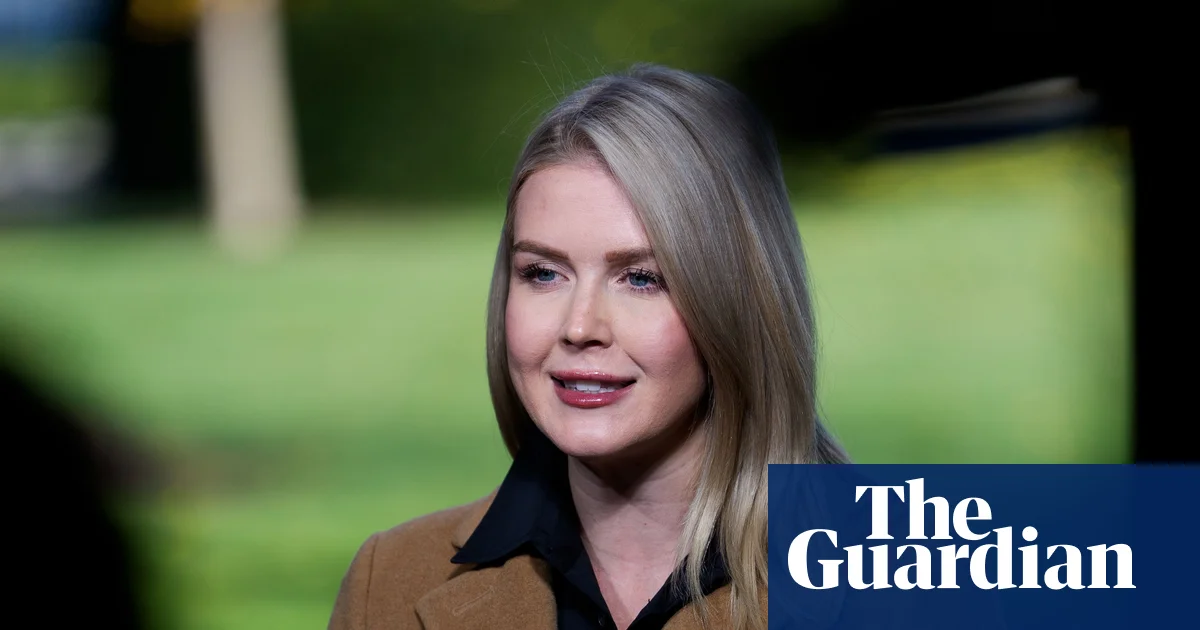
The United States continues to lead a contentious crackdown on undocumented migrants, exposing the deep fissures in its immigration policy under the current administration. A recent incident highlights how its aggressive enforcement tactics ripple across international borders, affecting families and communities. Bruna Ferreira, a Brazilian-born resident of Massachusetts, was detained by ICE agents while leaving her home in New Hampshire to pick up her son. Ferreira’s case has quickly become emblematic of the broader debate over what it means to be American, especially for those who migrated as children and rely on programs like Deferred Action for Childhood Arrivals (DACA). Her detention not only underscores the government’s firm stance on illegal immigration but also stirs questions about the human cost behind these policies.

The Department of Homeland Security confirmed Ferreira’s arrest, citing her previous criminal record and her entry into the country on a tourist visa that expired over two decades ago. Official statements emphasize that, under President Trump and current policies, all individuals unlawfully present—regardless of their integration or personal contributions—are subject to removals. This stance aligns with the broader geopolitical strategy aimed at deterring unauthorized entry, yet it also invites extensive criticism from international observers, human rights advocates, and even some allies. For many, the enforcement actions reveal a harsh reinterpretation of immigration laws, motivated less by national security and more by political symbolism. The case brings into focus the >shifting global narrative on sovereignty, border control, and human rights, with historic institutions warning that such aggressive policies could undermine America’s moral authority and domestic stability.

Analysts note that Ferreira’s situation is emblematic of a *broader pattern* seen in the Trump-era immigration regime. As international organizations like the United Nations have expressed concern, critics argue that the aggressive deportations threaten to destabilize immigrant communities and fracture families, especially those with longstanding roots in the US. Ferreira’s family, for instance, has mobilized to fund legal efforts to contest her detention—a move mirrored across many immigrant groups facing similar threats. Commentators point out that these policies disproportionately target vulnerable populations, including DACA recipients, who, despite legal protections, remain vulnerable under a strict enforcement framework. Historians and human rights analysts warn that such policies risk creating a *deterrent effect*, discouraging future immigrants and fostering social division. The international response echoes these concerns, with diplomatic debates intensifying over whether such enforcement strategies align with global human rights standards.

As this chapter unfolds, the world watches with a mixture of skepticism and apprehension. Ferreira’s case exemplifies how decisions made within the U.S. have repercussions beyond its borders—impacting international perceptions of American values and sovereignty. It is a stark reminder that the decisions of **leaders and institutions** are not isolated; they are woven into an ongoing narrative of history — one in which today’s choices may condemn or elevate future societies. The weight of this moment lingers, leaving audiences worldwide to ponder: as the U. continues its fierce immigration stance, how will history remember these actions? Will they serve as a testament to strength or as a warning of moral decline? Only time will tell, but the story of Ferreira, her family, and countless others echo loudly in these halls of power—an enduring call to reckon with the true cost of national security in a rapidly changing world.

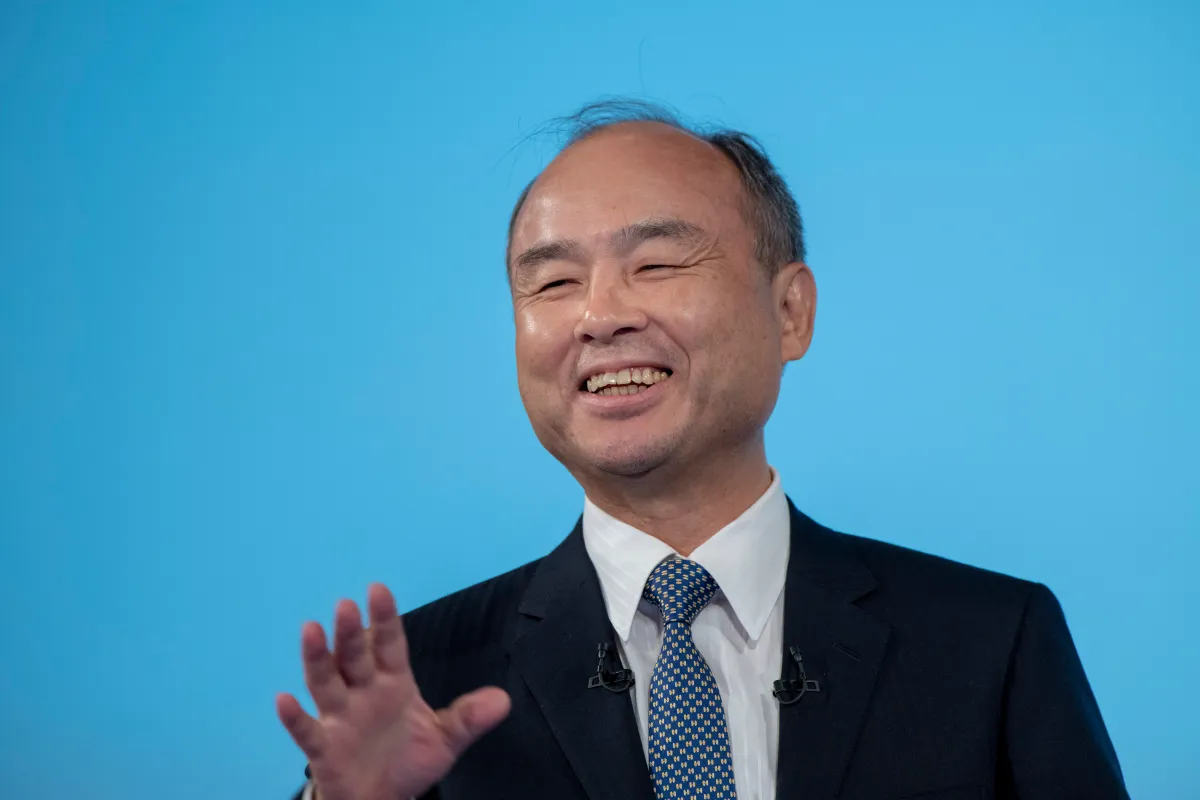
SoftBank’s Nvidia move sparks market buzz and questions linger

SoftBank’s Masayoshi Son Makes Bold Move into AI, Signaling Industry Shift

In a move that underscores the relentless pursuit of disruption and innovation, Masayoshi Son, founder of SoftBank, has liquidated his entire $5.8 billion stake in Nvidia, a leader in artificial intelligence hardware, to fully commit to AI-focused investments. This aggressive repositioning highlights the growing strategic importance of AI technology as the key driver of future market dominance. Son’s reputation for high-stakes decision-making, coupled with his history of market upheavals, positions this shift as a pivotal moment for investors looking to capitalize on AI’s potential to reshape industries.

Son’s commitment aligns with broader industry trends identified by institutions like Gartner, which forecasts AI as a multi-trillion-dollar sector poised to disrupt everything from finance to manufacturing. By reallocating his capital—once heavily tied to tech giants like Nvidia—Son is sending a clear signal that the future belongs to AI-driven business models. This move could propel SoftBank into an even more dominant position within the AI ecosystem, challenging traditional tech giants and paving the way for startups and emergent platforms to flourish. Industry analysts suggest that such a decisive refocus on AI-driven ventures might accelerate the pace of innovation and create new market leaders across multiple sectors.

Historical Context and Business Asymmetry

Son’s history of high-risk, high-reward bets has often set the stage for industry disruption. During the late 1990s dot-com bubble, he saw his net worth soar to $78 billion, only to be decimated when the bubble burst, wiping out $70 billion overnight. Despite this turmoil, Son’s legendary investment in Alibaba—made after a brief meeting with Jack Ma—turned into one of the most lucrative tech bets ever, fueling his comeback and cementing his reputation as a visionary investor. His early faith in Alibaba’s potential rewrote the narrative for Asian tech firms and demonstrated how bold bets could yield industry-shifting results.

While some have criticized Son’s willingness to stay long at the table, his pattern of daring investments, such as his backing of WeWork and Uber, reflects a penchant for embracing ambitious visions, even amid turmoil. These moves often highlight the *industry’s* tendency toward over optimism and hype cycles, but they also showcase Son’s ability to challenge conventional wisdom and amplify funding for innovation. His latest focus on AI may be part of another strategic gamble to sustain his legacy as a disruptor capable of riding the next wave of technology revolutions.

Implications for Investors and Industry Dynamics

The bold reallocation demonstrates that industry landscape is ripe for a paradigm shift driven by AI. As Elon Musk and Peter Thiel warn, *the next decade could redefine economic power — with AI at the core*. With SoftBank’s pivot, the foundational question becomes: which players will capture the value in this transformation? Companies that harness AI’s capacity for automation, predictive analytics, and autonomous systems will likely emerge as net winners, while traditional firms lagging behind risk obsolescence.

  • Increased investment in AI startups and infrastructure
  • Emergence of new business models driven by intelligent automation
  • Potential for market consolidation around AI pioneers
  • Regulatory and ethical challenges accompanying rapid technological advances

Looking forward, the technological and business implications of Son’s move emphasize an urgent need for firms, entrepreneurs, and investors to adapt swiftly. As AI continues to accelerate, those who fail to recognize its transformative potential risk becoming irrelevant in a universe where innovation and disruption are the only constants. Son’s aggressive stance reminds us that in the realm of breakthrough technology, it’s often the boldest bets that define the future.

DOJ: U.S. ransomware negotiators allegedly behind their own attacks—big questions for the industry

Rogue Employees Disrupt Cybersecurity Industry with Alleged Ransomware Attacks

Recent indictments by U.S. prosecutors have exposed a disturbing trend impacting the cybersecurity landscape: inside jobs turning rogue employees into threats rather than safeguards. Kevin Tyler Martin, an alleged former employee of DigitalMint, along with an unnamed colleague and ex-Sygnia incident response manager Ryan Clifford Goldberg, are accused of orchestrating sophisticated ransomware attacks against multiple U.S. companies. These developments underscore a critical need to reevaluate internal security protocols across the sector, emphasizing that even trusted personnel can become vectors for disruptive cyber threats. The indictment, first reported by The Chicago Sun-Times, highlights that cybersecurity firms aren’t immune from becoming unwitting accomplices in cybercrime.

What makes this scandal particularly disruptive is the involvement of the notorious ALPHV/BlackCat ransomware-as-a-service gang. Operating under a highly scalable, affiliate-driven model, the gang develops the malware that encrypts victims’ data, while its internal paramilitary units—the rogue employees—execute attacks on target companies. This division of labor democratizes cyberattack infrastructure and is reminiscent of how tech giants like Microsoft or Google have revolutionized software delivery—except in this case, the disruption is malicious. The scheme’s sophistication illustrates a broader trend where illicit groups leverage the same platforms and techniques used by legitimate tech firms, blurring the lines between innovation and criminal enterprise. According to an FBI affidavit, the rogue employees received more than $1.2 million in ransom payments from a Florida medical device manufacturer alone, suggesting lucrative possibilities for insider threats in the lucrative ransomware economy.

The business implications are profound. As cybercriminal business models become increasingly decentralized and affiliate-driven, the potential for disruptive disruptions increases exponentially. Cybersecurity companies like Sygnia and DigitalMint face mounting internal security challenges, with insiders potentially wielding significant damage. Sygnia CEO Guy Segal confirmed Goldberg’s termination after learning of his alleged involvement, signaling that the industry is beginning to take internal threats seriously—yet, many experts warn that traditional defenses are insufficient. Cybersecurity analyst firms such as Gartner emphasize the need for continuous behavioral monitoring and zero-trust architectures to combat insider threats effectively. Moreover, the fact that these rogue employees did not just steal data but actively executed the ransomware underscores an urgent shift toward inside-out disruption, transforming employees into attack vectors.

Looking ahead, the incident signals that the pace of innovation in cyber defense must accelerate to counter equally innovative threats from within. The rise of ransomware-as-a-service platforms |\has created a marketplace for malicious actors, akin to Silicon Valley’s bustling startup ecosystem but driven by crime. Tech leaders and policymakers must now focus on disrupting the cybercrime supply chain from both ends—strengthening internal security and dismantling illicit networks. Failure to do so risks an increasingly unstable cybersecurity environment where insider threats could cripple critical infrastructure and erode public trust in digital transformation. As MIT cybersecurity experts warn, we stand at a crossroads where only proactive, disruptive measures will prevent malicious insiders from becoming the next catastrophic security breach. The future of cybersecurity hinges on our capacity to innovate faster than the adversaries and shield the backbone of our digital economy before disruptive threats morph into systemic crises.

Social Media Auto Publish Powered By : XYZScripts.com