Matox News

Truth Over Trends, always!

Trump questions chances of U.S. going to war with Venezuela

America’s Geopolitical Push in Latin America: A New Chapter Unfolds

In an era defined by shifting alliances and renewed military posturing, the United States under President Donald Trump reasserts its influence over Latin America with a series of provocative moves centered on Venezuela. From cautious diplomacy to overt military displays, Washington’s actions are stirring a hornet’s nest, with profound geopolitical impact that could reshuffle the regional balance of power and challenge long-standing norms of sovereignty.

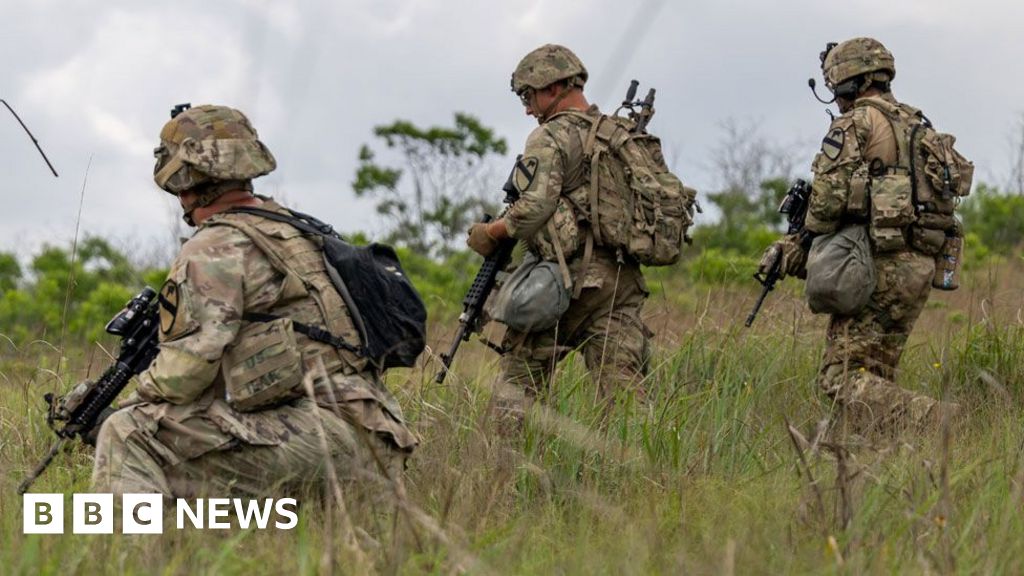
For months, the US has been amassing a formidable military presence in the Caribbean Sea, deploying warships, fighter jets, bombers like the B-52, and even contemplating nuclear testing—an escalation that analysts warn could destabilize the entire hemisphere. While the White House publicly denies plans for an invasion, President Trump’s rhetoric suggests a readiness for wider confrontation, with hints at possible “strikes on land” and the deployment of the world’s largest aircraft carrier. Such signals are loud and clear, with many experts, including international security analysts, warning that these actions are less about narcotics enforcement and more about regime change aimed at ousting Maduro.

This aggressive stance is perceived by many as an attempt to dominate Latin America’s political landscape—an initiative criticized by regional leaders like Colombian Gustavo Petro, who accuses Washington of “fabricating a new war.” Meanwhile, Venezuela’s government, led by Maduro, vehemently opposes what it calls a “US-led conspiracy,” framing recent US military demonstrations as an effort to destabilize and exert dominance over the struggling nation and its resource-rich territory. This scenario echoes the historical interventions that have marked the US’s approach to the Americas—decisions which, according to many historians, have often left scars of division and chaos.

Diplomatic Dilemmas and Rising Tensions

President Trump’s remarks during interviews with CBS revealed an unpredictable calculus—suggesting the US might pursue further aggressive actions yet also emphasizing ambiguity. While he dismissed persistent suggestions of a direct war, the deployment of long-range bombers and the authorization of the CIA presence signal a readiness to escalate. Such moves risk igniting regional conflict and draw international criticism rooted in the principles of sovereignty and peace. Scholars like Dr. Emma Johnson, a geopolitical analyst at the International Crisis Group, warn that this renewed brinkmanship threatens to undermine stability, pushing Latin America into a new “Cold War”-like environment where superpowers compete for influence on a new, dangerous frontier.

However, this escalation occurs against the backdrop of a broader global picture—rising tensions with Russia and China, both of whom are seeking to expand their own spheres of influence and challenge US dominance. For these nations, Latin America has become a strategic chessboard, and the US’s assertive posture may provoke responses that further complicate international relations. The potential for miscalculation increases as regional actors navigate between resisting external pressure and maintaining their sovereignty.

Decisive Moments and the Weight of History

As President Trump hints at resuming nuclear testing—an act that would defy decades of arms control agreements—the international community faces a sobering reminder of how quickly the balance of power can shift, with history often repeating itself in cycles of confrontation and reconciliation. The upcoming weeks may prove pivotal as diplomatic negotiations falter and military assets remain on high alert. The decisions made today will echo through the corridors of history, shaping the fate of nations and societies that have long stood on the edge of a new confrontation.

In this turbulent chapter of geopolitics, the global stage is set for a confrontation whose consequences could redefine the boundaries of international peace and power for generations. As the world watches nervously, the unfolding story leaves one inescapable conclusion: history is once again being written in a language of tension, tests of will, and the enduring quest for dominance. The question remains—will this chapter end in chaos or in a new understanding of power, diplomacy, and regional independence?

Andrew Should Address Epstein Questions Stateside, Say Democrats—Hold Him Accountable

Deepening Turmoil in the Royal Realm: Prince Andrew’s Stripping and Changing Tides of Power

The recent decision by King Charles to strip Prince Andrew of his royal titles marks a significant moment in the evolving landscape of Britain’s monarchy. After months of mounting pressure surrounding Andrew’s alleged connections to Jeffrey Epstein and the accompanying accusations, the royal family made a decisive move rooted in both public sentiment and the desire to uphold institutional integrity. This chapter underscores a broader shift in how influential figures are held accountable, reminding us that even the most entrenched symbols of tradition must adapt to the modern world’s demand for transparency and justice.

While Andrew has consistently denied all allegations, the controversy surrounding his ties to Epstein has cast a long shadow over the monarchy. The fact that Andrew’s social circle included notorious figures and that he maintained contact with Epstein well after allegations surfaced exemplifies how interconnected power, privilege, and controversial associations can be in the arena of high society. Public figures and wellness advocates alike are urging those with privileged access to cooperate fully with investigators, emphasizing the importance of accountability in shaping a healthier societal framework. The case serves as a stark reminder that **personal impact**—both on reputation and mental well-being—can be profound when societal expectations clash with personal conduct.

Calls for Transparency and Justice: The Role of Citizen and Political Engagement

Across the Atlantic, U.S. Congress and the media are sharpening their focus on Andrew, urging him to voluntarily testify about his relationship with Epstein. Several influential voices, including Congressman Suhas Subramanyam and Raja Krishnamoorthi, have expressed a willingness to issue subpoenas, underscoring the importance of uncovering truth—not just for justice for victims but to prevent similar cases in the future. For young listeners in particular, this ongoing saga highlights a vital lesson: accountability isn’t only about facing repercussions but about forging a society where transparency is the standard, not the exception. The narrative encourages a new generation to appreciate the value of integrity, resilience, and standing up for what’s right.

In parallel, *wellness experts* and advocates for personal responsibility emphasize that honest engagement with difficult issues is a cornerstone of healthy societal evolution. As the media and public scrutinize Andrew’s reluctance to cooperate, the emphasis shifts toward fostering a culture where truth-telling is revered regardless of privilege. The same principles are echoed in discussions about wellness: facing uncomfortable truths is often the first step toward genuine growth and harmony. These discussions reinforce the idea that *true strength* lies in honesty, and that embracing accountability can lead to a more resilient society.

Beyond the Headlines: Reflection on Power, Privilege, and Personal Growth

As the royal saga unfolds, it leaves viewers pondering the *true nature of influence and responsibility*. The monarchy, historically a symbol of continuity, now finds itself grappling with the fundamental question: How do institutions remain relevant when their members are called to account? The case of Andrew exemplifies a larger societal trend—the shifting sands of power—where old hierarchies must adapt or risk obsolescence. For young individuals navigating their own paths, this story offers a narrative of **personal impact**: the importance of standing firm in convictions, embracing transparency, and valuing integrity over fleeting prestige. It’s a reminder that, in the journey of life, authentic growth often begins with facing uncomfortable truths and committing to lifelong learning.

  • Stay informed—knowledge is power. Understanding complex issues helps shape well-rounded perspectives.
  • Embrace transparency in personal endeavors; integrity builds lasting influence.
  • Recognize that societal progress often requires courage to confront uncomfortable realities.

Ultimately, the story of Prince Andrew is more than a royal scandal; it is a chapter in the ongoing narrative of a society determined to define its future based on truth, accountability, and resilience. As the world watches, each individual is called to reflect on their own journey and how they can contribute to a society where *honesty* and *responsibility* reign supreme. It reminds us that even amidst controversy and upheaval, the path forward is paved by those willing to confront the shadows and seek the light of genuine integrity.

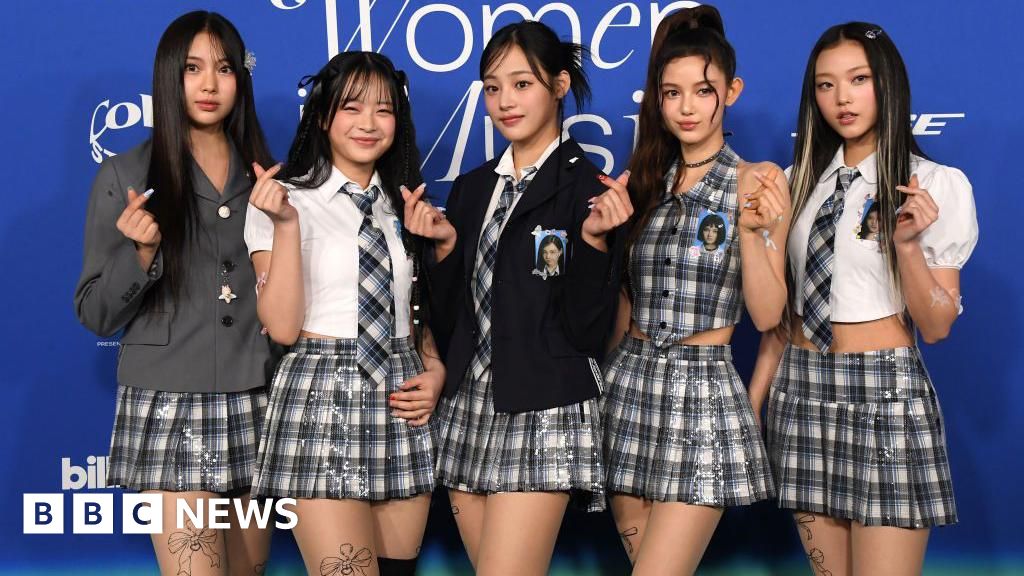
K-pop group fails to win legal fight against agency, raising questions about artists' rights
K-pop group fails to win legal fight against agency, raising questions about artists’ rights

The recent legal confrontation involving South Korean K-pop sensation NewJeans and their agency, Ador, has sent ripples through the global entertainment landscape, spotlighting the underlying power dynamics within South Korea’s burgeoning cultural export. The notorious court decision, which upheld the validity of the group’s contractual commitments until 2029, underscores a broader trend of entrenched corporate control over artists that raises questions about the autonomy of creative talents in modern geopolitics and economics.

In a move that defies the normative expectations of artist-initiated rebellion, the Seoul Central District Court dismissed the group’s plea for contract termination, emphasizing the legal binding nature of their agreement. The dispute emerged amid allegations of mistreatment and manipulation by the agency, a scenario that echoes narratives from other big markets where corporate giants—such as America’s Hollywood or Japan’s idol businesses—hold disproportionate sway over their talents. Yet, what makes this case extraordinary is its potential to influence how nations strategize cultural diplomacy and the international community perceives Asian entertainment industries as geopolitical tools.

Analysts note that Hybe, South Korea’s largest entertainment conglomerate, operates not merely as a label, but as a soft power behemoth, shaping not only music charts but also international perceptions of Korea’s cultural economy. The case reveals a complex web of influence extending beyond the stage, affecting how governments and trade partners approach intellectual property rights and artist protections. The international community, including organizations like UNESCO and WIPO, is increasingly scrutinizing such disputes, recognizing their impact on cultural stewardship and legal sovereignty.

Furthermore, the fallout from this legal battle extends well beyond South Korea’s borders. The burgeoning global influence of K-pop—despite its cultural allure—faces challenges from internal power struggles that threaten to undermine its soft power agenda. This incident, with new Jeans asserting their desire to break free from entrenched corporate control, potentially signals a shift—a desire among young artists worldwide to assert their independence in an industry historically rooted in hierarchical, top-down directives. The international community watches intently as these developments unfold, understanding that these disputes reflect broader societal tensions over **autonomy, fairness, and the global governance of cultural industries**.

As the legal proceedings continue and NewJeans plans to appeal the court’s decision, history remains at a critical juncture. The story of this talented group and their battle against corporate giants echoes an enduring narrative: the struggle for autonomy against an overbearing system. This is a decisive moment in which the world’s eyes are drawn to how nations will adapt their geopolitical strategies to harness or curb the influence of cultural juggernauts. The outcome will not only shape the future of South Korea’s entertainment industry but also serve as a benchmark for how societies everywhere can balance the allure of soft power with the protection of individual rights—an ongoing saga that continues to unfold amidst the relentless march of history’s tide.

Social Media Auto Publish Powered By : XYZScripts.com