Matox News

Truth Over Trends, always!

US Officials’ Crash in Mexico Sparks Questions

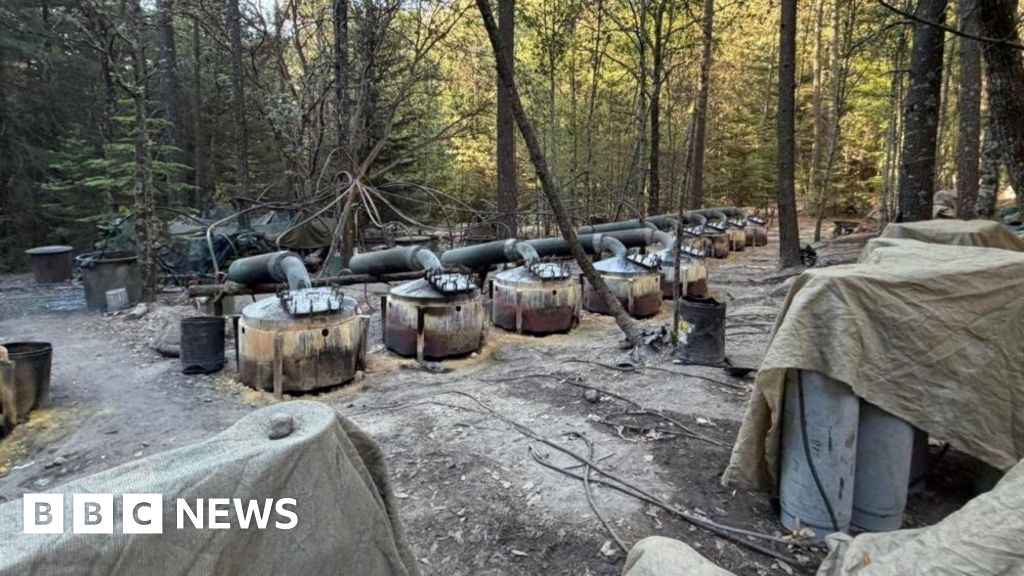
In a recent development with profound geopolitical repercussions, two individuals perished in a fatal car crash during a Mexican-led crackdown aimed at dismantling a clandestine drug laboratory. This incident marks a critical juncture in Mexico’s ongoing commitment to curb illicit drug trafficking, but it also underscores the complex web of international repercussions that such operations ignite.

The operation, led predominantly by Mexico and supported to varying degrees by neighboring countries and international organizations, exemplifies a broader strategy to disrupt illegal narcotics networks that span borders. Experts from institutions like the United Nations Office on Drugs and Crime (UNODC) have long stressed that such interdictions are vital in addressing the transnational drug trade’s economic and security threats. However, the tragic loss of life during the operation—a car crash involving involved officials or suspects—raises questions about the risks intertwined with aggressive enforcement tactics. Analysts warn that escalation in such operations could provoke unintended consequences, including violence spilling over into civil society or regional destabilization.

In the broader context, this event accentuates the ongoing struggle between sovereignty and international pressure. While Mexico asserts its right to combat drug cartels within its borders, its actions are closely monitored by the United States and other global actors eager to see significant reductions in drug flows. Some international voices, including analysts from think tanks like the Cato Institute, argue that relentless enforcement without addressing underlying socio-economic factors risks fueling violence and chaos. The incident thus symbolizes a delicate balancing act faced by governments worldwide—how to uphold sovereignty while cooperating with international efforts to stabilize their regions.

The historical significance of this tragic crash echoes through the decades of ongoing conflict over narcotics interdiction, with historians pointing out that similar incidents have often marked turning points in policy shifts or escalation cycles. Countries like Colombia and Peru have faced similar dilemmas, with some observers warning that intense military campaigns sometimes result in short-term successes but long-term societal scars. As international institutions and regional governments draft new strategies in response to this latest tragedy, many ponder whether current tactics are sustainable or merely cyclical.

Ultimately, this incident is more than a mere accident on a Mexican countryside road—it is a stark reminder that the global war on drugs remains one of the most tumultuous chapters in modern history. As Mexico ventures further into its fight against destruction and corruption, the world watches with bated breath. The decisions made in the coming days will undoubtedly shape the narratives of sovereignty, justice, and stability—woven into the fabric of nations still grappling with the shadows of their past. The weight of history presses down, and in that darkness, the question remains: will this be a turning point toward peace or another tragic chapter in a never-ending conflict?

Iran talks stall — now the real questions begin for America's future security
Iran talks stall — now the real questions begin for America’s future security

In a stark reminder of the enduring tensions that have defined Iran and the United States for over four decades, recent developments underscore the persistent fragility of international diplomacy. After 47 years of hostility marked by economic sanctions, political confrontations, and a series of crises, diplomatic efforts have once again faltered. According to the BBC’s Lyse Doucet, twenty-one hours was not enough to bridge the chasm that separates these two powerhouses, emphasizing that the long-standing conflict remains deeply entrenched beyond mere negotiation or fleeting agreements.

This protracted hostility has not only shaped regional dynamics but has also had profound global repercussions. Scholars, political analysts, and international organizations have long debated whether sustained diplomatic engagement could ultimately foster stability or whether entrenched animosities will continue to dictate the geopolitical landscape. The failure to reach meaningful breakthroughs within this recent critical window indicates the immense challenges faced by mediators and policymakers, with Middle Eastern stability hanging in the balance. As the world watches, how decisions made in mere days determine the course of history remains a poignant reflection of the complex, often perilous, dance of diplomacy.

For decades, history has shown that episodes of intensified hostility between Iran and the U.S. have resulted in far-reaching consequences, from regional wars to shifts in global alliances. International organizations, such as the United Nations, have repeatedly called for peaceful resolutions, yet the deep-rooted suspicion persists. Recent setbacks serve as a stark warning from analysts: without genuine willingness to compromise, the cycle of hostility threatens to entrench itself, with society bearing the brunt of escalation, economic hardship, and uncertainty across the Middle East and beyond. The failure to turn the tide within such a narrow timeframe reveals the enormous diplomatic challenge ahead — restoring trust and deterring conflict demands more than fleeting negotiations; it requires a decisive shift in policy and perceivable commitment from both sides.

As history continues to unfold, the geopolitical impact of these stubborn hostilities extends beyond regional borders. Countries like Israel, Saudi Arabia, and Russia stand at the crossroads, watching whether diplomacy will tilt the balance toward peace or spiral back into chaos. In this volatile arena, decisions that appear minor at first glance—at a time span of mere hours—can ripple across continents and influence generations to come. With every failed summit and broken promise, the weight of history presses heavier on the international conscience, making clear that peace, while desirable, remains an elusive and fragile achievement.

AG questions if Kemi Badenoch supports Jewish public prayer — conservatives raise the stakes

Across Europe and the Anglosphere, recent political debates have cast a stark light on the shifting landscape of cultural identity, religious expression, and national sovereignty. The controversy centered on the UK’s thought-provoking clash involving Kemi Badenoch and her stance on the public display of Islamic prayers in Trafalgar Square has prompted international scrutiny. While the UK’s conservative circles rally around the idea of “British values,” critics argue that this national debate has transcended local context, threatening to deepen societal divisions and weaken the principles of multiculturalism that have historically defined the nation.

Notably, the UK is witnessing a push-and-pull between traditionalism and multicultural inclusiveness, with voices like Nigel Farage and Richard Hermer warning of an erosion of social cohesion. Timothy’s call to ban the Ramadan event, framing it as an act of “domination,” echoes broader conservative anxieties about the perceived rise of political Islam and its challenge to Christian-centric values. Such rhetoric fuels fears of cultural dominance and prompts concerns about societal fragmentation, which analysts warn could embolden far-right currents and undermine the principles of religious tolerance—an ideal championed by international organizations like the European Court of Human Rights.

Historians like Dr. Andrew Roberts warn that this debate is emblematic of a larger pattern seen in early 20th-century Europe, where national identity was often conflated with cultural and religious homogeneity, leading to societal conflict. Meanwhile, some international institutions suggest that the UK’s internal struggles may reflect a broader global trend: the tension between sovereignty and multiculturalism. If sustained, these disputes threaten to weaken the resilience of fragile democracies amid rising populist movements and threaten transatlantic alliances with destabilizing consequences. Such events spotlight how local decisions can ripple into global consequences, shaping nation-states’ futures in unpredictable ways.

As the UK navigates these turbulent waters, the story remains far from over. The battle over public morality, religious expression, and national identity is part of a larger contest—one that will determine whether societies can find a sustainable balance between tradition and pluralism. History serves as a warning: the decisions made today, whether to uphold or suppress religious freedoms, will resonate through generations. The weight of history continues to unfold, with the global community watching closely, as the future of nations hangs in the balance amidst this profound struggle for defining what it means to be truly British in an era of relentless change.

Noma’s head chef steps down amid abuse accusations, sparking questions about accountability in the food scene.

In the realm of international gastronomy and cultural influence, few names resonate as powerfully as René Redzepi, the Danish culinary icon celebrated for pioneering innovative Nordic cuisine. However, recent developments have cast a shadow over his reputation, as allegations from former employees at his renowned restaurant have accused him of fostering a toxic work environment. This controversy not only questions the integrity of one of Europe’s most acclaimed chefs but also underscores a broader debate about leadership ethics within global hospitality industries.

While Redzepi issued an apology, the incident exemplifies the increasing scrutiny faced by high-profile figures in the international cultural scene. Historians and labor advocates assert that such allegations have significant geopolitical impact, especially in a world where social justice movements and workplace reforms are gaining momentum. Governments and international organizations now watch these developments closely, as they reflect shifting societal expectations around ethical leadership. For nations that are heavily reliant on tourism and cultural exports, the reputation of iconic figures like Redzepi can influence perceptions, affecting everything from diplomatic relations to economic stability.

The controversy surfaces at a critical juncture for Europe, which is grappling with a series of socio-political upheavals—ranging from migration challenges to economic recalibrations. The leadership style endorsed by influential cultural ambassadors must align with advancing more ethical standards. International bodies such as the European Union, along with industry watchdogs, are increasingly advocating for a respectful, equitable work environment across all sectors. The fallout from such accusations can serve as a catalyst for broad reforms, compelling powerful entities to prioritize social responsibility and human rights beyond mere economic gains.

As the narrative unfolds, many analysts warn that the repercussions extend far beyond the kitchen, illustrating a global shift towards accountability. The geopolitical impact of enforcing corporate and cultural accountability is profound. Countries and industries that fail to adapt risk losing their influence on the world stage, especially as younger generations demand transparency and integrity from their leaders. The case of René Redzepi emphasizes that even venerable institutions face scrutiny in the age of social media and instant information sharing. International sentiment is turning against unchecked power and privilege, urging a re-evaluation of moral standards in leadership.

In this relentless, tumultuous dance of history, the verdict remains unwritten. Will Redzepi’s apology mark a genuine turning point toward reform, or merely serve as a fleeting chapter in a larger story of societal awakening? As nations watch, the world teeters on a precipice—where the cultural icons of today may either be champions of change or relics of a bygone era. The weight of this moment lies heavy on history’s scales, as the global community continues to define its moral compass amidst an era of profound transformation.

Australia News Live: NSW Anti-Slavery Chief Questions Iran Football Squad’s Exit; Earthquake Rocks North of Canberra

International Ripples: Australia’s Crucial Decisions Shape the Geopolitical Landscape

Fresh developments emanating from Australia highlight a nation at a critical juncture, where internal decisions transcend borders, echoing the broader battles of sovereignty and moral responsibility on the world stage. The controversial departure of the Iranian women’s football team from Australia has sparked intense scrutiny and debate, not only about domestic policies but also about how nations handle complex issues of threat, coercion, and international law. Analysts warn that the handling of this incident could redefine Australia’s stance towards human rights and its diplomatic credibility, especially amid ongoing conflicts involving Iran and other regime-led states.

The incident underscores a fragile geopolitical balance, where the NSW anti-slavery commissioner questioned top-tier institutions—including the federal police, Sydney airport, and Qantas—over their role in facilitating the squad’s departure amidst wide-ranging concerns about coercion. Dr. James Cockayne emphasized that the athletes’ decision to leave might have been unduly influenced by threats and intimidation, echoing fears of exit trafficking—a grave issue that highlights how vulnerable individuals become pawns in larger geopolitical conflicts and authoritarian tactics.

This scenario not only raises questions about domestic oversight but also spotlights how international diplomacy and law enforcement are intertwined with issues of regime repression, especially with Iran’s regime known for its misogynistic policies and suppression of dissent. The international community, including historians and global watchdogs, warn that failure to address coercion effectively may embolden oppressive regimes and undermine the principles of free movement and asylum. The incident prompts a looming question: Does Australia’s handling reflect a broader tendency among Western nations to prioritize diplomatic relations at the expense of human rights and protective oversight?

In parallel, domestic policies such as the Victoria government’s initiative to provide free pest and building reports for homebuyers reveal a nation grappling with internal challenges of transparency and economic security. Jacinta Allan, Victorian Premier, advocates for the reform to curb excessive costs and empower consumers, a move seen as a step to reinforce confidence in Australia’s private sector amidst global economic uncertainties. Yet, these domestic shifts signify more: a concerted effort to reshape societal expectations and assert control over economic vulnerabilities, which, analysts argue, are now heavily influenced by international events, including the conflict in the Middle East.

As geopolitical tensions in the Middle East intensify, Australia stands as an exemplar of how a nation’s internal policies, international dealings, and moral stance are increasingly interconnected. The recent earthquake near Boorowa and severe flooding in Queensland further symbolize a nation resilient yet besieged by uncontrollable forces—nature and geopolitics alike. The way Australia navigates these turbulent waters will indelibly mark its role in the shifting global order, where decisions about refugee protection, international trade, and moral leadership are more intertwined than ever. History’s weight is heavy on Australia’s shoulders, with each move possibly rewriting the contours of its national identity and its influence in shaping the rules of a new geopolitical era.

Nancy Guthrie disappearance: unanswered questions linger as search enters another month

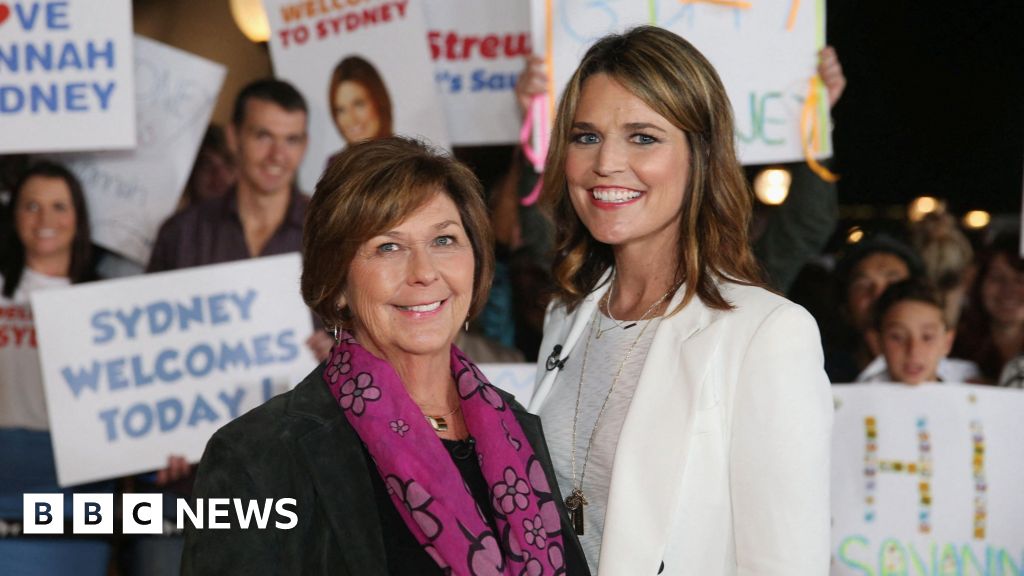
The recent disappearance of the mother of renowned TV presenter Savannah Guthrie has sent shockwaves across the United States, highlighting concerns about security and social stability in an era marked by rising crime concerns. While the case remains unresolved with no arrests so far, the incident has rekindled debates about law enforcement effectiveness and the persistent vulnerabilities in urban and suburban communities. This situation underscores broader issues that resonate well beyond American borders, emphasizing the importance of resilience and vigilance in safeguarding societal stability.

From an international standpoint, the unfolding events serve as a reminder of the geopolitical implications associated with internal security. Countries worldwide, especially those with open societies and active media landscapes, observe such incidents with keen interest. They reflect not only on domestic governance but also on the global image of safety and justice. Analysts like Dr. James Montgomery, a geopolitical commentator for the International Security Institute, argue that internal security failures can have ripple effects, influencing perceptions of strength and stability, especially for nations engaged in diplomatic or economic negotiations. A failure to resolve such cases promptly could embolden criminal networks or undermine public confidence in government institutions, with consequences that extend well beyond national borders.

Moreover, the case demonstrates the delicate balance between individual rights and societal security, a topic under intense scrutiny by international organizations such as the United Nations and INTERPOL. The case serves as a stark reminder that a society’s resilience is tested not only by external threats such as terrorism or cyber-attacks but also by internal crises and community safety. As law enforcement agencies worldwide grapple with similar challenges, the need for effective cooperation and intelligence-sharing becomes more critical. The failure to swiftly apprehend suspects in sensitive cases could influence international relations, particularly if criminal networks cross borders or threaten regional stability. These developments highlight how domestic issues dovetail into broader geopolitical concerns, reminding governments that internal security is integral to national sovereignty and global peace.

As the case remains unresolved, historians and analysts continue to draw parallels to other pivotal moments in recent history—times when internal crises revealed systemic weaknesses or precipitated broader political shifts. The subtle yet powerful lessons stem from a series of global events, in which a society’s failure to protect its citizens has sometimes led to social upheaval or cultural shifts. The stubborn persistence of unresolved cases emphasizes that the landscape of international relations is shaped as much by internal stability as by external diplomacy. The weight of this ongoing mystery hangs heavily in the collective consciousness, hinting that the true test of national resilience is yet to come. As history unfolds, the decisions made in response to this and related incidents could determine whether societies survive their hardest tests or succumb to internal fractures, leaving a legacy that will echo for generations to come.

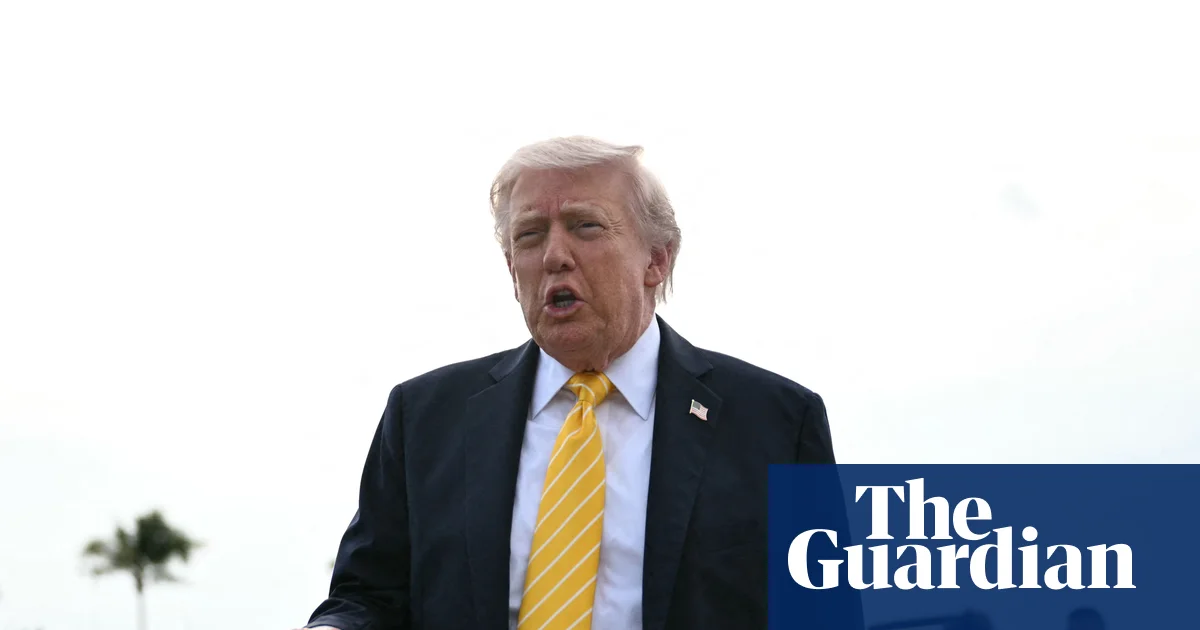
Trump questions why Iran hasn't ‘surrendered,’ says US envoy Witkoff
Trump questions why Iran hasn’t ‘surrendered,’ says US envoy Witkoff

US Diplomatic Frustration Signals Evolving Geopolitical Tensions with Iran

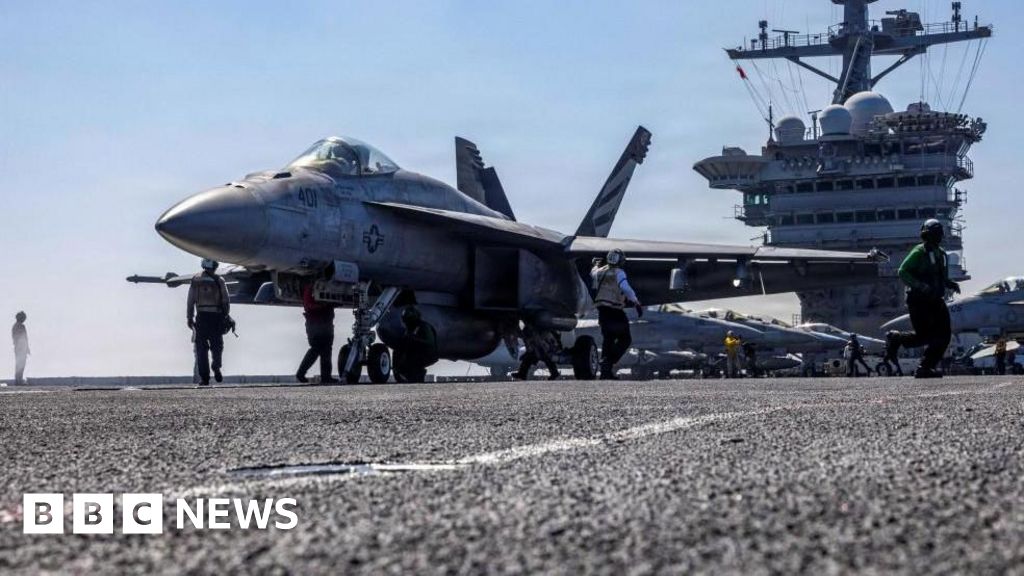
In a recent statement, US envoy Steve Witkoff expressed notable **puzzlement** over Iran’s apparent reluctance to **compromise** amid a formidable American military build-up stationed in the region. Witkoff conveyed that despite widespread international expectations for de-escalation, Tehran remains **unyielding**, highlighting a deepening impasse in the ongoing negotiations surrounding Iran’s nuclear program and regional influence. This diplomatic stalemate underscores a broader pattern of **escalating tensions** that threaten to destabilize the geopolitical balance in the Middle East and beyond.

The **military posturing** by the United States signals a clear message: Washington is prepared to exert maximal pressure, believing that tough show of force might compel Iran to seek diplomatic solutions. According to recent reports, the U.S. has significantly increased its military assets in the Persian Gulf, including deploying advanced missile defense systems and naval forces. Analysts from the *International Strategic Studies Institute* suggest that this **military posture** is less about immediate conflict and more about **sending a warning**, aiming to reshape Iran’s strategic calculus by demonstrating unwavering resolve. As leaders in Jerusalem, Riyadh, and other regional capitals observe, this **power display** carries profound **geopolitical implications**, potentially shifting alliances and regional security paradigms.

Historical Context and International Reactions

Historical experts emphasize that missed diplomatic opportunities in the past have often led to **protracted conflicts**. Commentators like Dr. Vanessa Robinson, a renowned Middle East analyst, warn that **continued military escalation without meaningful negotiations** increases the risk of open conflict, which could draw in Russia, China, and other global powers into a wider confrontation. The United Nations has called for restraint, but with the United States prioritizing strategic dominance, the window for peaceful resolution appears increasingly narrow. Yet, as recent diplomatic signals suggest, Iran’s leadership remains steadfast, viewing the American military buildup as an aggressive act rather than a basis for negotiations.

The unfolding **standoff** underscores how **decisions made today** will **shape the geopolitical landscape for generations**. Critics point out that the *U.S. government’s approach* risks **fueling regional instability** and undermining *diplomatic channels*, thereby emboldening hardliners both in Washington and Tehran. The **impact** is far-reaching, influencing global energy markets, international alliances, and the safety of millions living in conflict-prone areas. As historian Dr. Samuel Carter articulates, moments like these are **defining junctures** in the path of history—where **choices by superpowers** can either pave the way for peace or plunge regions into chaos.

Concluding Reflection: The Weight of History

As the world watches, it becomes painfully apparent that the **future hinges on the turning point** in US-Iran relations. With **diplomacy** hanging by a thread and **military might** signaling an unwavering stance, the **decisions made today** will echo through history’s corridors. The **metaphorical chess game** between superpowers continues, pushing the geopolitical **stakes ever higher**. The question remains: will restraint prevail, or are we on the cusp of a new chapter marked by **conflict and upheaval**? The weight of history presses down, unyielding, as nations stand at this perilous crossroads—an uncertain tomorrow awaiting the choices that will define generations to come.

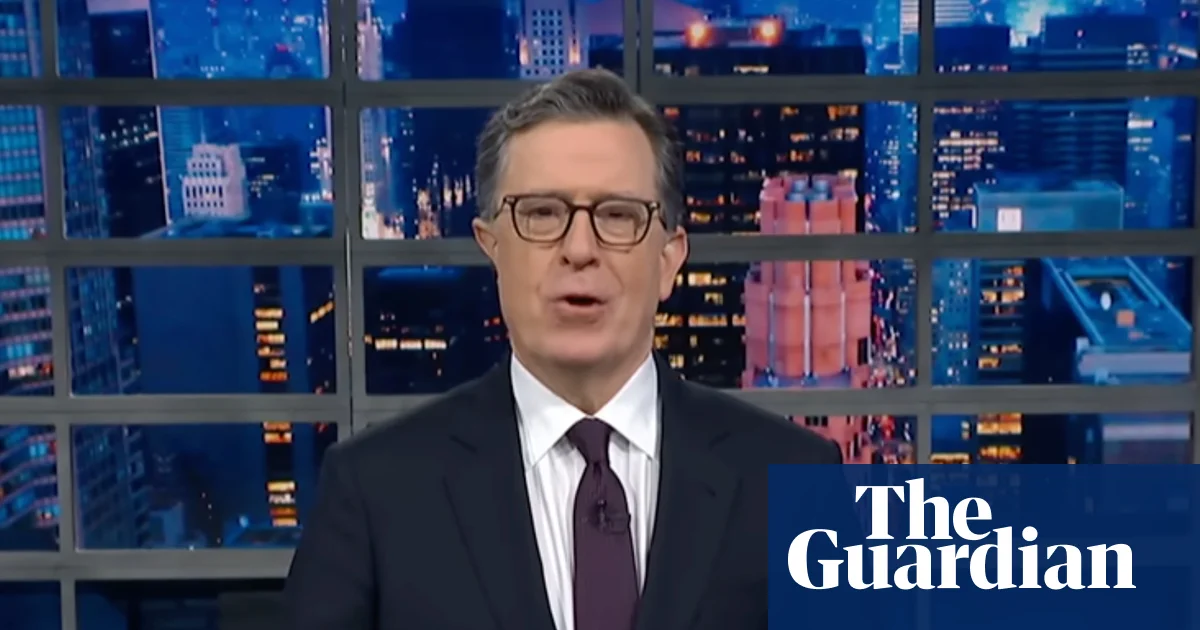
Colbert Questions RFK Jr.’s Maha Workout Video: A Surreal, Almost Psychedelic Display | Late-Night TV Highlights

In an era marked by rapid flux, the role of culture remains paramount as both a mirror and a prophecy of society. The recent satirical musings of Stephen Colbert serve as a modern reminder that humor, even when wrapped in absurdity, underscores deeper truths about our allegiances, values, and identity. His playful critique of the surreal “Rock Out Workout” featuring RFK Jr and Kid Rock, encapsulates the strange spectacle of political spectacle turned pop culture carnival. This spectacle, with its shark attacks, taxidermized bears, and American flags, exemplifies how contemporary culture often blurs the lines between the authentic and the performative—raising questions about the foundations of shared tradition and national ethos.

Historically, cultural shifts have reflected broader societal changes. As Ortega y Gasset observed, a civilization’s vitality hinges on its cultural identity, which in turn is sustained by the collective memory of its traditions. In our current landscape, this collective memory is often commodified or obscured, replaced by spectacle and transient trends. Colbert’s commentary on RFK Jr.’s unconventional workout, highlighting the absurdity of modern masculinity and camaraderie, echoes Chesterton’s notion that “the true soldier fights not because he hates what is in front of him, but because he loves what is behind him.” This love for the traditional, for the cultural symbols that bind society, is often challenged by the spectacle-driven culture that seems to replace genuine societal bonds with superficial entertainment.

Furthermore, the cultural icons we elevate and memorialize—as demonstrated in Colbert’s tribute to civil rights leader Jesse Jackson—serve as anchors in the tumult of cultural change. Jackson embodies a form of leadership rooted in compassion, which is increasingly a scarce commodity in today’s polarized climate. The public’s engagement with such figures, and the respect they command, underscores that culture is more than entertainment; it is the moral fabric that sustains societal cohesion and persistence. As Tocqueville noted, the strength of a nation depends on its social and moral capital, both of which are cultivated through enduring stories, shared struggles, and collective sacrifices. Our culture, therefore, functions as both memory—keeping alive the lessons of the past—and prophecy—guiding us toward a future rooted in tradition and resilience.

In essence, the ongoing dialogue between culture and society is a poetic one—an intricate dance of memory and aspiration. It reminds us that although the media spectacle may distract, beneath the surface lies a profound quest for identity, rooted in our collective history and directed toward the horizon of human potential. As we navigate the challenges of an ever-changing world, let us remember that culture is not merely a reflection of who we are, but also the lighthouse illuminating who we may become—a living testament to the enduring capacity of humanity to remember, to uphold, and to hope. It is in that eternal cycle that our true strength resides—an ongoing prophecy written in the language of tradition, echoing through the corridors of time, guiding us home.

Police urged to investigate: Will Prince Andrew face questions over Epstein ties?

The unfolding revelations surrounding Prince Andrew and his alleged connections to Jeffrey Epstein have ignited a firestorm across international political landscapes, revealing the darker underbelly of elites and the far-reaching geopolitical impact of scandal and secrecy. As investigations intensify, questions about How deep character and institutional complicity run threaten to redefine perceptions of royal authority, diplomacy, and Britain’s global standing. Academic analysts and organizations like Interpol and Amnesty International warn that such exposures could undermine *public trust* in both monarchy and democratic institutions—a formidable challenge for nations that value transparency but are reluctant to confront their shadows.

The UK is at a pivotal crossroads. Growing pressure from lawmakers, international partners, and victim advocacy groups compels a reconsideration of longstanding narratives surrounding the royal family’s immunity. Evidence uncovered by investigative journalists suggests links between Mountbatten-Windsor and clandestine flight operations through UK airports, allegedly involving vulnerable women transferred via private planes owned by Epstein. Former Victims’ Commissioner Vera Baird emphasized that *the police must pursue these leads vigorously*, warning that *political inaction or institutional cover-ups* could fatally erode **faith in democratic systems**. The repercussions extend beyond Britain, affecting alliances with Commonwealth nations and influencing perceptions of Western governance on the world stage.

This scandal also strikes a blow to the monarchy. During a week marked by intense scrutiny, King Charles and his courtiers publicly declared a *“profound concern”* while asserting their willingness to cooperate with law enforcement. Yet, critics—including human rights advocates and anti-monarchy activists—highlight that *the royal family’s historical distance from accountability* complicates efforts for justice. As multiple emails and photographs come to light, depicting Prince Andrew in compromising situations, experts warn that *the very institutions that once shielded royal misconduct are now under siege*. The question of whether elite privilege can withstand the weight of these allegations remains an open, and unsettling, one.

Meanwhile, international organizations warn that this scandal illustrates the **new geopolitical terrain**, where *private wealth, power, and influence are intertwined with criminal activities*. The情况 shows how *transnational networks* operate under the veneer of diplomatic missions and global business, with China and Hong Kong among critical nodes in Epstein’s complex web—an area now being scrutinized for possible foreign influence and corruption. Historian Dr. Thomas Gray notes that *these scandals highlight the erosion of soft power* when elites abuse their positions, marking a dangerous turning point where diplomatic relations could falter. As investigations broaden, the world watches, awaiting the verdict that might reconfigure international diplomacy and the very narrative of justice itself.

As the pages of history continue to turn, the weight of these revelations lingers—an ominous reminder that *the truth often emerges from the shadows in moments of crisis*. The ongoing inquiry into Prince Andrew’s dealings, and those linked to Epstein, becomes more than a tale of individual misconduct; it is an unfolding saga that questions the integrity of power structures, the resilience of accountability, and the destiny of societies at their crossroads. Will this be a turning point—a moment to confront the shadows and forge a new path toward justice? Or will it fade into the silence of history’s forgotten corridors, as the forces of privilege and denial attempt to preserve their legacy? Only time will tell, but the future remains unwritten, and the echoes of these events will undoubtedly resound for generations to come.

Slovakia's security adviser quits over Epstein scandal—raises questions for youth security mindset
Slovakia’s security adviser quits over Epstein scandal—raises questions for youth security mindset

International Diplomacy in Turmoil: Miroslav Lajčák’s Resignation Sparks Global Investigation

In a startling development that underscores the fragile state of international diplomacy, Miroslav Lajčák, a prominent figure in global diplomatic circles and former high-ranking official at the European Union, has resigned amid revelations of inappropriate exchanges involving the late sex offender. Recently released communications paint a troubling picture, revealing Lajčák discussing personal relationships, including references to girls, in conversations with a figure linked to severe criminal conduct. Such disclosures have ignited an international debate over integrity within diplomatic ranks and the potential ramifications for global diplomacy’s credibility.

The controversy erupted after leaked transcripts surfaced, illustrating that Lajčák engaged in discussions that breach the expected boundaries of diplomatic decorum. While some analysts initially speculated on the motives behind releasing these conversations, the broader implication remains clear: questions about accountability and the ethical conduct of high-profile diplomats are now front and center. The international community’s trust in diplomatic channels—especially those involving key mediators in multilateral agreements—comes under unprecedented scrutiny. Critics argue that these revelations threaten to undermine years of diplomatic effort aimed at fostering stability, cooperation, and peace among nations, especially in regions heavily reliant on diplomatic negotiations.

Against this background, international institutions such as the United Nations and influential regional organizations have issued statements emphasizing the importance of integrity and transparency. Notably, some geopolitical analysts argue that these developments could serve as a turning point, exposing underlying vulnerabilities in diplomatic oversight. Historically, figures like Lajčák have been regarded as skilled negotiators, yet now their reputations are scrutinized through the lens of personal conduct. The gradual erosion of trust in diplomatic figures might influence future engagement strategies, forcing nations to reassess the vetting processes for those entrusted with sensitive negotiations. In the broader sense, this case illuminates how individual moral lapses can threaten entire diplomatic architectures—potentially leading to a reevaluation of international protocols on conduct and accountability.

The geopolitical impact of this scandal extends beyond individual careers. It raises pressing questions about how decisions made behind closed doors affect entire societies. Countries that rely on diplomatic mediators to navigate conflicts, denuclearization efforts, or trade negotiations could find themselves facing increased instability if trust falters. As international observers dissect the implications, voices from respected historians and foreign policy analysts warn of a dangerous precedent: that the credibility of diplomacy itself is fragile and can be compromised by scandals of personal misconduct. The ongoing investigations and potential repercussions threaten to alter the landscape of international negotiations, compelling governments to implement stricter ethical guidelines and oversight mechanisms.

As history continues to unfold in real time, the world watchfully stands on the precipice of change. The luster of diplomatic authority dims in the shadow of personal malfeasance, yet this moment also insists on reflection: can trust be restored once breached? With the weight of the global community at stake, the fallout from Miroslav Lajčák’s resignation serves as a stark reminder that the fabric of international diplomacy is woven carefully through both words and deeds. The future hinges on whether nations will learn to uphold integrity in the face of scandal—or allow these revelations to fracture the delicate web of cooperation that sustains peace in an increasingly volatile world.

Social Media Auto Publish Powered By : XYZScripts.com