Matox News

Truth Over Trends, always!

Tim Cook remains Apple’s quiet influencer amid shifting tech tides

Apple’s Leadership Transition Signals Strategic Shifts Amid Global Policy Challenges

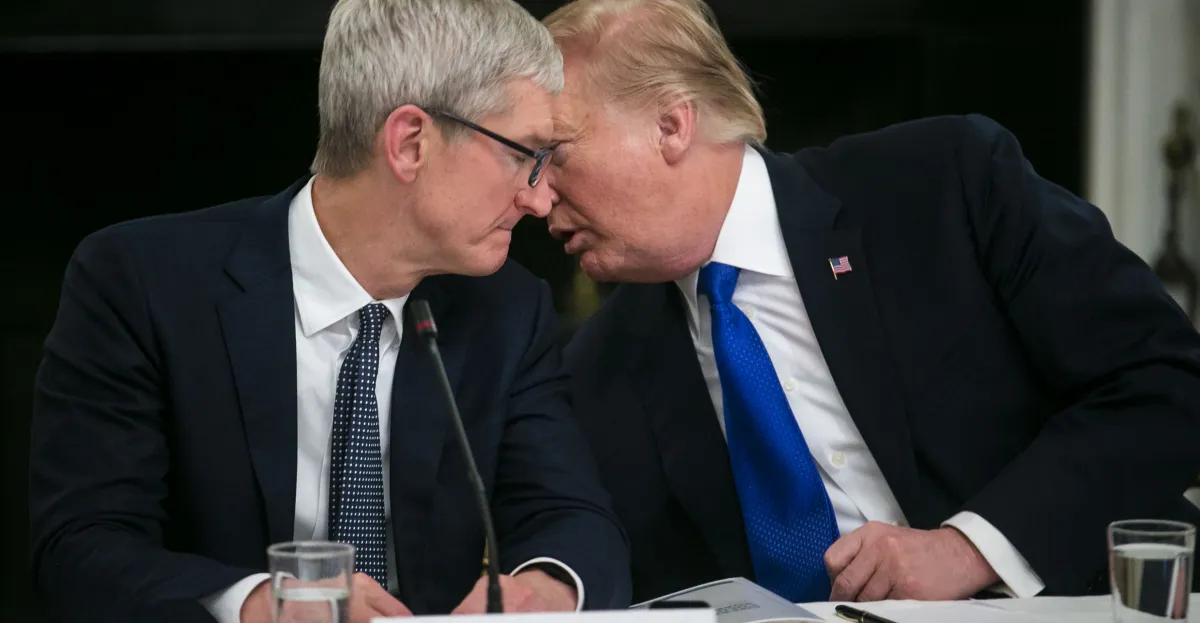
In a move that underscores ongoing innovation and disruption in the tech sector, Tim Cook has transitioned from CEO to the role of Apple’s executive chairman, while John Ternus, senior vice president of hardware engineering, takes the helm as CEO. This leadership shakeup arrives at a critical juncture for the industry, as Apple braces for mounting regulatory pressures and geopolitical tensions shaping the tech landscape. With Cook remaining actively involved in high-stakes policy negotiations—particularly with U.S. policymakers—Apple continues to navigate complex global economic dynamics, emphasizing business resilience in an era marked by technological disruption and policy upheaval.

The strategic retention of Cook’s influence highlights the importance of political diplomacy in maintaining Silicon Valley’s competitiveness. Historically, Cook has balanced Apple’s interests across contentious markets, notably China and the U.S., exemplifying how industry leaders must adapt to evolving policy climates. This is especially relevant as worldwide regulators, led by institutions like Gartner and MIT, pursue aggressive measures to regulate emerging AI technologies. These efforts aim to create a safer, more accountable ecosystem—yet pose significant hurdles for companies aiming to innovate without stifling growth.

Meanwhile, the industry faces disruptive shifts in market structures, driven by innovations in AI, 5G, and edge computing. Experts suggest that the next decade could define the battleground between regulatory constraints and technological breakthroughs. Apple’s pivot towards advanced hardware and AI integration exemplifies the company’s strategic focus on disruption. Despite the leadership change, Cook’s ongoing influence on policy and corporate strategy ensures Apple remains agile, capable of tackling complex issues like AI regulation, app store oversight, and international trade tensions.

Looking ahead, the industry’s trajectory hinges on adapting to a rapidly shifting geopolitical landscape and embracing cutting-edge innovation. Companies that effectively leverage disruption while navigating policy constraints will be best positioned for sustained growth. As Elon Musk and other visionaries push the frontiers of electric vehicles, space exploration, and AI, the urgency for young tech leaders to adopt a proactive stance intensifies. The coming years promise a fierce contest at the intersection of tech innovation and regulatory power, underscoring the necessity for strategic foresight in the face of relentless change.
V&A Dundee Showcases the Evolution of Style: From Quiet Salons to Today’s Bold Runways

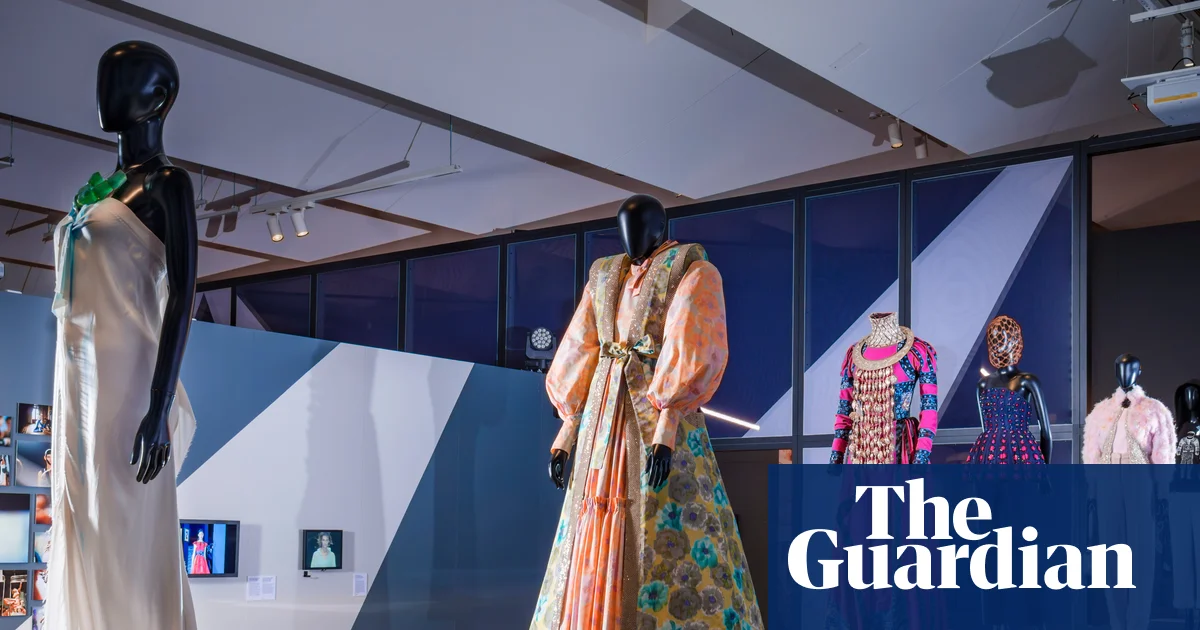
Since its inception, the fashion industry has served as a mirror reflecting and shaping societal shifts—yet few segments showcase this relationship as vividly as the evolution of the catwalk. The new exhibition, “Catwalk: The Art of the Fashion Show”, now on display at the V&A Dundee, makes this undeniable connection clear. Tracing a history over more than a century, it highlights how the runway has transitioned from elite salons to a global spectacle that influences everything from our wardrobes to social norms. It’s undeniable: fashion’s runway isn’t just about clothes; it’s a cultural institution that roars at the heart of societal change.

The exhibition offers a compelling journey—from the early days of mannequins vivants in the 1850s—a precursor to the modern model—to the theatrical, stunt-filled shows of today. Visitors can view iconic props, including Karl Lagerfeld’s autumn/winter 2018 Chanel rocket launch set against a backdrop of models and designers pushing the boundaries of spectacle. This transformation, according to fashion critics and sociologists like Dr. Olivia Powell, demonstrates how the runway has evolved into a platform for pushing social and cultural narratives. Whether it’s the rebellious metal mirror dress by Paco Rabanne or the provocative protests staged through runway parades, the fashion show has become a form of social dialogue that resonates far beyond the runway lights.

  • **The digital age** has accelerated this trend, turning the runway into a multi-screen, livestreamed event accessible to millions worldwide.
  • **Luxury conglomerates** of the late 20th century transformed fashion shows into battlefields of branding and aspirational marketing, with high concept stunts like Chanel’s space-themed extravaganza or Balenciaga’s oddball invitations capturing headlines and social media feeds alike.
  • **Local heritages**, like Scotland’s rich history of fashion, are now woven into this tapestry, with the Dundee exhibition showcasing designers such as Christopher Kane and Nicholas Daley—highlighting that fashion’s story is truly global but also deeply rooted in local identity.

What makes this trend particularly compelling is its social democratization. Despite the exclusivity of front-row seats, the backstage process reveals a collaborative, creative chaos—wigs, makeup, and design work done in concert—highlighting how fashion increasingly reflects collective efforts. This *shared* creative process suggests that the essence of fashion’s cultural impact isn’t just in the finished product but in its creation as a community of artists, makers, and thinkers. As fashion historian Svetlana Panova points out, the runway is now a “public stage,” open to interpretation, critique, and participation across social media platforms, blurring the lines between insiders and outsiders.

But as fashion shows become more of a spectacle—filled with flying rockets, layered costumes, and wild invitations—the questions about the *future* of fashion’s cultural role emerge. Are these trends a fleeting flash or a lasting testament to society’s appetite for spectacle and storytelling? More importantly, as digital realms continue to shape the industry, the next great question is: will the fashion show’s power to influence society endure in a world increasingly driven by virtual experiences and fleeting trends? In this age of rapid change, one thing remains clear: the runway has always been about more than just clothes. It’s a mirror held up to society, and perhaps, as the exhibition suggests, everyone is already on the guest list for what’s next.”

Border Chief Promises ICE Improvements, Keeps Quiet on U.S. Citizen Shootings — Live Update on Minnesota ICE Incidents

In an era defined by shifting geopolitical sands and undercurrents of conflict, the United States continues to grapple with the implications of its immigration policies, both domestically and on the world stage. Under the leadership of figures like Tom Homan, Trump-era border czar, the federal government has maintained a stance of aggressive enforcement, emphasizing “targeted” operations and the assertion that “if you’re in the country illegally, you’re never off the table.” This approach, often characterized by no-holds-barred enforcement tactics, has sparked controversy and raised alarms internationally. Analysts warn that this aggressive posture not only deepens internal societal divisions but also has ripple effects across bilateral relations, especially with neighbors like Mexico and in the broader context of global alliances.

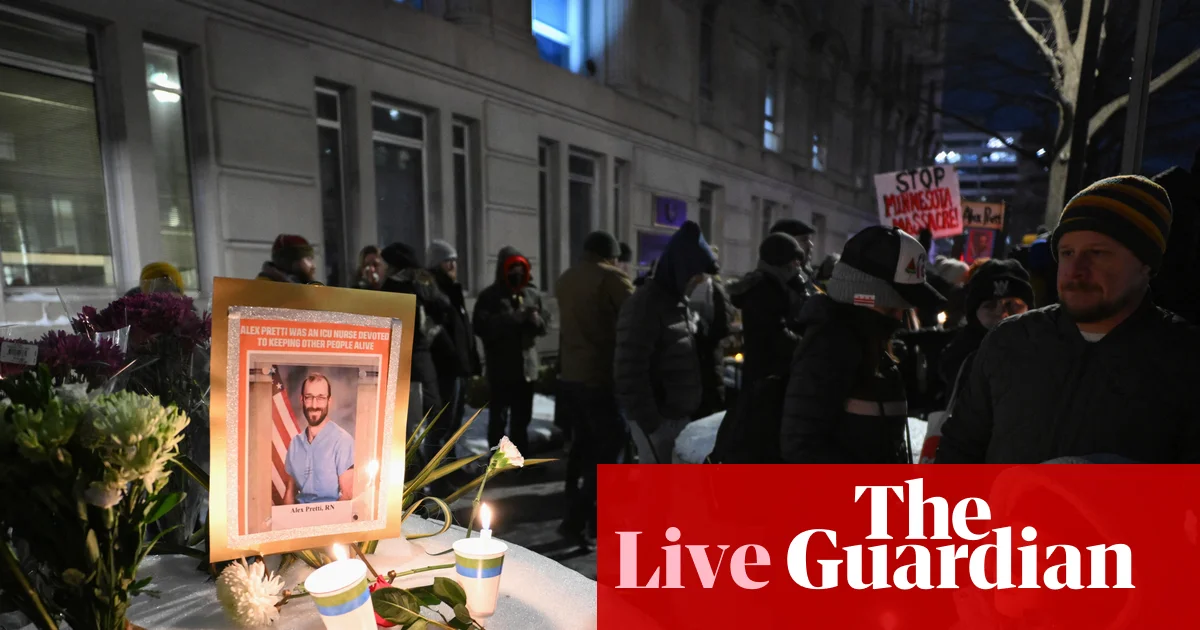
This latest surge in immigration enforcement coincides with increased tensions within Minneapolis following the fatal shooting of Alex Pretti by federal agents, an incident that has sharpened divides and intensified scrutiny of the federal government’s approach. Despite growing public outrage and protests, as witnessed during recent confrontations captured on video, officials such as Homan remain resolute, refusing to specify “improvements” or comment on specific investigations. “We know exactly who we’re looking for,” Homan declared, underscoring the relentless focus of federal agents on targeting *all* undocumented individuals, regardless of their criminal record or civil status. Critics argue that such policies risk dehumanizing vulnerable populations and escalating civil unrest, further complicating the already fragile rule of law within American jurisdictions.

Geopolitical Impact: A World Divided Over Sovereignty and Security

The unfolding situation in Minnesota and other states exemplifies how internal policy decisions can have profound geopolitical impacts. America’s stance on immigration, reinforced by directives from officials like Homan, signals a tough-on-immigration posture that resonates globally. Countries like Mexico and European nations watch with concern as the U.S. tightens border security and ramps up enforcement actions, often at the expense of diplomatic goodwill. The Biden administration, while attempting to soften some policies, faces mounting pressure from political factions demanding a line in the sand. Experts from think tanks and international organizations warn that prolonged enforcement crackdowns, especially when accompanied by violence and civil unrest, could destabilize regional security, increase refugee flows, and threaten global economic stability.

Meanwhile, the international community’s response remains mixed. While some nations criticize the U.S. for human rights violations, others, especially those facing their own migratory crises, look to Washington’s policies as a cautionary tale or even a blueprint. The United Nations and human rights advocates warn that the U.S. approach risks fostering a climate of fear and intolerance. In the global arena, the perception that the U.S. is prioritizing aggressive immigration enforcement over diplomatic cooperation can weaken alliances — including NATO — which already seemed shaken by rifts over policies such as Trump’s threats to impose tariffs on European allies and his ambitions over Greenland. How these internal policies shape perceptions and alliances will undoubtedly determine the geopolitical landscape for decades to come.

Reshaping Domestic Politics and Society

Within the American political arena, these enforcement actions and incidents like the Minneapolis shootings have catalyzed debates over sovereignty, civil rights, and the future of immigration reform. The recent announcement by Senator Amy Klobuchar of her bid for California governor and the rise of moderate figures like Matt Mahan reflect a nation at crossroads—one divided sharply along ideological lines over the best course of action. The relentless discourse around immigration has also seeped into local elections, with candidates blaming violence and social decay on federal policies, and promising to restore order and civility. Analysts warn that unless a decisive shift occurs, America’s internal divisions could deepen, leading to an unstable socio-political landscape that might result in further civil strife and international consequences, reminiscent of Cold War-era power struggles that shaped history.

As the world witnesses these tumultuous shifts, history eyes America’s next move—will it continue down the path of fierce enforcement and internal conflict, or will it seek a new vision rooted in collaboration and justice? The decisions made today—whether in Minneapolis, Washington, or in international diplomacy—are forging the narrative of an uncertain tomorrow. The odyssey of a nation caught between sovereignty, security, and the universal human quest for freedom is far from over; it remains unwritten on the expansive canvas of history, waiting for its next chapter to unfold in the shadows of a world still learning how to survive and thrive amid conflict and change.

Social Media Auto Publish Powered By : XYZScripts.com