Matox News

Truth Over Trends, always!

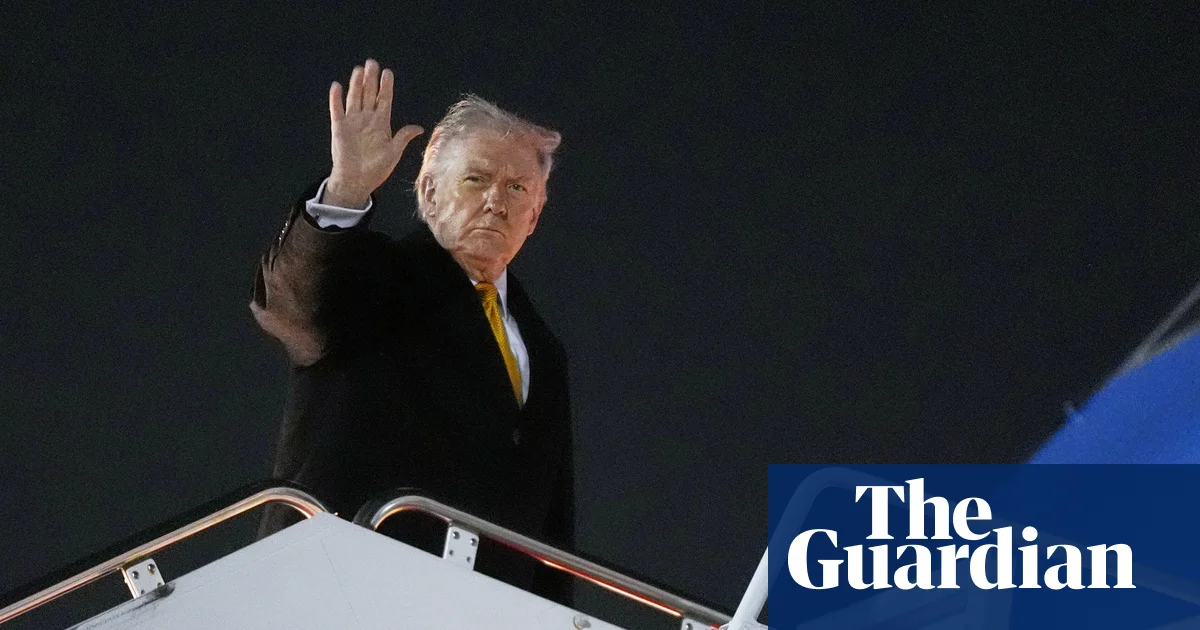
Trump considers $2,000 payout from tariffs to rally youth support

The United States continues to grapple with its turbulent economic policy trajectory under President Donald Trump, who recently rekindled debates over domestic fiscal relief through controversial means. On Sunday, Trump suggested the possibility of distributing $2,000 stimulus checks funded by tariffs collected from global trade partners. His statement, posted on Truth Social, explicitly demanded public support by promising that the taxpayer-funded “dividend” would exclude high-income earners. This move appears to be a strategic effort to rally populist backing amid ongoing economic uncertainties, emphasizing a populist narrative of economic redistribution linked to trade policy.

However, the geopolitical and economic implications of such a plan extend far beyond mere campaign rhetoric. The U.S. Treasury Department and top financial officials have signaled a different reality: the primary use of tariff revenues is to address the mounting national debt, which now exceeds $38 trillion. According to Treasury Secretary Scott Bessent, the tariff proceeds—approximately $195 billion collected in the first three quarters—are being directed primarily toward reducing the federal debt rather than delivering direct economic benefits to American citizens. Such decisions highlight a fundamental shift in how trade policy impacts national sovereignty and economic stability, as policymakers balance the populist appeal of economic relief with the bitter realities of fiscal responsibility and international debt obligations.

Since April, widespread tariffs imposed by the Trump administration have significantly increased costs for American consumers, with data from Yale Budget Lab indicating an effective tariff rate nearing 18%, the highest since 1934. This escalation has been passed along the supply chain, pressuring families and small businesses alike—an unintended consequence of a policy that aims to protect American industry but often results in higher living costs. Analysts and international trade experts warn that such measures risk fueling long-term trade tensions and economic fragmentation, disrupting global supply chains and provoking retaliatory actions from trading partners, from the EU to China. Meanwhile, the Supreme Court has taken up cases challenging the legality of these broad tariffs, underscoring the international legal and diplomatic complexities at play.

  • In October, Trump proposed checks from tariff revenues ranging between $1,000 and $2,000, revisiting a recurring theme that tariffs can serve as a tool for direct economic redistribution.
  • The idea of a $5,000 dividend — floated earlier with Elon Musk — was ultimately dismissed as the national deficit expanded and federal spending cuts proved insufficient.
  • Historian and international economist Anne-Marie Slaughter warns that such short-term populist measures risk undermining the broader goals of economic sovereignty and global stability, emphasizing the need for sustainable fiscal policies rooted in international cooperation and fairness.

The unfolding showdown over global tariffs signals a pivotal juncture: the reshaping of America’s economic relationships and the recalibration of its role on the world stage. As international institutions scrutinize and challenge the legality of Trump’s tariff policies, it becomes clear that the decisions made today will reverberate well into the future, affecting everything from international trade balance to societal well-being. The confrontation over tariffs is more than politics; it is a defining chapter in the ongoing contest for economic sovereignty—a battleground where decisions made by an increasingly polarized nation could determine the course of global power dynamics for generations to come. The weight of history presses heavily upon the current administration, as the world watches whether the United States will steer toward renewed dominance through tariffs or risk fragmenting its economic foundation amid mounting debts and international pushback.


NSW Police Under Fire for Double Standard at Neo-Nazi Rally Amid Jewish Groups’ Call for Justice

Global Wake-Up Call: Neo-Nazi Rally in Australia Ignites Widespread Criticism

The recent approval of a neo-Nazi rally outside the New South Wales parliament by authorities has sent shockwaves across the international community, exposing troubling cracks in the global fight against extremism and hate speech. Despite the existence of controversial hate-incitement laws, decision-makers in Australia allowed a gathering of about 60 individuals clad in black—calling openly for the abolition of the Jewish lobby—raising questions about the consistency and effectiveness of anti-hate legislation worldwide.

Double Standards and Political Fallout

In an unprecedented move, NSW police authorized the rally under the so-called form 1 process, a procedural step that allows authorities to approve protests unless explicitly objected to. However, police commissioner Mal Lanyon claimed ignorance of the rally’s approval until after it was underway, citing a “communication error”. The event’s approval sparked widespread condemnation from Jewish advocacy groups, human rights organizations, and political leaders alike. Premier Chris Minns publicly acknowledged that the rally should not have been authorized and announced a review into the police’s decision-making processes, highlighting a troubling inconsistency in law enforcement response: similar processes had previously been applied to pro-Palestinian protests, which faced swift challenges, yet far-right demonstrations such as this neo-Nazi rally were seemingly given a pass.

Societal and Geopolitical Ramifications

Analysts warn that this glaring double standard has broader underpinnings impacting geopolitical stability. As global institutions like the United Nations call for stronger measures against hate speech, national governments face mounting pressure to reconcile civil liberties with the imperative to curb rising far-right extremism. The incident raises questions about the effectiveness of existing hate laws and their enforcement in democratic societies that value free protest yet struggle to contain dangerous rhetoric. While authorities debate expanding police powers, the world watches tightly—concerned that Australia’s failure to prevent this rally could embolden similar acts of hate elsewhere.

Calls for meaningful action

Prominent figures such as Sarah Schwartz, CEO of the Jewish Council of Australia, have accused police of inconsistency, emphasizing that neo-Nazi acts—though dressed as protests—are unmistakably acts of hate speech. Meanwhile, Alon Cassuto, head of the Zionist Federation of Australia, condemned the rally as a breach of democracy, urging a comprehensive investigation into how such a rally could be permitted in a nation that recently adopted strict laws against inciting racial hatred.

In response, Premier Minns expressed regret and contemplated granting police additional powers to shut down racist and hateful events—yet critics argue that existing laws are sufficient, demanding a concerted effort to implement and enforce them effectively. Global voices like the Human Rights Law Centre suggest that Australia’s failure reflects a broader cultural struggle: how to balance freedom of expression with the urgent need to combat renewed white supremacist violence.

As the dust settles, the question remains whether this incident serves as a turning point or mere headline in the ongoing battle against international hate. History watches silently as a nation grapples with its own divided conscience—trying to root out hatred without trampling on the civil liberties that define its democracy. The outcome will resonate far beyond Australian borders, shaping the future of how societies confront the darkest currents of history still swirling beneath modern veneer.

Vogue World 2025: Hollywood A-Listers Rally for LA Wildfire Relief – Must-See Photos of the Night

The Vogue World 2025 event, now in its fourth edition, reaffirms the fashion industry’s evolving role as both a cultural catalyst and a social advocate. Held once again at the iconic Paramount Studios, this star-studded gathering under the direction of Anna Wintour was far more than a showcase of trends. It was a statement of purpose, raising an impressive $4.5 million to support costume designers impacted by the recent LA wildfires. This philanthropic angle underscores an increasingly common trend: fashion’s active engagement with social issues, turning style into a vehicle for meaningful change.

In recent years, the boundaries between fashion, activism, and social impact have blurred significantly. Influencers and celebrities recognized this shift early, using their platforms to spotlight pressing issues, and the industry’s elite now pivot from merely setting trends to shaping societal dialogue. Vogue World, in particular, epitomizes this transformation. Its focus extends beyond garments—it’s about fostering community, defending cultural craftsmanship, and advocating for resilience in the face of adversity. The event’s capacity to raise such a substantial charity sum demonstrates how fashion can serve as both a mirror and a motor of societal progress.

Now more than ever, this event and its social messaging resonate with a generation that views style not just as self-expression but as a statement of values. Youth influencers like Emma Chamberlain and Noen Eigee have championed sustainable fashion and social justice, further propelling the notion that embracing activism fuels authenticity. Sociologists note that this shift reflects a broader cultural demand for accountability and purpose from institutions. The fashion industry’s embrace of philanthropy and social responsibility is not just a trend but a reflection of a new era—one where style equates to standing for something meaningful.

Looking ahead, the question remains: how sustainable is this wave of socially conscious fashion love? Will brands and designers maintain their commitment as the spotlight shifts or as economic pressures mount? As the next generation of consumers becomes more intentional about their engagement with brands, the industry’s ability to integrate authentic activism and cultural advocacy will be the true test. The future of fashion might not just be about what looks good but about what *does* good—and whether this trend will elevate fashion from a lucrative industry to a true agent of societal transformation.

Labour needs to rally and boost youth optimism after Welsh setbacks, Streeting urges

Labour’s Midterm Malaise Signals Broader U.K. Political Challenges

Amidst a backdrop of mounting political disillusionment in the United Kingdom, recent developments reveal a party grappling with the realities of governance, public confidence, and its geopolitical significance. Labour, long considered the historic voice of working-class Britain, faces notable setbacks that threaten to undermine its global standing. A decisive byelection loss in Caerphilly, a seat that had faithfully served Labour for over a century, marks a troubling moment that analysts interpret as an indicator of faltering voter trust. This defeat, coupled with internal party tensions and a declining voter turnout—only 16.6%—illuminate a wider malaise that echoes across democracies worldwide, where parties are struggling to deliver tangible change in the face of economic hardships and shifting societal values.

Internal Struggles and the Future of the Labour Party

The recent leadership shuffle within Labour signals an ongoing ideological and strategic contest that has ripple effects well beyond the borders of Great Britain. New Deputy Leader Lucy Powell, elected with a clear mandate to reconnect the grassroots with party leadership, embodies an attempt to reinvigorate the party’s base. Her emphasis on transparency and member inclusion aims to counteract the decline in electoral enthusiasm, yet questions persist about her practical authority amid internal divisions. This internal dynamic is reflective of a broader struggle within many Western parties: balancing authenticity and loyalty while trying to adapt to economic pressures and a fragmented electorate.

The Broader Geopolitical Impact of UK Political Turmoil

While these battles unfold within the domestic arena, their international significance cannot be overstated. The UK’s political stability bears direct consequences for its role on the world stage, especially in a time of escalating global tensions and the shifting balance of power. As analysts warn of the risks of “learning the wrong lessons,” the possibility of a less predictable or less cohesive British foreign policy emerges. UK decisions today—whether in trade negotiations, defense commitments, or diplomatic alignments—are increasingly influenced by the internal health of its political parties, shaping the way it interacts with allies and adversaries alike.

Historical Echoes and the Weight of the Future

  • Prominent historians have noted that Britain’s political crises often serve as barometers of broader societal shifts. The decline of traditional party dominance reflects a era of upheaval characterized by economic austerity, cultural realignment, and a search for national identity.
  • International organizations, including the European Union and the United Nations, monitor UK internal stability as it navigates the post-Brexit landscape, aware that internal discord can weaken—not strengthen—its influence on the global stage.

The next twelve months promise to be decisive. As Labour grapples with its internal fissures and the populace’s waning confidence, the world watches with bated breath. The decisions made here in Britain could redefine the geopolitical map, tilting it in uncertain, possibly perilous directions. History continues to unfold in Britain’s capital, with each parliamentary vote and policy shift echoing across continents—reminding us that in the interconnected web of nations, no internal political turmoil remains isolated.

Young Welsh activists rally to preserve linguistic heritage through placename submissions

Welsh Initiative to Preserve Historic Place Names: A Cultural and Political Victory

In a striking move to safeguard the rich tapestry of its heritage, Wales has launched a public-led project aimed at cataloging and preserving its ancient geographical names. This initiative, driven by the Welsh government, seeks to recover and immortalize local names—ranging from the whimsical Dôl y Tylwyth Teg (Fairy Folk Meadow) in Aberfan to the historic Ffynnon Glog near Rhyd—many of which are absent from mainstream online maps. Such efforts reflect a broader desire among the Welsh to assert cultural identity amid ongoing geopolitical shifts that threaten regional autonomy and linguistic heritage. As local communities rally behind these submissions, experts argue that how nations choose to preserve their history today will influence geopolitical stability and cultural resilience for generations to come.

This movement transcends regional pride; it is part of a larger pattern of nations revitalizing indigenous languages and identities in an era dominated by globalization and centralization. The Welsh government’s appeal for submissions has garnered nearly 200 entries within a mere two weeks, showcasing a potent grassroots response. Notably, the project builds upon prior mapping efforts like Mapio Cymru and partnerships with organizations such as Eryri and Bannau Brycheiniog national parks. These initiatives are not mere nostalgia but strategic measures—asserting sovereign cultural spaces in a world where borders are increasingly digital and fluid. The preservation of such placenames serves as a symbolic assertion of Wales’ distinct identity, reinforcing its geopolitical stance within the United Kingdom and on the European stage.

Analysts suggest that this effort is emblematic of a broader regional push across the UK and beyond, where minority nations and language groups seek to keep local histories alive against the tides of homogenization. Historians like Dr. Rhys Jones emphasize that “language and place are intertwined; they are the fabric of cultural memory.” Moreover, international institutions such as the Council of Europe advocate for protecting regional languages and place names as essential components of national sovereignty. As Wales actively documents and promotes its landscape’s historical names, it underlines a message of resistance: the preservation of language and history is a form of geopolitical defiance in a world where cultural dominance often erodes local identities.

As the project unfolds, it highlights the crucial role of grassroots activism combined with governmental support—an increasingly common model in regions seeking greater autonomy or cultural revitalization. In an age where global powers exert influence through economic and digital means, such localized efforts remind the world that history is not static but a living, breathing part of political discourse. By safeguarding these placenames, Wales reminds us that the sands of history continue to shift—and the true measure of a nation’s resilience lies in how fiercely it defends its cultural foundations. The story of Wales, with its ancient hills and folkloric fields, remains a testament to the enduring power of identity in shaping history’s ongoing narrative—an epic still being written at this very moment.

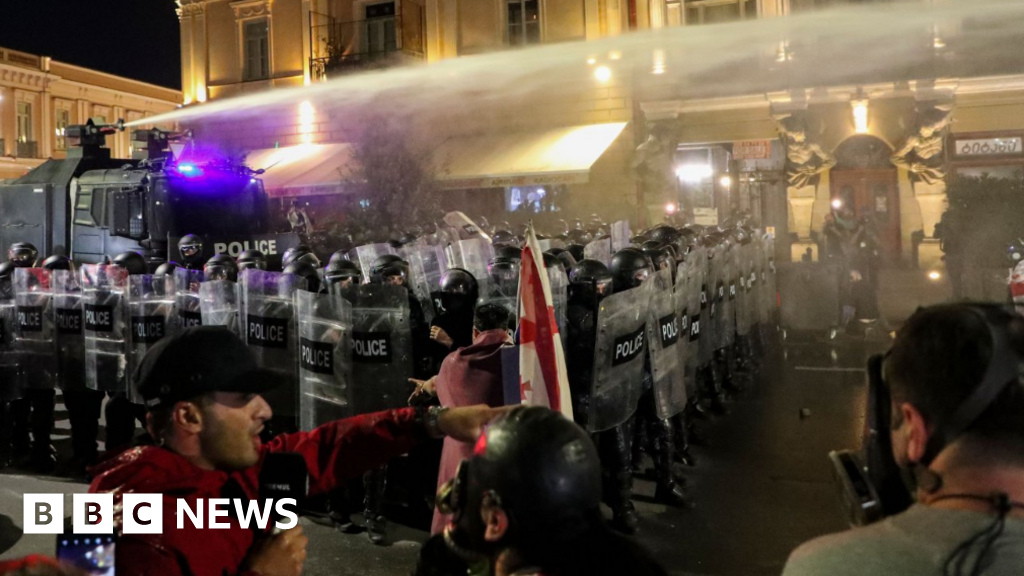
Georgia youth rally to defend national sovereignty at Tbilisi presidential palace

In an unfolding chapter of geopolitical instability, Georgia has spiraled into a state of escalating unrest, sending shockwaves through the Caucasus and attracting international scrutiny. The recent clashes in Tbilisi, characterized by police firing water cannons and pepper spray at thousands of protesters, mark a critical turning point in the nation’s ongoing struggle over sovereignty, democracy, and alignment with Western institutions. The crisis began when the ruling Georgian Dream party claimed victory in last year’s election—an outcome the pro-European opposition dismisses as fraudulent, sparking mass protests that culminated in attempts to storm the presidential palace. These events symbolize not only domestic dissent but also deeper geopolitical tensions that threaten to redraw regional alliances.

The protests, mobilized by a broad segment of Georgians demanding the release of political prisoners and fresh elections, have been accompanied by a significant crackdown—a pattern of repression highlighted by health injuries observed among police officers and protesters alike. The opposition, led by figures like opera singer Paata Burchuladze, and an energized youth contingent have overtly accused the government of succumbing to Russian influence and stifling democracy. The government’s response, including the use of aggressive crowd control tactics and the detention of opposition leaders, raises serious concerns about the future of democratic institutions in the country. Commentators such as analysts from the European Union warn that Georgia’s political crisis could destabilize the entire region, which remains a highly sensitive area amid ongoing conflicts and shifting alliances.

Since the suspension of talks on joining the European Union last November, the country has plunged into chaos. The decision was a pivotal warning shot for Western nations, illustrating how internal upheaval can influence broader regional stability. Many in the international community fear that the Georgian government’s tightening grip on opposition voices could pave the way for further authoritarian moves. Indeed, some historians argue that the current unrest echoes the early signs of deep-rooted societal divisions, with urban youth and regional supporters divided on Georgia’s direction towards Europe or Russia. The international organization EU and NATO have expressed concern over the potential for regional destabilization. As Georgia’s future hangs in the balance, the world watches, knowing that this struggle for democracy is more than just a local dispute—it is a mirror of the shifting global order.

As night falls on Tbilisi, the city remains a symbol of resilience amid chaos, with protesters solemnly declaring their resolve to reclaim their nation. The scene is emblematic of a broader battle—one where democracy and sovereignty are at stake, echoing through the corridors of international power. The decisions made beneath the turmoil hold the potential to shape not just the destiny of Georgia but to influence the geopolitical landscape of the Caucasus for generations to come. History, it seems, is watching as ordinary citizens and political elites alike confront the monumental forces that threaten to define the era, reminding viewers that sometimes the most pivotal moments in history are etched in the blood and tears of those daring to challenge the status quo.

Over 30 Dead in Tamil Nadu Political Rally Attack—Security Must Do More

Deadly Crush at Tamil Nadu Political Rally Sparks International Concern over Safety and Governance

The recent crush at a political rally in Tamil Nadu, India, resulting in at least 36 fatalities, underscores deeper issues related to crowd control, governance, and public safety that reverberate far beyond the Indian subcontinent. The incident, which unfolded during a campaign event for actor-turned-politician Vijay, reflects an alarming pattern of preventable tragedies that have plagued India’s mass gatherings. As tens of thousands of spectators packed into the Karur district, the delayed start and inadequate safety measures culminated in chaos, leaving families shattered and authorities under scrutiny. Analysts and international organizations are now raising questions about the capacity of Indian institutional frameworks to safeguard both public and political assemblies.

Global stakeholders and security experts warn that such tragedies are symptomatic of broader governance failures. In recent years, India’s reputation has been tarnished by repeated incidents where poor crowd management, insufficient emergency preparedness, and lax regulatory oversight have contributed to avoidable loss of life. The incident echoes past calamities at the Kumbh Mela festival and stadium crushes, which have triggered calls for urgent reforms. Organizations like Amnesty International and Human Rights Watch have criticized Indian authorities for neglecting critical safety audits and emergency infrastructure, with some analysts emphasizing that political appeasement often outweighs practical safety considerations in such mass events.

The geopolitical impact of these recurring tragedies extends beyond domestic borders, influencing India’s international image amid an increasingly tense global environment. India’s leadership under Prime Minister Narendra Modi has faced mounting pressure to demonstrate competence and responsiveness, especially as the nation seeks to assert its regional dominance and attract foreign investment. The incident has drawn condemnations from various international bodies, with some voices warning that neglecting public safety erodes the foundation of social trust needed for nation-building. Historians like Ramachandra Guha note that such failures threaten to undermine India’s reputation as a burgeoning global power, emphasizing that persistent safety lapses risk long-term international credibility.

In the wake of this tragedy, India’s government has promised an inquiry into the event and announced compensation to the victims’ families. Yet, many experts contend that these gestures, while necessary, are merely stopgaps in a larger systemic failure. Emergency response teams are often strained, and the regulatory environment remains fraught with loopholes that allow unsafe practices to persist. How nations respond to such incidents is a litmus test of their governance resilience and commitment to human life. Meanwhile, voices from the international community warn against complacency — highlighting that the longevity of India’s democratic institutions depends on their ability to prevent such preventable tragedies, rather than merely reacting to their aftermath.

As the dust settles and the world watches, the tragic toll at Tamil Nadu serves as a haunting reminder that history’s pages are still being written. This incident is not merely a story of loss but a stark call for accountability and reform. The questions of safety, governance, and societal responsibility loom large — as the weight of history presses upon the present, urging nations and leaders alike to confront the urgent need for systemic change. In the shadows of this tragedy, the future remains uncertain, yet unmistakably tense, awaiting the decisive actions that could prevent the next bloodstained chapter from unfolding in the annals of international history.

Social Media Auto Publish Powered By : XYZScripts.com