Matox News

Truth Over Trends, always!

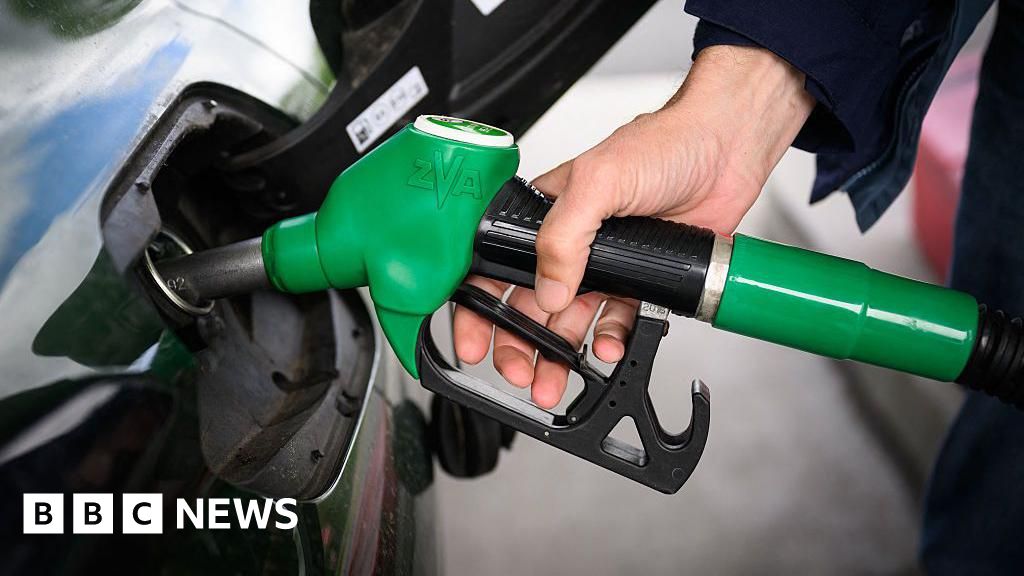
Oil prices drop as Iran claims Strait 'open'—markets rally for the youth?
Oil prices drop as Iran claims Strait ‘open’—markets rally for the youth?

In a significant development that has sent shockwaves through international markets, Brent crude oil prices plunged by nearly a tenth following Iran’s announcement that the vital Strait of Hormuz will remain open to commercial shipping for the duration of a ceasefire. This announcement, delivered by Iranian officials, has immediate ripple effects on global energy security, geopolitics, and economic stability, illustrating the fragile interplay between regional conflicts and worldwide markets.

The Strait of Hormuz is recognized as one of the world’s most crucial maritime chokepoints, with approximately 20% of global oil trade passing through its narrow waters. For decades, this strategic strait has been a flashpoint for tension, often influenced by the complex web of regional alliances, military posturing, and international sanctions. Iran’s decision to keep the waterway open during the current ceasefire reflects a calculated move that has profound geopolitical impact—demonstrating Iran’s intent to assert control and avoid further economic sanctions while also signaling a readiness for dialogue.

International analysts, including those from the International Energy Agency (IEA), see this move as a potential alleviation of market fears that prior escalation could have led to supply disruptions. However, the decision also underscores the precarious balance in the Gulf region, where shifts in maritime policies can escalate tensions among the United States, regional Gulf states, and Iran. Historically, such pivotal moments have often either calmed markets or triggered cycles of instability. This time, the market’s muted response suggests a cautious optimism—yet all understand that this peace remains fragile and temporary.

The decision by Iran comes amid ongoing efforts by global diplomatic efforts to de-escalate hostilities and reopen dialogues on nuclear and regional security issues. Yet, critics warn that the declaration might be more of a tactical pause than a sign of lasting peace. The reaction from regional allies, especially Gulf monarchies, is mixed. Some perceive Iran’s move as a pragmatic step to mitigate economic distress, while others remain wary of underlying motives. The international community — including the United Nations — continues to call for restraint, but underlying tensions persist, threatening to unravel this fragile window of calm.

This episode illustrates a broader truth that resonates through history: the decisions made in strategic choke points are emblematic of larger geopolitical rivalries that shape the modern world. Nations that control critical waterways wield influence far beyond their borders, with every shift risking escalation or reconciliation. As historians and analysts observe, today’s events in the Gulf are a chapter in a long saga of conflict, diplomacy, and competition for dominance that will define the global landscape for generations. With the oil market reacting in real-time, the true test lies ahead—whether this renewed openness in the Strait of Hormuz will herald a period of stability or merely serve as a fleeting pause before the next storm in the ever-turbulent seas of international power play.

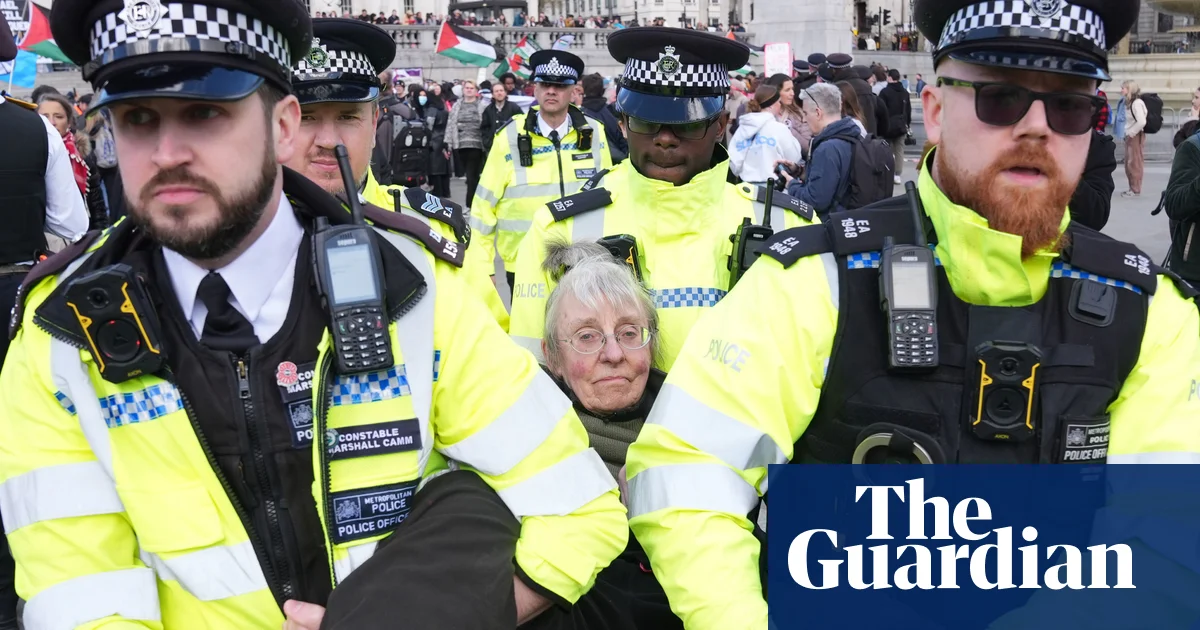
Over 90 Protesters Arrested at London Palestine Action Rally

International Wake-Up Call: UK Police Crack Down Amidst Growing Palestinian Solidarity Movements

The recent events in London have sent shockwaves across the global geopolitical landscape. More than 90 individuals, ranging from the young to the elderly, were arrested during a mass demonstration in Trafalgar Square, protesting the unlawful proscription of Palestine Action by the British government. This police crackdown, despite the High Court’s ruling that the group’s ban was inherently disproportionate and unlawful, exemplifies how international conflicts have entered the streets of the West with a ferocious intensity. Such actions not only highlight domestic resistance but also serve as a wider reflection of the international community’s discomfort with London’s stance on the Israeli-Palestinian conflict.

Analysts have pointed out that the decision by UK authorities to enforce the proscription—despite legal setbacks and warnings from leading lawyers—reveals a troubling shift towards suppressing dissent through heavy-handed tactics. The High Court previously declared the group’s activities not reaching the threshold of terrorism, but the police’s enforcement signals a broader effort to stifle international solidarity movements under the guise of maintaining public order. This move leaves a clear geopolitical impact: it underscores the mounting tension between Western governments and global organizations like the UN, which have condemned the proscription as “chilling” and an attack on free speech. The crackdown is institutionalized suppression that threatens to embolden other governments to follow suit, potentially curbing peaceful protests across borders.

Crucially, the voices of seasoned advocates — including hunger strikers and former prisoners — illuminate the internal gravity of the situation. Qesser Zuhrah and Kamran Ahmed, who endured months-long hunger strikes, emphasized that their activism is rooted in a moral imperative: to confront what they see as *state-sponsored war crimes* and international law abuses. They argue that the real terrorists are those who generate the weapons that devastate Palestinian lives — a stark contrast to the narrative promoted by London’s current administration. These assertions not only challenge the legitimacy of the proscription but also raise serious questions about the role of Western diplomacy in perpetuating regional conflicts.

Beyond the streets, the global reaction remains divided but increasingly critical of London’s stance. UN officials, along with historians and international watchdog organizations, warn of a dangerous trajectory where free speech and peaceful protest are sacrificed on the altar of political expediency. As the appeals process of the High Court’s decision plays out, the weight of history hangs in the balance: will the UK’s pursuit of silence over solidarity mark a turning point towards authoritarianism, or will international pressure force a reconsideration of the measures taken? The looming courtroom battles, set for late April, will undoubtedly serve as a critical juncture. The world watches as the battle for truth, justice, and the right to protest unfolds—reminding us all that, amid the tumult, history continues to be written with every arrest and every rally, every courtroom, and every silent plea for justice.

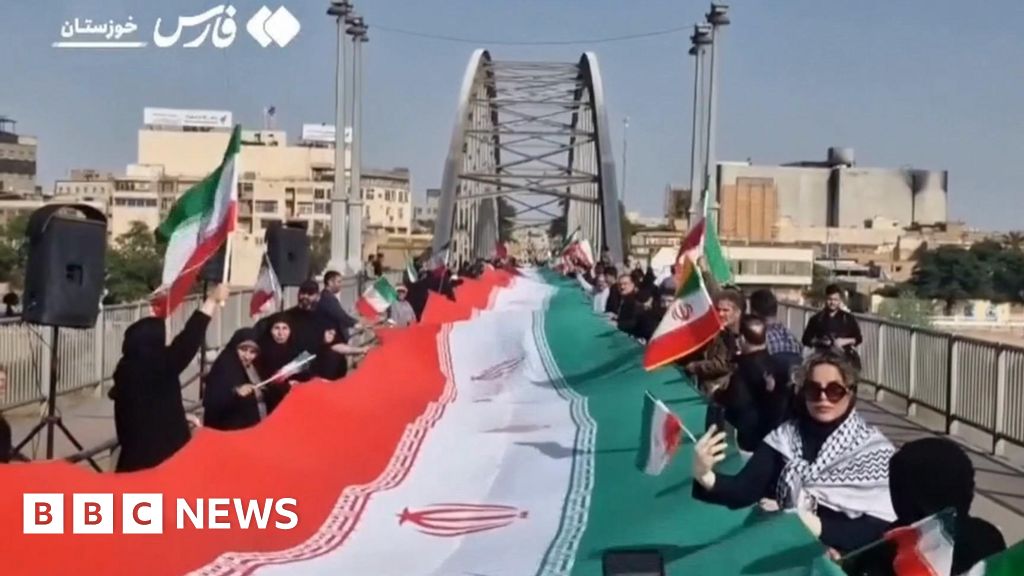
Iranians rally together, forming human chains at bridges and power plants to stand up for their future

The tension in the Middle East has once again escalated sharply following recent threats from former US President Donald Trump against key civilians and critical infrastructure in the region. In response, Tehran has urged its citizens to gather and remain vigilant outside potential US and Israeli targets, signaling a shift toward heightened military preparedness and a potentially volatile escalation of regional conflicts. This provocative move has drawn condemnation from international observers, but also underlines the volatility of a geopolitical landscape that is increasingly unpredictable amid the ongoing rivalries and alliances shaping the region.

Historian and geopolitical analysts emphasize that such rhetoric and actions risk creating a cycle of escalation reminiscent of past conflicts that have destabilized the area for decades. The call for mass gatherings outside sensitive sites indicates a strategic attempt by Iran to project strength and resilience in the face of external threats, but it simultaneously raises the likelihood of miscalculations that could lead to wider confrontations. This response must be understood within the larger context of years of sanctions, covert operations, and regional proxy wars, which continue to fragment national sovereignty and threaten global stability. The United Nations and various international organizations have expressed concern over the potential for conflicts to spiral out of control, warning that such developments could spark a broader regional war with catastrophic consequences.

Experts caution that recent threats and citizen mobilizations serve more than just a symbolic purpose. They underscore the necessity of understanding the geopolitical impact of this escalation. As U.S. and Israeli leaders continue to push policies perceived as hostile in Tehran, the Iranian government seems determined to demonstrate that its defense capabilities are robust and that it is prepared to retaliate in kind if provoked further. Such brinkmanship could threaten to unravel the fragile balance of power in the region, with neighboring states caught in the crossfire and global powers reevaluating their commitments to peace and stability. Diplomatic efforts, while ongoing, appear increasingly strained as the shadow of conflict lengthens over the horizon.

International voices, including prominent analysts and organizations like HSBC’s geopolitical research team, warn of the long-term consequences: the resurgence of hostilities might lead to an era of heightened insecurity and economic disruption across the Middle East. History has demonstrated that such moments—marked by inflammatory rhetoric and military posturing—often open the door to unforeseen conflicts. As the world watches, the region’s fate lies precariously in the balance, remnants of diplomacy fraying at the edges. With each passing day, the decisions made today could forge a new chapter in the history of global conflict, a chapter written in the blood of innocent civilians and the rubble of broken societies. The weight of history presses heavily on the shoulders of leaders and nations alike, as the chaotic dance of war and peace continues to unfold amid the sands of a region on the brink.

Students Rally Against Teacher Shortages to Demand Change

Strategic Support for Students: Addressing Educational Pressure in Guernsey

Amid mounting concerns over academic pressures faced by students, officials in Guernsey are exploring innovative solutions to bolster educational outcomes. The possibility of deploying specialist teachers from outside the island signals an understanding that traditional classroom approaches may no longer suffice in nurturing the next generation. This initiative highlights broader societal issues regarding the escalating expectations placed on young learners, the stress they endure, and its ripple effects on families and communities.

The decision comes at a time when educators and social commentators recognize that the pressures confronting students are multifaceted. Many families are grappling with the demands of competitive academic environments, which often lead to anxiety, burnout, and a sense of inadequacy among pupils. According to sociologist Dr. Lisa Grant, “When the focus shifts solely to exam results, the holistic development of a child is compromised, impacting not only their well-being but also the stability of family units and local communities.” The involvement of specialist teachers is intended to offer targeted support, alleviate some of these burdens, and foster an environment where learning is less about pressure and more about engagement.

Incorporating external expertise aligns with global trends emphasizing mental health and student-centered learning,” notes educational historian Dr. Paul Evans. However, critics caution that merely bringing in specialists may overlook deeper structural issues, such as curriculum rigidity or societal expectations that dictate academic excellence as the primary pathway to success.

  • Many families face economic strains that hinder access to supplementary resources, intensifying disparities and academic inequalities.
  • Schools are often underfunded, limiting their capacity to offer personalized support or mental health services.
  • The societal fixation on individual achievement fosters competitive atmospheres, which can be detrimental to community cohesion and the collective well-being.

Addressing these issues requires a comprehensive approach—one that involves community engagement, policy reform, and investment in mental health infrastructure.

As society advances, the challenge remains to cultivate an environment where young people can thrive without sacrificing their mental health or social bonds. The integration of specialists into Guernsey’s educational framework exemplifies one step toward that goal, emphasizing the need for resilient communities capable of nurturing not only academically capable but emotionally healthy individuals. In the quiet hopes of a child finding joy in learning and a family standing united amidst societal pressures, dawns a new opportunity for transformation—if society dares to pursue it with earnest resolve.

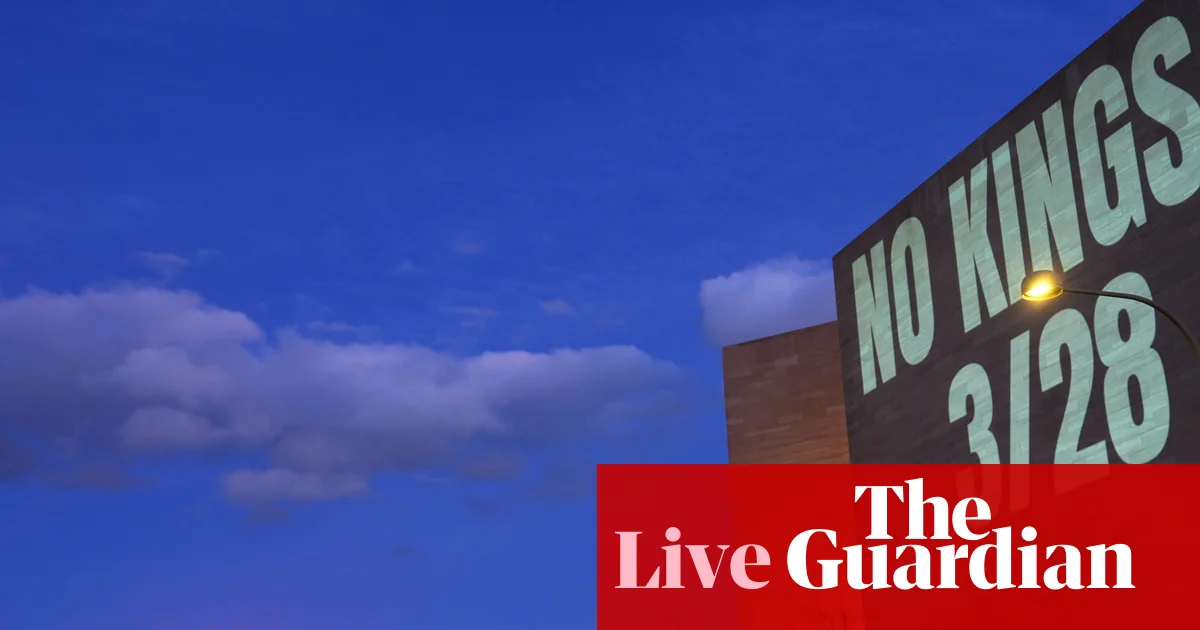
No Kings Protests: Massive Global Rally Against Trump and the Deep State

Unrest Ignites Global Resistance: The Geopolitical Impact of America’s Domestic Movements

In recent months, the United States has witnessed an unprecedented surge in mass protests, echoing beyond its borders and shaping the geopolitical landscape in ways few anticipated. Drawing inspiration from concepts like the 3.5% protest rule, which posits that sustained mass participation by even a fraction of the populace can topple authoritarian regimes, American citizens have mobilized at an astonishing scale. From the expansive No Kings protests against the Trump administration to demonstrations demanding accountability for immigration, climate, and social justice, these grassroots movements are redefining the boundaries of civic activism and challenging traditional power structures in democracy.

According to political analysts and historians like Dr. Erica Chenoweth of Harvard Kennedy School, such high levels of participation—sometimes estimated in the millions—signal a potential turning point for American democracy. However, the ripple effect is felt more broadly. Countries across Europe, Asia, and the Middle East are observing these protests closely, with many seeing parallels in their own struggles against authoritarian populism, far-right extremism, and elite dominance. In the UK, the Together Against the Far Right march drew nearly half a million multicultural advocates—outpacing some national policies—indicating that resistance is now a universal language of the youth, especially when political elites falter or ignore the grassroots.

The geopolitical impact of such movements extends beyond simple protests; they threaten the stability of fragile regimes and influence international relations. The coordination of protests in multiple US states—especially in Minneapolis, where activists rallied against police brutality and immigration enforcement—has been likened by foreign policy experts to a modern form of soft power. Countries like Russia and China are reportedly monitoring these unrests, aware that the spread of such resistance challenges not just the U.S. political order but also global narratives about liberal democracies. As the Crowd Counting Consortium reports over ten thousand protests in 2025 alone—an increase of over 130% from previous years—the world witnesses a new era where domestic upheaval becomes an international phenomenon.

Added to this, measures taken by the U.S. government—such as deploying federal troops and militarized police—highlight a troubling shift toward authoritarian tactics, inspiring reactions worldwide. The protests in London, Porto, and Berlin reflect a shared sentiment: that rising extremism and the erosion of democratic safeguards are issues that transcend borders. International organizations and democracy advocates warn that unless the collective voice of the youth and marginalized is heeded, the dominoes could begin to fall across nations, triggering a global crisis of legitimacy.

As history continues to unfold, it remains uncertain whether these protests will catalyze genuine systemic reform or escalate into more authoritarian crackdowns. Seared into the collective memory are images of millions marching against what they perceive as the betrayal of democracy, with the specter of history—like the upheavals of the civil rights era—looming just beyond the horizon. What is undeniable, however, is that this formidable wave of resistance signals a profound shift: a stark reminder that in the theater of geopolitics, the power of the people cannot be underestimated, and the pages of history are once again being written—sometimes with the blood of confrontation, but always with the indomitable spirit of youth revolution.

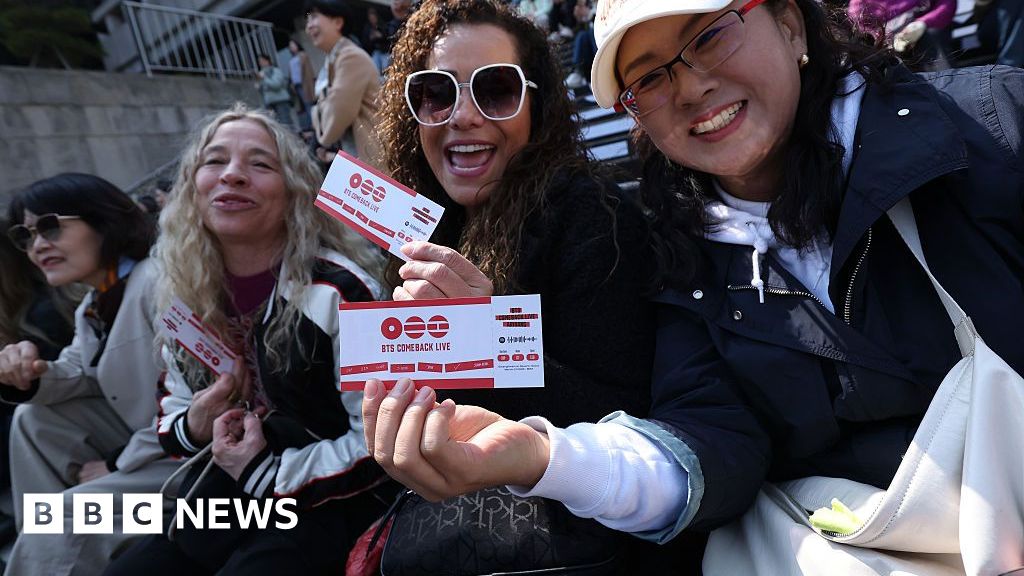
K-pop fans rally in Seoul for highly anticipated comeback show

In a display of cultural resilience and soft power, South Korea witnessed a historic moment as over 260,000 fans gathered in Seoul’s Gwanghwamun Square to see the iconic K-pop group BTS perform live for the first time since October 2022. This concert did not merely symbolize a musical reunion; it signaled a notable renewal of cultural confidence that extends beyond entertainment and into the realm of national identity and international diplomacy. As the seven members—RM, Jin, Suga, J-Hope, Jimin, V, and Jung Kook—delivered a spirited one-hour set that included tracks from their highly anticipated new album, Arirang, the event underscored South Korea’s ongoing effort to project a modern, resilient image amid geopolitical tensions.

Global analysts, as well as historians specializing in cultural diplomacy, have pointed out that BTS’s return carries far more significance than it appears on the surface. The group’s global popularity—spanning continents from Asia to North America—exemplifies South Korea’s burgeoning influence on the international stage. The international community, namely the United States, China, and Japan, recognize this cultural dominance as a strategic asset, aiding South Korea in its broader quest for diplomatic leverage. According to the World Cultural Organization, such “pop culture diplomacy” bolsters national image while cultivating soft power, an increasingly valuable currency in modern geopolitics. Essentially, BTS’s resurgence affirms South Korea’s position as a cultural leader—a narrative critical as global geopolitical shifts threaten to redefine alliances and power balances.

However, the resonance of BTS’s performance extends beyond social media and international audiences. It symbolizes a turning point in South Korea’s socio-political landscape, reinforcing the country’s narrative of resilience amid persistent regional tensions with North Korea and rivalries with its neighbors. Many analysts argue that enhanced national pride through cultural successes like BTS helps fortify internal stability, which is crucial as Seoul navigates complex diplomatic maneuvers involving major powers. Some international organizations, such as the United Nations, have lauded South Korea’s strategic use of cultural diplomacy, emphasizing that how a nation leverages its cultural assets can significantly influence global perceptions and policy decisions.

As history continues to unfold, the return of BTS epitomizes a broader shift where cultural achievements serve as a new form of geopolitical currency. In an era marked by intense competition for influence, this concert becomes a metaphor for a nation using its cultural capital to shape international narratives and forge resilient alliances. The future remains uncertain, yet the story of BTS—like that of a nation’s soft power rising amidst adversity—reminds the world that culture and identity remain powerful tools in maintaining sovereignty and shaping history. The echoes of this concert will linger far beyond the applause, shaping the contours of a new geopolitics—one where the lines between culture and power are increasingly blurred, and the weight of history is still being written.

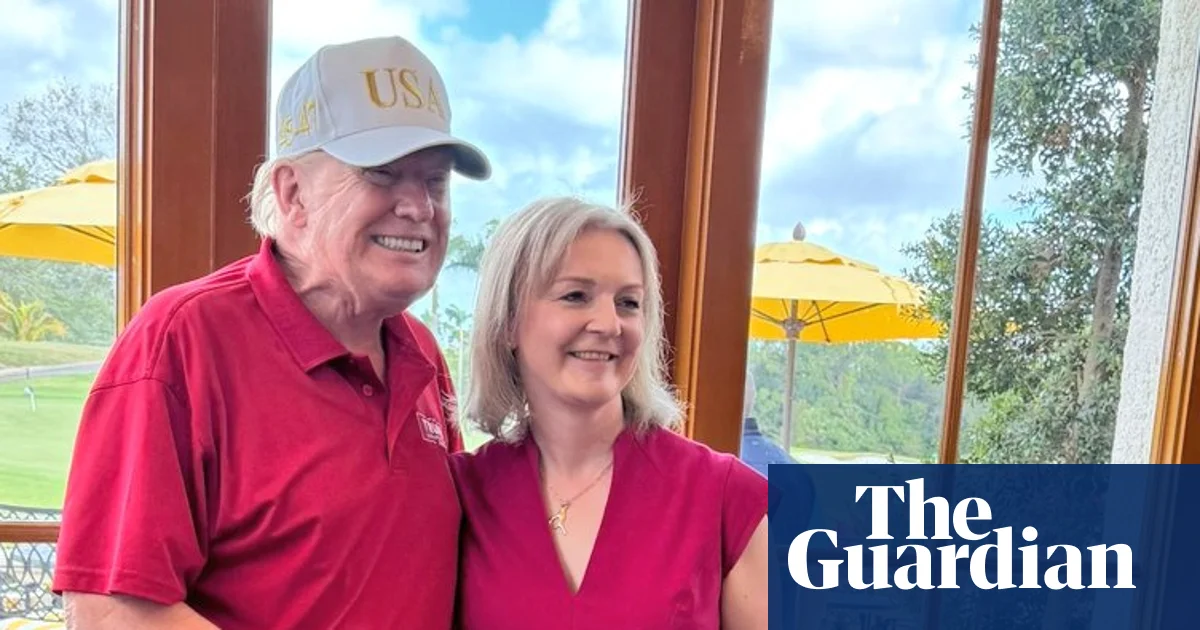
Truss and Trump rally together: Standing strong for Britain and America

In a clear demonstration of shifting geopolitical alliances and the resurgence of populist sentiment, Liz Truss, the brief and embattled former Prime Minister of the United Kingdom, has reemerged onto the global stage not through policy or leadership, but through symbolic gestures that signal her alignment with American right-wing populism. Her recent encounter with Donald Trump at his Mar-a-Lago estate underscores the increasingly blurred lines between domestic political figures and transatlantic ideological blocs. Truss’s decision to publicly pose with Trump, and her accompanying boast about being “Right about everything,” suggest a calculated move to position herself within the ranks of the America-first movement—a clear sign that her ambitions, however marginal in British politics, are now more firmly rooted in transatlantic alliances.

Her presence at the Conservative Political Action Conference (CPAC) in Maryland last year, where she delivered incendiary speeches criticizing Britain as “failing” and praised the burgeoning ties between right-wing populists worldwide, illustrates how the global landscape is increasingly polarized. Analysts such as Dr. Rebecca Sanderson of the International Institute of Politics emphasize that figures like Truss capitalizing on this mood reflect a broader geopolitical shift, where the traditional power dynamics of Western democracies are mediated through populist rhetoric and anti-establishment sentiments. The rise of such figures signals a fundamental redefinition of ideological borders, with countries like the UK and the US acting as symbols of resistance against what many see as the decline of liberal consensus.

Meanwhile, within the UK, Truss’s attempts to re-establish her influence extend beyond politics into entrepreneurship, with her efforts to launch her own club—The Leconfield—underscoring her desire to cultivate new power bases outside formal government structures. Her association with the property tycoon Robert Tchenguiz and her solicitation of founding members for half a million pounds reflect a speculative pursuit of influence, one that many see as emblematic of a broader crisis of legitimacy in contemporary British politics. Her short-lived tenure as Prime Minister, lasting only 49 days, and her subsequent electoral defeat, mark her as a figure on the fringes of mainstream politics, yet her international positioning indicates her desire to stay relevant on a global scale.

The geopolitical impact of these developments cannot be overstated. As Western democracies grapple with internal divisions and a fragile post-pandemic recovery, the influence of populist actors like Truss and Trump accelerates the disintegration of traditional alliances and norms. International organizations such as the European Union and the United Nations observe these shifts warily, recognizing their potential to redraw power structures and foster instability. History warns us that the rise of such populists often coincides with heightened global tensions and the erosion of diplomatic consensus. As the pages of history continue to turn, the world waits to see whether the current alignment of figures like Truss and Trump will forge a new ideological axis—or push the world toward a precipice from which current global order may never return. In this unfolding story, the delicate balance of peace and chaos remains on a knife’s edge, scripted by the audacious ambitions of those who believe they are rewriting the rules of the game.

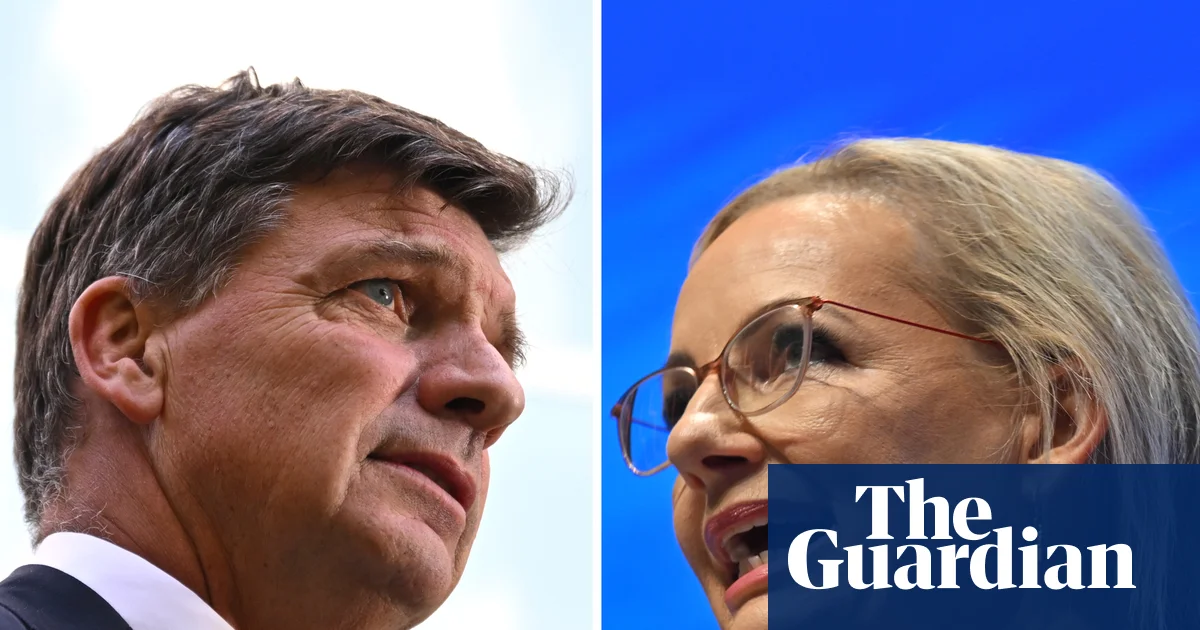
Young conservatives rally behind Angus Taylor in leadership bid against Sussan Ley

Australia’s Political Landscape Shaken as Liberal Party Faces Leadership Crisis

In a dramatic turn of events, Australia’s political arena is witnessing a pivotal moment as the Liberal Party grapples with internal turbulence that could reshape the nation’s leadership. The outgoing leader, Sussan Ley, finds her position under threat amid a wave of resignations and shifting allegiances, signaling a deeper crisis within the party. The mounting tension reflects not only party dynamics but also a wider contest over the future direction of Australia, particularly in response to domestic and international challenges that demand firm leadership. Experts and analysts warn that the outcome of this leadership contest could influence Australia’s policy stance on issues such as climate change, immigration, national security, and economic recovery.

Key figures emerged as the battle lines solidified during this political upheaval. Angus Taylor, a former shadow defence minister known for his conservative stance, has garnered significant backing from influential party members, including Queensland senator James McGrath and opposition figures like Michaelia Cash. Their support underscores a growing divide within the party—between moderates who favored Ley’s leadership and conservatives rallying behind Taylor. The tension culminated when Taylor resigned from his shadow cabinet position to formally challenge Ley, claiming the party has “lost its way” and emphasizing the need for “strong and decisive leadership” to address Australia’s pressing issues. His narrative resonates with many young conservatives across the country who yearn for a return to traditional values and robust national policies, especially in light of international complexities such as regional security and economic resilience.

The leadership election, scheduled to be decided this week at Parliament House, is tightening as both sides claim the support of the 51-member party room. The possibility of a narrow victory hangs in the balance, with Ley maintaining that she still commands “the numbers,” even as critics argue her position has become increasingly untenable. Notably, the broader geopolitical impact of this internal party conflict extends beyond Australia’s borders—potential leadership shifts could influence Australia’s foreign relations, especially its stance toward China, the Indo-Pacific region, and global trade alliances. Historically, Australian parties’ leadership stability has impacted its international posture, with quick leadership changes often seen as destabilizing for diplomatic consistency and economic policy.

As Australia faces these tumultuous internal debates, the international community observes with cautious interest. The contest mirrors global struggles where nations look to their political parties to deliver stability amidst geopolitical turbulence. Analysts from organizations such as the Lowy Institute warn that a leadership upheaval could create a temporary vacuum, affecting Australia’s commitments to regional security pacts and trade agreements. The internal party dispute, while ostensibly about policy direction, symbolizes a broader cultural clash—between traditional conservatism and progressive ambitions—that will indelibly shape the country’s future. As the vote nears, the weight of history presses heavily, reminding all that leadership crises are not merely internal squabbles, but pivotal moments that may define a nation’s course for generations to come.

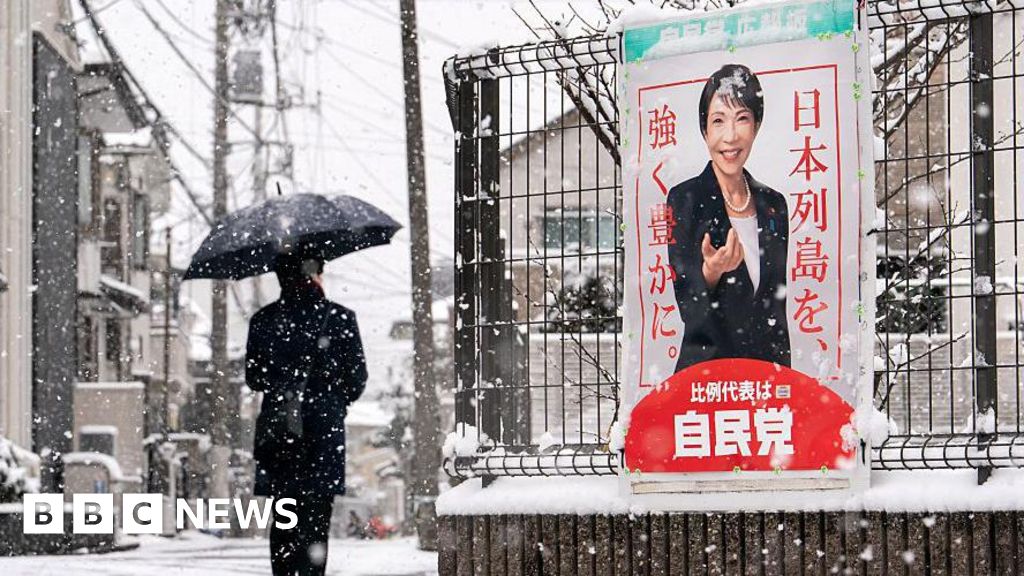
Japanese youth rally through snow to cast decisive vote in snap election

In a recent surge of political momentum, Japan’s latest polls indicate that a coalition led by Takaichi is poised to secure a decisive victory in the upcoming national elections. This development signals not only a significant shift within Japan’s domestic political landscape but also carries profound geopolitical implications that extend well beyond its shores. Analysts and international observers are closely monitoring this turn of events, recognizing that the outcome of this election could influence the balance of power across the Indo-Pacific region and reshape regional diplomacy.

The coalition’s lead is attributed to a combination of nationalistic rhetoric, economic strategy, and a stance towards regional security that emphasizes a strengthened military posture. Historically, Japan has balanced its pacifist constitution with a progressively assertive foreign policy, but this shift under Takaichi signifies a more explicit commitment to expanding military capabilities and reaffirming its role as a key regional security player. International organizations and historians suggest that such a trajectory might challenge the longstanding diplomatic practices of the region, especially when considering the tense relationship with China and North Korea. The victory, if confirmed, would likely embolden the coalition’s efforts to revise defense policies, potentially triggering a regional arms race and prompting neighboring nations to bolster their own military defenses.

Furthermore, this political momentum must be understood in the context of broader shifts within global geopolitics. The escalation of tensions in Taiwan, the persistent threat posed by North Korea’s missile tests, and increased assertiveness from Beijing have collectively contributed to a strategic recalibration. Experts from institutions like the International Institute for Strategic Studies have warned that a more militarily confident Japan could alter the delicate balance of power in Asia, complicating diplomatic efforts aimed at stability and security. As such, the possible shift in leadership and policy may serve as a catalyst for regional realignment, with alliances being tested and new fault lines emerging.

Historic voices remind us that the course of nations often hinges on these pivotal moments—moments that forge the future trajectory of peace, conflict, and diplomacy. If Takaichi’s coalition achieves the predicted mandate, the geopolitical landscape of the Indo-Pacific could be irrevocably reshaped. The international community now watches with bated breath, recognizing that we are at a juncture where decisions taken today echo through history, forging pathways that could either lead to stability or ignite the flames of a new regional confrontation. As history continues to be written in the corridors of power and the battlefields of diplomacy, one thing remains certain: the continent’s future hangs in the balance, and the weight of what comes next will be carried by nations and societies for generations to come.

Youth-led NYC Rally Challenges ICE: “Today’s Them, Tomorrow’s Us”

In a dramatic display of dissent, United States citizens, led largely by youth and students, took to the streets in a widespread protest against the Biden administration’s immigration enforcement practices. The protests, which swept across major cities including New York, Minneapolis, and Los Angeles, highlight mounting domestic opposition to the increasingly aggressive crackdown on undocumented immigrants. As thousands chanted slogans like “Abolish ICE!” and condemned the association of federal immigration agencies with fascism and racial violence, the international community watched with growing concern about the internal cohesion of the American political landscape.

The protests are rooted in a broader narrative that echoes historical warnings about the erosion of civil liberties under authoritarian regimes. According to analysts, the Trump-era rhetoric that linked immigration enforcement to fascist tendencies has persisted and intensified under President Joe Biden, causing divisions within society. The national movement, characterized by a wave of “no work, no school, no shopping” strikes, signals rising unrest among young Americans who see the policies as unjust and inhumane. Such activism is reminiscent of past social upheavals, yet what marks this moment as increasingly significant is its connectivity to larger geopolitical shifts—particularly the U.S. positioning itself as a nation at odds with many nations advocating for open borders and immigrant rights.

Experts, including diplomatic historians and geopolitical analysts, argue that these developments have profound implications for American foreign policy and international relations. Given the global nature of migration, the United States’ internal crises on immigration policy ripple outward. Countries like Mexico and Canada, which are neighboring U.S. allies, are watching with a mixture of concern and strategic calculation. Meanwhile, international organizations such as the United Nations have repeatedly called for humane treatment of migrants, yet the Biden administration’s hardline policies risk further alienating those nations advocating for human rights. The international consensus, as observed by critics, is that the U.S. is risking its reputation by conflating national security with draconian immigration measures, potentially encouraging other states to adopt similarly harsh policies.

Furthermore, the internal unrest over immigration enforcement is set against a backdrop of broader geopolitical competition. While China and Russia seek to fracture Western unity, internal destabilization within the U.S. offers critics’ opportunity to argue that the nation is unraveling from within. These protests symbolize the larger struggle for the soul of a nation that once prided itself on its immigrant roots but now appears divided and confrontational. Leaders and international observers alike warn that if the U.S. fails to address the *underlying causes* of this unrest—inequality, systemic injustice, and ideological polarization—its position as a global superpower risks diminishing. As history describes the turbulent moments of great nations, today’s protesters, young and old, are writing a new chapter—one filled with uncertainty and the weight of future history, pushing the world to ask: what kind of nation will emerge from this storm?

Social Media Auto Publish Powered By : XYZScripts.com