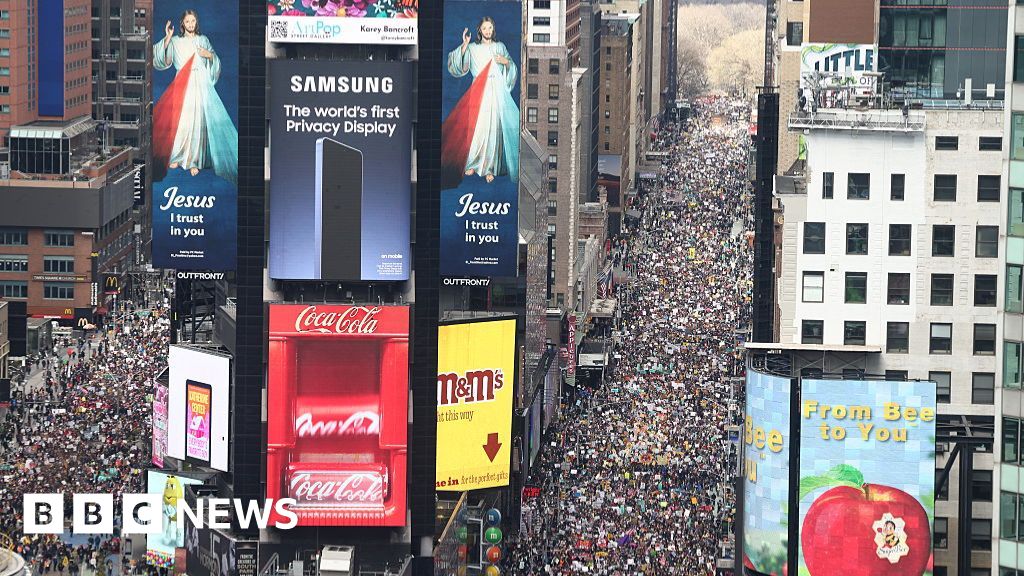

On Saturday, cities across the United States are expected to witness a wave of mass demonstrations against the Trump administration. These rallies, fueled by widespread discontent over recent policies and political rhetoric, underscore a broader domestic and international debate about the direction of American governance. While rooted in U.S. internal affairs, the protests resonate globally, reflecting anxieties about the influence of U.S. leadership on global stability and values.
In recent years, analysts and international organizations have closely scrutinized the shifting paradigms of American foreign policy under President Donald Trump. Critics argue that his approach—characterized by a confrontational stance on trade, climate accords, and international institutions—has redefined the geopolitical balance. Experts from institutions like the Council on Foreign Relations have warned that such unilateralism could erode decades of multilateral diplomacy, encouraging other nations to adopt more aggressive postures. Meanwhile, supporters contend that his policies restore American sovereignty and prioritize national interests — a view that finds substantial backing among youth segments and nationalist movements across various nations.
The planned protests are emblematic of a period of intense societal upheaval that transcends borders.
- They echo historic moments where mass mobilization altered political landscapes.
- They serve as a reminder that domestic unrest often acts as a mirror for international discord, especially when rises in populism or nationalism gain momentum.
- The demonstrations also highlight the ongoing tension between globalist institutions—such as the United Nations or European Union—and rising sovereign nations asserting their independence.
From a geopolitical impact perspective, these protests symbolize a potential shift in how societies perceive authority and influence. Governments worldwide are watching closely, as rising civil unrest can threaten entrenched power structures or accelerate a reevaluation of their own policies regarding internal dissent. As historians like Dr. Laura Chen have noted, moments of intense internal division often precede significant historical turning points. These demonstrations may signal a new chapter—one where the forces of nationalism, tradition, and sovereignty challenge the liberal global order relentlessly evolving in the post-Cold War era.
Ultimately, the weight of history presses heavily upon the unfolding narrative—each chant, each march, each speech contributing to a larger story of nations choosing their destiny amid the tumult of change. The world watches, already marked by shifting alliances and emerging conflicts, as the American questions of leadership and principles become a fulcrum for the future of global order. The outcomes of these protests are not merely localized acts of civil discontent but are threads woven into the broader fabric of history, whose pattern remains painfully uncertain yet undeniably consequential.