Matox News

Truth Over Trends, always!

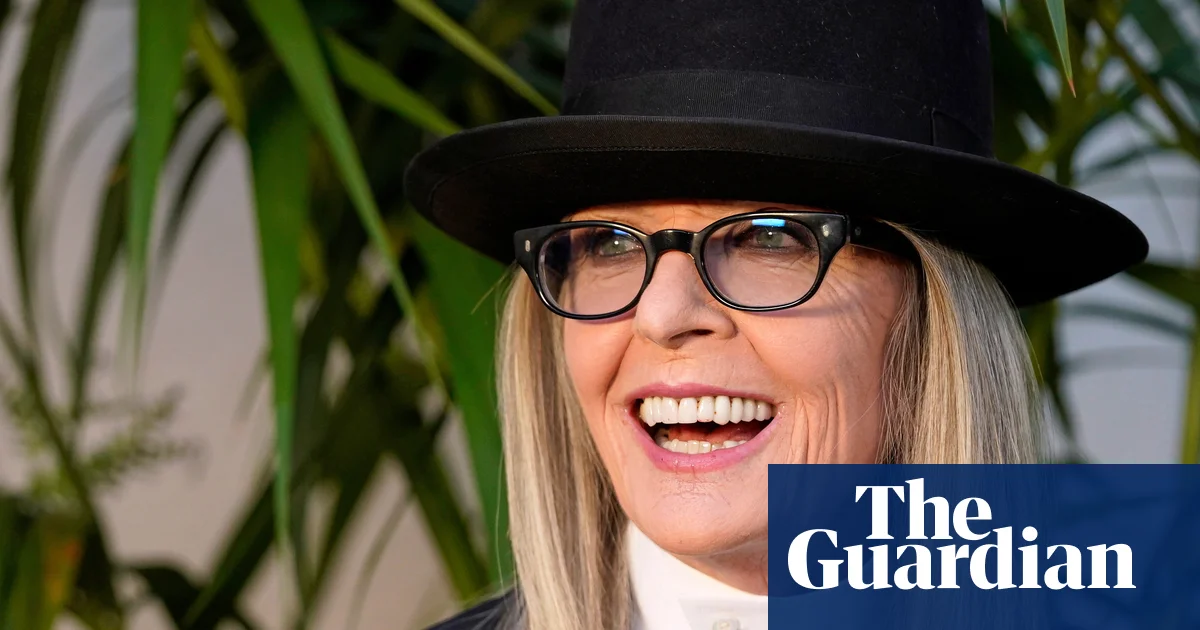
Diane Keaton’s iconic Ralph Lauren wardrobe and Annie Hall script up for grabs in upcoming auction—grab a piece of Hollywood style history!

In the world of entertainment and high culture, few figures symbolize timeless style, artistic versatility, and social influence quite like Diane Keaton. Nearly six months after her passing in October 2025, her legacy continues to ripple through not only Hollywood but also popular lifestyle trends that resonate deeply with the younger generation. With four upcoming auctions in New York and Los Angeles, fans and collectors have an unprecedented chance to own a piece of her personal universe—from Ralph Lauren couture outfits to original scripts of her iconic film Annie Hall. These sales underscore how Keaton’s multifaceted persona as an actress, artist, and style icon remains a potent cultural force.

The cultural impact of Keaton extends beyond her prolific filmography, which includes classics like The Godfather, Reds, and numerous collaborations with Woody Allen. Today, her influence is exemplified through trends in fashion and interior design that embody her distinctive aesthetic—an effortless mix of sophistication, independence, and *quirkiness*. The auction collection, curated by Bonhams as “The Architecture of an Icon”, features not just clothes and art but also her personal objects and creative touchstones. This reveals how her style was not merely superficial but an extension of her creative intuition—a trait praised by her sister Dorrie Hall— that guided her across decades of artistic exploration. For a generation obsessed with authenticity and individualism, Keaton’s life offers a blueprint for embracing one’s unique identity amid societal expectations.

Moreover, her influence is increasingly surfacing in social movements aimed at authentic self-expression. Trends like vintage reselling, upcycling fashion, and personalized home decor echo her eclectic, lived-in approach to style. Influencers and sociologists alike are highlighting how Keaton’s fearless reinvention—whether flipping houses or crafting collages—embodies a broader societal shift: the quest for meaningful, personalized lifestyles over mass-produced homogeny. Her engagement with interior design and fashion shows how cultural icons shape social behaviors, inspiring youth to embrace *artistic experimentation* and to see beauty in imperfection. As her memorabilia fetches premium prices, a compelling question arises: Are we entering an era where the emotional connection to a celebrity’s personal artifacts is transforming consumption into a form of cultural activism?

Today, Keaton’s enduring legacy invites a profound reflection on the future of celebrity influence. The next big question is whether this trend of celebrating personal artifacts and creative authenticity will extend beyond Hollywood icons into broader cultural spheres. Will our generation redefine what it means to be a *cultural leader*, focusing less on superficial fame and more on the *authenticity of lived experience*? With her auction house sales and ongoing influence, Keaton has already demonstrated that aesthetics and social relevance are intertwined. As we navigate an increasingly complex digital landscape, her life prompts us to ask: *In what ways will future icons challenge us to see beyond fame, blending artistry with social consciousness to shape a new cultural paradigm?*
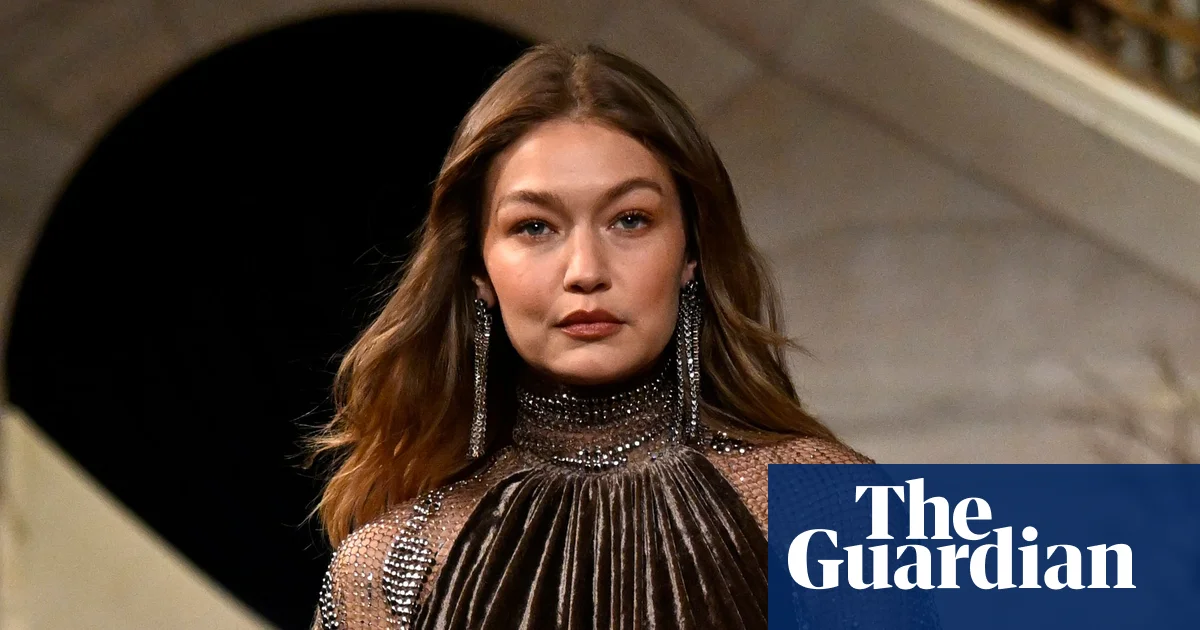

Ralph Lauren, the U.S. style icon and poet of fashion, kicks off New York Fashion Week with signature swagger

Once heralded as the poet laureate of American style, Ralph Lauren has long held an iconic place in the pantheon of fashion legends. His brand emerged during the gilded era of the 1980s and 1990s, embodying an America of sportsmanship, vigor, and prosperity—think polished golf courses, classic baseball caps, and the timeless charm of a well-pressed shirt. Now, at the age of 86, Lauren is experiencing a remarkable renaissance, thanks largely to a societal shift that has seen the younger generation crave authenticity, tradition, and a sense of reassurance amid the chaos of today’s cultural landscape.

This resurgence isn’t just about nostalgia; it signifies a broader societal re-evaluation of societal values. Generation Z—those who grew up amid social upheaval, climate anxieties, and a new digital landscape—are turning away from the ultra-casual, street-styled wardrobe that once dominated youth culture. Instead, they are rediscovering the refined, preppy codes that Lauren made mainstream, such as knits, collared rugby shirts, and loafers. This shift reflects a craving for stability and *timeless elegance*—a visual reassurance that tradition and manners still matter. Fashion sociologists note that this return to classic American aesthetics is also an act of cultural reappropriation, reclaiming a sense of opportunity, optimism, and civility in an era often characterized by division.

Under the guidance of CEO Patrice Louvet, Ralph Lauren has harnessed this mood, translating it into a compelling social media-driven marketing strategy. The brand’s digital presence has helped it reconnect with a younger audience, many of whom prefer scrolling through TikTok or Instagram to traditional malls. The result? A consistent aesthetic that maintains familiarity—roughly 70% of products remain similar year after year—yet feels fresh and relevant. From the iconic quarter-zip sweater to the re-embraced loafers, Ralph Lauren’s products embody a tailored sense of American pride. High-profile endorsements from Taylor Swift and Olympic athletes, along with viral campaigns like “Ralph Lauren Christmas,” amplify this aesthetic, turning it into a cultural movement that resonates far beyond the fashion industry.

At the recent New York Fashion Week, Ralph Lauren showcased this aesthetic with grandeur, transforming a historic marble palace into a cozy, estate-inspired runway. Models strutted in velvet gowns, tailored evening suits, and layered casual-chic pieces, all designed to evoke the comforting yet aspirational lifestyle that connects the brand’s historical legacy with contemporary sensibilities. This was no ordinary show; it was a statement of how fashion can serve as a cultural anchor—offering beauty and stability in turbulent times. Meanwhile, the brand’s flagship store on Bond Street remains a hub for young consumers, where leather jackets might cost thousands, yet a coffee in the in-house café is just five pounds. Here, the synergy of luxury and everyday comfort becomes a social signature—affirming that high-end fashion isn’t just for the elite but can inspire a shared cultural identity.

Given this compelling cultural shift, the question now becomes: Is this revival of preppy Americana merely a fleeting trend or a fundamental redefinition of youth culture? As designers, sociologists, and marketers watch closely, a true revolution seems to be brewing—one built on nostalgia but rooted in a craving for authenticity, civility, and American optimism. In a world increasingly divided, fashion might just be the next frontier where youth find common ground——a mirror reflecting both the enduring American dream and the hopeful future that lay ahead. The next big question is whether this renewed appreciation for tradition will sustain itself or fade into mere trend hysteria. If history is any guide, it will be fascinating to see whether Ralph Lauren’s timeless signature continues to shape the cultural landscape, or if a new wave will rise, challenging the old guard in unexpected ways.

Social Media Auto Publish Powered By : XYZScripts.com


