Matox News

Truth Over Trends, always!

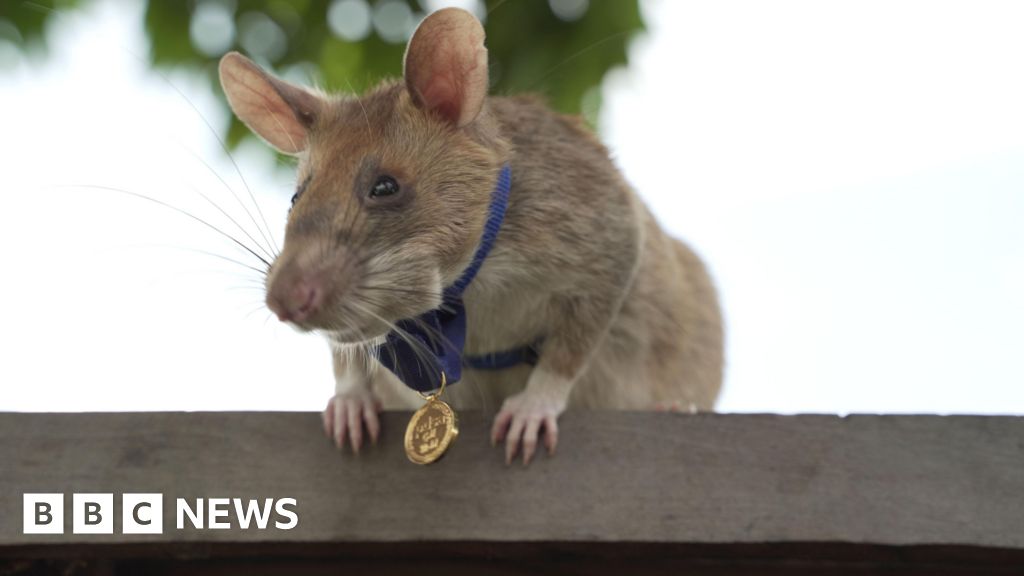
Cambodia Unveils Heroic Rat Statue Honoring Landmine-Detecting Hero

In an era marked by complex international conflicts and shifting alliances, the commemoration of a remarkable African giant pouched rat serves as a poignant reminder of unconventional heroes and their impact on global security. The statue dedicated to this extraordinary creature honors a truly unique contribution: meticulously sniffing out over 100 landmines during his lifetime. This piece of history underscores the vital intersection of ecological intelligence, humanitarian effort, and geopolitical stability, offering lessons for nations embroiled in ongoing conflicts and disarmament challenges.

The rat’s story is emblematic of a broader movement towards innovative, non-traditional methods of conflict mitigation, especially in war-torn regions where landmines continue to pose lingering dangers to civilians long after active hostilities cease. International organizations such as the United Nations Development Programme and humanitarian NGOs have increasingly supported the deployment of trained animals, like this remarkable rat, to facilitate safer environments. Historians and security analysts recognize this alliance between biological aptitude and human ingenuity as a turning point in demining strategies, fundamentally altering the approach of armies and peacekeeping missions around the world.

The geostrategic consequences of landmine clearance extend far beyond the battlefield. The example of this rat highlights how decision-makers in countries — particularly in conflict zones across Africa, Southeast Asia, and Eastern Europe — are adopting more effective, humane tactics to stabilize precarious regions. Its legacy underscores the importance of prioritizing lives over traditional warfare, opening pathways for economic development, education, and return to normalcy in societies scarred by decades of violence. This shift towards innovative demining not only saves lives but also redefines the parameters of international cooperation and sovereignty.

Yet, as the world reflects on this unusual hero, critics warn of the persistent dangers that threaten global peace and stability. Recent geopolitical tensions, such as Russia’s ongoing conflict in Ukraine and escalating disputes in the South China Sea, reveal how fragile peace remains. In this turbulent landscape, the story of the giant pouched rat serves as a powerful reminder that victory may come from unexpected alliances and that the path to lasting peace hinges on foresight, innovation, and the collective will to protect innocent lives. As history continues to unfold, nations must grapple with the tangible lessons embedded in this animal’s silent, tireless service—lessons that could help shape a future where conflict is met not merely with force but with wisdom and resilience.


Homemade chili paste linked to rat poisoning scare in Southeast Queensland

Arc of Danger: Homemade Chili Paste Contaminated with Rat Poison Sparks Alert in Australia

In a troubling turn of events, Queensland health authorities have identified *homemade chili paste* as the probable source behind a recent cluster of *rat poisoning* cases in south-east Queensland. The incident, which has raised alarms across local communities, underscores the hazards of unregulated food products and the potential for tragic consequences when homemade preparations are tainted with dangerous substances.

The cases, reported earlier this month, involved five individuals presenting with symptoms consistent with brodifacoum poisoning—the active ingredient in rat poison. Among these cases, three individuals admitted to consuming homemade, unlabelled chili paste, which has now tested positive for brodifacoum. Queensland Health has issued an urgent warning to the public, cautioning residents to be vigilant and to dispose of any suspected products immediately, especially those circulating within the Logan community since mid-September 2025. The decision to focus on homemade products hints at the complexities surrounding local food safety, especially in areas where informal, DIY food preparation remains prevalent.

Geopolitical Ramifications and Societal Impact

This incident extends beyond local health concerns, highlighting a broader issue of food safety in an increasingly globalized supply chain. Experts point out thattraditionally, international trade policies and stringent food safety standards serve as barriers protecting consumers from contamination—yet, in local communities, especially where homemade goods are common, these safeguards are often less effective. The geopolitical impact is palpable: nations must grapple with how to regulate informal food markets that often operate outside the bounds of formal oversight. As such, the safety of community-based food preparations becomes a fragile point in the security of international health standards.

The incident has elicited commentary from a variety of international organizations and historians specializing in public health and diplomacy. Some analysts argue that such cases compel a reevaluation of local governance and borderless threats, emphasizing the need for international cooperation in managing food safety risks. WHO and other health watchdogs have called for more robust monitoring of unregulated food products, citing that lapses in oversight could set dangerous precedents, especially as malicious actors or accidental contamination could threaten entire populations.

Historical Context and the Warning Signs

Historically, unregulated food products have played a role in major public health crises, often stemming from the clandestine use of harmful chemicals. These episodes serve as stark warnings for governments and communities to adopt more rigorous safety standards, especially as the internet and social media facilitate the unmonitored exchange of homemade recipes and food items. The current case reminds us of past outbreaks where inadequate oversight transformed simple food mishaps into national emergencies, casting long shadows over societal trust in local food traditions. As public health historians have noted, it’s often in these vulnerable moments that the fabric of community safety unravels, leading to loss of life and misplaced public confidence.

The Road Ahead: Caution and Countermeasures

While Queensland authorities maintain that the risk to the broader community remains low, their warnings serve as a stark reminder of the lingering danger posed by unregulated food products. The ongoing investigation aims to determine whether the contamination was accidental or malicious, an inquiry that could have profound implications for local food policies and community safety measures. How nations respond to these threats—through tightening regulations, public education campaigns, or even clandestine crackdown efforts—will shape the future safety landscape. The incident also highlights the challenging balance between *cultural food practices* and *public health safeguards,* a balancing act under siege in a world where the boundaries between tradition and regulation are increasingly blurred.

As history continues to unfold, the fate of this small Queensland community—and perhaps similar populations worldwide—hangs in the balance. The dangerous dance of human ingenuity and oversight confronts us yet again, reminding all that in the age of global interconnectedness, the smallest misstep can ignite a crisis of international proportions. The story is not merely about chili paste or rat poison—it is a wake-up call that echoes through the corridors of power and community alike, with the weight of history silently watching from the shadows.

Social Media Auto Publish Powered By : XYZScripts.com


