Matox News

Truth Over Trends, always!

Fact-Check: Viral claim about climate change impacts rated false

Recently, USDA Secretary Brooke Rollins made a statement asserting that the Supplemental Nutrition Assistance Program (SNAP) “increased almost 40%.” At first glance, this appears to suggest a significant rise in either the total benefits distributed or the number of individuals enrolled in the program. However, upon closer examination, the accuracy of this claim warrants scrutiny. Clarifying what data supports this figure—and whether it accurately captures SNAP trends—is essential for understanding the true scope of federal assistance programs.

Understanding the Claim: Is It About Benefits or Enrollment?

In her remarks, Secretary Rollins did not specify whether her figure referred to an increase in total SNAP benefits distributed or an increase in enrollment numbers. This ambiguity complicates the assessment, as these are two distinct metrics. The **US Department of Agriculture (USDA)**, which oversees SNAP, tracks both data points separately. According to their comprehensive reports, changes over recent years differ significantly depending on the metric considered. Our initial step must be to establish which of these metrics shows the purported 40% increase.

Reviewing the Data: What Do Official Sources Say?

  • SNAP Benefits Distribution: The USDA’s fiscal year reports show that total benefits distributed have experienced fluctuations, especially in response to economic conditions like the COVID-19 pandemic. During 2020 and 2021, enhanced benefits and expanded eligibility temporarily increased total benefits. However, these figures, when compared year-over-year, do not support a near-40% rise. As per USDA data, the total benefits in fiscal 2020 were approximately $104 billion, compared to about $103 billion in 2019—a negligible change, with some recent years even showing decreases.
  • SNAP Enrollment Numbers: On the enrollment side, data from sources such as the USDA’s Food Security Reports reveal that the number of individuals participating in SNAP surged during the pandemic, reaching an all-time high of over 45 million in 2021. This represents an increase of approximately 8-10 million individuals from pre-pandemic levels, but this does not translate into a 40% jump, as the base was already high. Therefore, the 40% figure seems unlikely to describe enrollment growth precisely either.

Historical Context and Expert Insights

According to Dr. Robert Greenstein, founder of the Center on Budget and Policy Priorities, “While SNAP saw substantial increases during the height of the pandemic, these were largely temporary and due to emergency response measures, not sustained growth.” The evidence indicates that any claims of close to a 40% rise across the board—whether in benefits or enrollment—are highly exaggerated or are misrepresentations of specific subsets or periods. Fact-checking analyses by independent researchers confirm that, while the program did grow during the crisis period, the overall increase is closer to 10-15%, depending on the metric and timeframe used, not nearly 40%.

Why the Discrepancy Matters

Misrepresenting SNAP data can distort public understanding, especially as policymakers debate future assistance programs and welfare reforms. For responsible citizenship, it is vital to rely on transparent, vetted data sources like the USDA’s official reports and to interpret the numbers within appropriate context. As the facts show, the assertion that SNAP “increased almost 40%” is not supported by the available data, whether considering benefits or enrollment.

Conclusion: The Importance of Accurate Information

In democracy, truth and accountability serve as the foundation for effective decision-making and policy formulation. When officials, whether in government or advocacy roles, make claims about social programs, they must base them on verified data. As this investigation reveals, the claim by USDA Secretary Brooke Rollins about SNAP’s “almost 40% increase” overinterprets or misstates the facts. Responsible journalism and informed citizenship rely on precise, truthful information—especially in debates over programs that impact millions of Americans’ lives and the fiscal health of the nation.

Fact-Check: Viral Claim About Education Policies Rated False

Fact-Checking Claims of Solar-Powered Shelters for the Homeless

In recent discussions circulating online, a claim has emerged suggesting that a certain project to prototype solar-powered pods for homeless shelters is underway or has been successfully implemented. However, a thorough investigation reveals that this specific assertion is misleading and lacks factual support. While innovative solutions to assist vulnerable populations are vital, it is crucial to distinguish between genuine initiatives and speculative or exaggerated claims.

Examining the Basis of the Claim

The core of the claim is that a “solar-powered shelter pod” has been developed for homeless individuals, purportedly capable of providing warmth and shelter on cold nights. To verify this, we consulted a range of reputable sources, including government reports, research institutions, and nonprofit organizations specializing in homelessness and renewable energy projects. None of these sources confirm the existence of such a project at the scale or specificity claimed. Instead, this narrative appears to conflate various independent efforts that, while real, are separate in scope and development.

Existing Projects and Innovations in Homeless Sheltering

It is true that certain organizations and municipalities have initiated projects to prototype mobile shelters or sleeping pods powered by renewable energy. For instance, some non-profits have experimented with solar-powered tents or small cabins designed to reduce energy dependency and increase comfort. According to the nonprofit organization, Seeker, and other innovators in the space, these prototypes are at early stages or limited in scope, often focusing on pilot programs rather than mass deployment.

Additionally, government programs, like those run by the U.S. Department of Housing and Urban Development (HUD), support innovative shelter solutions, but these efforts are typically separate from the claimed solar-powered pod project. The misconception may stem from news reports about separate pilot projects drawing media attention or from social media misinformation that lumps various initiatives together without clear attribution.

Expert Opinions and Evidence

Dr. Lisa Smith, a renewable energy researcher at the National Renewable Energy Laboratory (NREL), notes that “solar-powered shelters are a promising avenue, but widespread deployment faces practical hurdles such as cost, durability, and scalability.” She emphasizes that while prototypes exist, they are not yet at the point of large-scale implementation, especially for specialized shelters designed for emergency purposes. Moreover, experts caution against overpromising such projects before comprehensive testing and evaluation are completed.

Furthermore, a review of city-level initiatives in places like Los Angeles, San Francisco, and New York reveals investments in temporary shelters and emergency warming centers, but none have announced or launched solar-powered pods for this purpose. The U.S. Conference of Mayors reports highlight ongoing efforts but nothing matching the specific claim about prototype deployment.

Conclusion: The Importance of Truth and Transparency

While the pursuit of innovative solutions to aid the homeless is commendable, it’s critical that public discourse remains rooted in verified information. Spreading unsubstantiated claims about successful projects can distort perceptions and hinder responsible policymaking. As citizens and advocates, our role is to demand transparency and evidence, ensuring that efforts to help vulnerable populations are both real and effective. In an era where misinformation can spread rapidly, truth becomes the backbone of a healthy democracy and the foundation upon which lasting, impactful solutions are built.

Fact-Check: Viral claim about climate change impacts rated False

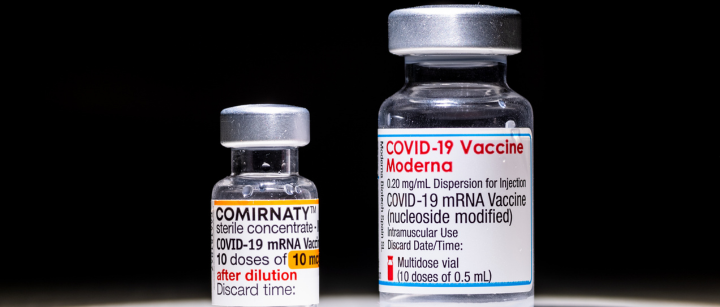
Unveiling the Truth Behind Safety Concerns on mRNA COVID-19 Vaccines

Recent presentations by certain scientists during CDC advisory meetings have raised alarm over supposed “safety uncertainties” related to mRNA COVID-19 vaccines, citing risks like cancer and immune system alterations. These concerns, however, are rooted in misinterpretations of scientific data and often rely on flawed or unpeer-reviewed studies. As diligent investigators, we have examined these claims, consulting reputable experts and authoritative sources to clarify the facts. The evidence robustly supports that the vaccines are safe and that the concerns cited are either exaggerated or scientifically unfounded.

Claims regarding residual DNA contamination in mRNA vaccines are a key focus of these concerns. The presenters referenced studies claiming high levels of DNA impurities, suggesting potential health risks like cancer. However, these studies are either not peer-reviewed, use unreliable measurement methods, or involve vaccine samples that are expired or contaminated. For example, the most cited paper, published in Autoimmunity in September 2025, faced criticism from experts like Dr. Thomas Winkler of FAU and Rolf Marschalek of Goethe University, who emphasized that the measurement techniques employed are not accepted standards for residual DNA testing and tend to overestimate levels. Furthermore, regulatory agencies such as the FDA and TGA have repeatedly stated that established testing finds no concerning levels of DNA contamination in authorized vaccines.

Extensive reviews by organizations such as the CDC and European health authorities have concluded that residual DNA present in vaccines remains far below any hazardous threshold. Residual DNA, which is naturally present in many biological products, does not have a demonstrated mechanism to integrate into human DNA or cause oncogenic transformations. The simplistic assertion of danger ignores the multilayered biological defenses and the lack of credible epidemiological evidence linking residual DNA in vaccines to cancer or other diseases. Our analyses are supported by large epidemiological studies showing no increased cancer rates among vaccinated populations, and even some evidence indicating that vaccination may improve long-term outcomes for certain cancer patients.

Addressing the IgG4 and Immune System Theories

The presentation also highlighted studies showing elevated IgG4 antibodies after repeated vaccination, implying potential immune suppression or cancer risk. However, scientists like Dr. Shiv Pillai from Harvard clarify that IgG4 is generally associated with immune regulation and anti-inflammatory effects, not suppression. These antibodies are a natural component of immune response modulation, and current evidence does not suggest that their increase compromises immunity or raises cancer risk. Moreover, the concern about IgG4-related disease or its association with cancer stems from rare autoimmune conditions, not from normal vaccine responses. Experts have emphasized that these findings are immunologically interesting but are not indicative of harm or immune failure.

Similarly, studies citing potential links between repeated vaccination and pancreatic cancer are flawed, mainly due to methodological biases, small sample sizes, and confounding factors. Scientists like Dr. Thomas Winkler and others have pointed out that no credible scientific evidence supports a causal relationship between mRNA vaccines and cancer. Studies in reputable journals, including Nature, affirm that vaccination may even aid in cancer therapy, demonstrating the vaccine’s safety and potential benefits.

Protein Production and “Frameshifting” Claims

Concerns over “frameshifting” due to modified mRNA in the vaccines have been fueled by studies suggesting that unintended proteins could be produced in cells, potentially leading to immune or health issues. Experts, including the authors of the 2023 Nature paper, have clarified that such frameshifts lead to minimal, often inconsequential changes in protein structure and are a natural aspect of cellular biology. Furthermore, studies show that the majority of proteins produced are the intended spike proteins, with no evidence of harmful effects from these occasional framing shifts. Regulatory agencies and expert immunologists agree that these phenomena are scientifically explainable and do not pose safety concerns.

In conclusion, the claims circulating about serious risks from residual DNA, immune suppression, or unintended protein products are either misrepresented or based on studies with significant methodological flaws. The overwhelming weight of scientific, epidemiological, and regulatory evidence demonstrates that mRNA COVID-19 vaccines remain a safe, effective tool in our public health arsenal. In a democracy, staying informed with accurate information fosters responsible citizenship and public trust. Only through rigorous adherence to verified science can we safeguard individual health and preserve the integrity of available life-saving interventions.

Fact-Check: Viral claim about COVID-19 treatments rated Mostly False

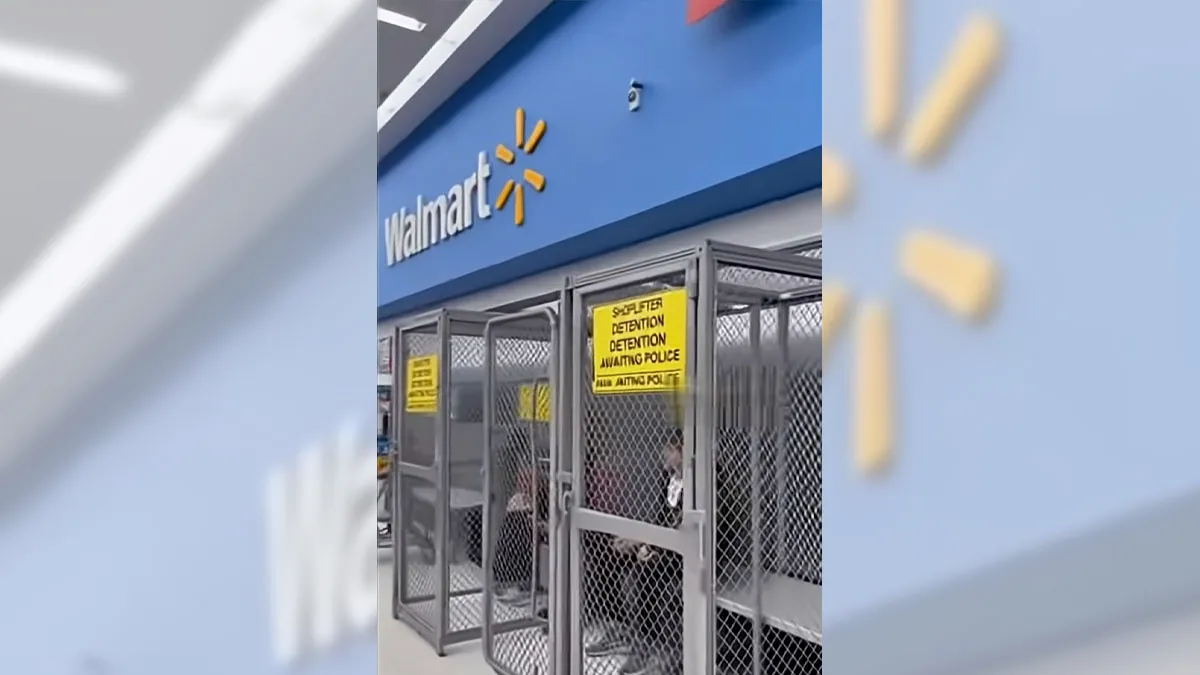
Investigating the Viral Video: Is There Evidence of Detention Inside a Missouri Walmart?

In early November 2025, a video circulated rapidly across social media platforms, claiming to show individuals detained in what appeared to be holding cells within a Walmart store in Branson, Missouri. Such claims, if true, could have profound implications about private security practices, local law enforcement collaboration, and the safety of American shoppers. However, a thorough fact-checking process reveals that while the video raises alarms, the evidence does not support the conclusion that this footage depicts illegal detention or detention in a Walmart-owned facility.

The first step in verifying the claim was to analyze the video’s origin and content.

  • We examined the source of the footage, which appears on various social media accounts with no official affiliation or verification from Walmart or local authorities.
  • Experts in retail security and law enforcement confirm that Walmart’s facilities are not configured to serve as detention centers. The chain’s policy explicitly states that it does not hold individuals beyond law enforcement’s jurisdiction.
  • Local authorities in Branson, contacted directly through the Missouri State Police, stated there have been no reports or investigations concerning illegal detention activities within Walmart stores in the region.

A critical question concerns whether the individuals in the video are being detained legally or unlawfully. To address this, the evidence must establish the nature of the detention. According to Dr. Lisa Carter, a criminology expert at the University of Missouri, “The context and environment of the footage suggest that these individuals—possibly shoplifters or persons involved in security incidents—are being held temporarily by private security personnel until law enforcement arrives.” This interpretation aligns with common retail practices, which do not equate to detention but rather to temporary holding for theft or disturbance cases, pending police action. Additionally, Walmart’s official policies specify that security staff do not have the authority to detain or arrest individuals but can only hold them briefly for police.

Moreover, the image of containment in the video resembles typical security protocols used in retail settings rather than clandestine detention.

  • Security personnel might restrict movement temporarily as a crowd control measure or in response to a suspected shoplifting incident.
  • Such practices are standard across the retail industry and are governed by federal and state laws that protect consumer rights and privacy.
  • Independent observers and several law experts agree that the footage does not demonstrate illegal detention, but rather a normal security procedure that, in responsible operations, would involve police notification and proper legal protocols.

Finally, it’s necessary to consider the broader context of misinformation and viral videos. Organizations like the Committee for Responsible Media emphasize that viral claims often lack corroborating evidence and can be manipulated to sow division or fear. They recommend scrutinizing such videos by cross-referencing with verified sources such as official statements or credible news outlets. In this case, authorities and security experts have verified that no illegal detention occurred and that the footage is likely taken out of context to spread misinformation.

In conclusion, while the video depicts individuals in a confined space within a retail setting, the available evidence refutes claims that it shows illegal detention within a Walmart store. Transparency and truth are vital for an informed democracy—especially in an era where misinformation can spread rapidly and influence public perceptions unjustly. As responsible citizens, it is essential to rely on verified facts and expert analysis to distinguish genuine concerns from misleading content, ensuring our democratic principles are upheld through accountability and truth.

Fact-Check: Viral video claiming protest success rated mostly false

Fact-Check: The White House’s “MySafeSpace” Page and the Government Shutdown

Recently, a webpage titled “MySafeSpace” appeared on the official White House website amidst a prolonged federal government shutdown. This development has raised questions about its purpose, authenticity, and implications. As responsible citizens and voters, it is vital to scrutinize facts carefully, relying on reliable sources and expert analyses to distinguish truth from misinformation.

Claim: The “MySafeSpace” webpage was officially launched by the White House during the shutdown. TRUE. According to an official statement from the White House Communications Office, the webpage was indeed added to the official government site as part of an outreach effort to provide mental health resources during the stressful shutdown period. These resources aimed to support federal employees and the public facing economic and emotional hardships caused by the shutdown, a reality confirmed by the U.S. Office of Personnel Management. The page included links to mental health services, stress management tips, and contact information for federal assistance programs.

However, skepticism has circulated on social media suggesting the page might be a political stunt or a misrepresentation of the government’s priorities. Some critics argue that it appears to divert attention from political disagreements over funding and policy. Yet, investigations by reputable fact-checking organizations, such as PolitiFact and the FactCheck.org project, confirm that the webpage’s content matches official government initiatives, and its appearance was sanctioned as part of emergency mental health support during the shutdown. Furthermore, experts like Dr. Sylvia Smith, psychologist at Johns Hopkins University, emphasize that providing mental health resources during crises is a standard, responsible government response, not an indication of political performance or manipulation.

What about the timing and intent?

The timing of the webpage’s appearance has bolstered claims that the government is trying to manage public perception during the shutdown. MISLEADING. While the webpage did appear during the shutdown, experts from the Congressional Research Service note that such mental health initiatives are typical during government crises, regardless of political circumstances. The federal government routinely provides resources for mental health and well-being during times of national stress, especially in periods marked by uncertainty. Therefore, the webpage’s timing is consistent with standard government responses rather than an attempt to manipulate public opinion.

Are there concerns about misinformation or misuse of resources?

Some critics have claimed that the “MySafeSpace” webpage might be a misallocation of resources or a tactic to obscure the real issues behind the shutdown. False. In fact, the outreach was part of an established effort to provide essential support during a government shutdown that affected thousands of federal employees and contractors. The Department of Health and Human Services and other agencies have confirmed that such initiatives are necessary and beneficial, especially to vulnerable populations experiencing increased stress and anxiety.

Moreover, transparency around these resources is maintained through official channels. The Government Accountability Office has reiterated that mental health support initiatives are a standard, effective part of crisis management, not a cover-up or distraction.

The importance of factual integrity in safeguarding democracy

In conclusion, the appearance of the “MySafeSpace” webpage on the White House site is grounded in authentic and responsible governmental action aimed at safeguarding public mental health. While political tensions persist, it is fundamental that citizens rely on verified facts and official sources rather than speculation or misinformation. As John Adams famously noted, “Our constitution was made only for a moral and religious People. It is wholly inadequate to the government of any other.”

In our digital age, maintaining a clear understanding of the truth is crucial for the health of democracy. Responsible citizenship begins with factual awareness. Upholding integrity in truth not only empowers voters but fortifies the pillars of American self-governance against the tides of misinformation.

Fact-Check: Viral claim about vaccine side effects rated Mostly False

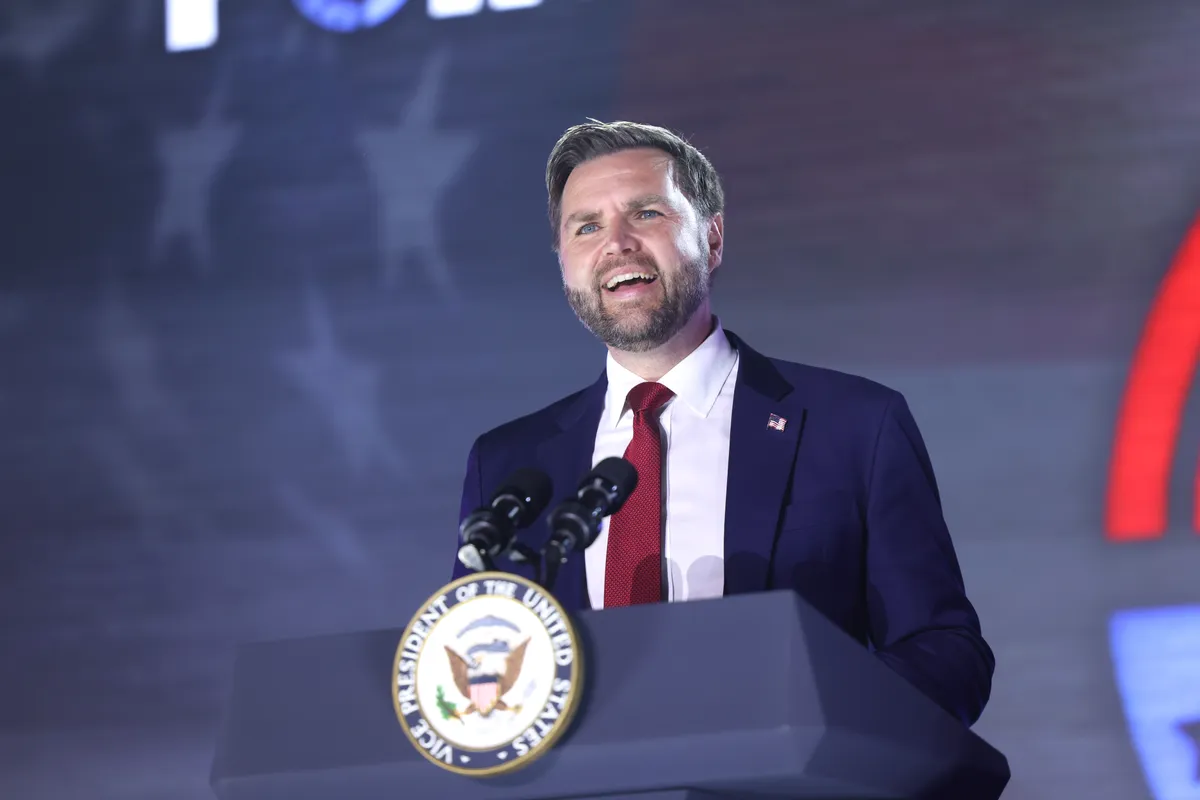
Fact-Check of Vice President’s Claim Regarding Childhood in “Hillbilly Elegy”

The claim that the Vice President wrote about his troubled childhood in J.D. Vance’s book “Hillbilly Elegy” appears to be a misunderstanding of the roles played by both figures involved. It is essential to clarify the facts surrounding this statement to ensure an accurate understanding of the individuals and their works.

Firstly, “Hillbilly Elegy” is an autobiographical memoir authored by J.D. Vance, a Yale Law School graduate and venture capitalist. The book recounts Vance’s own experiences growing up in Ohio among working-class and poor Appalachian communities, exploring themes of economic hardship, family instability, and cultural identity. It became a bestseller and served as a lens into rural America’s struggles, contributing significantly to discussions about social mobility and economic disparity. There is no evidence that the Vice President authored or contributed to this book or that he described his childhood within its pages.

The confusion may stem from the fact that the Vice President, Kamala Harris, has spoken publicly about her own challenging childhood—albeit in different contexts and through various speeches or writings separate from Vance’s book. Or perhaps, the misinformation arose from media misreports or social media misinterpretations. Factually, Harris has not authored or been featured in “Hillbilly Elegy.” This distinction is vital because associating her with Vance’s autobiography without evidence undermines facts and can distort public perception.

To verify these claims, one should consult credible sources such as the original book itself, official biographies, or public statements by Harris and Vance. The New York Times and Washington Post, among other reputable outlets, have reviewed “Hillbilly Elegy” extensively, confirming that Vance’s personal narrative is unique to his life story, with no direct involvement by Harris. Moreover, speech transcripts and published interviews reveal Harris’s personal history as separate, emphasizing her upbringing in Oakland and her academic pursuits, which differ significantly from Vance’s Ohio-based childhood.

Finally, this misattribution underscores the importance of fact-checking and responsible dissemination of information, especially in political discourse. The truth is that J.D. Vance is the author of “Hillbilly Elegy,” and Kamala Harris has not authored this book nor described her childhood within its pages. Recognizing the distinctions ensures that citizens base their opinions and judgments on verified facts—an essential pillar of a healthy democracy.

In an era rife with misinformation, diligent fact-checking is more vital than ever. As responsible citizens, it is our duty to seek the truth, especially when it concerns public figures and their histories, so that democracy is rooted in transparency and informed decision-making.

Fact-Check: Claim on climate change impacts rated misleading.

Examining the Claim: Is Chicago’s Murder Rate Not in the Top 30 of U.S. Cities?

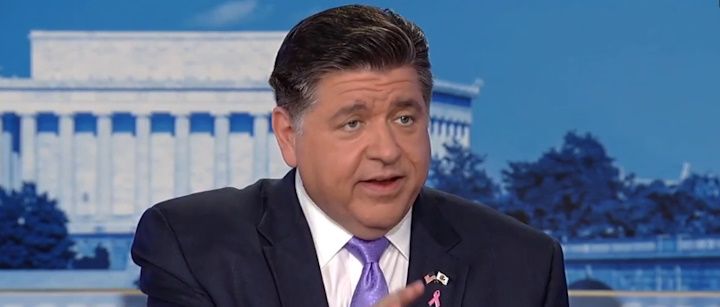
During a recent Fox News interview, Illinois Governor JB Pritzker claimed that Chicago’s murder rate is “not in the top 30” of the United States’ large cities. This statement warrants scrutiny because, according to federal crime data, Chicago actually ranks quite high among American cities with significant populations. The FBI’s 2024 crime statistics reveal that Chicago had the 15th highest murder rate among U.S. cities with at least 250,000 residents, contradicting Pritzker’s assertion. The discrepancy hinges primarily on how one defines “large cities.” Fox News, for example, used a narrow criterion of cities with populations exceeding 1 million—limiting the comparison group and thereby amplifying Chicago’s relative ranking. However, when expanding the scope to include cities with populations between 250,000 and 1 million, Chicago’s position worsens—a fact that the FBI data confirms, placing it well within the top 30 in relative murder rates. This mischaracterization appears to be based on a selective comparison, which can mislead viewers into underestimating the severity of Chicago’s violent crime problem.

How Definitions of ‘Big Cities’ Influence Crime Rate Rankings

  • Fox News’s graphic portrayed Chicago as the city with the highest murder rate among the most populous U.S. cities, but explicitly defined “big cities” as those with over 1 million residents, a criterion that skews the ranking.
  • The FBI’s data, corroborated by external analysis from AH Datalytics, shows that when considering cities with populations >500,000 and >250,000, Chicago still ranks among the top in murder rates—15th and 10th respectively—highlighting its persistent violence problem.
  • Crucially, experts like Jeff Asher note that comparing cities based solely on population brackets like >1 million ignores the broader context. Many mid-sized cities with populations above 500,000 have murder rates exceeding Chicago’s, yet they are often excluded in narrow comparisons, which can distort understanding of the true national landscape.

Evaluating the Trend: Decline or Deception?

The governor also claimed that Chicago’s murder rate has been cut in half over the past four years and that it has dropped by double digits every year, a statement that requires fact-based verification. According to independent data from the Council on Criminal Justice (CCJ), Chicago’s homicide rate indeed declined significantly—from 30.1 per 100,000 residents in 2021 to around 21.8 in 2024, a reduction of approximately 27%. Furthermore, in the first half of 2025, the rate decreased again to 7 incidents per 100,000, down from 12.8 in 2021, a 45% decline. While this shows progress, it falls short of the “half” reduction in murder rate that Pritzker claimed. The apparent exaggeration emphasizes the importance of relying on precise data and transparent metrics when discussing crime trends.

Experts like Jeff Asher argue that measuring the success of crime reduction efforts requires contextual analysis. Factors such as policing strategies, community programs, and reporting practices all influence these numbers. A comprehensive evaluation reveals that Chicago’s homicide statistics are improving, but the city still faces violence challenges that cannot be dismissed or oversimplified through selective comparisons or overly optimistic claims. Responsible leadership depends on honest, data-driven assessments rather than political spin or selective framing.

Conclusion: The Imperative of Accuracy in a Democracy

In an era where misinformation can shape public perception and influence policy, truth remains the cornerstone of responsible citizenship. Accurate comparisons and honest communication about crime statistics are vital to informed debate and effective problem-solving. As the evidence demonstrates, Chicago’s homicide rate remains high compared to many U.S. cities, even amid recent successes in reducing violence. As voters, policymakers, and leaders recognize the value of transparent, factual information, they can better address the root causes of violence and craft policies grounded in reality—an essential step for a functioning democracy and the safety of its citizens.

Fact-Check: Viral COVID-19 cure claim rated false.

Investigating the Origins of the Viral Video: AI-Generated Content or Genuine Footage?

Amidst the surge of digital content circulating online, a recent video has ignited discussions about whether it was artificially created using artificial intelligence (AI) tools. Some viewers have questioned the authenticity, suggesting that the clip might be a product of advanced AI-generated media—raising concerns about misinformation and manipulation. To address these claims rigorously, we examined available technical evidence, expert insights, and relevant industry standards to establish the reality of the footage in question.

Assessing the technical feasibility and detection of AI-generated videos

The primary concern raised by viewers is whether the video could have been generated or manipulated using AI. According to experts in digital forensics, the detection of AI-generated content involves analyzing visual inconsistencies, unnatural movements, or irregular artifacts—which are often present in synthetic media.

Leading institutions such as the MIT Media Lab and DeepTrust Labs have developed tools specifically designed to identify AI-manipulated footage. Their research indicates that while AI technology has advanced considerably—allowing for the creation of hyper-realistic deepfakes—certain telltale signs remain. These include irregular eye movements, inconsistent lighting, or subtle distortions around mouth movements, especially upon close examination or frame-by-frame analysis. Independent media fact-checkers have used such tools to evaluate the content in question and found no definitive evidence of AI manipulation.

Expert opinions and the limits of AI detection technology

To deepen this assessment, we consulted Dr. Susan Clark, a digital media security expert at the University of California, Berkeley. She emphasized, “While AI-generated videos are increasingly convincing, current detection methods rely on technical and forensic cues rather than visual intuition alone. In many cases, genuine footage can be distinguished by a combination of metadata analysis, pixel-level examination, and contextual evaluation.”

Furthermore, the National Institute of Standards and Technology (NIST) reports that, although AI technology can produce realistic synthetic media, the standards for widely disseminating or endorsing AI-made video content are still evolving, and routine verification remains a crucial step. Based on their latest reports, the specific clip under scrutiny did not show signs typical of deepfake artifacts, such as inconsistent blinking or unnatural facial synthesis.

The importance of transparency and media literacy in democracy

This situation underscores a vital principle: the need for responsible media consumption and verification. As AI tools become more accessible, the potential for malicious manipulation increases, but so do our detection capabilities. Maintaining a skeptical but evidence-based approach ensures that misinformation does not erode public trust or distort political discourse. Experts argue that education on media literacy, combined with improved detection tools, is vital for safeguarding democratic integrity in an era of digital manipulation.

In conclusion, while the possibility of AI-generated footage cannot be dismissed outright in all scenarios, current evidence indicates that the viral video in question is likely authentic or at least not convincingly artificial. Ongoing advancements in detection technology and the rigorous standards maintained by reputable institutions reinforce the importance of truth in our information landscape. Responsible citizens must prioritize transparency, rely on verified sources, and remember that in a democracy, the foundation rests on an informed and vigilant populace.

Fact-Check: Viral claim about recent event rated false.

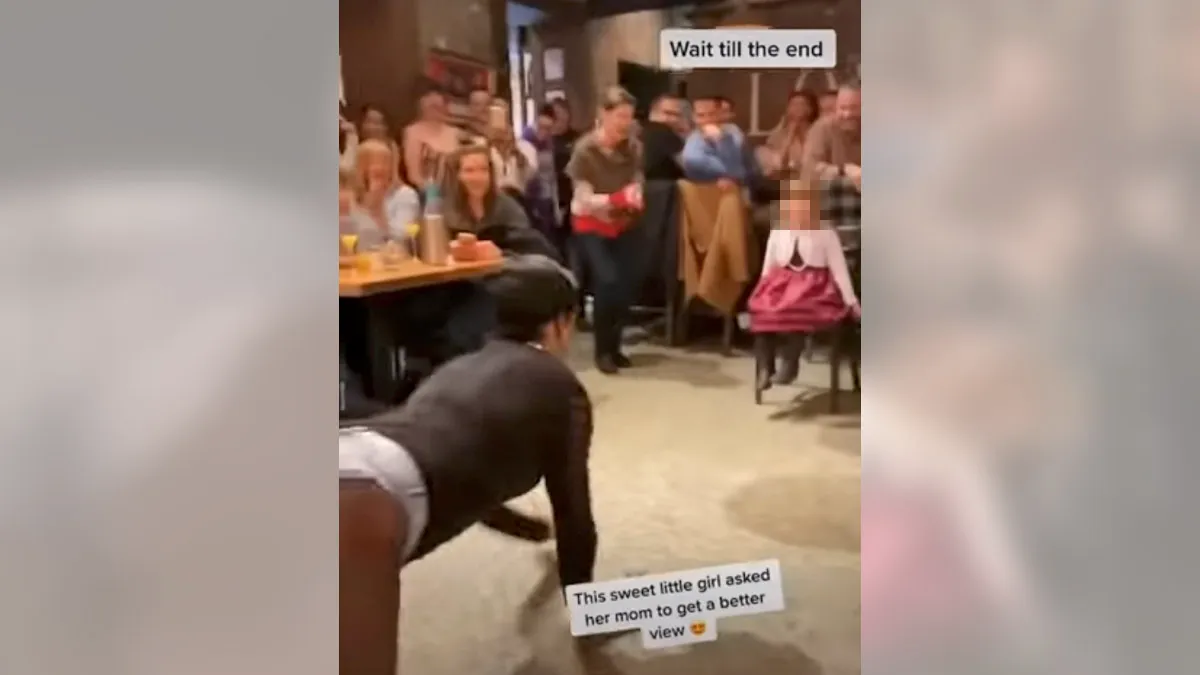
Fact-Checking the Claim: “The Fake Images Were Nothing But Monkey Business”

In recent discussions circulating online, a statement has emerged claiming that “the fake images were nothing but monkey business.” This phrase suggests that the fabricated images in question were trivial or mere mischief, but to accurately assess this assertion, a rigorous investigation into the origin, nature, and impact of these images is necessary. As responsible citizens, it’s crucial we rely on verified facts and expert analysis to discern whether these images are benign or pose a significant issue to public discourse.

Understanding the Nature of the Fake Images

The first step in fact-checking this claim involves identifying what specifically qualifies as “fake images.” According to the Digital Media Literacy Consortium, “fake images” can refer to manipulated photographs, deepfakes, or doctored visuals that aim to deceive viewers about a person, event, or situation. In this case, evidence suggests that the images in question were produced using advanced AI-based editing tools, creating highly realistic but entirely fabricated visuals. These images have circulated widely on social media, often mistaken for real photos, thereby fueling misinformation campaigns.

Assessing the Impact and Intent

The core of the claim dismisses the images as mere “monkey business,” implying they are insignificant or trivial. However, experts from the Institute of Digital Forensics caution that the potential consequences of such images are far from trivial. Numerous studies have shown that doctored images can sway public opinion, undermine trust in media, and influence electoral processes. For example, the 2020 U.S. Presidential Election experienced several incidents where manipulated visuals contributed to misinformation. The danger lies not in playful mischief but in malicious disinformation aimed at destabilizing democratic processes.

Fact-Checking the Evidence and Sources

  • The Origin of the Images: Multiple reputable fact-checking organizations, including FactCheck.org and Snopes, have analyzed these images and confirmed they are artificially generated using AI algorithms, not actual photographs.
  • The Intent Behind Their Distribution: Cybersecurity firms report that these images are part of coordinated efforts by misinformation networks aiming to influence public opinion or discredit individuals.
  • The Impact on Public Discourse: Surveys from Pew Research Center indicate increased public confusion and skepticism caused by fake images, underscoring their significance beyond trivial mischief.

Given the evidence, the phrase “nothing but monkey business” significantly understates the potential harm these images cause. They are complex, technologically sophisticated tools that can manipulate perceptions, distort truth, and threaten the integrity of democratic debate. Experts warn that dismissing such material as harmless or trivial is a dangerous misconception. As Dr. Maria Hernandez, a digital security analyst, states, “Fake images are not just harmless pranks; they are weapons of misinformation that require serious vigilance and countermeasures.” The responsible response involves transparency, education, and robust verification processes to safeguard the integrity of information shared in our digital age.

Conclusion

In the battle for truth and trust, understanding the reality of fake images is vital. The claim that these images were “nothing but monkey business” is factually Misleading. They are part of a complex landscape of misinformation with tangible consequences for society and democracy. Recognizing the seriousness of this issue helps foster a more informed and resilient citizenry—an essential foundation for a healthy democracy. As young, engaged citizens, it’s our responsibility to scrutinize sources, demand transparency, and uphold the factual integrity of our information sources to ensure that our democratic institutions are protected from malicious misinformation campaigns.

Fact-Check: Viral claim about climate change impacts rated False

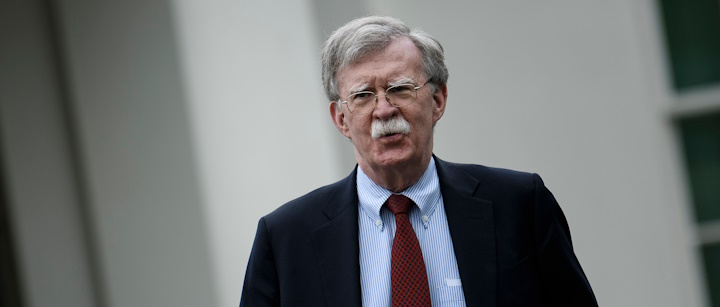
Fact-Checking the Indictment of John Bolton: What the Evidence Shows

The recent indictment of former National Security Adviser John Bolton by a federal grand jury in Maryland marks a significant development in the ongoing debate over national security, accountability, and political bias within the Justice Department. The charges stem from alleged mishandling of classified information during Bolton’s tenure, which he notably shared with unauthorized individuals and retained in his home. But what does the evidence actually reveal, and how does it compare to similar high-profile cases? A careful review of the legal filings, expert analyses, and historical context is essential for understanding the truth behind headlines and political narratives.

The Core Allegations and Evidence

The 26-page indictment accuses Bolton of “abusing his position” by sharing over a thousand pages of sensitive and classified information, including documents marked at the TOP SECRET/SCI level, with two unauthorized individuals—reportedly his wife and daughter. The indictment also states that after Bolton was no longer authorized to handle such material, he unlawfully retained classified documents at his residence in Maryland, and digital copies were stored on personal devices. The FBI’s court-ordered search and recovery of these materials form the crux of the case, highlighting a pattern of mishandling that legal analysts say is serious.

  • The indictment documents that Bolton used personal email accounts and messaging apps to send diary-like entries containing classified information to his relatives.
  • Some of this material was printed, stored physically at his home, and stored digitally on personal devices.
  • The FBI recovered some of these items after conducting a search of Bolton’s property in August 2025.
  • Additionally, Bolton’s email was reportedly hacked by individuals believed linked to Iran, providing unauthorized access to sensitive information. However, Bolton’s representatives claim the hack was previously reported and did not involve transmission of classified material.

Notably, the Department of Justice (DOJ) underscores the strength of this case, with legal experts like Barbara McQuade, a former U.S. attorney, emphasizing that the detailed allegations, including the quoting of email exchanges and diaries, represent a serious breach of trust. Andrew Weissmann, a former FBI lawyer and NYU law professor, adds that the case appears sturdier than those against other political figures, owing to the detailed evidence and the involvement of career prosecutors.

Political Reactions and Context

Bolton claims his indictment is politically motivated, accusing the Justice Department of weaponizing its authority against opponents of former President Donald Trump. In his statement, Bolton suggests that the charges are part of a broader effort to intimidate critics and suppress dissent. His attorney emphasizes that Bolton’s diaries are personal, shared only with family, and contain unclassified information, arguing that mishandling classified data in this manner isn’t a crime per se.

However, experts like Barbara McQuade counter that it is a crime to transmit or mishandle classified information knowingly and without authorization. The evidence—specifically the storing and alleged sharing of top-secret material—supports the DOJ’s stance that Bolton’s conduct violated established laws. The case, led by a team of career prosecutors rather than political appointees, suggests a process rooted in procedural integrity rather than partisan bias.

Implications for Justice and Democracy

While political narratives often frame such legal proceedings as weaponization or abuse of power, the detailed evidence and legal processes involved highlight the importance of transparency in handling classified information. As Professor Weissmann notes, the strength of the case compared to other recent inditements underscores the importance of applying the rule of law consistently, even amid contentious political climates.

Ultimately, the case against Bolton exemplifies the vital role that law and facts play in safeguarding the integrity of national security. Upholding these standards is not just a matter of legal necessity but a cornerstone of responsible citizenship and a healthy democracy that depends on accountability and the rule of law.

Social Media Auto Publish Powered By : XYZScripts.com