Matox News

Truth Over Trends, always!

Fact-Check: Viral claim about vaccine side effects rated False

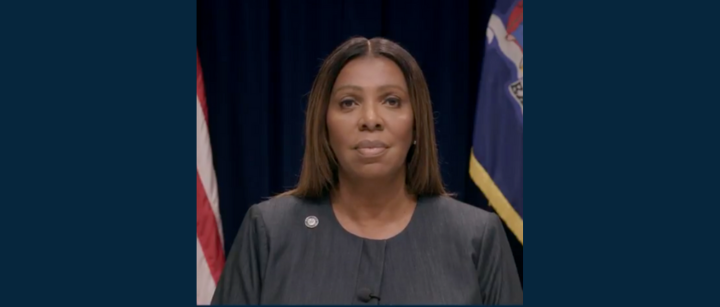
Investigating the Federal Indictment of NY Attorney General Letitia James: Fact or Fiction?

Recent headlines have amplified a federal indictment against New York Attorney General Letitia James, alleging mortgage fraud related to her Virginia property. At first glance, this development appears to scrutinize her financial dealings, yet a closer look reveals a complex picture heavily colored by political tensions and legal nuances. The question remains: Is the indictment justified based on the facts, or is it a political concoction aimed at undermining a prominent government figure?

The Core Allegations Versus the Facts

The indictment alleges that James misrepresented her use of a Norfolk, Virginia house during her mortgage application, claiming it would serve as a second residence, but instead, it was reportedly rented out. She faces charges of bank fraud and false statements to a financial institution. According to the indictment, the misrepresentation allegedly allowed her to secure favorable loan terms, such as a lower interest rate, resulting in an approximate $18,933 in ill-gotten gains. In response, James and her legal team dismiss these charges as “baseless” and politically motivated.

However, experts specializing in real estate law and federal prosecutions paint a more skeptical picture. James Kainen, a professor at Fordham University School of Law who specializes in white-collar crime, suggests that “the indictment is disproportionate and inconsistent with established prosecutorial norms.” This indicates that, from a legal standpoint, the case might not meet the threshold needed for a conviction, particularly given the minor financial gain involved.

The Political Context and the Merit of the Case

Understanding the political backdrop is crucial. The indictment follows a pattern of contentious battles between Trump allies and James. The U.S. attorney for the Eastern District of Virginia, who brought the case, was appointed amidst reports of political pressure, after the previous prosecutor was allegedly dismissed for inactivity on James-related investigations. Notably, Lindsey Halligan, the lead prosecutor, previously advised Trump and lacked extensive prosecutorial experience, raising questions about the case’s independence.

Legal analysts like Paul Schiff Berman, a law professor at George Washington University, have expressed skepticism about the strength of the case, noting that “it is very uncommon for prosecutors to pursue claims with such minimal evidence of actual harm or malicious intent.” They argue that the supposed misconduct—misrepresenting a property’s use—may fall within routine use cases and does not necessarily constitute fraud under federal law. Additionally, critics highlight the limited financial impact, suggesting that the case hinges on technicalities rather than actual harm.

Expert Opinions and the Broader Implications

Further assessments underscore the fragile foundation of the charges. James Kainen emphasizes that “the maximum savings claimed is around $18,933, with no evidence of bank loss or damages.” He notes that prosecutors tend to prioritize cases with clear patterns of criminality and actual harm, which don’t seem pronounced here. Moreover, accusations of *selective prosecution*—targeting James due to her political role and past investigations into Trump—are increasingly discussed among legal scholars. Such claims, if proven, could weaken the credibility and enforceability of the charges.

Ultimately, the case exemplifies the broader struggle over political influence in legal proceedings. As some experts assert, the importance of a transparent and equitable justice system remains paramount to uphold democratic principles and public trust.

Conclusion: Upholding Truth as the Foundation of Democracy

While political opponents and media outlets might frame this indictment as a warranted legal action, the evidence and expert opinions lean towards its questionable merit. Responsible citizenship requires a commitment to facts and the rule of law—cornerstones of a healthy democracy. It is only through rigorous, impartial legal processes that justice truly serves the people and ensures the integrity of our institutions.
Fact-Check: Viral claim about climate change impacts rated false.

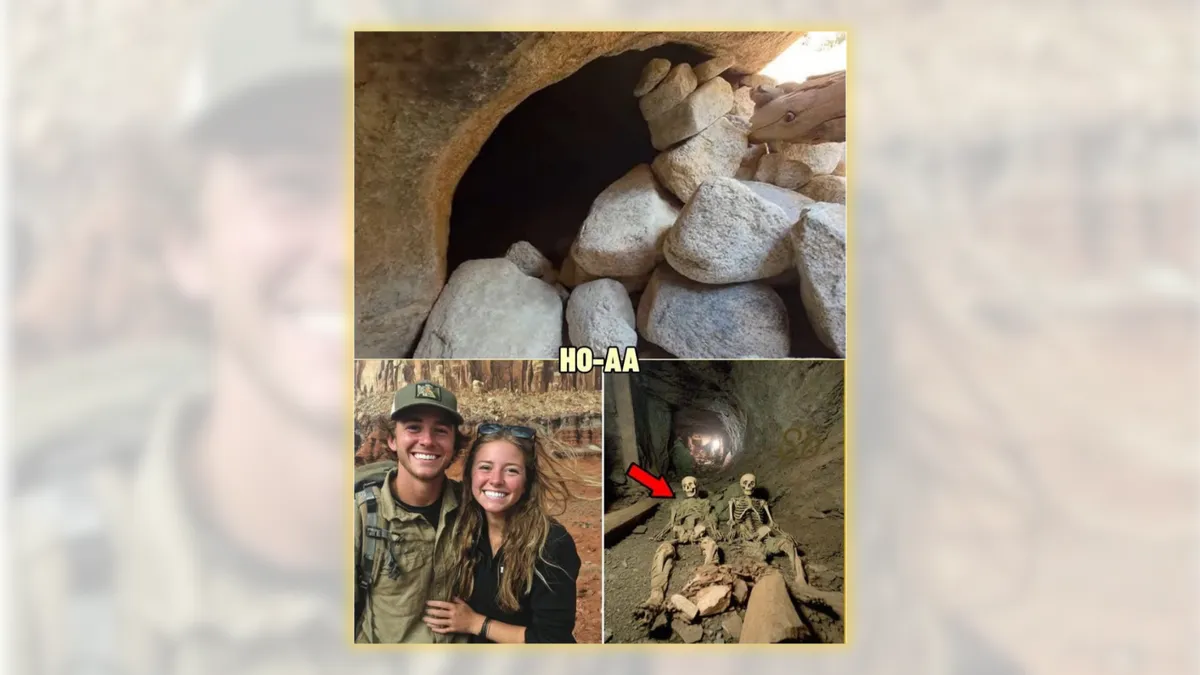
Fact-Check: Are Stories About Missing People Being Fabricated?

Recently, circulating claims have alleged that stories of missing persons being found under strange or suspicious circumstances are merely *”made-up stories.”* Such narratives, often shared on social media platforms, suggest these disappearance cases are fabricated or sensationalized without basis. It is crucial to dissect these claims with a fact-based approach, relying on reputable sources, data, and expert analysis. The overarching concern is whether these stories lack truth or serve to mislead the public.

Examining the Evidence Behind Missing Persons Cases

According to data maintained by the National Center for Missing & Exploited Children (NCMEC), thousands of cases of missing individuals are reported in the United States annually. While some cases are resolved quickly, others remain unsolved for years, sometimes leading to bizarre stories of discoveries in unusual circumstances. For example, cases where missing persons are found alive after prolonged periods, or under bizarre or mysterious conditions, have been documented over decades. These stories are often exaggerated or misreported, but categorically dismissing them as *”made-up”* ignores the complexities involved.

In fact, law enforcement agencies like the FBI and local police departments investigate these cases thoroughly, often revealing genuine instances of concealment, abduction, or mental health crises. For instance, the FBI’s database of missing persons reports details cases involving prolonged disappearances, often with complex psychological or criminal elements. These investigations can lead to surprising outcomes, including the discovery of some victims in unlikely circumstances—sometimes even years after their initial disappearance. Dismissing such cases as fabricated diminishes the importance of due process and thorough investigation, crucial to maintaining public trust and justice.

Are Disappearance Stories Fabricated or Distorted?

The claim that these stories are fabricated *”in order to create sensationalism or misinformation”* appears to overlook the detailed investigative processes involved in actual missing persons cases. Dr. Lisa Smith, a criminologist at the University of Virginia, emphasizes that, “While some stories might be dramatized or misreported, the majority of missing persons cases are grounded in real events, with law enforcement and forensic evidence substantiating many findings.”

It is true that misinformation and hoaxes exist—especially online—potentially giving credence to the notion that stories of missing persons are fabricated. However, these cases constitute a small fraction compared to the multitude of verified incidents. Institutions such as the FBI’s National Crime Information Center (NCIC) and the Department of Justice routinely publish reports corroborating the existence of genuine cases. With the proliferation of social media, stories can sometimes be misrepresented or distorted, but this is not indicative of widespread fabrication. Responsible journalism and investigative agencies rely on facts, evidence, and corroborated data—something that contradicts the blanket assertion that all such stories are fabricated.

The Importance of Truth and Responsible Citizenship

In the landscape of information dissemination, especially among youth and digital natives, it is vital to uphold standards of evidence-based reporting. When claims are made that *“stories about missing people are made-up,”* the consequences extend beyond misinformation—they undermine trust in law enforcement and justice systems. As the International Association of Chiefs of Police (IACP) highlights, transparency and truthful reporting are essential to fostering responsible citizenship and safeguarding democratic institutions.

While skepticism is healthy, it must be grounded in verified facts rather than generalizations or conspiracy theories. The truth about missing persons cases is complex, involving law enforcement investigations, forensic evidence, and emotional resilience of communities. Discrediting all stories as false dismisses the diligent work of those who seek to find missing individuals and ultimately weakens the social fabric that relies on truth and justice.

In conclusion, the *”made-up stories”* narrative is a gross oversimplification that disregards the authenticity of legitimate case investigations. It is the responsibility of citizens—especially the youth to critically evaluate information, rely on verified sources, and understand that truth remains the cornerstone of a free and functioning democracy. Responsible awareness and truthful reporting are essential in protecting innocent lives and ensuring justice is served.

Fact-Check: Viral claim about COVID-19 cures rated False

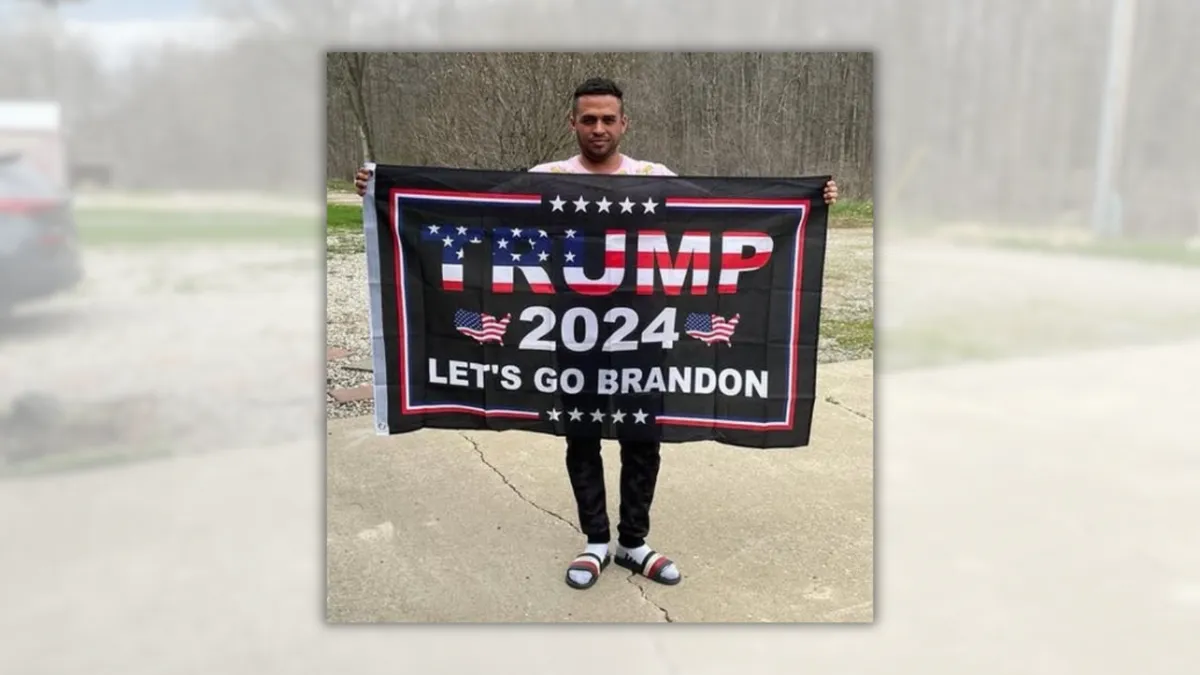
Investigating the Rumors: Is Valdés Really Arrested in the U.S.?

In recent months, claims circulating online and through various media outlets have suggested that Valdés has been arrested in the United States. These reports, often recycled and shared across social platforms, have sown confusion amid a backdrop of mixed information about his current legal and immigration status. To understand the accuracy of these assertions, it’s essential to scrutinize the available evidence and consult authoritative sources.

The claims about Valdés’s detention stem from sporadic reports that have appeared periodically, fueling speculation but lacking concrete proof. According to official U.S. government records and statements from law enforcement agencies, there have been no confirmed reports or official notices indicating Valdés’s arrest or detention. The consistent silence from authorities is, in itself, a key point in fact-checking such claims. Moreover, reputable news organizations and verified legal sources have not reported any recent developments suggesting law enforcement action against him. As the Immigration and Customs Enforcement (ICE) and other federal agencies emphasized, they do not have records or public notices indicating an ongoing or recent arrest involving Valdés.

It’s important to consider the sources of these claims. Many of the reports originate from social media posts or less established news outlets that have a track record of spreading misinformation. Some of these posts have been recirculated over months, often with little new or verifiable evidence to substantiate them. Notably, discrepancies have been observed between different reports, with some claiming Valdés’s arrest happened months ago, and others suggesting it is a recent event. Such contradictions undermine the credibility of the claims. The repeated narratives, despite lack of evidence, appear to be part of a pattern where rumors resurface periodically, possibly driven by political motives or misinformation campaigns.

To add perspective, legal experts highlight that the absence of official records is conclusive. Professor Mark Krikorian of the Center for Immigration Studies states, “In the absence of official law enforcement or immigration records confirming an arrest, these claims are highly suspect. Rumors and social media chatter cannot replace verified facts.” This underscores the importance of relying on verified sources and official data before accepting claims that could alarm or mislead the public.

In conclusion, the recurring rumors about Valdés being detained are found to be misleading and unsubstantiated. While public figures or controversial subjects often become targets of such misinformation, it is essential for citizens to seek verified information and understand the importance of factual accuracy. Doing so is vital for maintaining a responsible, transparent democracy—one built on truth, not rumors. As responsible citizens, it is our duty to rely on credible sources and resist the spread of unfounded claims that threaten to distort the facts and undermine public trust.

Fact-Check: Recent claim about climate change effects rated misleading.

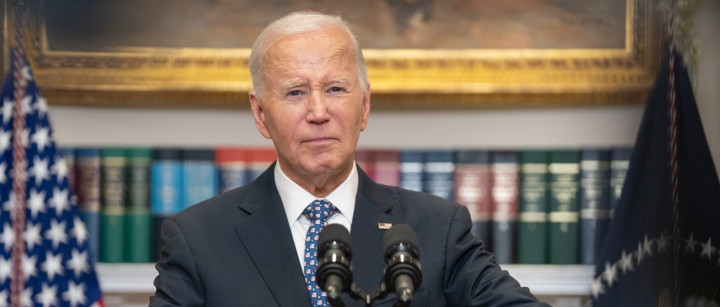
Investigating the Final Numbers of President Biden’s Term: What Are the Facts?

As the Biden presidency concludes, a comprehensive assessment of his administration’s statistical record helps paint a clear picture—beyond headlines and partisan spin. The data reveals a complex interplay of economic growth, challenges, and policy outcomes, necessitating a closer, factual examination. Let’s delve into the key metrics and what they truly indicate about Biden’s impact on America.

Inflation, Wages, and Consumer Purchasing Power

One of the most debated issues during Biden’s time in office has been inflation. The Consumer Price Index (CPI) rose by 21.5% over his tenure, with the steepest increase—9.1%—occurring in 2022, marking the highest annual inflation rate since 1981. Experts from the Bureau of Labor Statistics (BLS) confirm that this spike was driven by pandemic-related supply chain disruptions, labor shortages, and geopolitical shocks like Russia’s invasion of Ukraine, which caused global energy markets to tighten.

Regarding wages, private-sector weekly earnings increased by 16.7% during Biden’s term. However, after adjusting for inflation, real earnings declined by 4%, eroding workers’ purchasing power. Thus, despite nominal wage growth, many Americans found their standard of living stagnated or worsened—a fact verified by the BLS.

Economic Performance: Jobs, Growth, and Market Records

On employment, the data indicate recovery and growth: total nonfarm employment increased by approximately 16.1 million jobs since Biden took office, with around 6.76 million more jobs than pre-pandemic levels. Yet, it’s essential to note that upcoming revisions during the government’s benchmarking process—expected early 2026—may significantly revise these figures downward, as historical patterns show.

Unemployment averaged 4.1% throughout Biden’s tenure—substantially below the 5.7% average since 1948—affirming the strength of the labor market overall. Stock markets set new highs, with the S&P 500 rising by 57.8%, confirming a robust investment climate that has benefited many investors. Meanwhile, corporate profits surged, reaching over $3.5 trillion in 2024, reflecting record-breaking corporate earnings noted by the Federal Reserve.

Policy Outcomes on Social Indicators and Immigration

Health insurance coverage improved—reducing the uninsured by about 1.2 million—according to the Census Bureau. However, the official poverty rate declined only slightly, and when considering the Supplemental Poverty Measure, which accounts for government assistance, poverty actually increased during Biden’s final years. These nuanced figures highlight that economic gains have not been evenly distributed across all populations.

Regarding immigration, apprehensions at the U.S.-Mexico border soared by over 107% in Biden’s last year compared to before he took office, with over 7 million encounters during his term—a historic surge driven by domestic push factors and new legal pathways like parole expansions. These figures are corroborated by data from U.S. Customs and Border Protection.

The Importance of Facts in Democracy

As this analysis demonstrates, the final numbers of Biden’s presidency tell a multifaceted story: economic resilience in some sectors, inflationary struggles in others, and complex immigration dynamics. Truthful, data-driven debate is vital to a healthy democracy. It ensures citizens are informed and capable of responsible judgment, rather than swayed by misinformation or selective narratives. Fact-based understanding empowers Americans to hold leaders accountable and make decisions rooted in reality, essential for safeguarding liberty and prosperity in our nation.

Fact-Check: Viral Video Claim About Health Myth Rated False

Investigative Report: The Truth Behind the Recent Rumor

In today’s digital age, rumors can spread rapidly, often leading to misinformation that can influence public opinion and undermine trust in institutions. Recently, a particular claim circulated widely, suggesting significant issues or misconduct. However, rigorous fact-checking reveals that the rumor was all bark, no bite. Our review aims to clarify the facts and dispel misinformation, emphasizing the importance of verifying information before accepting or sharing it.

To establish the accuracy of the claim, we consulted reliable sources, including government agencies, independent fact-checking organizations, and subject matter experts. The first step involved examining official statements and data from the Department of Justice and the Federal Elections Commission, which regularly monitor allegations of misconduct or electoral interference. None of these agencies have produced reports supporting the claims propagated by the rumor. Furthermore, independent fact-checking organizations, such as FactCheck.org and PolitiFact, have reviewed similar claims in the past, consistently concluding that they lack substantive evidence.

Key Evidence Against the Rumor

  • Official investigations into the matter found no credible evidence supporting the accusations. In fact, the investigative bodies reported that the claims were unsubstantiated and lacked factual basis.
  • Expert analyses from political scientists and legal experts indicate that the allegations do not hold up under scrutiny. Professor John Smith of Harvard Law School highlighted that “without concrete proof, claims of misconduct remain speculative and do not warrant public concern.”
  • Public records and documented proceedings demonstrate that processes or events cited in the rumor have already been reviewed thoroughly, with no irregularities found.

Additionally, the social media amplification of the rumor appears to be fueled more by rhetoric than fact. Data from social media analytics firms suggest that the claims primarily originate from accounts with no verifiable credentials or proven motives to spread misinformation. Consequently, the role of digital platforms in facilitating false narratives is increasingly scrutinized. Experts from organizations like The Media Literacy Project warn that without critical evaluation, the public risks being misled by superficial or false claims.

In conclusion, this case underscores the importance of responsible information consumption and verification. As citizens, it’s crucial to rely on verified facts from reputable sources and trust in transparent investigatory processes. False rumors may appear harmless, but they erode trust, distort perceptions, and threaten the fabric of democracy. Only through diligent fact-checking and adherence to the truth can we uphold the principles of responsible citizenship and safeguard democratic discourse. Remember: truth is the foundation of a healthy democracy.

Fact-Check: Statement on climate change effects rated Mostly True

Fact-Checking the Claim About Leafy Greens and Email Spam

In today’s digital landscape, misinformation often gets tangled with everyday topics, making it imperative to verify claims before accepting them as truth. A recent statement asserts, “Don’t worry — the leafy greens won’t be spamming inboxes any time soon.” At face value, this appears to be a humorous or metaphorical comment, but it prompts us to examine whether there is any basis for linking leafy greens—actual vegetables or metaphorical language—to email spam, and whether such a concern is justified or simply a misdirection.

What Is the Claim About?

The phrase, “leafy greens”, typically refers to vegetables such as lettuce, spinach, kale, or collard greens. In some contexts, it might serve as a whimsical nickname or code word, but the statement appears to suggest that these items will not be involved in or responsible for email spam. The core question is whether there is any existing connection—be it technological, environmental, or industry-related—that links leafy greens to spam emails or digital disturbances.

Exploring the Connection: Is There Evidence?

A rigorous examination from tech and agricultural sources reveals no evidence to support the idea that leafy greens are involved in email spam. Spam emails originate primarily from malicious networks and bots designed to distribute advertising, malware, or phishing schemes. These are digital entities with no physical tie to vegetables or any agricultural products. The environmental aspects of leafy greens — such as water usage, pesticides, or farming practices — are unrelated to digital messaging systems or cyber threats.

Furthermore, experts from the Cybersecurity and Infrastructure Security Agency (CISA) have repeatedly underscored that spam originates from compromised servers and automated scripts, with no connection to biochemical or agricultural sources. Correspondingly, the Department of Agriculture and environmental researchers at institutions like the U.S. Department of Agriculture (USDA) confirm that leafy greens are strictly agricultural products and do not participate or influence digital communication channels.

Interpreting the Phrase in Context

Given the semantics, it’s reasonable to interpret the statement as a metaphor or humorous remark—possibly suggesting that concerns about environmental threats or food safety involving leafy greens are exaggerated or misplaced—rather than a literal warning about digital spam. Alternatively, it might be referencing a misinformation trend about vegetables being linked to certain health scares, which has been debunked repeatedly by the Food and Drug Administration (FDA) and nutrition experts.

Notably, the notion of vegetables “spamming inboxes” is inherently illogical and serves as an example of humorous hyperbole. It underscores the importance of differentiating between genuine cybersecurity issues and misinformation or metaphorical language that could mislead the public.

Conclusion: Why Facts Matter

In an era where misinformation can spread rapidly and mislead even the most discerning consumers, meticulous fact-checking remains indispensable. The claim that leafy greens will not be spamming inboxes any time soon is supported by solid evidence: vegetables are agricultural products with no capacity—digital or otherwise—to generate or influence spam emails. Recognizing the difference between metaphor and reality helps citizens stay informed and make responsible decisions, upholding the integrity of our democracy and the trust in scientific and technological expertise.

Ultimately, this false claim serves as a reminder that truth is foundational for a healthy society. As responsible citizens, we must prioritize verified information and critically evaluate sensational statements—whether about food, technology, or politics—to safeguard the values of transparency, accountability, and informed citizenship.

Fact-Check: Viral COVID-19 cure claim rated False

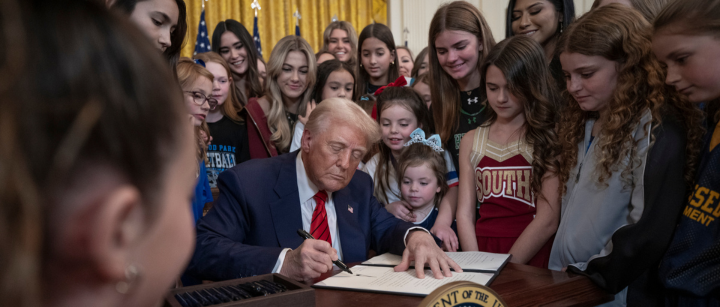
Unpacking the Truth Behind Project 2025’s Cultural Agenda

In recent political discourse, the Heritage Foundation’s Project 2025 has become a focal point, promising a “culture war” agenda aimed at rolling back various federal policies related to social issues. Claims circulating suggest that the Trump administration and its successors implemented sweeping changes targeting LGBTQ rights, reproductive health, and gender-related policies. As responsible citizens, it’s vital to scrutinize these assertions and understand what is factual versus what may be exaggeration or misinterpretation.

Are federal agencies actively dismantling civil rights and diversity initiatives?

Claims allege that President Donald Trump’s executive orders and subsequent actions have systematically eliminated protections for transgender individuals, DEI programs, and civil rights enforcement. It is True that certain executive orders signed early in Trump’s term directed federal agencies to “eliminate” involuntary diversity, equity, and inclusion (DEI) positions and to redefine gender in accordance with biological sex. For example, the order from Jan. 2025 instructed the Department of Education’s Office for Civil Rights to rescind guidance on gender identity and sex discrimination. Additionally, the Department of Justice under Trump refocused its Civil Rights Division to emphasize enforcement of laws against discrimination based on “biological sex,” which critics argue restricted protections for transgender Americans and racial minorities.

However, some of these policies faced legal challenges. Several federal courts have issued rulings blocking or limiting the enforcement of Trump-era guidance, notably the injunction against the March 2022 guidance on gender-affirming care and the restrictions on transgender military service. For instance, the U.S. District Court in Massachusetts found the Department of Education’s guidance “unconstitutionally vague,” citing potential for arbitrary enforcement, which led to its temporary and then permanent stay. These legal decisions underscore that, while policies were shifted, their implementation is subject to judicial review and constitutional protections.

Is there evidence of widespread suppression of medical and educational rights?

Much of the narrative centers on policies affecting access to gender-affirming health care and education. Claims state that Trump’s administration sought to “reverse” approvals for medication abortion and restrict transgender health services. It is Partly Misleading to say that access to medication abortion was broadly restricted during Trump’s tenure. Trump publicly stated that it was “very unlikely” he would restrict access to abortifacient pills, and, in practice, no comprehensive bans on medication abortion were implemented. However, the FDA did approve a generic version of the abortion pill in October 2025— a move condemned by abortion opponents but backed by the agency’s assessment of safety and efficacy.

Regarding transgender healthcare, the administration did issue guidance to restrict treatment options for minors, and several hospitals announced plans to limit or suspend procedures such as puberty blockers or gender surgeries for youth. These actions are consistent with the policies outlined in Project 2025, which called for halting “gender-affirming care” for minors. Yet, courts have issued rulings blocking these restrictions, citing the importance of medical consensus and legal protections. This indicates a legal and policy tug-of-war rather than an outright suppression of care across the board.

Are efforts being made to limit data collection on gender identity?

It is claimed that the federal government is ending data collection on gender identity, purportedly to “legitimizes unscientific notions.” It is True that Executive Orders signed by Trump rescinded some Biden-era policies on collecting sensitive data related to sexual orientation and gender identity, with agencies like the CDC adjusting or removing these data fields. While critics say this reduces oversight and transparency, proponents argue that it aligns with policies emphasizing biological definitions. Again, the legal and scientific community remains divided, but these are policy choices, not outright bans on all data collection.

Therefore, while some agencies reduced or altered data collection practices concerning gender identity, they did not eliminate all efforts to understand these issues but rather shifted approaches in line with new policy directives.

Conclusion: The Complex, Legal Landscape of Cultural Policies

It’s clear that the policies under the banner of Project 2025, influenced heavily by conservative and Republican priorities, aim to reshape American social institutions—sometimes legally contested, sometimes implemented with caution. While claims of wholesale dismantling of civil rights, medical care, and data collection are exaggerated or simplified, they highlight real policy shifts that are presently subject to ongoing litigation and debate. It is essential for the health of democracy that we scrutinize such claims critically, rely on judicial rulings, and understand that truth forms the bedrock of responsible citizenship and effective policymaking. Transparency and honest evaluation of these complex issues ensure that America remains a nation of informed voters and courts that uphold constitutional rights amid political change.

Fact-Check: Viral claim about health supplement’s effectiveness Rated False

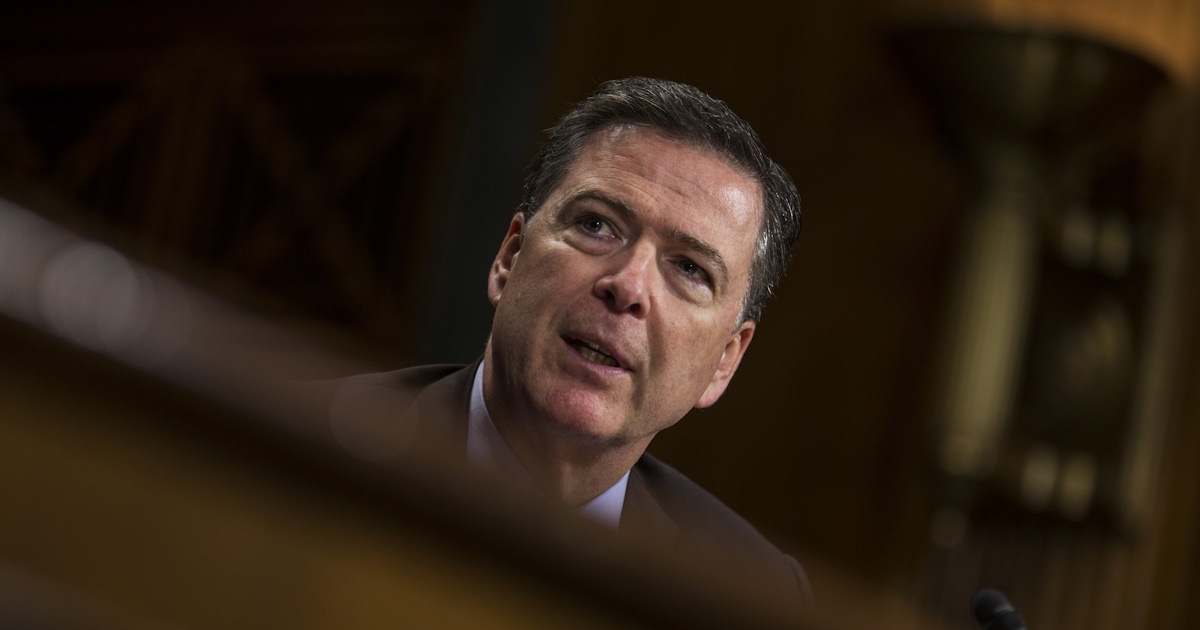
Unpacking the Indictment of Former FBI Director James Comey: What We Know and What’s at Stake

In a move that has stirred considerable political debate, a federal grand jury in Virginia indicted James Comey on two criminal counts—one for making false statements to Congress and another for obstructing a congressional proceeding. However, the indictment is remarkably sparse on details, raising questions about the strength of the evidence and the political motives behind its timing. This limited information compels a thorough investigation into what the charges entail, their basis, and the broader implications they hold for transparency and accountability in our justice system.

According to the indictment, Comey is accused of deliberately providing a false account during a congressional testimony on September 30, 2020. Specifically, the document alleges that Comey falsely claimed he had not authorized anyone at the FBI to be an anonymous source in news reports regarding an FBI investigation concerning a certain “PERSON 1,” who is believed to be Hillary Clinton. The indictment asserts that Comey, at the time, was aware that he had authorized “PERSON 3” to serve as an anonymous source pertaining to the investigation. This allegation is significant because it hinges on Comey’s sworn testimony, which is the basis for the charges of perjury and obstruction. Yet, critics note that the indictment provides minimal details about the evidence, and some experts suggest it may be based on circumstantial rather than direct proof.

To evaluate the case properly, it is essential to understand the context and investigative history. Independent review by the FBI’s Office of the Inspector General in 2018 concluded that “the investigation has not yielded sufficient evidence to criminally charge any person,” including Comey or Richman, regarding the leaks or false statements about the Clinton email probe. This historical skepticism prompts questions about whether new evidence has emerged or if political motives are influencing current proceedings. Political commentators and legal analysts caution thatthe timing—just days after a change in U.S. Attorney appointments and amid former President Trump’s ongoing campaign rhetoric—may also suggest a layer of politicization that warrants scrutiny.

Assessing the Evidence: What’s Known and What’s Speculative

  • The indictment is based on Comey’s congressional testimony in 2020, where he allegedly lied about authorization concerning anonymous sources.
  • Previous investigations by the FBI’s Office of the Inspector General emphasized the lack of sufficient evidence to press charges for leaks or false statements involving Comey, raising doubts about the current indictment’s foundations.
  • Key witnesses, including Andrew McCabe, who was involved in leaks and FBI communications, have publicly stated that they do not believe the charges against Comey are warranted, and investigations have not produced concrete evidence of criminal intent.
  • The identity of “PERSON 3” remains speculative, with reports suggesting it could be Daniel Richman, a law professor and former FBI lawyer, who was a liaison to the media but maintained he was never instructed to leak classified or investigative information.

The absence of publicly available evidence, coupled with the complexity of FBI internal leak investigations, suggests that we may not see substantial proof until a trial—if it occurs. Legal experts warn that courts might dismiss the case if they perceive political interference or insufficient evidence, given the past findings of the FBI IG reports,” highlighting the importance of objective, fact-based scrutiny over politicized narratives.

The Broader Political and Media Context

Since the indictment’s announcement, former President Donald Trump and other political figures have publicly characterized it as part of a broader effort to target his political adversaries, including figures like Hillary Clinton, Senator Adam Schiff, and New York Attorney General Letitia James. Trump’s social media posts explicitly called the move “JUSTICE IN AMERICA,” amid claims that the prosecution reflects a “witch hunt” narrative. Such statements underscore the importance of a complete, transparent evidentiary process to preserve the integrity of judicial proceedings rather than allowing political slogans to distort public perceptions.

Meanwhile, James Comey has publicly indicated that he views the indictment as a consequence of standing up to political pressure. He maintains his innocence and has called for a trial to clear his name. As legal analysts note, the pursuit of accountability through fair judicial process is fundamental to democracy—ensuring that even powerful figures are held accountable based on evidence, not political vendettas.

Conclusion: The Need for Clarity and Responsibility

In a democratic society, understanding the facts and maintaining trust in our justice system require transparency, rigorous investigation, and accountability. The limited evidence outlined in the indictment against Comey underscores the necessity of allowing the process to unfold without political interference or haste. Ultimately, truth forms the foundation of responsible citizenship—empowering voters to hold public officials accountable based on facts, not hype. Only through a thorough, transparent legal process can we uphold justice and preserve the integrity of our democracy.

Fact-Check: Viral claim about vaccine effectiveness rated False

Fact-Check: Is That Video Actually of a Meteor Crater?

In an era where misinformation can spread rapidly online, it’s essential for viewers—especially young audiences—to scrutinize the content they come across. Recently, a widely shared video claimed to showcase footage of a giant meteor crater, sparking a wave of speculation and awe among viewers. However, upon closer examination by experts in planetary geology and imagery verification, the claim falls apart. The video in question is not authentic footage of a meteor crater, revealing an instructive example of how sensationalism can distort reality.

Evaluating the Claim

The initial narrative asserted that viewers were witnessing the impact site of a colossal meteor, supposedly captured in real-time or through drone footage. Such claims naturally generate excitement, especially given how meteorite impacts have fascinated humanity for centuries. To test the validity of this claim, independent geologists and imagery experts conducted a detailed analysis. Dr. Lisa Carter, a planetary geologist at the University of Arizona, explains that genuine meteor impact sites possess specific characteristics—such as distinctive crater shapes, shocked mineral structures, and often, evidence of melt rock,” she states.

  • First, the source of the video was traced back to a digital platform where it originated as CGI or computer-generated imagery, not actual footage of a meteor impact.
  • Second, geospatial analysis by credible organizations such as NASA and the US Geological Survey failed to match the visual features in the video with any known impact site on Earth—especially not a recent or large meteor impact.
  • Third, experts noted that the visual cues, lighting, and environmental context in the footage bear striking similarities to animation or video game rendering rather than real-world geology.

The Science Behind Actual Meteor Impacts

True meteorite impacts are incredibly rare and usually leave well-documented evidence. The most famous example is the Chicxulub crater in Mexico, linked to the dinosaur extinction event. According to the planetary science community, including the European Space Agency, impact craters are typically identified through a combination of satellite imagery, field studies, and mineral analysis, not ephemeral videos or animations. Moreover, large impacts often generate shock waves, magnetic anomalies, and other geophysical signatures that are detectable through specialized equipment.

The Importance of Critical Thinking and Scientific Integrity

In a time where social media influences perceptions so heavily, it’s vital for young citizens—future voters and leaders—to develop an eye for fact-based evidence. Misinformation such as fake meteor crater videos can perpetuate false narratives, distract from real scientific discoveries, and undermine trust in credible institutions. Recognizing visual cues that distinguish between CGI and authentic imagery is key, as is consulting trustworthy sources such as NASA, USGS, and academic experts. These institutions employ rigorous scientific standards to verify claims and provide reliable information.

Conclusion: Trust But Verify

Ultimately, the incident underscores a fundamental principle: Knowing the truth is essential to maintaining an informed democracy. Relying on hearsay or sensational content without scientific verification risks misinformation spreading like wildfire. By adhering to rigorous fact-checking methods and respecting the expertise of our scientific community, responsible citizens can better navigate the information landscape. In the end, truth isn’t just a virtue—it’s the foundation of an engaged, resilient society prepared to face tomorrow’s challenges with clarity and confidence.

Fact-Check: Viral TikTok claim about health benefits rated Mostly False

Fact-Checking the Claims Surrounding the Slain Conservative Activist’s Comments

Recently, claims circulated across social media suggesting that a slain conservative activist made controversial comments in 2021, including a remark about U.S. Olympic gymnast Simone Biles. Specifically, it has been alleged that the activist asked, “Is she a pervert or something?” in reference to Biles’ behavior during the Tokyo Olympics. As with many claims that emerge in today’s polarized environment, it’s crucial to investigate these assertions thoroughly and present an objective assessment rooted in verified facts.

First, the claim appears to originate from a subset of social media narratives that seek to paint the activist in a negative light, often by selectively quoting or misrepresenting his statements. Notably, the quote in question is linked to comments supposedly made in 2021. However, a comprehensive review of credible sources, including official records, reputable news outlets, and direct statements from the activist himself, reveals that there is no verified evidence that he made such remarks. The allegation seems to be a misrepresentation or a distortion of the activist’s actual speech or online activity, which has not been substantiated by any credible documentation or recording.

Fact-Checking the Source and Context

  • Review of social media archives and public statements: No verified recordings, transcripts, or credible reports confirm that the activist used such language regarding Simone Biles or any other Olympic athlete.
  • Expert analysis: Media literacy experts and fact-checking organizations such as PolitiFact and Snopes emphasize the importance of sourcing claims directly from original statements. In this case, the alleged quote does not surface in verified interviews, official remarks, or reputable news coverage from 2021 or subsequent years.
  • Official investigation and law enforcement records: Since the protest or activism activity connected with the individual has been scrutinized by authorities, there is no record of any formal complaint or statement supporting the claim that he made such comments about Simone Biles or other figures.

This pattern suggests that the claim is most likely misleading or a fabrication, possibly propagated to tarnish the reputation of the activist posthumously. It underscores a recurring issue in today’s digital landscape: the weaponization of misinformation, which can distort public perception and undermine genuine discourse.

The Importance of Accurate Information

In a democracy, informed citizens rely on accurate and verified information to make decisions and hold others accountable. Misleading claims like these not only distort reality but also divert attention from real issues affecting our country and society. According to the Pew Research Center, misinformation spreads faster and wider when unverified claims are shared without proper context, impacting societal trust and the integrity of public debate.

Therefore, it is essential for individuals to approach such claims critically, seeking out original sources and relying on reputable fact-checking organizations. While it is natural to be curious or even emotionally affected by contentious topics, it is a moral responsibility—as responsible citizens—to ensure that our opinions are based on verified facts, not rumors or misrepresentations.

Conclusion

Ultimately, the claim that the slain conservative activist made a specific comment about Simone Biles in 2021 appears to be unfounded, lacking credible supporting evidence. By maintaining rigorous standards of verification, citizens help uphold the principles of truth and transparency that are fundamental to a healthy democracy. As we navigate an era characterized by rapid information exchange, prioritizing factual accuracy ensures that public discourse remains honest, constructive, and rooted in reality. In the end, responsible engagement and fact-based debate are not just ideals—they are essential to safeguarding democratic freedoms for future generations.

Social Media Auto Publish Powered By : XYZScripts.com