Matox News

Truth Over Trends, always!

WireGuard Dev Blocked by Microsoft, Puts Updates on Hold—Youth Tech World Reacts

Microsoft’s Account Lockout Crisis Disrupts Critical Open Source Projects, Signals Industry Wake-Up Call

In a troubling development for the open-source and cybersecurity communities, WireGuard, a leading VPN protocol powering security solutions like Mullvad and adopted globally for its lightweight yet robust security features, has been effectively sidelined. The creator, Jason Donenfeld, reports being locked out of his Microsoft developer account, rendering him unable to ship vital updates for WireGuard for Windows. This incident underscores a broader and disturbing trend of unannounced account suspensions impacting crucial software projects and raising questions about the resilience of the infrastructure that supports digital innovation and security.

The impact of this lockout extends beyond WireGuard. Industry observers point out parallels with other high-profile cases, such as VeraCrypt, a widely used encryption tool with hundreds of thousands of users. Both projects faced sudden account termination without prior warning, halting updates and potentially exposing users to vulnerabilities. Mounir Idrassi, the VeraCrypt developer, highlighted the significant risk posed by such disruptions, noting that the inability to push critical updates due to account suspension threatens the very security guarantees that open source promises its user base. This phenomenon demonstrates a worrisome shift in industry power dynamics, where even open source projects—traditionally considered resilient—are vulnerable to unilateral platform decisions.

Innovation and Disruption in the Tech Infrastructure

This incident marks a pivotal moment for the broader software and security ecosystem. Microsoft‘s new mandatory account verification process, supposedly designed to enhance security, inadvertently introduces significant operational risks for developers. As Donenfeld explained, he was subjected to an “access restricted” error despite having verified his identity through third-party verification providers. The process, part of Microsoft’s Windows Hardware Program, required developers to upload government-issued IDs, a move that aligns with efforts to combat counterfeiting and malicious hacks, but also concentrates immense power in Microsoft’s hands—power that can disrupt entire projects if misused or misjudged.

  • Developers unable to ship updates, leaving software exposed to potential vulnerabilities.
  • Open-source projects face higher risks of operational failure due to platform dependency.
  • Potential threats to security and user trust if critical updates are delayed or blocked.

Industry analysts like Gartner increasingly warn about the consequences of over-centralization in platform control, emphasizing that *innovation thrives in environments that balance security with developer autonomy*. The lockout incidents at Microsoft exemplify the tipping point where cloud and platform monopolies threaten to undermine that balance, pushing open source and innovative startups into precarious positions.

Implications for the Future of Tech and Industry Response

While Microsoft’s support team has indicated that the verification program has concluded and that efforts are underway to resolve these issues, the incident underscores an urgent need for industry-level reforms. The ongoing sidelining of key projects signals a fundamental question: How resilient is the modern software ecosystem to platform policies and algorithmic gatekeeping? Tech entrepreneurs, led by visionary figures like Elon Musk and Peter Thiel, stress the importance of decentralization, open standards, and resilient infrastructure as vital countermeasures to preserve innovation in a rapidly converging digital future.

Forward-looking industry leaders acknowledge that this crisis is a wake-up call. If the industry does not develop mechanisms to prevent such disruptions—such as decentralized identity verification, regulatory safeguards, or alternative distribution channels—the risk of stagnation and security compromise will only grow. The clock is ticking for developers, enterprises, and policy makers to rethink reliance on monolithic platform ecosystems. An era of disruption driven by platform dependency is upon us, and the need for resilient, open, and flexible technological infrastructure has never been more urgent.

The coming months will be critical as stakeholders work to restore the affected projects and explore resilient avenues of software deployment. As the industry stands at this crossroads, reflective of an entrenched oligopoly, the battle for control and security in the digital age is only intensifying. The choices made now will define the landscape of innovation for years to come—marking a period where agility, autonomy, and resilience become the strategic pillars of technological progress.
LA County Deputy Dies After Sudden Medical Emergency During Race—Community Reacts Strongly

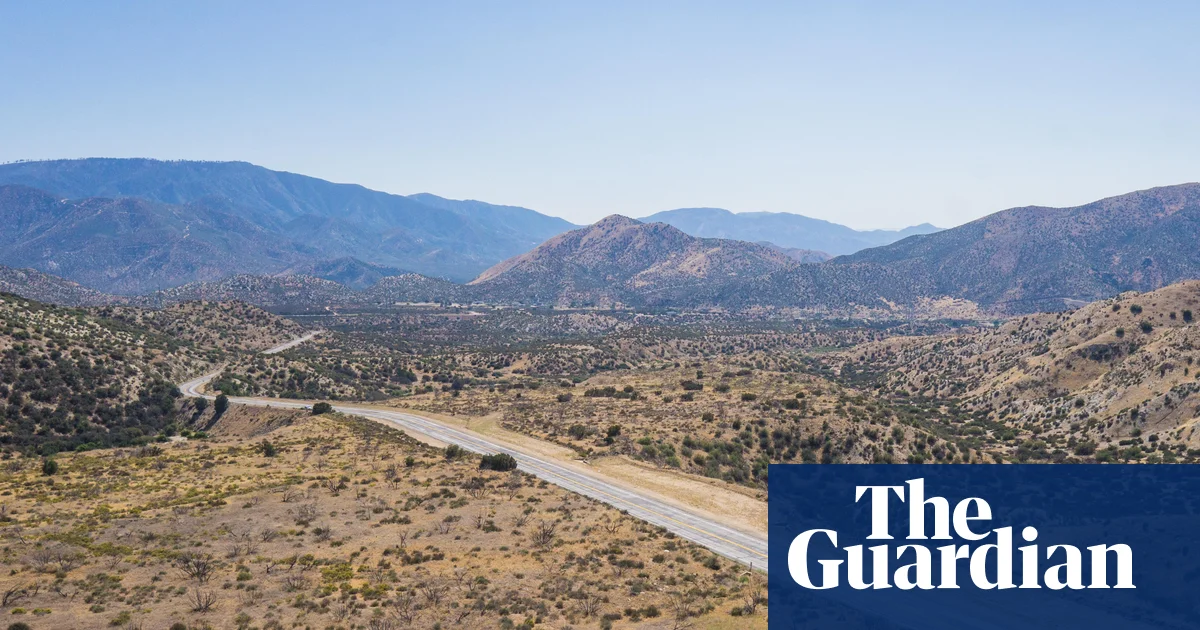
Recent developments in the United States underscore the mounting impact of climate change on societal stability and international security. The death of Levi Vargas, a Los Angeles County sheriff’s deputy, during a desert relay race highlights the tangible consequences of a rapidly changing climate. Vargas, only 30 years old, succumbed amid a series of extreme heatwaves across the US southwest—a region that has shattered historic temperature records this March. These unprecedented conditions have resulted in increased health emergencies, strained emergency response systems, and a growing sense of vulnerability, especially among frontline workers and law enforcement on the frontlines of both climate and societal crises.

  • Extremely high temperatures have prompted national weather agencies, including the National Weather Service, to issue health alerts across multiple cities, signaling a warning to policymakers about the intense, ongoing climate crisis.
  • Such climate-related tragedies are not isolated incidents but are indicative of a broader geopolitical landscape where resource scarcity, water shortages, and natural disasters threaten to destabilize nations, particularly those in vulnerable regions.
  • Experts, including analysts from the United Nations climate division, warn that these extreme weather patterns—most notably the historic heatwaves—are accelerating a cycle of environmental degradation that could ignite regional conflicts and destabilize social order.

This climate emergency comes at a critical juncture, with global leaders grappling with decisions that will shape not only environmental policies but also international power dynamics. Russia and China, for example, have become increasingly strategic in their resource negotiations, positioning themselves to capitalize on the chaos wrought by shifting weather patterns and ecological upheavals. Meanwhile, Europe faces its own scorched landscape and drought firefighting challenges, testing the EU’s unity and capacity for unified action. These national responses, or lack thereof, will undoubtedly influence the course of future geopolitical stability, especially in regions where water and food security are already under threat.

The ripple effects of climate-induced chaos extend into the geopolitical arena, where international treaties such as the Paris Agreement face renewed scrutiny. Critics argue that these accords have so far been insufficient and that a failure to implement meaningful emissions reductions only exacerbates the crises that threaten global peace. Meanwhile, nations like India and Brazil, rich in natural resources but politically unstable or economically dependent, are at risk of falling further behind in the fight against climate change. As history’s guardians debate their next moves, analysts warn that neglecting these environmental emergencies could foster a future where conflict, displacement, and societal collapse become commonplace.

In the shadow of a planet teetering on ecological crisis, the death of a dedicated officer amid record heat serves as a stark reminder: the decisions made in boardrooms, capitals, and international forums today bear the weight of history. Will the world unite in substantive action, or will it watch as the unfolding chapters of climate chaos rewrite the geopolitical landscape—erasing borders, shifting alliances, and reshaping society itself? As the story continues to unfold, one thing remains clear: the true challenge lies not just in weathering the storms of today, but in forging a sustainable future where such tragedies become a relic of the past rather than a grim precursor of what’s yet to come.

Lithuania shuts border with Belarus after balloon chaos halts Vilnius airport — Europe reacts

Europe’s Turbulence: Lithuania’s Bold Response to Hybrid Threats

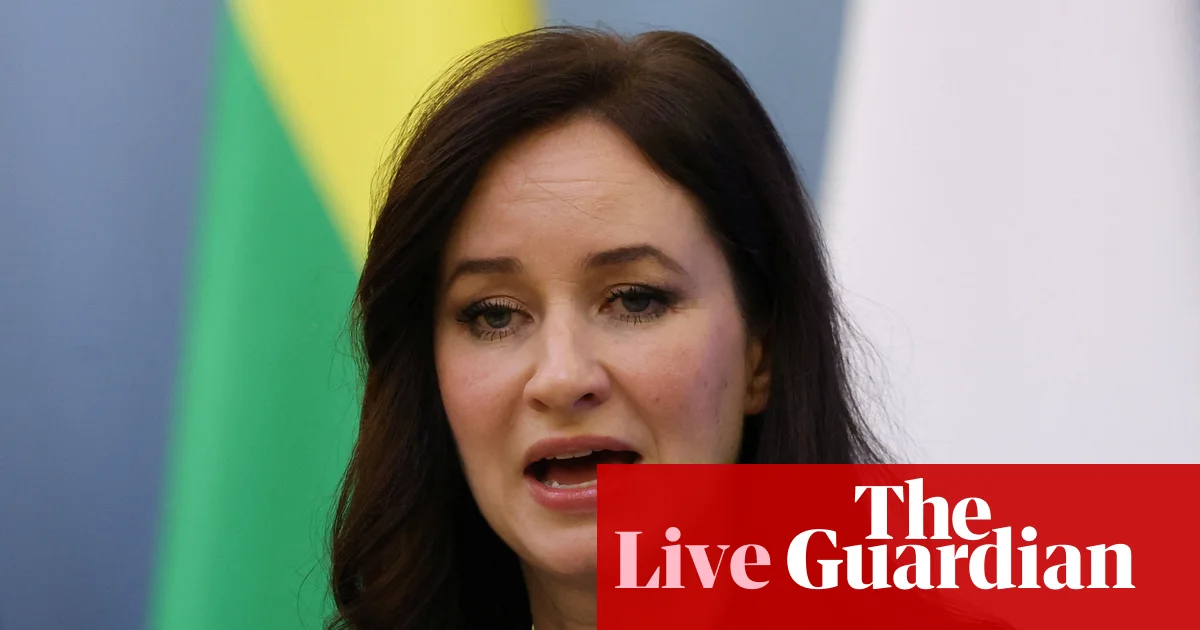
Amid rising geopolitical tensions in Eastern Europe, Lithuania has taken a formidable stance against what it perceives as concerted hybrid warfare efforts from Belarus and Russia. This strategic shift comes in the wake of a week marked by unprecedented disruptions at Vilnius Airport, where nearly 30,000 passengers faced cancellations and delays—triggered by what authorities believe to be helium balloons used by smugglers and intelligence operations aiming to destabilize the region. Lithuanian Prime Minister Inga Ruginienė announced a decisive plan to close the border with Belarus, save for diplomatic and EU transit, and to shoot down any further balloons intruding on Lithuanian airspace—a move that underscores a broader escalation in Europe’s response to hybrid threats.

This development signals a significant turning point for NATO and EU security paradigms. Lithuania’s government, echoing concerns raised by national security centers, views the balloon incidents not merely as smuggling but as part of a “hybrid psychological operation”, aimed at testing Lithuania’s resilience and military readiness. Vilmantas Vitkauskas, head of the National Crisis Management Center, reported radar detections of up to 66 objects over a single night—clear indicators that these tactics are states’ attempts at psychological warfare. International analysts have warned that such unconventional methods, while seemingly minor, are indicative of a broader strategy by Russia and Belarus to weaken NATO’s eastern flank, creating instability that could embolden further aggressive actions in the region.

In this context, NATO has only invoked Article 4 of its treaty nine times in history—most recently following Russian violations of airspace in Poland and Estonia—and Lithuania’s move to escalate its security measures could very well be the next chapter in this ongoing saga. Lithuanian officials are actively considering diplomatic and legal actions alongside territorial defenses, warning that the hybrid operations seek to sow chaos and test NATO’s collective resolve. As foreign ministers and military leaders convene in Brussels and other capitals, the weight of history presses heavily on Europe’s shoulders. Analysts from the International Crisis Group and various military strategists highlight that decisions taken in the coming days will inevitably influence the broader security architecture, potentially recalibrating NATO’s response to covert and overt aggression from Russia and its allies.

As Lithuania braces for further provocations, the unfolding scenario leaves the continent at a crossroads—where diplomacy, military readiness, and the unity of democratic nations will be tested more severely than ever. The shadows cast by these balloons may seem insubstantial, yet they pierce the fabric of European stability—reminding all that the cost of complacency can be distinctively steep. In the face of evolving hybrid tactics, the region’s next steps will echo through the annals of history, setting a precedent for how the West confronts a new era of subtle but relentless aggression.

Social Media Auto Publish Powered By : XYZScripts.com