Matox News

Truth Over Trends, always!

No Kings protests begin nationwide as National Guard stands ready

America witnesses a historic wave of mass protests, signaling a defining moment in its tumultuous political landscape. Organized under the banner of the “No Kings” movement, these demonstrations are set to mobilize over 2,500 locations across the country. With an estimated five million Americans having previously taken to the streets in June, the scale and fervor of these protests underscore a deep societal fracture—one that continues to resonate globally. The protests aim to challenge what organizers describe as President Donald Trump’s drift toward authoritarianism, asserting that “there are no kings in America,” and warning against escalating chaos, corruption, and cruelty.

International observers, including analysts from the United Nations and respected historians, recognize the significance of these events beyond the borders of the United States. European capitals like Berlin, Madrid, and Rome have seen solidarity rallies, reflecting how deeply discussions about democracy, sovereignty, and the limits of presidential power are echoing worldwide. The reaction from America’s internal political factions makes plain the stakes involved: while some Republican leaders call for the deployment of the National Guard in the name of security, Democrats condemn such measures as reminiscent of dictatorial regimes. This division speaks to a broader crisis of governance and legitimacy that has the potential to reshape America’s role on the global stage.

Within this historic context, President Trump’s own statements amplify the drama. In a pre-taped interview teased by Fox News, Trump dismissively remarked, “You know – they’re referring to me as a king. I’m not a king,”—a stark contradiction given the rhetoric of his opponents and the mobilization by reactionary voices within his camp. Meanwhile, Republican figures like Kansas Senator Roger Marshall and Texas Governor Greg Abbott frame the protests as threats linked to radical leftist factions like Antifa. Abbott’s decision to activate the National Guard has sparked fierce debate: critics argue it echoes authoritarian tactics, with Democrats, including Virginia’s Governor Glenn Youngkin, condemning the move as a suppression of peaceful dissent—a hallmark of despotic regimes. This confrontational stance raises pressing questions about the future trajectory of American civil liberties and governance.

As leaders, activists, and global observers watch with bated breath, the unfolding events in the United States could well mark a pivotal chapter in the course of national and international history. How nations respond to internal upheaval signals the state of their democratic health and resilience. The world remains attentive as this drama continues to unfold—a contest between authority and liberty that will ultimately define the legacy of a nation that once regarded itself as the beacon of freedom. Yet in the shadows of these turbulent protests, history quietly moves forward, its weight pressing down on the future, as the echoes of today’s confrontation threaten to shape the world’s future independence and sovereignty for generations to come.

Facebook’s new AI-powered button previews your private photos before you even upload—are you ready?

Meta’s Latest Push into AI-Enhanced Camera Roll Features Sparks Industry-Wide Disruption

Meta continues to redefine the boundaries of artificial intelligence and user data integration with its latest feature rollout, raising significant questions about the future of data-driven innovation and digital privacy. Recently, the social media giant announced a new camera roll feature at Facebook that leverages AI to assist users in enhancing their photographs before posting. This development exemplifies disruption at the intersection of personal data and AI capabilities, offering both technical innovation and strategic market advantages that could reshape social media engagement.

Initially tested in June, the feature proposes to select media from users’ camera rolls and upload it to Meta’s cloud, ostensibly to generate creative suggestions. While Meta claims that private photos used solely for suggestions will not be used to train AI models unless explicitly authorized, industry experts such as Gartner analysts highlight that this transparency may be more perceived than actual. “The potential for future misuse or escalation in data harvesting practices remains a key concern,” warns Dr. Anne He, a prominent researcher in AI ethics and privacy. Today, Meta clarifies that media uploaded for suggestion purposes isn’t immediately used to improve AI, unless the user engages further—yet the underlying implication remains significant for industry-wide data policies.

Strategic Innovation and Industry Implications

Meta’s approach demonstrates a push for convenience-driven AI interfaces that blur the lines between personal privacy and technological convenience. As Meta trains its models on publicly available data since 2007, and potentially on user uploads in the future, industry leaders are recognizing the strategic value of this disruptive shift. The move positions Meta to lead the next wave of AI-powered content creation, aligning with the broader trend of companies leveraging user-generated data to fuel ever more sophisticated algorithms.

Furthermore, the company’s emphasis on avoiding advertising targeting using private media underscores a calculated attempt to mitigate backlash while maximizing data utilization for AI training. This tactical stance could set a precedent for industry standards, prompting rivals such as Snapchat or Twitter to accelerate similar innovations. The strategic deployment of AI-enhanced features like this signals a future where personalized, real-time content enhancement becomes a compelling differentiator in a crowded social landscape.

Disruption, Challenges, and the Road Ahead

The move marks a pivotal moment for digital innovation, yet it comes with significant challenges. Critics argue that any collection of private media for AI training could initiate a new era of privacy erosion, potentially undermining user trust. Industry insiders, including Elon Musk and Peter Thiel, warn that unchecked data aggregation could lead to unforeseen ethical dilemmas and regulatory crackdowns, ultimately disrupting long-term growth prospects for digital giants.

The core question remains: how will industry players balance cutting-edge innovation with user trust and regulatory compliance? As Meta advances in AI-driven content manipulation, the urgency for establishing clear ethical standards becomes evident. With the race to dominate AI-enabled social experiences intensifying, any hesitation or misstep risks falling behind in a market that is rapidly evolving beyond traditional boundaries. Looking forward, the convergence of AI, privacy, and business innovation will likely define the technology landscape for the next decade, requiring companies and regulators alike to act swiftly, decisively—and with vision.

Marvel Unveils Exciting New Shows at NYCC—Get Ready for the Future of Marvel!

Marvel Sets Sights on the Future: A New Era of Innovation and Industry Disruption

The entertainment giant Marvel Studios continues to redefine the landscape of digital storytelling, signaling a shift that extends beyond traditional media into a new frontier of technological disruption. With recent announcements at the New York Comic Con, Marvel unveiled an ambitious pipeline of upcoming series, hinting at a strategic focus on innovation that could set new standards for the industry. While specific release dates remain elusive, the broad timelines and thematic previews underscore a decisive move to harness cutting-edge visuals and narrative techniques, aimed at captivating the increasingly digital-native youth demographic.

Strategic Streaming Expansion and Technological Innovation

Marvel’s upcoming slate includes sequels and new installments for acclaimed titles such as Wonder Man, Your Friendly Neighborhood Spider-Man (season two), X-Men ‘97, Daredevil: Born Again, and VisionQuest. These IP expansions indicate a masterclass in leveraging existing brands for immersive storytelling, but they also reflect a broader industry trend: the convergence of entertainment and advanced technology. Notably, the inclusion of innovative storytelling elements—like the “black, oozy substance” in Spider-Man’s next chapter—hints at advanced CGI and visual effects that push the envelope of digital display capabilities.

  • Enhanced CGI technology elevates character realism and special effects, engaging youth audiences used to high-quality, interactive media.
  • Integration of virtual production techniques allows faster, cost-effective content creation without sacrificing visual fidelity.
  • Interactive storytelling, potentially leveraging AR/VR, could redefine viewer engagement and open up new monetization avenues.

This push towards technological innovation underscores Marvel’s strategic goal: creating a digitally immersive universe that outpaces competing platforms and captures the next generation’s preferences. Gartner’s latest industry reports highlight that media companies adopting **AR/VR** and **AI-powered content generation** are gaining competitive advantages — an approach Marvel seems poised to champion.

Disruption in Industry Norms & Business Implications

The move to target younger viewers with complex narratives and high-tech visual effects signals a disruption of traditional television and streaming formats. Industry analysts, including MIT Media Lab researchers, assert that “the next decade will be defined by seamless, immersive experiences that blur the lines between gaming, streaming, and virtual worlds.” Marvel’s renewed focus on serialized storytelling with rich visual storytelling not only aims to distinguish its content but also threatens established distribution models, prompting competitors to accelerate their own innovation efforts.

Furthermore, the renewed emphasis on legacy IP with updated narratives — such as the return of Jessica Jones in Daredevil: Born Again — reinforces the importance of deep content libraries. However, the industry’s broader shift toward fast-paced, technologically integrated productions suggests hurdles for traditional broadcasters still reliant on static content. The implications are clear: **business models must adapt rapidly** to leverage new technology, or risk obsolescence in an increasingly competitive, digitally-driven landscape.

The Road Ahead: Innovation as a Catalyst for Industry Transformation

As industry leaders like Elon Musk and Peter Thiel emphasize, *disruption* often accompanies rapid technological evolution. Marvel’s latest announcements serve as a bellwether for the industry: the future belongs to those who innovate at the intersection of storytelling, technology, and market agility. With groundbreaking advancements in CGI, virtual production, and audience engagement strategies, Marvel is positioning itself as a pioneer of the next media revolution. It is imperative for media enterprises, creators, and investors alike to recognize that **the next wave of success hinges on technological mastery and disruptive innovation**.

In a landscape where consumer preferences evolve at lightning speed, the urgency for strategic realignment cannot be overstated. Marvel’s integrated approach demonstrates a clear roadmap — one where innovation fuels growth, disruption redefines boundaries, and the industry as a whole must accelerate to stay ahead of the curve. The question is no longer whether technology will transform entertainment, but how swiftly and profoundly this transformation will reshape the future of media consumption.

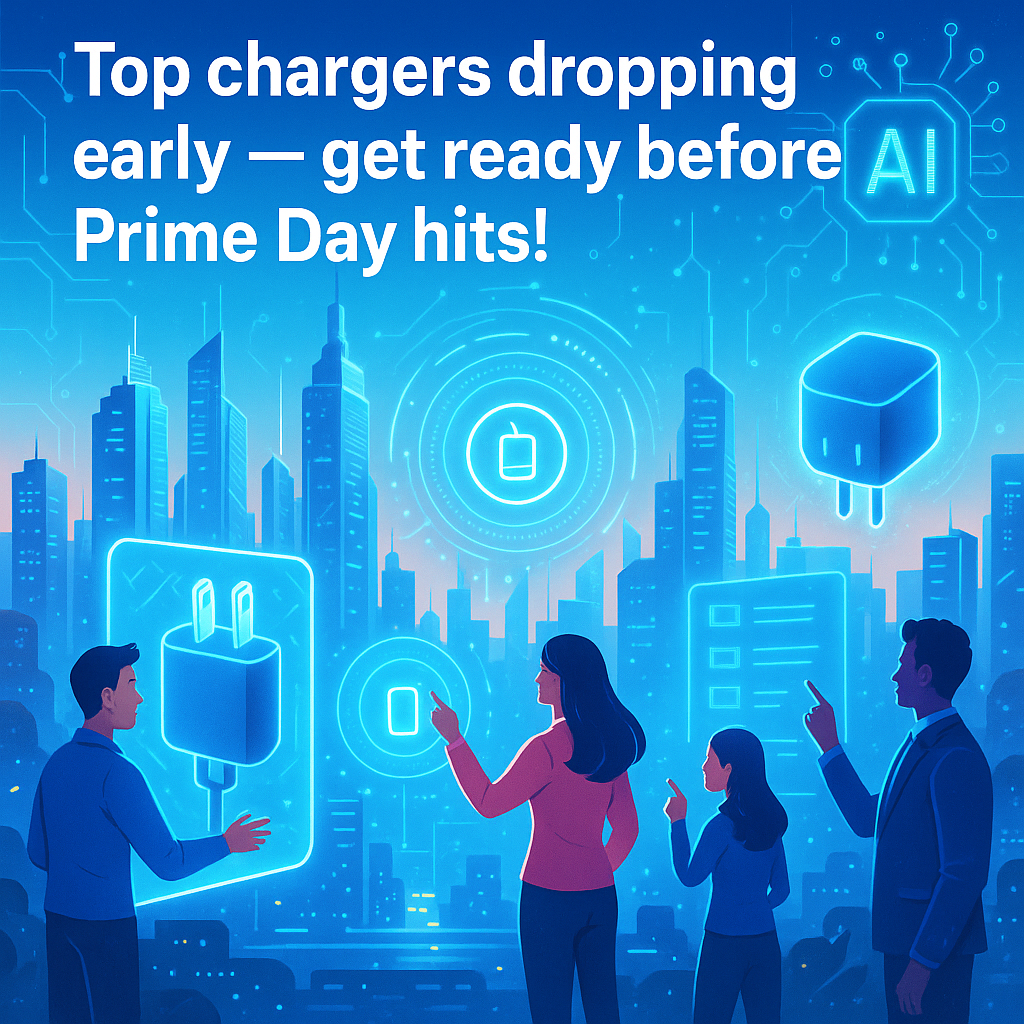
Top chargers dropping early — get ready before Prime Day hits!

Harnessing Portable Power: The Future of Mobile Energy Solutions Dominates Tech Discourse

In an era where technological disruption is reshaping how we connect, work, and play, portable power innovations are taking center stage. Industry leaders like Anker and Jackery continue to push the boundaries of mobility, positioning themselves not just as accessory providers but as pivotal players in the burgeoning portable energy market. These advancements could redefine the interface between consumers and technology, emphasizing innovation, convenience, and resilience.

The recent launch of Anker’s 633 Magnetic Battery exemplifies how companies are integrating disruptive features into compact form factors. This MagSafe-compatible charger combines high efficiency with user-centric features such as an integrated kickstand and multiple charging modes—wireless at 7.5W or through its USB-C port at 20W. Its support for passthrough charging and dual-port options profoundly impacts on-the-go energy management. While gadget users have long perhaps accepted the constraints of power limitations, innovations like this shift the paradigm, enabling a seamless, always-connected experience. With a capacity of 10,000mAh, enough to power most smartphones, it underscores a market trend toward more energy delivery in smaller packages.

On the industrial front, the emergence of dedicated portable power stations such as Jackery’s Explorer 1000 V2 signals a shift toward *off-grid sustainability*. Its design—notably three AC outlets, multiple USB ports, and an impressive 1,070Wh capacity—positions it as an essential device for outdoor adventurers, emergency preparedness, and remote work settings. Early October Prime Day deals, which cut its price to under $430, reflect strategic pricing aimed at capturing a segment eager for reliable, high-capacity power on demand. Given that Jackery claims its batteries retain about 70% of their capacity after 4,000 cycles, the platform’s longevity makes it a disruptive force in traditional power storage industries. Companies that pivot quickly to incorporate these mobile solutions could capture unprecedented market share, especially as remote work and outdoor activities accelerate globally.

The business implications are equally dynamic, with innovations driving a new competitive landscape. Analysts such as Gartner forecast that portable power devices will grow at a compound annual rate exceeding 20% in the coming years, driven by shifting consumer expectations and the relentless rise of mobile lifestyles. Tech giants and startups alike are investing heavily in R&D—integrating AI for smarter power management, developing lighter yet more durable battery chemistries, and exploring hybrid systems that combine solar with conventional energy sources. This wave of disruption not only threatens established utilities but also paves the way for new ecosystems of integrated, sustainable energy solutions. Firms that prioritize interoperability, durability, and rapid charging will dominate emerging markets, fundamentally altering how we think about energy independence.

Looking ahead, the pace of innovation suggests a tech landscape increasingly defined by lightweight, high-capacity, and eco-friendly portability. The convergence of AI, IoT, and battery technology heralds a future where **portable energy devices** are not just tools but strategic assets—enabling everything from autonomous remote operations to emergency disaster response. As industry pioneers like Elon Musk and Peter Thiel emphasize, maintaining a sense of urgency and anticipating breakthrough shifts will be crucial for stakeholders aiming to lead this dynamic sector. In the coming decade, the race to dominate portable power markets will likely determine the next wave of technological sovereignty, with those embracing innovation at its core poised to define the future of mobility and resilience.

Get Ready! ‘Stranger Things 5’ Promises to Be the Biggest Adventure Yet!

The Big Finale: What to Expect from Stranger Things 5

The highly anticipated fifth season of Netflix‘s Emmy-winning series Stranger Things is set to make its debut, bringing closure to a show that has captivated audiences since its inception. As we reflect on the cultural phenomenon that has shaped the viewing habits of a generation, it’s fascinating to see how this series has not only entertained but also influenced social conversations. The latest featurette, showcasing behind-the-scenes moments and dramatic glimpses of the upcoming season, has ignited excitement among a loyal fanbase eager for the final installment.

In a recent featurette, cast members and creators the Duffer Brothers shared nostalgic memories from the first season while teasing the monumental scale of Stranger Things 5. Set in the fall of 1987, over a year after the dramatic events of Season 4, Hawkins is now a town marred by trauma, military quarantine, and the looming presence of Vecna (played by Jamie Campbell Bower). These elements underscore a broader theme in the series: confrontations with evil forces often reflect the struggles we face in our own lives. This thematic relevance resonates deeply with today’s youth, who are navigating their own battles in a world fraught with challenges.

The sneak peeks in the featurette suggest that this season is not just about nostalgia; it’s also about growth, both for the characters and the audience watching them. With heightened stakes involving Eleven (Millie Bobby Brown) and her friends as they prepare for what the Duffer Brothers call “the biggest season we’ve ever had,” viewers are gripping their seats. Stranger Things has always balanced the clever integration of pop culture with a coming-of-age narrative, making it relatable for audiences both young and old. The explosive trains, roaring Upside Down energy, and hints of heartbreak reinforce why this series has become a modern classic.

As youth-oriented markets increasingly revolve around streaming platforms and viral phenomena, the question emerges: What lies ahead after Stranger Things concludes its run? Will the spirit of the series live on through new adaptations, merchandise, or thematic spin-offs? The lasting impact of Stranger Things on today’s culture cannot be overstated, and perhaps the biggest question is—how will future creators draw inspiration from this storytelling juggernaut? As we prepare for what could be a heart-wrenching finale, one can only wonder how the show’s legacy will shape the narratives and mediums of tomorrow.

Social Media Auto Publish Powered By : XYZScripts.com