Matox News

Truth Over Trends, always!

Tesla’s Robotaxi Revolution Hits Dallas and Houston—Are Cities Ready?

Tesla Accelerates Urban Mobility Disruption with Robotaxi Expansion into Texas Markets

In a bold move demonstrating technology innovation and industry disruption, Tesla has extended its autonomous robotaxi service to the major Texas cities of Dallas and Houston. Announced via a concise social media post, the deployment features Tesla vehicles operating without human monitors or drivers, marking a significant milestone in autonomous vehicle deployment. This move signals Tesla’s continued push toward transforming urban transportation ecosystems, building upon earlier successes in Austin and the Bay Area.

The company’s expansion illustrates an evolving industry landscape where traditional ride-hailing models face revolutionary competition. Tesla, leveraging its proprietary Full Self-Driving (FSD) software and extensive data collection, is positioning itself to compete directly with legacy mobility giants like Uber and Lyft. Unlike the conventional ride-sharing approach, Tesla’s driverless fleet represents a new paradigm—disruptive, scalable, and potentially more profitable—potentially radically lowering urban transit costs while increasing safety and efficiency. Industry analysts from Gartner and MIT emphasize that Tesla’s persistence in this field could accelerate the industry-wide shift toward autonomous urban mobility, fundamentally altering how cities manage transportation infrastructure.

Implications for Business Models and Industry Standards

The deployment of Tesla’s robotaxis in multiple Texas markets emphasizes business model innovation. By aiming for a market saturation where robotaxis could work alongside or replace traditional taxis, Tesla is not only creating a new revenue stream but also setting the stage for a disruption of urban transit regulations. The company’s move into Dallas and Houston, after launching in Austin last year, highlights strategic geographical targeting—leveraging regional regulatory environments that might be more receptive to new mobility paradigms. However, recent reports indicate that Tesla’s fleet in these markets remains sparse—only a single vehicle in each city, according to crowdsourced data from Robotaxi Tracker—highlighting the challenges of scaling autonomous fleets quickly and safely.

Narrow deployment and ongoing safety concerns, with 14 reported crashes since Austin’s launch, reveal the resilience and prudence needed for widespread adoption. Despite these hurdles, Tesla is pushing ahead with permitting efforts to expand service to associated markets, including limited ride-hailing services in the San Francisco Bay Area. The strategic focus on urban centers with high ride demand and evolving regulatory frameworks demonstrates Tesla’s commitment to positioning itself as a dominant disruptor in this space. Industry leaders and analysts warn that the real challenge for Tesla lies not only in technology but in navigating policy landscapes, customer acceptance, and safety standards commensurate with autonomous operation.

Future Outlook: Ride-Hailing, Safety, and Market Disruption

As Tesla’s robotaxi operations grow in scope, industry observers anticipate a profound transformation of urban transportation over the next decade. With innovation accelerating at a pace driven by industry titans like Elon Musk and supported by MIT research initiatives, the trajectory suggests autonomy will soon become an indispensable component of mobility infrastructure. Disruption in this industry, while promising enormous benefits, demands unwavering focus on safety, regulatory compliance, and customer trust. Tesla’s expansion points to an urgent imperative for existing players to innovate or risk obsolescence—if they haven’t already.

Ultimately, the success or failure of Tesla’s autonomous mobility initiatives will shape the future of transportation, making it more accessible, safer, and more efficient. What remains clear is that technological innovation is no longer linear but exponentially disruptive—an era where those first to adapt and innovate will dominate the cities of tomorrow. Stakeholders across industries must heed this rapid evolution—because in the race for autonomous mobility, only the agile survive and thrive in the unfolding future.

Snap’s AI Glasses Are Back — Ready to Power the Next Gen?

Innovative Leap: Snap‘s AR Glasses Enter a New Era with Qualcomm Partnership

In a move set to disrupt the burgeoning augmented reality (AR) landscape, Snap Inc. has announced a strategic partnership with Qualcomm, signaling a renewed push towards mainstream adoption of its AR glasses, formerly known as Spectacles. The collaboration leverages Qualcomm’s Snapdragon XR platforms, a family of system-on-a-chip solutions optimized for augmented and virtual reality devices. This union underscores the growing importance of hardware-software integration in the pursuit of immersive digital experiences, with industry analysts such as Gartner emphasizing that the next wave of consumer tech will be driven by hardware ecosystem innovation.

The significance of this partnership transcends mere product development; it embodies a broader shift toward **disruption of the traditional tech hierarchy**. Snap’s decision to spin off a dedicated entity for Specs demonstrates a focused approach to capture market share within the rapidly evolving AR sector. The move aligns with trends identified by institutions like MIT’s Media Lab, which highlight that on-device AI and multiuser digital environments represent the core of next-generation wearable computing. Snap aims to capitalize on this, emphasizing its commitment to integrating cutting-edge graphics, AI, and social connectivity into a compact form factor, with expectations that the new Spectacles will redefine user interaction and digital presence.

Market Implications and Future Outlook

The ongoing development of Snap’s AR glasses comes amid increasing competition from giants like Apple, Facebook (Meta), and Google – all investing heavily in wearable AR technology. The company’s pivot towards a developer-centric, iterative approach—having previously limited Spectacles as a consumer product—aims to position Snap as a pioneer in **multiuser AR environments**, essential for the evolution of social media, gaming, and enterprise sectors. Furthermore, Snap’s move anticipates a market that Gartner forecasts will see augmented reality hardware surpass $100 billion in revenue within the next five years, driven by innovation and strategic partnerships.

  • Key features: on-device AI, high-performance graphics, social connectivity capabilities
  • Disruption potential: redefining social interaction, creating new monetization avenues, challenging established tech giants
  • Business milestones: partnership with Qualcomm, focus on developer ecosystem, phased rollout of Spectacles

In the broader industry context, these advancements exemplify a **paradigm shift** where hardware capabilities, powered by Qualcomm’s advanced chipsets, integrate seamlessly with AI and multi-user platforms, fostering a new era of digital interaction. Elon Musk’s ventures into Neuralink and Peter Thiel’s investments in emerging tech bolster the narrative that disruption is accelerating at an exponential rate. Companies that prioritize **innovation and agile ecosystem development** will likely dominate the next decade’s AR landscape.

As Snap accelerates towards the upcoming release of its Spectacles, the industry faces an urgent call to action: **staying ahead in this rapidly evolving ecosystem demands relentless innovation and strategic partnerships**. The race to shape the future of immersive tech is intensifying, and those who lead today’s breakthroughs will determine the digital topography of tomorrow. With this partnership, Snap reinvigorates its ambitions, signaling that **the future belongs to those who dare to disrupt and redefine reality itself**.

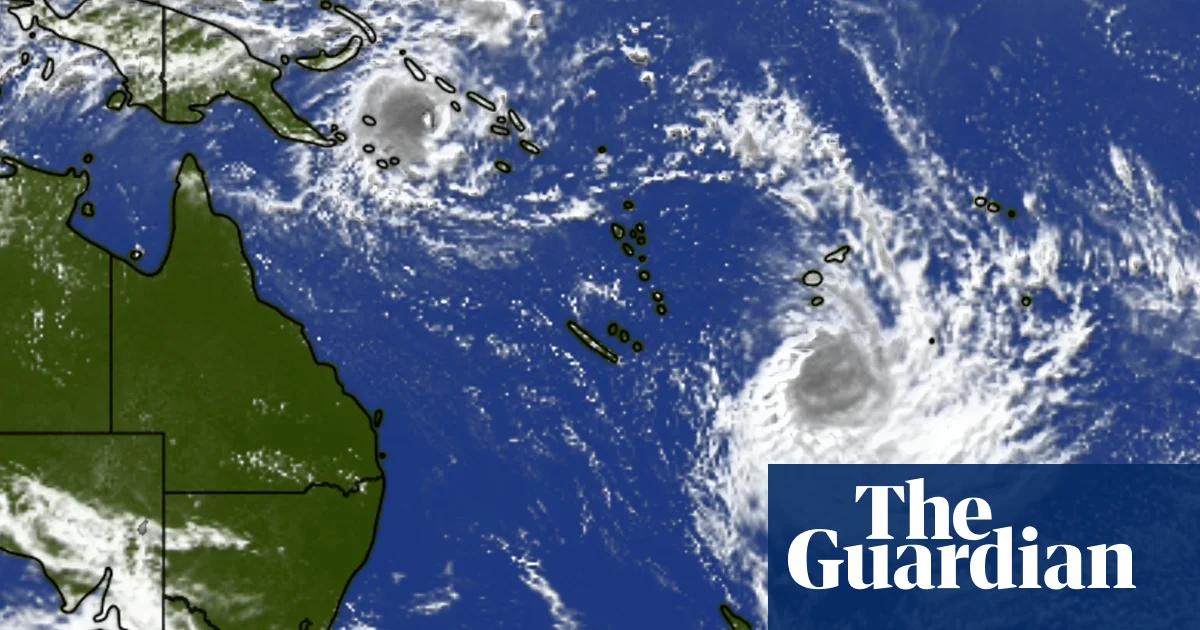
Tropical Cyclone Vaianu Threatens New Zealand with Dangerous Winds—Are We Ready?

As the Pacific Ocean churns with the formation of Tropical Cyclone Vaianu, the geopolitical implications extend far beyond weather forecasts. Forecasters warn that this category 3 cyclone, with sustained winds exceeding 150km/h, could bring severe winds and heavy rains to New Zealand later this week. The entire North Island is under a strong wind watch, underscoring the increasing strain that not only natural disasters but also their management place on national societies.

This cyclone’s development highlights a disturbing pattern of increasingly intense and unpredictable tropical weather systems in the Pacific, regions historically challenged by climate volatility. International climate models and analysts suggest that such storms are not isolated incidents but a consequence of broader environmental shifts driven by global warming. Scientists warn that these storms could become more frequent and severe, intensifying the political and economic weight borne by governments to prepare for and respond to such calamities. The coordinated response of nations, emergency agencies, and international organizations becomes critical in safeguarding societies; any failure could result in devastating human and financial losses. The Pacific region, a hub of geopolitical importance due to the rising influence of China and the enduring presence of U.S. alliances, faces increased vulnerabilities as climate change exacerbates instability.

In addition, the Pacific’s natural turmoil is mirrored by ongoing regional shifts. Just as Australia and the United States bolster strategic partnerships amid increasing geopolitical tensions, the continent’s environmental crises echo a warning that natural disasters will have ripple effects on international stability. The recent escalation of tropical cyclone Maila, now a category 5 system in the Solomon Sea, vividly illustrates the North’s vulnerabilities. While Maila poses no immediate threat to New Zealand, its formidable winds—reaching gusts up to 295km/h—serve as a stark reminder of the destructive potential of these powerful storms. Analysts suggest that the global community’s response to such natural phenomena will define the geopolitical landscape in the coming years, especially as climate-induced disasters become more common.

  • In recent months, New Zealand experienced a series of severe storms, including deadly landslides and widespread flooding, reflecting a growing pattern of climate-related crises that challenge the nation’s resilience.
  • The 2023 tropical Cyclone Gabrielle remains a pivotal event—killing 11, triggering a record number of landslides, and becoming the most expensive weather event in the country’s history.
  • Influential voices from international climate and geopolitical analysts have warned that such extreme weather phenomena could destabilize local economies, increase migration flows, and strain diplomatic relations in the Pacific Rim.

Through the lens of history, policymakers and observers worldwide recognize these storms as more than mere weather—they are harbingers of a new geostrategic era. The capacity of nations to adapt and fortify against the onslaught of nature’s fury will determine their future influence and survival. As history continues to unfold with each passing storm, the weight of why some societies prevail and others falter rests on the choices made today. In this global theatre, natural disasters are rewriting the rules of power, resilience, and geopolitical priority—threatening to reshape the map anew.

Australia Ready to Back Gulf Allies Against Iran, Will Stay Clear of Ground War — Wong

Australia Navigates Middle Eastern Turmoil Amid Geopolitical Shifts

As international powers scramble in the aftermath of recent military strikes against Iran, Australia finds itself caught in a precarious position within a rapidly evolving geopolitical landscape. While Canberra explicitly refuses to deploy ground troops into Iran, its willingness to provide logistical and military support—albeit within tight boundaries—underscores the complex balancing act facing allied nations amid the escalating U.S.-Israeli coordinated strikes and Iran’s retaliatory missile and drone attacks.

The Australian government, under the stewardship of Foreign Minister Penny Wong, has confirmed that it received requests for assistance from regional allies threatened by Iran’s mounting assaults. Nine flights have already evacuated Australians from the volatile Middle East, with additional flights scheduled, and hundreds have been bussed out of Qatar to nearby countries. Wong clarified that Australia is prepared to work through assistance measures targeted at defending the Gulf nations, but remains firm in its stance against offensive action—rejecting any deployment of combat troops into Iran and emphasizing adherence to a defensive posture instead. This position aligns with Australia’s broader policy of maintaining strategic independence, avoiding entanglement in regional conflicts that could draw its military into direct combat.

The geopolitical impact of such decisions is profound. Analysts note that Australia’s cautious approach seeks to preserve its international reputation while avoiding the pitfalls of overcommitment favored by some Western allies. Countries with a history of military intervention, like the United States and United Kingdom, have long debated the efficacy of troop deployments in volatile regions, but Australia—especially under current Prime Minister Anthony Albanese—has emphasized diplomatic and logistical support as the middle ground. Yet, this careful balancing act is increasingly scrutinized by critics who warn that the current trajectory risks aligning Australia too closely with US-led military endeavors, potentially dragging it into broader conflicts that serve geopolitical interests beyond national security.

International organizations and historians warn of the long-term consequences of this violent chapter. The United Nations has called for restraint, underscoring the danger of escalating a regional conflict into a wider world crisis. Veteran geopolitical analysts interpret Australia’s role as indicative of a broader trend: western nations are recalibrating their military priorities, emphasizing indirect support over direct engagement. Meanwhile, the ongoing conflict continues to reshape regional alliances, with Saudi Arabia and other Gulf states increasingly looking towards alternative power brokers, wary of the US’s militarized approach. As history reminds us, the decisions made today will echo through generations, shaping the fabric of international stability—or chaos.

In the shadows of this unfolding crisis, the weight of history presses heavily on the shoulders of modern leaders. With each missile launched and flight undertaken, the delicate chess game of geopolitics intensifies—drawing societies ever closer to the brink of chaos or stability. While Australia seeks to maintain a measured stance, the broader geopolitical impact leaves an undeniable imprint: a reminder that, in the theater of global conflict, the lines between diplomacy and war remain perilously thin, and the choices of today could determine the course of history for decades to come.

Lyse Doucet: Iran’s Been Ready for This Critical Moment

The recent assassination of Iran’s Supreme Leader marks a pivotal moment in regional and global geopolitics. Such a high-profile elimination not only represents a strategic blow to the Islamic Republic but also signals a potential shift in the balance of power across the Middle East. While officials in Tehran immediately vow to “show they have a plan,” analysts and international observers understand that the consequences extend far beyond the immediate grief and outrage. The assassination raises profound questions about internal stability, regional alliances, and the willingness of external actors to influence Iran’s future course.

Historically, leadership assassinations have often been catalysts for unpredictable upheavals. Some experts warn that this act could trigger a cycle of retaliation, destabilizing an already volatile region. As Western intelligence agencies scrutinize the event, many believe it was orchestrated by enemies seeking to weaken Iran’s internal cohesion. The mid-2020s have witnessed a surge in proxy conflicts, economic sanctions, and diplomatic confrontations involving Iran and various global powers, especially the United States and Israel. The targeted killing could serve as a catalyst for escalated military responses, further complicating efforts at diplomatic resolution.

Global and Regional Repercussions

The geopolitical impact of this event cannot be overstated. Iran’s strategic position as a regional power broker and supporter of allied groups from Lebanon’s Hezbollah to the Houthis in Yemen means that any upheaval at the top could trigger ripple effects across entire networks of influence. China and Russia have expressed concern over regional stability, emphasizing the importance of diplomatic solutions, yet malign actors might exploit the chaos to advance their agendas. Meanwhile, European nations, still reconnecting with Iran through fragile nuclear negotiations, face an uncertain path forward as Tehran seeks to consolidate power amid turmoil.

According to renowned geopolitical analyst Dr. Lisa Carter, “This assassination could serve as a turning point, forcing Iran into a mode of internal consolidation, which may result in increased militarization or even harsher anti-Western sentiment. The international community must carefully navigate this fragile juncture, recognizing the potential for a cascade of unforeseen consequences.” The United Nations has called for calm and restraint, but with history as a guide, such moments often spiral toward conflict rather than resolution.

How Decisions Shape Societies

For the Iranian people and their society, the fallout remains unpredictable. Internal stability will be tested as the regime seeks to demonstrate resilience, possibly by tightening internal security or intensifying rhetoric against foreign adversaries. The decision to retaliate or pursue diplomatic avenues will shape Iran’s future trajectory, directly impacting the lives of millions caught in the crossfire. As artists, students, and ordinary citizens watch their country navigate the aftermath, the question persists: how long can stability endure amid such a seismic shift?

In the grand tapestry of history, moments like these—marked by sudden violence at the top echelons of power—are often the prelude to larger upheavals. As historians note, the assassination of Iran’s supreme leader could either plunge the nation into chaos or catalyze a new era of resilience and reinvention. The world watches with bated breath, knowing that the decisions made in the coming days will echo through the corridors of history, shaping destinies of nations yet to be written. The arc of history bends at these critical junctures, and the weight of tomorrow’s stories rests on the choices of today.

Emergency Alerts Upgrade: Smartphones Will Sound Sirens for Major Disasters, Keeping Aussies Ready

Australia’s New Emergency Alert System: Society at a Crossroads

As Australia faces increasingly severe natural disasters influenced by *climate change*, the nation is undertaking a significant overhaul of its emergency communication infrastructure. The federal government is launching the ambitious AusAlert system, a $132 million project designed to replace the outdated state-based text messaging alerts. This technological shift aims to provide more precise, intrusive, and timely warnings that could be the difference between life and death during bushfires, floods, or other emergencies. The rollout, starting with comprehensive community trials in June and a national test scheduled for July 2026, reflects a broader societal effort to adapt to the *changing environmental landscape*, though it also raises questions about privacy, individual rights, and the impact on daily life.

Unlike traditional text alerts, AusAlert will appear directly on the home screens of smartphones within specific geographic zones, with the capability to target down to individual streets. When a high-level threat occurs, the alert will be delivered with a loud, intrusive tone that compels immediate attention. This approach underscores a societal shift towards prioritizing safety over personal convenience; however, it also prompts concerns about constant surveillance and the normalization of government intrusion in everyday life. Such measures may solidify a social fabric where communities are conditioned to accept intrusive technology as a routine part of emergency preparedness.

This initiative highlights how social issues permeate family dynamics, local communities, and educational environments. For families, especially those with young children or vulnerable members, quick access to accurate information can be lifesaving. Yet, it also introduces new challenges: the potential for false alarms, technological failures, or privacy breaches could undermine public trust. From an academic perspective, sociologists such as Timothy Mitchell have warned about the dangers of over-reliance on surveillance-based systems that, while intended for protection, may inadvertently erode societal privacy and autonomy. The implementation of AusAlert exemplifies a societal tension—balancing the need for security with the preservation of individual liberties.

  • Key facts include the system’s capability to deliver alerts for durations between 10 minutes and 24 hours, affecting an estimated 23 million smartphones, with plans for extensive testing across varied communities.
  • Opt-out options are limited to lower-priority alerts, reinforcing the government’s emphasis on proactive safety measures rather than individual choice.
  • Further concerns involve the integration of AusAlert with other personal devices such as smartwatches, cars, and home automation systems, raising questions about data collection and societal acceptance of pervasive monitoring.

Historically, societal responses to such technological interventions have been mixed. While some view these systems as essential advancements—similar to the revolutionary public health campaigns of the 20th century—others perceive them as slips towards authoritarian oversight. As social commentator Jamelle Bouie notes, the challenge lies in designing systems that respect human dignity without compromising safety. Society now stands at a crossroads, grappling with the *dual imperatives of technological progress and moral responsibility*. The hope remains that, through community engagement and transparent governance, Australia can build a society where safety does not come at the expense of freedom, and where new tools serve to *strengthen bonds rather than erode them*.

In the quiet moments of reflection, society must ask itself: Are we forging pathways toward a resilient and free community, or are we unwittingly paving the way for a surveillance state? The answer lies in collective vigilance—an unwavering belief that even amidst technological transformation, the core human values of dignity, privacy, and community must remain the ultimate guiding lights. As Australia’s society prepares to face future ecological challenges, perhaps the greatest resilience will be found not just in technology, but in the hope that society itself can transform—learning to protect and cherish its most precious bonds: families, communities, and the undying human hope for a better tomorrow.

Get Ready for the Nothing Phone 4a in Pink: Exclusive Photos and Video Reveal the Trendy Release

The Anticipated Reveal of the Nothing Phone 4a: A Shift Towards Understated Style

In a social media age dominated by flashy gadgets and high-profile leaks, Nothing has managed to craft a buzz that’s refreshingly understated—yet undeniably influential. With the official launch date for the Nothing Phone 4a set for March 5, previews have already stirred curiosity, and the latest reveal of a subtle, pinkish hue is capturing attention across youth-centric tech circles. Unlike traditional phones that often rely on loud colors and ostentatious branding, this device embodies a quieter form of expressive style—one that resonates with a generation seeking authenticity and depth.

A New Shade of Minimalism: The Significance of Color Subtlety

What makes the pink motif so intriguing isn’t just its hue but what it symbolizes: a shift in societal behavior. Lucy Birley, Colour Material Finish Design Lead at Nothing, explains that the color is “desaturated red,” which, when combined with transparent resin, creates a fascinating depth—something that’s more than just surface level. This approach celebrates minimalism with a twist, emphasizing liveliness and personality through subtle design choices. It’s a move away from the stereotypical “bright and loud” aesthetics and toward a more contemplative, almost rebellious, form of self-expression. In an era where social media feeds are coral and neon saturated, the Nothing approach offers an alternative—less about shouting, more about *speaking softly* and showcasing sophistication beneath simplicity.

The Cultural Impact of the Nothing Brand

Founded on the principle of reimagining “boring tech,” Nothing has become more than a brand; it’s a social statement. Influencers and tech watchers like Marques Brownlee have highlighted its unique design language, which leans into transparency and minimalism, aligning seamlessly with a youth demographic increasingly skeptical of flashy consumerism. What’s remarkable here is how the brand taps into broader societal shifts: a desire for authenticity, a rejection of excess, and a craving for products that reflect individual identity without shouting for attention.

From sociologists like Dr. Sarah Johnson, who study digital identity, to trend analysts charting the rise of “quiet luxury,” it’s clear that the Nothing Phone 4a encapsulates a cultural shift. This device isn’t merely a piece of technology but a lifestyle statement that champions restrained style while still making a bold social impact. It invites users to consider: In a world dominated by noise, is the future of fashion and technology already leaning toward this minimalist rebellion?

What’s Next? The Big Question About the Future of Subtle Trends

As Nothing prepares for its full reveal, one question looms large: are we witnessing the dawn of a broader cultural movement towards understated elegance? The upcoming launch might redefine what is considered “trendy” in tech and fashion—where less is truly more. With younger consumers increasingly valuing meaningful design over ostentatious displays, this trend could ripple across industries, from clothing to digital spaces. If the Nothing Phone 4a succeeds in cementing its style as more than just a gimmick, it might just inspire a generation eager to embrace authenticity in every aspect of their lives. The real question is: how much influence can a subtle change have when it speaks so loudly about the future of social taste?

Birdwatchers, Get Ready: New Pokémon-Inspired Bird App Arrives!

In a striking example of technological innovation intersecting with conservation and youth engagement, a new app called Birdex has entered the global digital landscape, aiming to gamify birdwatching and foster a new generation of nature enthusiasts. By allowing users to record their sightings and collect digital cards of UK bird species, Birdex embodies a modern twist on citizen science—one that appeals particularly to young audiences weary of traditional outdoor activities. It leverages gamification to encourage outdoor exploration, offering points for common species and larger rewards for rarer sightings, thus blending education with entertainment. While the app’s immediate appeal is evident, its introduction raises important questions about the impact of AI-generated content and the broader implications for conservation efforts at an international level.

International analysts and environmental organizations are closely watching Birdex’s potential to influence societal attitudes towards biodiversity and nature stewardship. The British Trust for Ornithology (BTO), a venerable institution in avian research, has expressed cautious optimism about the app’s crowdsourcing capabilities, suggesting that if user-recorded sightings are shared with entities like the BTO, they could bolster ongoing citizen science initiatives. Viola Ross-Smith, a science communications manager, highlights the *potential* for such digital tools to revel in data collection, yet also warns about how certain species—such as the elusive capercaillie—are inadvertently put at risk if users seek them out for the thrill. This dynamic underscores the complex web of interests at play: promoting environmental awareness while preventing harmful human interference in delicate ecosystems.

Meanwhile, the geopolitical impact of this technological trend extends beyond the UK, triggering debates about the role of AI in natural sciences and the societal responsibilities of tech developers. The decision by Birdex’s creators to use AI-generated artwork—initially driven by limited funding—has ignited controversy among digital purists and conservation advocates alike. Critics argue that replacing authentic imagery with AI-crafted depictions diminishes the real-world integrity of birdwatching cultures while raising broader concerns about ethical AI use. As international standards evolve regarding AI and digital ethics, this debate strikes at the heart of how societies value genuine experiences versus artificial representations—an issue that resonates across sectors, from global conservation to cultural preservation.

As nations grapple with these emerging challenges, experts warn that the words written into policies today will forge the legacy of tomorrow’s relationship with nature and technology. Historians and policymakers alike observe that decisions—whether to embrace AI’s utility or to prioritize authentic immersion in the environment—will shape the fabric of future societies. The momentum surrounding apps like Birdex continually reminds us that the window of opportunity is closing rapidly. Will we harness this digital revolution to preserve our natural world, or will technological shortcuts irreparably distort our understanding of the environment? The unfolding story of Birdex captures a pivotal moment—a crossroads where innovation, conservation, and societal values converge—signaling that the weight of history still presses heavily upon the shoulders of contemporary decision-makers.

Unexpected God of War Prequel Drops on PS5 — Are You Ready?

Sony Disrupts Gaming Industry with Launch of God of War: Sons of Sparta

In a strategic move signaling ongoing innovation in the gaming sector, Sony unveiled God of War: Sons of Sparta, a prequel set to redefine the 2D action platformer genre. Released during its February 2026 State of Play presentation, this title exemplifies Sony’s continued commitment to pushing technological boundaries and engaging a youth demographic hungry for immersive experiences. The game’s release on PlayStation 5 underscores Sony’s focus on leveraging next-generation hardware to deliver high-fidelity gameplay experiences, further consolidating its market dominance.

Built as a canon story set in Kratos’ youth, Sons of Sparta combines classic mythology-inspired narrative with innovative gameplay mechanics. Sony states the game explores Kratos’ early training at the Agoge, revealing strategies and skills that define his legendary persona. The game utilizes a sophisticated blend of divine artifacts, like the Gifts of Olympus, and introduces fresh combat mechanics with spear and shield, signaling a technical leap for the franchise. The collaboration with Mega Cat Studios demonstrates Sony’s penchant for cooperative innovation across industry leaders, fostering diverse talent to enhance storytelling and gameplay fidelity.

The strategic price point of $29.99 with a Digital Deluxe edition at $39.99 marks an aggressive market approach, aiming to attract younger gamers and digital consumers. This move signifies Sony’s recognition of shifting consumer preferences towards accessible, high-quality gaming experiences without premium price barriers. Industry analysts from Gartner and MIT suggest that such affordable yet sophisticated titles will accelerate disruption in the traditional AAA market, pressing established publishers to innovate or risk losing relevance. This trend reflects a broader industry shift where disruption-driven growth is paramount, with new entrants leveraging lower costs and more agile development to capture market share.

As the industry advances at a rapid clip, technological innovation and strategic collaborations are fundamentally reshaping the entertainment landscape. The launch of God of War: Sons of Sparta exemplifies how established giants like Sony are pioneering new formats and gameplay styles to meet rising demand for immersive, narrative-driven experiences. Meanwhile, industry veterans and newcomers alike are watching closely, recognizing that disruptive technologies such as cloud gaming, AI-driven development, and cross-platform integration are not distant future concepts but current realities. As Elon Musk and Peter Thiel have highlighted in technological forums, the race for innovation is intensifying, heightening the stakes for market incumbents and challengers alike.

Future-forward, the gaming industry stands at a crucial moment where rapid technological advances and strategic agility will determine who leads the next era of entertainment. Innovation is no longer optional; it is imperative for survival amidst a landscape increasingly defined by disruption, youthful consumers, and global competition.

Rivalry Sparks Youth Interest in Hockey — Is the Game Ready for the Next Generation?

Sports Industry Under the Microscope: Cultural Shifts and Technological Disruption

In a rapidly evolving landscape, the traditional sports industry is experiencing a transformation driven not just by technological innovation, but also by a critical reevaluation of its cultural norms. The NHL, often seen as a bastion of physicality and tradition, is now navigating the turbulent waters of inclusivity, social responsibility, and transparency. This shift is emblematic of a broader disruption rippling across sports, media, and associated industries—pointing toward a future where technology and societal values are increasingly intertwined in defining business success.

The league’s recent partnership with organizations like You Can Play, and the announcement of its upcoming Pride Cup, underscore its attempts to rebrand and redefine what it means to be inclusive. However, beneath the surface lies a debate about performative gestures versus genuine cultural change. Experts like Teresa Fowler and Tim Skuce, who have extensively studied hockey culture, argue that some initiatives remain superficial, masking deeper issues of toxicity and systemic misconduct—highlighted by revelations of hazing practices and mishandling of sensitive matters, such as sexual assault allegations involving Hockey Canada. These scandals threaten to undermine the league’s credibility, forcing a reckoning that could have long-term business repercussions.

Innovation and Disruption: Rethinking Sports Culture and Industry Norms

Amid this cultural upheaval, technology firms and data analytics giants are poised to reshape how sports organizations operate, engage audiences, and promote social values. The integration of advanced data analytics, artificial intelligence, and immersive media experiences—such as virtual reality—are enabling leagues to not only enhance fan engagement but also foster more inclusive environments. As Gartner and MIT researchers highlight, the ability to leverage big data to tackle issues like hazing, discrimination, and mental health is opening new avenues for social responsibility initiatives intertwined with business models.

This technological disruption is reaching beyond grassroots activism into core operational strategies. Player safety, mental health awareness, and inclusivity programs are becoming measurable and transparent, steering sports organizations toward accountability-driven models that appeal to younger, socially conscious audiences. The competition for market share is intensifying, with startups and tech giants vying to deliver innovative solutions that merge social impact with commercial viability.

Business Implications and Future Outlook

The increasing emphasis on social responsibility and cultural authenticity signals a fundamental shift in the business of sport. Legacy brands are under pressure to adapt or risk obsolescence. Companies like Nike and Adidas are already capitalizing on sports-led branding campaigns centered around diversity and inclusion, establishing a new paradigm where authenticity and innovation are key differentiators. Furthermore, as international markets such as Asia and Africa expand their engagement with Western sports leagues, the need for culturally sensitive and disruptive strategies becomes even more critical.

Looking ahead, the intersection of disruptive technology, evolving societal values, and market dynamics heralds an era where sports organizations must act swiftly to harness innovation and address systemic issues transparently. This is no longer merely about entertainment; it is increasingly about forging a brand that resonates with a globally connected, socially aware youth. The urgency is palpable—those who adapt to these seismic shifts will shape the future of entertainment, social influence, and global sports economics. Conversely, failure to innovate and authentically reform risks marginalization in an increasingly competitive, values-driven landscape.

Social Media Auto Publish Powered By : XYZScripts.com