Matox News

Truth Over Trends, always!

Iranians Say US-Israeli Strikes Make Every Day Feel Like a Month—A Bleak Reality for Youth

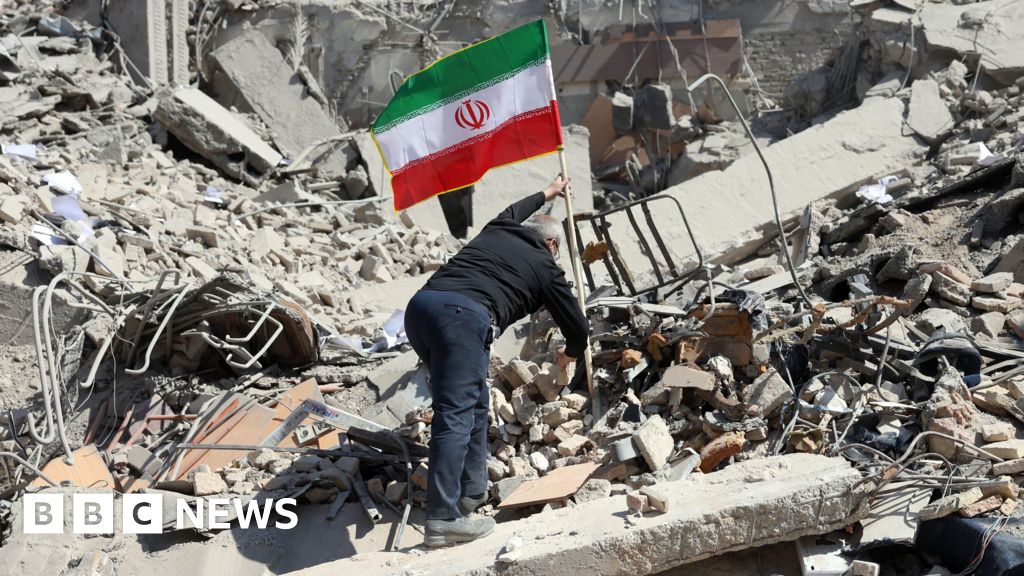
The ongoing crisis in Iran continues to roil the nation as widespread strikes, internet blackouts, and brutal security crackdowns redefine the country’s socio-political landscape. Citizens, seeking to voice their discontent against a backdrop of oppressive governance, are facing an escalating campaign of repression designed to stifle dissent and maintain the status quo. This internal chaos is not only damaging Iran’s social fabric but also has significant geopolitical implications for the wider Middle East and global stability.

Amidst the turmoil, ordinary Iranians are struggling to stay connected with loved ones. Daily protests and strikes have become a common feature across cities such as Tehran, Mashhad, and Isfahan, as citizens demand political reform, economic relief, and greater personal freedoms. Meanwhile, the government has responded with a calculated tightening of control, resorting to internet shutdowns and violent crackdowns to suppress the burgeoning movement. Human rights groups have reported that such measures are intensifying, with reports of security forces using live ammunition and mass arrests to quash protests. These actions have drawn widespread condemnation from international observers who see Tehran’s crackdown as a testament to the regime’s vulnerability and desperation to preserve its grip on power.

Notable analysts, including those from organizations like the United Nations and think tanks specializing in Middle Eastern affairs, warn that the escalation of internal strife could destabilize the region further. Historically, Iran’s internal stability has been paramount to the balance of power in the Gulf, influencing everything from oil markets to regional alliances. Any significant upheaval risks emboldening Iran’s regional adversaries, particularly in areas where Iran’s influence has historically been challenged. Some experts suggest that this internal crisis might force the regime to pivot toward more aggressive foreign policy postures or confrontational stances to divert attention from domestic issues.

Discontent within Iran is also fueling debates on the impact of international sanctions, economic hardship, and ideological repression. The country’s leadership continues to face accusations of using radical measures to suppress a populist uprising, even as the pressure from external actors intensifies. The situation echoes warnings from historians who track the rise and fall of authoritarian states: when legitimacy erodes and repression intensifies, the scale of potential upheaval can grow exponentially. As the world watches, the fate of Iran remains a pivotal chapter with the power to reshape regional alliances and redefine global energy security.

As the nation teeters on the brink, history lingers in the shadows of these burgeoning events. With every death, every arrest, and every blackout, a question persists: will this volatile chapter forge a new future, or will it plunge Iran into deeper chaos? The answer remains elusive, yet the unfolding story continues to bear witness to a critical moment — one that will undoubtedly leave an indelible mark on history’s collective memory. The global community must remain vigilant, for the repercussions of Iran’s internal struggle are far more than regional — they are a testament to the enduring struggle for freedom and sovereignty amid the shadows of authoritarian power.

UK Eyes Denmark’s Strict Asylum Approach—But What’s the Reality? | Migration

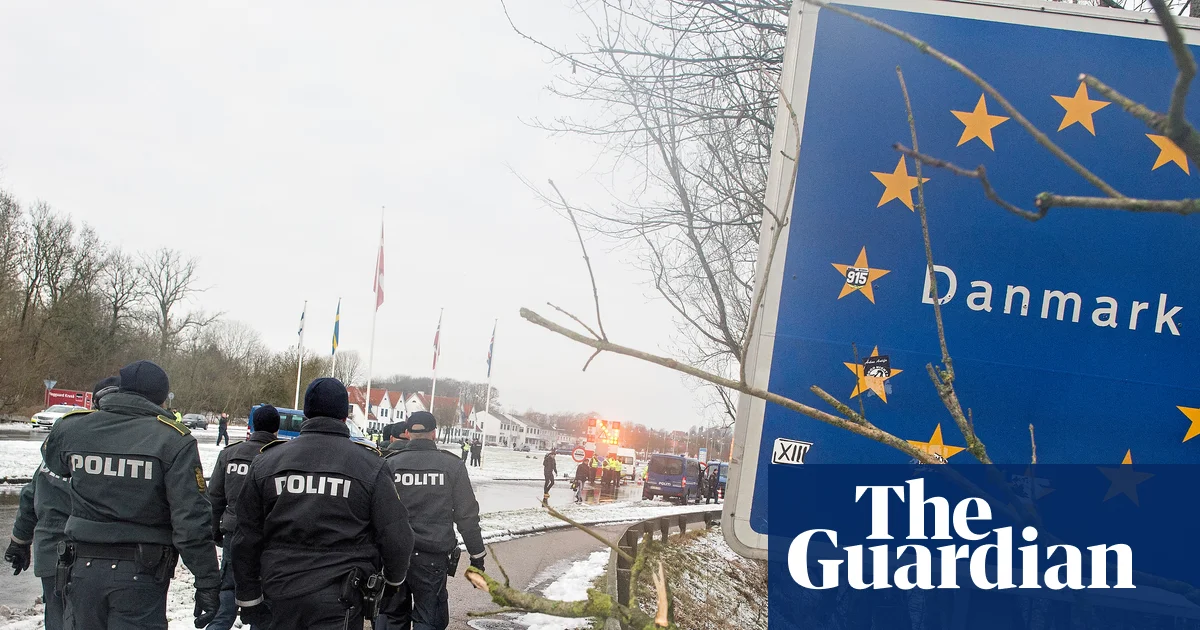
Over the past decade, Denmark has dramatically reshaped its approach to immigration and refugee policies, employing measures that reflect a broader trend amongst Western nations to prioritize national sovereignty and social cohesion over international humanitarian commitments. This shift, notably characterized by the replacement of permanent refugee status with highly restrictive, temporary permits, signals a deliberate effort by Danish policymakers to deter future asylum seekers. Since reforms enacted around 2015, accommodating the influx from conflict zones such as Syria, Afghanistan, and Iraq, Danish authorities have concentrated on deterrence, emphasizing language fluency, employment, and the unstable nature of residence as keystones of integration. Despite international criticism from organizations like the UN, these policies have clearly achieved their intended effect: a stark decline in asylum applications, from nearly 15,000 in 2014 to just over 2,300 in 2024. How long can a nation sustain such policies before societal cohesion suffers?

In the realm of geopolitical impact, Denmark’s example has reverberated beyond its borders. Following its lead, Britain’s recent efforts to emulate Danish measures show a growing trend among political elites to tighten borders and reduce refugee arrivals, aiming to curb what they perceive as burdens on national identity and social security. Such policies, often justified as pragmatic responses to immigration’s perceived threats, are under increasing scrutiny from international organizations and human rights advocates. Critics argue that the “deterrence-only” approach undermines global humanitarian norms and risks fostering extremism, especially when integration becomes a near impossibility under the current framework. Another layer of tension lies in how these policies reflect and influence internal political dynamics, where populist right-wing parties gain ground by advocating for “remigration” and the mass expulsion of immigrants, further polarizing societies already wrestling with identity and security concerns.

The impact on society and international relations extends beyond mere statistics. As noted by historians and analysts such as Dr. Lars Jensen, a geopolitical expert, Denmark’s policies represent an ideological shift: it’s less about humanitarianism and more about national self-preservation. Denmark’s “paradigm shift” under Prime Minister Mette Frederiksen, emphasizing repatriation and social segmentation, exemplifies a broader move within Europe toward populist political strategies. Internationally, this raises critical questions about the future of humane refugee protocols, especially as the continent faces demographic challenges—such as declining birthrates and an aging population—which threaten the very economies that are now tightening borders. Will the pursuit of short-term political gains compromise the long-term stability and moral fabric of Western societies? This dilemma frames a pivotal chapter in the ongoing contest between liberal values and nationalist sovereignty.

As history turns its uncertain pages, the story of Denmark’s policies underscores a sobering truth: the choices made today shape the societal and geopolitical landscape of tomorrow. While governments may believe they are protecting their nations’ future, their decisions carry the weight of a global narrative that is still being written—one in which the ideals of compassion, inclusion, and international cooperation are tested against the imperatives of national security and cultural identity. The world watches as these policies unfold, aware that the outcome will influence the fate of millions of lives and rewrite the boundaries of human solidarity. In this relentless march of history, the question remains: can a nation’s resolve to safeguard itself coexist with the moral obligation to uphold human dignity, or are we witnessing the birth of a new, fractured global order?

Is This $1 Billion Art Collection Glorifying a Perfected Reality?

As the allure of wealth and exclusivity continues to shape the modern art scene, the narratives surrounding high-value art collections reveal much about the cultural and societal currents of our era. A recent investigation by The New York Times exposes the burgeoning phenomenon of art investing as a shortcut to wealth, exemplified by the spectacle of a $1 billion art collection marketed with the enticing promise: “No art investing experience? No problem.” Such claims are emblematic of a broader shift—a commodification of culture that risks reducing art to mere financial assets, detached from its historical role as a vessel of collective memory and societal values. This trend raises profound questions about the relevance of culture to identity, tradition, and society, echoing the concerns of thinkers like G.K. Chesterton and T.S. Eliot, who emphasized that true art embodies the soul of a nation rather than its market value.

This phenomenon is not merely about wealth accumulation; it signals a cultural transformation where art becomes a speculative commodity rather than a reflection of the human condition. The rise of such billion-dollar collections underscores a peculiar optimism—perhaps too rosy—about the capacity of the market to preserve and elevate cultural heritage. However, critics warn that this obsession with valuation risks distorting art’s intrinsic purpose. In the words of Ortega y Gasset, culture must serve as a living vehicle of societal identity—an ongoing dialogue between past and present, shaping our collective consciousness. When art is consigned to a financial portfolio, it challenges this ethos, threatening to turn cultural memory into a mere prop for future speculation rather than a guide for moral and aesthetic development.

Furthermore, the narrative surrounding these vast collections prompts us to consider the broader societal implications of such a culture of wealth. Drawing on the insights of Alexis de Tocqueville, one might observe that a society obsessed with material prosperity can risk losing sight of its spiritual and moral foundations. While billionaires amass masterpieces, the essence of national and cultural identity increasingly becomes a matter of transactional value. This phenomenon echoes the historical shifts seen during the decline of aristocratic patronage and the rise of commercialism in the arts, where genuine cultural engagement was replaced by superficial displays of wealth. Yet, amid this trend, there remains a resilient undercurrent of tradition—artisans, curators, and cultural critics who fight to remind us that culture is both memory and prophecy, an ongoing narrative that must be preserved for future generations.

In this moment of cultural commodification, it becomes essential to reaffirm that true art possesses a moral and philosophical dimension. As T.S. Eliot posited, poetry (and by extension, art) must serve as a means of spiritual renewal—an anchor in the storm of materialism. Our cultural landscape, therefore, must remain rooted in the acknowledgment that art transcends its monetary valuation; it is a testament to our shared humanity, an embodiment of societal ethos. As we stand at this crossroads, it is vital to remember that culture, like a great river, carries the sediment of history—its depths inscribed with the dreams and struggles of those who come before us and lighting a path for those yet to come. Culture is both memory and prophecy, an eternal dialogue where the human voice echoes across time, reminding us that in the end, art is neither just a commodity nor a mere relic, but a living witness to the soul of civilization itself.

NASA Debunks Reality Star’s Moon Landing Hoax

NASA Firmly Denies Moon Landing Skepticism Amid Cultural Clash

In a notable episode reflecting the ongoing tension between scientific consensus and popular skepticism, NASA responded decisively to recent remarks by Kim Kardashian, a global celebrity whose comments questioning the authenticity of the 1969 Moon landing have ignited international debate. Kardashian, known primarily for her entertainment empire, expressed doubts about the historic Apollo 11 mission during her reality TV series, asserting that the Moon landing was faked. Her claims, though widely discredited, exemplify the persistent influence of conspiracy theories in an age increasingly dominated by social media and misinformation.

Contrary to Kardashian’s assertions, NASA acting administrator Sean Duffy made an unequivocal rebuttal on social platforms, emphasizing the agency’s extensive history of lunar exploration: “Yes, we’ve been to the Moon before… 6 times!” The agency’s response underscores a broader truth backed by decades of scientific evidence and expert analysis. The discrediting of claims that the Apollo missions were hoaxes highlights the resilience of factual history against the tides of misinformation. Such denials bear significant geopolitical weight, especially as nations like Russia and China intensify their own space programs, signaling a new era of international competition in outer space.

The incident has sparked a wider dialogue about the geopolitical impact of space exploration decisions. Critics argue that the United States’ continued leadership in lunar missions, exemplified now by the renewed Artemis program under the leadership of former Donald Trump, underscores a strategic effort to reassert dominance in the final frontier. As NASA promotes returning humans to the Moon, global analysts emphasize that such endeavors are not merely technological achievements but symbols of national prestige. The International Space Station has long been a platform for geopolitical rivalry—fueling debates over space militarization and the risks of resource contention far beyond Earth’s atmosphere.

Furthermore, the controversy surrounding Kardashian’s remarks underscores a shifting cultural landscape—one where personalities wield influence that can challenge established facts, potentially impacting societal attitudes towards history, science, and international diplomacy. International organizations, including the United Nations Office for Outer Space Affairs, have consistently emphasized international cooperation, warning that misinformation and misinformation-driven skepticism could undermine collaborative efforts. As the United States recommits to lunar exploration, the lessons of history serve as a stark reminder: these are more than symbolic battles; they are moments that shape the future of human progress and global peace.

As the weight of history presses on the shoulders of space-faring nations, the decision to pursue lunar ambitions carries an inevitably profound geopolitical impact. With each new moon mission, nations are not merely exploring celestial bodies—they are staking claims in a new geopolitical landscape where sovereignty, influence, and technological supremacy will determine the future. In this unfolding saga, the controversy over a celebrity’s dubious claims becomes a symbol of the broader struggle between truth and misinformation. As history continues to write itself in the stars, one thing remains clear: the quest for greatness and the battle for narratives are intertwined, and the outcome will influence human society for generations to come.

Young Buyers Push into ‘Nature Deserts’: UK Data Reveals New Reality

Urban Development and Green Spaces: A Societal Challenge

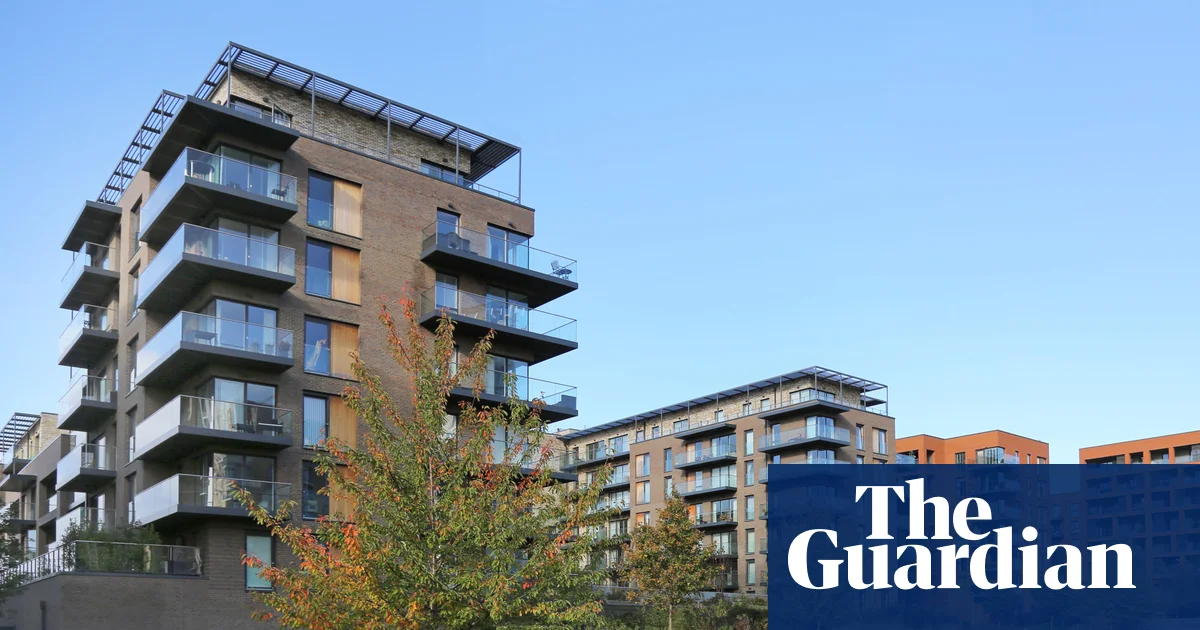
In recent years, the struggle for affordable housing in the UK has driven many first-time buyers into areas increasingly devoid of nature, green spaces, and vital ecological resources. A groundbreaking study by Wildlife and Countryside Link reveals a troubling correlation: for every square meter of green space lost to urban development, hundreds of new homeowners are drawn to these degraded areas, seeking affordable properties, yet inadvertently sacrificing essential mental, physical, and community health benefits. As sociologists like Raymond Williams have observed, the fabric of a thriving society is woven tightly with access to natural environments, forming a cornerstone of community well-being. When green spaces vanish, it is not only urban landscapes that change; families, schools, and local communities all bear the consequences.

This loss of green space has profound social implications. The study highlights a stark disparity: residents living more than 800 metres from parks or natural areas report significantly higher rates of anxiety, depression, and overall wellbeing issues, especially during crises such as COVID-19. Conversely, areas with fewer parks—often the cheapest—see an influx of first-time buyers, creating a socio-economic paradox: those thriving in these “nature deserts” are often the very communities most vulnerable to health disparities. Such a societal landscape fosters greater inequality, where the pursuit of affordable housing results in a fragmented society less connected to nature and each other. Scholars like eco-socialist David Harvey warn of this unchecked growth as a threat to cohesive community development, emphasizing that public health and social stability are inherently linked to our environmental condition.

Addressing these challenges calls for both urgent policy reform and a rethinking of urban planning. Advocates, including Ingrid Samuel of the National Trust, urge the government to amend its current planning bill—to embed guarantees for green and blue spaces in every new development. Proposed amendments aim to strengthen safeguards for existing landscapes while requiring the integration of parks, waterways, and wild habitats into new housing projects. This approach recognizes that green space isn’t merely a luxury but a fundamental human right essential for physical and mental health. Social commentators argue that building communities with access to nature fosters resilience, inclusivity, and a collective sense of belonging, vital ingredients for a society facing the pressures of urban growth and environmental change.

Ultimately, the story of green spaces in the UK is not just about conservation—it’s about safeguarding the future of our society. As the rush for housing continues, the challenge remains: How can we ensure that progress does not cost us the very environment that sustains us? It is within this tension—between development and preservation—that society must find its moral compass. As John Muir once said, “In every walk with nature one receives far more than he seeks,” and it falls upon us to forge a future where such walks are not a privilege of the few, but a right for all. Only then can we hope to nurture societies where families are rooted not just in bricks and mortar, but in the timeless embrace of nature’s sanctuary.

Social Media Auto Publish Powered By : XYZScripts.com