Matox News

Truth Over Trends, always!

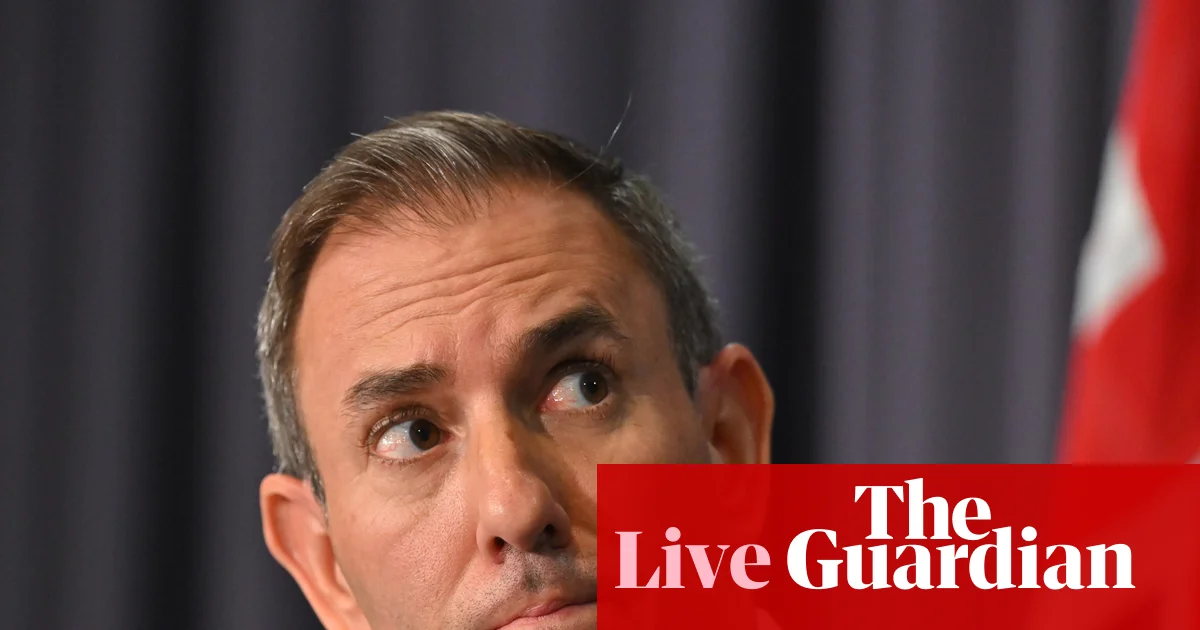
Australia Politics: Chalmers dismisses recession fears; Pocock hits back at seniors’ shower charge scandal

Global Power Plays Reshape International Landscape Amid Domestic Challenges

In a rapidly evolving geopolitical theater, Australia finds itself navigating a delicate balance between internal stability and external pressures. Recent statements from Jim Chalmers, the nation’s treasurer, reveal a cautious approach as the government publicly distances itself from enforcing Covid-style mandates, opting instead for voluntary measures to manage ongoing crises. While this might appear as a cautious stance, it underscores the broader global trend of nations prioritizing sovereignty and economic sovereignty over draconian restrictions—an approach that resonated with many analysts who emphasize the importance of national autonomy in safeguarding societal freedoms.

Meanwhile, international institutions and a flurry of diplomatic negotiations underscore a broader shift towards economic realignment. Recently, Australia signed an extensive free trade agreement with the European Union, opening the door to duty-free access for nearly 98% of Australian goods and greater market exposure to the continent’s 450 million consumers. This agreement, signed after over eight years of meticulous negotiations, highlights a strategic move to diversify trade dependencies amid geopolitical tensions, especially with the ongoing unrest in the Middle East. As European products—such as champagne, wine, cheeses, and auto parts—become more affordable within Australia, the trade minister, Don Farrell, emphasizes that this is a testament to the nation’s resilience and strategic foresight in a volatile international environment.

Domestically, however, challenges continue to shape political discourse. Anthony Albanese and his government face mounting public scrutiny, with polls indicating a minor dip in popularity. Contributing to this unrest are reports like those from Independent senator David Pocock, who exposes stories of older Australians being charged as much as $200 to shower—a clear indicator of systemic issues within the aged care sector. Such revelations set the stage for urgent reforms, with lawmakers calling for transparent pricing and improved oversight. As analysts warn, these are not isolated incidents, but signs of deeper societal fractures that threaten not only the wellbeing of vulnerable populations but also the moral fabric of the nation.

On the economic front, Chalmers cautiously projects that while Australia’s economy is expected to weather external shocks—particularly the fallout from regional conflicts—growth will be tempered with inflation continuing to rise beyond initial forecasts. Experts note that inflation estimates of 5% are now seen as conservative, with some forecasting higher figures as global tensions, specifically those in the Middle East, impair supply chains and inflate energy prices. The Australian government, wary of another recession or economic downturn, prefers a voluntary approach to measures like fuel excise cuts, emphasizing responsible supply and regional cooperation over sweeping mandates. Yet, the cultural and societal implications of this stance are profound, highlighting a global return to a pragmatic, sovereign-centered approach that values liberty amid turbulence.


RBA Raises Rates, Won’t Let Recession Hit Australia, Bullock Warns

The Reserve Bank of Australia has announced a significant increase in its interest rates, signaling a firm stance against persistent inflation amid a backdrop of international turmoil. The central bank lifted the cash rate target to 4.1%, erasing previous relief measures last year, and left room for additional hikes in the future. Michele Bullock, the RBA governor, emphasized that robust employment growth and ongoing consumer spending continue to exert upward pressure on prices. While rising petrol costs contributed to inflationary concerns, Bullock clarified that the primary drivers remain the excess demand within the economy and price volatility linked to Iran’s ongoing conflict.

This decision signals a cautious yet assertive approach by Australia’s monetary authorities, driven by a broader international trend among central banks facing the specter of inflation. Unlike the United States, United Kingdom, and the European Union, which anticipated holding their rates steady, the RBA opted for a rate hike, highlighting Australia’s unique vulnerability to both domestic economic momentum and geopolitical instability. The ongoing war in Iran has aggravated fears of fuel shortages and higher energy costs globally, adding fuel to the inflationary fire. The World Bank and international analysts warn of the potential for the conflict to ripple across markets, amplifying inflationary pressures while complicating policy responses.

The Middle East conflict, particularly the escalation in Iran and the broader regional destabilization, has sharpened the geopolitical stakes. With global crude oil supplies threatened, energy-importing nations like Australia find themselves caught in a tightening vise: inflationary prices rising alongside a resilient labor market. The Australian Treasury and security analysts concur that the developing regional crisis will likely exacerbate inflation, forcing central banks to enact more aggressive monetary tightening. Meanwhile, Jim Chalmers, the Australian treasurer, acknowledged that the regional conflict has worsened inflation challenges, emphasizing ongoing fiscal measures to mitigate household and business impacts. These international shifts underscore the fragility of economic recovery in an era increasingly defined by geopolitical volatility.

Some experts argue that Australia’s rising rates are a warning sign for the global economy — a sign that the era of easy monetary policy is definitively waning. Dr. Brendan Rynne, chief economist at KPMG, warned that economic activity in Australia was already vulnerable before the regional conflict, and recent rate hikes merely accelerate the risks. The narrow vote within the RBA—five in favor of raising rates and four against—illustrates the delicate balancing act policymakers face: curtailening inflation without triggering a recession or soaring unemployment. As history marks a pivotal point, the financial future remains uncertain, yet the heavy hand of geopolitics continues to impact the economic fabric of nations worldwide. The decisions made today will echo through generations, shaping the resilience of societies in a world where the shadows of war threaten to unravel economic stability.

Retail Spending Slumps in March as Young Consumers Tighten the Belt

The United States economy is experiencing a crucial inflection point that could have profound geopolitical repercussions in the coming years. Recent data from the Commerce Department reveal a decline in retail sales for March, with spending dropping by 1% compared to the previous month. While seemingly small, this decline exceeds analysts’ expectations and signals a potential slowdown in the world’s largest consumer market. The fall in consumer expenditure, particularly in departments such as general merchandise and gas stations, underscores a broader shift driven by retreating income expectations and lingering recession fears. Central to this economic shift is the impact of recent banking crises, which have fundamentally shaken investor confidence and prompted households to curb spending.

Economists and analysts note that this decline is not solely a short-term anomaly. Bank of America analysts suggest that the lull in refunds issued by the IRS—down by approximately $25 billion relative to last year—has dampened household liquidity, further constraining consumer activity. Simultaneously, the expiration of pandemic-era benefits has taken a toll on disposable income and spending power. How these decisions ripple through society becomes evident as household savings rates potentially decline and the specter of an impending recession looms larger. Despite these setbacks, some resilient fundamentals remain—such as a 2.9% year-over-year rise in retail spending and steady wage growth, albeit at a slower pace—yet the overall picture indicates signs of faltering consumer confidence.

The Federal Reserve and other global institutions watch these signals with caution. The latest employment figures do not indicate a collapsing labor market; employers added 236,000 jobs in March, yet the pace of growth is diminishing, and the Job Openings and Labor Turnover Survey reflects a 17% decrease from last year’s peak. Additionally, higher inflation expectations, fueled by rising gas prices, threaten to erode real wages and consumer purchasing power. This combination of tightening labor markets and inflationary pressures is forcing policymakers into a delicate balancing act, trying to stave off a recession while combatting inflation. Historian analyses point out that history shows such periods often precede significant geopolitical shifts, as economic downturns tend to strain international alliances and domestic stability.

The international community remains alert to the potential geopolitical fallout of America’s economic trajectory. Declining consumer confidence and rising inflation could prompt China and other rival powers to accelerate their strategic ambitions, sensing for opportunity as the U.S. grapples with internal uncertainties. Major global institutions like the IMF warn that a U.S. recession could destabilize emerging markets, which rely heavily on American trade and investment. This delicate web of interconnected economic and geopolitical forces underscores the vital importance of decisions made today. As analysts warn that the effects of recent banking turmoil and fiscal policies are still unfolding, the specter of history—where economic tremors evolve into full-blown crisis—serves as a stark reminder: the world’s balance of power is increasingly defined by these subtle yet profound shifts. The narrative of this ongoing chapter is written in the language of uncertainty, and only time will reveal whether the U.S.—and indeed the global order—can navigate this turbulent period without succumbing to the chaos of the fall.

Social Media Auto Publish Powered By : XYZScripts.com


