Matox News

Truth Over Trends, always!

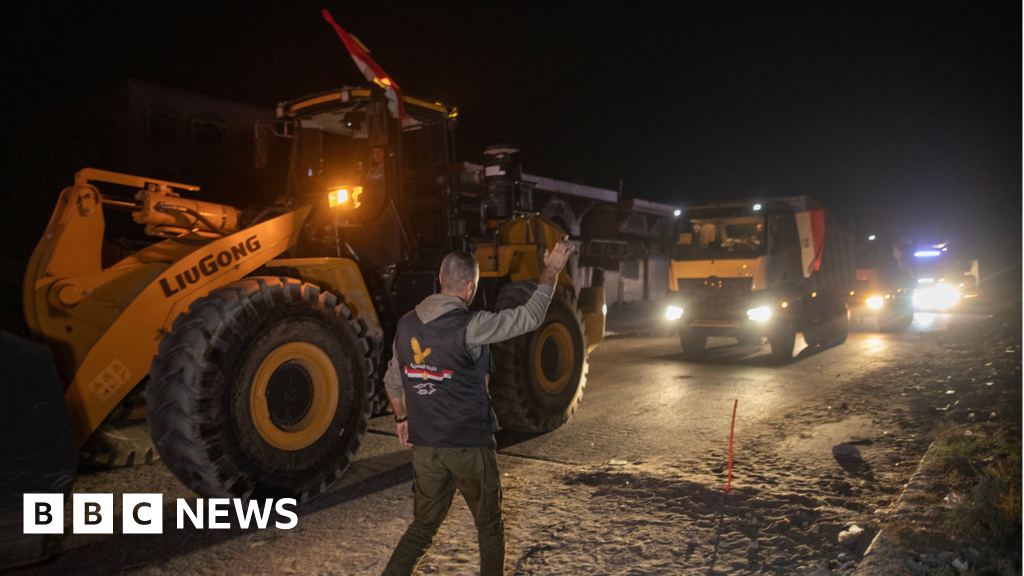
Egypt and Red Cross step up efforts to recover hostages’ remains in Gaza

In the ongoing saga of Gaza, geopolitical tensions have reached a critical point, with international players now deeply involved in a complex chess game of power, morality, and security. The recent development sees Egyptian teams and the International Committee of the Red Cross (ICRC) granted access to search for deceased hostages, a move that has significant how decisions affect nations and societies. This access comes after more than two years of devastating Israeli military operations and intense efforts to recover bodies buried beneath rubble, a grim reminder of the human toll inflicted in the name of security and sovereignty.

Under the recent US-brokered ceasefire agreement, Hamas has transferred 15 out of 28 deceased Israeli hostages, a first phase considered vital to restoring some semblance of humanity amid chaos. Yet, the situation remains fragile and politically charged, with tensions simmering over the retrieval of bodies and the question of justice for families on both sides. Warnings from global leaders like former President Donald Trump have signaled potential military escalation; he has warned Hamas that failure to return bodies quickly could provoke swift and decisive international action. Meanwhile, Israeli Prime Minister Benjamin Netanyahu asserts that Israel will control who enters Gaza, especially regarding a proposed international force aimed at securing the ceasefire. The Israeli government, in conjunction with the US, has revealed that Turkey has been vetoed from participating, underscoring the delicate balance of power and trust in diplomatic negotiations.

Analysts suggest any international intervention in Gaza is a double-edged sword; while it might help stabilize the region, it could also ignite further resistance and deepen divisions. Historians warn that the bottom line remains— until the root causes, including extremism and territorial disputes, are addressed, these cycles of violence will persist. With Gaza’s territory reduced to rubble—estimated by the UN to be up to 84%—the challenge of both rebuilding and reconciliation looms large. The renewed focus on the return of bodies, some of which Hamas claims are buried under bombed-out buildings, symbolizes the larger fight for dignity and truth in a land scarred by years of conflict and international neglect.

The unfolding events mark a grim chapter, yet history has demonstrated that the decisions made today in Gaza’s conflict could ripple for generations. As international organizations, leaders, and everyday citizens watch, the weight of history presses down with an undeniable significance: what happens in Gaza will determine the future of regional stability, the course of international diplomacy, and the very moral fabric of justice and security in the 21st century. Will diplomacy prevail over chaos? Or will the cycle of violence continue, forever echoing the unfulfilled promises of peace in a land torn by history? The answer remains uncertain, but the pages of history are being written in the blood and hope of those caught in the crossfire.

UK taxpayers deserve answers: Will they recover £122m from PPE Medpro? | Michelle Mone

In the wake of a high-profile court ruling exposing the mishandling of pandemic resource procurement, families, education, and local communities are increasingly feeling the ripple effects of systemic social issues rooted in privilege, corruption, and a breakdown of moral accountability. The recent judgment against PPE Medpro, a company linked to the wife of a prominent conservative peer, highlights how intertwined issues of social class, political influence, and economic exploitation have become. While the court demanded that £122 million be returned to the public coffers, the reality is stark: the company has been declared insolvent, and the very individuals who profited from the crisis remain shielded behind complex legal barriers. This situation underscores a societal divide where **those with wealth and influence often escape justice**, leaving ordinary citizens questioning the fairness of a system rigged in favor of the privileged.

At its core, this scandal exposes a troubling cultural shift—one where ethics are sidelined in pursuit of profit, especially during times of national crisis. Notably, the procurement process, which was allegedly prioritized for politically connected individuals via the so-called “VIP lane,” reflects a departure from transparent, merit-based systems. Sociologists like Oliver James argue that such practices foster a sense of disillusionment and betrayal within communities, eroding trust in institutions that are supposed to serve the public interest. For families struggling to access quality healthcare or facing the economic fallout of failed policies, the misconduct of a few exemplifies a larger societal failure: the neglect of moral responsibility in favor of greed and self-interest. This gap between political elites and everyday citizens fuels *a social tension* that threatens the fabric of shared community bonds.

Furthermore, the impact on education and future generations cannot be understated. When government resources are diverted or lost through corrupt arrangements, schools and social programs suffer—further widening the demographic and cultural divides. As social commentator Frank Furedi suggests, a society that tolerates such blatant misconduct risks cultivating a cynical attitude among youth, undermining civic engagement and ethical standards. The emerging narrative challenges *young people* to reconsider their role amid a landscape marred by inequality. Yet, there remains a hopeful contrast—the potential for reform invoked by dedicated watchdogs and civic groups who continue to emphasize accountability. With ongoing investigations into criminal offenses linked to pandemic procurement, society stands at a crossroads: will it choose to rebuild trust through genuine transparency, or allow the pervasive influence of privileged networks to perpetuate injustice?

As the story unfolds, the question lingers: can society truly heal from this breach of public trust? The moral challenge lies in fostering a culture where integrity, fairness, and moral responsibility are restored as societal cornerstones. In this landscape of complexities, hope emerges in the form of collective resilience and the emerging voices demanding genuine change. Society’s strength is found not in the wealth of a few, but in the unity of communities committed to holding power accountable. Perhaps, amidst the echoes of legal battles, a new era beckons—one where the fabric of our society is mended with patches of integrity, woven through the collective effort of families, educators, and leaders dedicated to a future where justice is not just an aspiration, but a living reality.

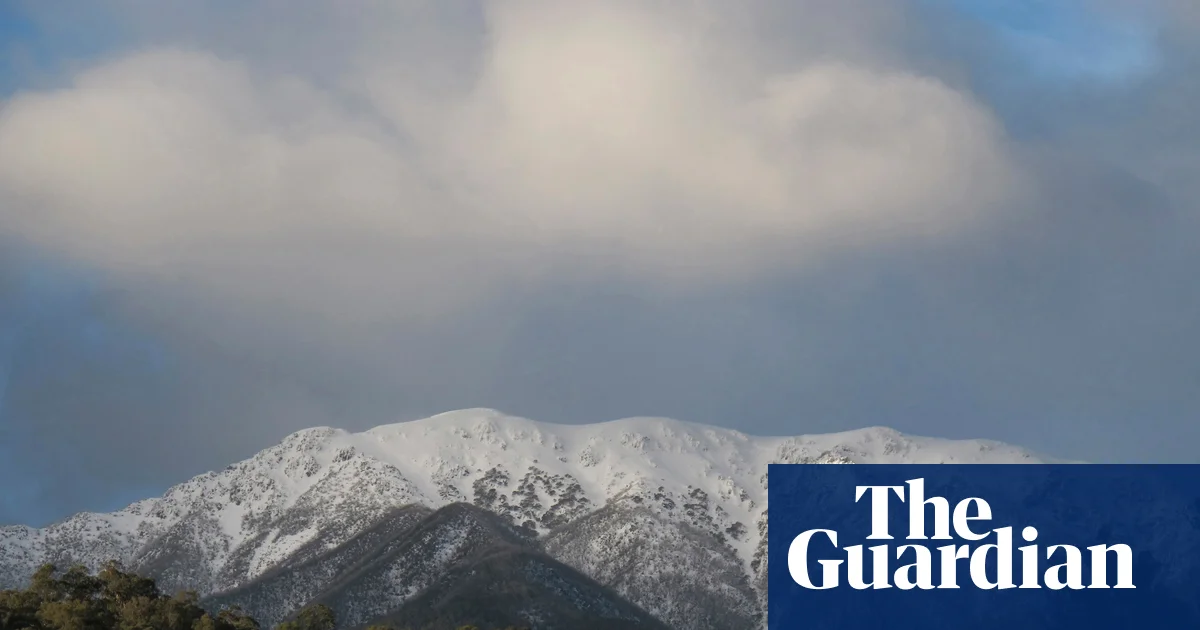
Emergency responders recover two hikers' bodies in Victorian high country
Emergency responders recover two hikers’ bodies in Victorian high country

Global Unrest and Nature’s Fury: A Reflection of Our Times

While the world witnesses a series of international shifts and political upheavals, a series of harrowing tragedies in the Australian high country serve as a stark reminder of the unpredictable forces that threaten societies worldwide. Last week, emergency services recovered the bodies of two women in the Victorian highlands—an event that, while seemingly isolated, underscores the fragile balance between human ambition and nature’s indomitable power. The deaths, deemed not suspicious by authorities, highlight the challenges faced by adventurers venturing into remote wildernesses—places characterized by their pristine beauty yet unforgiving terrain. This incident, much like other recent emergencies, illuminates the importance of preparedness and respect for nature, especially as global climate change intensifies extreme weather and environmental unpredictability.

Across the Tasman Sea in Tasmania, another tragedy unfolded—this time within the savage embrace of its world heritage wilderness. A woman drowned during a rafting expedition on the Franklin River, with initial investigations attributing her demise to her raft flipping amidst rapids. These incidents, involving local and interstate experts, reveal a significant shift in the safety landscape of outdoor adventure tourism—an industry increasingly challenged by changing environmental conditions. The resilience of Tasmania’s search and rescue teams, deploying helicopter resources and wilderness paramedics, underscores the critical importance of expertise and rapid response in preserving life amid escalating natural dangers. Analysts warn this may be a sentinel warning of a broader pattern: as climate variability worsens, even seasoned explorers are vulnerable, forcing nations to adapt and upgrade safety protocols in wilderness regions.

Amid these tragedies, international observers and historians reflect on how such events are microcosms of a larger geopolitical narrative. The ongoing shift in global priorities, with many nations grappling with internal crises and external pressures, might inadvertently divert attention from environmental safeguarding. As China and Russia expand their influence—asserting military and economic dominance—other nations face further challenges in prioritizing natural resource management and environmental resilience. Meanwhile, the United Nations warns of increasing climate-induced disasters, advocating for coordinated international action, though skeptics argue that geopolitical interests often hinder genuine cooperation. These tragedies are a stark reminder: environmental stability and human safety are intertwined with the decisions made in global power corridors.

As history continues to unfold in real-time, the events of this week serve as a sobering chapter in our collective story. From the rugged landscapes of Australia to the volatile corridors of power shaping our global future, humanity faces a relentless test: will we learn to respect and adapt to the forces beyond our control, or will neglect and complacency consign us to repeat the tragedies of the past? With every life lost in the wild, the weight of history presses down—reminding us that the battle to preserve life and environment is, ultimately, the defining challenge of our era.

Social Media Auto Publish Powered By : XYZScripts.com