Matox News

Truth Over Trends, always!

Royal Style on the Rise: How Trendsetting Royals Are Redefining Classic Fashion for the Next Generation

Royal Fashion: The Subtle Weapon of Power and Social Signaling

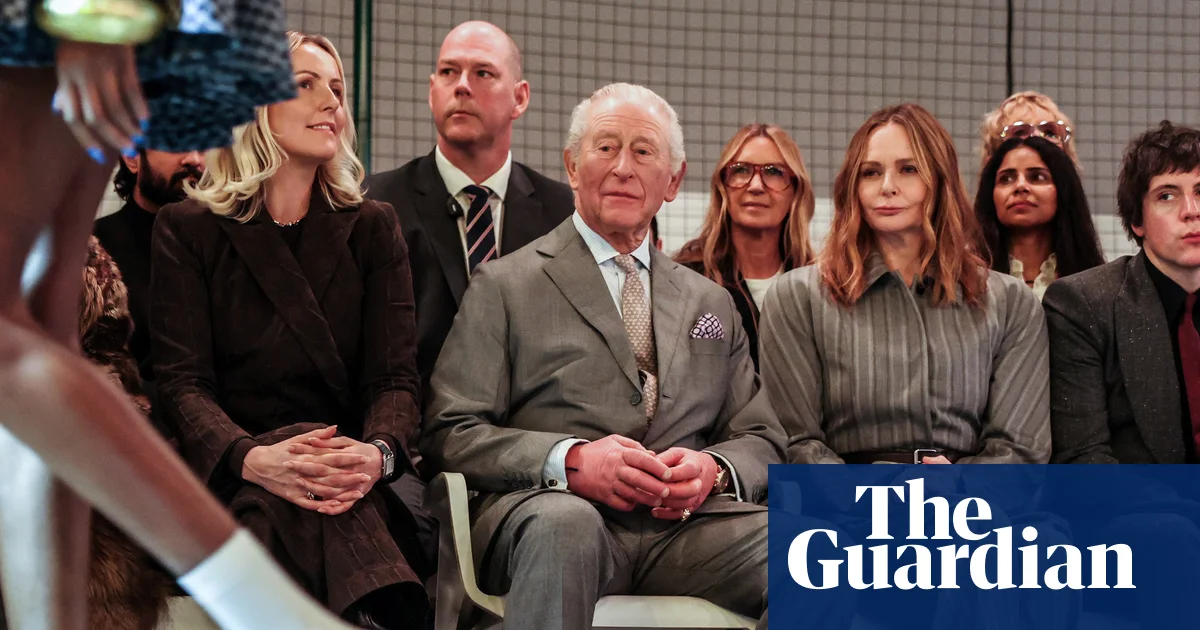
In today’s ever-evolving social landscape, the British Royal Family continues to master the art of dress diplomacy, turning clothing into a potent tool of soft power and cultural influence. While to many their attire might seem like mere tradition or personal style, seasoned analysts like sociologist Dr. Emily Carter argue that the royal wardrobe is a carefully curated narrative device. From King Charles’ British bespoke suits signaling resilience in turbulent times to Princess Catherine’s conscious sustainability choices, royal fashion remains an unspoken language of authority, ethics, and political messaging. It’s an elegant, yet deeply strategic tapestry woven with each carefully selected garment, shaping societal perceptions in subtler ways than any speech or policy could achieve.

Historically, as Justine Picardie notes in her insightful book, Fashioning the Crown, the house of Windsor has wielded fashion as an “instrument of crisis management.” The deliberate choice of attire during pivotal moments—such as Queen Elizabeth II’s wardrobe reforms during the post-war era, or her 2017 colour choices during Brexit debates—illustrate how style functions as situational signaling. When the Prince and Princess of Wales recently appeared in coordinated burgundy velvet at the Baftas, it was dubbed “Pantone diplomacy” by the New York Times. Their outfits symbolized unity and steadfastness—not just fashion statements but social messages of resilience amid the family’s ongoing public scrutiny. Such sartorial signal-coding demonstrates an incredible level of social relevance, as it subtly reinforces the monarchy’s endurance and moral stance amidst crises.

The growing recognition of fashion as “dress diplomacy” underscores an expanding cultural trend. On official visits to countries like New Zealand and Ireland, members of the royal family thoughtfully adopt local symbols—Princess Catherine’s fern-embellished dress or her repeatedly red-and-green ensembles during international outings—further confirming how clothing becomes a language of nationhood and cultural respect. The impact of these choices extends beyond mere aesthetics, shaping national identities and fostering diplomatic goodwill. This strategy, as Picardie observes, is rooted in a long-standing tradition: Elizabeth II, with her famously scrutinized hat choices and her subtle symbolism through brooches, understood how visual iconography could serve as a form of diplomacy and political messaging. Today, her successors continue to refine this craft, ensuring that each outfit maintains social relevance and underlines their role within national narratives.

As royal fashion evolves and the younger generation asserts some independence, questions arise about the future of this coded communication. Will the royal family’s clothing choices become even more transparent and communicative in the age of social media, where every outfit can be dissected and critiqued instantly? Or are we witnessing a shift where fashion’s social and political messages will be replaced by more transparent, direct communication? The next big question for cultural observers and social theorists is whether this “dress diplomacy” will adapt to the digital age—perhaps leaning into influencer-driven, transparent fashion statements or remaining a meticulously guarded tradition. Whatever the future holds, one thing remains clear: the royal wardrobe is not just about elegance; it’s a vital part of the cultural chess game, and understanding it might hold the key to deciphering the subtle power plays shaping our society.

Young singer takes TikTok UK’s top spot for 2025 song— redefining the cultural landscape

In an era where digital culture often shapes perceptions and influences identity, it is vital to recognize the profound connection between entertainment, tradition, and societal values. Recently, the British singer Jess Glynne experienced a remarkable resurgence not through traditional radio play or chart dominance alone, but via the viral currents of social media. Her 2015 hit, Hold My Hand, which once topped the UK singles chart, has been reborn as the TikTok song of the year—an emblem of how culture adapts and reconnects across generations. The song’s revival exemplifies Ortega y Gasset’s assertion that “man’s identity is rooted in his culture,” and now, more than ever, this root is nourished by platforms that transcend mere entertainment to become arenas of societal reflection.

The trend underscores a paradox of modernity: while some decry the superficiality of social media, others recognize its power to rejuvenate collective memory and foster a shared experience. Glynne’s song, initially an emblem of 2015, has become linked with humorous holiday mishaps, travel chaos, and family moments. Its association with the ‘nothing beats a Jet2 holiday’ trend demonstrates that the popular culture of today is a mosaic composed of nostalgia, humor, and societal zeitgeist. Such phenomena echo Chesterton’s insight that “tradition is the democracy of the dead,” where societal continuity manifests through shared narratives, even as they are refreshed in the digital age.

Historian Alexis de Tocqueville’s observations about the importance of cultural roots in fostering societal cohesion are echoed in this phenomenon. Glynne’s music, once bound to radio and exclusive concerts, now flows freely on the digital stream to over 80 billion views, connecting diverse audiences in an apparent collective memory. Meanwhile, other musical icons like Taylor Swift and Rihanna continue to shape the cultural landscape, reflecting a society that values not only the entertainment but also the identity these figures embody. The viral success of older songs, such as Connie Francis’ 1962 hit Pretty Little Baby, indicates a cyclical return to foundational melodies, where history’s echoes inform contemporary expressions. These moments affirm T.S. Eliot’s notion that a society’s “memory, tradition, and culture are the prophecy of its future,”.

In contemplating the significance of this cultural revival, it becomes clear—culture is both our heritage and our prophecy. It is through these shared stories and songs that a society molds its identity and manifests its values. As we navigate a rapidly shifting landscape of technological change, we are reminded that culture’s true power lies in its ability to preserve memory while prophesying possibility. Just as an ancient melody carried through decades to inspire a viral trend, so too does the collective memory of mankind whisper of what is yet to come—a tapestry woven with the threads of the past, forever beckoning us toward the horizon of human potential.

Don’t Miss Out: His House Is the Modern Horror That’s Redefining Fear for a New Generation

Tech Industry on the Brink: AI and Disruption Reshape Business Landscape

The technology sector is witnessing unprecedented levels of *innovation* and *disruption* driven primarily by advancements in artificial intelligence (AI) and machine learning (ML). Ambitious companies and visionary entrepreneurs, such as OpenAI and Google, are pushing boundaries to redefine what machines can accomplish. According to Gartner’s latest forecast, AI-driven automation will transform nearly 50% of all business processes within the next five years, signaling a fundamental shift in how organizations operate. This surge in AI capabilities isn’t just incremental—it’s revolutionary, fostering an environment where rapid scalability and real-time decision-making become the norm.

One of the most significant industry shifts lies in generative AI models, which are enabling capabilities once considered science fiction—such as human-level content creation, autonomous decision-making, and personalized interactions at scale. OpenAI’s GPT-4 exemplifies this evolution, with analysts highlighting its potential to displace traditional content and service industries, from journalism to customer support. Such innovations are expected to diminish barriers for startups, fostering a new wave of *disruption* that could challenge established giants like Microsoft and Amazon to adapt or face obsolescence.

However, with disruptive technology comes both opportunity and risk. Industry leaders such as Elon Musk and Peter Thiel warn of the *emerging ethical and regulatory challenges* that could hamper AI’s transformative power. Their insights underscore the need for proactive governance structures, lest unchecked AI development amplify biases or create unintended consequences. Nonetheless, the *business implications* are clear: organizations that leverage AI effectively will gain a decisive competitive edge, while those slow to adapt risk being rendered irrelevant.

Looking ahead, *the landscape of innovation is poised for even greater upheaval*. MIT researchers forecast that integration of AI with emerging technologies like blockchain and quantum computing will multiply the disruptive potential tenfold. Industry insiders predict that within the next decade, markets will see *entire sectors—finance, healthcare, transportation—completely reimagined.* As disruption accelerates, entrepreneurs awakening to these shifts must act swiftly, or risk being left behind in a rapidly evolving technological ecosystem. The future is not just approaching—it is here. The question remains: how quickly will organizations harness these emerging technological frontiers to secure their place in tomorrow’s economy?

Switch 2 and Ninja’s Creami: Top deals redefining the week for young tech fans

Tech Industry Transforms Amid Latest Consumer Electronics Deals

The recent surge in consumer electronics deals highlights a market in flux, driven by relentless innovation and disruptive forces. Nintendo’s Switch 2 console bundle has emerged as a standout, signaling ongoing consumer demand for next-gen gaming experiences. Priced at $449.99 during Cyber Monday sales—marked down from $499.99—the bundle includes Mario Kart World, a game valued at $79.99 but effectively offered free of charge. Major retailers like Amazon, Walmart, and Best Buy are eager to consolidate their dominance in the gaming hardware market, as gamers seek immersive experiences that only the latest consoles can deliver.

This move emphasizes the profound impact of strategic bundling in stimulating hardware sales, reinforcing the notion that manufacturers like Nintendo are doubling down on exclusive titles and bundled experiences to maintain a competitive edge amidst an industry increasingly driven by innovation. The fast pace of technological advancements means competitors such as Sony and Microsoft are also ramping up their efforts to capture market share through similar disruptive tactics. Gaming, a sector historically thought to be niche, is now central to the broader tech ecosystem geared toward youth demographics and digital natives. This aligns with insights from industry analysts like Gartner, which predict a rapid escalation in gaming hardware adoption as an integral part of the digital lifestyle.

Meanwhile, the broader consumer tech sector continues to be reshaped by AI-powered innovations. For example, Amazon’s Echo Frames—smart glasses equipped with voice assistants—are now available at a fraction of their original price. Retailers like Amazon offer these discreet, stylish devices for just $114.99, down from over $300. Though some tech enthusiasts might hesitate about adopting camera-integrated smart glasses, these devices symbolize the push toward seamless, wearable tech integration—more than just smart accessories, they represent an evolution in how consumers interact with digital services on the go. Experts like Elon Musk have pointed to the potential of augmented reality (AR) wearables to redefine communication, navigation, and even daily productivity, marking a shift that could rival the disruptive influence of smartphones.

  • Enhanced user engagement through multi-functional devices.
  • Potential for increased data collection, raising privacy concerns.
  • Disruption of traditional hardware segments, creating new revenue streams for big tech firms.

Looking ahead, industry experts emphasize that innovation is no longer optional—it’s fundamental. Companies that continue to push boundaries in hardware, AI, and immersive experiences will dominate the next decade. The current wave of deals illuminates a strategic pivot: leveraging consumer enthusiasm for entertainment and convenience to drive technological adoption and shape new market paradigms. For youth and emerging markets alike, this signals both unprecedented opportunity and cautionary challenges. As Peter Thiel and other visionaries argue, the firms that seize this disruptive momentum will determine not only industry trajectories but also the future of digital culture itself. The clock is ticking—those who harness the power of innovation now will define the technological landscape of tomorrow.

Time Out names the coolest neighborhood of 2022—where young, stylish locals are redefining the city vibe

Embracing Local Vibes: The Hidden Gems Shaping Our Lifestyle

Travel isn’t just about crossing destinations off a bucket list; it’s an immersive journey into the essence of local culture, cuisine, and community. As modern explorers, we’ve brushed past the typical tourist traps, seeking instead the neighborhoods that pulse with authenticity—those that provide a deep **personal impact** on our health, leisure, and inspiration. Thanks to thought leaders like Time Out and cultural curators worldwide, a curated list of the world’s coolest neighborhoods now guides us toward these vibrant, less-trodden paths.

At the top of this list is Colonia Americana in Guadalajara, Mexico. Here, art deco terraces intertwine with warehouse venues, fuelling a **boundary-pushing creative community**. Such neighborhoods aren’t just picturesque—they become catalysts for personal growth, inviting us to indulge in local culinary innovations and revel in nightlife that invigorates the soul. Guadalajara’s burgeoning scene exemplifies how authentic, independent hotspots can transform a city’s identity, inspiring visitors to embrace new ways of living.»

Following closely is Cais do Sodré in Lisbon, Portugal. Once famed solely for its lively nightlife, this riverside neighborhood is now a **foodie’s paradise**, showcasing Lisbon’s promising young chefs and innovative dining experiences. For the youth seeking wellness and inspiration, exploring such areas means reconnecting with the vibrant energy of emerging talent and authentic cuisines—elements proven to boost *mental well-being and creative vitality*. As wellness expert Dr. John Lee emphasizes, our environment directly influences our *state of mind*—neighborhoods like Cais do Sodré remind us that vitality can be found in the simplest pleasures, like a well-crafted meal or a spirited street conversation.

Not limited to Europe and North America, the list spans global cultural tapestries. Wat Bo Village in Siem Reap, Cambodia, has undergone a **’serious glow-up**, becoming a social enterprise hub that empowers women through local organic cuisine and boutique hospitality. Such transformations highlight the importance of engaging with LOCAL initiatives that align with the \underline>shift towards conscious, wellness-driven lifestyles. They also serve as inspiration for young individuals aspiring to make meaningful *personal impacts* through travel and cultural appreciation.

  • Seek neighborhoods with independent eateries and creative spaces—these foster community connection and mental wellness.
  • Prioritize areas with local social enterprises—support small businesses that empower and uplift communities.
  • Focus on destinations that balance leisure with cultural authenticity, creating a holistic experience.

As highlighted by Times Out, exploring these less conventional neighborhoods offers a treasure trove of experiences—many within a walkable distance—that inspire adventurous spirits to immerse themselves fully in their journeys. Whether wandering through Shimokitazawa in Tokyo or strolling along Rue Julien in Marseille, travelers can unlock a renewed sense of purpose and *well-being*. Unlike homogenized tourist hubs, these neighborhoods stand as testaments to the power of local culture and independent enterprise in shaping a vibrant, healthy lifestyle for the younger generation eager to forge their own paths.

And so, the journey continues—not just across borders, but inward. To discover not only the hidden nooks of the world but also the untapped reservoirs within ourselves—where curiosity, community, and purpose intertwine. In embracing these unique neighborhoods, we embrace a lifestyle dedicated to wellness, authenticity, and *the pursuit of personal inspiration*. As the philosopher Rainer Maria Rilke once suggested, “The only journey is the one within.” Keep exploring. The world—the true one—is waiting for you to find your place in it.

Icebreakers and tee shots: How Trump and Finland’s leader are redefining unexpected friendships

From Icebreakers to International Bonds: The Surprising Power of Personal Diplomacy

In a world often dominated by headline-grabbing rhetoric and diplomatic posturing, the story of Finland’s President Alexander Stubb and US President Donald Trump reveals a different truth. Their recent interactions, including a remarkable deal for 11 specialized icebreaker ships and a friendly round of golf, underscore how genuine relationships foster trust, influence, and tangible outcomes. Despite their contrasting backgrounds and career paths, these leaders exemplify the potential of personal impact—how authentic rapport and shared experiences can shape broader geopolitics.

At the heart of their relationship lies an appreciation for tradition, resilience, and a shared recognition of the importance of secure, adaptable shipping in harsh environments. Finland’s icebreaking ships are not merely maritime assets but symbols of ingenuity, necessity, and economic security. Stubb’s promise to incorporate Finnish know-how into American-built ships signals a strategic alliance rooted in expertise, investment, and job creation. It illustrates how even small nations, through specialist expertise, can enhance their influence on the world stage—especially in areas like technology, defense, and regional stability.

Beyond policies and military considerations, the story emphasizes wellness and personal impact. The length and depth of their interactions—ranging from golf games to in-depth discussions about geopolitics—highlight how personal rapport enriches diplomatic relations. Well-known wellness experts and authors such as Dr. Andrew Weil remind us that authentic communication and relationship-building are essential for mental clarity, resilience, and even conflict resolution. The confidence that stems from such trust can inspire leaders to make brave decisions that ripple outward, affecting millions.

  • Travel Tip: Engage with local culture—be it through activities like golf or shared meals—to foster understanding beyond formal negotiations.
  • Lifestyle Hack: Invest in authentic relationships—whether virtual or in person—to build resilience, clarity, and strategic influence.
  • Inspiration: Recognize the power of genuine human interaction in shaping not only personal well-being but also international affairs.

As the story of Stubb and Trump unfolds, it reveals a deeper truth about leadership and influence in the 21st century: that true power often resides in the everyday moments and personal bonds we nurture. Their relationship, built over shared experiences and mutual respect, is a reminder that embracing wellness, authenticity, and trust can transform the most unlikely partnerships into forces of stability and growth. It gradually becomes clear that lifestyle choices—like valuing genuine connection or engaging with tradition—are not distractions, but foundational to a resilient, inspiring life. The journey of leadership, much like life itself, is an ongoing adventure, demanding courage, authenticity, and a willingness to forge connections that elevate everyone involved. For the young leaders and everyday citizens alike, this story offers a compelling lesson: that the true measure of influence starts with sincere engagement and the belief that personal impact can indeed shape the world.

Meet the startup co-founded by NBA star Russell Westbrook, redefining end-of-life planning for the next generation

AI-Driven Innovation Disrupts End-of-Life Planning Industry with Eazewell’s Vision

In a remarkable display of technological innovation and market disruption, Eazewell, an AI-powered platform dedicated to simplifying end-of-life and funeral planning, has entered a traditionally fragmented industry. Founded in 2024 by Donnell Beverly Jr.—whose personal loss catalyzed the venture—Eazewell leverages cutting-edge artificial intelligence to automate tasks that once weighed heavily on grieving families. This initiative exemplifies the seismic shifts occurring as AI begins to redefine how life’s final transitions are managed, with significant business implications for sectors ranging from funeral services to digital estate management.

The core innovation behind Eazewell is its AI agent, available around the clock, which empowers families to effortlessly coordinate funeral arrangements, manage paperwork, and even cancel credit accounts on behalf of the deceased. This automated approach resolves longstanding inefficiencies within the industry, often plagued by manual, time-consuming processes. The platform’s recent rollout of an enterprise solution for hospice providers, senior living facilities, and insurers further extends its disruption. By integrating seamlessly into existing software ecosystems, Eazewell positions itself as a market-changing enabler for enterprise-level stakeholders, promising to transform industry standards.

Market Implications for Traditional and Emerging Players

According to leading analysts from firms like Gartner, the integration of AI-driven automation into sensitive segments such as end-of-life planning is a strategic game-changer with broad implications. Already, Eazewell reports assisting over 100,000 families, a testament to the scalability of its approach. As the platform broadens to include digital asset management—an increasingly vital concern in a digital-first era—the industry is poised for a fundamental shift. The ongoing digital transformation hints at a world where legacy management and estate planning become seamlessly integrated into everyday digital life, challenging established traditional players resistant to technological evolution.

The Broader Context of Disruption and Innovation

Disruptors like Elon Musk’s Neuralink and Peter Thiel-backed startups have demonstrated the enormous potential of AI to overhaul deeply rooted industries. Eazewell’s focus aligns with this trajectory by highlighting how AI’s influence extends well beyond the here and now, into the posthumous realm. The company’s forward-looking vision, including managing digital assets and inheritance, exemplifies how innovation is converging with industry standards of trust and security. Notably, industry experts and forecasters see these advancements as not just improvements but essential evolutions for businesses seeking resilience amid changing consumer expectations and technological norms.

The significance of this evolution transcends mere convenience: it heralds a new era where disruption can unlock new revenue streams, reduce operational costs, and elevate service standards. As AI and automation continue to mature, competition will intensify, compelling entrenched industries to innovate or face obsolescence. The urgency for stakeholders—whether traditional funeral service providers or emerging digital estate managers—is clear: adapt rapidly or be left behind in a rapidly transforming landscape that demands technological agility and disruptive thinking.

Future Outlook: An Urgency for Strategic Adoption

Looking ahead, the potential of AI to revolutionize end-of-life services signifies more than just a niche innovation; it foreshadows a broader societal shift. Industry visionaries and technology leaders emphasize that the pace of change necessitates proactive engagement. Experts from institutions like MIT forecast that AI-driven end-of-life management will become a standard component of digital identity and estate planning platforms within the next decade. This evolution presents a crucial call to action for investors and businesses alike: position strategically now to harness the impending wave of disruption, leveraging innovation to serve a growing demand with compassion and efficiency.

As the industry broadens its horizons, it becomes evident that disruption is inevitable. The integration of AI into sensitive life-stage services embodies both a technological leap and a philosophical shift—one where technology’s role is to ease burden, empower families, and fundamentally reimagine what legacy means in a digital age. The race for innovation is on, and those who move decisively will shape the future of a trillion-dollar industry—and redefine how society handles its most profound moments.

Social Media Auto Publish Powered By : XYZScripts.com