Matox News

Truth Over Trends, always!

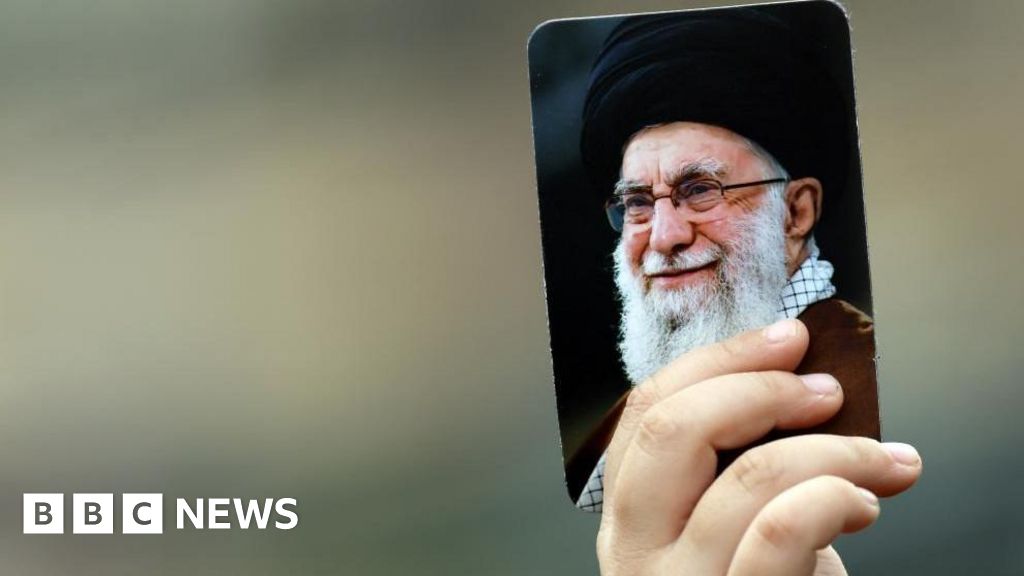
Iran's regime remains standing—stay tuned to see if it can hold firm in the coming days.
Iran’s regime remains standing—stay tuned to see if it can hold firm in the coming days.

In a time of escalating tension*, Iran finds its leadership deeply engulfed in a crisis of both confidence and security. As US and Israeli strikes persist in targeting strategic sites across Iran, the country’s political and military elites grapple with mounting pressure to maintain stability amidst an uncertain international landscape. This unfolding scenario underscores the profound geopolitical impact of external intervention and the delicate dance of diplomacy in a region fraught with historical grievances and current conflicts.

For years, Iran has been at the center of global strategic calculations, often viewed through the lens of its contentious nuclear program and regional influence. The recent surge in military actions, however, marks a turning point that could redefine regional power dynamics. Analysts from the International Crisis Group and seasoned historians recognize that Iran’s leadership faces a critical juncture, where the decisions made today will ripple through decades to come. These strikes aim to hinder Iran’s nuclear ambitions but also risk provoking a broader conflict, with the potential to destabilize the Middle East further and challenge international norms.

The crisis extends beyond tangible military targets, touching the very fabric of Iran’s societal foundations. Iranian officials are under enormous strain as they seek to project an image of resilience and control, even as internal dissent simmers beneath the surface. Leadership in Iran is acutely aware that their response could either bolster national unity or deepen divisions, all while navigating a complex web of international alliances and enmities. The ongoing strikes serve as a stark reminder of how external actors can influence internal politics, with consequences that resonate across borders and generations.

  • US and Israel assert that their actions aim to prevent Iran from acquiring nuclear weapons, maintaining that such measures are necessary for regional security;
  • Iran claims that these strikes are acts of aggression that violate sovereignty and threaten regional stability;
  • International organizations, including the United Nations, have called for de-escalation, but their influence remains limited amidst escalating tensions;
  • Historic developments, as noted by analysts, suggest that these military actions could accelerate Iran’s pursuit of strategic autonomy, potentially spawning new alliances or rivalries.

As this saga continues to unfold, the geopolitical landscape remains precariously balanced on the edge of a precipice. The decisions made by Iran’s leadership in the coming days will not only shape their nation’s trajectory but also influence the broader quest for stability and influence in a tumultuous region. History’s pen remains poised, poised to record whether this moment sparks the dawn of renewed conflict or the cautious emergence of a fragile peace.
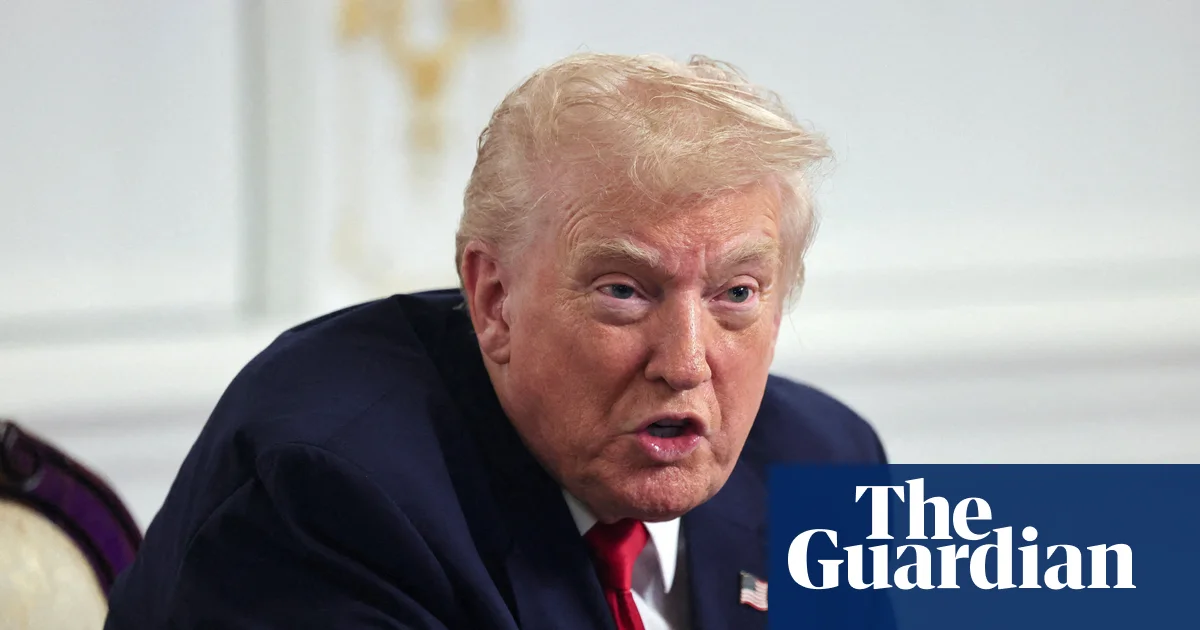

Trump Shots Down Venezuela Airspace, Locks Out Maduro’s Regime

Geopolitical Tensions Escalate as United States Targets Venezuela

In a striking escalation of policy and rhetoric, President Donald Trump announced on Saturday that the airspace above and surrounding Venezuela would be declared entirely closed to all aircraft—an unprecedented move that signals a deepening crisis in U.S.-Venezuela relations. His public declaration on Truth Social explicitly targeted airlines, pilots, and illicit traffickers, raising alarms across international corridors—particularly among airlines and regional neighbors who now face potential chaos and economic fallout. This declaration comes amid rising U.S. military activity in the region, with analysts warning that such provocative measures could herald broader strategic shifts in the Western Hemisphere.

Simultaneously, US authorities have intensified their counter-narcotics operations against suspected drug trafficking networks linked to the Venezuelan regime of Nicolás Maduro. For months, the U.S. military has engaged in strikes against alleged drug boats moving through Caribbean and Pacific waters, with at least 21 known attacks, resulting in over 80 casualties—an unmistakable show of force that many experts interpret as signaling a preparedness for more aggressive action. The US Defense Department and intelligence agencies have also authorized covert operations, while Trump has publicly indicated that land-based missions to dismantle trafficking networks could soon commence. These developments, critics warn, risk destabilizing an already fragile region and could set a dangerous precedent for unilateral military interventions.

International agencies and regional analysts have raised concerns regarding the potential fallout from Washington’s aggressive posture. The Federal Aviation Administration (FAA) issued warnings that the security situation in Venezuela has *deteriorated significantly*, prompting the revocation of flight rights for six major airlines. This move not only isolates Venezuela economically but also complicates global air travel in the region, highlighting how targeted sanctions and military actions affect broader societal stability. The Venezuelan government, led by Nicolás Maduro since 2013, has vehemently denied all charges of drug trafficking, asserting that the U.S. seeks to overthrow the legitimate government—an assertion supported by many in the region who view Washington’s actions as imperial overreach.

Historians and geopolitical analysts see this phase of confrontation as reminiscent of Cold War-era tensions, where proxy conflicts and economic sanctions served as tools for regional dominance. The aggressive U.S. stance in preventing drug trafficking marries a broader strategy of containing and undermining the Maduro regime—though at what cost remains uncertain. As regional alliances recalibrate and global powers watch cautiously, the outcome of this escalating crisis could reshape the political landscape in South America and influence international security policies for years to come. The weight of history urges caution, yet the march toward conflict seems inevitable, leaving the world on the precipice of a new Cold War—one where sovereignty and sovereignty are constantly tested by the relentless hunger for influence.

Social Media Auto Publish Powered By : XYZScripts.com


