
Matox News

Truth Over Trends, always!

Small Town Stands Up as ICE’s Detention Center Plan Gets Rejected

Amidst ongoing debates over national immigration policies, residents in a small community have voiced a complex stance that underscores the deep-rooted tensions shaping today’s geopolitical landscape. While the local populace largely supports the broader goals of immigration reform—such as bolstering economic growth, fostering multicultural integration, and fulfilling international commitments—they have expressed firm resistance to specific implementation measures, notably the proposed construction of a detention center within their neighborhood. This nuanced community response exemplifies how domestic policies are often entangled with local concerns, revealing a layered geopolitical impact.

According to local residents, their ambivalence stems from a pragmatic recognition of the need for effective immigration controls, yet they are deeply concerned about the consequences of detention infrastructure on community safety, property values, and social cohesion. Critics argue that such facilities symbolize a broader clash between sovereignty and human rights, with international organizations sounding alarms over potential violations of global norms. Analysts from prominent think tanks have pointed out that these tensions highlight the delicate balance policymakers must strike between upholding national security and respecting human dignity.

The government, meanwhile, maintains that the detention center is a necessary component of their comprehensive immigration strategy. They emphasize that the facility would operate under strict regulations designed to ensure humane treatment and that it would help streamline immigration processing, ultimately serving both national interests and international obligations. However, these assurances have done little to quell local unrest. Instead, debates have intensified among international observers and geopolitical scholars who warn that such infrastructure projects become flashpoints for latent geopolitical tensions. Critics assert that these localized conflicts are microcosms of larger global struggles—highlighting issues of sovereignty, human rights, and migration policies under unprecedented strain.

  • Historian Samuel Peterson highlights how detention policies have historically shifted public perceptions and affected diplomatic relations, warning that “the construction of detention centers often signals a nation’s retreat from international human rights standards.”
  • International organizations such as the United Nations continue to advocate for humane treatment of migrants, emphasizing that how a nation manages migration reflects its geopolitical identity and values.
  • Political analysts believe that these domestic controversies could have ripple effects, destabilizing diplomatic ties and fueling nationalist sentiments across regions.

As the debate rages on in the community halls and political chambers, the world watches, aware that these localized decisions often scale to define a nation’s stance in an interconnected global order. Will the government maintain its push for detention infrastructure, or will community resistance succeed in shaping a more humane approach? History remains poised at this decisive crossroads, waiting to record whether this confrontation becomes a turning point or simply another chapter in the continuing saga of migration and national sovereignty.
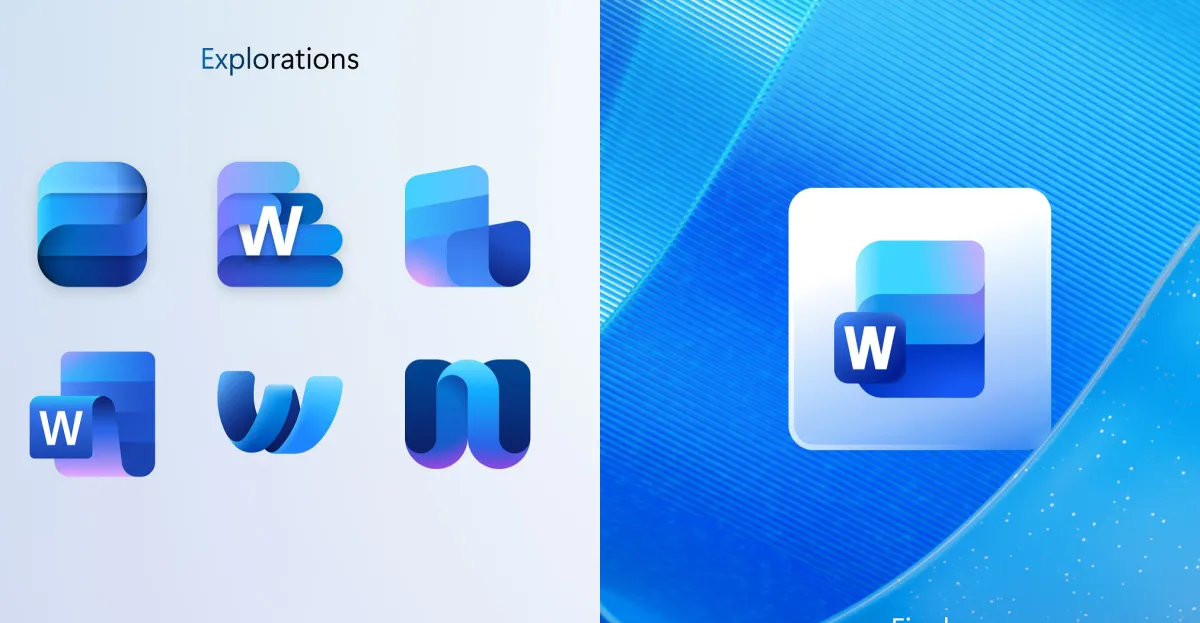
Microsoft’s Rejected Office Icons: What Could Have Been

Microsoft’s Visual Overhaul: A Sign of Broader Innovation and Industry Shake-up

Microsoft has recently launched a refreshed set of Office icons, embracing a more modern, colorful, and flexible design language. This move is more than mere aesthetics; it reflects the company’s strategic pivot towards enhanced user experience, digital branding consistency, and a broader push for design-driven innovation within the enterprise software sector. By publicly sharing early design concepts, including radically different directions for Word, Excel, and PowerPoint, Microsoft signals its intent to stay ahead of the curve and adapt to the shifting expectations of a digital-first, youthful audience.

Disruption Through Design: A New Standard for Tech Giants

This icon refresh is emblematic of a larger trend among major technology firms embracing disruption through visual and UX innovation. According to industry analysts from Gartner and MIT’s Media Lab, visual identity updates often precede major product and process transformations, serving as a signaling mechanism for future capabilities. Microsoft’s initiative to experiment with different design concepts—some reminiscent of older Mac icons—indicates a deliberate strategy to balance nostalgia with innovation, and demonstrates how usability and brand coherence are now central to enterprise technology’s competitive edge.

  • Enhanced clarity and simplicity for intuitive user interaction
  • Better cross-platform consistency across Windows and iOS
  • Fostering a more youthful, dynamic brand image to appeal to next-gen users

Critics and design experts note that such visual reinventions are crucial for maintaining relevance in an evolving tech landscape. As Elon Musk emphasized in recent Tesla updates, disruption often begins with a fundamental shift in perception—what users see and feel. Microsoft’s latest move echoes a broader industry paradigm shift, positioning it as a bold innovator rather than a reactive player.

Business Implications and Future Outlook

The rollout of these redesigned icons, especially on platforms like Windows and iOS, demonstrates Microsoft’s commitment to a cohesive, future-proof ecosystem. This approach could serve as a template for other tech behemoths seeking to redefine their brand identity amidst stiff competition from startups and new entrants leveraging faster innovation cycles. Additionally, the strategic alignment with cloud-based collaboration tools—such as Teams, OneDrive, and Outlook—suggests that Microsoft sees visual coherence as integral to fostering higher user engagement and productivity.

Given the rapid pace of technological evolution, it is imperative for industry leaders and investors to monitor how such visual and UX innovations influence adoption patterns and productivity metrics. Disruption is no longer confined to functionality alone but extends deeply into perceptual and branding domains, inevitably impacting market share and long-term viability. As Peter Thiel and other thought leaders warn, complacency in innovation can soon become an existential threat in this hyper-competitive digital arena.

Looking ahead, the next few years promise intensified experimentation as companies seek to balance cutting-edge innovation with user-centric design. Microsoft’s visual metamorphosis signals a broader evolutionary phase, where visual and functional innovation intertwine to forge new standards of industry disruption. At a moment when the tech landscape is more competitive than ever, those who innovate rapidly and authentically will shape the future of work, communication, and enterprise technology—making the urgency for strategic, disruptive leadership unmistakably clear.

Social Media Auto Publish Powered By : XYZScripts.com



