Matox News

Truth Over Trends, always!

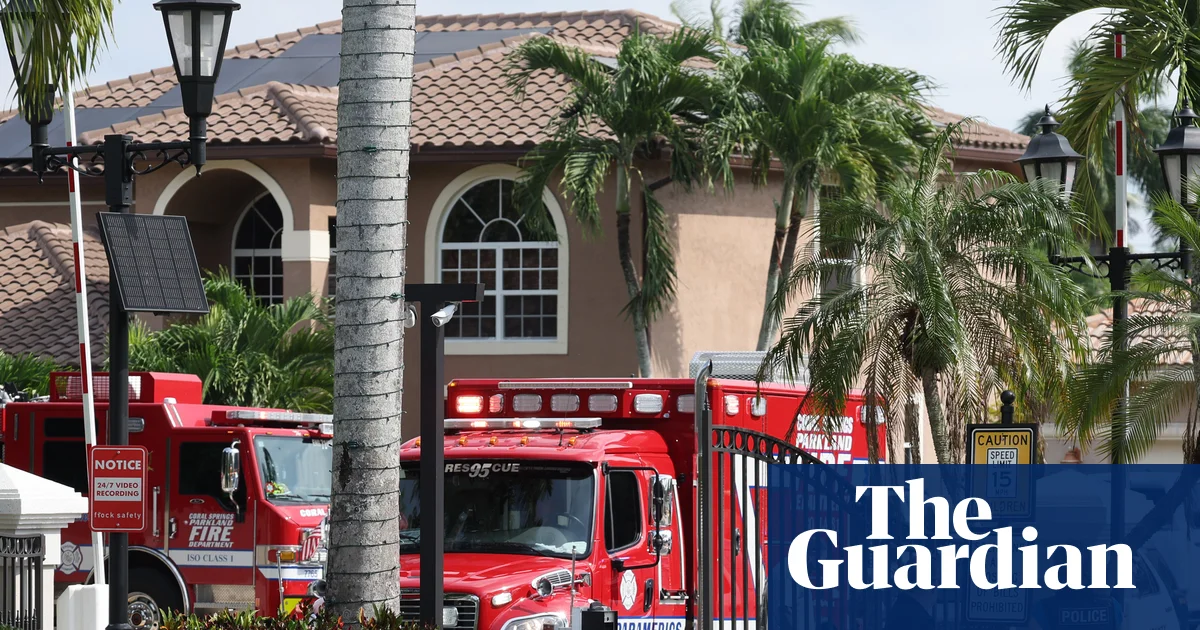
Tragedy strikes: Two dead after small plane crashes during hurricane relief trip to Jamaica in Florida

The recent crash of a small turboprop plane in Coral Springs, Florida has sent shockwaves through a region still reeling from the devastation wrought by Hurricane Melissa. The incident, which resulted in the tragic deaths of two individuals shortly after the aircraft took off on a hurricane relief mission, highlights the lingering vulnerabilities faced by communities in the Caribbean and their diaspora in the United States. While initial reports indicate no damage to nearby homes, the debris trail leading to a pond underscores the dangerous hazards associated with unregulated or poorly documented relief flights in post-disaster zones.

Analysts point out that the crash’s timing and context are significant, reflecting ongoing geopolitical realities. The plane, a vintage Beechcraft King Air registered to International Air Services, had made multiple recent trips to Jamaica—an island still recovering from the wrath of Melissa, which made landfall as one of the strongest hurricanes in Atlantic history. The fact that the aircraft operated through a company known for trust arrangements for non-US citizens indicates complex international aviation logistics, possibly aimed at circumventing regulatory oversight. This incident raises questions about how international relief operations are coordinated and the safety standards adhered to during these missions.

The geopolitical impact extends beyond mere accident statistics. Jamaica, a nation of strategic geopolitical importance amidst escalating tensions between global powers, relies heavily on international aid and diaspora support. The devastation caused by Melissa—leaving over 90,000 families displaced and thousands in shelters—has strained local resources, and aid efforts have become a focal point of regional diplomacy. The US’s role, whether through humanitarian missions or private relief contractors, becomes part of a broader contest for influence, especially as emerging nations seek to expand their footprint in Caribbean assistance and recovery. The crash consequently underscores a broader need for coordinated international oversight, lest relief efforts become entangled with geopolitical rivalries or neglect safety protocols in pursuit of quick aid delivery.

Meanwhile, local communities and international organizations are grappling with the immediate aftermath. Emergency responders, as described by officials like Mike Moser, responded swiftly, but the debris and fuel spill have created environmental and safety concerns. The ongoing investigation by federal aviation authorities aims to uncover whether mechanical failure, pilot error, or regulatory lapses contributed to the crash. Historically, experts like aviation safety analyst Dr. Raymond Chen warn that in the hurried rush to assist disaster zones, safety often takes a backseat, risking further tragedies. As authorities maintain a heavy police presence and continue evidence collection, the incident functions as a stark reminder of the fragile interface between aid, safety, and geopolitics in regions vulnerable to natural catastrophes.

As the world observes, this event underscores how aircraft, often seen as mere tools of aid, are also symbols of broader international dynamics. The hurricane’s aftermath, with Jamaica still in recovery, reflects the unending story of resilience underscored by vulnerability—a narrative that history keeps writing with each new chapter. The toll of Melissa, compounded by the tragedy in Florida, leaves a haunting question: in an era of rapid geopolitical shifts and climate turmoil, how will nations navigate aid, safety, and sovereignty? The weight of history presses heavily on the horizon, and as this unfolding drama continues, the global community watches, waiting for answers that could redefine the boundaries of international cooperation amid adversity.

Vogue World 2025: Hollywood A-Listers Rally for LA Wildfire Relief – Must-See Photos of the Night

The Vogue World 2025 event, now in its fourth edition, reaffirms the fashion industry’s evolving role as both a cultural catalyst and a social advocate. Held once again at the iconic Paramount Studios, this star-studded gathering under the direction of Anna Wintour was far more than a showcase of trends. It was a statement of purpose, raising an impressive $4.5 million to support costume designers impacted by the recent LA wildfires. This philanthropic angle underscores an increasingly common trend: fashion’s active engagement with social issues, turning style into a vehicle for meaningful change.

In recent years, the boundaries between fashion, activism, and social impact have blurred significantly. Influencers and celebrities recognized this shift early, using their platforms to spotlight pressing issues, and the industry’s elite now pivot from merely setting trends to shaping societal dialogue. Vogue World, in particular, epitomizes this transformation. Its focus extends beyond garments—it’s about fostering community, defending cultural craftsmanship, and advocating for resilience in the face of adversity. The event’s capacity to raise such a substantial charity sum demonstrates how fashion can serve as both a mirror and a motor of societal progress.

Now more than ever, this event and its social messaging resonate with a generation that views style not just as self-expression but as a statement of values. Youth influencers like Emma Chamberlain and Noen Eigee have championed sustainable fashion and social justice, further propelling the notion that embracing activism fuels authenticity. Sociologists note that this shift reflects a broader cultural demand for accountability and purpose from institutions. The fashion industry’s embrace of philanthropy and social responsibility is not just a trend but a reflection of a new era—one where style equates to standing for something meaningful.

Looking ahead, the question remains: how sustainable is this wave of socially conscious fashion love? Will brands and designers maintain their commitment as the spotlight shifts or as economic pressures mount? As the next generation of consumers becomes more intentional about their engagement with brands, the industry’s ability to integrate authentic activism and cultural advocacy will be the true test. The future of fashion might not just be about what looks good but about what *does* good—and whether this trend will elevate fashion from a lucrative industry to a true agent of societal transformation.

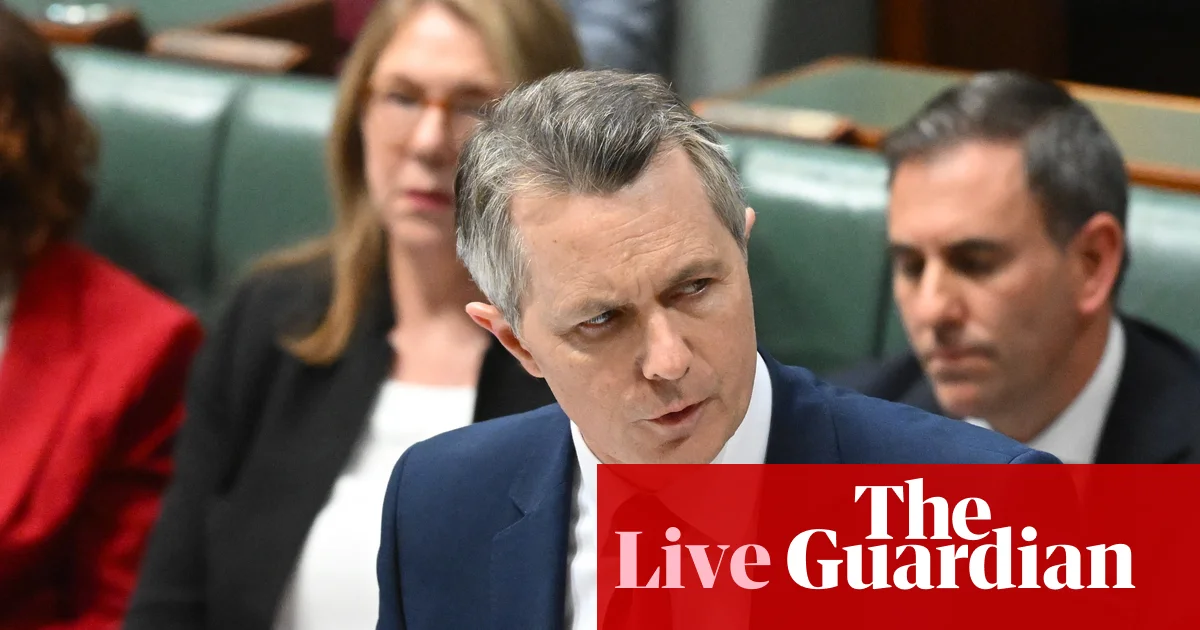
Australia News Live: Hecs Debt Relief Starts November – Waters Demands More Support for Detained Flotilla Activists

Global Power Play: Navigating Conflicts, Alliances, and Domestic Policy Shifts

In an era where the geopolitical landscape shifts rapidly, nations are increasingly compelled to reassess alliances and strategic priorities. Australia, under the leadership of Prime Minister Anthony Albanese, exemplifies this dynamic as it grapples with complex international issues—from supporting activists attempting to break the Gaza blockade to navigating climate commitments and domestic policy reforms.

One of the most striking international developments involves the interception of a flotilla attempting to breach the naval **blockade on Gaza**, aimed at delivering critical aid to the beleaguered Palestinian territory. Six Australians who participated face detention by **Israel**, prompting calls from Australian politicians, including opposition figures such as Larissa Waters, for the government to escalate diplomatic efforts. Waters has demanded greater action from Foreign Minister Penny Wong, including “calling on the Israeli ambassador” and even contemplating the expulsion of that ambassador if Australia’s nationals are not treated with due security and respect. The situation underscores the **geopolitical impact** of America’s close alliance with Israel—a relationship that many analysts argue complicates Australia’s ability to adopt a balanced foreign policy amid rising tensions.

Meanwhile, in domestic policy, the Albanese government has announced significant steps to ease economic burdens for Australians. Starting mid-November, the **Higher Education Contribution Scheme (HECS)** debt will be cut by 20%, a move aimed at alleviating the student debt crisis faced by millions. This policy shift, backdated to balances as of June, reflects a broader economic strategy to boost domestic affordability and social mobility. Critics, however, argue that such measures serve political ambitions more than systemic reform, especially as debates around **climate change** intensify. The Greens, led by Larissa Waters, have repeatedly accused the government of ignoring expert advice—asserting that the **62-70% emissions reduction targets** are “low-balled” and favoring coal and gas industries with too lenient policies. This rift demonstrates how domestic policy decisions are deeply intertwined with **global climate commitments**, which, if rushed or compromised, could undermine Australia’s credibility on the international stage.

In the broader arena, the **Green parties worldwide** are pushing hard for environmental protections and a shift away from fossil fuels. Waters has called for an end to native forest logging and stronger environmental safeguards, criticizing the government’s willingness to negotiate with powerful fossil fuel interests—particularly the notorious “go zones” that reportedly include 22 coal projects seeking approval in the Bowen Basin. International organizations like the Climate Change Authority warn that actual commitments are insufficient to meet the looming climate crisis, a concern echoed by Australian experts who emphasize that **how nations choose to act now will define their legacy**. The tension between economic growth’s reliance on fossil fuels and the urgent need for ecological sustainability continues to be a defining feature of Australia’s **geopolitical impact** on global climate efforts.

As these internal and external tensions unfold, history remains at the crossroads. Decisions made in the coming months will resonate across nations—impacting alliances, influencing international perceptions, and shaping the lives of generations to come. From the **growing unrest in Gaza** to the **policy debates within Australia’s halls of power**, it is clear that the true test of leadership is whether a nation can uphold justice, security, and sustainability—all while navigating the turbulent currents of the world’s future. The unfolding narrative is a stark reminder that history’s weight lies not just in the decisions of today, but in the legacy of what is yet to be written.

Credit card interest relief now available through 2024—take advantage!

Big news for credit card users: you can officially avoid paying interest into 2024! This announcement comes as many Americans look for ways to manage their finances more effectively, especially amid rising costs in other areas of daily life. The extended grace period gives cardholders a chance to tackle their balances without the pressure of accruing interest.

For young people who might be navigating their first credit cards, this new development is a golden opportunity. Keeping a close eye on your spending and taking advantage of this interest-free period can help build a solid financial future. It’s all about staying informed and making smart choices—something our generation has to embrace. So, if you’re looking to make the most of your money, now’s the time to take action and strategize how to use this extension to your advantage.

Social Media Auto Publish Powered By : XYZScripts.com