Matox News

Truth Over Trends, always!

Amanda Seyfried Defends Her Criticism of Charlie Kirk’s Remarks on Shooting: Refuses to Apologize

In an era where the digital sphere becomes an extension of our national and cultural identity, the conversation surrounding figures like Charlie Kirk and the outspoken responses they provoke reveal more than mere partisan squabbles; they embody a deeper struggle over the essence of societal values. Amanda Seyfried’s unapologetic declaration that she would not “fucking apologise” for calling Kirk “hateful” underscores a vital truth — culture is the battlefield of ideology, tradition, and morality. In her stance, she echoes a timeless cultural tension: the moral imperative to speak truth amidst the cacophonous chaos of modern discourse. This is reminiscent of the courage of the Old Republic’s orators and the patriotic voices that sought to uphold a moral order, asserting that societal memory is preserved not only through memorials but through the unflinching assertion of one’s convictions.

Social media, for Seyfried, becomes a kind of digital agora, a space where individual voice can forge protected ground in the confrontation of cultural chaos. She articulates a modern necessity — the right to speak one’s truth as an act of cultural preservation. Her acknowledgment of the backlash reflects an ongoing cultural debate: whether society is drifting into a relativistic cloud where only silence offers safety, or whether the virtue of moral clarity can survive amidst the shrill noise of modern polarization. As T.S. Eliot once pondered the fractured nature of contemporary culture, he reminded us that it is “the still point of the turning world”, a vital anchor that keeps collective memory alive in the tempest of change. Seyfried’s conviction highlights this — an assertion that speaking freely, especially in the face of populist hysteria, sustains the societal fabric through ongoing dialogue and moral staking.

In the broader sense, her actions emphasize the central role that culture plays in shaping identity, tradition, and societal cohesion. From the reverence of classical literature and art to the moral philosophies that underpin Western civilization, the challenge today is whether these foundational symbols continue to serve as guiding lights or are relinquished in an age of cultural relativism. The philosophical stance of thinkers like G.K. Chesterton reminds us that authentic culture is rooted in the recognition of a divine and moral order that binds our communities. Seyfried’s defiance can be seen as part of a renewed cultural effort to defend these enduring truths against the encroaching tide of nihilism, which seeks to dissolve tradition into mere spectacle.

Ultimately, culture is both memory and prophecy. It preserves our shared past, yet signals future expectations about who we are and hope to become. As Ortega y Gasset observed, society must stand upon its cultural foundations lest it drift aimlessly in the fog of modernity. Seyfried’s impulse, articulated through her media engagement, embodies this dialectical tension: a desire to preserve the moral and cultural inheritance that defines our societal soul, even amidst fierce disagreement. The enduring power of culture, then, is to serve as a lighthouse, guiding generations through the storm, illuminating the path from memory to prophecy, and reminding us that human civilization, at its core, is a song of voices singing the everlasting narrative of our collective destiny — a melody that calls us to remember, to resist, and to believe in the enduring promise of human greatness.
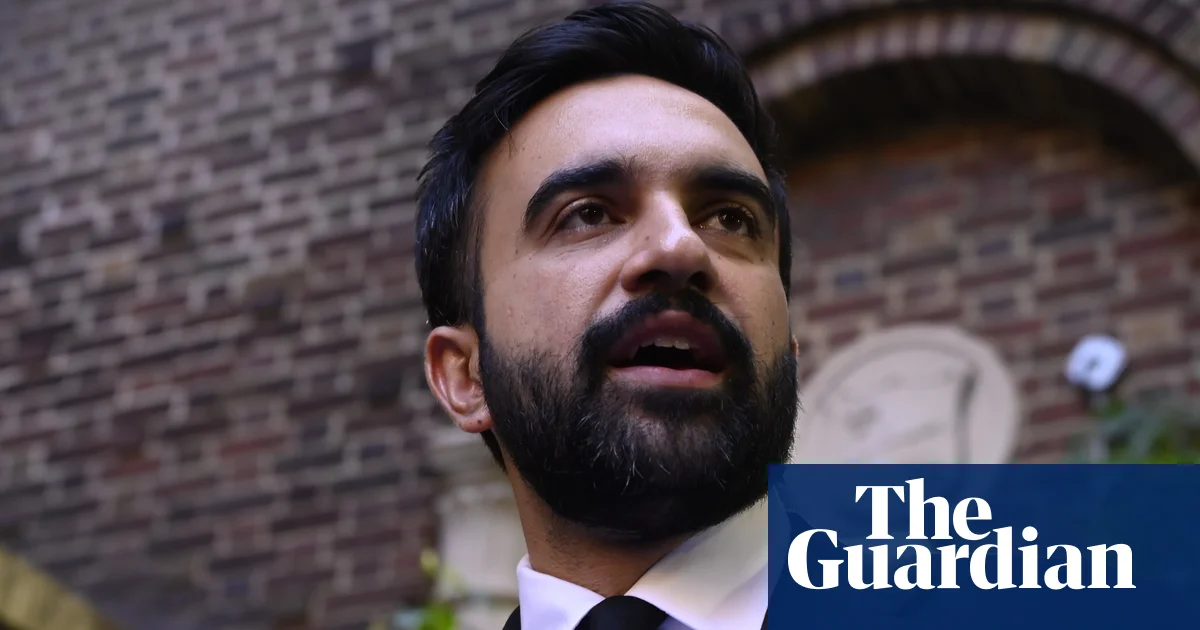
Zohran Mamdani's October 7 Remarks Sparks Backlash from Israel
Zohran Mamdani’s October 7 Remarks Sparks Backlash from Israel

In a period where geopolitical tensions are intensifying globally, the recent statements by Zohran Mamdani, a leading Democratic mayoral candidate in New York City, have sparked an international debate on the ethics and politics surrounding the ongoing Israeli-Gaza conflict. Mamdani’s remarks, commemorating both Israeli victims of the October 7 Hamas attacks and Palestinian casualties since Israel’s military escalation, have become a flashpoint revealing the deep divisions within American society and the powerplay shaping the world stage. His call to recognize Palestinian suffering and criticism of Benjamin Netanyahu and the United States’ role in the conflict represents a broader narrative that is resonating not just locally but also echoing in global political discourse.

Analysts from the International Crisis Group and other think tanks warn that such narratives are fueling the divisiveness over Israel’s actions in Gaza, where reports indicate that tens of thousands of civilians, including a significant number of children, have fallen victim to extensive military operations. Israel’s government, led by Netanyahu, faces accusations from various international bodies, including the International Criminal Court, of committing war crimes and crimes against humanity—charges that Israel dismiss as “self-defense”. Meanwhile, Israel’s military campaign, which has razed substantial parts of Gaza, has been characterized by critics as a form of genocide signified by mass starvation and urban destruction. The United States, a critical ally of Israel, continues to supply military aid, arguably making it complicit in the suffering—an implication that Mamdani explicitly brought into his critique, asserting US complicity in what he terms a “genocidal war.”

The reaction from Israeli officials was swift and sharp. The Israeli foreign ministry condemned Mamdani’s remarks as “spreading Hamas propaganda”, accusing him of undermining efforts to portray the conflict in a solely defensive light. This response underscores the global contestation over the narrative—where pro-Israel voices emphasize Israel’s right to defend itself against terrorist aggression, while critics highlight what they perceive as disproportionate use of force and violations of human rights. Such dichotomous views are fueling a battle for international legitimacy, with geopolitical consequences that stretch beyond domestic politics. Experts note that these disputes over language and morality could influence future diplomatic alignments and international resolutions.

The American political landscape itself is deeply affected by these debates. Mamdani’s stance has gained traction among youthful, progressive voters who seek to challenge traditional American support for Israel’s policies, reflecting a broader shift in opinion among younger generations worldwide. Conversely, more conservative factions view his remarks as dangerous and damaging to America’s alliance with Israel. International organizations and seasoned strategists warn that such internal divisions could have lasting repercussions, destabilizing diplomatic efforts and fueling radical narratives on both sides of the Israel-Palestine divide. As history unfolds, the world watches with bated breath, realizing that the decisions made in this crucible of conflict could determine the geopolitical blueprint for decades to come, with the shadows of today’s rhetoric shaping tomorrow’s realities.

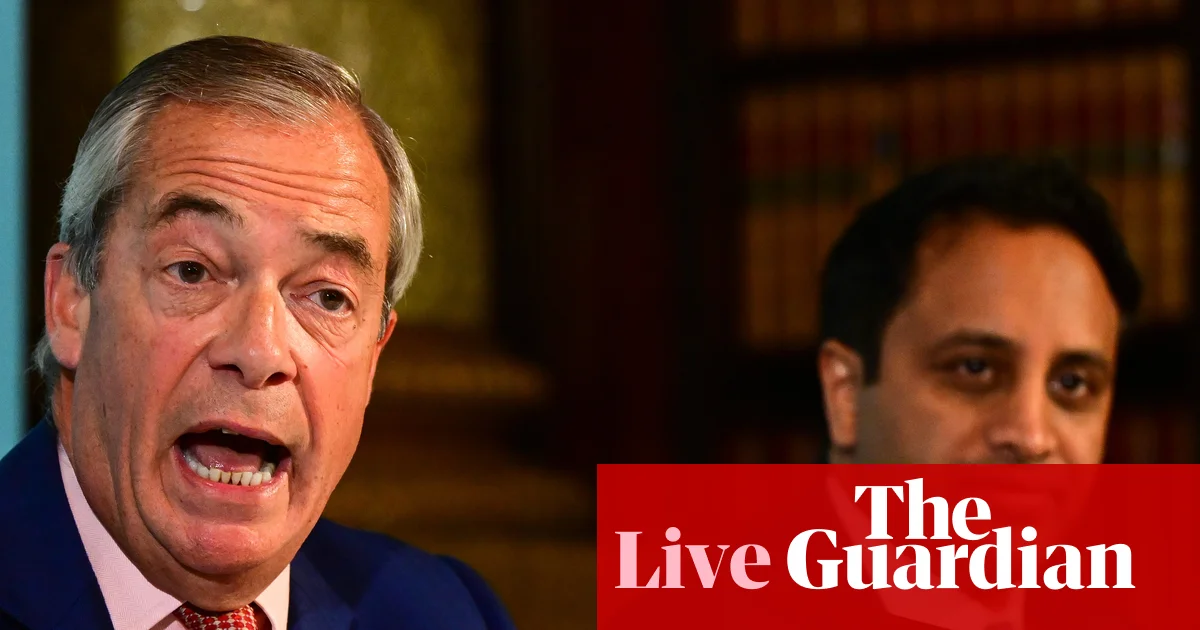
PM's remarks no threat, minister insists—UK politics update
PM’s remarks no threat, minister insists—UK politics update

Global Impact of UK Political Maneuvering: A New Chapter in International Power Dynamics

As UK internal politics surge with stark policy proposals and fractious debates, the international community watches with trepidation. Recent developments at both major parties’ conferences underscore a potential shift in the nation’s direction that could ripple across global geopolitics, with far-reaching implications for alliances, global commitments, and economic stability. Distinguished analysts and international organizations highlight the tension between Britain’s domestic policies and its place in the wider world stage, marking a pivotal point in contemporary geopolitics.

At the heart of the controversy lies the proposed overhaul of the Climate Change Act 2008, a policy that has long been a cornerstone of the UK’s environmental leadership. The Conservative Party openly states its intention to repeal the Act, with some officials even talking about replacing it without clarifying what would take its place. This move, criticized as a “backwards step” by the CBI and other global economic stakeholders, threatens decades of investment in green economies and renewable technologies. Environmentalists and industry leaders warn that such撤 retraction might weaken Britain’s push toward international climate commitments and erode confidence among investors, potentially jeopardizing the UK’s reputation as a leader in decarbonization.

This domestic policy debate takes on a broader geopolitical significance. As countries around the world struggle to meet climate targets amid global upheavals, Britain’s retreat from green commitments could be perceived as a sign of wavering resolve, emboldening adversaries like China and Russia and diminishing its influence. Some experts warn that abandoning the Climate Change Act may signal to allies a divergence from shared values on sustainability, risking diplomatic fractures and a reevaluation of international alignments. The United Nations and climate watchdogs have expressed concern that such political shifts could undermine global efforts, especially as developing countries look towards Britain for leadership.

Meanwhile, internal debates around migration policies and international diplomacy complicate Britain’s global standing. The rhetoric surrounding immigration, exemplified by proposals to tighten asylum laws and criticisms of political opponents, echoes a wider geopolitical reality—the growing contest over sovereignty, border control, and national identity. Keir Starmer’s call to end what he terms the “golden ticket” of asylum, combined with inflammatory claims by Zia Yusuf suggesting that Politicians’ speeches might incite violence, reveal a nation grappling with its role in a multipolar world increasingly defined by fierce competition for influence and resources.

International observers, including European Union officials and NATO analysts, interpret Britain’s political shifts as both a symptom and a catalyst of wider geopolitical currents. The EU summit in Copenhagen illustrates Europe’s concern with security, migration, and regional cooperation—tasks complicated further by Britain’s evolving stance. Diplomatic sources suggest that Britain’s policies could impact negotiations on Ukraine support, defense strategies, and cooperation on migration, ultimately affecting the stability of the European continent and its global alliances. As the geopolitical puzzle intensifies, the global community remains alert to the weight of decisions made within Westminster, which could either reinforce or destabilize the fragile balance of power.

History and international relations scholars emphasize that whether Britain’s new policies mark a revenge of nationalism or a strategic repositioning, they are shaping a new chapter in the saga of 21st-century geopolitics. The unfolding drama commands the attention of the world’s leaders, who recognize that how Britain navigates this turbulent period will influence the stability of democracy, economic growth, and the fight against global challenges for decades to come. As history’s pen writes these critical lines, the question remains: will Britain seize its moment to lead or capitulate to forces that threaten to redefine the world order?

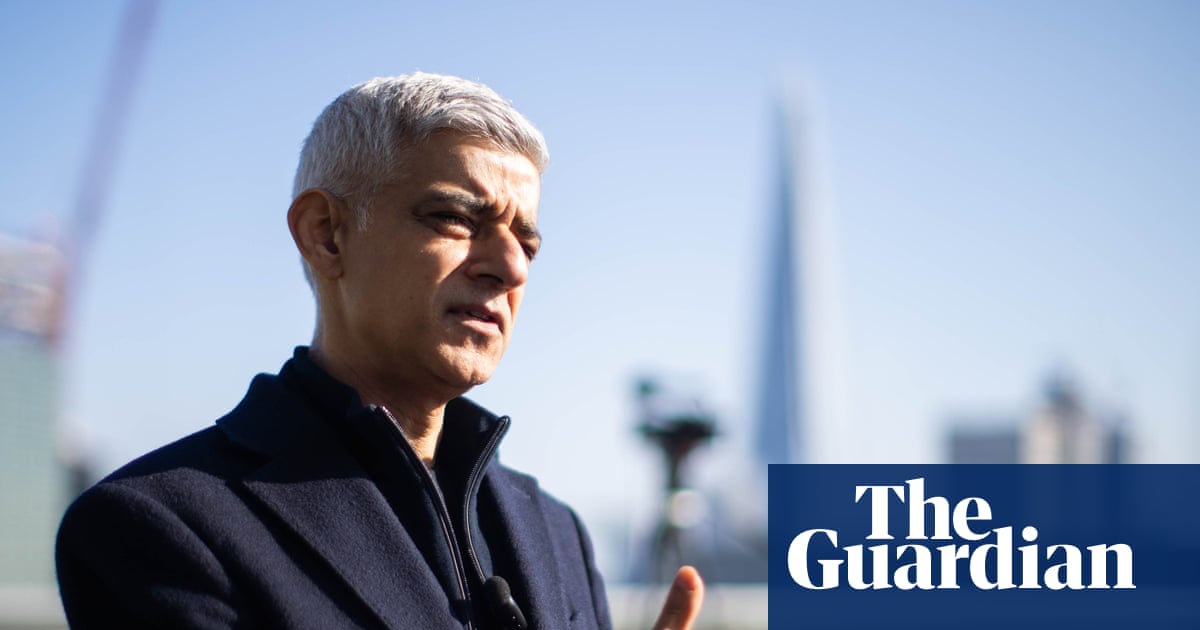
Sadiq Khan Responds to Trump’s Controversial Remarks on Diversity Issues

Power Struggles at the UN: Analyzing the Clash Between Trump and Khan

The recent exchange between Donald Trump, the President of the United States, and Sadiq Khan, the Mayor of London, highlights ongoing power struggles that not only define individual political careers but also shape international relations. In a pointed address at the United Nations General Assembly, Trump labeled Khan as “terrible” and accused the mayor of steering London toward “sharia law.” This sparked a vehement rebuttal from Khan, who described Trump as “racist, sexist, misogynistic, and Islamophobic.” Such rhetorical confrontations exemplify the divisive political landscape both leaders inhabit, raising questions about the impact of national leadership on urban governance.

The fallout from Trump’s comments has galvanized members of the Labour Party, who rushed to defend Khan, emphasizing his role as an advocate for diversity amid growing societal tensions. Health Secretary Wes Streeting labeled Khan a leader who “stands up for difference of background and opinion.” This defense plays into a broader narrative within the party that posits the importance of progressive values against what they deem regressive politics represented by Trump and his supporters. The accusations of racism and Islamophobia are not just mere insults; they are part of a calculated effort to frame the dialogue around inclusivity and acceptance, positioning Khan’s leadership as both a symbol and a product of contemporary multiculturalism.

The implications of this exchange extend far beyond personal animosities; they reveal how political rhetoric affects public perception and policy. As political theorists have often noted, the narratives set by leaders can have a profound effect on the populace. By invoking claims of sharia law, Trump not only incites controversy but also dredges up fears rooted in historical conflicts over cultural integration and sovereignty. Such discussions can lead to tangible shifts in policy, potentially affecting the civil rights and liberties of the populations involved. When mayors like Khan are accused of fostering extremism, it opens the door for legislative changes that may restrict freedoms under the guise of security.

As both figures navigate this highly charged atmosphere, one must ponder the long-term implications of their exchanges. Each statement is a calculated move in a chess game of political strategy, echoing the past struggles of political leaders who once faced similar challenges in their quests for power. The currents of thought and ideology set forth by leaders define the societal landscape, often leading to profound changes in governance and civil rights. In this theater of politics, every confrontation holds the potential to reshape destiny itself. After all, as history has taught us, it is often within these power struggles that the true character of a nation is revealed, with echoes of leaders past guiding the steps of those present. The quest for identity, values, and governance is never merely a personal journey—it is a collective odyssey where the stakes are nothing less than we, the people, and our futures.

Social Media Auto Publish Powered By : XYZScripts.com