Matox News

Truth Over Trends, always!

Trump issues warning to Netflix: Remove leading Democrat or face consequences

Controversy Sparks New Chapter in Global Media and Power Politics

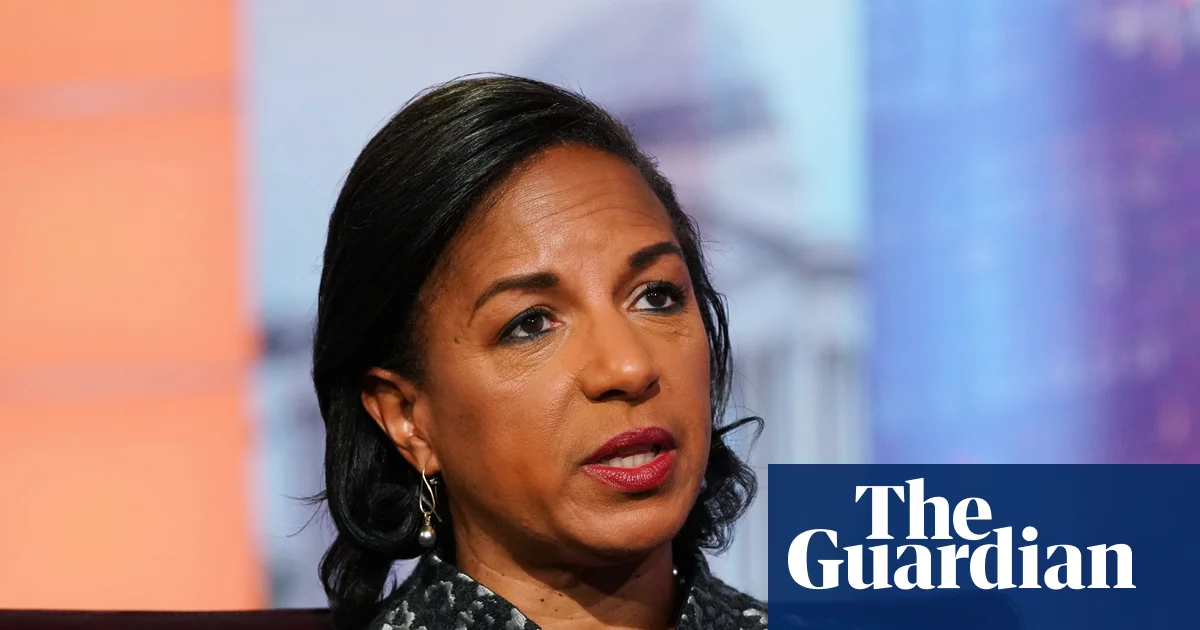
In an extraordinary display of interconnected power struggles, United States President Donald Trump has issued a direct threat to Netflix demanding the removal of Susan Rice from its board amidst a fierce corporate battle for control over Warner Bros Discovery (WBD). These comments, posted on his Truth Social platform, mark a bold intervention into not only entertainment industry politics but also reflect broader geopolitical tensions amidst the ongoing global realignment of influence. Former White House officials, besides Rice, have become pawns in an ideological clash that threatens to draw international attention, especially as major corporations become conduits for political agendas.

The backdrop to this controversy is the fierce bid war between Netflix and Paramount Skydance to acquire WBD’s lucrative assets, including the rights to iconic franchises like Harry Potter, Batman, and Superman, alongside streaming powerhouses such as HBO and its acclaimed series like Game of Thrones. Analysts warn that whether this deal goes through could have a profound impact on global media landscapes, creating a media titan wielding unprecedented influence over international narratives and cultural exports. This move reflects the consolidation of soft power through corporate dominance and exemplifies how economic leverage translates into geopolitical muscle. Washington’s stance suggests that any acquisition must receive federal regulatory approval, but Trump’s inflammatory comments serve to politicize the process and undermine international confidence in free-market principles, revealing a dangerous intersection of commerce and political vendettas.

The scandal deepens as Rice, an influential figure who served under Barack Obama and currently maintains a position on Netflix’s governance committee, became a target of Trump’s vitriol. His assertion that her “power is gone” and questioning her remuneration reveal a broader ideological battle—one where media influence is seen as a battleground for ideological dominance. Prominent international researchers and think tanks warn that the politicization of corporate governance and media assets fuels instability, potentially fostering regional conflicts as nations react to perceived external interference. Meanwhile, US political factions are divided, and global forces watch with caution as the tendency for such high-profile disputes to spill across borders grows ever more evident.

This unfolding saga is more than a battle over assets; it signals a pivot point in the rendering of geopolitical influence. The clash involving United States domestic politics, international media, and corporate sovereignty underscores a future in which economic powerhouses seek to shape global narratives and societal values. As global institutions remain watchful, historians like Fukuyama and Huntington warn that the lines between cultural influence and geopolitical strategy continue to blur, risking an era torn between the forces of capitalism and nationalist fervor. The next chapter in this fight for control may well determine if the world is steering toward a new era of unprecedented corporate domination, or if resistance by societies and nation-states will carve out a space for independence amid the chaos.

As the curtains close, the story remains unevenly written, with history once again echoing into the uncertain future. The question lingers—how will this battle for control over the streams of information and cultural icons ultimately reshape our global order? Only time will reveal whether these power plays forge a new era of dominant media empires or ignite a reckoning that reshapes sovereignty itself. For now, the world watches and waits, aware that history is not just being written—it is being violently reshaped, one deal, one tweet, one moment at a time.
Government vows to remove RAAC from schools by 2029 to safeguard future generations

Rising School Safety Crisis Sparks National Debate on Social Responsibility

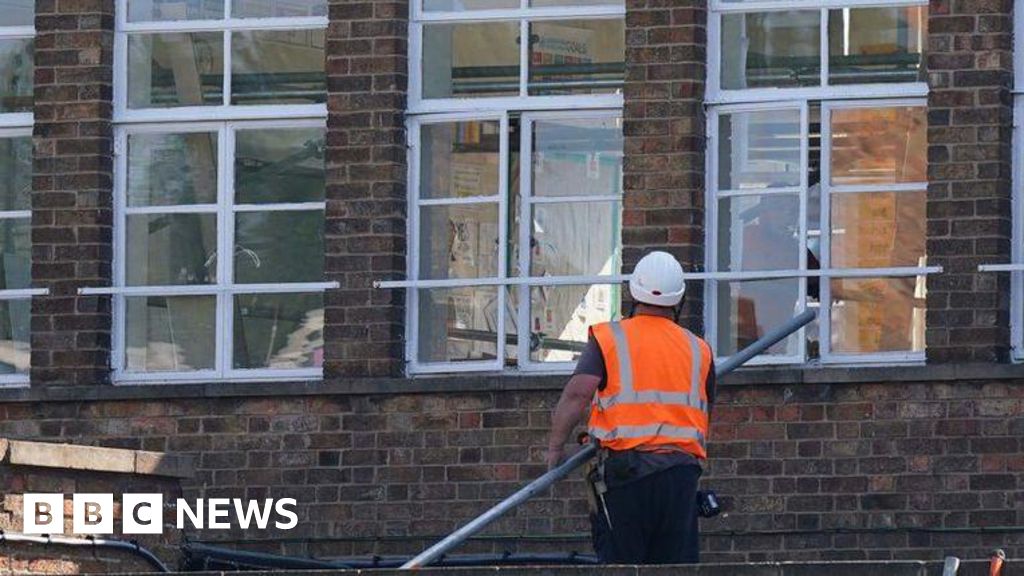
Across England, a pressing social issue threatens the foundations of our educational system and, consequently, the future of our families and communities. The alarming presence of reinforced autoclaved aerated concrete (Raac) within school buildings has resulted in the closure of 70 schools in Essex alone, forcing students into temporary classrooms and disrupting the continuity of education. These structural concerns, rooted in post-World War II economic choices, expose deeper issues of longstanding neglect and underinvestment. As social commentators warn, this is a stark reminder of how public resources meant for maintenance have been chronically underfunded, leaving vital infrastructure vulnerable and our children unsafe.

The government has pledged to eliminate Raac from all affected institutions by 2029, a timeframe viewed by critics as overly ambitious and morally troubling. Education Minister Josh McAllister announced that every school containing Raac would either be completely rebuilt or undergo extensive remediation. However, experts like Prof. Chris Goodier from Loughborough University underline that each building must be individually inspected to guarantee safety, emphasizing how years of deferred maintenance have compounded the crisis. This systemic neglect highlights a broader societal failure: neglecting the safety and well-being of future generations in favor of short-term fiscal prudence, which ultimately costs lives and hampers community cohesion.

The social repercussions of this crisis extend beyond structural safety. Families are being torn apart as parents grapple with the reality of their children learning in makeshift classrooms or being kept at home amid safety concerns. The instability jeopardizes not only academic progress but also the emotional and moral fabric of communities. Local authorities are under immense pressure to accelerate repairs, with figures such as Mark Francois claiming that most schools could have foundations stabilized “if enough resources were committed.” Yet, the underlying challenge remains: how to reconcile the urgent need for restoring educational infrastructure with the societal tendency to underfund essential services, thus perpetuating cycles of neglect that weaken societal resilience.

While the Conservative government vows to eradicate Raac within this decade, critics like the Liberal Democrats argue that delay constitutes a form of social betrayal. They call for emergency action and increased public investment to swiftly remove these hazardous materials. Meanwhile, organizations such as the Association of School and College Leaders urge a long-term strategy—one that goes beyond quick fixes and addresses the root causes of underfunding. As the debate unfolds, the overarching moral question endures: do we prioritize our children’s safety today or continue to gamble with their futures in the name of fiscal austerity?

The challenge of remaking a society that neglects its most vulnerable is immense, yet not insurmountable. With societal recognition that public safety and investment in infrastructure are moral imperatives, there lies hope for a renewed collective resolve. As society stands at this crossroads, it is vital to reflect on the power of community action and political will—reminding us that safeguarding our children’s schools is not merely about bricks and mortar, but about building a society where safety and dignity are universal. Perhaps, in the silent classrooms waiting for renewal, there exists a quiet promise: that society’s true strength is measured not by its wealth, but by its willingness to nurture and protect its future—including its youngest, most vulnerable members, and the families that depend on them.

Social Media Auto Publish Powered By : XYZScripts.com



